Bistro Provence
Bistro Provence brings the cooking traditions of southern France to Fairmont Avenue in downtown Bethesda, occupying a clear niche in a neighborhood that trends toward Asian and pan-global formats. The menu architecture follows classic Provençal logic: seasonal ingredients, herbaceous sauces, and the kind of restraint that lets olive oil and tomato do the heavy lifting. For the DC-area diner who wants Paris without the flight, this is the address.
Pearl is the En Primeur Club membership app — saves, bookings, and concierge access live there. Same editors, same standards.
- Address
- 4933 Fairmont Ave, Bethesda, MD 20814
- Phone
- +13016567373
- Website
- bistroprovence.org
- Directions
- Get directions
 Saves & bookings on Pearl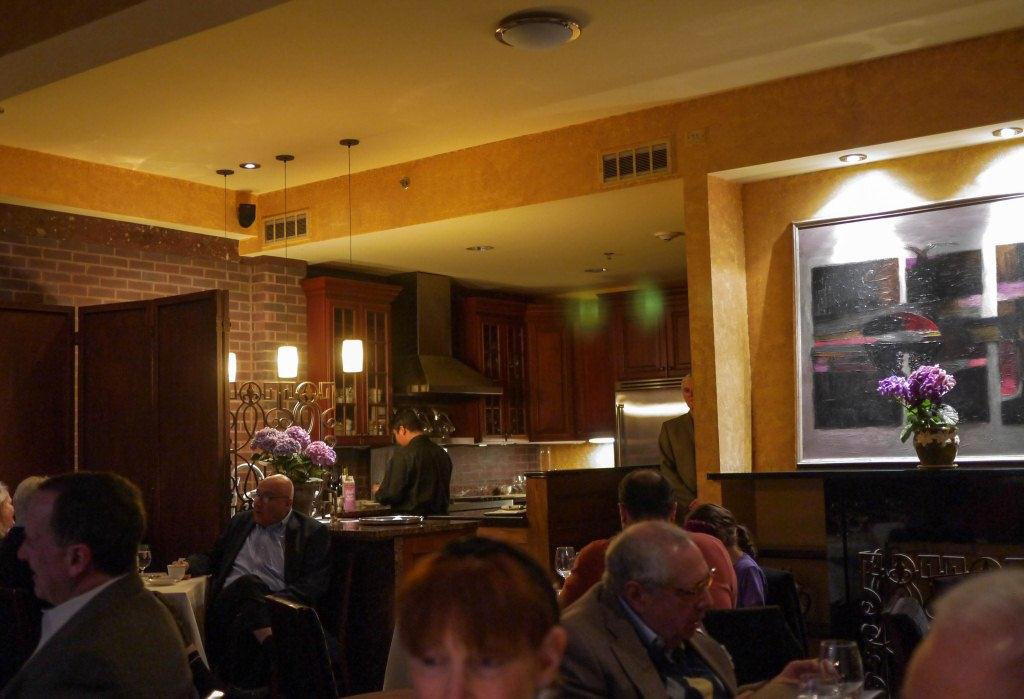
Fairmont Avenue and the French Bistro Question
Bethesda's dining corridor has shifted decisively toward variety in recent years. Walk a few blocks in any direction from the Metro and you'll find CherCher Ethiopian Cuisine, the Sichuan firepower of Q by Peter Chang, the Delhi Spice kitchen, and the rotisserie pragmatism of Chicken on the Run. Against that backdrop, a French bistro on Fairmont Avenue isn't a default, it's a deliberate counter-position. Bistro Provence holds that position at 4933 Fairmont Ave.
The French bistro format has proved more durable than many critics predicted when American dining began its pivot toward casual and global. In cities with serious restaurant infrastructure, think The French Laundry in Napa anchoring the high end, or Le Bernardin in New York City maintaining classical French technique at the summit, the bistro tier survives by doing something the tasting-menu format cannot: it lets the diner eat like a regular. That's the implicit contract Bistro Provence extends to Bethesda.
How the Menu Is Organized, and What That Tells You
The editorial angle that matters most at a place like Bistro Provence isn't a single marquee dish, it's the structural logic of the menu itself. Classical Provençal cooking is organized around a clear hierarchy: raw materials from the south (olives, tomatoes, fresh herbs, lamb, fish from the Mediterranean tradition), fat used as a carrier rather than a feature, and acidity deployed to balance rather than shock. A menu built on those principles tends to read differently from, say, the farm-signal menus at Blue Hill at Stone Barns in Tarrytown or the course-by-course precision of Atomix in New York City. The bistro menu signals something else: it's a document of a tradition, not a manifesto.
That distinction matters practically. In the Provençal register, a starter is a starter, rillettes, pâté, a composed salad with olives and anchovy, and a main is a main, not an act in a theatrical sequence. The diner is expected to make decisions, not follow a prescribed narrative. This format rewards repeat visits more than single occasions, because the menu's architecture becomes familiar and the diner's own preferences start to guide the experience. It's a different model from the fixed tasting formats at Lazy Bear in San Francisco or Smyth in Chicago, and not a lesser one, just a different contract with the guest.
Among Bethesda's restaurant comparable set, the à la carte bistro format is relatively rare. Bacchus of Lebanon and Barrel and Crow operate in adjacent registers but different culinary traditions. The restaurant sits in its own column.
Southern France on Fairmont: What the Tradition Requires
Provençal cooking is among the more geographically specific regional traditions in French cuisine. It's defined not by technique alone but by a set of ingredients that don't translate everywhere: the particular bitterness of tapenade made with Niçoise olives, the anise note in pastis-based sauces, the way ratatouille collapses when cooked correctly rather than staying crisp. Getting those flavors right in suburban Maryland requires sourcing discipline and kitchen confidence that the bistro format usually conceals behind white tablecloths and chalkboard specials.
At the scale of a neighborhood bistro, the kitchen's relationship with those ingredients tends to show up not in any single dish but in the consistency across the menu. The question worth asking at any restaurant in this tradition is whether the herbes de Provence arrive as a perfume or a cliché, and whether the olive oil being used has actual flavor or is just a cooking medium. These are the distinctions that separate a bistro with genuine Provençal conviction from one that uses the label as shorthand for rustic European.
For context on what serious French technique looks like at the high end in the broader mid-Atlantic and American market, The Inn at Little Washington sets one reference point just to the west, operating at a different price tier and format scale but within the same broad tradition of classical European cooking in America. Addison in San Diego and Providence in Los Angeles represent the Pacific end of that lineage. The restaurant operates well below those altitude levels in terms of ambition and probably price, which is precisely the point: it fills a neighborhood role those restaurants cannot.
Bethesda's French Bistro as Neighborhood Infrastructure
There's a category of restaurant that a neighborhood needs but that tends to get less critical attention than it deserves: the reliable mid-week option that doesn't require a three-month booking lead, doesn't demand a tasting menu commitment, and doesn't ask you to explain your dining preferences in a pre-reservation questionnaire. The bistro format, when it works, is that kind of infrastructure. It's the counter-argument to the increasingly elaborate formats being pursued at venues like Single Thread Farm in Healdsburg or Atelier Moessmer Norbert Niederkofler in Brunico.
Bethesda has enough dining density that it can support a genuine French bistro without that bistro needing to be a destination draw. The Metro station a short walk away brings DC-based diners in regularly; the surrounding residential neighborhoods supply the regulars. That's a viable operating environment for a format that depends on repeat business more than novelty.
Similarly, if the French-American dining tradition is a broader area of interest, Emeril's in New Orleans represents one influential node in that history, and the comparison is worth making if only to understand how differently the tradition plays at the neighborhood scale.
Planning a Visit
The restaurant is located at 4933 Fairmont Ave in downtown Bethesda, within walking distance of the Bethesda Metro station on the Red Line, a practical advantage for DC-based diners who prefer not to manage parking. Specific hours, current pricing, and reservation details are best confirmed directly with the restaurant, as that information is subject to change. The bistro format generally lends itself to walk-ins more readily than tasting-menu formats, but Bethesda's dining traffic on weekend evenings makes a reservation a reasonable precaution.
Accolades, Compared
Comparable venues nearby, for context on price, style, and recognition.
| Venue | Cuisine | Price | Notes |
|---|---|---|---|
| Bistro ProvenceThis venue — the venue you are viewing | Authentic French Bistro | $$$ | Not listed |
| Agora Bethesda | Modern Eastern Mediterranean mezze | Not listed | Bethesda |
| Rosetta Bakery | Authentic Italian Bakery | $$ | downtown Bethesda |
| PopUp Bagels | New York-Style Bagels & Schmears | $ | Bethesda |
| The Salt Line | New England & Chesapeake Seafood | $$ | Bethesda Row |
| Uchi | Fire-Forward Japanese | $$$$ | Bethesda |
Continue exploring
More in Bethesda
Restaurants in Bethesda
Browse all →
Bars in Bethesda
Browse all →
Hotels in Bethesda
Browse all →
At a Glance
- Classic
- Elegant
- Cozy
- Intimate
- Date Night
- Special Occasion
- Brunch
- Open Kitchen
- Extensive Wine List
- Local Sourcing
- Organic
Current opening hours
- Monday
- 5–9:30 PM
- Tuesday
- 5–9:30 PM
- Wednesday
- 5–9:30 PM
- Thursday
- 5–9:30 PM
- Friday
- 5–9:30 PM
- Saturday
- 5–9:30 PM
- Sunday
- Closed
Hours can change for holidays and private events. Last verified .
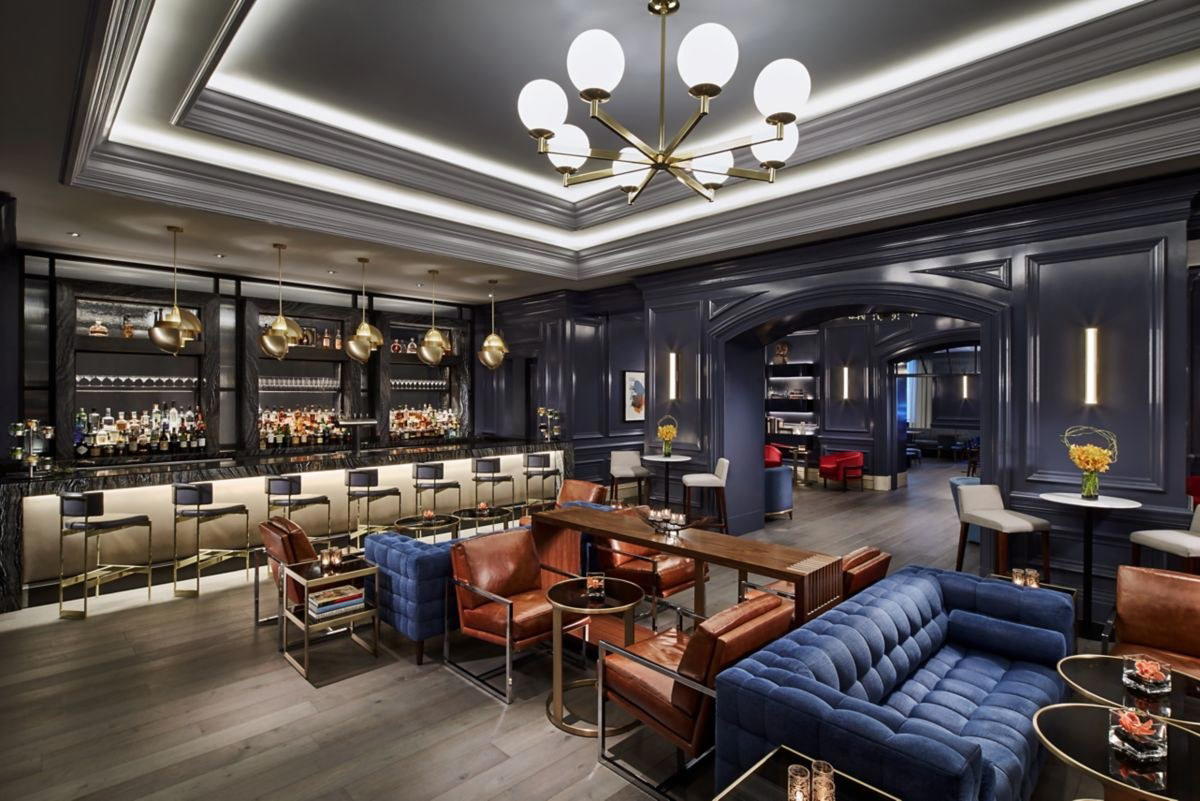
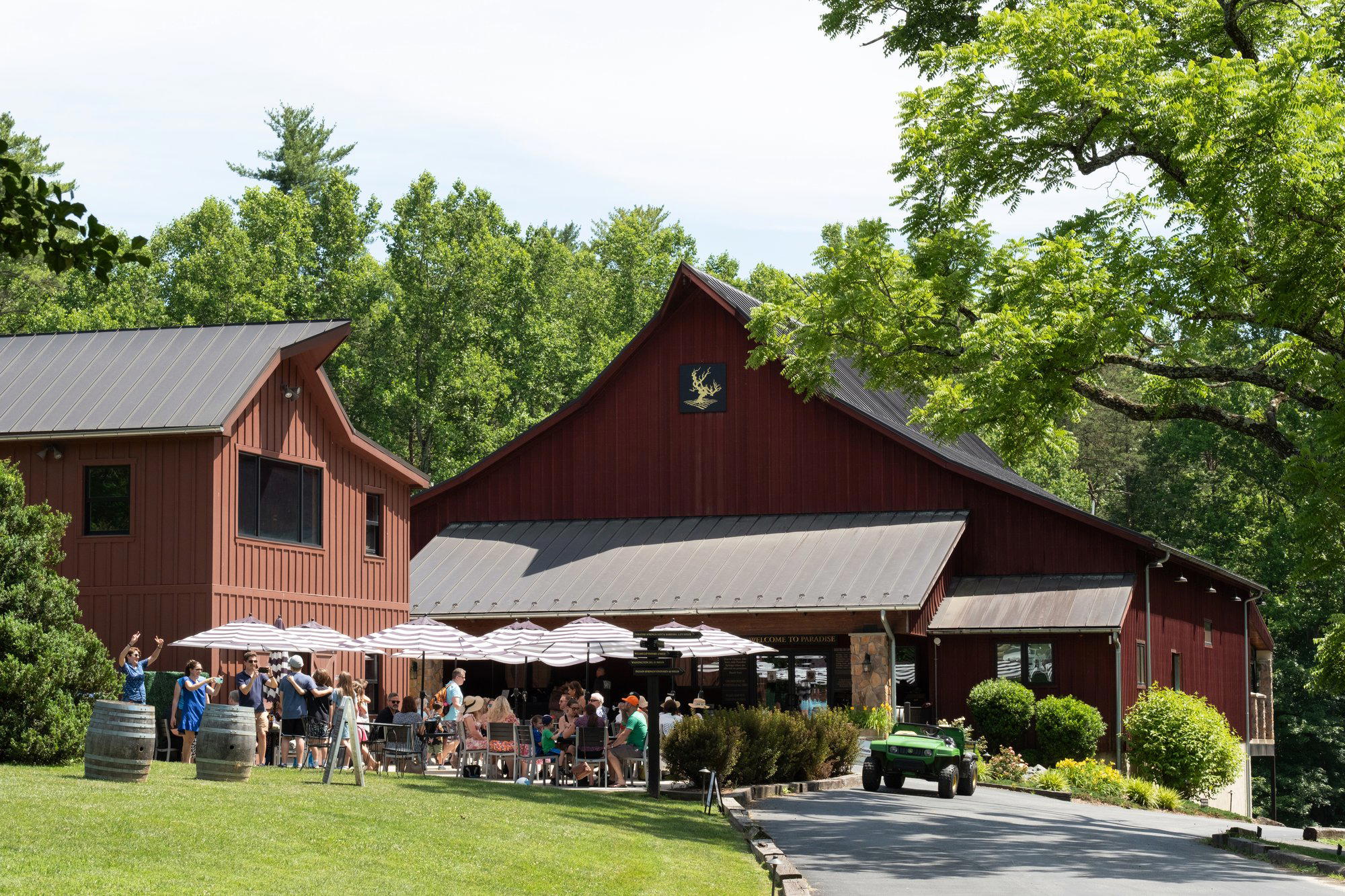
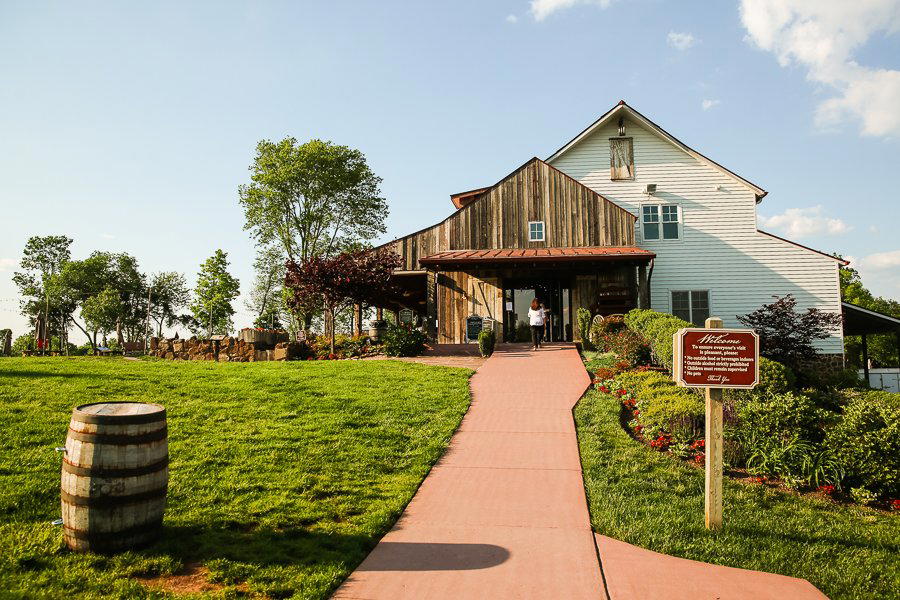
Inviting décor with oak-accented dining room, cheek-by-jowl tables, charming patio in summer, and warm lighting creating an authentic French bistro atmosphere.