Bacchus of Lebanon
Bacchus of Lebanon has held a place on Norfolk Avenue in downtown Bethesda for years, anchoring the neighborhood's Lebanese dining options with a format rooted in the communal, mezze-driven traditions of the Levant. The restaurant sits within a Bethesda dining corridor that has grown increasingly competitive, making it a reference point for Lebanese cuisine in the Maryland suburbs of Washington, D.C.
Pearl is the En Primeur Club membership app — saves, bookings, and concierge access live there. Same editors, same standards.
- Address
- 7945 Norfolk Ave, Bethesda, MD 20814
- Phone
- +13016571722
- Website
- bacchusoflebanon.com
- Directions
- Get directions
 Saves & bookings on Pearl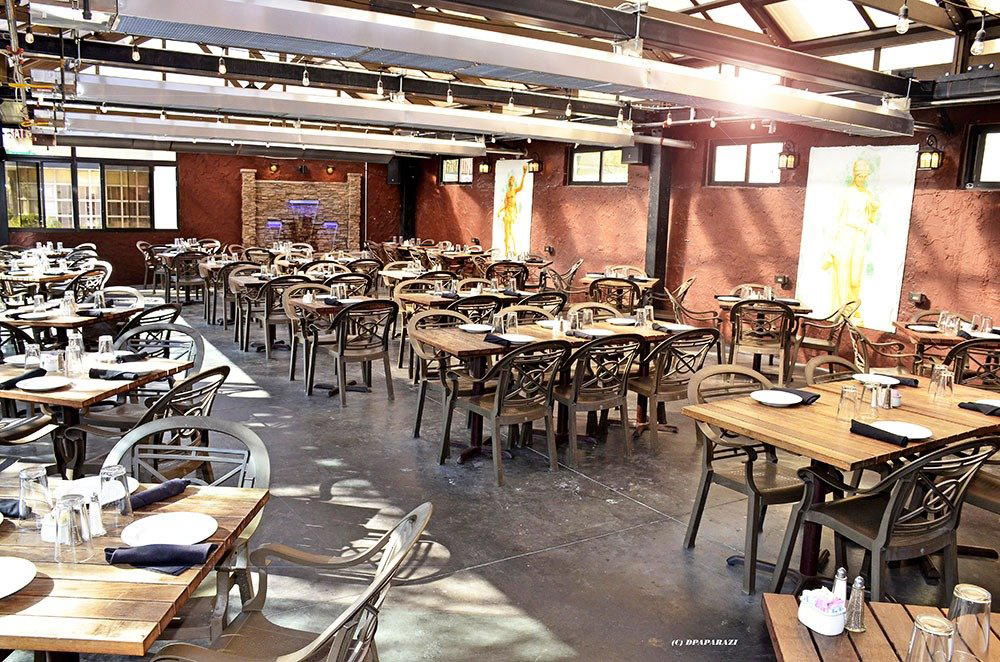
Lebanese Dining in the Washington Suburbs: What Bethesda Offers
Northern Virginia and the Maryland corridors around D.C. carry the bulk of the region's Levantine dining, a pattern shaped by decades of immigration from Lebanon, Syria, and Palestine into communities like McLean, Falls Church, and Bethesda itself. Within that geography, downtown Bethesda's Norfolk Avenue has developed into a stretch where international cuisines sit close together, from the Sichuan heat of Q by Peter Chang to the spice-forward plates at Delhi Spice and the East African cooking at CherCher Ethiopian Cuisine. Bacchus of Lebanon sits on that street as a Lebanese dining room, operating within a broader mix that now includes everything from quick-service rotisserie spots like Chicken on the Run to craft-focused neighborhood bars such as Barrel & Crow.
The Structure of a Lebanese Meal
Lebanese dining carries a particular ceremonial logic that distinguishes it from most Western restaurant formats. A meal at a Lebanese table rarely moves in a straight line from appetizer to main. Instead, the mezze stage, a spread of cold and hot small plates, acts as the social and culinary center of the meal. Hummus, tabbouleh, fattoush, kibbeh, and grilled halloumi arrive in a sequence that is less about portion progression and more about collective tasting. Diners share from common plates, conversation slows, and the table accumulates dishes rather than clearing them in waves.
That pacing is not incidental. It reflects a Lebanese hospitality tradition in which abundance at the table signals welcome, and the act of eating together carries social weight beyond simple sustenance. At Bacchus of Lebanon, the format follows this inherited structure: the mezze spread precedes heavier grilled meats or stewed dishes, and the meal tends to extend over time rather than driving toward a rapid turnover. For diners accustomed to tasting menus at destinations like The French Laundry in Napa or Smyth in Chicago, the Lebanese meal offers a different kind of deliberateness, one built around the table rather than the kitchen's sequencing.
What the Menu Signals
Lebanese cuisine in American restaurants tends to split between fast-casual formats and sit-down dining rooms that preserve the full mezze structure. The former prioritizes speed and familiarity; the latter requires diners to engage with the meal as a drawn-out occasion. Bacchus of Lebanon is a sit-down restaurant, which places it in a different competitive conversation than quick-service Lebanese operators. Within the Bethesda market, that positioning makes it a destination for group dining occasions, business lunches, and meals where the social ritual of sharing matters as much as the individual plate.
The kitchen's core vocabulary is consistent with Lebanese restaurant cooking in the mid-Atlantic: cold mezze built on legumes, herbs, and raw vegetables; warm mezze featuring pastry-wrapped fillings and grilled cheese; and main courses centered on marinated meats cooked over high heat. Arayes, kafta, shish taouk, and mixed grill plates are the standard grammar of a Lebanese restaurant menu in this market. Vegetarian diners fare well in this tradition, since cold mezze is structurally plant-based, with dishes like moutabal, moujaddara, and falafel providing genuine substance rather than afterthought alternatives. That contrasts with the protein-centered menus of many of Bethesda's peer restaurants, a distinction worth noting for diners planning around dietary preferences.
Bethesda's Dining Character and Where Bacchus Fits
Bethesda has developed a dining corridor concentrated around Bethesda Row and the streets feeding off Wisconsin Avenue. The neighborhood skews toward polished casual, with a concentration of French bistros, contemporary American kitchens, and international independents. Bistro Provence represents the French end of that range; the bakery culture arriving via operators like Rosetta Bakery signals a European casual influence. Against that backdrop, Lebanese dining occupies a specific role: it supplies the communal-table, sharing-format experience that the neighborhood's more formal restaurants do not provide.
That communal format is also where Bethesda's Lebanese dining tradition connects to a broader American shift toward shared-plate dining. Across the country, restaurants from Blue Hill at Stone Barns in Tarrytown to Providence in Los Angeles have moved away from the individual-plate format toward table-wide compositions. Lebanese cuisine arrived at that structure generations before it became a fine-dining trend, and it executes the format with less self-consciousness than many tasting-menu operations. The meal at a Lebanese restaurant like Bacchus is not designed around surprise or revelation; it is designed around generosity and repetition of trusted preparations.
Practical Planning
The restaurant is located at 7945 Norfolk Ave in downtown Bethesda, within easy walking distance of the Bethesda Metro station on the Red Line, which connects directly into the D.C. core. That transit link makes it accessible for diners coming in from the city without a car, though street parking and garages are available along the Norfolk Avenue corridor for those driving. The restaurant's address places it within a dense block of dining and retail, meaning the immediate neighborhood is active through the evening. For group bookings, contacting the restaurant directly is advisable, as the shared-plate format scales naturally to larger tables. The restaurant recommends reservations.
Cuisine Context
Comparable venues nearby, for context on price, style, and recognition.
| Venue | Cuisine | Price | Notes |
|---|---|---|---|
| Bacchus of LebanonThis venue — the venue you are viewing | Authentic Lebanese | $$$ | Not listed |
| Silver | Contemporary American Brasserie | $$$ | Bethesda |
| Tikka Masala | Traditional Indian Curry House | $$ | Bethesda |
| Aventino | Roman Italian | $$$ | Bethesda |
| Bistro Provence | Authentic French Bistro | $$$ | Woodmont Triangle |
| Chicken on the Run | Peruvian Rotisserie Chicken | $ | Bethesda |
Continue exploring
More in Bethesda
Restaurants in Bethesda
Browse all →
Bars in Bethesda
Browse all →
Hotels in Bethesda
Browse all →
At a Glance
- Casual
- Elegant
- Cozy
- Date Night
- Group Dining
- Family
- Celebration
- Terrace
- Extensive Wine List
- Local Sourcing
Current opening hours
- Monday
- 5–10 PM
- Tuesday
- 12–2 PM, 5–10 PM
- Wednesday
- 12–2 PM, 5–10 PM
- Thursday
- 12–2 PM, 5–10 PM
- Friday
- 12–2 PM, 5–10:30 PM
- Saturday
- 12–2 PM, 5–10:30 PM
- Sunday
- 12–2 PM, 5–10 PM
Hours can change for holidays and private events. Last verified .
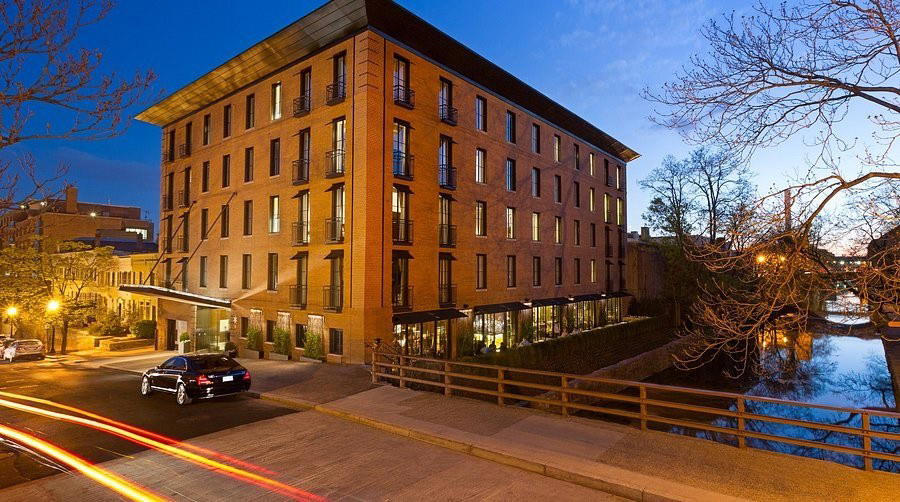
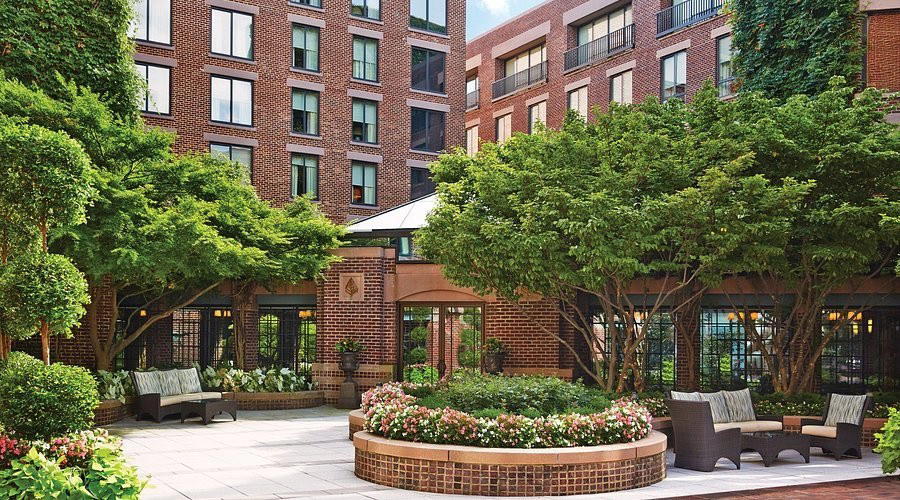
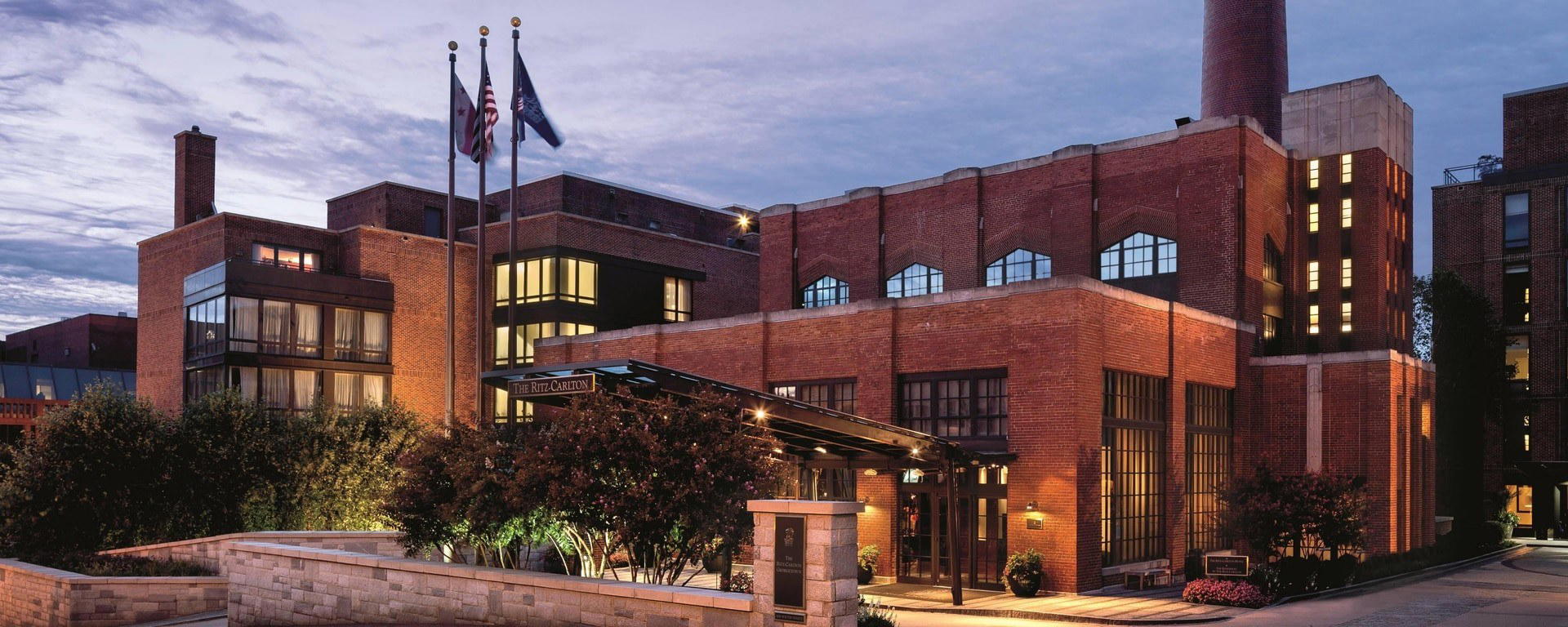
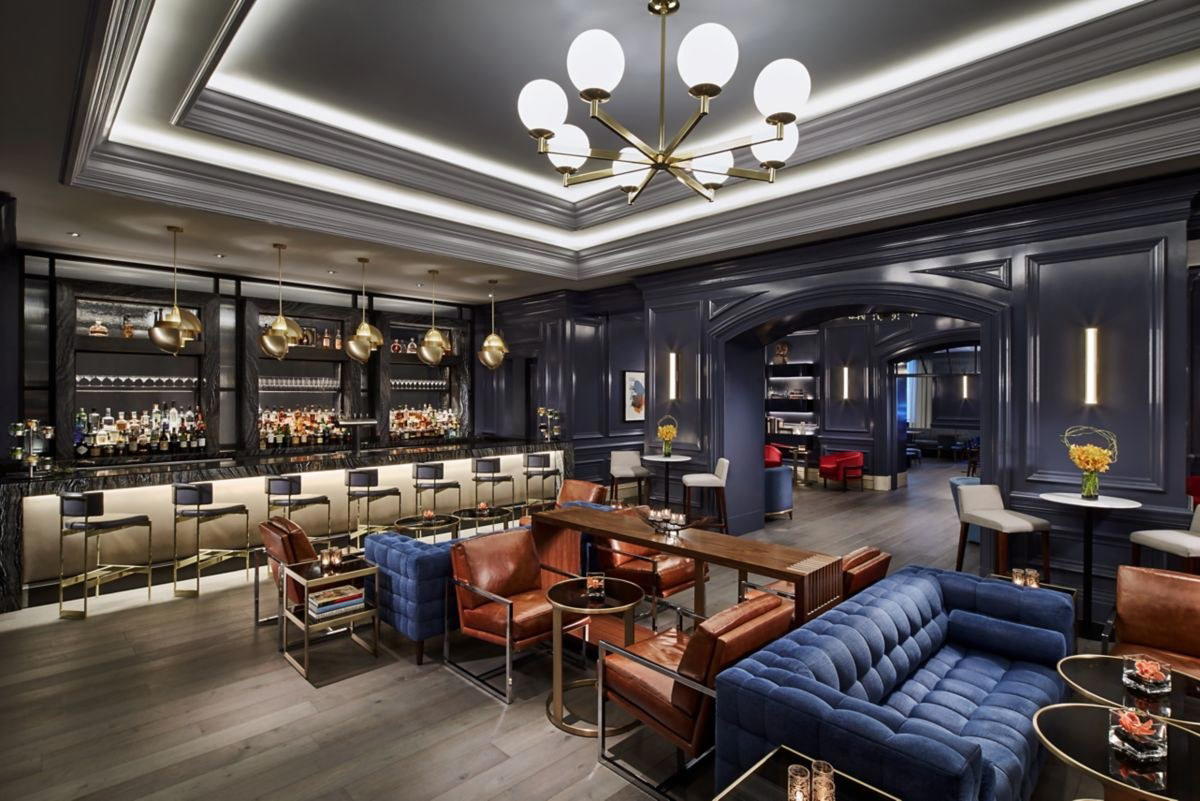
Upscale serene with wooden plank walls, tile floors, a waterfall feature, potted plants, and a quiet inviting atmosphere.