Uchi
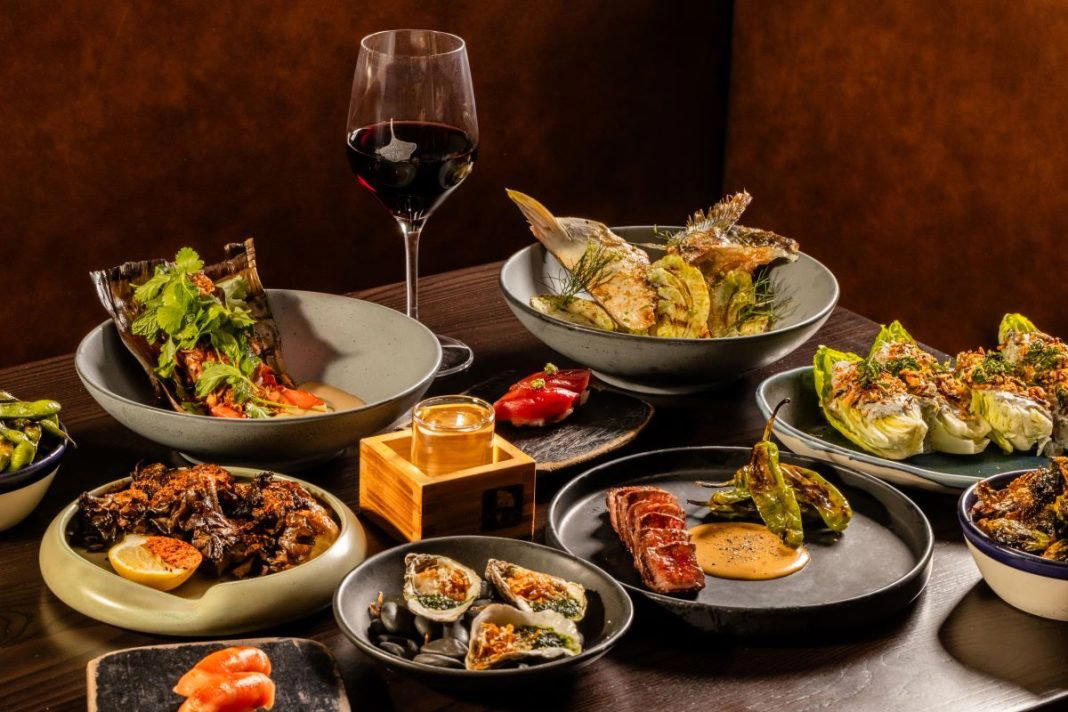
The Uchi brand, built in Austin on a Japanese-informed but distinctly American approach to sushi and hot preparations, is expanding its Washington-area footprint with a planned Bethesda location. Sitting alongside established Japanese dining in a suburb that already draws serious DC-area restaurant attention, this outpost will extend the brand's reach beyond its existing DC presence into Maryland's most dining-forward corridor.

Pearl is the En Primeur Club membership app — saves, bookings, and concierge access live there. Same editors, same standards.
Why Bethesda, and Why Now
Suburban Washington has never been a consolation prize for serious dining, and Bethesda in particular has spent the past decade attracting operators who see Montgomery County's demographic density as a genuine market rather than an overflow valve. The corridor along Wisconsin Avenue and its side streets now holds enough serious independent and concept-led restaurants that a new opening draws scrutiny rather than automatic welcome. Into this context comes the planned Bethesda location from the Uchi group, a brand that built its identity in Austin before establishing a foothold closer to the capital with Uchi in Washington and a follow-on DC outpost. The Bethesda move represents the brand's read that the Maryland suburbs can sustain premium Japanese dining at a level the DC locations already serve.
The planned Uchi location fits into a suburb that is already fielding serious competition: Q by Peter Chang holds the Sichuan end of the high-attention dining conversation, while arrivals like PopUp Bagels signal that operators across format categories see Bethesda leases as worth committing to.
The Uchi Approach and Where It Sits in the Japanese Dining Tradition
To understand what a planned Uchi brings to Bethesda's table, it helps to place the brand within a broader argument about how Japanese cuisine travels outside Japan. The tension in American Japanese dining has long been between two orientations: the traditionalist counter, where technique is the story and the fish does the talking, and the more American-inflected model, where Japanese precision is a framework applied to a wider ingredient range and where hot preparations hold as much weight as the raw fish program. Uchi operates firmly in the second category. The brand built its reputation not on strict omakase orthodoxy but on a format that mixes nigiri, crudo-adjacent compositions, and cooked dishes, giving the menu a range that traditional sushi counters deliberately refuse.
In Japan, the Kansai and Kanto traditions represent the two poles of this argument in miniature. Kanto-style sushi, developed in Tokyo and Edo before it, prizes restraint and the direct relationship between hand-pressed rice and lightly aged fish. Kansai cooking, centered in Osaka and Kyoto, brings a broader flavor palette: simmered preparations, more assertive seasoning, and a willingness to treat the meal as a progression of varied textures rather than a study in one technique. American Japanese restaurants, especially those operating outside major coastal sushi markets, tend to draw more from the Kansai spirit of inclusivity than from the Kanto tradition of omission. Uchi's menu architecture reflects this: the appeal is variety and execution across a range of temperatures and preparations, not the meditation on a single form.
This matters for Bethesda because the suburb's existing Japanese dining has largely operated in the middle register, competent but without the kind of bar-setting program that forces a reassessment of the category. A brand with the national recognition Uchi carries, having expanded from Austin across multiple markets, arrives with pre-established credibility that most new suburban openings do not. The brand infrastructure behind it places this in a different conversation than a single independent operator launching a new concept.
The National comparable set and What It Implies
Uchi's expansion trajectory puts it in a cohort of American restaurant brands that have moved from single-location critical darlings into multi-city operations while attempting to hold quality across sites. That is a difficult balance. Restaurants like Le Bernardin in New York City, Alinea in Chicago, The French Laundry in Napa, and Lazy Bear in San Francisco represent the single-site model where the entire operation revolves around one address. Providence in Los Angeles, Blue Hill at Stone Barns in Tarrytown, and Single Thread Farm in Healdsburg each occupy their own distinct niche as destination operations defined by a specific place. Emeril's in New Orleans traces the arc of a brand that expanded aggressively and then contracted. Uchi's approach has been more measured than the Emeril model, with locations that share a menu DNA while adapting to local market conditions.
The Bethesda opening will be read partly as a test of whether the brand can extend into a suburban Maryland market where the dining audience is affluent, travel-experienced, and already accustomed to commuting into DC for premium meals. If Uchi can shorten that commute without diluting the experience, it fills a gap that the area's current Japanese dining has not closed.
Planning Around a Venue Still Taking Shape
Operational details including address, hours, pricing, and reservation policy are not yet confirmed. Guests familiar with the Uchi brand's existing Washington-area presence, specifically the Washington location and its companion DC outpost, will have one grounded basis for anticipating format and price register. Those outposts offer the clearest signal of what the Bethesda kitchen is likely to mirror in terms of menu structure and service style.
The suburb is well-served by Metro on the Red Line, making it accessible from downtown DC without a car, which matters for an evening that may involve a serious drinks program alongside the food.
What It’s Closest To
Comparable venues nearby, for context on price, style, and recognition.
| Venue | Cuisine | Price | Notes |
|---|---|---|---|
| UchiThis venue — the venue you are viewing | Fire-Forward Japanese | $$$$ | Not listed |
| Uchi | Fire-Forward Japanese | $$$$ | Bethesda |
| Raku | Japanese Sushi and Noodles | $$ | Bethesda Row |
| CherCher Ethiopian Cuisine | Ethiopian Cuisine | $$ | Bethesda |
| Delhi Spice | Authentic Delhi Indian | $$ | Bethesda Village |
| PopUp Bagels | Artisan Bagels & Schmears | $$ | Bethesda |
Continue exploring
More in Bethesda
At a Glance
- Modern
- Sophisticated
- Trendy
- Date Night
- Special Occasion
- Group Dining
- Open Kitchen
- Private Dining
- Sake Program
- Craft Cocktails
- Local Sourcing
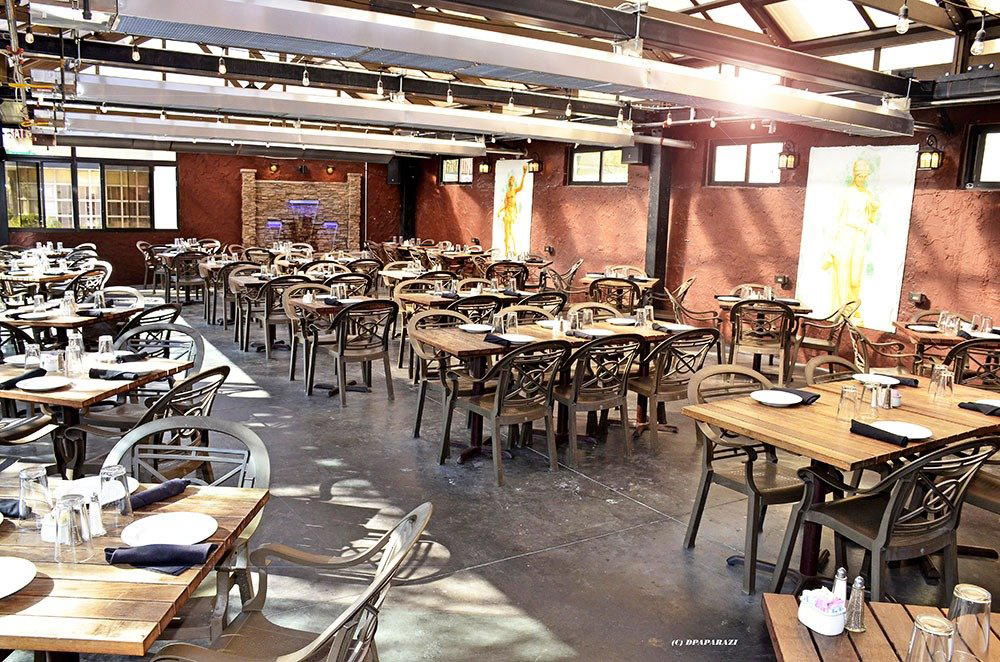
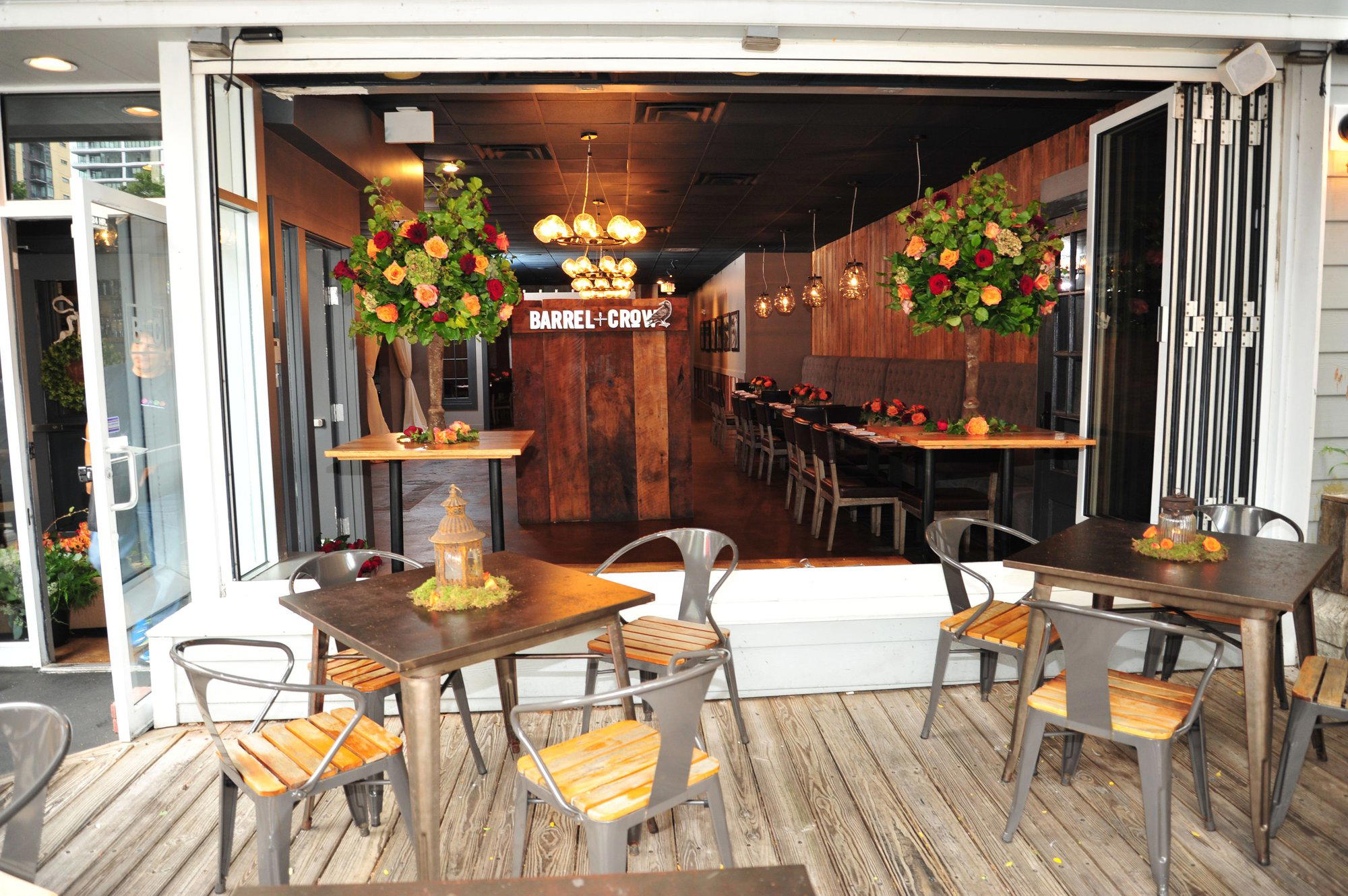
Modern Japanese atmosphere with distinct themes in sushi bar, cocktail bar, and dining room, balancing tradition and contemporary fire cooking.