

GUI holds consecutive Michelin Plates for 2024 and 2025, a signal of consistent kitchen discipline that is distinctive within Bielefeld's dining circuit. The restaurant works through Mediterranean cuisine at the €€€ price tier, positioning it as one of the more ambitious mid-to-upper tables in a city better known for commerce than gastronomy.9 across 130 reviews suggests the room earns its reputation visit after visit.
Pearl is the En Primeur Club membership app — saves, bookings, and concierge access live there. Same editors, same standards.
- Address
- Gehrenberg 8, 33602 Bielefeld, Germany
- Phone
- +49 521 5222119
- Website
- gui-restaurant.de
- Directions
- Get directions
 Saves & bookings on Pearl
Mediterranean Cooking in a City That Rarely Gets Credit
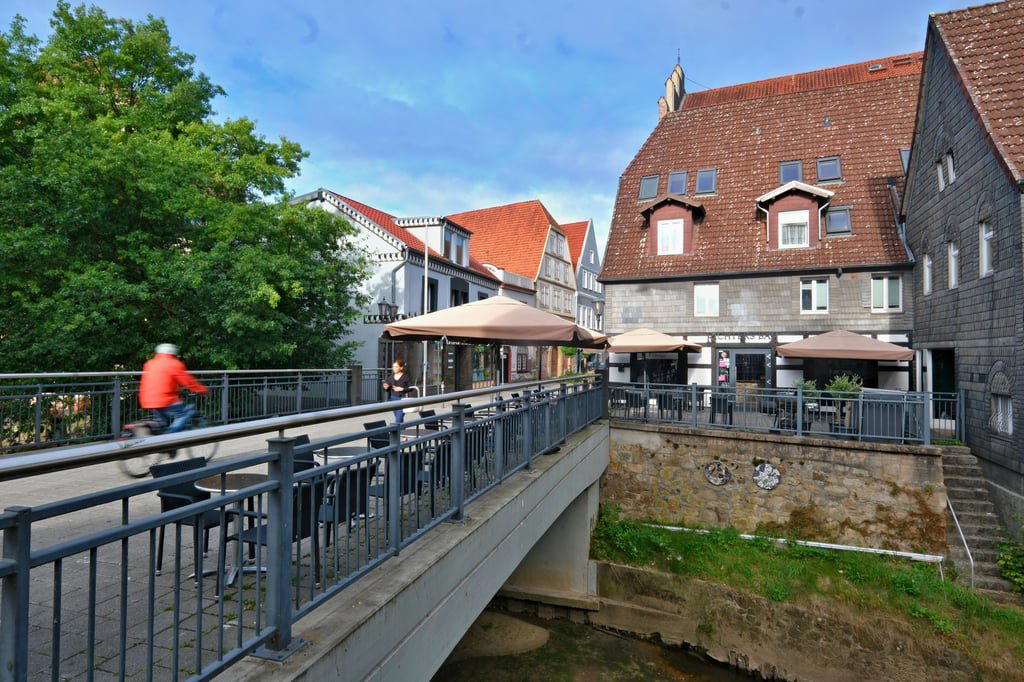
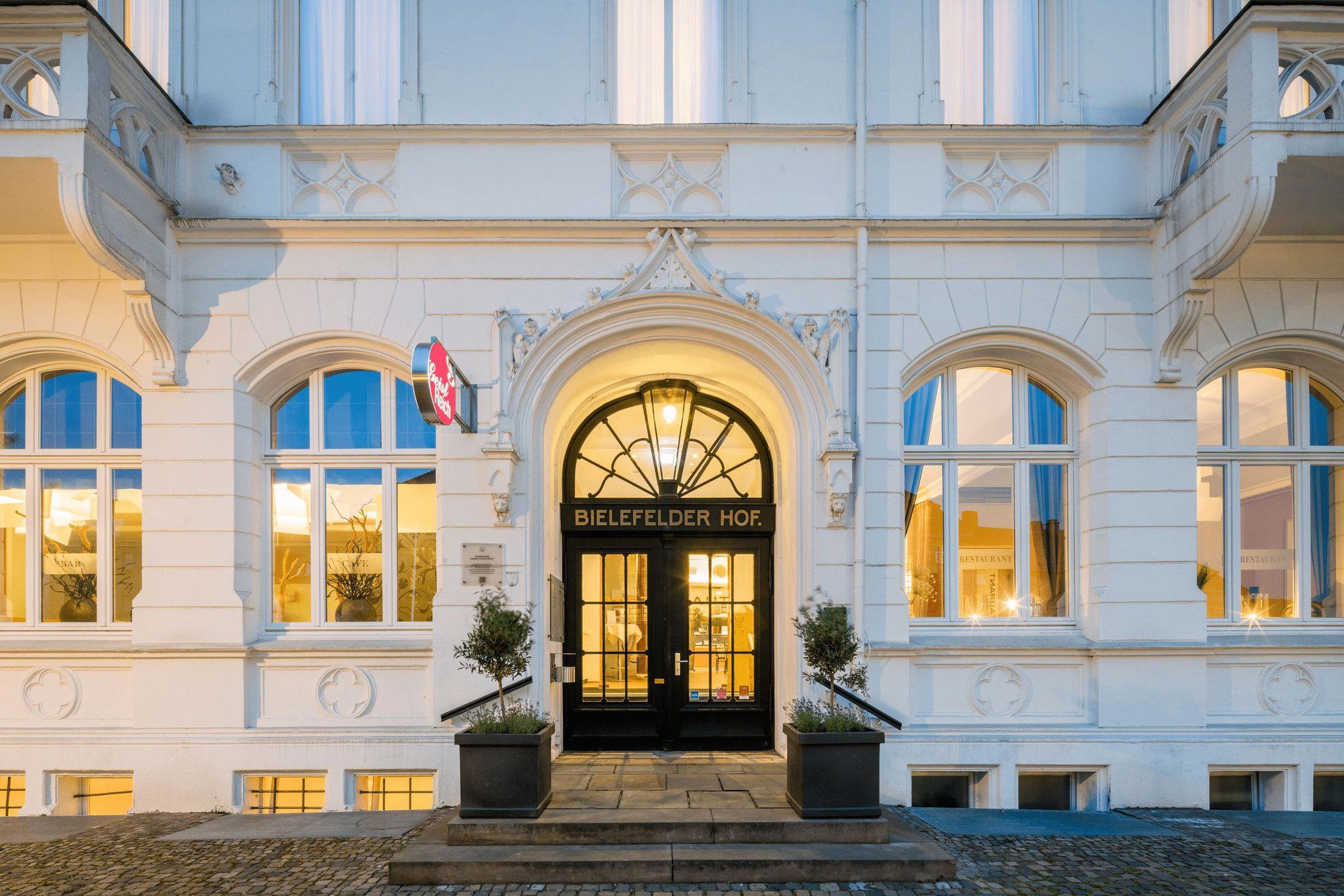
GUI is a Modern Mediterranean Bistro in Bielefeld, Germany, at Gehrenberg 8, with two Michelin Plates in 2024 and 2025 and €€€ pricing. Bielefeld occupies an odd position in Germany's culinary geography. It is large enough to support serious restaurants, yet consistently underrepresented in the national conversation dominated by Hamburg, Munich, and Berlin. That gap creates space for places like GUI, a Mediterranean kitchen on Gehrenberg 8 in the city's central district, to operate with a level of ambition that would attract more noise elsewhere. The address sits in a part of Bielefeld with an established commercial and cultural density, which means foot traffic and a local clientele that has developed expectations over time. Walking toward the entrance, there is a quietness to the block that works in the restaurant's favour: this is not a venue performing for passers-by, but one settled into its neighbourhood on its own terms.
The Olive Oil Question: What Mediterranean Means at This Price Point
Mediterranean cuisine is among the more elastic labels in European restaurant classification. At its weakest, it describes a collection of sun-adjacent ingredients assembled without commitment. At its strongest, it reflects a genuine understanding of olive oil as a structural element rather than a finishing garnish, an approach to acidity built through citrus and fermented components rather than sauce reduction, and a respect for the vegetables and pulses that carry the cuisine's nutritional and flavour logic. The €€€ price tier at GUI places it above casual Mediterranean bistros and below the full tasting-menu format typical of Germany's €€€€ bracket. The mid-upper tier GUI occupies demands that a kitchen justify its costs through ingredient quality and technique rather than ceremony and theatre.
In Mediterranean cooking specifically, that justification often comes back to fat. Good olive oil, pressed with attention to cultivar and harvest timing, carries flavour compounds that cheaper fats cannot replicate. It changes how a dish opens on the palate and how it finishes. Restaurants working at this tier who take the cuisine seriously tend to source with specificity, distinguishing between the grassier, more pungent character of oils from Tuscany or Catalonia and the rounder, more buttery profiles from southern Greece or the Levant. The Michelin Plate recognition for both 2024 and 2025 signals that the kitchen meets a baseline of consistent quality.
Two Consecutive Michelin Plates: What That Recognition Actually Means
A Michelin Plate is sometimes dismissed as a consolation designation, which misreads what the guide is communicating. The Plate signals that inspectors have visited, evaluated, and found cooking of sufficient quality to warrant a recommendation, without the kitchen yet demonstrating the consistency or distinctiveness required for a star. In competitive markets like Munich or Berlin, where venues such as JAN in Munich or CODA Dessert Dining in Berlin operate at starred level, a Plate carries less weight. In Bielefeld, receiving the designation two years consecutively represents a meaningful marker: the guide has returned, found the standard maintained, and continued the recommendation. For a Mediterranean kitchen in a non-destination German city, that consistency is the argument.
A score at that level across a meaningful sample size does not reflect a honeymoon period; it reflects sustained execution. Restaurants that spike high on Google immediately after opening and then decline tell a different story. GUI's numbers suggest a kitchen and front-of-house that perform reliably rather than spectacularly on selected evenings. For Germany's broader fine dining circuit, which includes consistently decorated venues like Vendôme in Bergisch Gladbach and Restaurant Haerlin in Hamburg, GUI occupies a different tier, but within that tier it operates with evident seriousness.
GUI in the Context of Bielefeld's Dining Scene
Bielefeld's restaurant circuit is neither sparse nor particularly deep at the high end. The city supports a range of cuisines across multiple price points, and Italian-Mediterranean registers as a competitive category locally. Tomatissimo represents one Italian-aligned option in the same city, while GUI stakes a claim on the broader Mediterranean register with Michelin-backed credentials neither venue in that local category can match. For a fuller picture of what the city's dining scene looks like across categories and price tiers, see our Bielefeld restaurants guide.
Mediterranean cuisine in Germany draws comparison to the country's own Michelin-recognised kitchens working with southern European ingredients and technique. The Alpine and coastal contexts of venues like ES:SENZ in Grassau or the Moselle-influenced precision of Schanz in Piesport occupy a different culinary register entirely, but they share a common baseline: at Michelin-recognised level in Germany, cooking is expected to demonstrate technical command and ingredient integrity. GUI meets that bar in the Mediterranean category, which in Bielefeld is the relevant peer group.
For those interested in how Mediterranean cooking translates across European contexts, La Brezza in Ascona and Arnaud Donckele and Maxime Frédéric at Louis Vuitton in Saint-Tropez represent how the cuisine performs at the upper boundary of the category, where the tradition meets haute French technique and four-figure pricing. GUI is not that; it operates at a different scale and price point, but in the context of Bielefeld's dining circuit, it functions as the Mediterranean option with a Michelin track record.
Planning a Visit
GUI sits at Gehrenberg 8, 33602 Bielefeld, within accessible distance of the city centre. At the €€€ price tier with consecutive Michelin Plate recognition, reservations are advisable, particularly for weekend evenings when the dining room will likely operate at capacity. Reservations are recommended, and current hours are Monday closed; Tuesday through Saturday 12 to 3 PM and 6 to 10 PM; Sunday closed. For broader trip planning in the city, Bielefeld's hotels, bars, wineries, and experiences guides cover the city's offer across categories. Those extending a German itinerary with more decorated destinations should also consider Victor's Fine Dining by Christian Bau in Perl and Waldhotel Sonnora in Dreis for star-level benchmarks in the country's western regions.
Comparison Snapshot
Comparable venues nearby, for context on price, style, and recognition.
| Venue | Cuisine | Price | Awards | Notes |
|---|---|---|---|---|
| GUIThis venue — the venue you are viewing | Modern Mediterranean Bistro | $$$ | Michelin Plate | Not listed |
| Restaurant KDW | Mediterranean Seafood | $$ | Not listed | :null |
| Klötzer's Restaurant | Classic Central European with Regional Influences | $$$ | Not listed | city center |
| Tomatissimo | Mediterranean Fine Dining with Tomato-Forward Seasonal Cuisine | $$$ | Michelin Plate | Dornberg |
| Jivino Enoteca - Bielefeld | Mediterranean Tapas & Wine Bar | $$$ | Not listed | Alt Bielefeld |
| charlie Gastrobar | Modern French Gastrobar | $$ | Not listed | Altstadt |
Recognition history
Dated appearances from independent guides and award organizations, with the underlying list record or original source where available.
Falstaff Restaurant - 86 Falstaff Points
Falstaff
Michelin Plate
Michelin · 2026 Michelin Plate
Michelin Plate
Michelin
Michelin Plate
Michelin
Continue exploring
More in Bielefeld
Restaurants in Bielefeld
Browse all →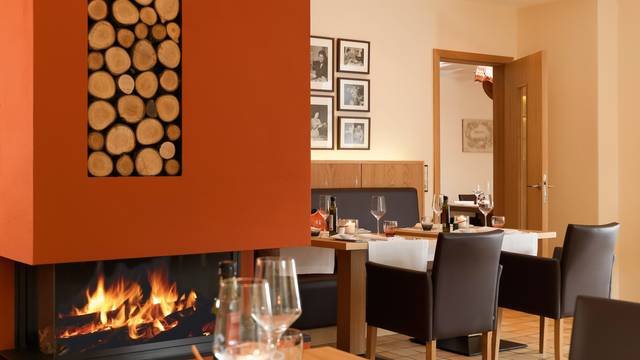
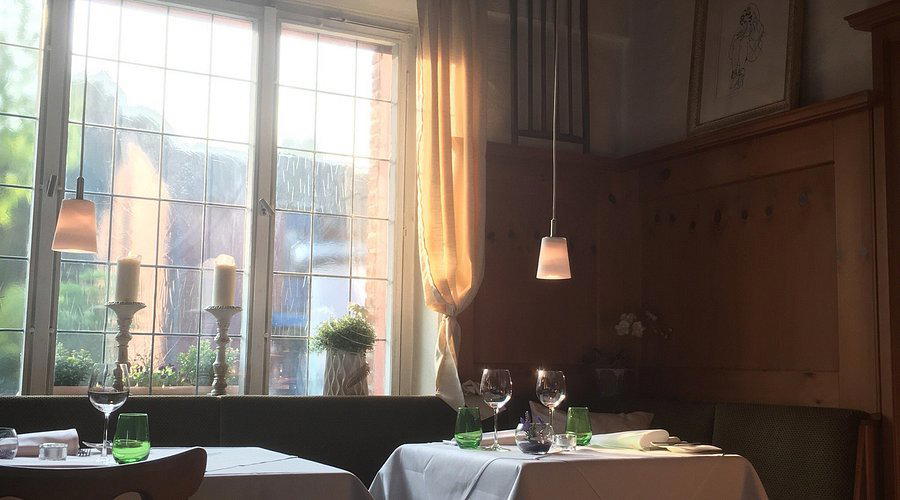
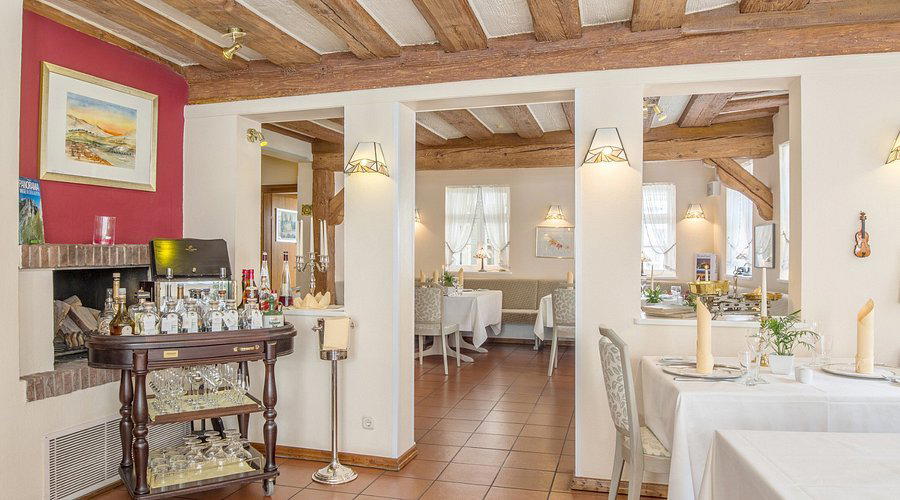
Bars in Bielefeld
Browse all →
At a Glance
- Lively
- Modern
- Elegant
- Sophisticated
- Date Night
- Special Occasion
- Business Dinner
- Open Kitchen
- Terrace
- Extensive Wine List
- Local Sourcing
- Street Scene
Current opening hours
- Monday
- Closed
- Tuesday
- 12–3 PM, 6–10 PM
- Wednesday
- 12–3 PM, 6–10 PM
- Thursday
- 12–3 PM, 6–10 PM
- Friday
- 12–3 PM, 6–10 PM
- Saturday
- 12–3 PM, 6–10 PM
- Sunday
- Closed
Hours can change for holidays and private events. Last verified .
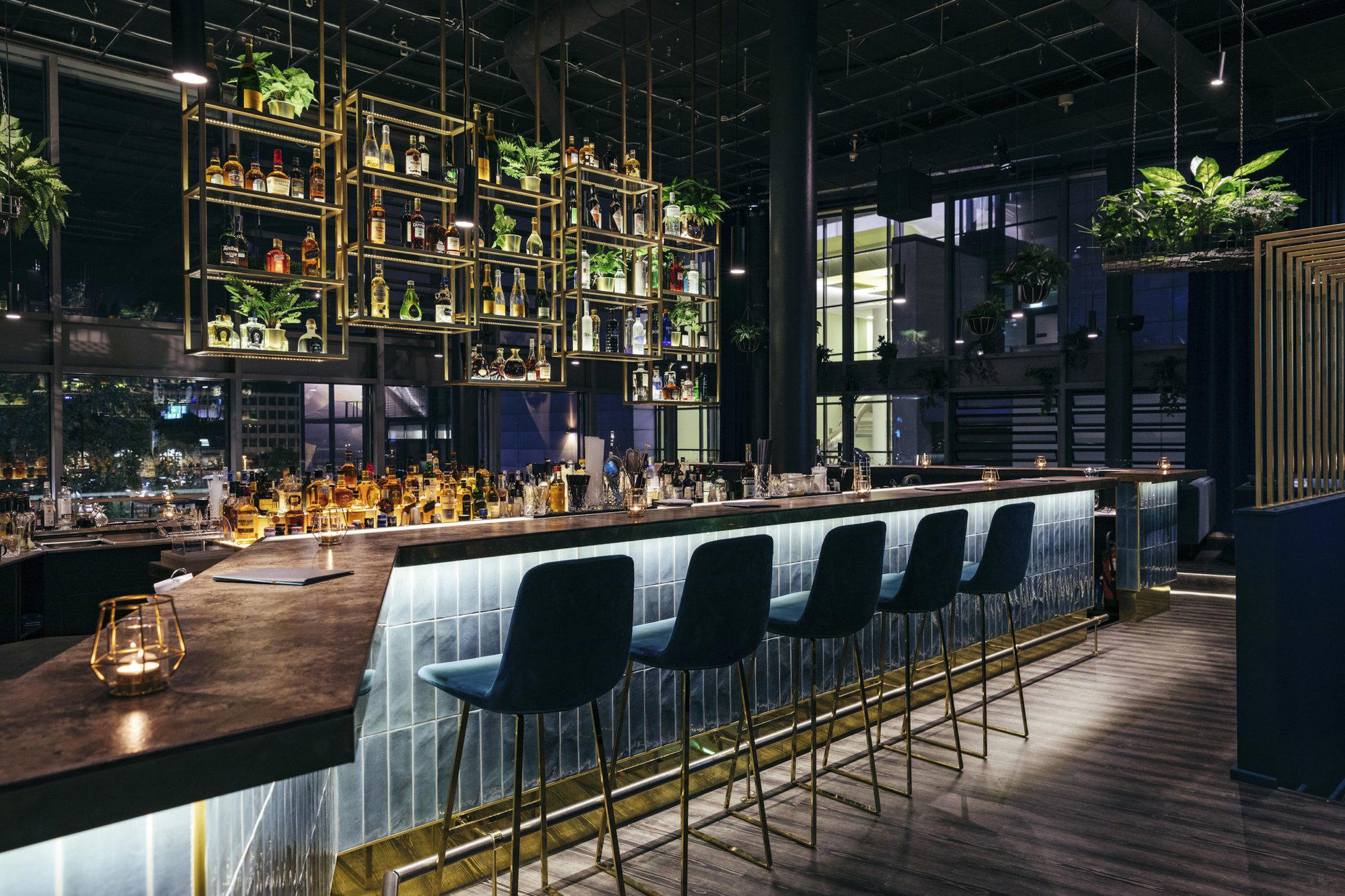
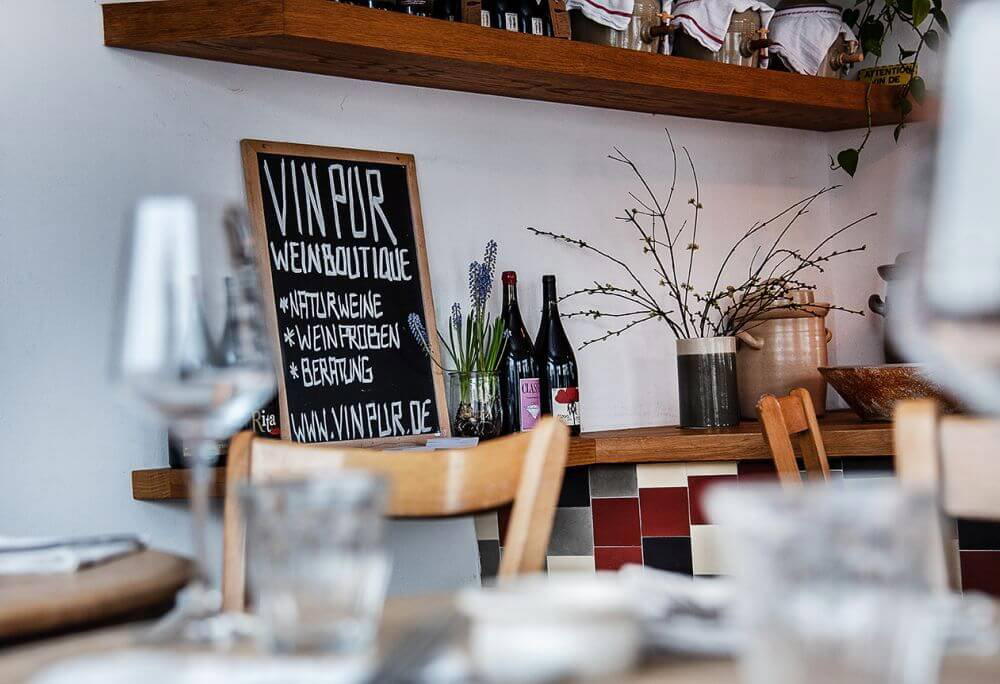
Modern interior with floor-to-ceiling wine shelves, open kitchen, striking red wall, and lively urban atmosphere.