Our verdict
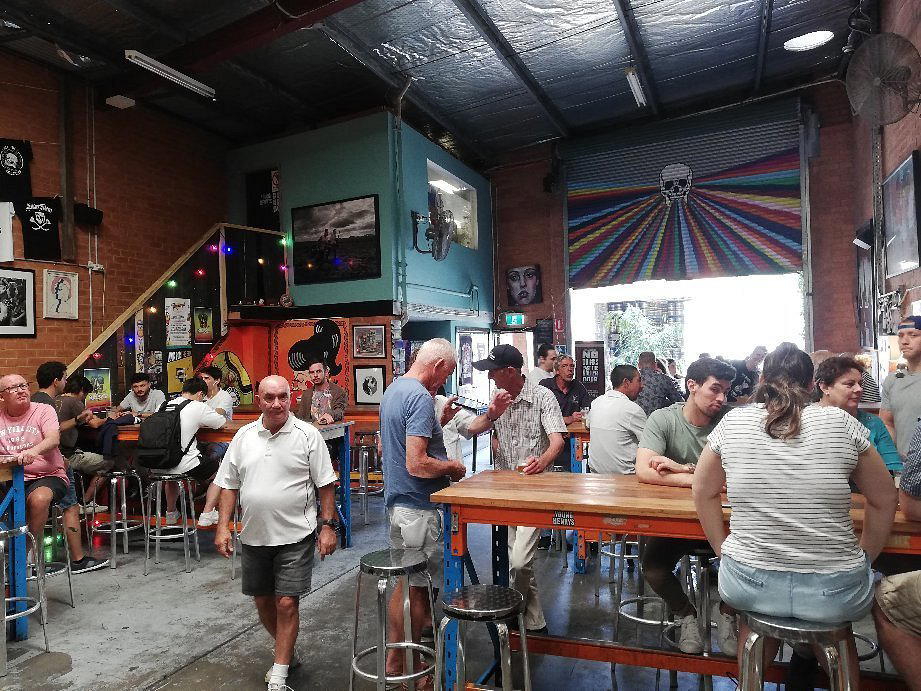
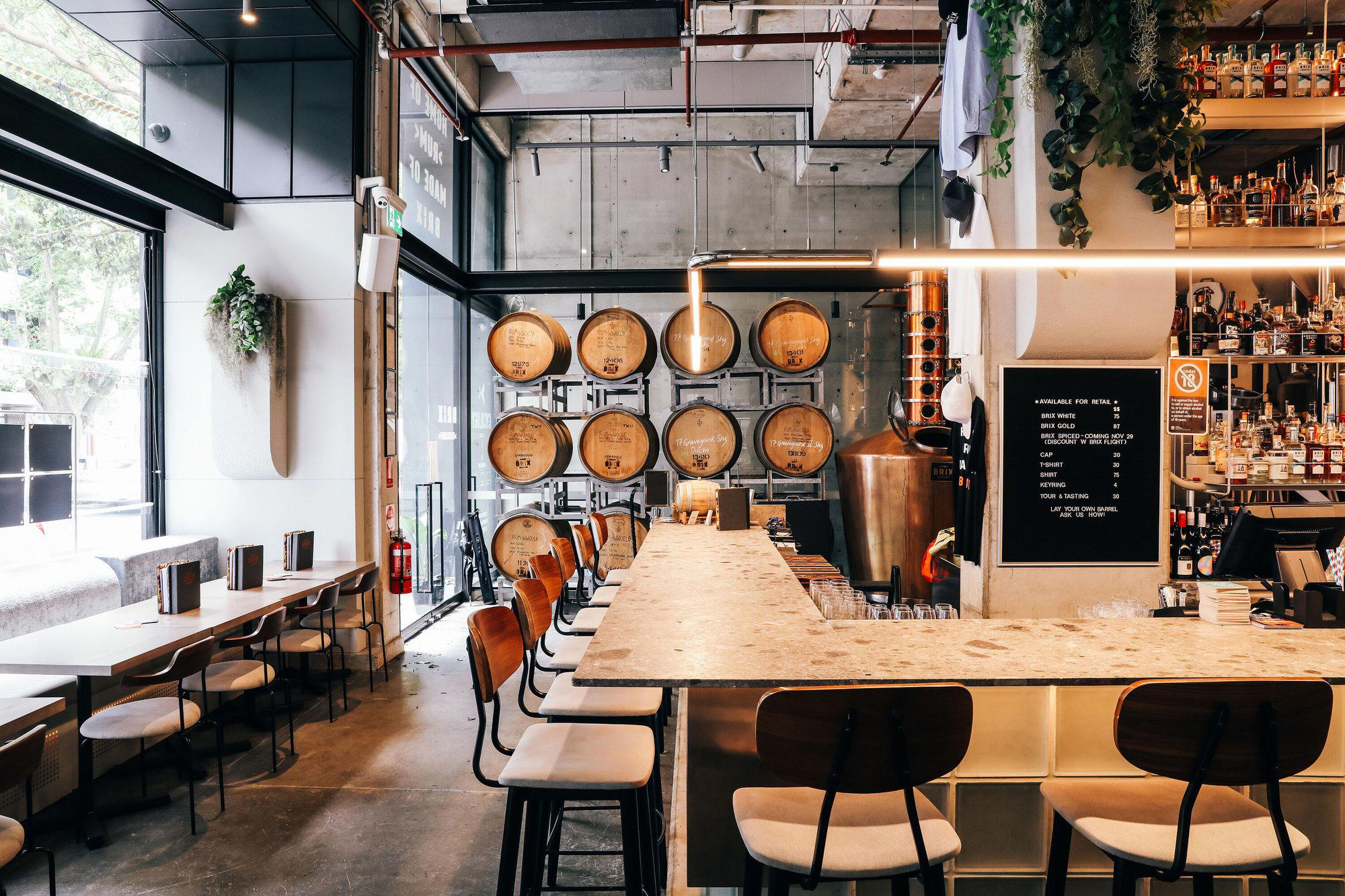
Poor Toms Oltra occupies a converted industrial space in Marrickville, one of Sydney's most consequential dining neighbourhoods for independent operators. The venue sits within the broader Poor Toms spirits orbit, bringing a drinks-led sensibility to a food program rooted in the suburb's multicultural character. Marrickville's density of serious, chef-driven rooms makes it a reference point for anyone tracking where Sydney's restaurant scene is actually moving.

Pearl is the En Primeur Club membership app, where members save venues, book tables and use the concierge.

Marrickville and the New Shape of Sydney Dining
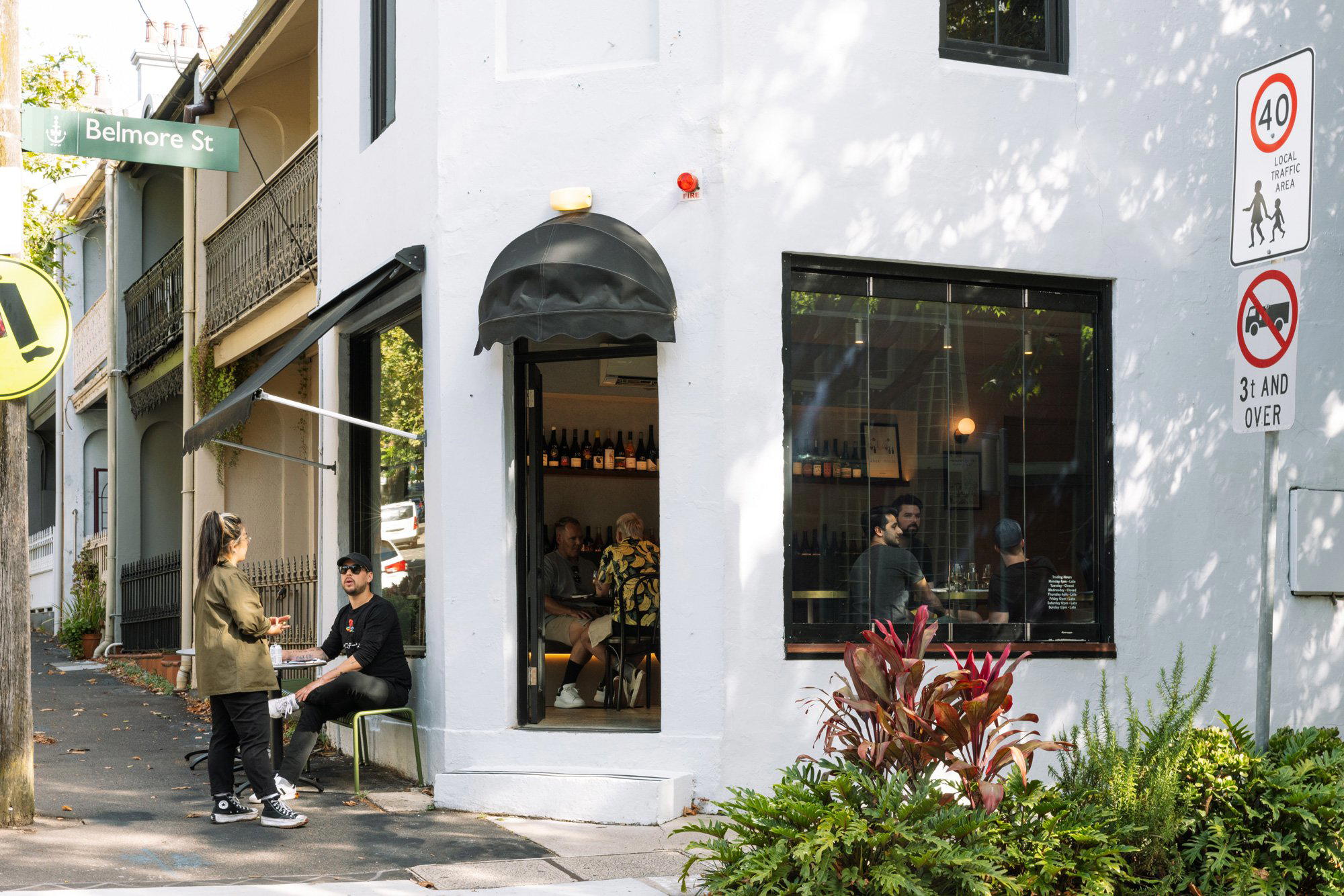
Sydney's dining centre of gravity has been shifting for years. The CBD and harbourside precincts still hold large-format destination restaurants Rockpool and Bennelong among them, but the more instructive action has moved inland, into suburbs where rent permits risk and cooking permits personality. Marrickville is the clearest example of that shift. The suburb's industrial fabric, its density of warehouse conversions, and its long-established Vietnamese, Greek, and Lebanese communities have made it a natural host for a generation of operators who want to cook seriously without performing fine dining. Poor Toms Oltra, at Building 3/10 Brompton St, sits inside that context. Its address alone signals something about intent: Brompton Street's light-industrial corridor, where converted warehouses trade loading docks for dining rooms, is the kind of setting that self-selects for a certain type of customer and, by extension, a certain type of kitchen.
The Poor Toms Lineage and What It Signals
Poor Toms is already known in Sydney's drinks world as a gin distillery with a strong Marrickville identity. The Oltra extension carries that identity into a food-forward format, which places it in a specific and growing category: hospitality businesses that originate in a craft-drinks program and build a serious kitchen around it, rather than the reverse. This model, which has become common in cities like London and Melbourne, tends to produce venues where the bar program and the food program are given equal structural weight rather than one subordinating the other. In Sydney, comparisons reach across to 10 William St in Paddington, where a wine-first philosophy shapes everything from the list to the menu design, and to operators like Bar Carolina in South Yarra, which navigates a similar drinks-and-food balance in Melbourne. Poor Toms Oltra's drinks-led heritage is not incidental: it informs the kind of experience a visitor should expect to find.
Cultural Roots and the Marrickville Palate
Marrickville's food culture is not a recent invention. The suburb has housed Vietnamese bakeries, Lebanese grocers, and Greek social clubs for decades, and those traditions have filtered into the independent restaurant scene in ways that are direct rather than decorative. The leading kitchens in the area treat the suburb's multicultural character as a pantry and a reference point, not as an aesthetic. This is the cultural context in which Poor Toms Oltra operates, and it connects the venue to a broader conversation happening across Sydney's inner west about what Australian food actually means when it is not performing for tourist expectations. For a city-wide view of how venues like this fit the larger picture, our full Sydney restaurants guide maps the territory in more detail.
The inner west's approach to food has influenced operators well beyond its borders. Saint Peter in Paddington, which built its reputation around rigorous Australian seafood sourcing, draws on some of the same instinct for specificity and place. The comparison is instructive: both represent a mode of cooking that insists on knowing where ingredients come from and why that matters, even when the formats and price points differ considerably.
Sydney's independent mid-market has never been more crowded or more interesting. Venues like 10 Pounds and 1021 Mediterranean represent different approaches to the same general ambition: food that takes itself seriously without the infrastructure of a formal dining room. Poor Toms Oltra fits that cohort in format if not necessarily in cuisine direction. Its Marrickville address gives it a neighbourhood identity that venues in more transient parts of the city struggle to build. Regulars here are not primarily tourists or occasion diners; they are people who live within a few kilometres and return because the room and the program give them a reason to.
The Australian context matters for understanding where this kind of venue sits globally. Attica in Melbourne and Brae in Birregurra represent the high end of Australia's place-driven cooking, where foraging, indigenous ingredients, and a specific landscape inform everything on the plate. Poor Toms Oltra operates at a different register, but the underlying instinct, that Australian food should reflect where it is made rather than approximate somewhere else, connects across price points and formats.
For context beyond Sydney, it is worth noting how this category of venue performs in other Australian cities. Barry Cafe in Northcote and Bayly's Bistro in Kirribilli show how neighbourhood-anchored hospitality operates across different urban contexts, while bills in Bondi Beach remains a reference point for how a casual format can sustain a decades-long reputation. Regionally, venues like Hungry Wolfs in Newcastle, Jaani Street Food in Ballarat, and Kulcha Restaurant Wollongong demonstrate that the serious independent model is no longer a capital-city phenomenon.
At the international end of the comparison, the gap in format and price between a venue like Poor Toms Oltra and a room like Le Bernardin in New York City or Atomix is obvious. But the underlying question those comparisons raise is the same: what does a kitchen owe its neighbourhood, its ingredients, and its cultural context? Poor Toms Oltra's answer, shaped by Marrickville's particular character, sits at one end of that spectrum. It is the more accessible end, and arguably the more honest one for everyday use.
Venues like Johnny Bird in Crows Nest show how Sydney's independent operators are spreading across the city's suburbs rather than clustering in established dining precincts, a pattern that Poor Toms Oltra reinforces from its Marrickville base.
Planning Your Visit
Poor Toms Oltra is located at Building 3/10 Brompton St, Marrickville NSW 2204. Getting there: Marrickville is accessible by train from Central or via the inner west bus network; the Brompton Street address is a short walk from the main strip. Reservations: Dress: Consistent with the suburb's warehouse-dining culture, the expectation is relaxed. Budget:
Frequently asked questions
Where do I go for Poor Toms Oltra?
Poor Toms Oltra is located at Building 3/10 Brompton St, Marrickville NSW 2204, Australia, Sydney.
How does Poor Toms Oltra relate to the original Poor Toms Gin Distillery?
Poor Toms Oltra shares its DNA with Poor Toms Distillery, which established the brand's presence in Marrickville before the Oltra format came into being. The Brompton Street location sits within the same inner-west corridor that anchors the distillery's identity in Sydney's craft drinks scene. Rather than a standalone restaurant, Oltra functions as an extension of that existing operation, with food and the gin program occupying the same space.
What's the signature dish at Poor Toms Oltra?
The venue operates out of Marrickville's Brompton Street, connected to the Poor Toms gin identity, which suggests the food and drinks program is likely integrated rather than treated as separate pillars.
Can I walk in to Poor Toms Oltra?
Walk-in availability is not confirmed, but Marrickville's stronger independent venues, particularly those with a drinks pedigree like Poor Toms, tend to fill evening sittings quickly on weekends. The Brompton Street address puts the venue in a pocket of the inner west where foot traffic is intentional rather than passing. Contacting the venue ahead of a Friday or Saturday visit is the safer approach.
What is Poor Toms Oltra known for?
Poor Toms Oltra is the hospitality extension of Poor Toms Distillery, which built a clear identity in Sydney's craft gin scene from its Marrickville base. The Oltra format applies that same independent, neighbourhood-first positioning to food and drink in a combined setting at Building 3/10 Brompton St. In Sydney's inner west, that lineage carries weight.
Is Poor Toms Oltra good for vegetarians?
Marrickville's independent dining scene has generally kept pace with plant-based expectations more consistently than comparable precincts in Sydney's east or north shore. Contacting the venue directly at Brompton Street before booking is the clearest way to confirm current menu accommodation.
Is Poor Toms Oltra worth the price?
Pricing is not on public record, so a direct cost comparison isn't possible here. What the Brompton Street address and the Poor Toms brand signal is an independent, community-oriented operation rather than a high-margin destination venue, Marrickville's mid-market tends to price closer to neighbourhood value than to CBD restaurant tariffs. Expect the drinks program to be a material part of what you're paying for.
Reputation First
Comparable venues nearby, for context on price, style, and recognition.
| Venue | Cuisine | Price | Notes |
|---|---|---|---|
| Poor Toms OltraThis venue (the venue you are viewing) | Pizza Bar with Gin Distillery Cocktails | $20–30 | Not listed |
| The Grounds Garden | Modern Cafe & Garden Dining | $20–30 | Alexandria |
| Greenfield Station Bistro | Modern Australian Bistro with International Fusion | $20–30 | Bankstown |
| The Grounds Coffee Factory | Australian Cafe | $20–30 | Eveleigh |
| 10 Pounds | Modern Australian Café | $20–30 | Pyrmont |
| Disco Pantera | Craft Cocktails & Aperitifs | $30–50 | Sydney |
Continue exploring
More in Sydney
Restaurants in Sydney
All restaurants in Sydney →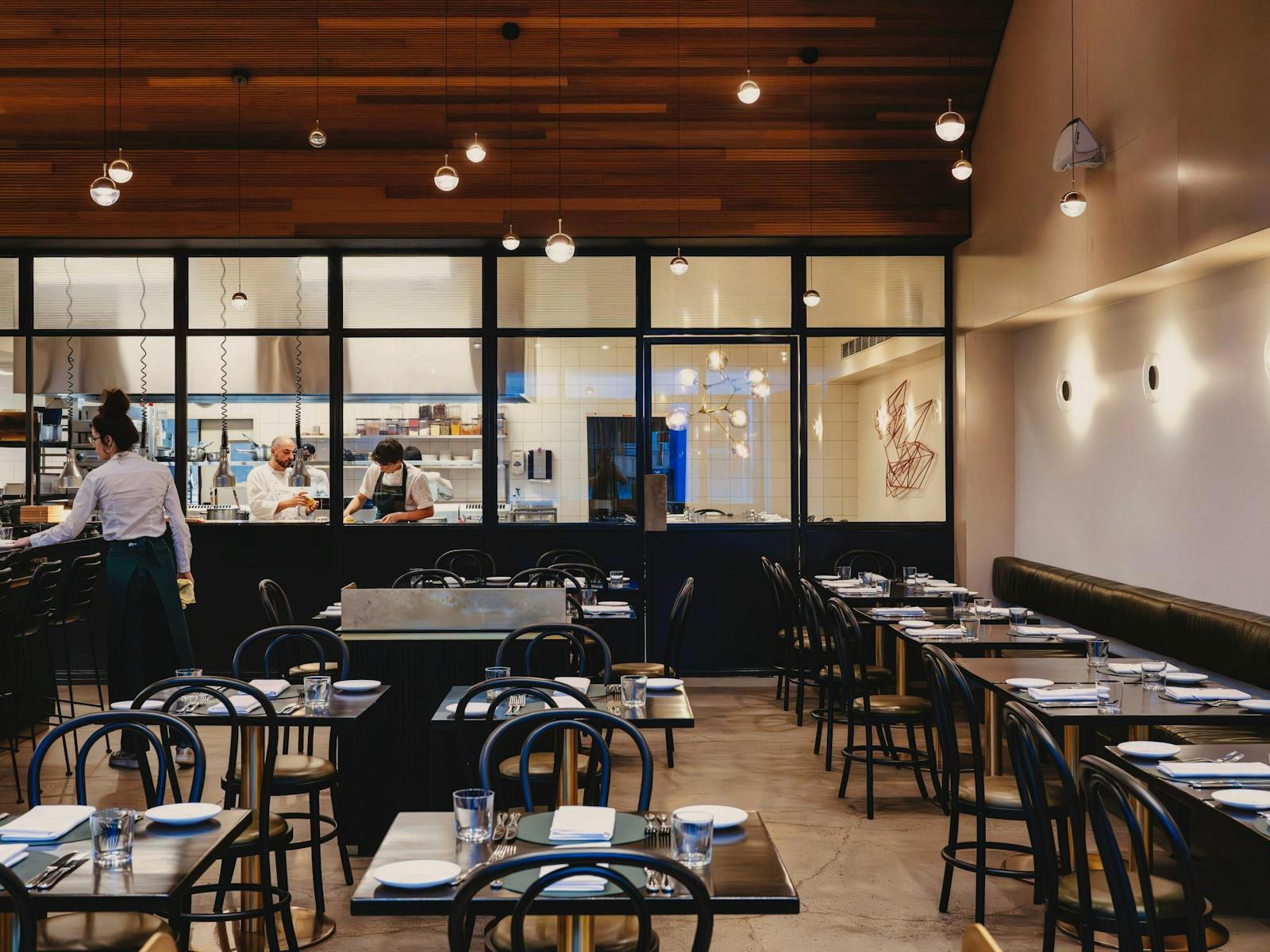
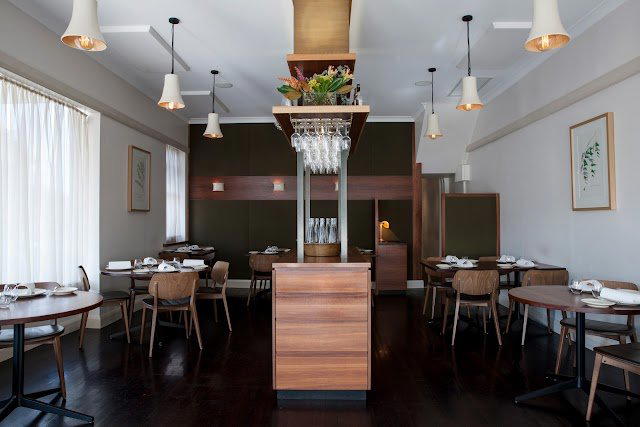
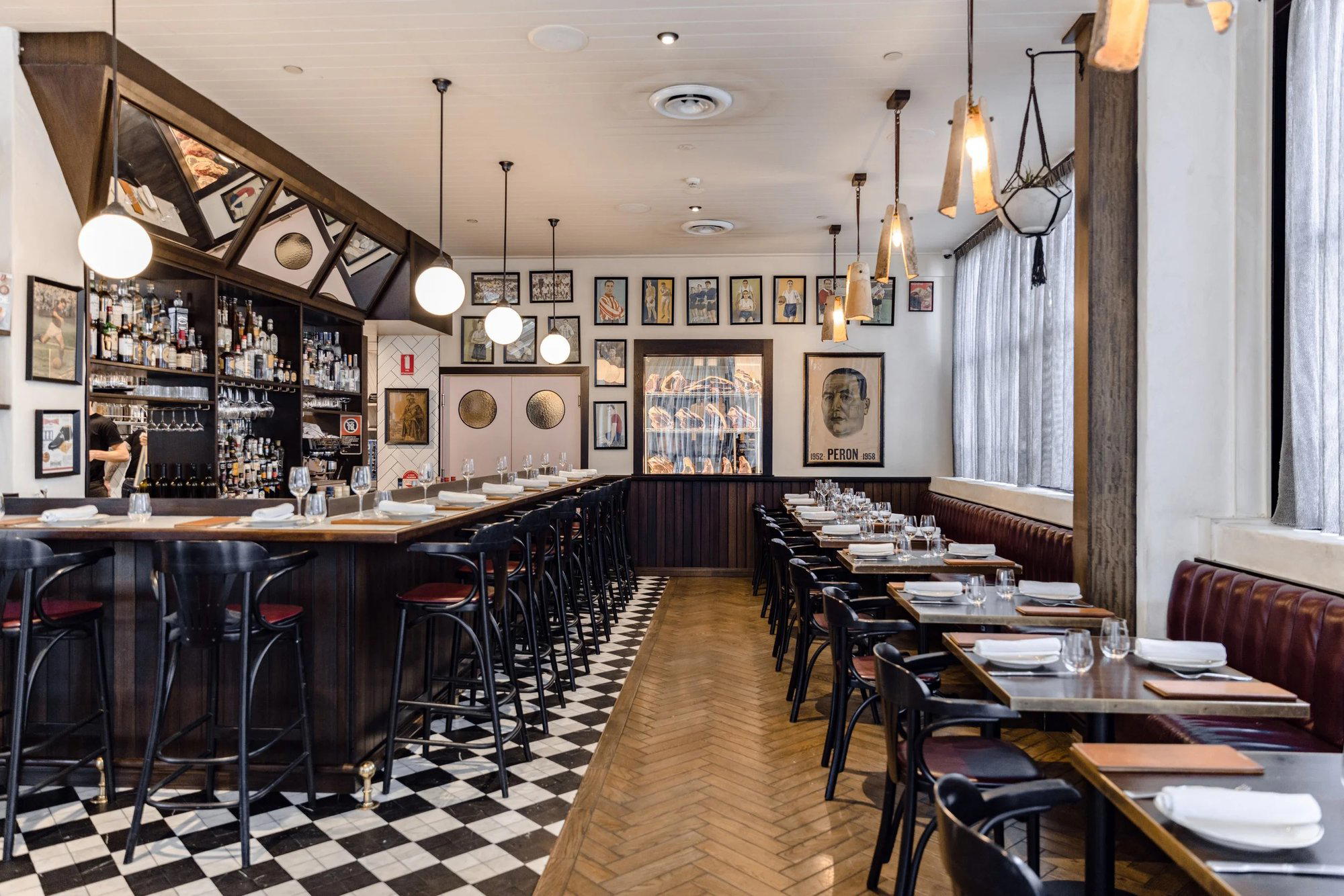
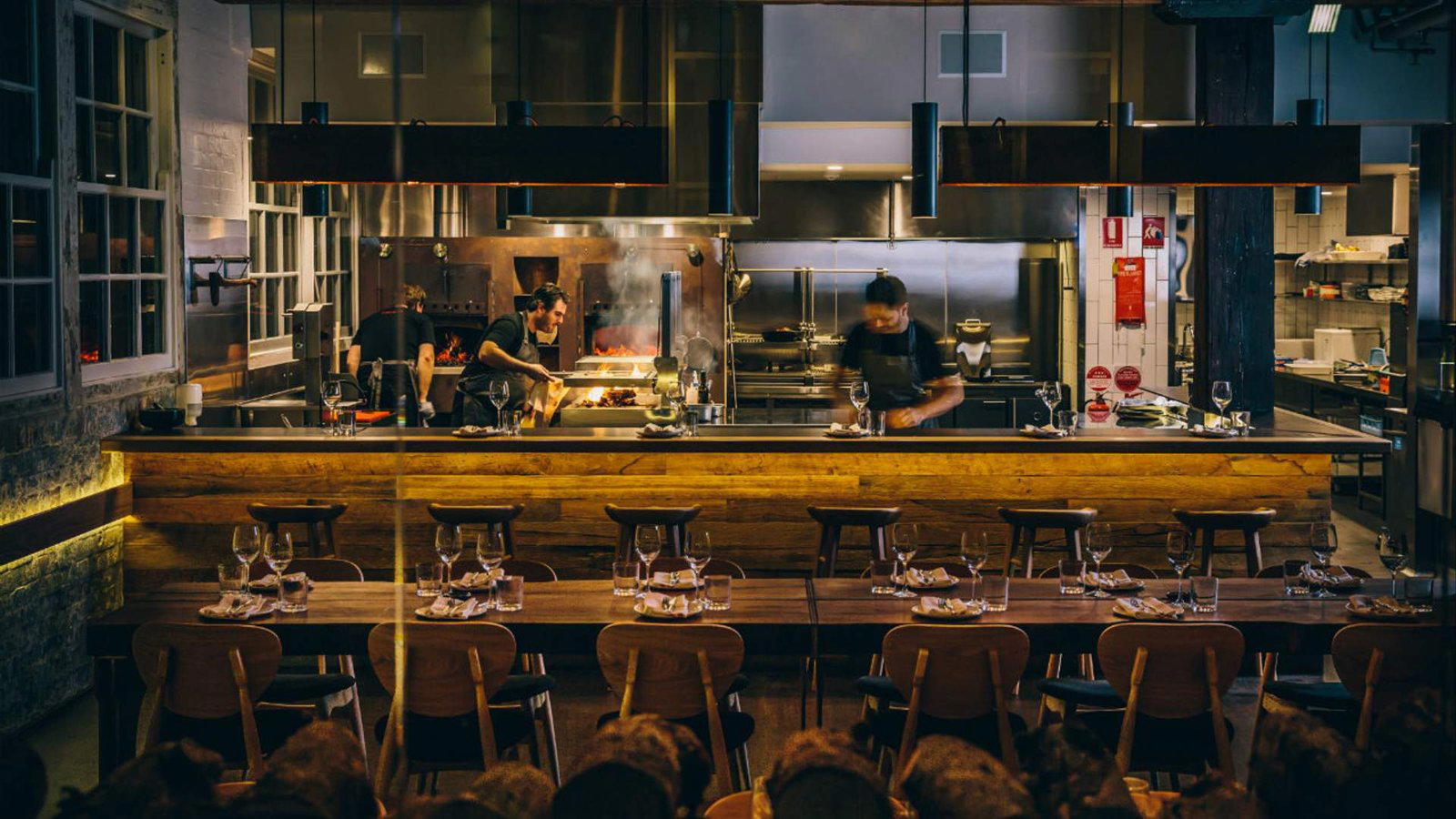
Bars in Sydney
All bars in Sydney →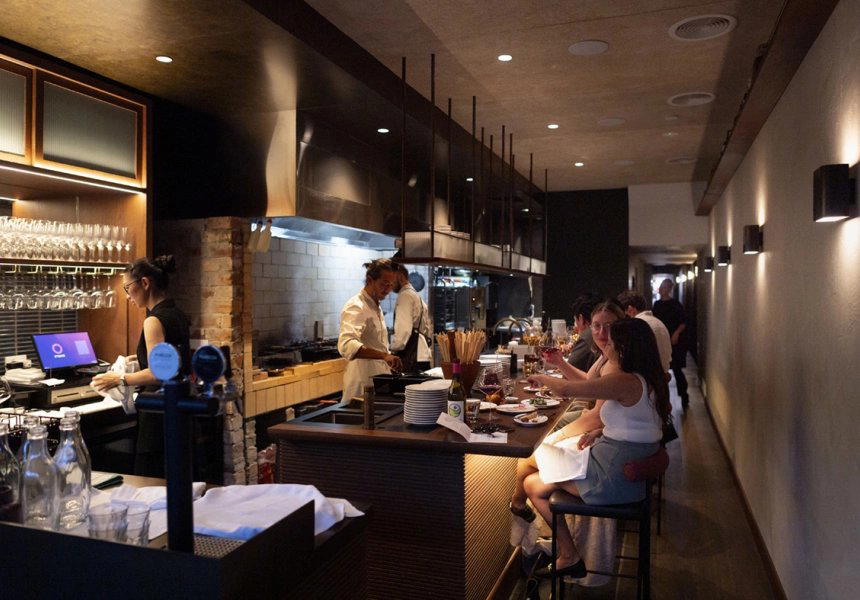

Details
- Lively
- Trendy
- Industrial
- Cozy
- Casual Hangout
- Group Dining
- After Work
- Open Kitchen
- Courtyard
- Craft Cocktails
- Natural Wine
- Beer Program
- Local Sourcing
- A La Carte
- Small Plates
- Gin
- Cocktails
- Gluten Free Options
Current opening hours
- Monday
- Closed
- Tuesday
- Closed
- Wednesday
- 4–10 PM
- Thursday
- 4–10 PM
- Friday
- Closed
- Saturday
- Closed
- Sunday
- 2–8 PM
Hours can change for holidays and private events. Hours as of .
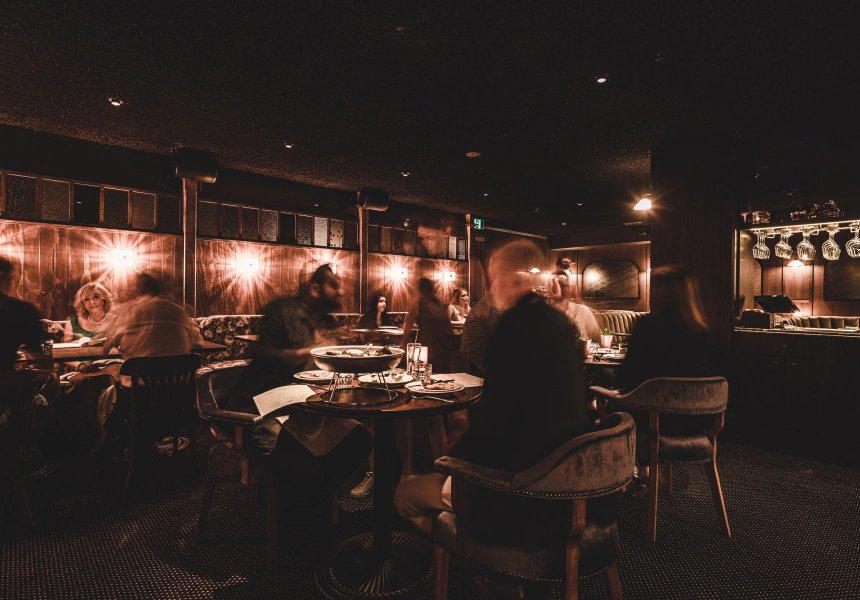
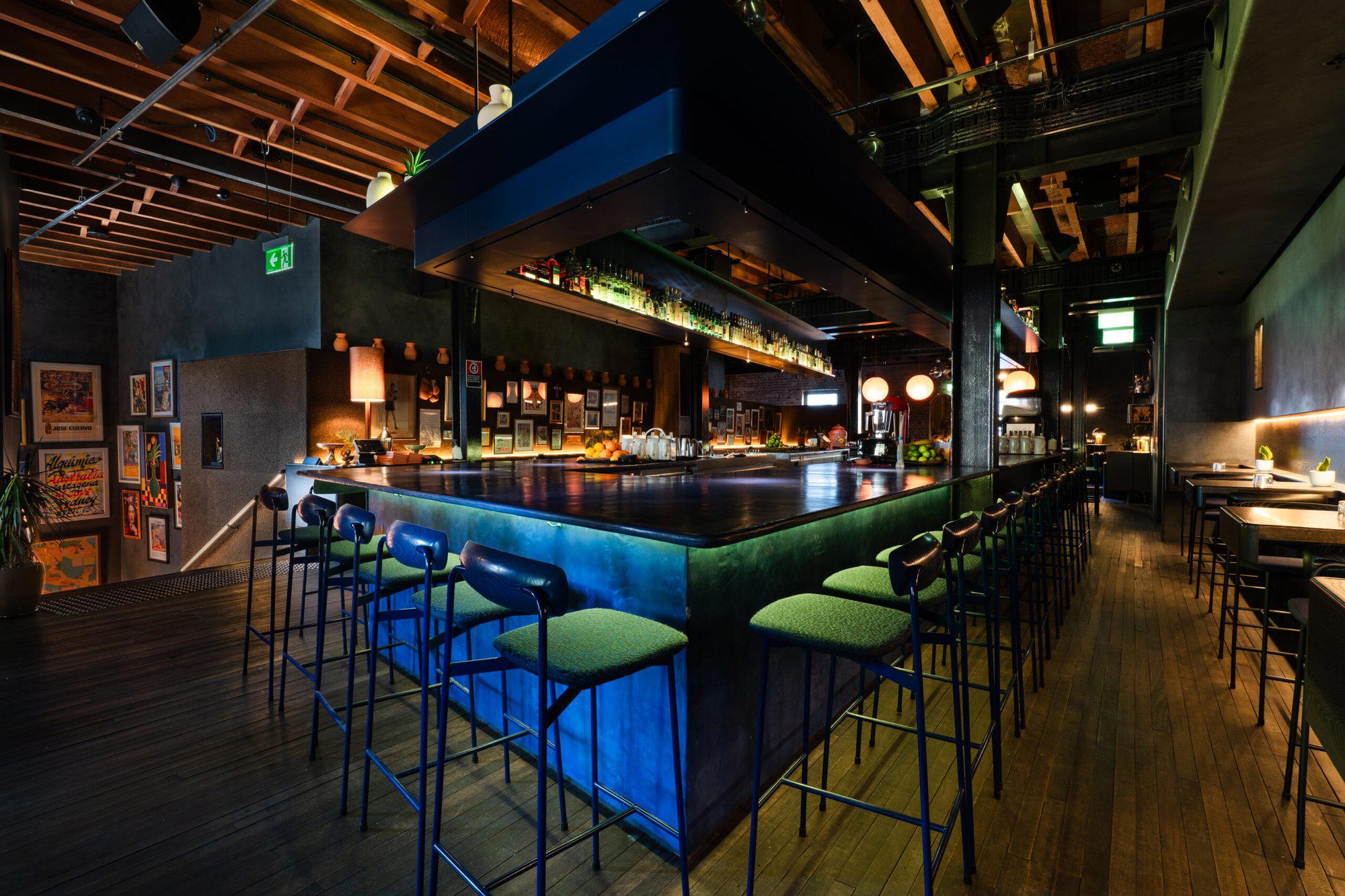
Energetic and lively industrial space with cosy midweek atmosphere and full courtyard on weekends.