Ponte Vecchio
Ponte Vecchio sits on County Road 516 in Old Bridge, New Jersey, carrying a name that references one of Italy's most storied crossings. The venue occupies a corner of central New Jersey's Italian-American dining tradition, where white-tablecloth hospitality and regional cooking have held ground for decades. For those tracing that lineage in Middlesex County, it merits a close look.
Pearl is the En Primeur Club membership app — saves, bookings, and concierge access live there. Same editors, same standards.
- Address
- 3863 County Rd 516, Old Bridge, NJ 08857
- Phone
- +17326071650
- Website
- restaurantpontevecchio.com
- Directions
- Get directions
 Saves & bookings on Pearl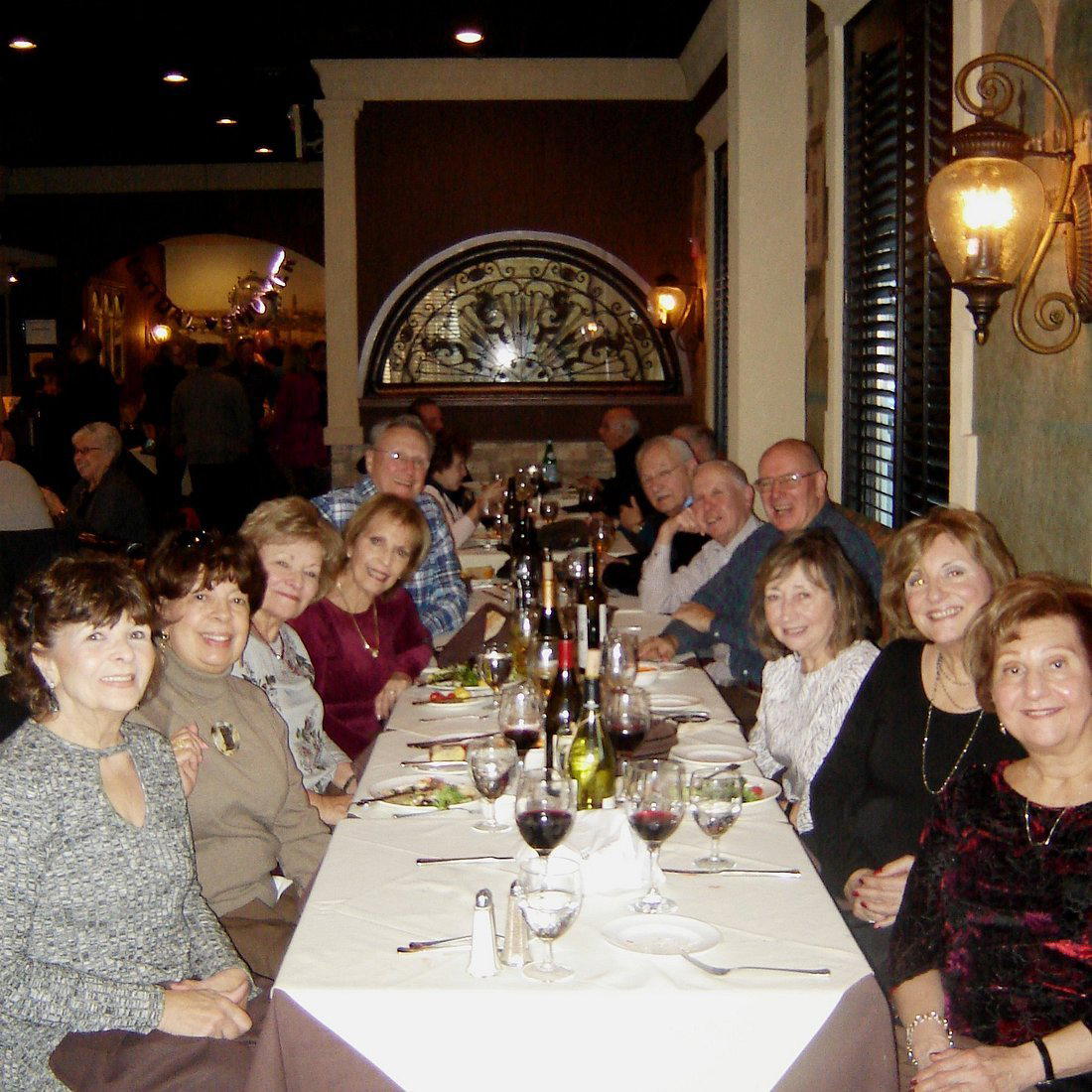
Where Old Bridge's Italian Table Meets Its Roots
Central New Jersey's Italian-American dining corridor runs deep. From the trattorias of Edison to the red-sauce institutions of South Brunswick, Middlesex County has sustained a dining culture shaped by successive waves of southern Italian immigration and the slow domestication of regional recipes into something distinctly local. Ponte Vecchio, on County Road 516 in Old Bridge, occupies a particular node in that tradition: a sit-down Italian house that draws on the area's appetite for familiar cooking done with care, in a setting that still treats a weeknight dinner as an occasion.
The name itself sets a tone. Ponte Vecchio, the Old Bridge, references Florence's medieval span across the Arno, a structure associated not with spectacle but with continuity: merchants, goldsmiths, and the slow accumulation of craft. Whether the kitchen fully inhabits that reference is a matter for the room to settle, but the framing signals something about the room's ambitions. This is not a trattoria pitching itself on speed or novelty. It is a restaurant that uses the vocabulary of Italian-American formality to position itself above the casual end of Old Bridge's dining scene.
The Ingredient Question in Italian-American Dining
Any serious Italian-American kitchen in 2024 faces a sourcing question that was barely articulated thirty years ago: how much of the pantry comes from domestic producers, how much from Italian importers, and how much from the industrialized middle that supplies most of the region's restaurants indiscriminately? The answer shapes everything from the sweetness of a San Marzano-adjacent tomato sauce to the grain character of the pasta. New Jersey, for its part, sits in useful proximity to some of the Eastern Seaboard's better farm networks, and Italian-American kitchens that engage those networks tend to show it in the texture of vegetable-forward dishes and the freshness of herb-driven sauces.
At the premium end of American Italian cooking, the sourcing conversation has been forced into public view by restaurants like Blue Hill at Stone Barns in Tarrytown, where agricultural provenance is the menu's explicit subject. Single Thread Farm in Healdsburg operates its own farm, collapsing the distance between field and plate entirely. Further down the coast, Bacchanalia in Atlanta has built its regional American identity around sourcing relationships maintained over years. Ponte Vecchio operates at a different scale and in a different register, but the underlying pressure is the same: diners across the price spectrum are asking more often where things come from, and kitchens that answer clearly tend to earn repeat business.
For Italian-American restaurants in particular, the sourcing question extends to imported specifics: DOP-certified San Marzano tomatoes versus domestic canned alternatives; imported Parmigiano-Reggiano versus domestic parmesan; house-made pasta versus dried. These distinctions are legible on the plate for anyone who has eaten across both tiers, and they carry disproportionate weight in a cuisine where the quality of the pantry often matters more than technical complexity in the kitchen.
The Room and the Occasion
Italian-American dining rooms in central New Jersey tend to cluster around two poles: the casual, family-loud trattoria where a table of eight arrives without a reservation, and the white-tablecloth house where couples mark anniversaries and extended families convene for milestone dinners. The restaurant's positioning on County Road 516, a commercial corridor rather than a downtown strip, suggests it serves a local clientele for whom the drive is routine rather than a destination pilgrimage. That geography typically means the room carries regulars, and regulars mean the kitchen has a reliable read on what the dining room expects.
That dynamic differs from the destination model pursued by restaurants like The French Laundry in Napa or Alinea in Chicago, where diners arrive from considerable distance with considerable expectations. A local Italian-American house serves a more durable social function: it is where the neighborhood eats when eating well matters but the occasion doesn't require theater. Frasca Food and Wine in Boulder has built a national reputation on precisely that neighborhood-anchor model, demonstrating that hospitality-first Italian cooking can sustain serious culinary ambition without the infrastructure of a destination tasting menu.
Italian-American in Context: Where Ponte Vecchio Sits
The American Italian dining market has never been more stratified. At one end, Michelin-tracked Italian-influenced fine dining, think the classical French-Italian synthesis at Le Bernardin in New York City or the Italian formalism of 8 1/2 Otto e Mezzo Bombana in Hong Kong, operates on a global stage with award recognition and prix-fixe formats that price out most neighborhood diners. At the other end, casual red-sauce restaurants compete on value and portion size. The mid-tier Italian-American house, which the restaurant appears to occupy, is actually the contested segment: it must deliver on quality without the price insulation that awards recognition provides, and it must maintain consistency for a returning clientele that will notice when the osso buco is off.
Across the region, this segment has been slowly thinned by rising food costs and the compression of dining-out budgets. The Italian-American houses that survive tend to do so on the strength of cooking that rewards loyalty: dishes that are good enough to order repeatedly, rooms that are comfortable enough to linger in, and service rhythms that accommodate both the quick weeknight dinner and the long Sunday lunch. Restaurants like Emeril's in New Orleans built their regional relevance on exactly that kind of sustained local trust, even as the fine dining around them shifted format and focus.
Planning a Visit
The restaurant is located at 3863 County Road 516 in Old Bridge, New Jersey, accessible by car from the Garden State Parkway and Route 9 corridor that defines most of Middlesex County's dining geography. Confirm current operating hours and reservation availability directly with the venue before making the drive. The County Road 516 address places it in a commercial zone rather than a walkable town center, so arrival by car is the realistic mode for most diners.
- seafood fra diavolo
- branzino
- lobster specials
- veal chop
- macadamia nut encrusted mahi mahi
- soft shell crabs
Quick Comparison
Comparable venues nearby, for context on price, style, and recognition.
| Venue | Cuisine | Price | Notes |
|---|---|---|---|
| Ponte VecchioThis venue — the venue you are viewing | Coastal Italian Seafood | $$ | Not listed |
| Urban Coalhouse - Hoboken | Coal-Fired Neapolitan Pizza | $$ | Uptown Hoboken |
| Ciao Bello | Authentic Italian Bistro | $$ | Cranford |
| Ferraro's | Traditional Italian | $$ | Westfield |
| Francesco's | Authentic Northern and Southern Italian | $$ | Woodland Park |
| Panevino Ristorante | Traditional Italian Trattoria | $$$ | Livingston |
Continue exploring
More in Old Bridge
Restaurants in Old Bridge
Browse all →
Bars in Old Bridge
Browse all →
Hotels in Old Bridge
Browse all →
Wineries in Old Bridge
Browse all →

At a Glance
- Elegant
- Romantic
- Classic
- Sophisticated
- Date Night
- Celebration
- Family
- Group Dining
- Special Occasion
- Private Dining
- Standalone
- Byob
- Sustainable Seafood
Current opening hours
- Monday
- Closed
- Tuesday
- 12–9:30 PM
- Wednesday
- 12–9:30 PM
- Thursday
- 12–9:30 PM
- Friday
- 12–10:30 PM
- Saturday
- 12–10:30 PM
- Sunday
- 12–9 PM
Hours can change for holidays and private events. Last verified .
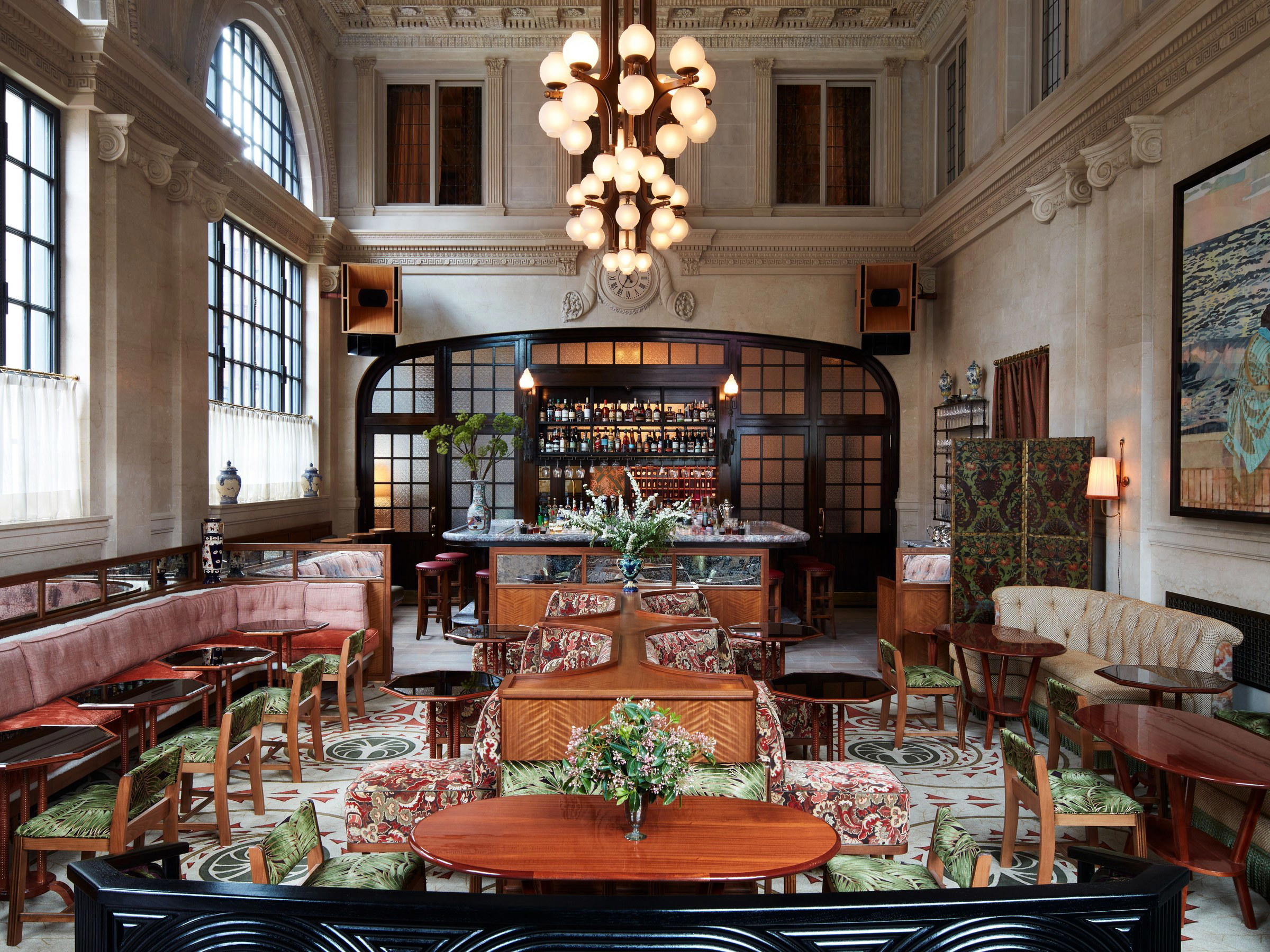
Warm and inviting atmosphere with white-tablecloth formality softened by friendly service; decor based on the famous Ponte Vecchio bridge in Florence, creating an Old-World charm with polished, upscale-casual elegance.