Ciao Bello
Ciao Bello at 220 South Avenue East brings Italian-American dining to Cranford, NJ, where the emphasis on sourced ingredients and neighborhood familiarity positions it firmly within northern New Jersey's mid-market Italian scene. For a town of Cranford's scale, it represents the kind of reliable, ingredient-focused trattoria that anchors suburban dining calendars — accessible without being generic.
Pearl is the En Primeur Club membership app — saves, bookings, and concierge access live there. Same editors, same standards.
- Address
- 220 South Avenue East, Cranford, NJ 07016
- Phone
- +19084970700
- Website
- opentable.com
- Directions
- Get directions
 Saves & bookings on Pearl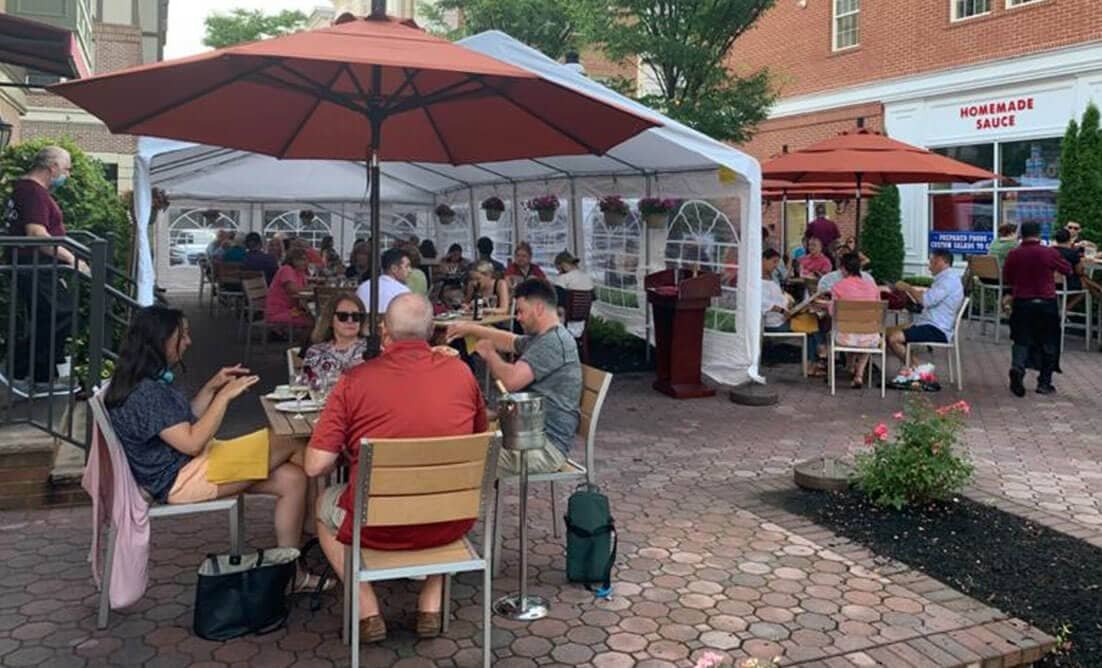
South Avenue and the Italian Trattoria Tradition in Northern New Jersey
There is a particular kind of Italian restaurant that has shaped suburban New Jersey's dining culture for decades: not the white-tablecloth ambition of a Manhattan destination, not the fast-casual compromise of a strip mall chain, but something in between — a neighborhood trattoria where the sourcing discipline of old-country cooking meets the expectations of a community that knows what good pasta should taste like. Cranford's dining corridor along South Avenue sits squarely inside that tradition, and Ciao Bello at 220 South Avenue East occupies a position that reflects how the genre has evolved in towns like this one.
Northern New Jersey has long maintained a dense Italian-American dining culture rooted in the post-war immigration patterns that shaped Union County. That history matters for understanding what a restaurant like this is trying to do. The bar is set not by Michelin-starred ambitions — the kind you find at Le Bernardin in New York City or Atomix in New York City, but by generations of home cooks and neighborhood regulars who can tell the difference between a sauce built from good San Marzanos and one that cuts corners. That is the competitive standard Ciao Bello operates against, and it is a harder one than it might appear.
Where the Ingredients Start
The editorial case for any Italian restaurant in 2024 rests significantly on sourcing. In the broader American dining conversation, the move toward ingredient transparency has been most visible at farm-integrated destinations like Blue Hill at Stone Barns in Tarrytown or Single Thread Farm in Healdsburg, where the supply chain is part of the identity. At a neighborhood Italian level, the same logic applies differently: it is less about named farms on the menu and more about whether the kitchen is working with seasonal produce, quality imported dry goods, and proteins that haven't been stretched through industrial supply chains.
Northern New Jersey's position, within 30 miles of the Hunterdon County farmland corridor and close to established Italian import distributors in Newark and Elizabeth, gives restaurants in this area access to supply chains that smaller markets elsewhere cannot match. Cranford specifically sits close enough to the Union County Farmers Market network that ingredient sourcing at the local level is a genuine option, not an aspirational talking point. How a kitchen uses that proximity is what separates restaurants in this tier from one another.
The Italian pantry tradition also carries its own sourcing logic: DOP-certified olive oils, properly aged Parmigiano-Reggiano, and imported 00 flour for pasta are the kinds of category-one sourcing decisions that define whether a dish is built from a legitimate base. These are not glamorous details, but they are the ones that show up in the finished plate, in the texture of a hand-rolled pasta, in the finish of a simple tomato sauce, in the salt level of a properly cured salumi.
The Room and What It Signals
South Avenue East in Cranford has the character typical of Union County's older commercial corridors: storefronts at street level, foot traffic from the NJ Transit Raritan Valley Line station a few blocks away, and a dining mix that skews toward regulars rather than destination visitors. The physical context of a restaurant on this strip tells you something about its function in the community, these are not places built around a one-time occasion, but around repeat visits from people who live within a few miles. That changes how a kitchen thinks about consistency, portion, and value.
That community-anchor model is distinct from the destination-dining format you see at places like The Inn at Little Washington or The French Laundry in Napa, where a single visit is the point. At this price tier and in this neighborhood context, the measure of quality is whether the kitchen can reproduce a dish at the same level on a Tuesday in February as on a Saturday in October. That is a different kind of discipline, and one that deserves to be evaluated on its own terms.
For those driving in from outside Cranford, the Raritan Valley Line offers a direct alternative to parking, with Cranford station walkable to South Avenue East. This is worth noting for anyone coming from Manhattan or other Union County towns for a dinner without the logistics of a car.
Italian-American Dining in the Wider American Context
The Italian-American restaurant occupies a specific and sometimes underappreciated position in the American dining hierarchy. It is neither as formally studied as the farm-to-table progressive format of Smyth in Chicago or Lazy Bear in San Francisco, nor as casually dismissed as it might be by critics who have spent too long in tasting-menu rooms. At its leading, the neighborhood Italian trattoria is among the more ingredient-honest formats in American dining: a pasta dish has nowhere to hide, a broth either has depth or it doesn't, and a properly made tiramisu requires precision that a lot of kitchens underestimate.
Comparisons further afield are instructive. The sourcing discipline visible at Bacchanalia in Atlanta or the ingredient-driven focus of Oyster Oyster in Washington, D.C. reflects a broader American shift toward provenance as a quality signal. The Italian trattoria tradition predates that movement by decades, it was built on the understanding that good ingredients, handled simply, produce better results than clever technique applied to mediocre raw material. In the European context, that ethic reaches its formal extreme at places like Atelier Moessmer Norbert Niederkofler in Brunico, where Alpine Italian sourcing is the entire conceptual foundation. The neighborhood trattoria version is less formal but no less sincere.
Other American kitchens working in related registers include Frasca Food and Wine in Boulder, which applies Northern Italian discipline in a Rocky Mountain context, and The Wolf's Tailor in Denver, where ingredient sourcing drives a menu that shares some structural DNA with the Italian format even as it moves in its own direction. Further south, Providence in Los Angeles, ITAMAE in Miami, Addison in San Diego, and Emeril's in New Orleans each represent distinct regional takes on ingredient-led cooking at higher price tiers, useful reference points for understanding where sourcing ambition sits relative to price and format in the current American market.
For a complete picture of where Ciao Bello fits within Cranford's dining options and how it compares to other restaurants in the area, see our full Cranford restaurants guide.
Planning Your Visit
Ciao Bello is located at 220 South Avenue East, Cranford, NJ 07016, on a commercial strip accessible by foot from Cranford NJ Transit station on the Raritan Valley Line. For those driving, street and municipal parking are available along South Avenue. Given the limited publicly available data on current hours and booking policy, confirming service times directly with the restaurant before visiting is advisable, this is standard practice for any independently operated neighborhood restaurant where hours can shift seasonally or reflect private events.
Quick Comparison
| Venue | Cuisine | Price | Awards |
|---|---|---|---|
| Ciao BelloThis venue — the venue you are viewing | This venue | Not listed | Not listed |
| Le Bernardin | French, Seafood | $$$$ | Michelin 3 Star |
| Lazy Bear | Progressive American, Contemporary | $$$$ | Michelin 2 Star |
| Atomix | Modern Korean, Korean | $$$$ | Michelin 2 Star |
| Per Se | French, Contemporary | $$$$ | Michelin 3 Star |
| Masa | Sushi, Japanese | $$$$ | Michelin 3 Star |
Continue exploring
More in Cranford
Restaurants in Cranford
Browse all →
Bars in Cranford
Browse all →
Hotels in Cranford
Browse all →




At a Glance
- Cozy
- Classic
- Family
- Group Dining
- Casual Hangout
- Terrace
Current opening hours
- Monday
- 11 AM–9:45 PM
- Tuesday
- 11 AM–9:45 PM
- Wednesday
- 11 AM–9:45 PM
- Thursday
- 11 AM–9:45 PM
- Friday
- 11 AM–10:45 PM
- Saturday
- 11 AM–10:45 PM
- Sunday
- 11 AM–9:45 PM
Hours can change for holidays and private events. Last verified .
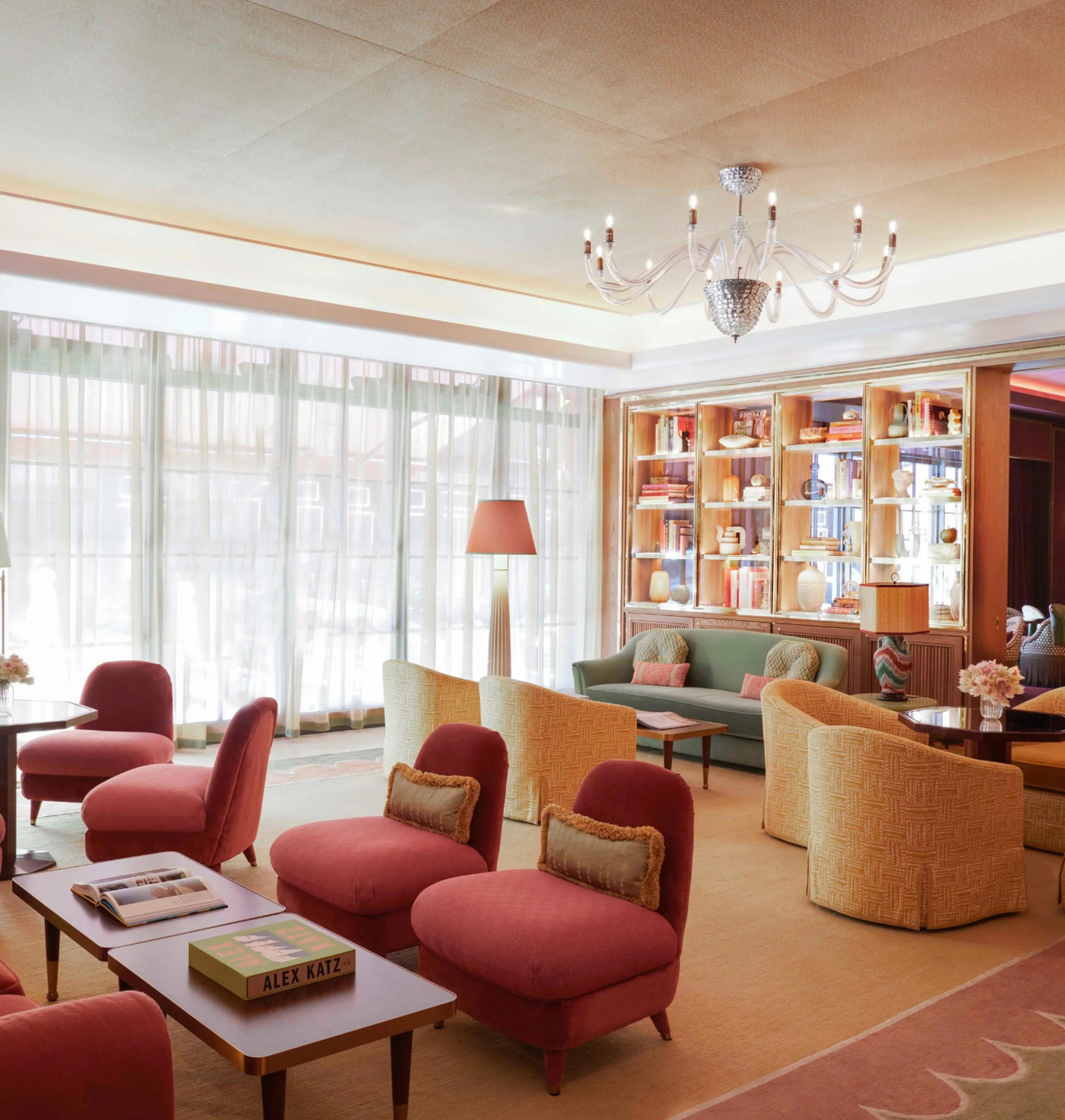
Warm and inviting with a neighborhood bistro feel, featuring indoor and outdoor patio seating.