Pomegranate
Pomegranate sits on El Cajon Boulevard in San Diego's North Park corridor, a stretch that has become one of the city's more serious dining destinations over the past decade. With an address at 2312 El Cajon Blvd, the restaurant draws from a neighbourhood increasingly defined by independent, ingredient-conscious operators who price against quality rather than spectacle.
Pearl is the En Primeur Club membership app — saves, bookings, and concierge access live there. Same editors, same standards.
- Address
- 2312 El Cajon Blvd, San Diego, CA 92104
- Phone
- +16192984007
- Website
- pomegranatesd.com
- Directions
- Get directions
 Saves & bookings on Pearl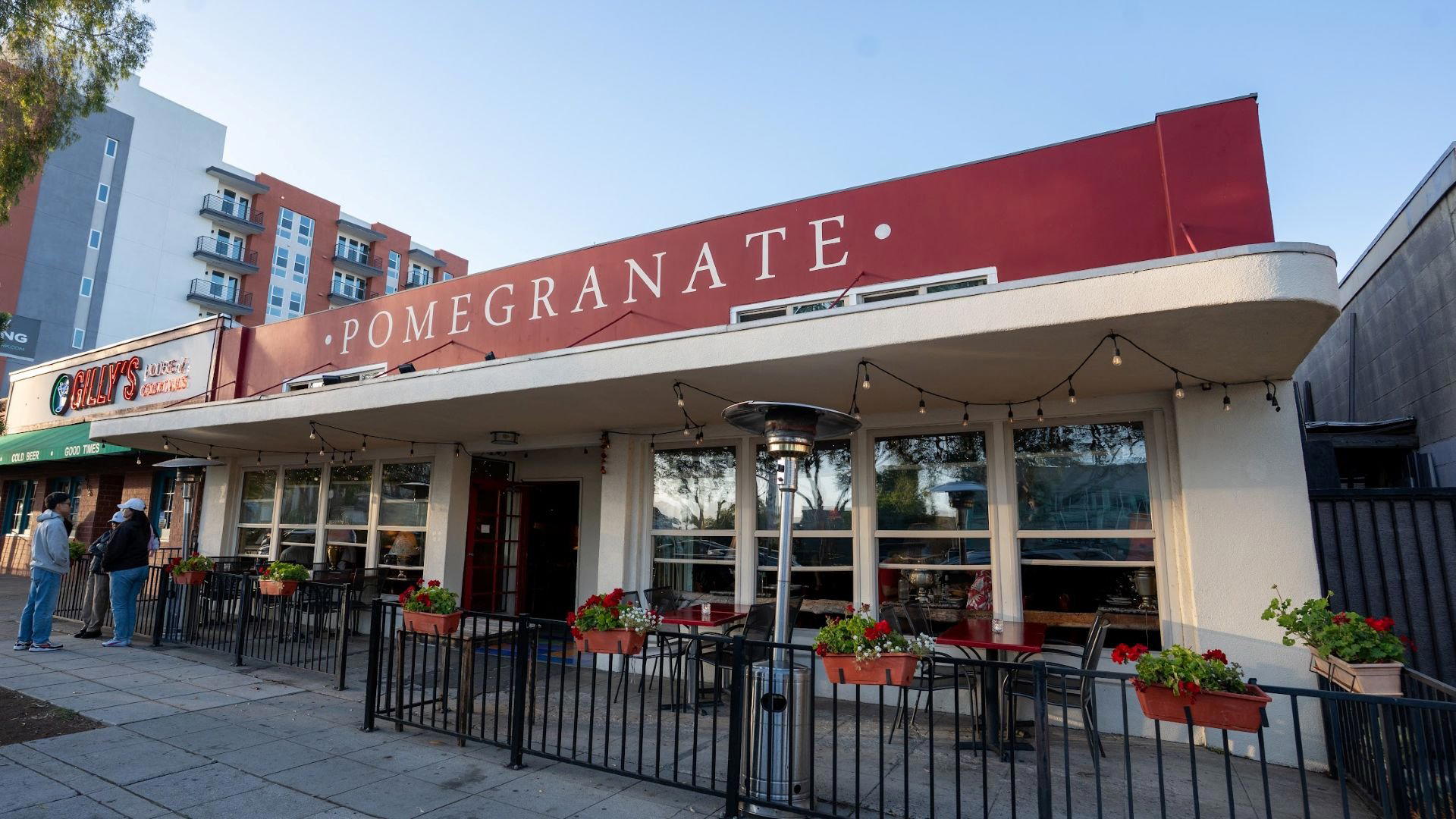
El Cajon Boulevard and the Ethics of the Plate
North Park's dining corridor along El Cajon Boulevard has undergone a quiet but meaningful shift over the past decade. Where the strip once served primarily as a practical throughfare for fast-casual options and neighbourhood bars, a cluster of independent restaurants has moved in with a different set of priorities: sourcing transparency, reduced waste, and menus that reflect what is actually available rather than what a corporate kitchen can reliably deliver year-round. Pomegranate is a restaurant serving Georgian and Russian cuisine at 2312 El Cajon Blvd in San Diego. Pomegranate, at 2312 El Cajon Blvd, occupies a position within that shift. Its name alone carries symbolic weight in the broader conversation about ingredient-led cooking, the pomegranate is a fruit associated with seasonality, ceremony, and a culinary heritage that stretches across the Middle East, the Mediterranean, and the Caucasus.
Across the United States, the strongest sustainability arguments in fine and casual dining tend to come not from formal certification programs but from operational choices that accumulate over time: which farms a restaurant works with, how it handles trim and byproduct, whether its wine and beverage program reflects any ecological awareness. Venues like Single Thread Farm in Healdsburg and Blue Hill at Stone Barns in Tarrytown have set a high bar for what farm-to-table integration can look like at the premium tier. At the neighbourhood level, the same principles apply with fewer resources and less fanfare, which often makes the commitment more revealing.
The Neighbourhood as Context
North Park sits roughly three miles northeast of San Diego's downtown core, and its dining identity has been shaped by a relatively high density of independent operators, a community of residents with strong preferences for local ownership, and a real estate environment that has, until recently, allowed smaller concepts to survive without the revenue pressure of Gaslamp or Little Italy rents. That context matters when reading any restaurant on El Cajon Boulevard. The neighbourhood selects for a certain kind of operator: one who is making decisions based on product conviction rather than foot-traffic volume.
San Diego's broader restaurant scene is widely understood through its proximity to Baja California and the Pacific, both of which feed a strong bias toward seafood, citrus, and produce-forward cooking. Addison, the city's most formally decorated restaurant, operates at the $$$$ tier with a French contemporary framework. Soichi, also in the $$$$ bracket, represents San Diego's serious Japanese counter tradition. Pomegranate occupies a different register on El Cajon, less formal and operating in a corridor where the conversation about food is as likely to happen at the bar as at a white-tablecloth table.
Sustainability as Culinary Discipline
The sustainability story in American dining has moved through several phases. The early wave was largely about branding: menus that listed farm names without necessarily reflecting any deep operational relationship. The more recent and more serious iteration is about discipline in the kitchen, using whole animals, building sauces from scraps, rotating the menu when a supplier has surplus rather than forcing a fixed list. Restaurants that practice this rigorously tend to read differently on the plate: less predictable, more seasonal, occasionally surprising in what appears and disappears from the menu.
That model is now well-represented at the high end of American dining. Lazy Bear in San Francisco has built a reputation around communal, market-driven tasting formats. Providence in Los Angeles has long maintained among the more thoughtful sourcing programs for seafood on the West Coast. At the more accessible neighbourhood tier, the same logic applies with a tighter margin for error, there is no $400 tasting menu to absorb the cost of a failed experiment. The restraint that sustainability demands at this level is, more demanding than at the luxury end.
El Cajon Boulevard's independent operators, including Pomegranate, exist within a regional supply chain that is better resourced than most American cities. San Diego County's agricultural output, the proximity of Baja's fishing waters, and access to Los Angeles wholesale markets give chefs here genuine options when making sourcing decisions. That proximity is an advantage that neighbourhood restaurants in, say, Atlanta or inland Virginia do not share in the same way.
Where Pomegranate Sits in the City's Dining Map
San Diego's dining map is not monolithic. The formal tier, represented by venues like Addison and 1450 El Prado, operates on a different logic than the neighbourhood tier along El Cajon. The mid-tier, which includes venues like 94th Aero Squadron, serves a different kind of occasion. North Park's independent scene, where Pomegranate is located, tends to attract regulars more than occasion diners, people who return weekly rather than annually, and whose loyalty is earned through consistency and sourcing integrity rather than ceremony.
Globally, the conversation about ethical sourcing has been led by restaurants like Le Bernardin in New York City on the seafood side, and Alinea in Chicago on the technique side. At the neighbourhood level, the same values get expressed with less architecture and more directness. A restaurant on El Cajon Blvd that commits to seasonal, waste-conscious cooking is making a statement that costs it something, in menu flexibility, in labour, in the willingness to say no to certain suppliers. That commitment, where it exists, is worth recognising even before the first course arrives.
Internationally, the sourcing-first model is well-documented at venues like 8 1/2 Otto e Mezzo Bombana in Hong Kong and Atomix in New York City, both of which demonstrate how ingredient provenance can function as an organising principle at the highest price tiers.
Know Before You Go
Peers You’d Cross-Shop
Comparable venues nearby, for context on price, style, and recognition.
| Venue | Cuisine | Price | Notes |
|---|---|---|---|
| PomegranateThis venue — the venue you are viewing | Georgian & Russian | $$ | Not listed |
| Little While Cafe | Specialty Coffee and Pastries | $$ | North Park |
| La Bonne Table | Classic French Bistro | $$ | Uptown |
| Tabac+ | Mediterranean Turkish Cafe & Hookah | $$ | Downtown |
| Gelato Vero Caffe | Authentic Italian Gelato & Cafe | $$ | Uptown |
| Athens Market Taverna | Authentic Greek | $$ | Downtown |
Continue exploring
More in San Diego
Restaurants in San Diego
Browse all →


Bars in San Diego
Browse all →




At a Glance
- Cozy
- Intimate
- Date Night
- Casual Hangout
- Special Occasion
- Open Kitchen
- Extensive Wine List
Current opening hours
- Monday
- 5–9 PM
- Tuesday
- 5–9 PM
- Wednesday
- 5–9 PM
- Thursday
- 5–9 PM
- Friday
- 5–10 PM
- Saturday
- 4–10 PM
- Sunday
- 4–9 PM
Hours can change for holidays and private events. Last verified .
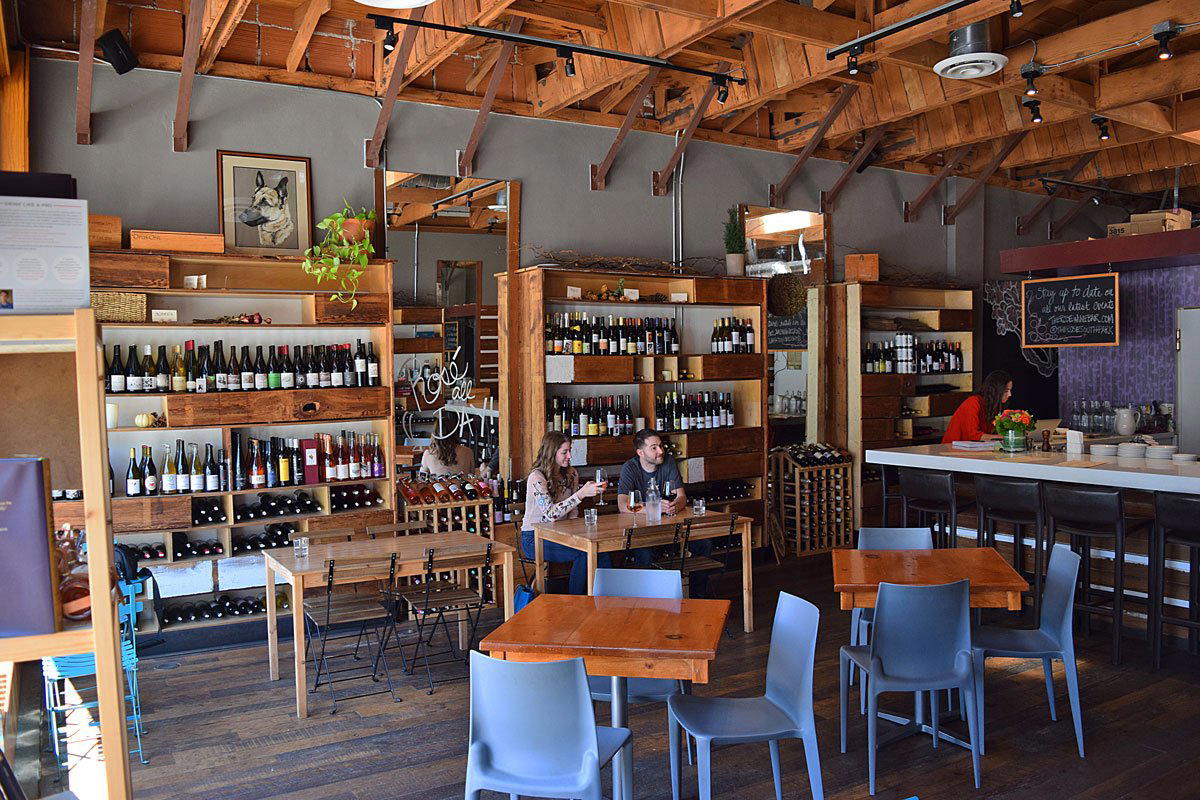
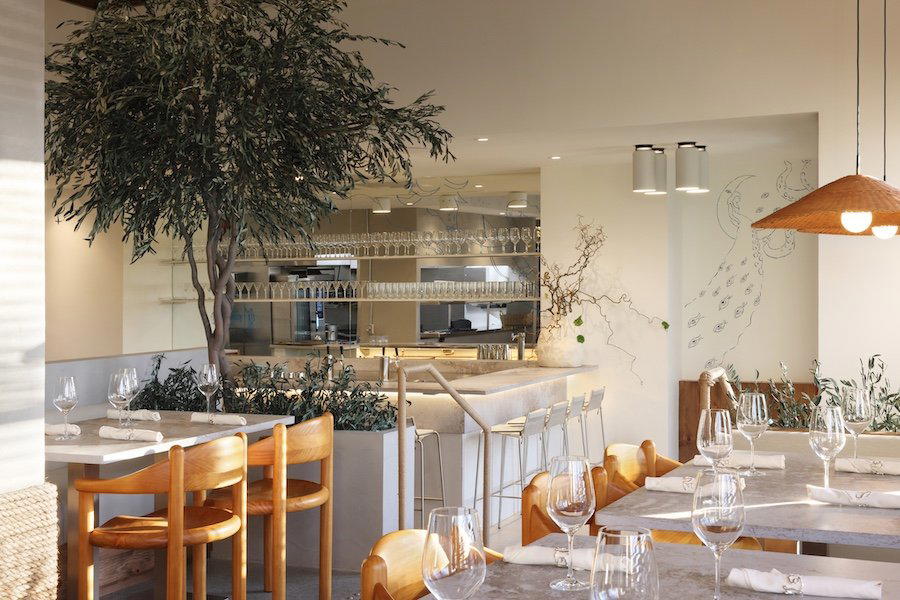
Warm, homey atmosphere with traditional Eastern European decor and a comforting, casual vibe.