The Rose Wine Bar

On North Park's 30th Street corridor, The Rose Wine Bar occupies a space that reads as a deliberate counter-argument to San Diego's louder drinking culture. The room's design restraint and focus on wine positions it within a small cohort of neighbourhood bars built around pour quality over spectacle. It fits the block's evolution from dive-bar strip to a more considered drinking destination.
Pearl is the En Primeur Club membership app — saves, bookings, and concierge access live there. Same editors, same standards.
- Address
- 2219 30th St, San Diego, CA 92104
- Phone
- +1 619 281 0718
- Website
- therosewinebar.com
- Directions
- Get directions
 Saves & bookings on Pearl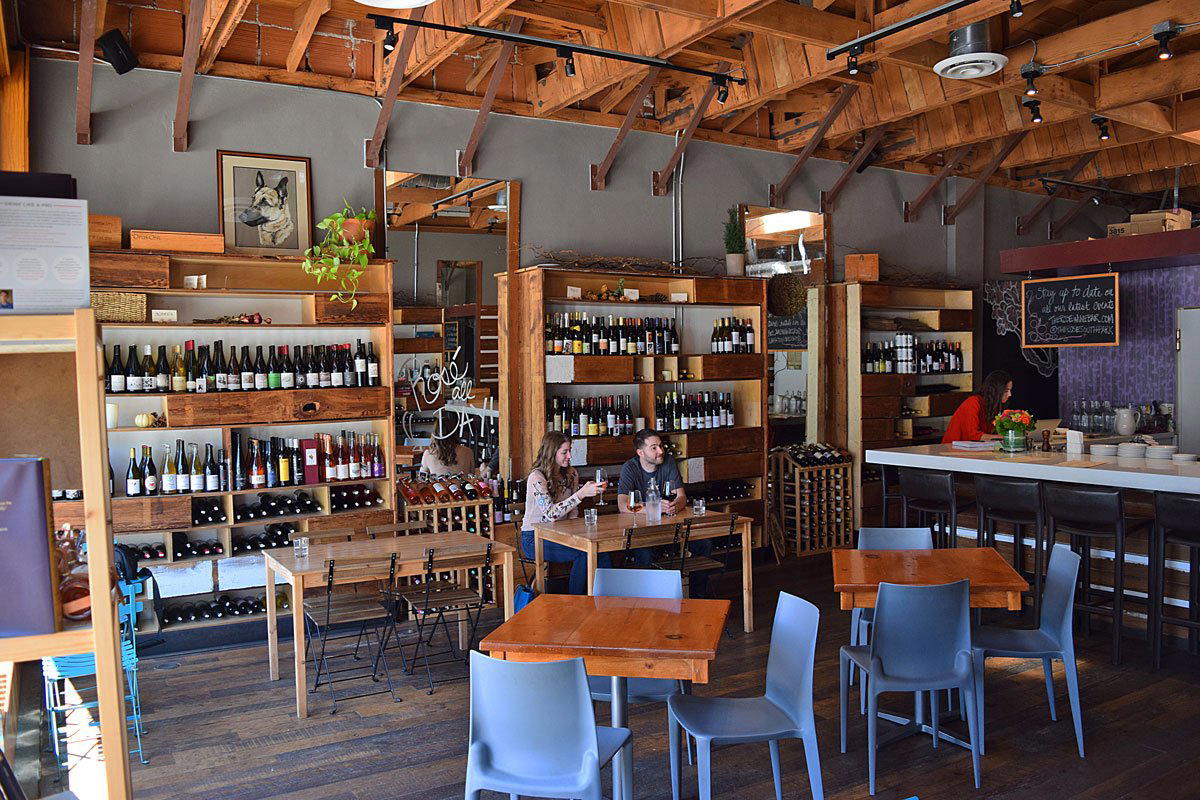
North Park's Drinking Scene and the Case for Restraint
San Diego's bar culture has split noticeably over the past decade. One cohort, represented by theatrically designed venues like Raised by Wolves, leans into spectacle: subterranean entrances, elaborate production values, and cocktail programs built around narrative. A second cohort, quieter and neighbourhood-rooted, has been consolidating on streets like 30th in North Park, where smaller-format wine and spirits bars have moved into the spaces formerly occupied by beer-heavy dives. The Rose Wine Bar sits in this second group, at 2219 30th Street, in North Park.
North Park's shift from a working-class neighbourhood with affordable rents to a destination for considered hospitality has been gradual but now feels complete. The 30th Street strip in particular has accumulated enough wine bars, natural wine shops, and food-forward small plates spots to make it a busy Friday-night stretch. The Rose occupies a position on that strip that feels part of the neighbourhood.
The Room as Argument
Wine bars of this type, neighbourhood-anchored, design-restrained, focused on the glass rather than the environment as primary draw, tend to live or die by how their physical space handles the tension between intimacy and capacity. Too large, and the room loses the quality that makes a wine bar feel like a discovery. Too small, and it tips into exclusivity that works against the neighbourhood-local function these places serve.
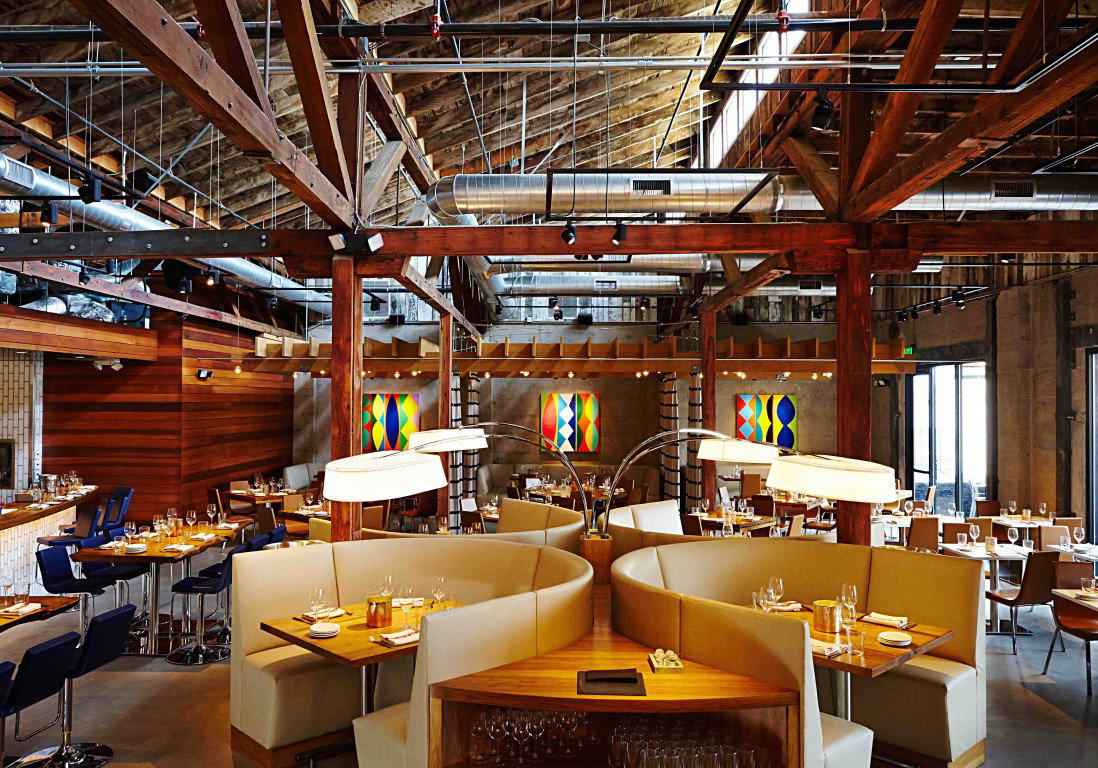
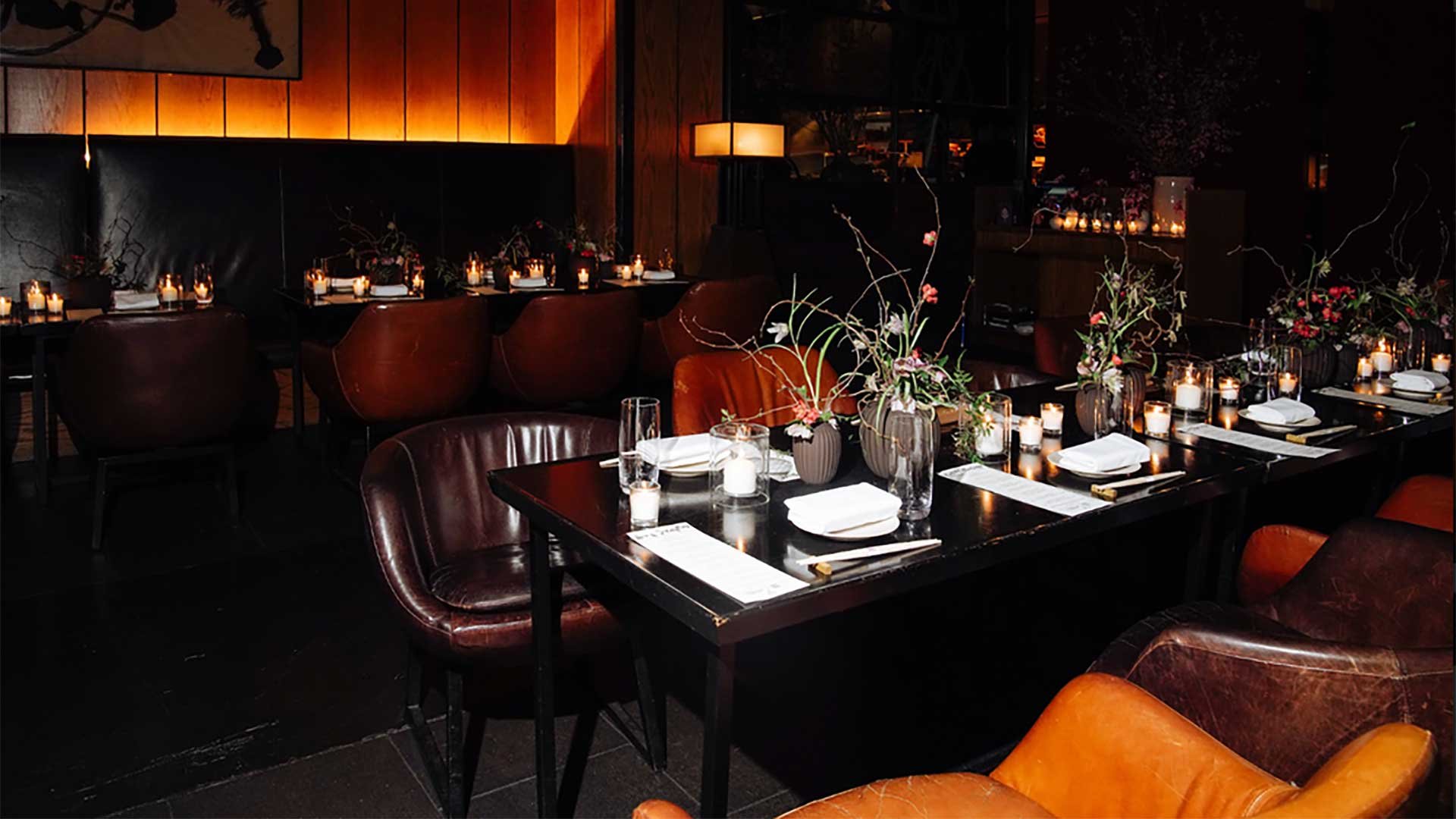
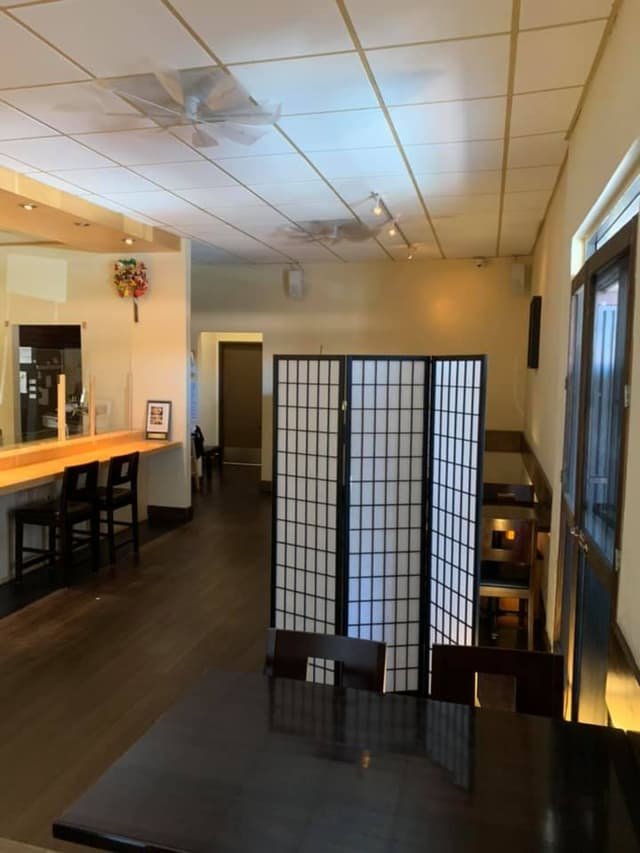
The Rose occupies a space that reads as deliberately unpretentious: exposed materials, minimal decoration, the kind of design language that prioritises the social transaction happening at the tables over any architectural statement. This is not accidental. The wine-bar format at this price and scale in American cities has increasingly moved toward interiors that communicate expertise without performing it. You can trace the same instinct in venues across the country: ABV in San Francisco built its identity on a similar premise, and Kumiko in Chicago used material restraint to signal a different kind of ambition than flashier cocktail bars. The Rose operates in that same register, applied to a San Diego neighbourhood context.
Seating arrangements in spaces like this tend toward small tables and a bar counter that functions as a social anchor, allowing solo visitors or pairs to integrate into the room's rhythm without the isolation that can accompany a larger dining-room table. The physical container shapes the social dynamic: conversations between tables become normal, staff knowledge becomes part of the experience rather than a secondary service feature, and the wine list becomes the actual subject of the evening rather than a supporting document.
What the Format Signals About the Wine Program
A wine bar that succeeds in a neighbourhood like North Park does so partly through its physical presence and partly through a list that can hold up to repeat visits. Single-visit wine bars, those with lists that feel like a snapshot rather than a considered program, tend not to sustain the neighbourhood-local function that makes a place like The Rose viable. The format itself implies a level of curation: this is not a restaurant that happens to have wine, nor a bar that defaults to wine as a low-maintenance option. The dedicated wine bar in an American neighbourhood context carries an implicit promise of rotation, of staff who can talk through producers, and of a list that rewards the kind of drinker who wants to learn something rather than simply order something familiar.
This places The Rose in a competitive set that extends beyond San Diego. The neighbourhood wine bar format has produced genuinely serious programs in several American cities, from the spirit-forward crossover model at Jewel of the South in New Orleans to the precision-focused approach at Bar Leather Apron in Honolulu. Within San Diego's own drinking scene, the contrast with venues built around cocktail theatrics, see also Youngblood or the more cocktail-specific programming at 1450 El Prado, clarifies what The Rose is not attempting to be. Where those venues compete on technique and presentation spectacle, a wine bar's competitive ground is selection depth and the quality of the conversation around it.
How North Park Positions The Rose
Location on 30th Street places The Rose within walking distance of North Park's restaurant density, which means it functions naturally as either a destination or a pre/post-dinner stop. This dual role is something neighbourhood wine bars in walkable urban corridors handle better than most formats: the room can absorb a couple arriving for a single glass before a reservation elsewhere as easily as it absorbs a table committing to an evening. That flexibility is a function of the physical space as much as the program, and it shapes who shows up and how they use the venue.
For visitors to San Diego, the 30th Street location provides useful context. North Park sits inland from the coast, removed from the tourist-density areas around the Gaslamp Quarter and the waterfront. Drinking here means drinking where San Diegans actually drink, in a neighbourhood that has accumulated quality gradually rather than through a developer-led hospitality push. That positioning matters: the crowd at The Rose will skew local and repeat-visit in a way that visitor-facing venues in the coastal neighbourhoods do not.
For those building a broader picture of the American wine-bar and cocktail scene, our guides to Julep in Houston, Superbueno in New York City, and The Parlour in Frankfurt on the Main offer useful comparative reference points for how the neighbourhood-bar format adapts across cities and countries. Our full San Diego restaurants guide covers the broader dining and drinking context if you want to situate The Rose within the city's wider offer. Also worth cross-referencing is 356 Korean BBQ & Bar, which occupies a different position in the San Diego bar scene.
Know Before You Go
- Address: 2219 30th St, San Diego, CA 92104
- Neighbourhood: North Park
- Format: Neighbourhood wine bar
- Booking: Walk-in friendly
- Getting there: 30th Street is accessible by car with street parking; North Park is served by several MTS bus routes from central San Diego
- Phone/website: not listed at time of writing; confirm current details via Google Maps or a direct search
Reputation Context
Comparable venues nearby, for context on price, style, and recognition.
| Venue | Cuisine | Price | Notes |
|---|---|---|---|
| The Rose Wine BarThis venue — the venue you are viewing | wine_bar | $$$ | Not listed |
| Quigley Fine Wines | wine_bar | $$$ | Downtown |
| The Nolen Rooftop | rooftop_bar | $$$ | Downtown |
| Zinqué - San Diego | wine_bar | $$$ | Downtown |
| The Rooftop | rooftop_bar | $$$ | Downtown |
| Kettner Exchange | rooftop_bar | $$$ | Downtown |
Recognition history
Dated appearances from independent guides and award organizations, with the underlying list record or original source where available.
Falstaff Wine Bar - Listed
Falstaff
Continue exploring
More in San Diego
Bars in San Diego
Browse all →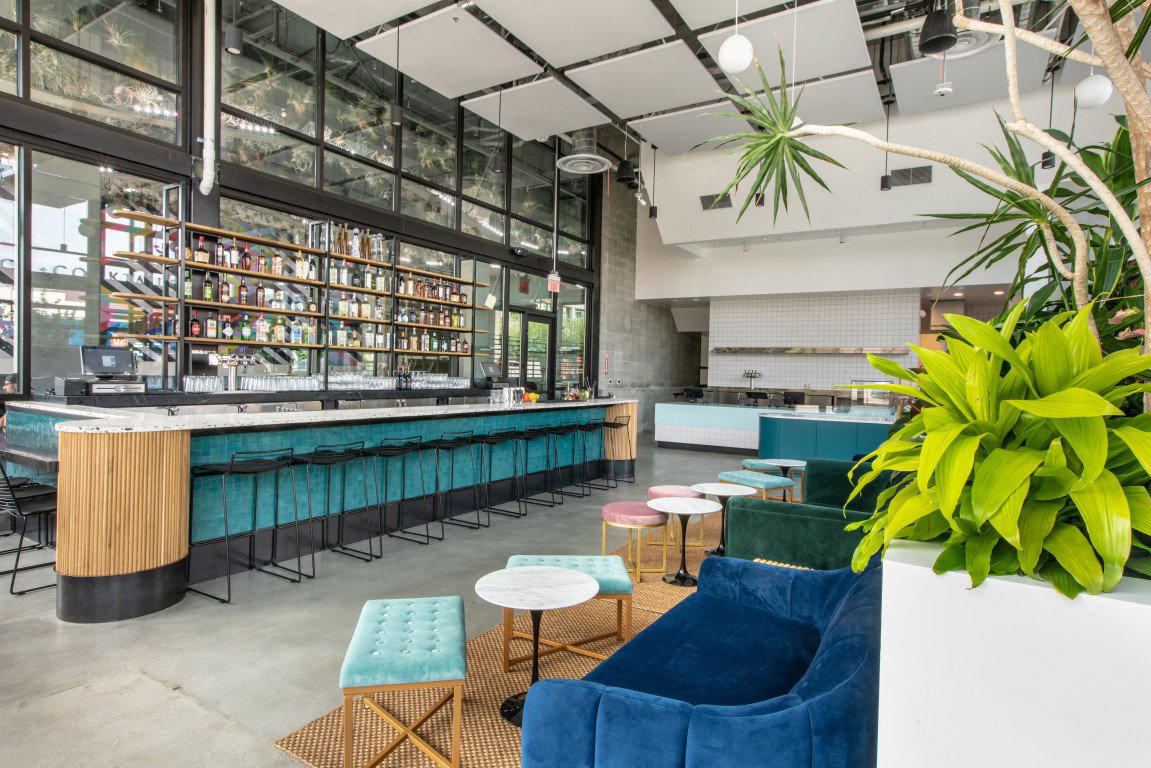
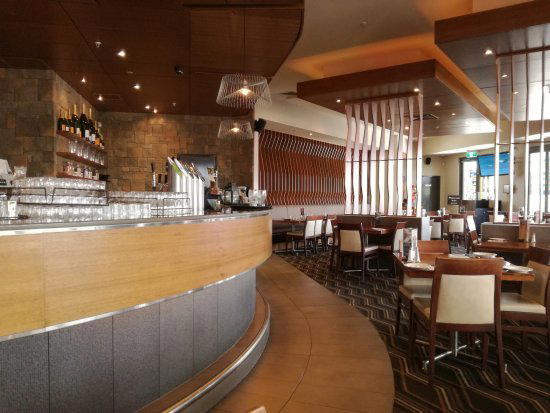
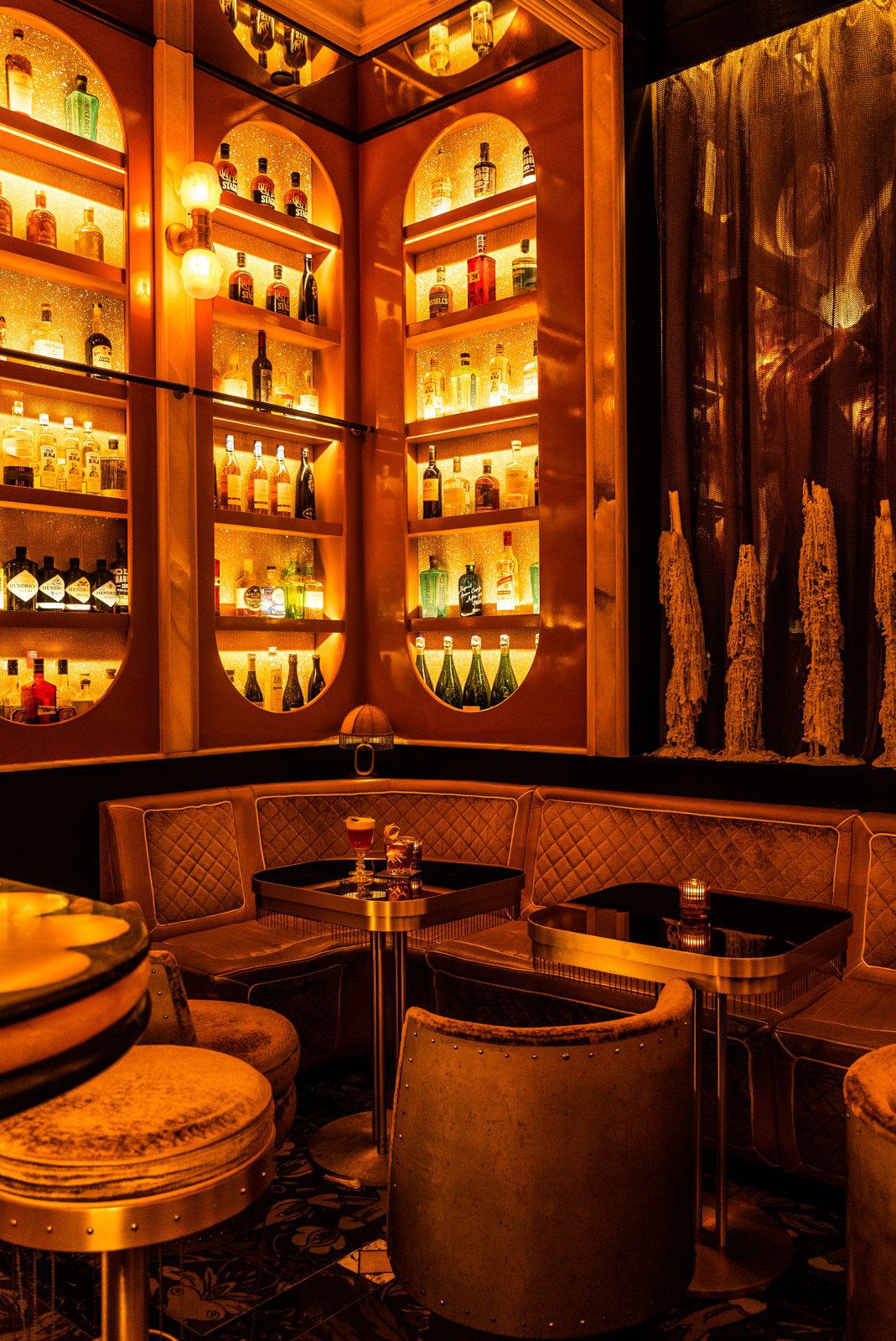
Restaurants in San Diego
Browse all →
At a Glance
- Cozy
- Intimate
- Trendy
- Rustic
- Date Night
- Casual Hangout
- Group Outing
- Standalone
- Lounge Seating
- Outdoor Terrace
- Natural Wine
Current opening hours
- Monday
- 11 AM–10 PM
- Tuesday
- 11 AM–10 PM
- Wednesday
- 11 AM–10 PM
- Thursday
- 11 AM–10 PM
- Friday
- 11 AM–11 PM
- Saturday
- 10 AM–11 PM
- Sunday
- 10 AM–10 PM
Hours can change for holidays and private events. Last verified .
Cozy eclectic atmosphere with colorful fairy lights on exposed wood beams, mismatched board games, string lights on the rustic patio, and a homey, welcoming vibe.