Tabac+
On Kettner Boulevard in Little Italy, Tabac+ occupies a stretch of San Diego that has become a reliable address for serious dining and independent hospitality. The address puts it within the city's most active restaurant corridor, where local sourcing and imported technique increasingly define the kitchen conversation.
Pearl is the En Primeur Club membership app — saves, bookings, and concierge access live there. Same editors, same standards.
- Address
- 2215 Kettner Blvd, San Diego, CA 92101
- Phone
- +16195011896
- Website
- tabacplus.com
- Directions
- Get directions
 Saves & bookings on Pearl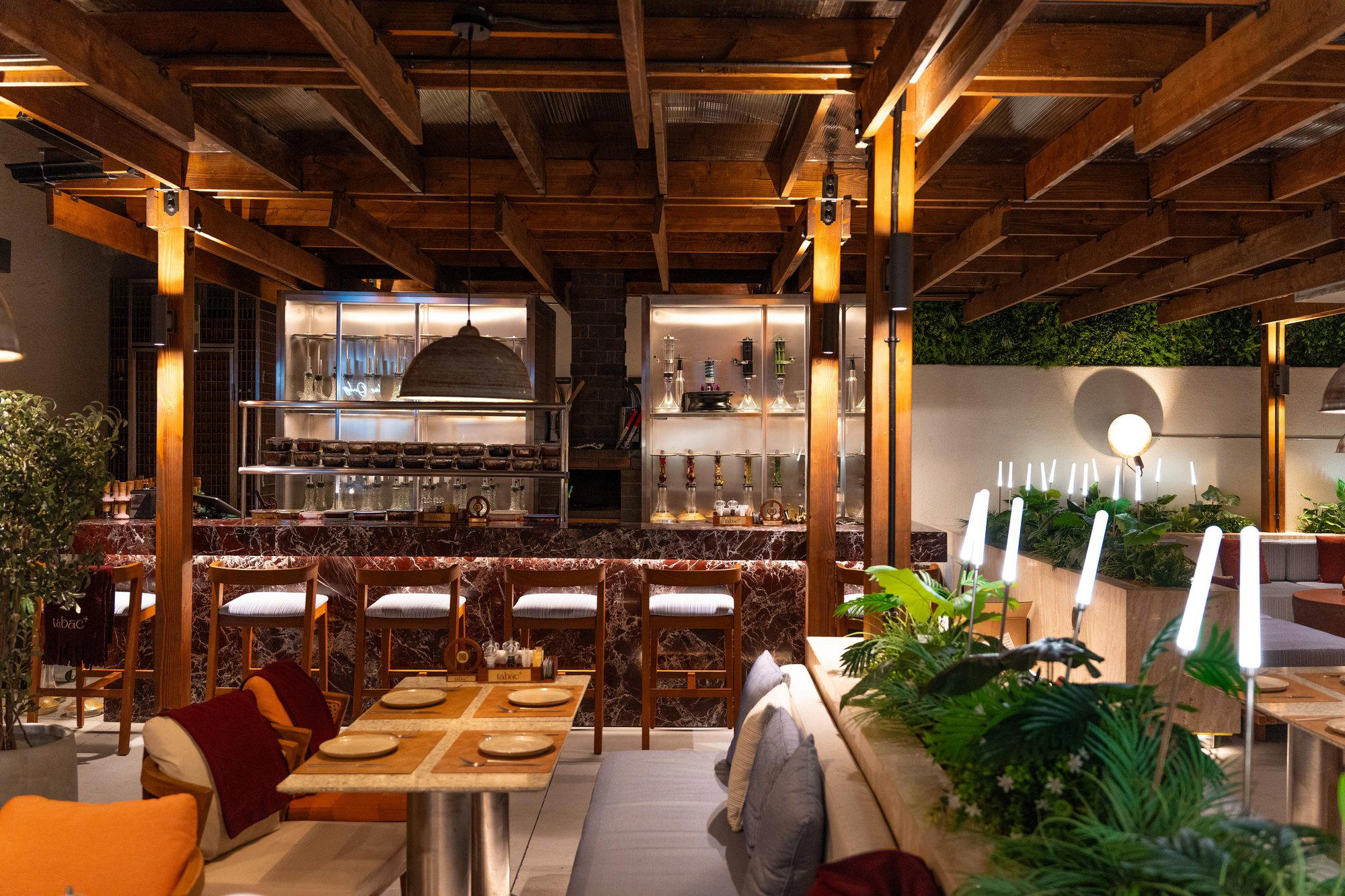
Kettner Boulevard and the Shift in San Diego's Dining Center of Gravity
San Diego's dining identity spent decades anchored to the Gaslamp Quarter, but the city's most consequential restaurant openings over the past ten years have tracked steadily northwest, toward Little Italy and the Kettner Boulevard corridor. Tabac+ is a Mediterranean Turkish cafe and hookah spot at 2215 Kettner Blvd in San Diego. The address at 2215 Kettner places Tabac+ in that shift. This stretch has accumulated an unusually high density of independent operators, and the character of the dining here reflects something distinct from the tourist-facing steakhouses further downtown: kitchens that engage seriously with California's agricultural calendar and draw on technique developed far outside the state's borders.
That intersection of local product and imported method has become the defining tension in California's most interesting restaurants. Venues like Addison, operating at the summit of San Diego County's fine dining tier with a French-contemporary framework, demonstrate how rigorously European technique can be applied to Southern California's produce. Further north, Single Thread Farm in Healdsburg and Blue Hill at Stone Barns in Tarrytown have made the farm-to-kitchen relationship the entire editorial premise of their menus. Tabac+ operates at a different scale and register, but the Kettner address places it within a neighborhood conversation that takes these same questions seriously.
What the Kettner Corridor Tells You About the Format
Little Italy's restaurant row rewards visitors who approach it as a neighborhood rather than a destination checklist. The blocks around Kettner and India Street house formats that range from quick counter service to extended tasting experiences, and the audience that fills those rooms on a Tuesday evening skews toward residents rather than visitors. That local constituency is demanding in a specific way: it expects consistency, not performance. Kitchens that survive here tend to be technically grounded and repeatable, rather than reliant on opening-night spectacle.
Comparable operators in San Diego's mid-to-upper tier, such as Soichi in Ocean Beach, have demonstrated that a city historically associated with casual coastal dining can sustain serious, format-driven kitchens with loyal local followings. Soichi's Japanese omakase counter holds at a price point that places it firmly in the premium bracket alongside the leading counter experiences in the country, and it books weeks out on that reputation alone. The lesson it offers the broader San Diego scene is that depth of craft, not square footage or volume, determines staying power.
Local Ingredients, Global Technique: The Method That Defines the Moment
The editorial angle that most accurately describes where ambitious California kitchens are investing energy right now is precisely the one Tabac+'s Kettner address situates it within: the application of globally-sourced culinary knowledge to ingredients that could only come from this region. San Diego County's proximity to Baja California gives its kitchens access to a produce and seafood supply that diverges meaningfully from what's available even in Los Angeles. The Pacific fishery, the seasonal vegetables moving north across the border, and the dry-farmed growing conditions of the inland valleys create a raw material set that rewards technique developed in more codified culinary traditions.
Across American fine dining broadly, this has become the operative framework. Le Bernardin in New York City built a global reputation by subjecting pristine Atlantic seafood to classical French rigor. Providence in Los Angeles applies similar discipline to Pacific Coast product. Atomix in New York City demonstrates how a non-European tradition, in that case Korean culinary architecture, can organize a tasting menu that speaks fluently to the city's most sophisticated dining audience. The common thread is not the cuisine type but the seriousness of the method applied to place-specific ingredients.
In San Diego, that seriousness has taken longer to establish than in San Francisco or Los Angeles. Venues like Lazy Bear in San Francisco and Alinea in Chicago represent the technical extreme of that commitment. The French Laundry in Napa, Emeril's in New Orleans, and Bacchanalia in Atlanta each represent cities that developed a fine dining identity earlier and more loudly than San Diego did. That gap is closing, and the Kettner corridor is one of the places where it closes fastest.
Other Addresses Worth Knowing in the Same Neighborhood Tier
Visitors mapping a San Diego itinerary around serious eating should understand that the Little Italy and Kettner area shares context with a broader set of addresses across the city. 1450 El Prado in Balboa Park and 94th Aero Squadron serve different purposes in the city's dining topology, the former embedded in the cultural district, the latter operating as a landmark with a different atmosphere and audience. 94th Aero Squadron San Diego draws on its proximity to the airport and a nostalgia-heavy setting that places it in a distinct category from the technically-oriented kitchens along Kettner. These are not direct comparisons for Tabac+, but they map the range of what San Diego's dining scene covers.
Internationally-minded visitors who have dined at benchmark venues like The Inn at Little Washington in Washington or 8 1/2 Otto e Mezzo Bombana in Hong Kong will recognize San Diego's Kettner strip as a neighborhood in active development rather than an established institution zone. That distinction matters: interesting food often happens in the middle of a scene's formation, not after it has calcified into predictability.
Planning Your Visit
Tabac+ is recommended for reservations, and its typical price is about $25 per person.
| Venue | Cuisine / Format | Price Tier | Booking Approach |
|---|---|---|---|
| Tabac+ | Mediterranean Turkish Cafe & Hookah | $$ | Recommended |
| Addison | French, Contemporary | $$$$ | Online reservation; books well ahead |
| Soichi | Japanese omakase | $$$$ | Advance booking required; limited seats |
| Callie | Californian-Mediterranean | $$ | Online reservation; more accessible |
| Trust | New American | $$$ | Online reservation |
Peers You’d Cross-Shop
Comparable venues nearby, for context on price, style, and recognition.
| Venue | Cuisine | Price | Notes |
|---|---|---|---|
| Tabac+This venue — the venue you are viewing | Mediterranean Turkish Cafe & Hookah | $$ | Not listed |
| Mimoza Mediterranean Restaurant | Authentic Turkish Mediterranean | $$ | Downtown |
| Fairouz Cafe & Gallery | Lebanese & Mediterranean | $$ | Midway-Pacific Highway |
| insideOUT | California-Mediterranean | $$$ | Uptown |
| La Gran Terraza | California Bistro with Mediterranean Flair | $$ | Linda Vista |
| Bacari | Venetian-inspired Mediterranean small plates | $$$ | North Park |
Continue exploring
More in San Diego
Restaurants in San Diego
Browse all →
Bars in San Diego
Browse all →

At a Glance
- Trendy
- Cozy
- Modern
- Casual Hangout
- Late Night
- After Work
- Craft Cocktails
Current opening hours
- Monday
- 5 PM–1 AM
- Tuesday
- 5 PM–1 AM
- Wednesday
- 5 PM–1 AM
- Thursday
- 5 PM–1:30 AM
- Friday
- 5 PM–2:30 AM
- Saturday
- 10 AM–3 PM, 5 PM–2:30 AM
- Sunday
- 10 AM–3 PM, 5 PM–1 AM
Hours can change for holidays and private events. Last verified .
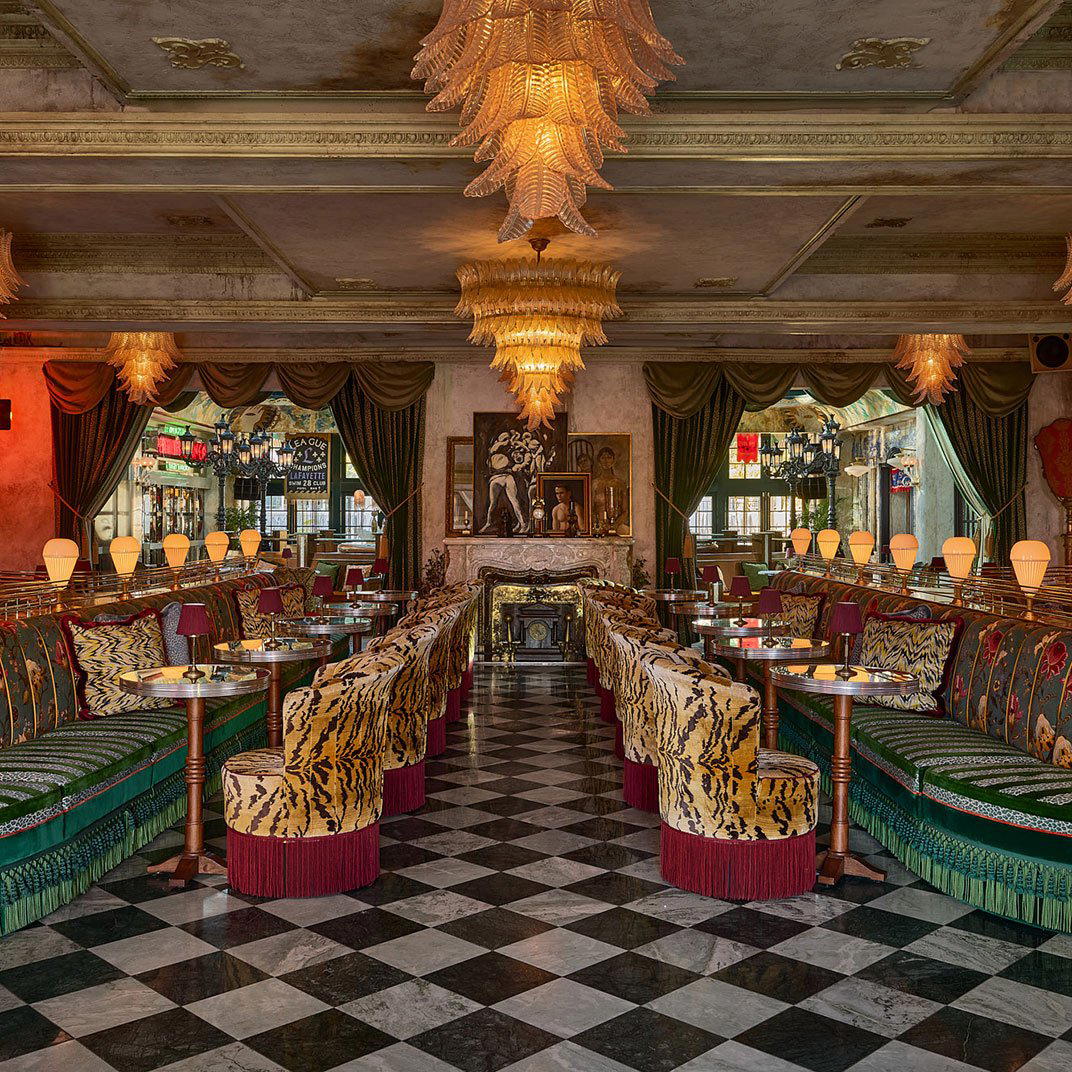
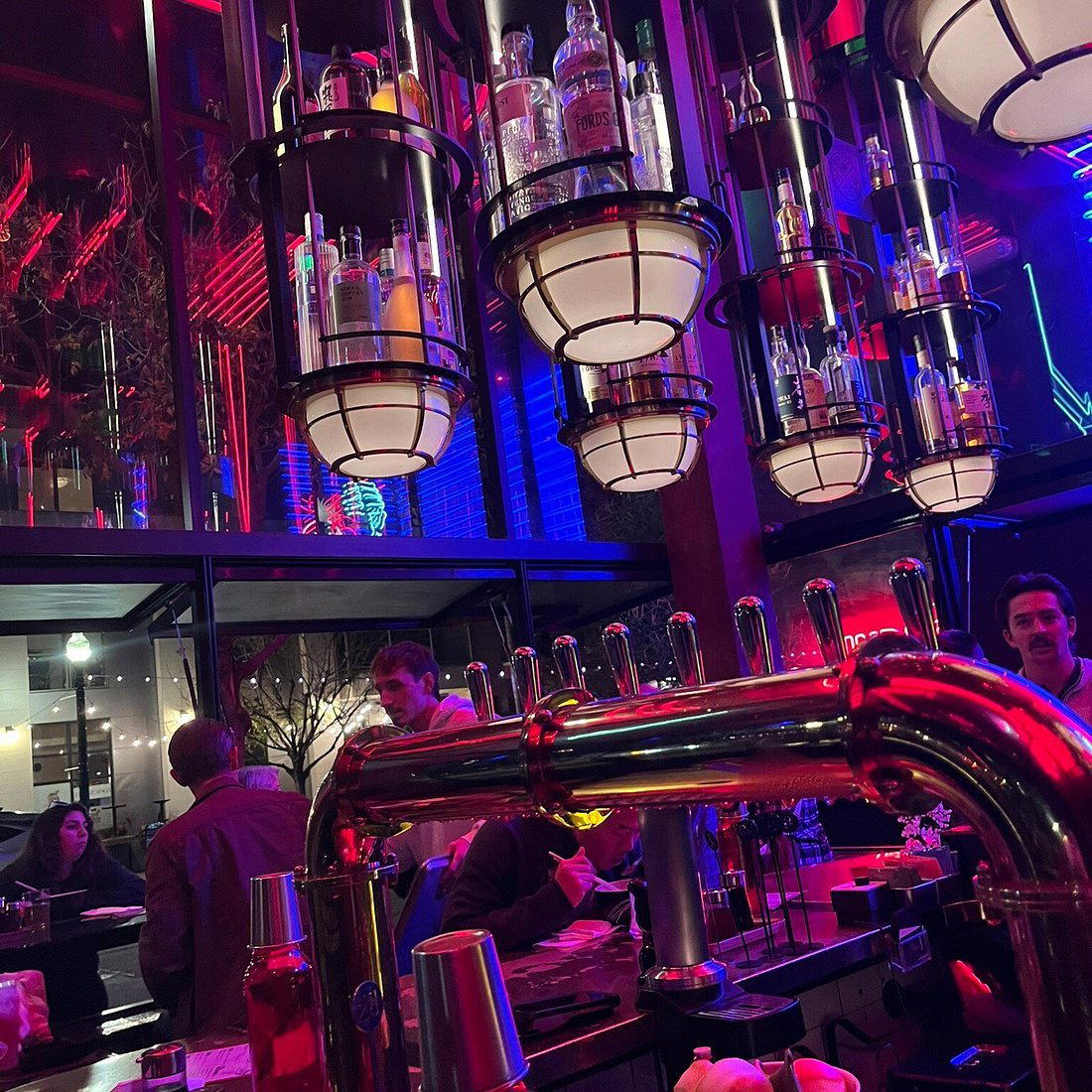
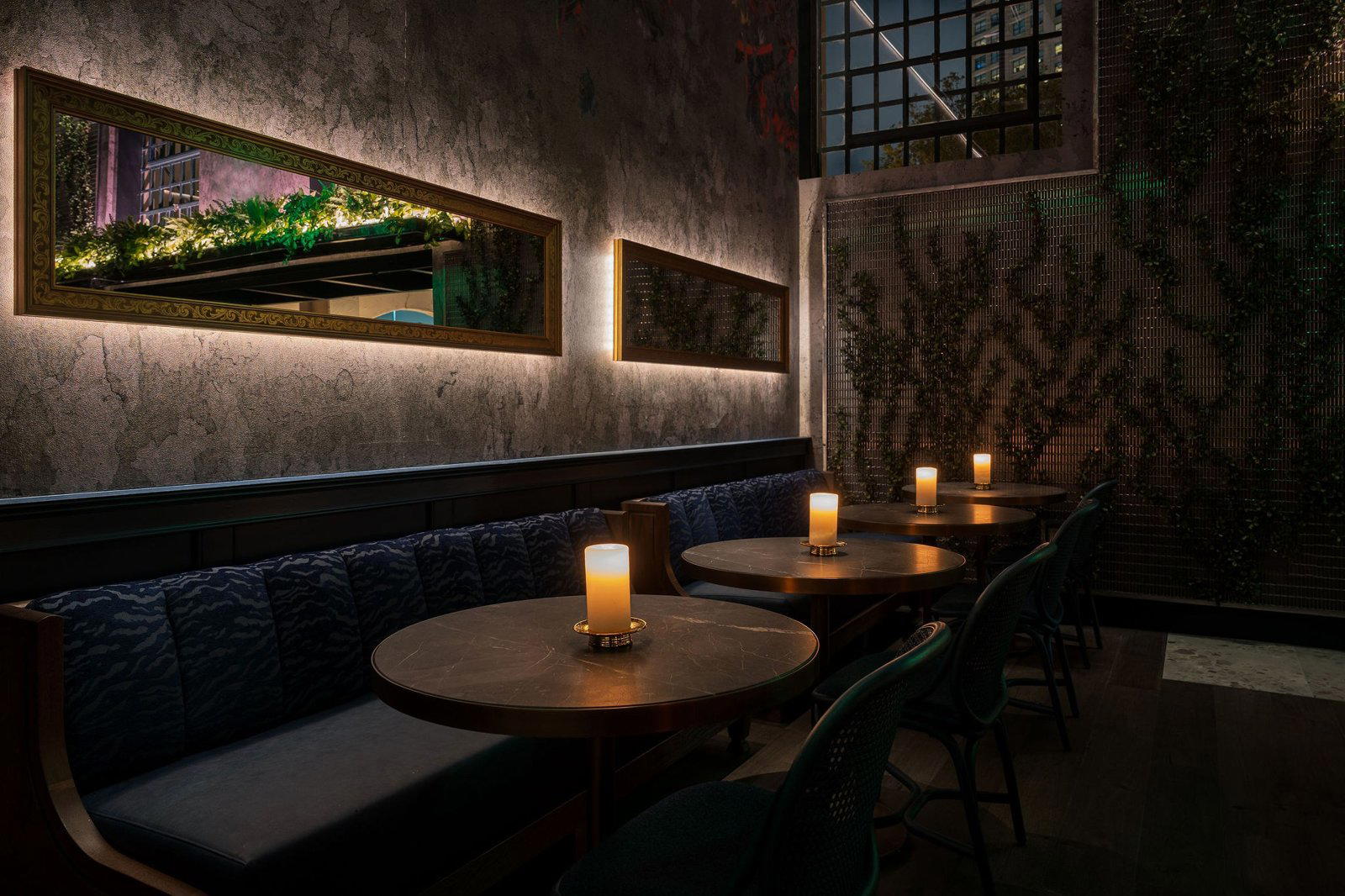
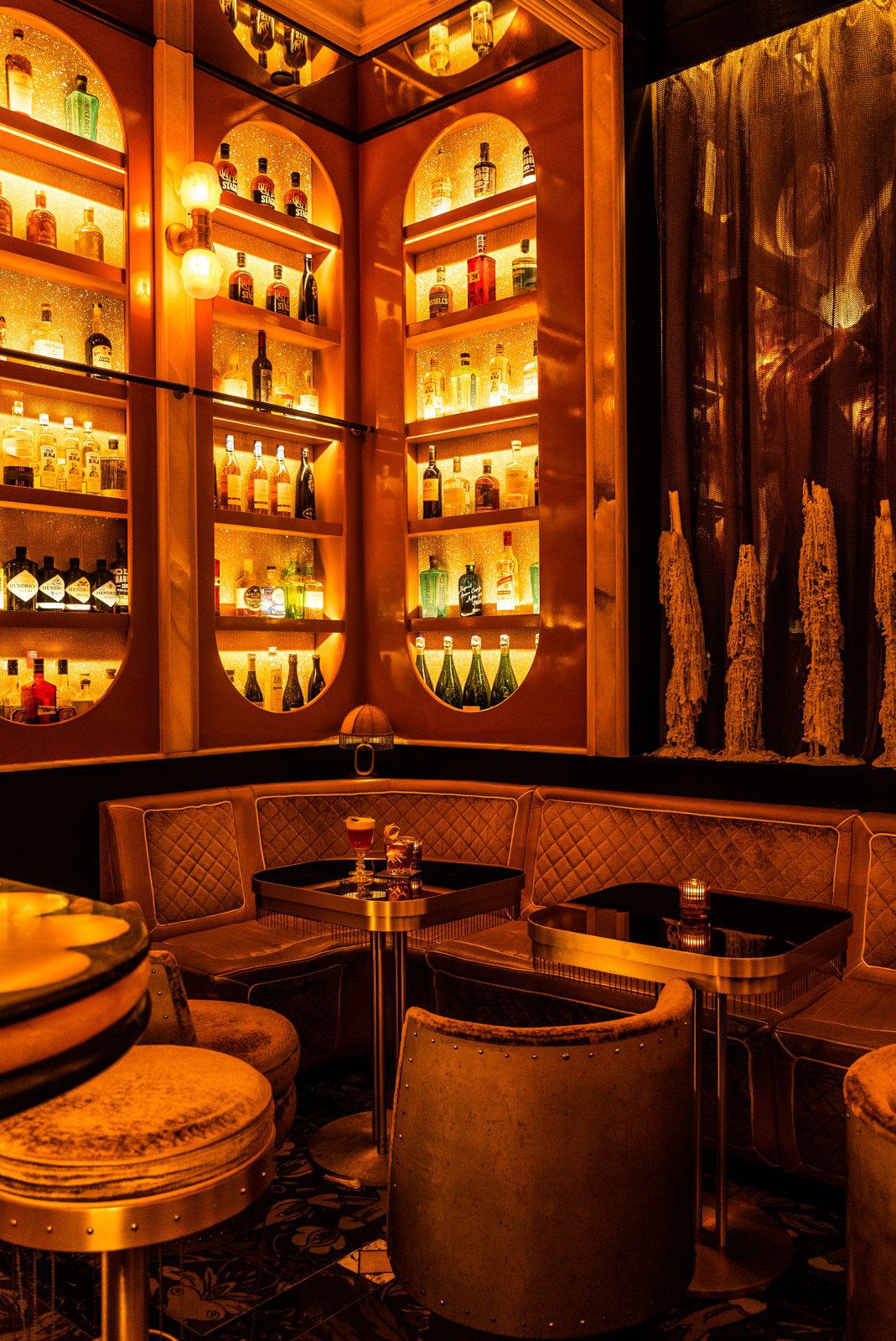
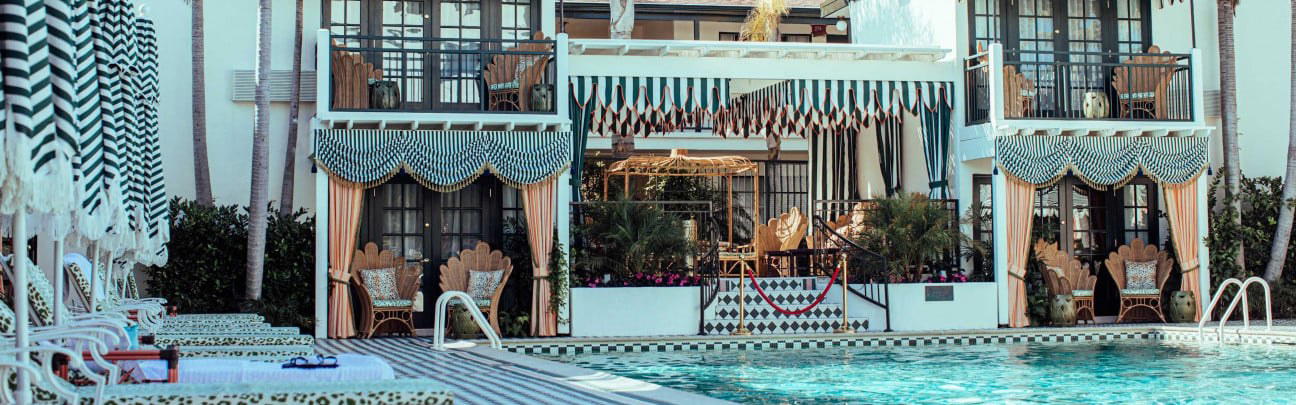
Remodeled with authentic Turkish style decoration, comfortable seating inside and outside, moderate noise level.