
A Michelin Plate recipient in the remote Solčava valley, Plesnik serves regional Slovenian cuisine grounded in the alpine and forest ingredients of the surrounding Kamnik–Savinja Alps. At a mid-range price point, it represents one of the more convincing cases for destination dining in Slovenia's upper Savinja region, drawing.
Pearl is the En Primeur Club membership app — saves, bookings, and concierge access live there. Same editors, same standards.
- Address
- Solčava 19, 3335 Solčava, Slovenia
- Phone
- +386 3 839 23 00
- Website
- plesnik.si
- Directions
- Get directions
 Saves & bookings on Pearl
Where the Valley Sets the Menu
The drive to Solčava prepares you for what Plesnik serves. The Logar Valley road climbs through limestone escarpments and spruce forest, narrowing as the Savinja river shrinks to a stream, until the settlement appears: a handful of buildings at the base of a cirque that closes off the horizon on three sides. In an alpine environment this enclosed, the relationship between kitchen and landscape is less a philosophy than a practical reality. What grows, grazes, or runs within reach of this valley is, by necessity, what ends up on the plate.
That logic places Plesnik inside a pattern common to Slovenia's most recognised rural restaurants. Across the country, from Hiša Franko in Kobarid to Hiša Denk in Zgornja Kungota, the restaurants earning sustained critical attention tend to be those that treat their immediate geography as the primary ingredient source rather than a backdrop. Plesnik's 2025 Michelin Plate places it in that recognised tier of Slovenian regional cooking, at a price point of about $50 per person.
The Alpine Larder
The Kamnik–Savinja Alps produce a particular kind of ingredient. The high meadows above Solčava support cattle that graze on botanically varied pasture, yielding dairy and meat with a flavour profile distinct from lowland equivalents. The forests provide game, mushrooms, and wild herbs across a growing season compressed by altitude. The rivers and streams carry trout from cold, fast-moving water. These are not exotic or imported ingredients; they are local materials whose quality derives directly from the conditions of this specific valley.
Regional cuisine in Slovenia's mountain areas has historically been defined by this kind of environmental constraint turned into culinary identity. The Gorenjska and Savinjska traditions share an emphasis on preserved and slow-cooked preparations, dairy-heavy dishes, and the use of wild forage as both seasoning and substance. What distinguishes the better kitchens in this tradition from direct gostilna cooking is the degree of intention brought to ingredient selection and preparation technique, without abandoning the foundational logic of place-driven sourcing.
Among the Michelin-recognised Slovenian restaurants that work in a regional mode, the comparison set is instructive. Gostilna Pri Lojzetu in Vipava and Hiša Linhart in Radovljica both hold Michelin recognition while operating in formats closer to the traditional gostilna model than to the modern tasting-menu format. Plesnik's mid-range pricing suggests a similar positioning: formal enough for a considered meal, accessible enough that the clientele is not exclusively destination-driven.
A Restaurant Within a Wider Property
Solčava 19 is the address of the Plesnik complex, which functions as both accommodation and dining destination in the valley. This hotel-restaurant model is common across Slovenia's rural areas and carries specific implications for the kitchen: a dining room that serves overnight guests as well as day visitors tends to maintain broader menu availability than a pure destination restaurant. For travellers arriving to hike the Logar Valley or access the Robanov Kot nature reserve, the restaurant functions as a natural extension of the stay rather than a separate itinerary point.
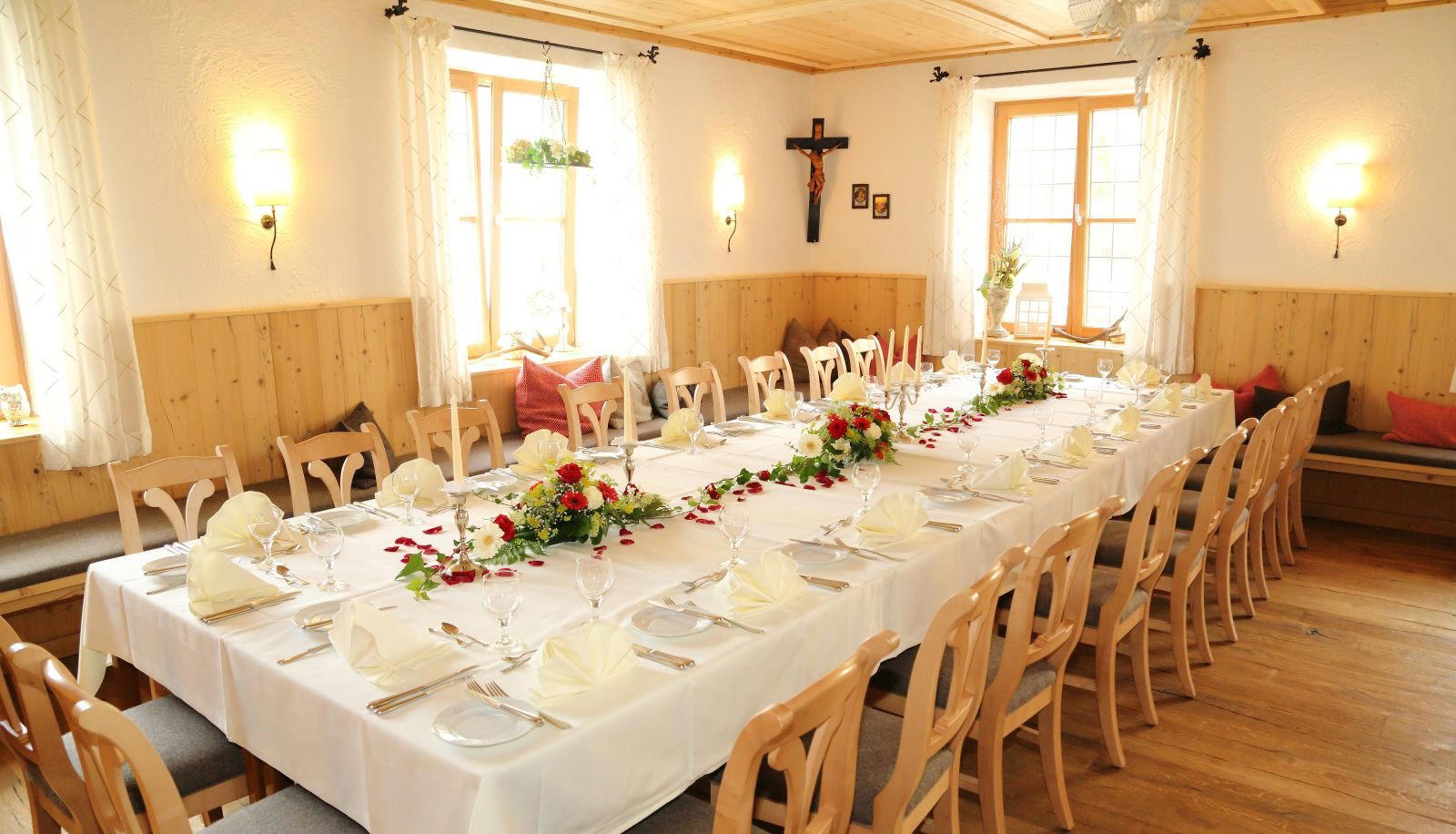
This dual role also shapes the atmosphere. The dining room serves a mixed audience: local families, hikers finishing a day in the valley, and guests who have come specifically for the food. At €€ pricing, the room is unlikely to enforce the formality of a full tasting-menu environment; the expectation is a substantial, well-executed regional meal rather than a composed degustation. That positioning makes Plesnik more comparable to Pavus in Lasko or Grič in Šentjošt nad Horjulom than to the higher-priced creative tables like Milka in Kranjska Gora.
Michelin Recognition at This Altitude
A Michelin Plate, awarded in 2025, signals that inspectors found cooking worth acknowledging without reaching the threshold of a star recommendation. In the context of Slovenia's recognition map, Plates are awarded to restaurants where quality is consistent and the kitchen demonstrates genuine skill, even if the overall experience does not yet meet the full criteria for star elevation. For a restaurant in a valley of Solčava's size and remoteness, the acknowledgment is a meaningful data point: it confirms that the sourcing and preparation here are operating at a level that registers in a national critical context.
Slovenia's Michelin-starred restaurants are almost entirely concentrated in better-connected towns and valleys. The further you travel from Ljubljana, the Soča valley, and the major wine regions, the fewer the recognised tables. Dam in Nova Gorica and Restavracija Strelec in Ljubljana operate in urban or semi-urban contexts with significantly larger catchments.
For comparison across the alpine regional cooking tradition more broadly, Gannerhof in Innervillgraten and Fahr in Künten-Sulz both demonstrate how deeply place-rooted alpine restaurants can earn sustained recognition in competitive European markets. Plesnik operates in the same conceptual register, though within Slovenia's smaller critical ecosystem.
Planning a Visit
Solčava is not a passing-through destination. The valley sits at the end of a road that climbs from Mozirje through the upper Savinja valley, and there is no through-route beyond the settlement. Arriving here requires a specific intention, which means most diners at Plesnik have already committed to the journey before they sit down. The proximity to the Logar Valley, a protected landscape reserve approximately five kilometres from the village, makes a combined day, or ideally an overnight stay, one sensible approach. Booking ahead is advisable, particularly in summer and autumn when the Logar Valley draws the highest visitor numbers to the region.
For readers building a broader itinerary in Slovenia's northern mountain arc, the full Solčava restaurants guide covers the dining options in and around the valley. Accommodation options are listed in our Solčava hotels guide, and for those interested in the wider region's drink culture, the bars guide, wineries guide, and experiences guide for Solčava provide additional context.
Fast Comparison
Comparable venues nearby, for context on price, style, and recognition.
| Venue | Cuisine | Price | Awards | Notes |
|---|---|---|---|---|
| PlesnikThis venue — the venue you are viewing | Regional Slovenian Fine Dining | $$$ | Michelin Plate | Not listed |
| Jaz by Ana Roš | Modern Slovenian Bistro | $$$ | Michelin Plate | Center |
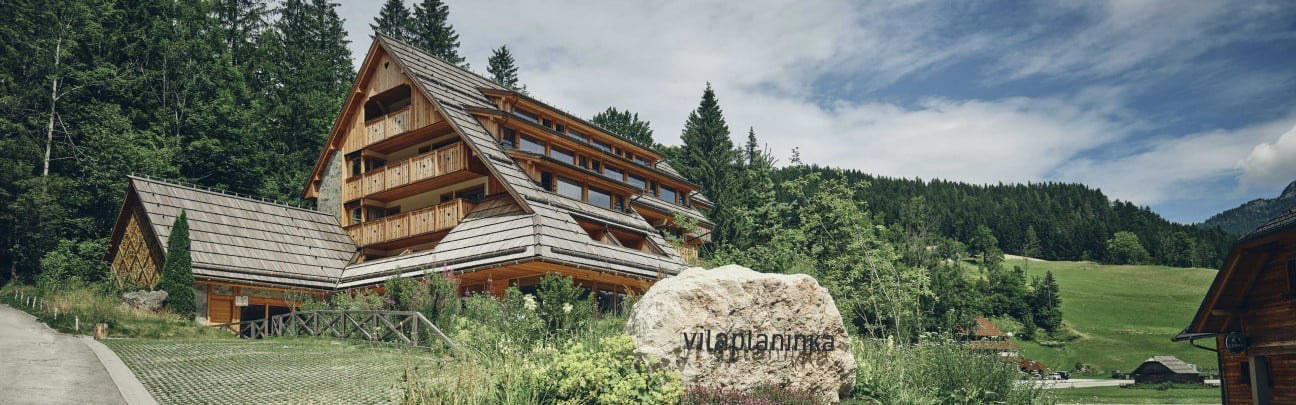
| Vila Planinka | Refined Regional Slovenian | $$$ | Michelin Plate | Zgornje Jezersko |
| Old Cellar Bled | Traditional Slovenian with Modern Touches | $$ | Michelin Plate | Bled |
| B-Restaurant | Modern International with Slovenian Specialties | $$$ | Michelin Plate | Ljubljana center |
| GT19 | Modern Slovenian Fine Dining | $$$ | Not listed | Glavni trg |
Recognition history
Dated appearances from independent guides and award organizations, with the underlying list record or original source where available.
Michelin Plate
Michelin
Michelin Plate
Michelin
Continue exploring
More in Solčava
Restaurants in Solčava
Browse all →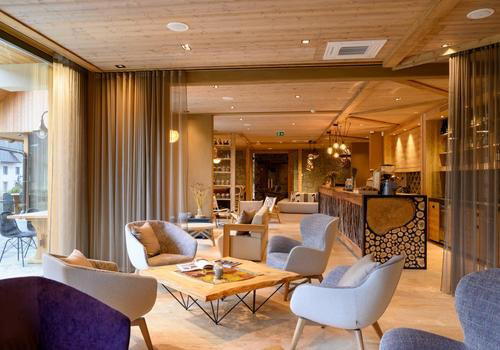
Bars in Solčava
Browse all →
Hotels in Solčava
Browse all →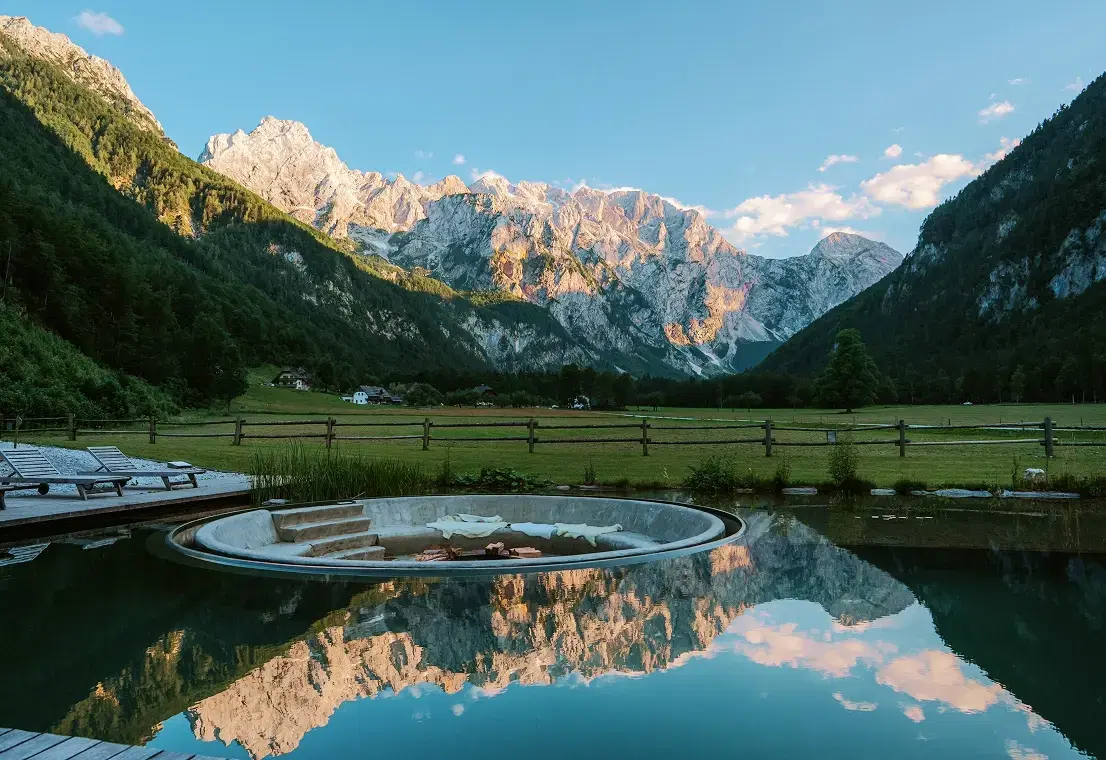

At a Glance
- Rustic
- Scenic
- Cozy
- Special Occasion
- Date Night
- Terrace
- Historic Building
- Farm To Table
- Local Sourcing
- Mountain
- Garden
Bright and lively with dramatic alpine valley views from terrace and dining room.