La Yola
La Yola sits within Punta Cana's growing tier of seafood-forward dining, drawing on the Dominican Republic's coastal larder for a menu anchored in local sourcing. The setting channels the Caribbean waterfront tradition, positioning it as a reference point for visitors seeking regional ingredients handled with intention rather than resort-standard ubiquity.
 Discover on Pearl
Pearl is the En Primeur Club membership app — saves, bookings, and concierge access live there. Same editors, same standards.
- Address
- Punta Cana 23000, Dominican Republic
- Phone
- +1 809 959 1010
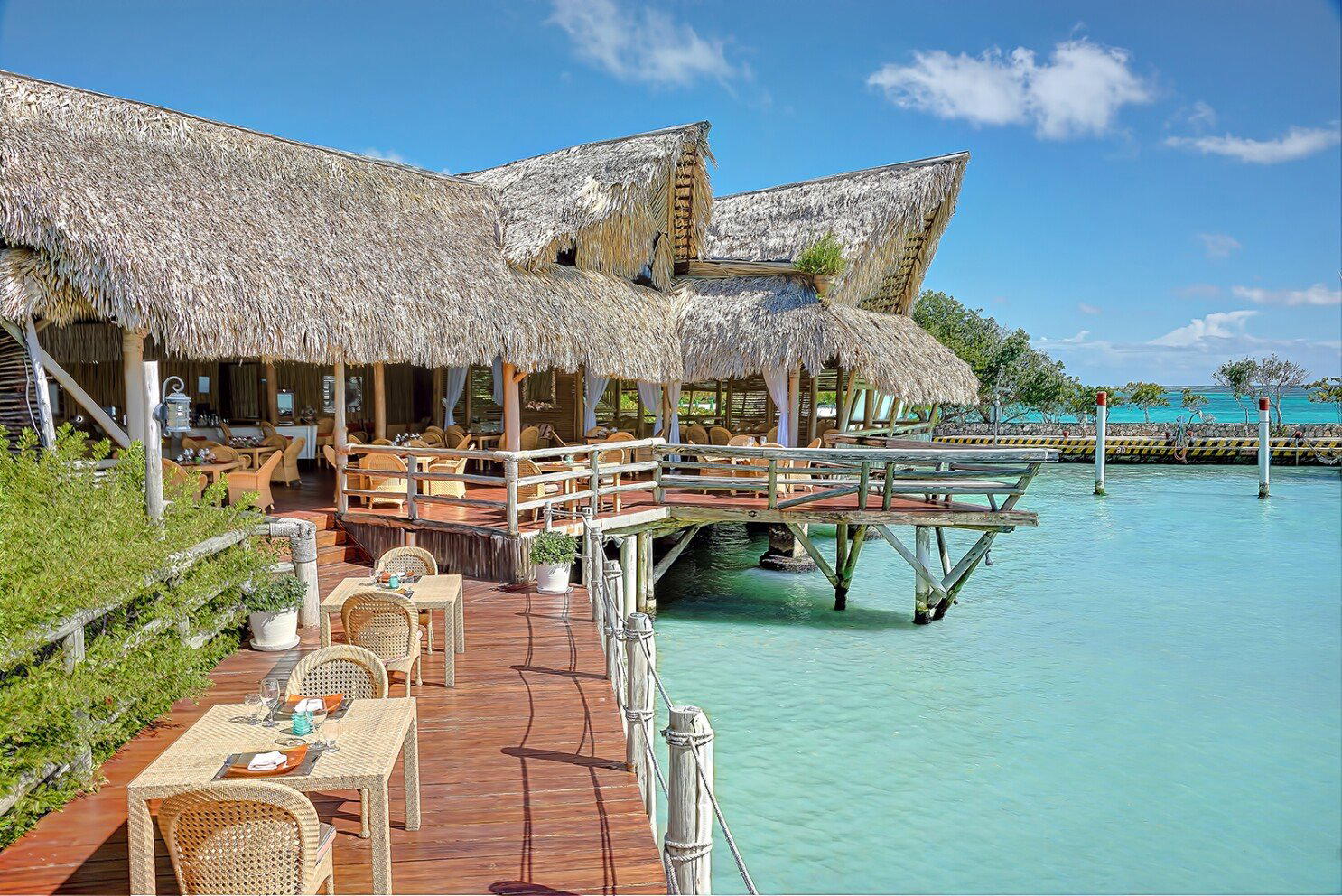
Where the Caribbean Larder Meets the Table
La Yola is a restaurant in Punta Cana, Dominican Republic, serving Mediterranean Seafood with Caribbean Fusion at about $60 per person. La Yola occupies that second category. The approach here reflects a broader shift visible across the Caribbean's better coastal restaurants: sourcing from the immediate marine and agricultural environment not as a marketing signal but as a structural commitment that shapes what appears on the plate.
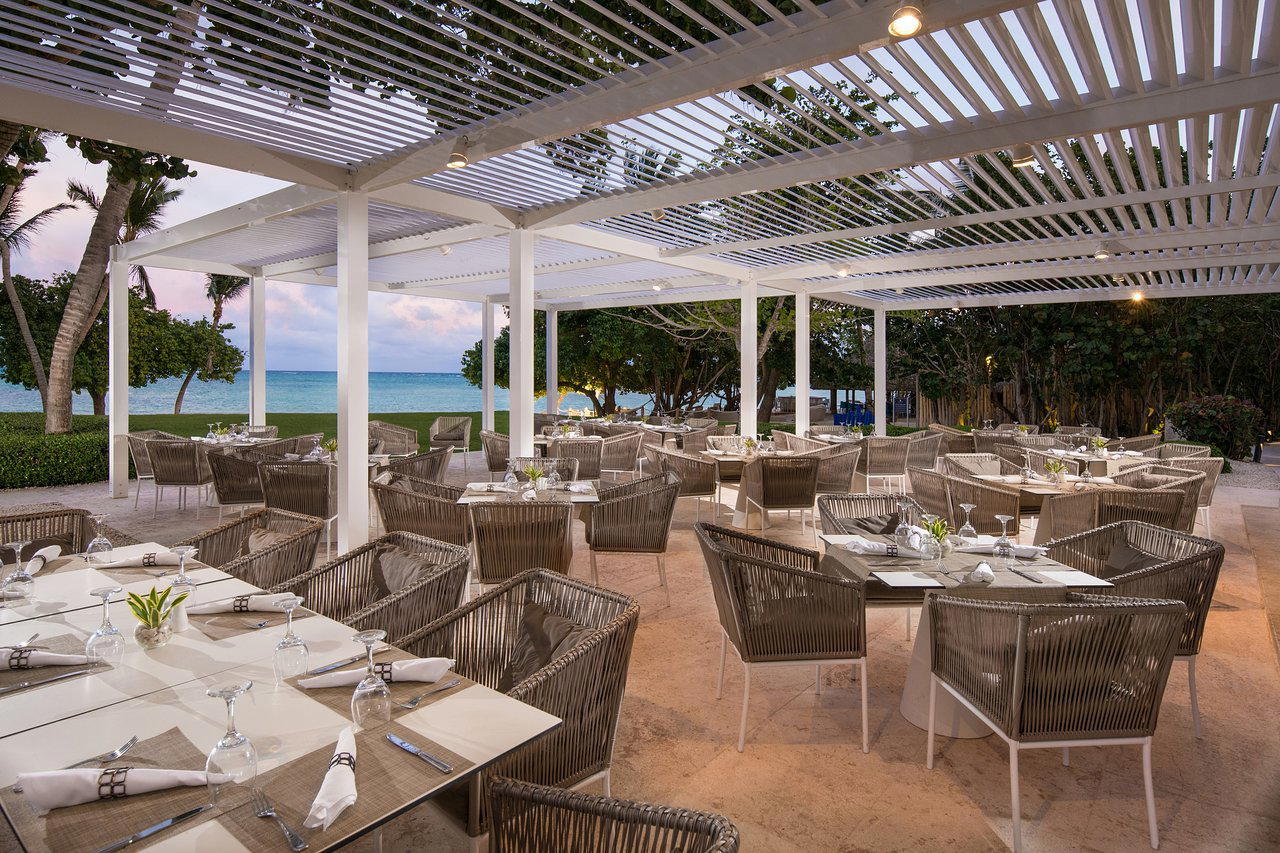
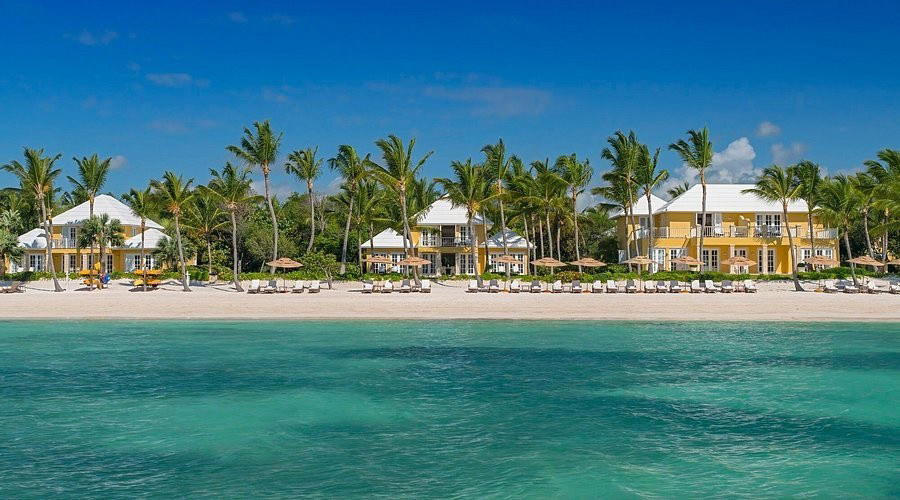
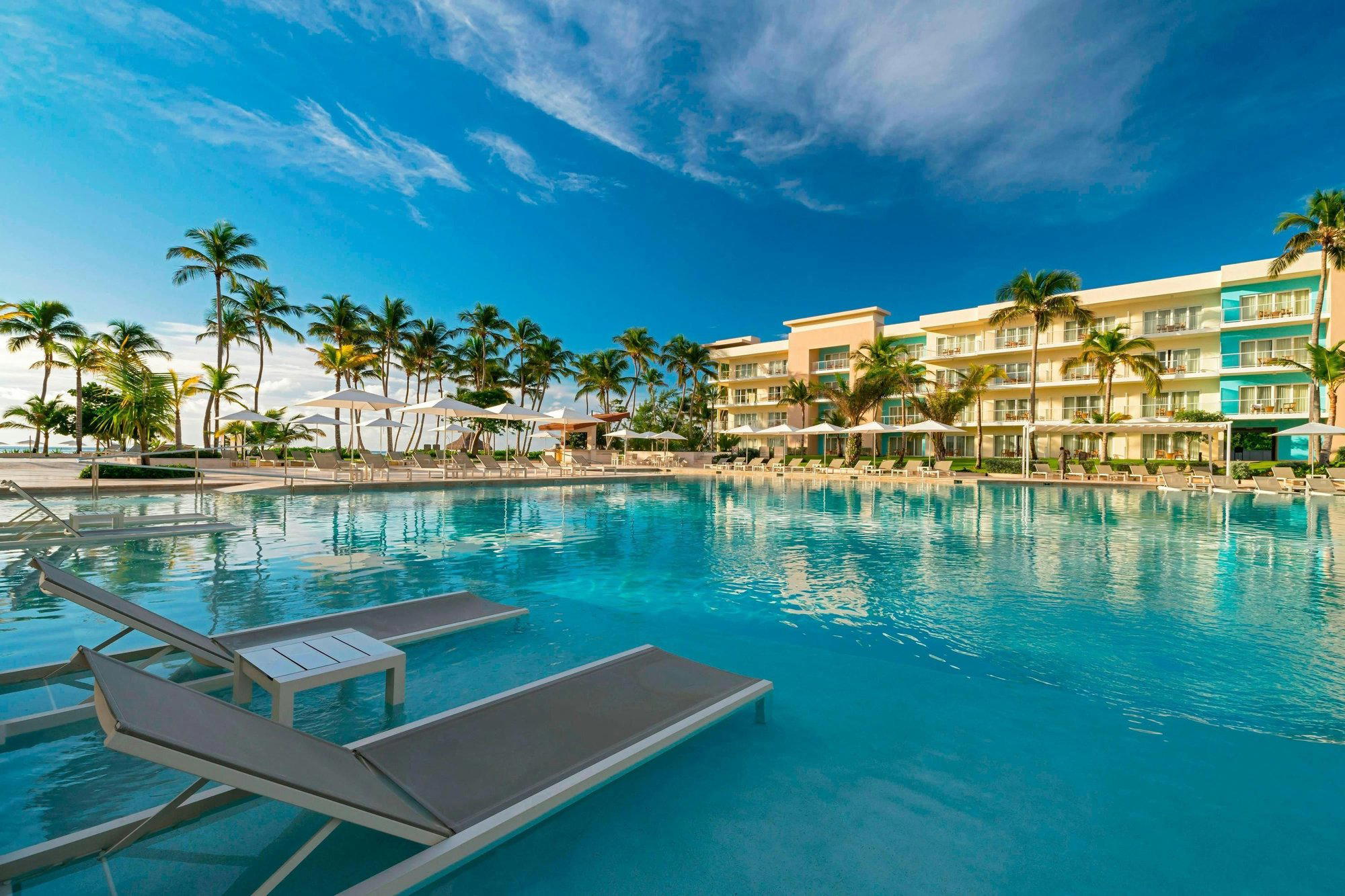
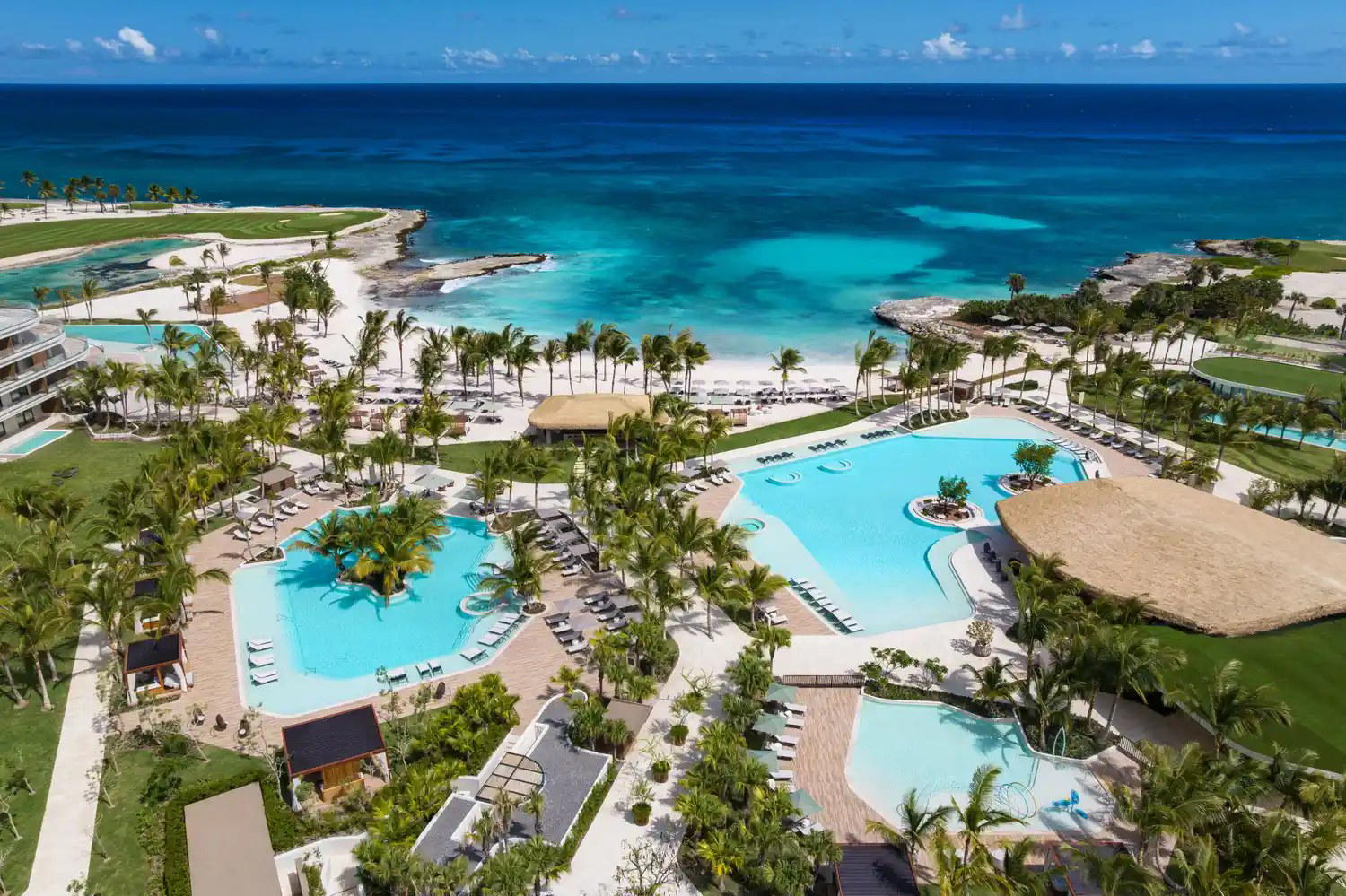
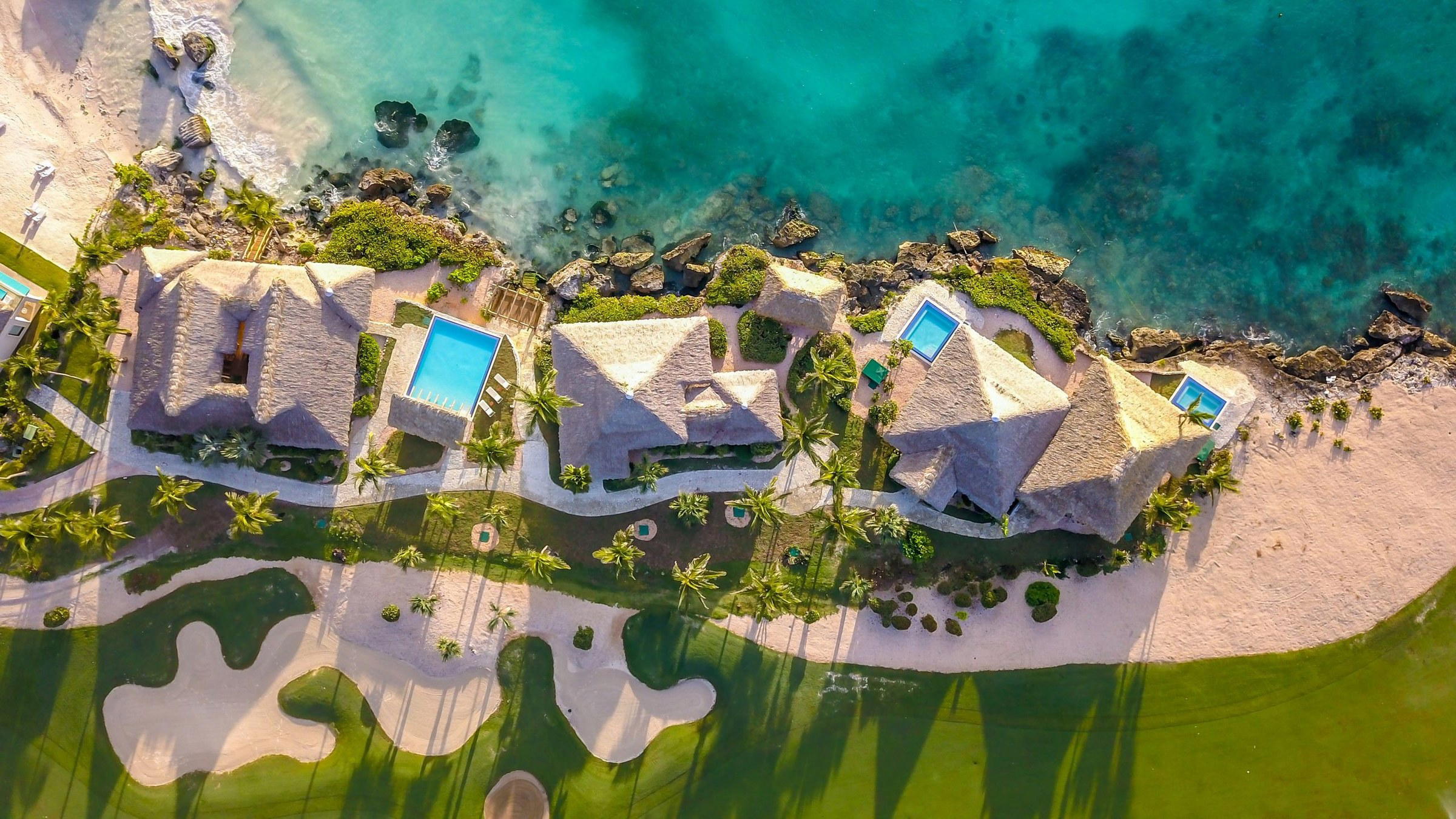
The physical setting reinforces that orientation. Positioned at the waterfront, the space draws you toward the horizon before you've looked at a menu. In a resort corridor where design often gestures toward a generic idea of tropical luxury, a room that genuinely faces the sea carries different weight. The light changes across a meal. The ambient sound is water and wind rather than piped music. These are not incidental details; they frame how the food reads.
Dominican Sourcing and the Regional Seafood Tradition
The Dominican Republic sits at the intersection of Atlantic and Caribbean currents, which produces a coastal catch with range: red snapper, grouper, conch, and various smaller reef species that don't travel well and therefore rarely appear on menus far from shore. Restaurants that commit to these ingredients rather than defaulting to imported proteins make a specific argument about what Caribbean cuisine can be at its most grounded.
This sourcing logic connects La Yola to a tradition visible at other serious coastal operations in the Dominican Republic. Playa Blanca Restaurant in Higuey works within a similar coastal-ingredient framework, and Aguají in Sosua on the north coast has built its identity around Dominican seafood handled with European technical discipline. What these operations share is the conviction that local provenance is a culinary advantage rather than a compromise. That argument is harder to sustain when you're surrounded by resort kitchens buying from the same international distributors, which makes venues that hold the line on local sourcing more legible as a distinct category.
For context on how that argument plays out globally, consider how sourcing-first restaurants such as Atelier Moessmer Norbert Niederkofler in Brunico or Dal Pescatore in Runate have built their identities around regional ingredient specificity. The principle scales: what matters is whether the kitchen uses its geography or ignores it.
Punta Cana's Dining Tier and Where La Yola Sits
Punta Cana's restaurant options stratify clearly once you look past the resort complex menus. At one end, all-inclusive formats absorb most visitor meals. At the other, a cluster of independent and semi-independent operations has emerged that price and position against a more considered dining experience. Bamboo at Tortuga Bay sits in this bracket, operating within the Tortuga Bay hotel and drawing on a more polished service format. Brassa Restaurant and Casa Costa represent different points in the same tier, each making a specific argument about what the area's better dining looks like.
La Yola operates in this company. Its waterfront position gives it a geographical advantage that indoor resort restaurants don't share, and its sourcing orientation, when held consistently, places it closer to the destination-dining category than to the convenience-dining category that dominates the corridor. That distinction matters for how you plan around it.
Elsewhere in the Dominican Republic, the contrast is instructive. Pat'e Palo European Brasserie in Santo Domingo draws on the capital's deeper restaurant culture and European brasserie tradition. Casa Grande in Rio San Juan reflects the quieter north coast's approach to hospitality. Punta Cana, by contrast, has built its dining identity since the 1990s, which means its better restaurants are younger institutions without Santo Domingo's accumulated credibility, but also without its conservatism.
Planning a Visit
La Yola is located at Punta Cana 23000, Dominican Republic. Given the waterfront setting, timing a visit for late afternoon or early evening makes practical sense. Reservations are recommended.
For the full picture of what Punta Cana's restaurant tier looks like, the EP Club Punta Cana restaurants guide covers the range from beach clubs like Cielo Beach Club through to more structured dining formats including Bao Restaurant.
In Context: Similar Options
Comparable venues nearby, for context on price, style, and recognition.
| Venue | Cuisine |
|---|---|
| La YolaThis venue — the venue you are viewing | |
| Mediterraneo Restaurant | Dominican Seafood |
| Nina | |
| Scena | |
| The Grill | |
| Bamboo at Tortuga Bay |
Continue exploring
More in Punta Cana
Restaurants in Punta Cana
Browse all →
At a Glance
- Elegant
- Romantic
- Scenic
- Sophisticated
- Date Night
- Special Occasion
- Celebration
- Waterfront
- Live Music
- Terrace
- Extensive Wine List
- Craft Cocktails
- Local Sourcing
- Waterfront
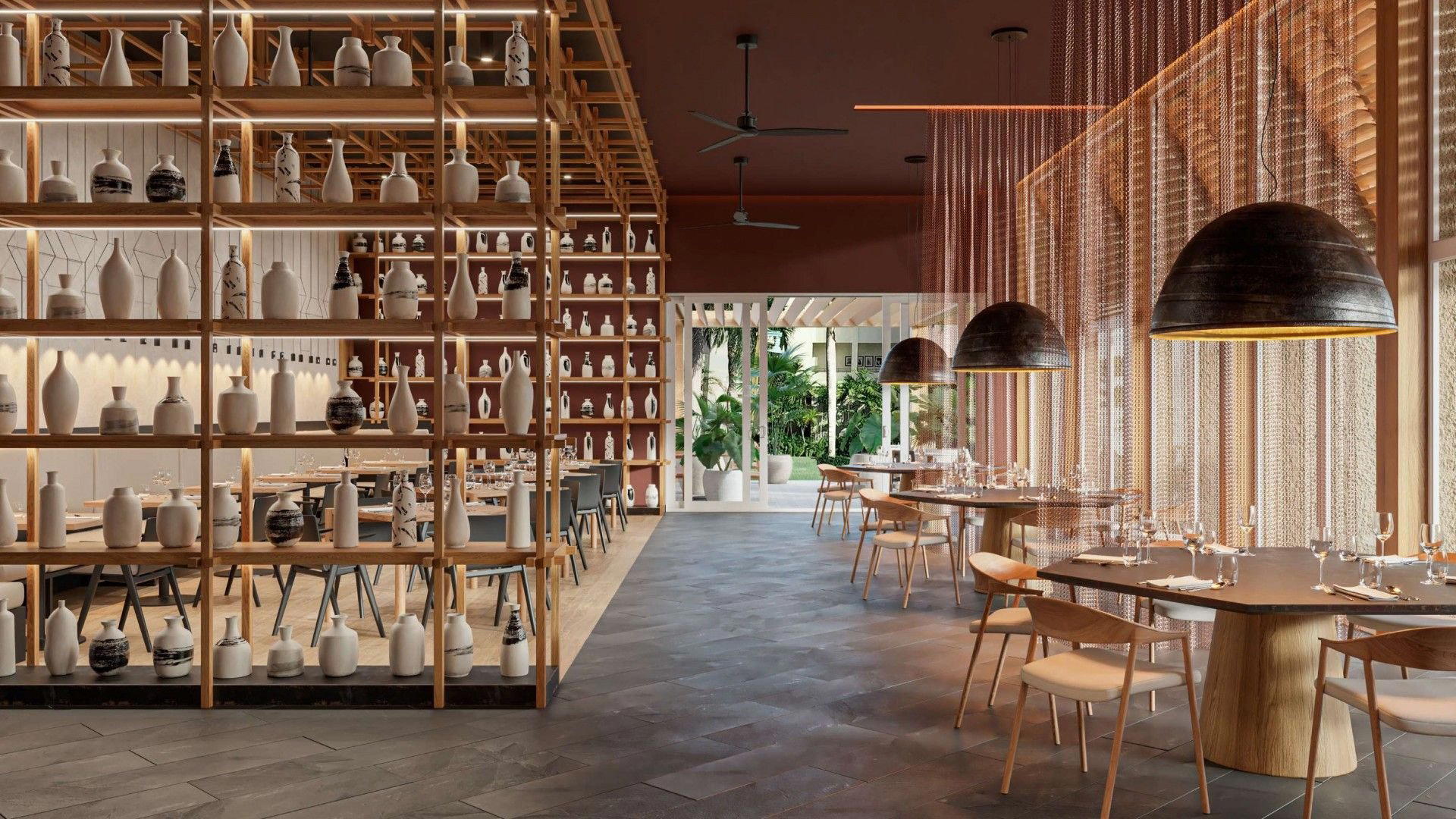
Elegant and relaxed ambiance blending bamboo and palm frond ceilings with open-air waterfront seating and marina views.