
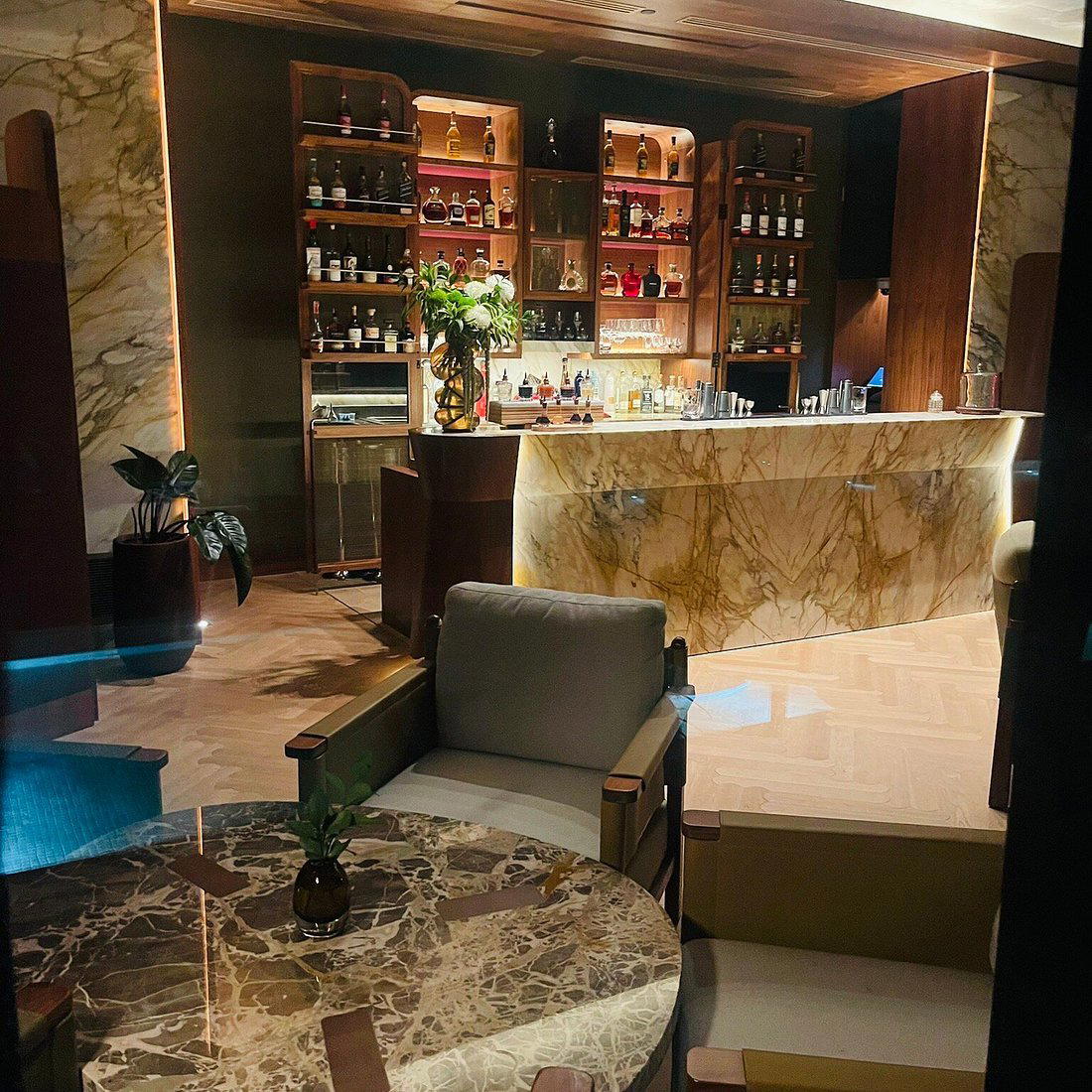
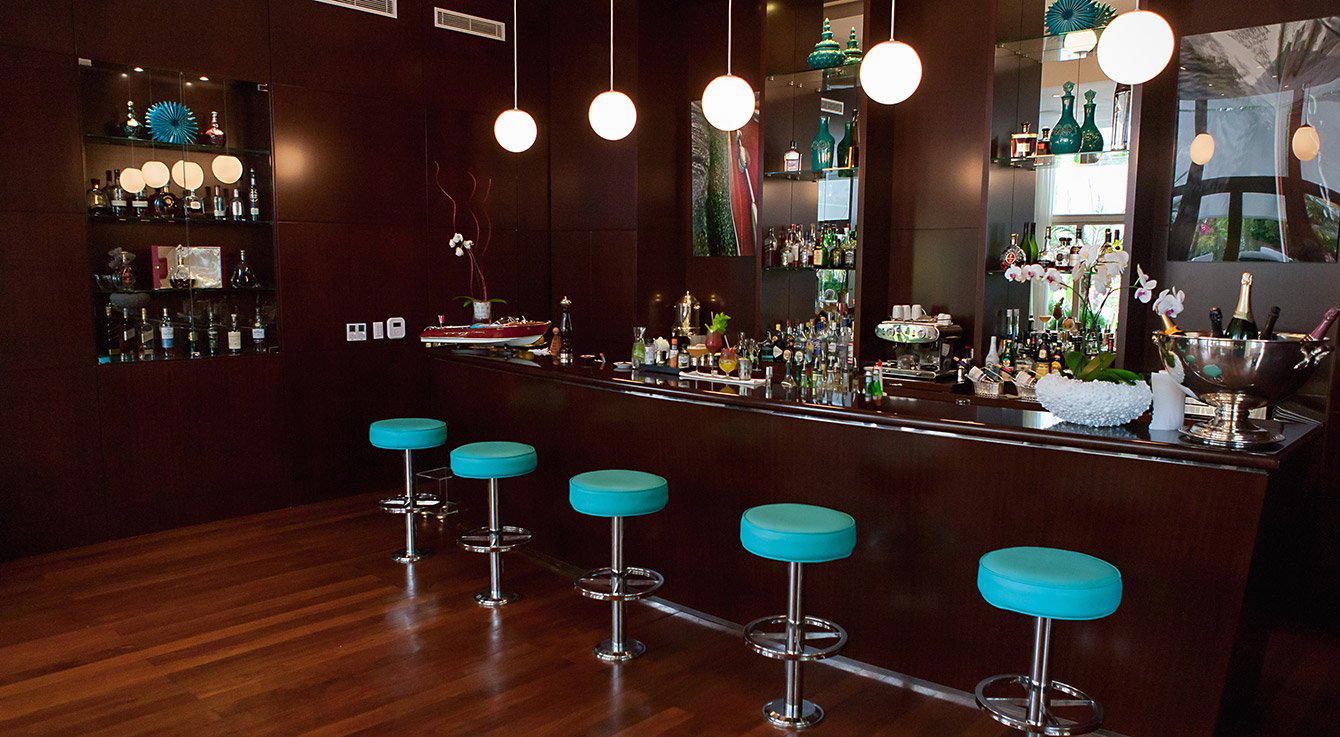
Nina at The St. Regis Cap Cana occupies a specific and deliberate position in Punta Cana's fine dining tier: an intimate, art-forward room where the design vocabulary does as much work as the kitchen. Rich teal walls, local artwork, and warm lighting create an atmosphere that reads more like a private salon than a resort restaurant, setting it apart from the open-air formats that dominate the Cap Cana strip.
Pearl is the En Primeur Club membership app — saves, bookings, and concierge access live there. Same editors, same standards.
- Address
- Punta Espada, Punta Cana
- Phone
- 888-718-1611
- Website
- marriott.com
- Directions
- Get directions
 Saves & bookings on Pearl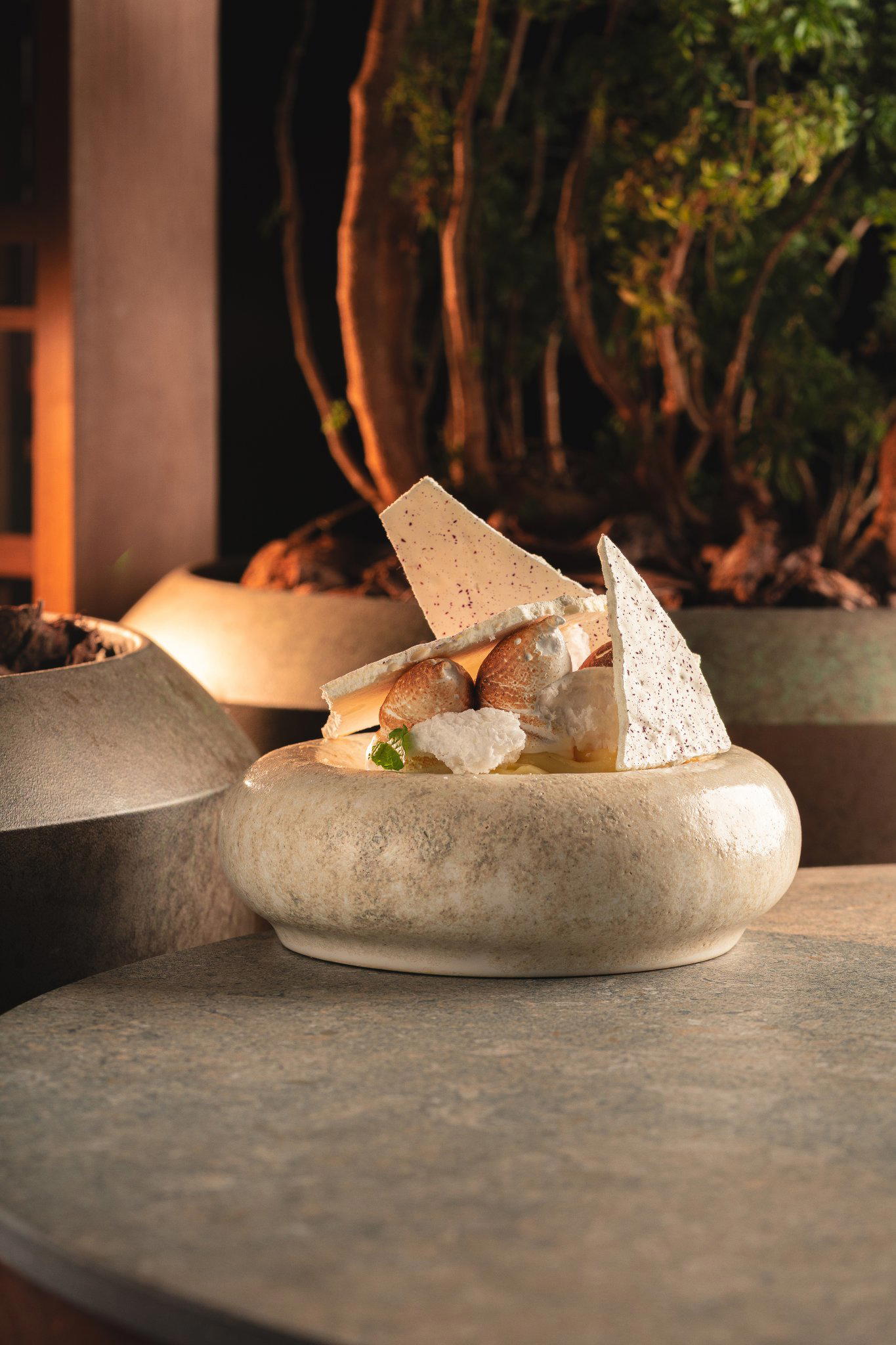
Inside Cap Cana's Most Considered Dining Room
The standard formula for resort dining in the Dominican Republic leans heavily on ocean views, open-air pavilions, and the visual language of abundance. Nina, positioned within The St. Regis Cap Cana at Punta Espada, moves in the opposite direction. The room is enclosed, deliberately atmospheric, and built around an interior logic rather than a borrowed backdrop. Rich teal walls anchor the space, local artwork gives it specificity, and the lighting is calibrated low enough that the room feels like a discovery rather than a destination. That combination — resort address, anti-resort aesthetic — places Nina in a small peer group of hotel restaurants that function as genuine dining destinations independent of the property they sit within.
Across the Caribbean, the hotels that have produced the most credible fine dining operations share a pattern: they commit to a design and culinary identity that has a point of view beyond the pool deck. In Cap Cana specifically, where the market skews toward golf-and-beach resort packages, a room with this level of interior intention is rare. The closest comparisons in the region would be the more considered food-and-design hybrids found in properties like Eden Roc Cap Cana, though Nina's enclosed jewel-box format represents a different register entirely.
The Ingredient Question in a Caribbean Fine Dining Context
The Dominican Republic's culinary identity has historically been shaped by its agricultural abundance: cacao, plantain, yuca, fresh seafood from the Atlantic coast, and a range of tropical produce with direct lineages to indigenous Taíno foodways. The question any serious kitchen in this country faces is how to engage with that local larder without reducing it to decoration or folklore. The most compelling fine dining operations in the Caribbean right now are those that treat local sourcing as a structural decision rather than a marketing layer.
At the level Nina occupies within The St. Regis, the expectation would be a menu that draws on Dominican ingredients with some technical ambition behind them. The artwork program visible throughout the room, described as reflecting local artistic tradition, suggests an intent to connect the dining experience to Dominican cultural production rather than import a generic luxury formula. How fully that intent extends into the kitchen's sourcing and menu architecture is the more interesting question, and one that would reward the attention of anyone dining there with curiosity rather than just appetite.
The broader movement across Caribbean fine dining has been toward this tension productively: kitchens at Aguají in Sosua and Restaurante Filigrana in Santo Domingo represent different points on the spectrum of how seriously the Dominican kitchen takes its own ingredients as the foundation for an ambitious menu, rather than as accompaniments to a globally aligned cuisine. Nina's position within a St. Regis property places different constraints and expectations on its sourcing decisions than an independent operation would face, but that constraint can operate in both directions.
Where Nina Sits in Punta Cana's Dining Hierarchy
Punta Cana's restaurant scene splits along a clear axis. On one side: large-format resort dining, built for volume, consistency across thousands of guests, and a cuisine that travels without friction. On the other: a smaller tier of restaurants that have earned a reputation beyond the resort perimeter, drawing both hotel guests and the local dining community that has grown significantly as Cap Cana has matured as a residential and hospitality district. Nina operates in that second tier, not by volume but by the specificity of its atmosphere and the deliberateness of its format.
For context on where the broader Punta Cana restaurant scene positions itself, our full Punta Cana restaurants guide maps the market in more detail. Mediterraneo Restaurant and Scena represent adjacent points on that spectrum, with Mediterraneo's Dominican seafood focus offering a useful comparison for how local ingredients can anchor a high-end dining format.
Internationally, the template for a hotel restaurant that creates genuine dining-destination status has been established by operations like Le Bernardin in New York and Alain Ducasse at Louis XV in Monte Carlo, where the relationship between hotel brand and culinary program produces something that exceeds either element independently. Nina works at a different scale and with different ambitions, but the underlying logic, that a hotel restaurant can define itself through atmosphere and culinary specificity rather than convenience, places it in that broader conversation.
Planning a Visit
Nina sits within The St. Regis Cap Cana at the Punta Espada address in Cap Cana, making it accessible primarily to guests of the property, though the St. Regis network's positioning as a destination dining address typically means the room is open to outside guests who book in advance. Given the enclosed, intimate format described, seat count is likely limited, which in practical terms means this is not a walk-in operation during peak season. The Dominican Republic's high season runs from December through April, when the resort corridor is at capacity and any restaurant operating at this level of specificity will be in demand. Booking ahead is the operative principle, particularly for dinner, when the low-lit interior would function at its most atmospheric.
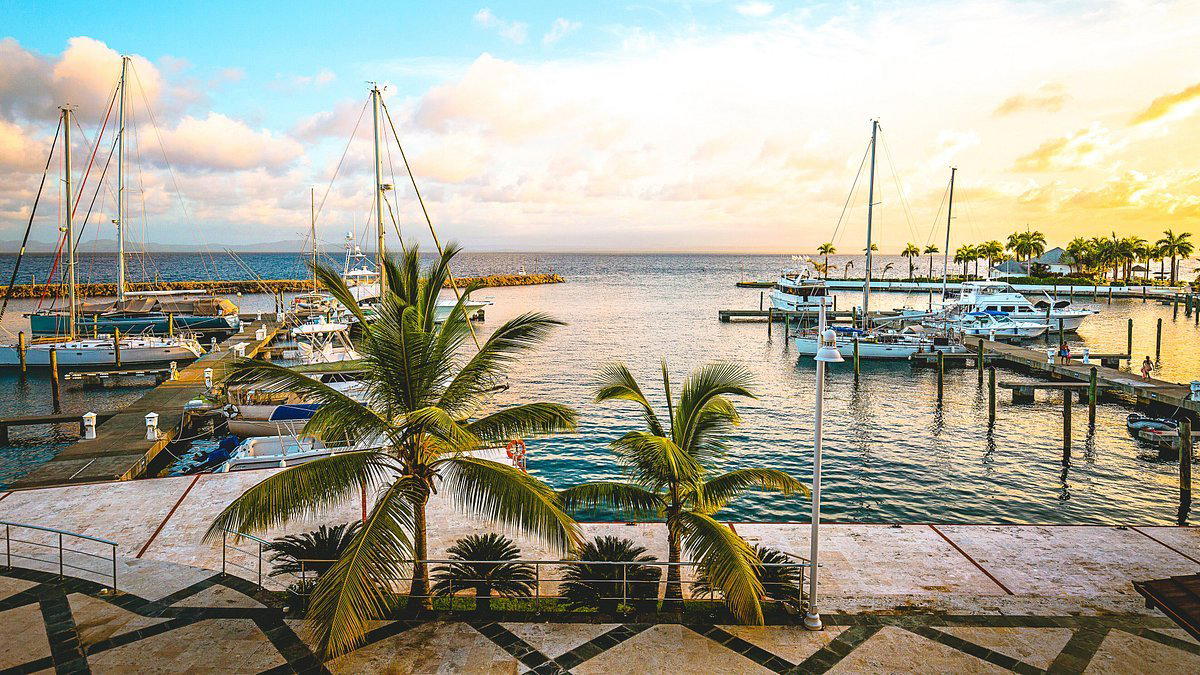
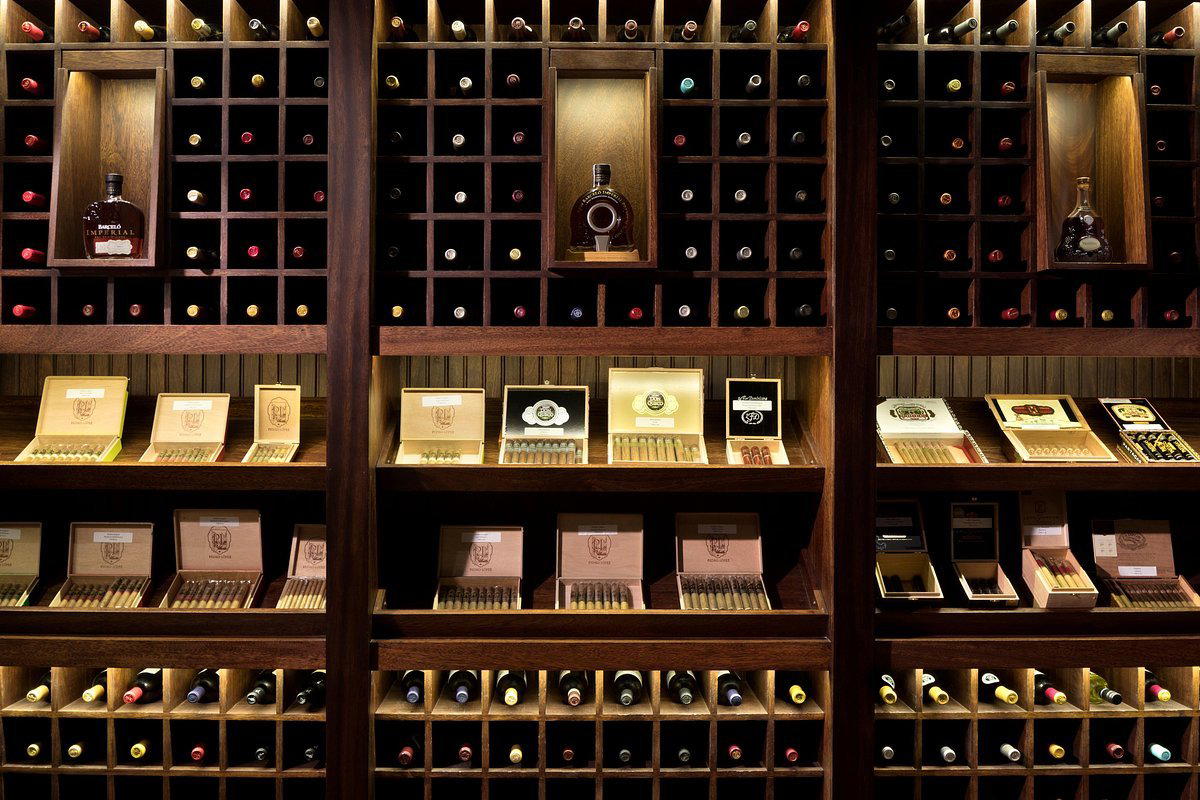
Cap Cana is a gated resort and residential community, so access follows standard procedures for the area. For those building a wider itinerary around the visit, our Punta Cana hotels guide, bars guide, experiences guide, and wineries guide cover the surrounding market in depth.
How Nina Punta Cana compares with similar nearby venues.
| Venue | Cuisine | Awards |
|---|---|---|
| Nina | Not listed | Forbes Recommended (2026) |
| Eden Roc Cap Cana | Caribbean Seafood | Not listed |
Recognition history
Dated appearances from independent guides and award organizations, with the underlying list record or original source where available.
Forbes Recommended
Forbes
Continue exploring
More in Punta Cana
Restaurants in Punta Cana
Browse all →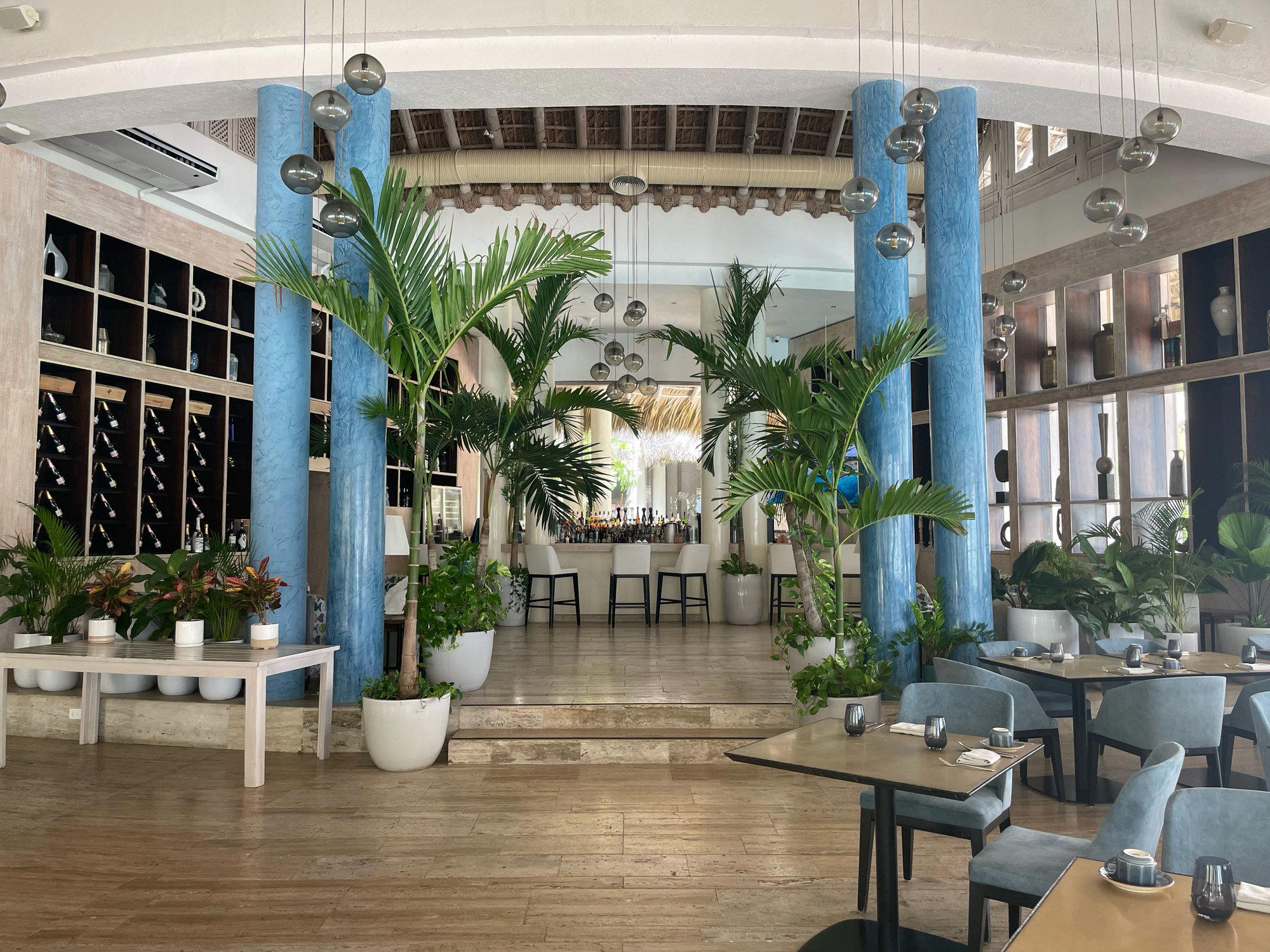



Bars in Punta Cana
Browse all →


At a Glance
- Elegant
- Sophisticated
- Intimate
- Date Night
- Special Occasion
- Celebration
- Live Music
- Private Dining
- Hotel Restaurant
- Craft Cocktails
- Local Sourcing
Current opening hours
- Monday
- 6–11 PM
- Tuesday
- 6–11 PM
- Wednesday
- 6–11 PM
- Thursday
- 6–11 PM
- Friday
- 6–11 PM
- Saturday
- 12–3:30 PM, 6–11 PM
- Sunday
- 6–11 PM
Hours can change for holidays and private events. Last verified .
Sophisticated and elegant with warm, delicate lighting that creates an intimate yet welcoming atmosphere well-suited for special occasions.
Know Before You Go
- Getting there
- Punta Espada, Punta Cana