Planta Baja Restaurant - Sky Bar
Planta Baja Restaurant - Sky Bar sits in El Sauzal, a coastal stretch of northern Baja California where the Pacific fishing tradition and Valle de Guadalupe wine country converge on the same table. The sky bar format places the room above the roofline, trading enclosure for open horizon. For the broader Baja dining circuit, it represents the kind of location-rooted ambition that defines the region's current culinary moment.
Pearl is the En Primeur Club membership app — saves, bookings, and concierge access live there. Same editors, same standards.
- Address
- Colinas Riverside 1118, Colonia El Sauzal, 22760 El Sauzal, B.C., Mexico
- Phone
- +52 646 174 7360
- Website
- plantabaja.mx
- Directions
- Get directions
 Saves & bookings on Pearl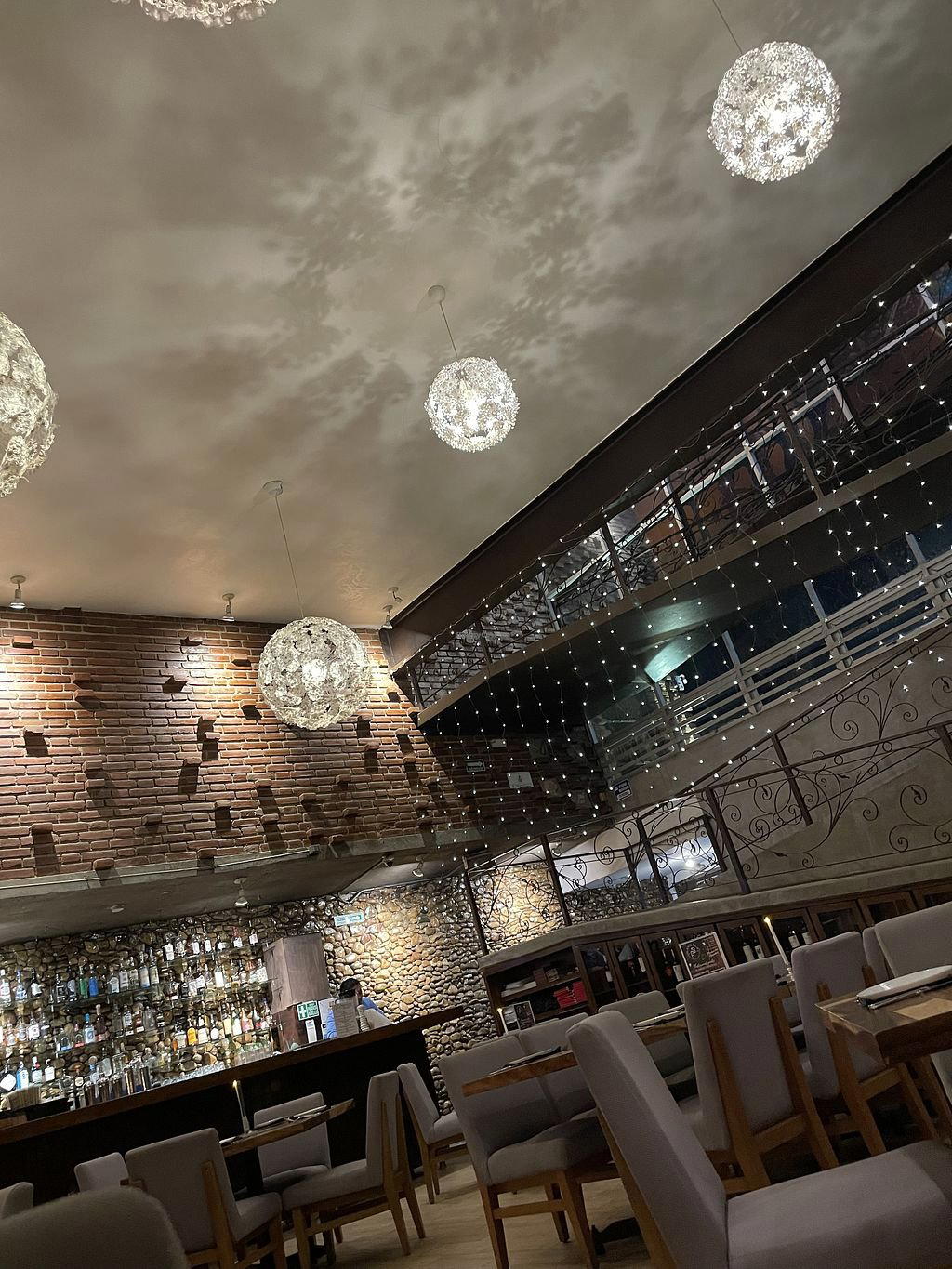
Where the Pacific Meets the Valle: Dining on Baja's Northern Coast
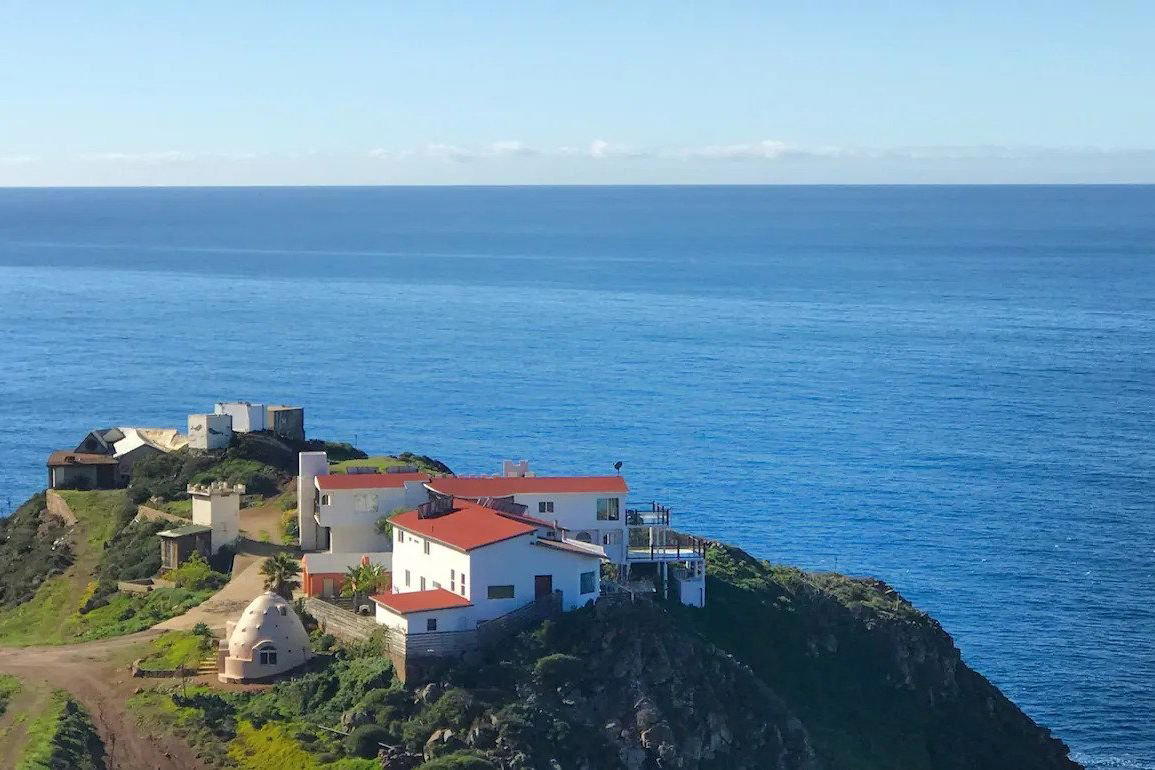
Northern Baja California has spent the past decade building a culinary identity that draws from two directions simultaneously: the cold, productive waters of the Pacific just offshore, and the sun-warmed vineyards of Valle de Guadalupe an hour inland. El Sauzal, the coastal town that anchors the northern end of this corridor, sits at that junction more literally than most. The fishing cooperative docks are visible from the hillsides. The wine-country highway begins minutes away. Restaurants that take that geography seriously have a supply chain most coastal dining rooms can only approximate. Planta Baja Restaurant - Sky Bar occupies a position in El Sauzal where that geographic advantage is built into the address itself, on the Colinas Riverside hillside at an elevation that opens the room to both the Pacific horizon and the inland ridgeline.
The sky bar format matters here because it reframes how the meal is experienced spatially. In a region where the sourcing story runs north-south along the Baja coast and east into the valley, a room that removes the ceiling and faces the landscape turns provenance into something visible rather than merely described on a menu. It is a design choice with editorial consequences: the diner is oriented toward the same territory the kitchen draws from. This kind of spatial honesty is relatively rare even in the broader Baja dining circuit, where venues like Animalón in Valle de Guadalupe and Olivea Farm to Table in Ensenada have built followings partly by making the relationship between setting and sourcing explicit.
The Baja Ingredient Logic
The editorial angle on any serious northern Baja restaurant begins with the same question: which suppliers? The peninsula's ingredient geography is unusually well-defined. Pacific waters from Ensenada north yield sea urchin, yellowtail, clams, abalone, and an seasonal anchovy run that supports much of the region's preserved-fish tradition. The Valle de Guadalupe and adjacent micro-valleys produce olive oil, heritage tomatoes, herbs, and increasingly, small-batch charcuterie and cheese from producers who have followed the wine tourism model into food. Baja's proximity to the US border also shapes its pantry: cross-border ingredient traffic, both formal and informal, has historically supplemented what the peninsula grows or catches.
Restaurants that engage with this supply network seriously tend to operate differently from venues that merely cite local sourcing as a marketing frame. The distinction shows up in menu seasonality, in the treatment of less glamorous cuts and secondary species, and in the willingness to let availability dictate the plate rather than the reverse. Across Mexico, the restaurants that have built the strongest reputations on ingredient sourcing, from Pujol in Mexico City to Levadura de Olla Restaurante in Oaxaca, share a common discipline: the producer relationship precedes the dish concept, not the other way around. In Baja's coastal north, the conditions to operate that way are as favorable as anywhere in the country.
El Sauzal's Place in the Baja Circuit
El Sauzal is not where most Baja food tourism concentrates. Ensenada, twelve kilometers south, holds the port restaurants, the fish tacos, and the wine-list ambition that attracts weekend visitors from San Diego and Los Angeles. Valle de Guadalupe, inland and east, captures the harvest-season dining event market. El Sauzal occupies the quieter middle, a working coastal town that has historically been a transit point rather than a destination. That positioning cuts both ways: it means less competition for reservations and lower ambient noise from tourism, but also less supporting infrastructure, fewer late-night options, and no established dining district to orient a visit around.
For the Baja dining circuit as a whole, El Sauzal represents the kind of neighborhood where ingredient-forward restaurants tend to establish themselves before the market catches up. The pattern is familiar from other Mexican food cities: Alcalde in Guadalajara and KOLI Cocina de Origen in Monterrey both built serious reputations in neighborhoods that were not obvious dining destinations when they opened. The logic is the same in Baja: lower operational costs, proximity to suppliers, and a clientele that travels specifically for the food rather than defaulting to a convenient tourist strip.
The sky bar component adds a category layer. In Mexican coastal dining, rooftop and open-air formats have proliferated alongside the broader growth of destination restaurant culture, appearing at venues from Arca in Tulum to HA' in Playa del Carmen. In Baja's northern coastal context, where Pacific weather is more variable than the Caribbean coast and evening temperatures drop sharply outside summer months, an refined open-air format is a more considered commitment. It signals confidence in the location and the season management required to make the format work year-round.
Planning a Visit
El Sauzal is accessible from Ensenada by a short drive north along Federal Highway 1, which also connects south from the US border crossing at Tijuana in roughly ninety minutes under normal traffic conditions. The Colinas Riverside address places Planta Baja on the residential hillside above the coastal highway, which means approaching the venue involves navigating away from the waterfront rather than toward it, a counterintuitive route that rewards GPS rather than instinct. Baja California's wine country calendar concentrates visitor traffic between August and October during harvest season, when both Valle de Guadalupe and the coastal corridor see their highest demand. Visiting outside that window, particularly between November and March, typically means fewer competing reservations across the region and cooler temperatures that suit an enclosed or partially sheltered sky bar setting better than the exposed heat of high summer. For the broader Baja dining circuit, our full El Sauzal De Rodriguez restaurants guide maps additional context.
Visitors combining Planta Baja with a broader northern Baja itinerary might also consider Lunario in El Porvenir, which operates within the same general wine-country geography and shares a similar commitment to regional sourcing.
How Planta Baja Restaurant - Sky Bar compares with similar nearby venues.
| Venue | Cuisine | Price |
|---|---|---|
| Ophelia | Mediterranean Cuisine | $$ |
| Restaurante Punta Morro | Mexican | $$$$ |
| Humo y Sal | Seafood | $$ |
| Madre | Mexican | $$$ |
Continue exploring
More in El Sauzal de Rodríguez
Restaurants in El Sauzal de Rodríguez
Browse all →
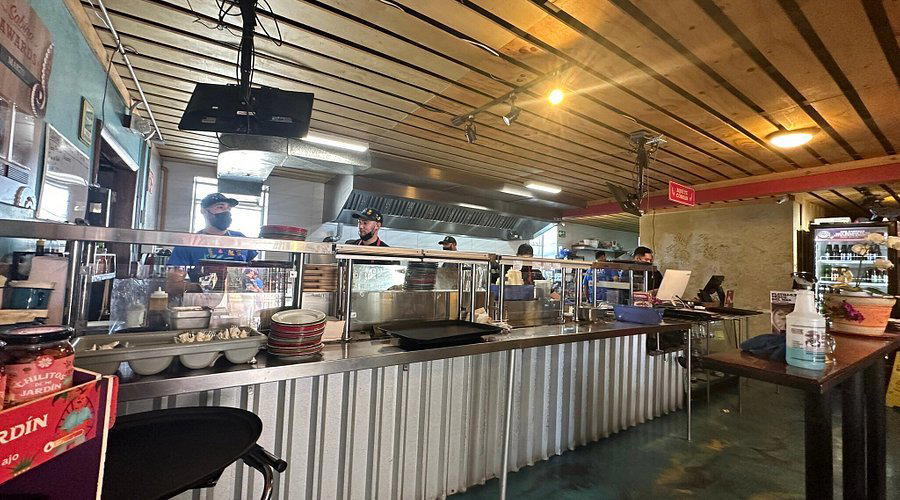
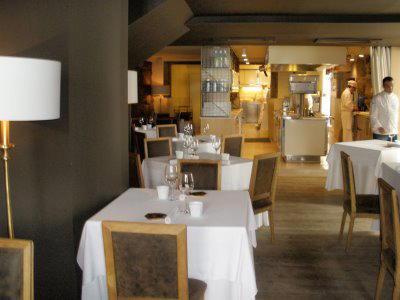
Bars in El Sauzal de Rodríguez
Browse all →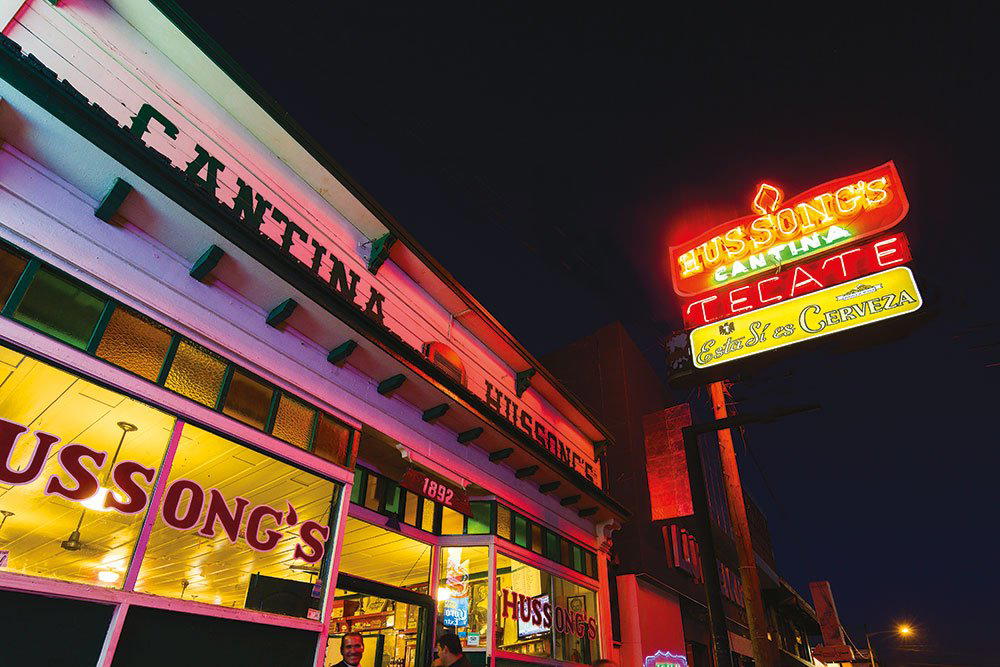
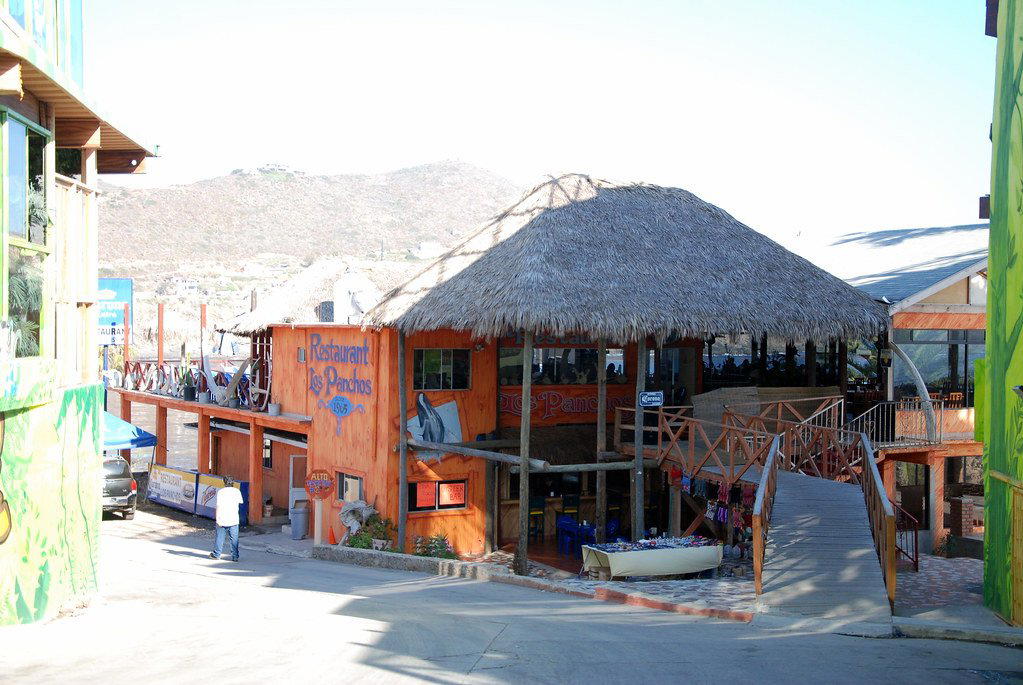
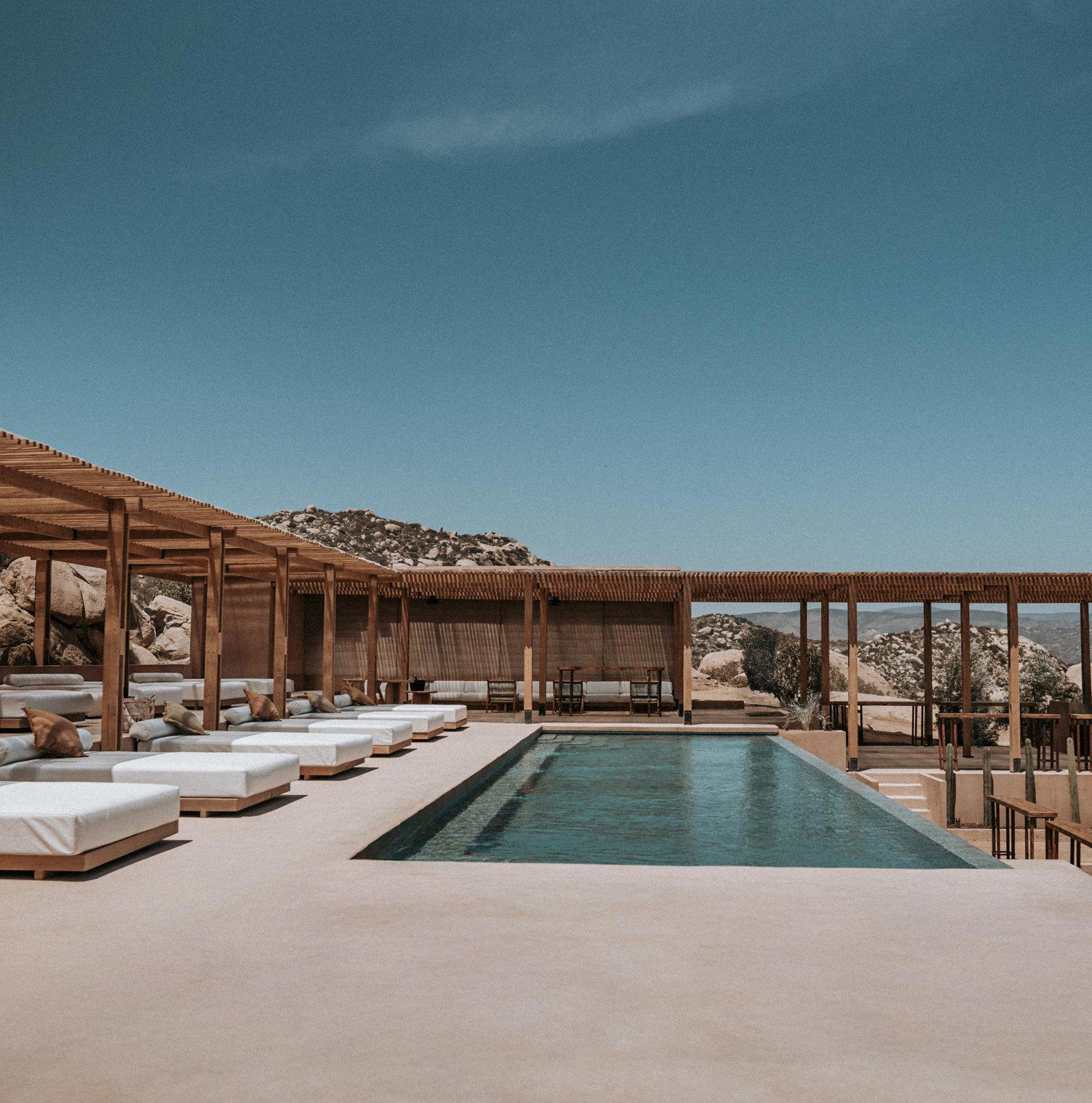
Hotels in El Sauzal de Rodríguez
Browse all →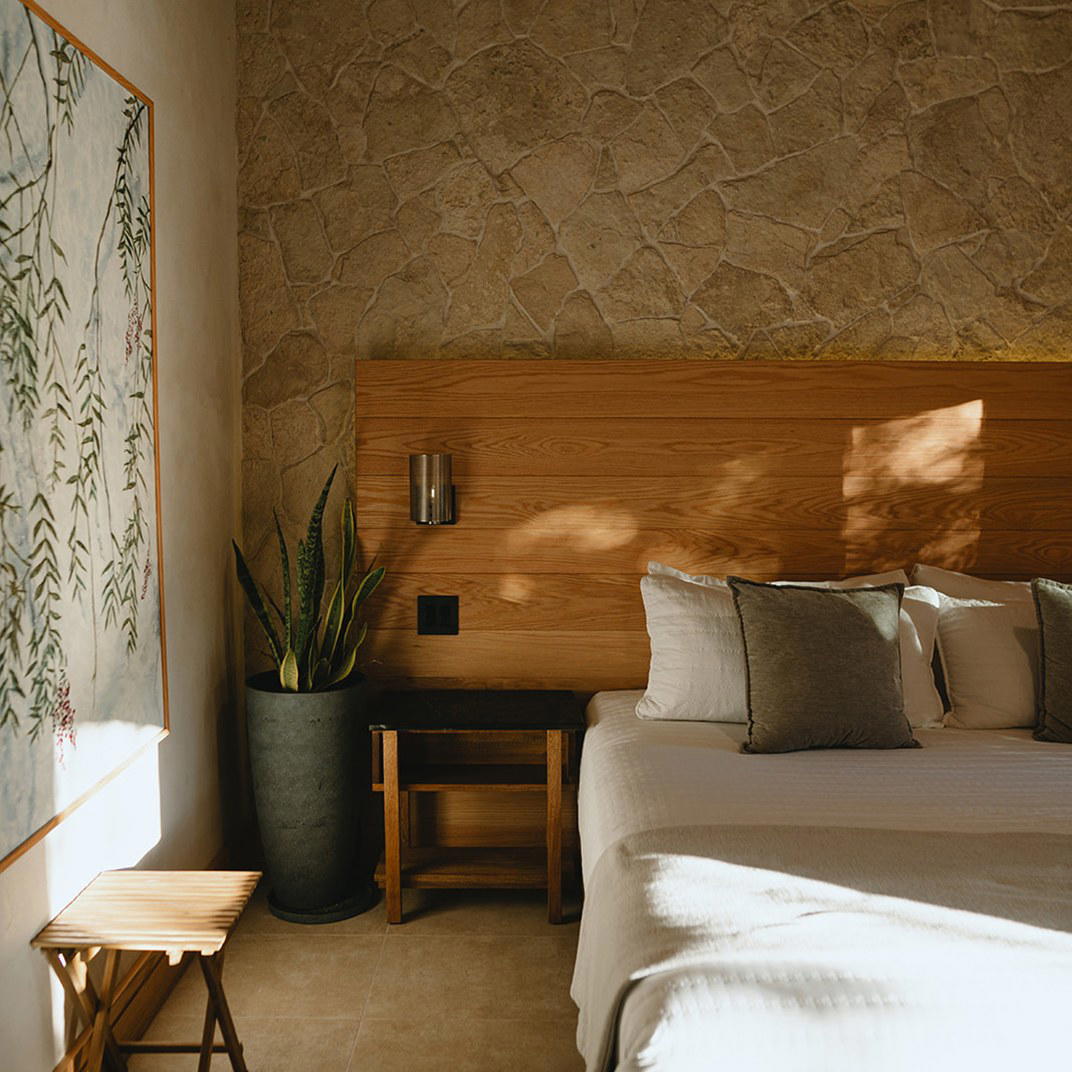
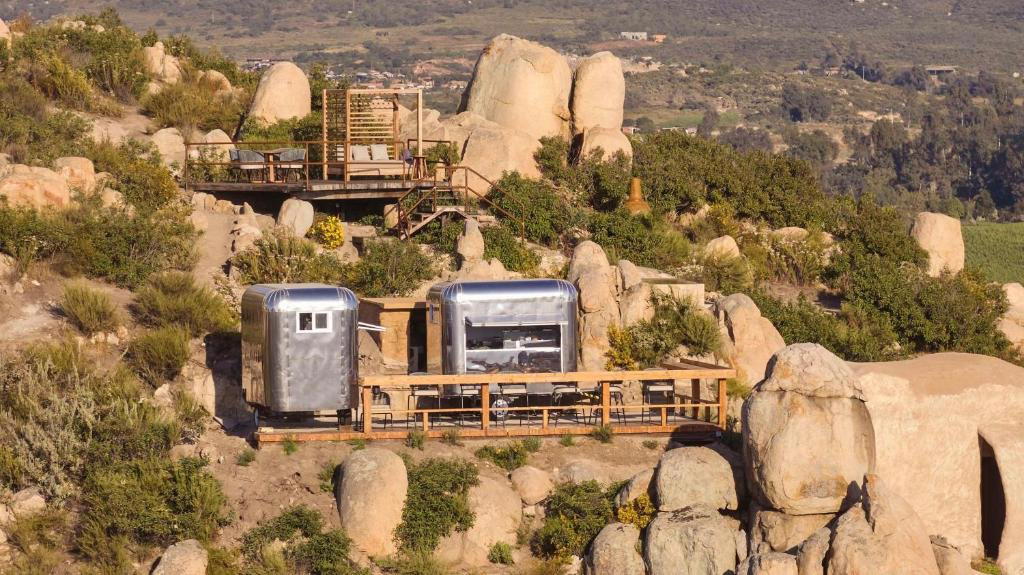
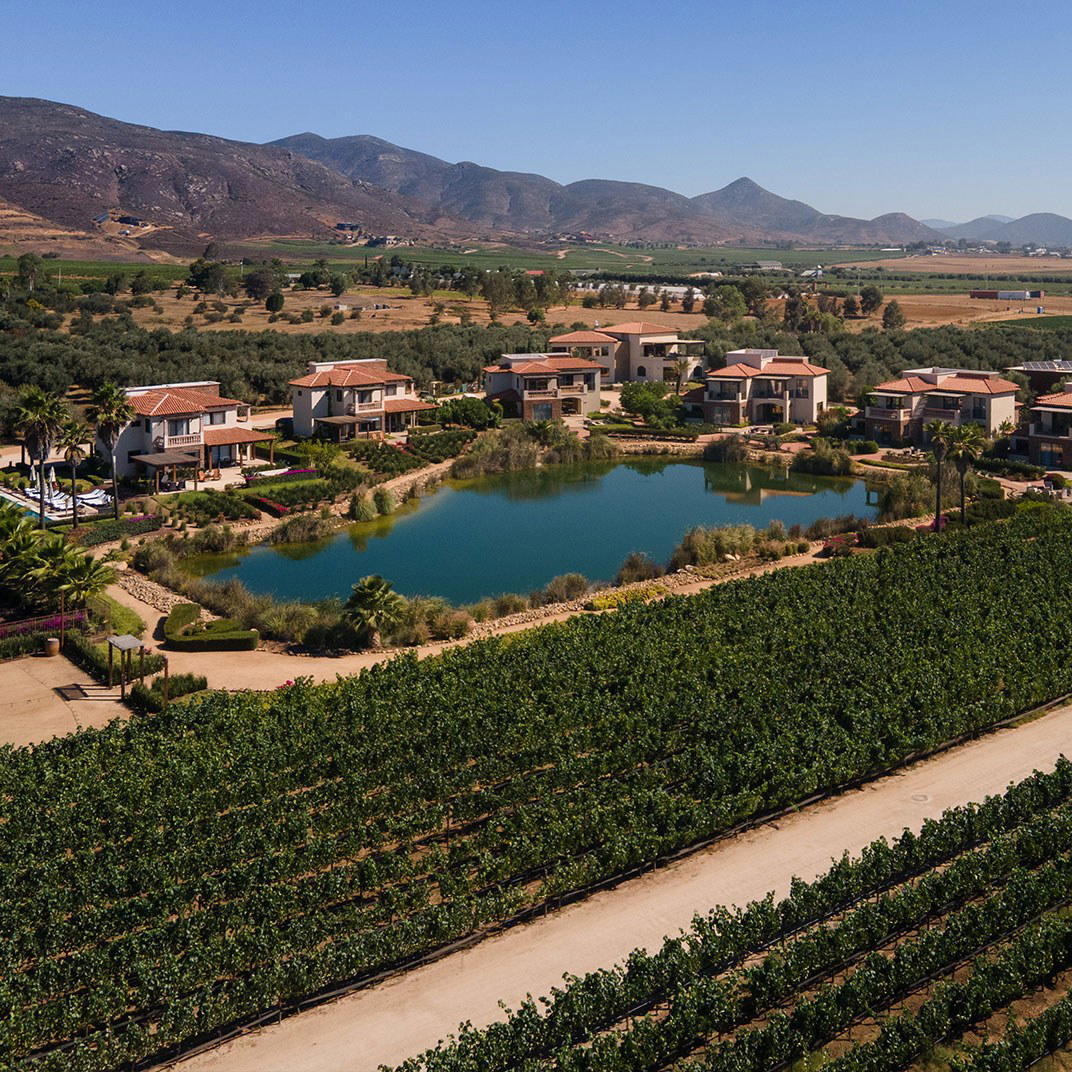

At a Glance
- Scenic
- Lively
- Casual Hangout
- Date Night
- Rooftop
- Waterfront
Current opening hours
- Monday
- 12–11 PM
- Tuesday
- 12–11 PM
- Wednesday
- 12–11 PM
- Thursday
- 12–11 PM
- Friday
- 12–11 PM
- Saturday
- 12–11 PM
- Sunday
- 12–9 PM
Hours can change for holidays and private events. Last verified .
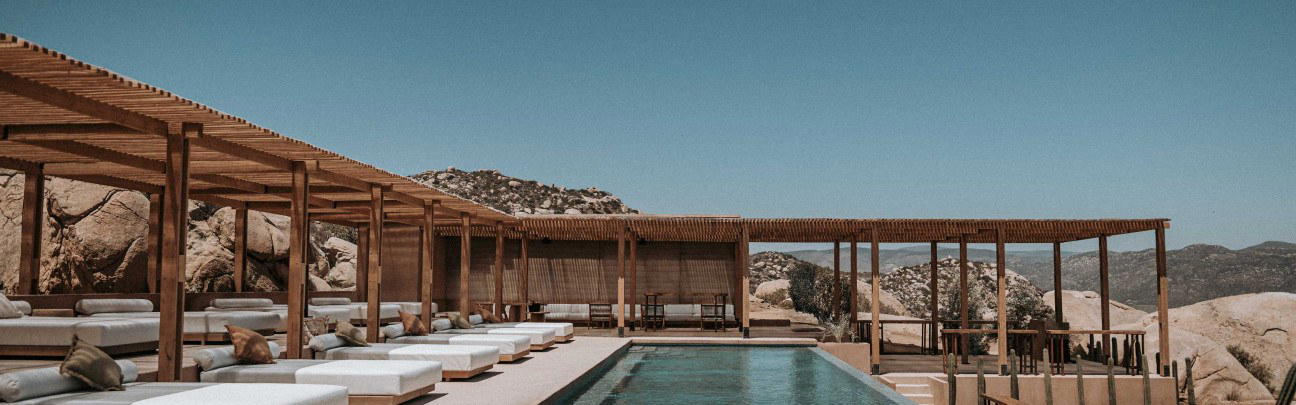
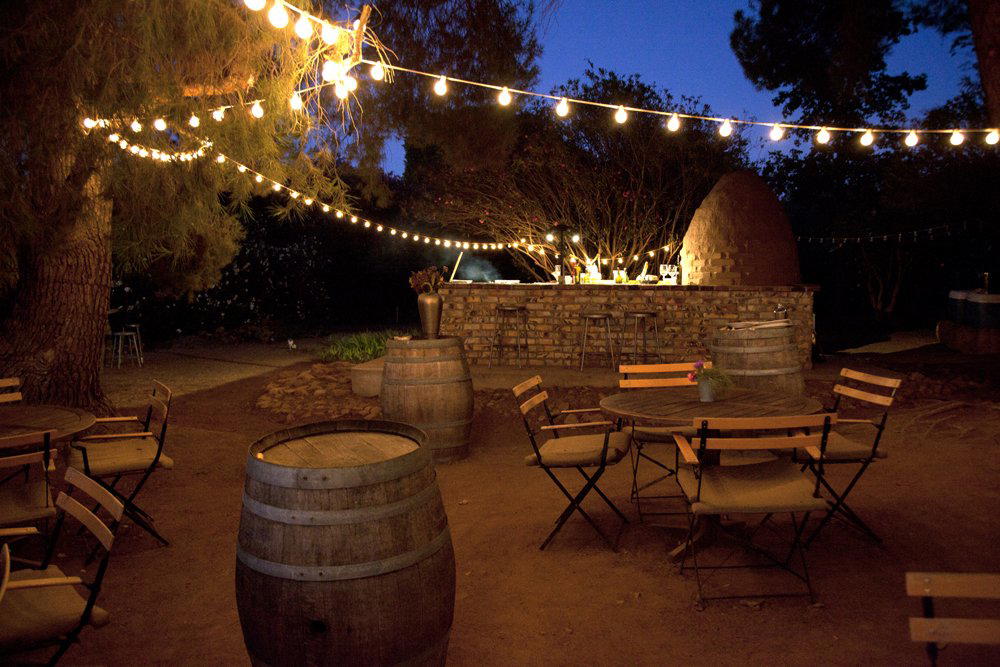
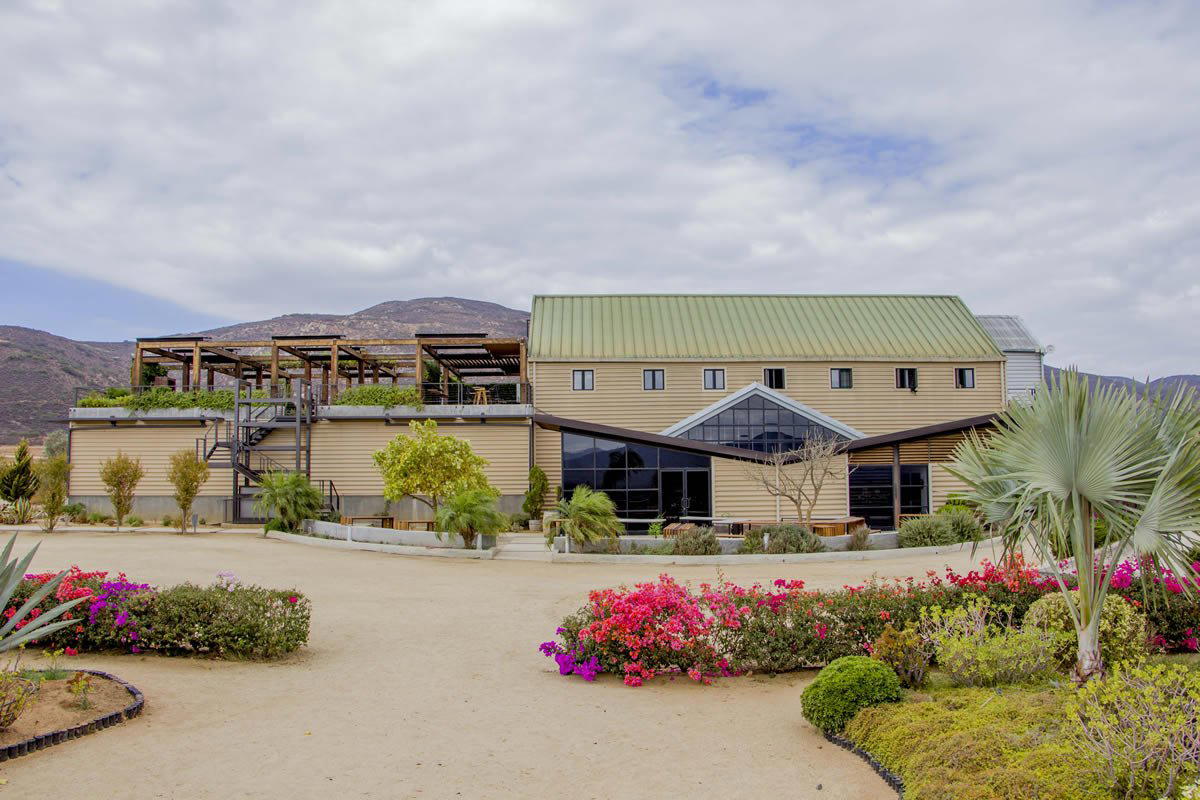
Lively sky bar atmosphere with scenic ocean vistas and casual seaside lighting.
Know Before You Go
- Getting there
- Colinas Riverside 1118, Colonia El Sauzal, 22760 El Sauzal, B.C., Mexico