Place Jacques-Cartier is Montreal's most storied public square, anchoring Old Montreal's riverfront with a history that stretches from an 1804 market to today's year-round gathering point. Where the city's French colonial grid meets the St. Lawrence, the cobblestone plaza draws street performers, terrasse diners, and tourists navigating the same space that has defined the neighbourhood for two centuries.
 Discover on Pearl
Pearl is the En Primeur Club membership app — saves, bookings, and concierge access live there. Same editors, same standards.
- Address
- Montreal, QC, Canada
- Phone
- +1 514 508 5659
- Website
- trattoriagio.com
A Square That Predates the Country
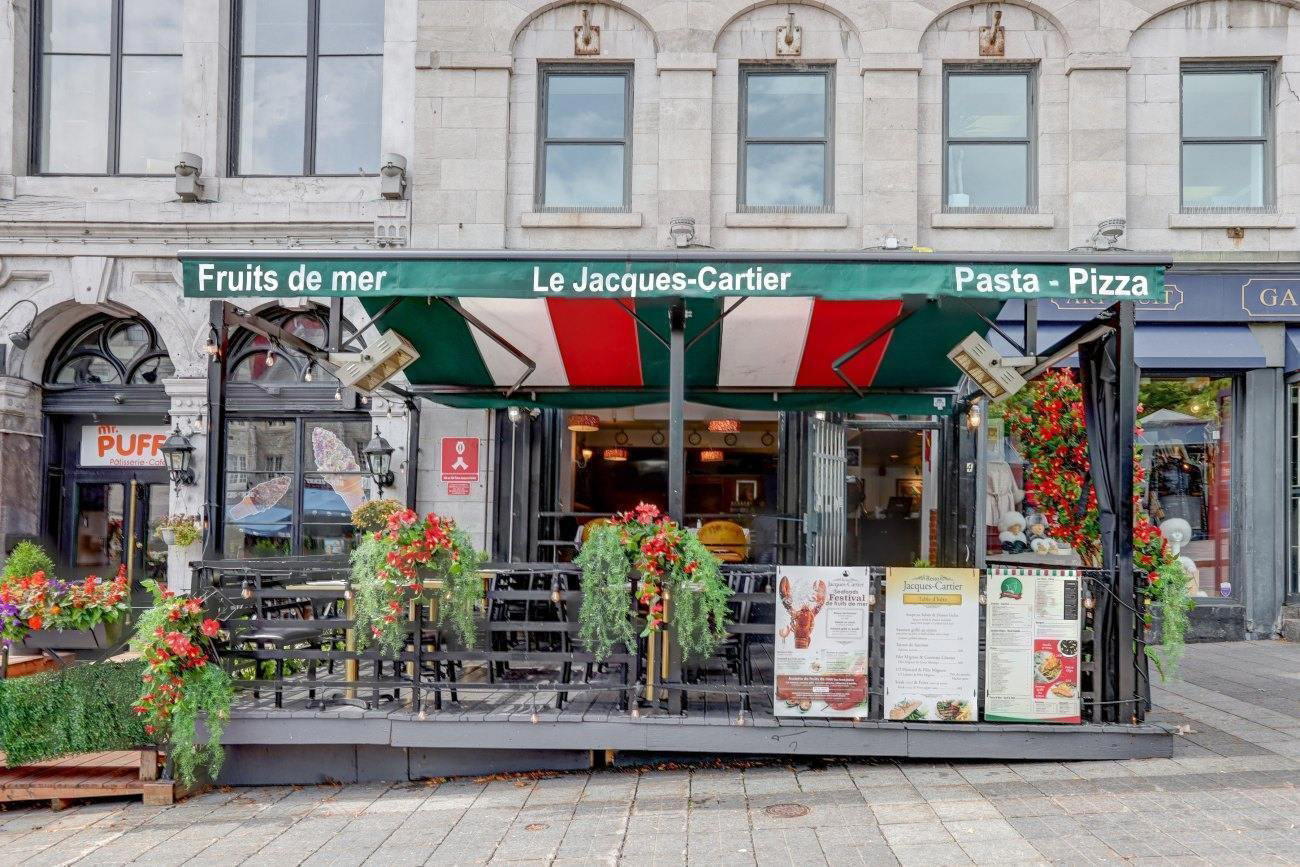
Old Montreal's public squares are not decorative afterthoughts. They are structural seams in a city that grew around its port, and Place Jacques-Cartier is the most legible of them. The cobblestones slope gently from rue Notre-Dame down toward the St. Lawrence, flanked by four- and five-storey limestone buildings whose ground floors have cycled through merchants, taverns, and restaurants across more than two hundred years. Standing at the north end, where the Nelson Column surveys the whole length of the square, the view southward compresses Old Montreal's street life into a single frame: terrasse tables arranged in rows, flower vendors positioned at mid-square, and a constant low-frequency movement of people negotiating the uneven stones.
The square's character in any given decade has reflected what Montreal needed from it. In the early nineteenth century it was a working market. Through the mid-twentieth century it fell into neglect as the city's economic gravity shifted west. The revitalization of Old Montreal that accelerated through the 1970s and 1980s brought tourists and restaurants back to the cobblestones, and the square assumed the role it holds today: a high-traffic outdoor room that serves the neighbourhood's visitors more than its residents. That is not a criticism, it is a description of what the place has become, and understanding that transition explains both what the square does well and where its limits lie.
How the Square Has Shifted Over Time
The evolution of Place Jacques-Cartier mirrors the broader trajectory of Old Montreal as a district. When the neighbourhood was designated a historic district in 1964, the buildings around the square were largely underused or deteriorating. The decades that followed brought gradual reinvestment: heritage façades were restored, ground floors were converted to hospitality uses, and the square itself was repaved and pedestrianized for warmer months. By the 1990s the terrasse economy that now defines the square's summer identity was firmly established.
What changed more recently is the calibre of dining anchored nearby. Old Montreal's restaurant scene through the 1990s leaned heavily on tourist-oriented French bistro formats, with value and volume prioritized over precision. That model has not disappeared, but it now coexists with a more considered tier of cooking. Jérôme Ferrer - Europea, operating in the modern cuisine bracket at the upper end of the city's price range, represents the shift toward technically ambitious dining that now anchors parts of the downtown and Old Montreal circuit. Meanwhile, mid-range operators like Mastard and Sabayon demonstrate that the $$$ tier in Montreal can accommodate serious cooking without the full ceremonial weight of a tasting menu.
Place Jacques-Cartier sits at the centre of this shifted scene without being a direct participant in it. The square functions as a geographic anchor and a social stage, with the dining and drinking happening along its edges and in the streets that radiate from it. Visitors who treat the square as a destination in itself, arriving, sitting at a terrasse, ordering, are engaging with the tourist-facing layer of Old Montreal. Those who use it as an orientation point and then move into the surrounding blocks access a more layered version of the neighbourhood.
The Square in Its Neighbourhood Context
Old Montreal's hospitality mix has expanded on both ends of the spectrum. At the accessible end, places like 3 Pierres 1 Feu and Abu el zulof represent the neighbourhood's appetite for non-French formats and more casual registers. At the formal end, Old Montreal increasingly competes with downtown for the city's leading tables. The square itself remains programming-neutral, it hosts ice sculptures in winter, outdoor concerts in summer, and the permanent low-grade commerce of a high-tourist zone year-round.
Montreal's dining ambitions, when measured against the rest of Canada, sit in an interesting position. Tanière³ in Quebec City has demonstrated that serious, regionally rooted tasting menu cooking can find an audience outside the country's largest cities. Alo in Toronto occupies the best of Ontario's formal dining tier. In Montreal, the equivalent ambition plays out across a broader range of formats, partly because the city's French cultural inheritance makes bistro and brasserie formats legitimate rather than default. The square, in that context, is where the city's most internationally visible dining neighbourhood meets its most international audience.
For readers building a longer Canadian itinerary, the contrast between Montreal's dense urban dining and more remote formats is worth noting. Eigensinn Farm in Singhampton and the Fogo Island Inn Dining Room in Joe Batt's Arm represent the rural and island end of Canadian destination dining. The Pine in Creemore, Restaurant Pearl Morissette in Lincoln, AnnaLena in Vancouver, Narval in Rimouski, Cafe Brio in Victoria, and Busters Barbeque in Kenora round out a picture of how geographically dispersed Canada's serious food culture has become. Old Montreal, with Place Jacques-Cartier at its centre, offers none of that remoteness, but it offers density, history, and a walkable cluster of options that few Canadian neighbourhoods can match.
Practical Planning
The square is accessible year-round, though its character shifts significantly with the seasons. Summer brings the full terrasse economy, street performance, and the highest foot traffic. Winter reduces the outdoor activation to occasional events, and the surrounding restaurants absorb more of the neighbourhood's energy. Old Montreal is well-served by the Champ-de-Mars and Place-d'Armes metro stations, both within a five-to-ten minute walk of the square. Parking in the neighbourhood is limited and expensive during peak months; arriving by metro or on foot from the hotel districts to the west is the standard approach for most visitors.
The Short List
Comparable venues nearby, for context on price, style, and recognition.
| Venue | Cuisine | Price | Notes |
|---|---|---|---|
| Pl. Jacques-CartierThis venue — the venue you are viewing | Vieux Montréal, Italian Trattoria | $$ | |
| Pizzeria NO.900 | Outremont, Neapolitan Pizza | $$ | |
| Bis Ristorante | $$$ | Golden Square Mile, Classic Italian Fine Dining | |
| Bellucci Italia | $$ | Quartier des Spectacles, Authentic Neapolitan Italian | |
| Marché Italien Le Richmond | Griffintown, Northern Italian | $$$ | |
| La Spada | Saint-Henri, Roman Italian Osteria | $$ |



At a Glance
- Classic
- Cozy
- Elegant
- Date Night
- Terrace
- Historic Building
- Extensive Wine List
- Street Scene
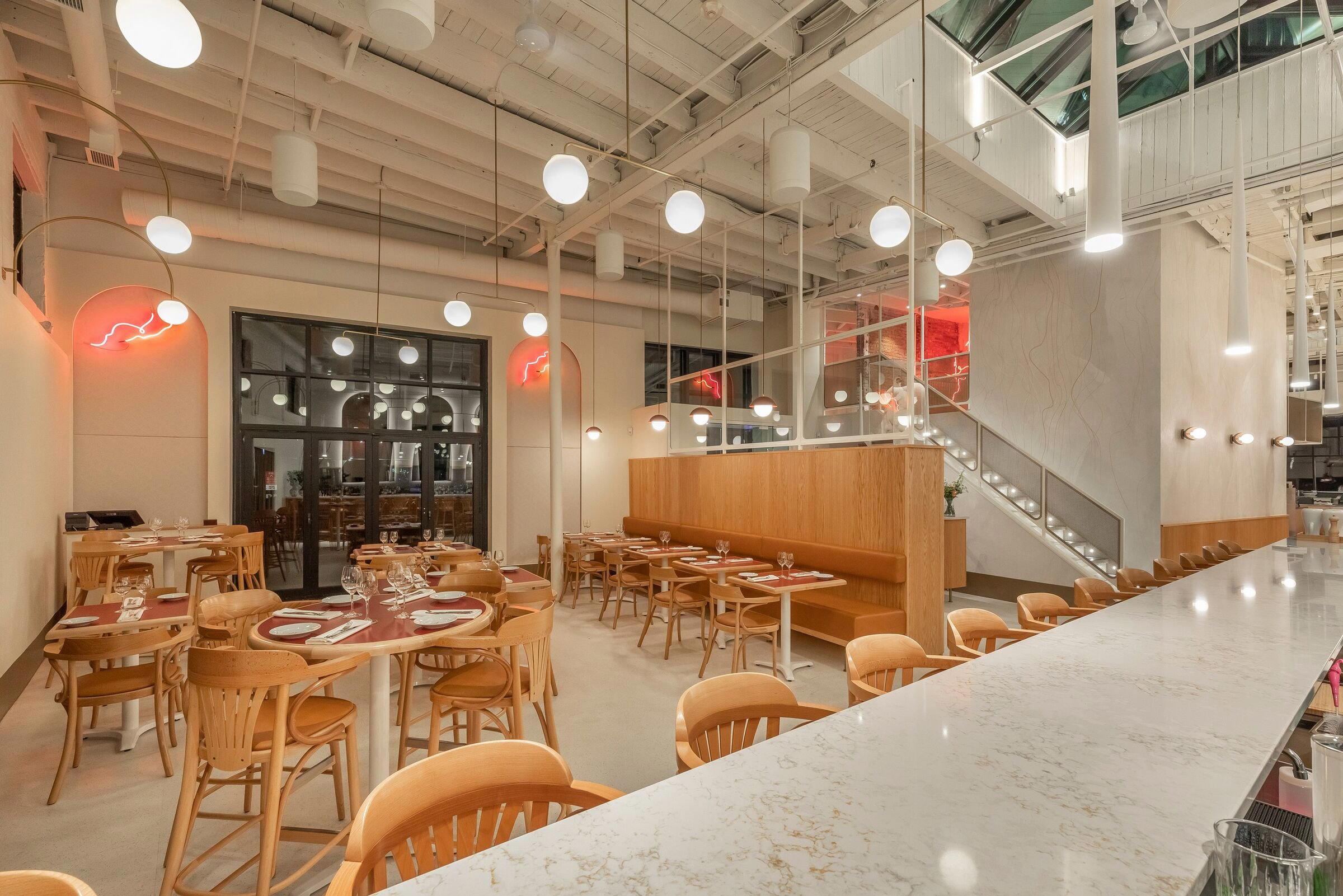
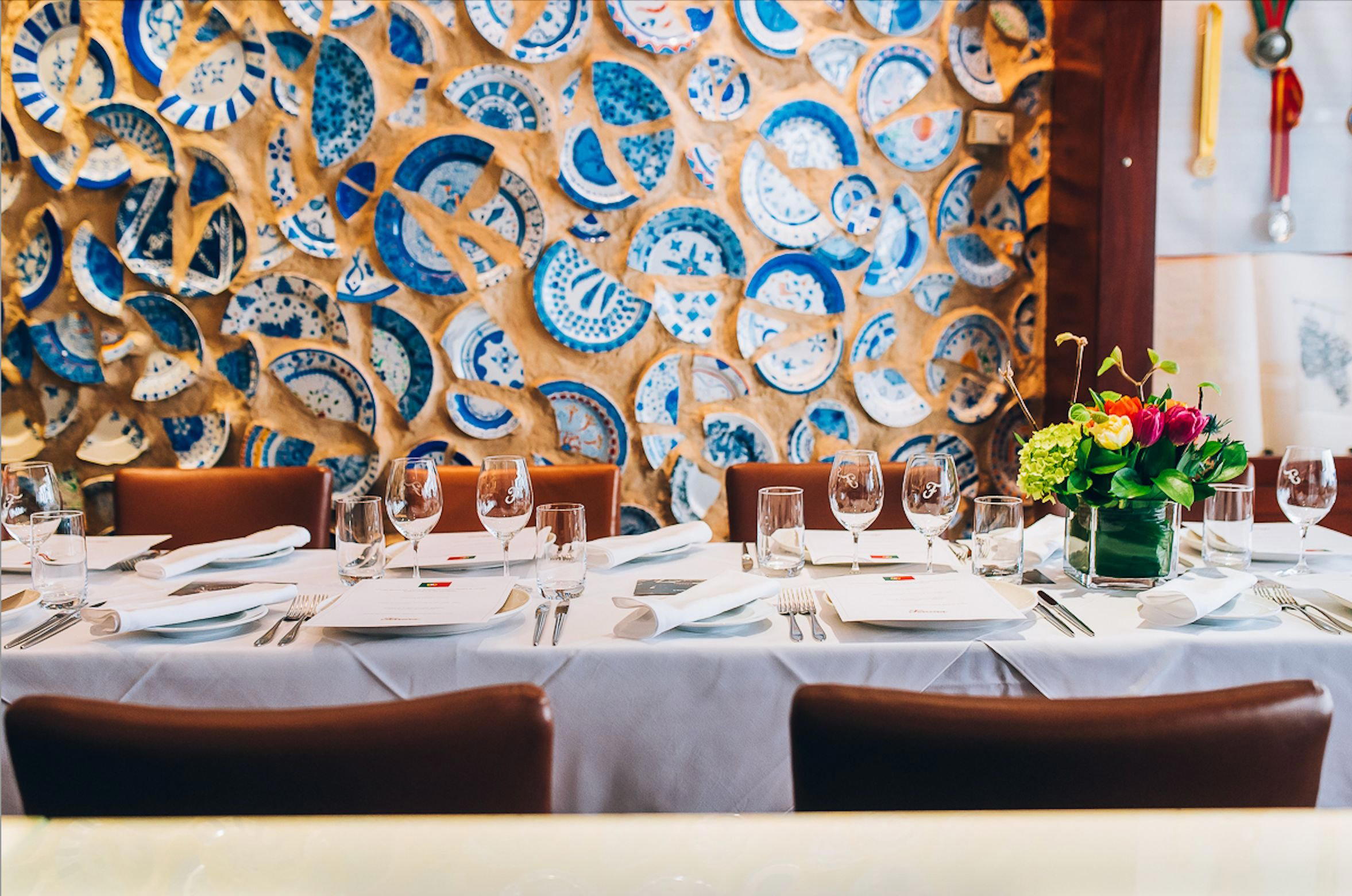
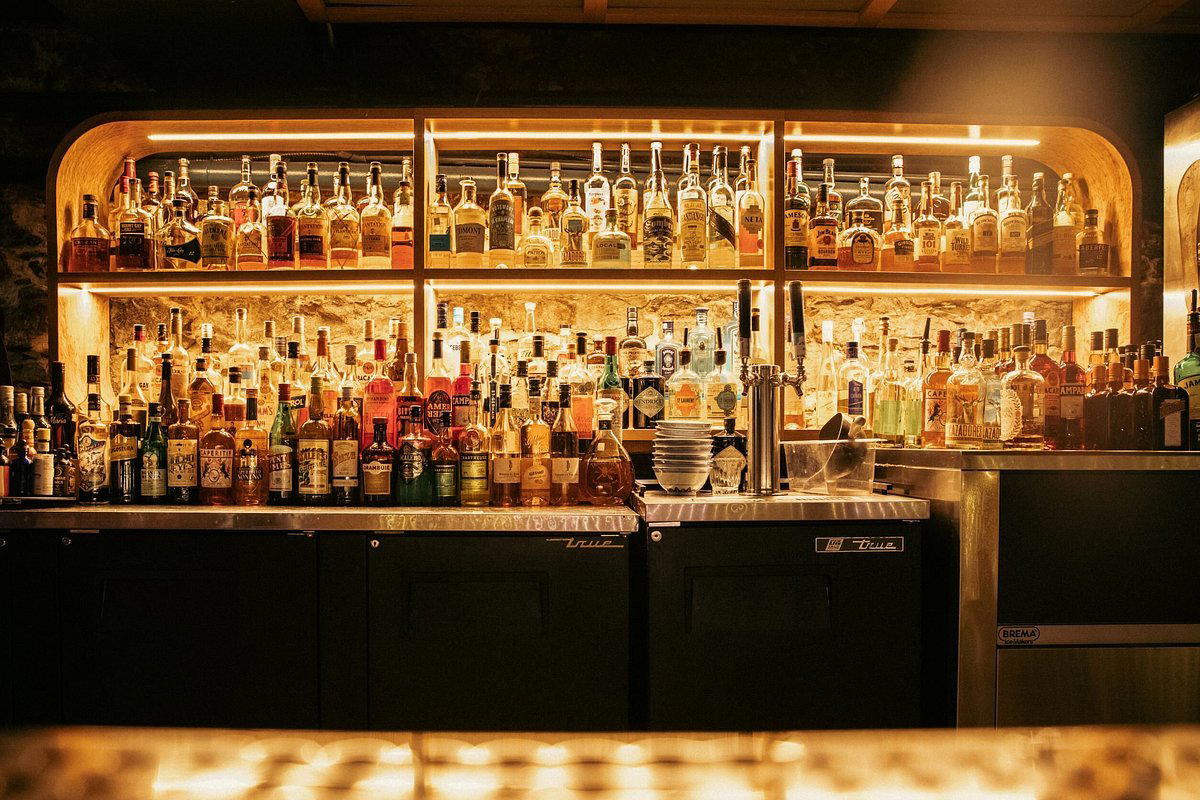
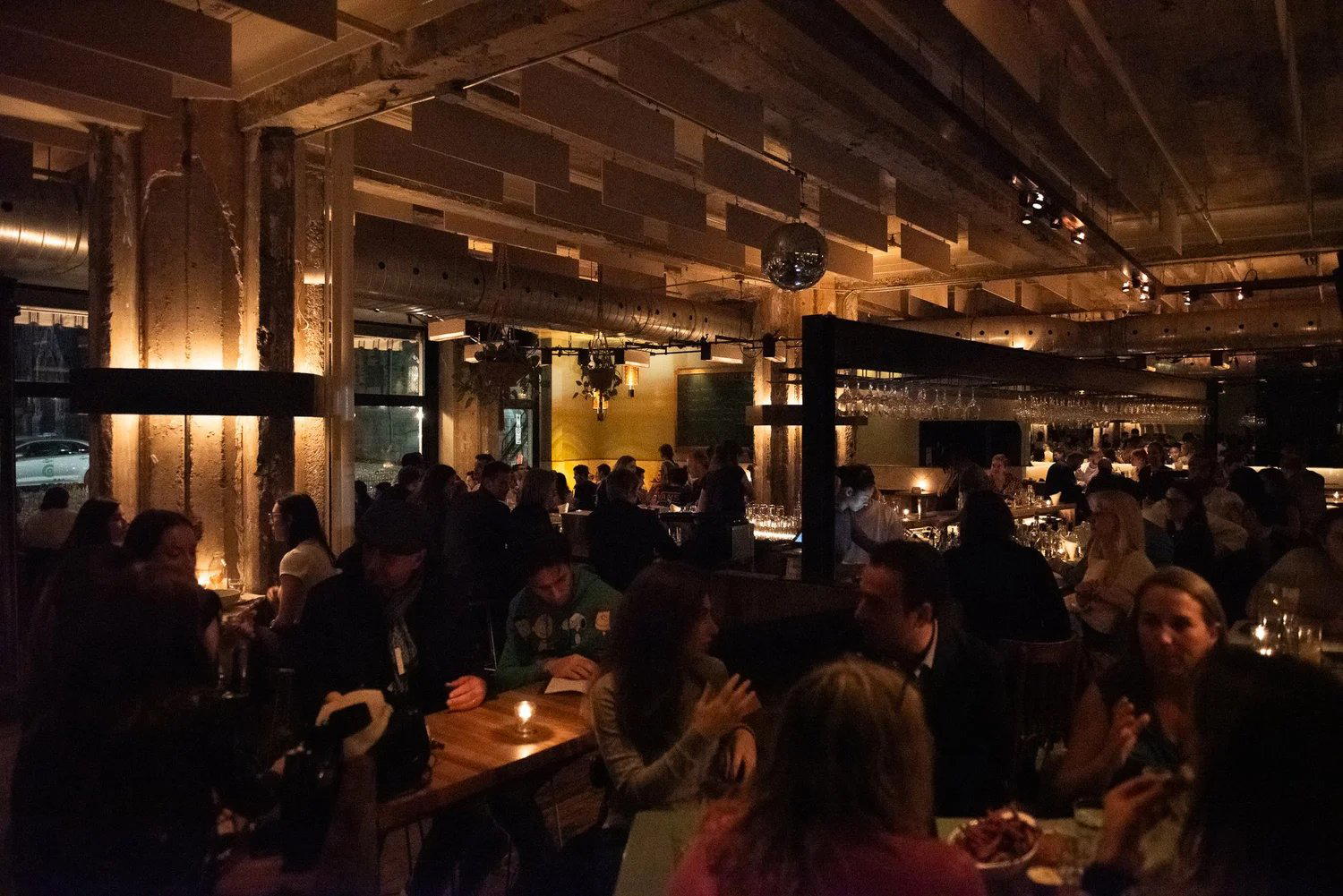
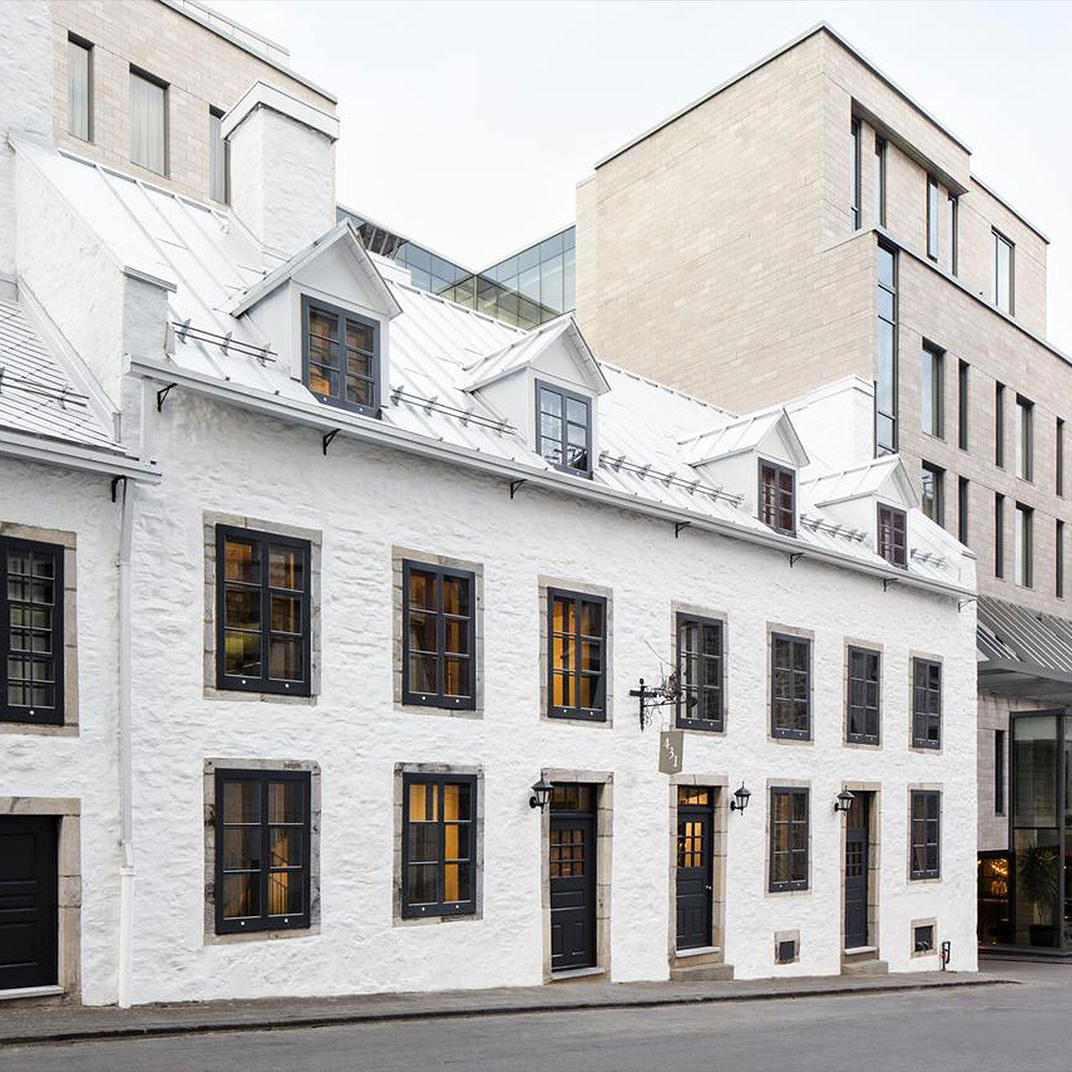
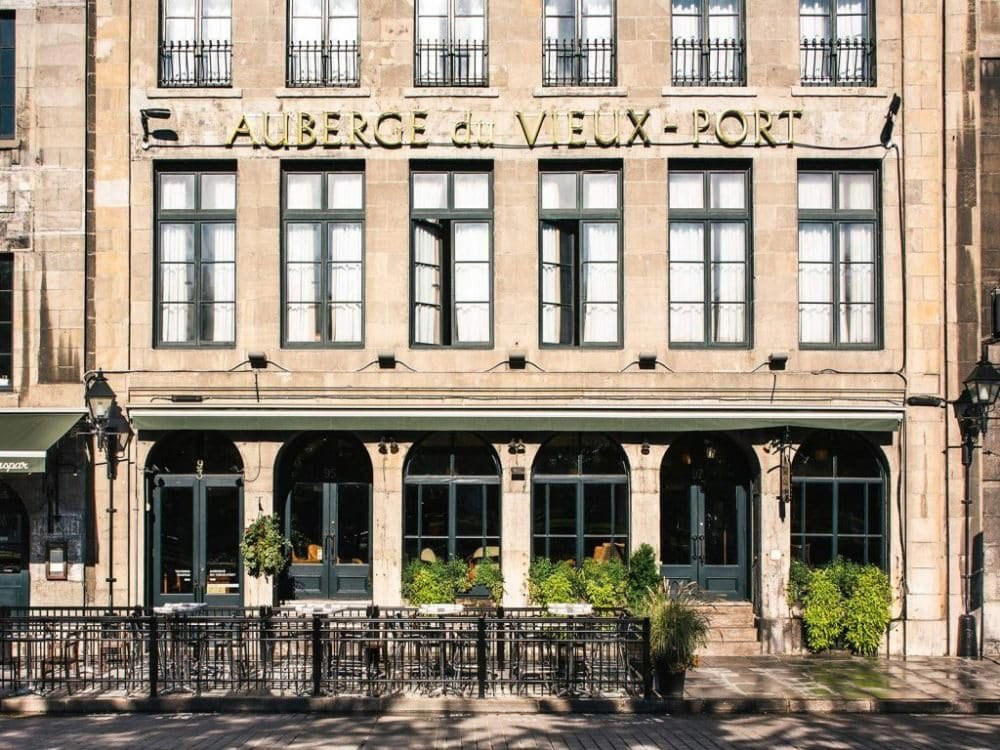
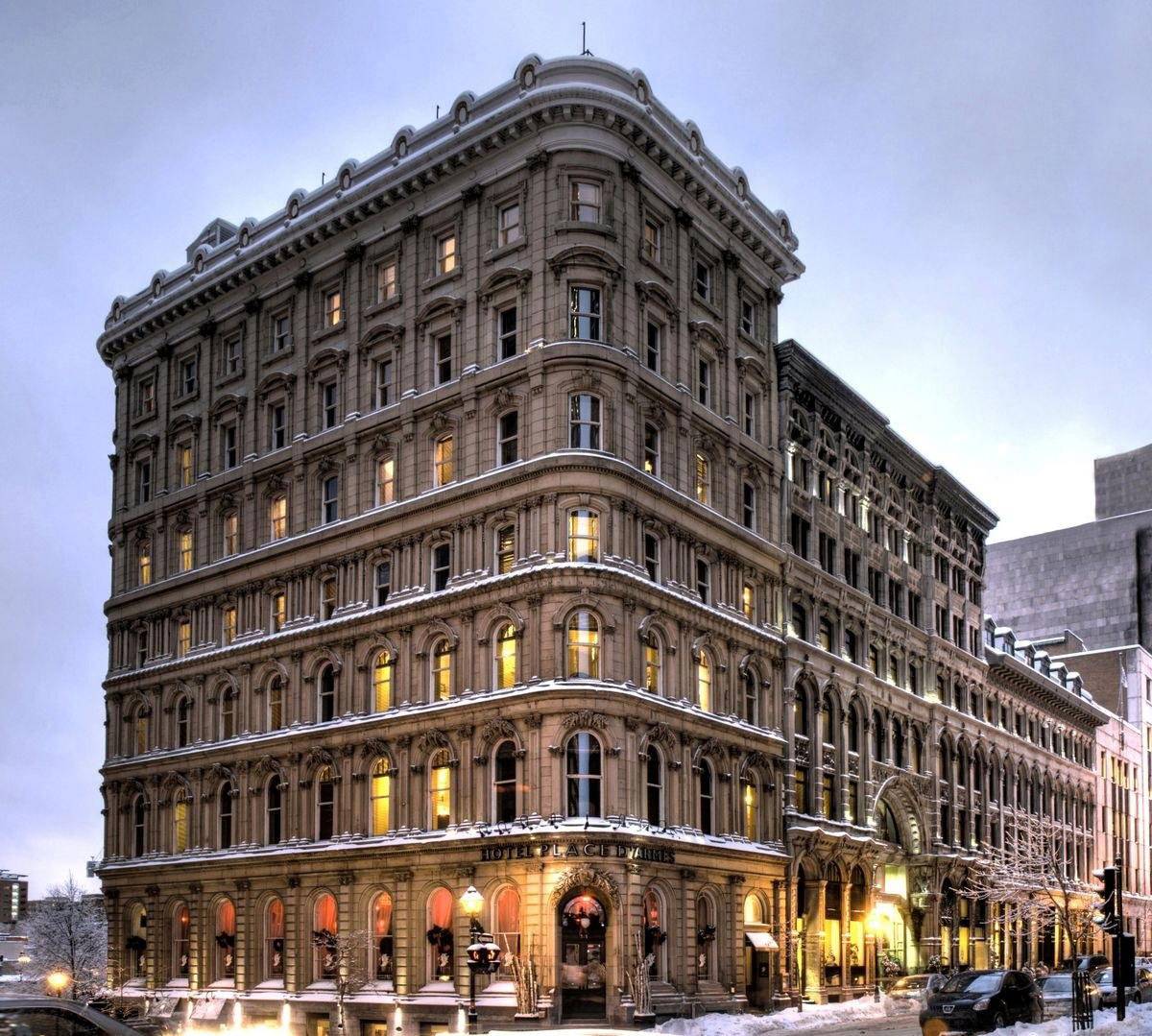
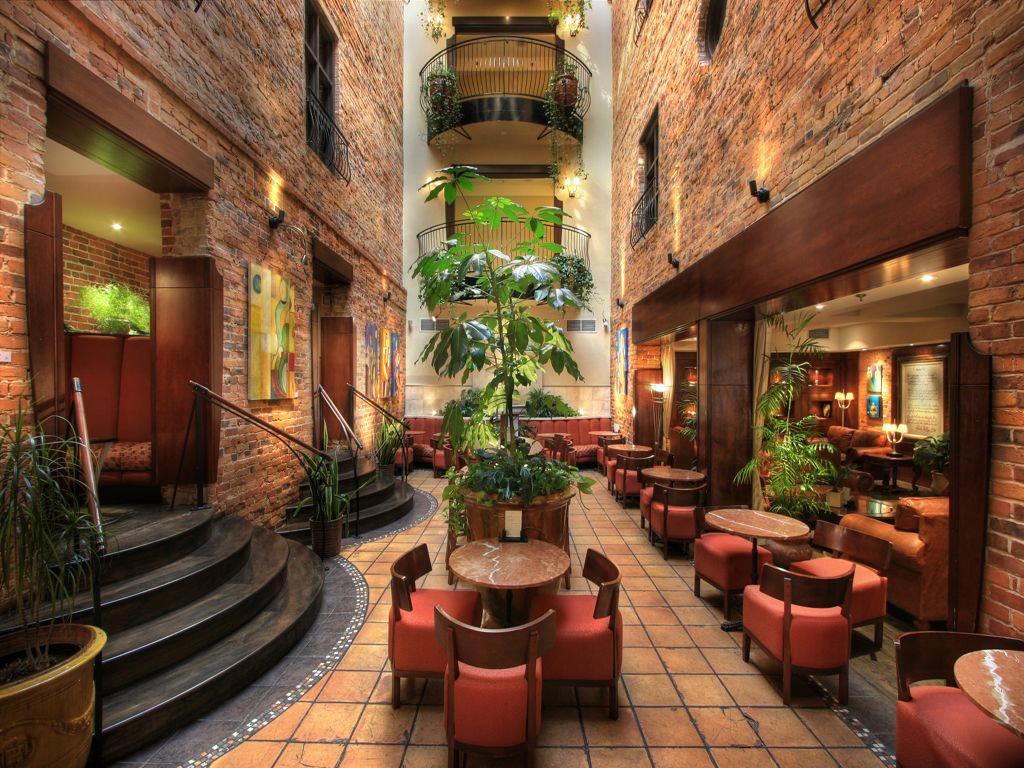
Authentic and warm decor spread over two floors with a cozy terrace for al fresco dining.