Pintoh Thai
A Thai restaurant on Franklin Street in Oakland's downtown corridor, Pintoh Thai sits within a city that has developed one of the Bay Area's most diverse Southeast Asian dining scenes. For diners interested in how regional Thai cooking intersects with Northern California's ingredient culture, it occupies a practical address in a neighbourhood increasingly defined by independent ethnic restaurants.
Pearl is the En Primeur Club membership app — saves, bookings, and concierge access live there. Same editors, same standards.
- Address
- 1442 Franklin St, Oakland, CA 94612
- Phone
- +15108232370
- Website
- pintohthai.com
- Directions
- Get directions
 Saves & bookings on Pearl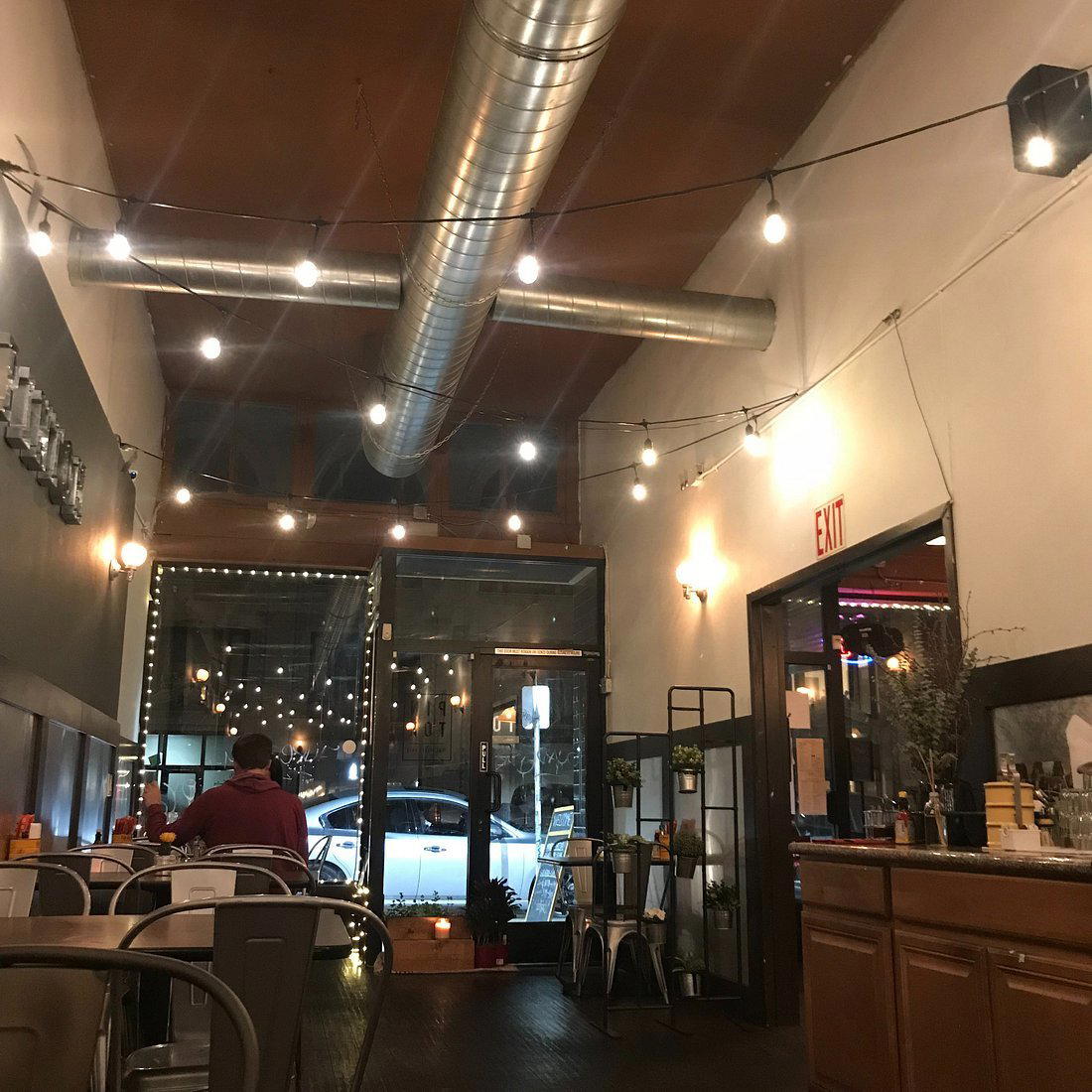
Franklin Street and the Oakland Thai Moment
Oakland's Franklin Street corridor has, over the past decade, accumulated a particular kind of restaurant: independently operated, cuisine-specific, drawing on diaspora communities large enough to demand authentic registers rather than adapted ones. Thai cooking fits that pattern well. The Bay Area's Thai population is concentrated enough to support restaurants that don't soften spice levels or substitute ingredients, and Oakland's lower rents relative to San Francisco have historically allowed operators more room to work with narrower margins and more specific menus. Pintoh Thai is a casual Modern Thai Street Food restaurant at 1442 Franklin St, Oakland, CA 94612.
Downtown Oakland's dining mix rewards lateral exploration. Within a few blocks you find Agave Uptown working through the Mexican spirits canon, alaMar Dominican Kitchen applying precise technique to Caribbean tradition, and 8th St Cafe 文記茶餐廳 holding down a Hong Kong-style tea house format that's genuinely rare west of Chinatown proper. The neighbourhood doesn't organise itself around a single culinary identity, which is part of what makes it a useful test for restaurants drawing on immigrant foodways: you earn your audience, you don't inherit it.
Where Local Ingredients and Thai Technique Intersect
The broader story of Thai cooking in Northern California has increasingly been one of technique meeting terroir. The canonical building blocks of Thai cuisine, galangal, lemongrass, makrut lime leaf, dried chilies from specific regional Thai varieties, arrive either through specialist importers or diaspora-run produce networks. What shifts in a California context is everything around those anchors: the proteins, the alliums, the leafy herbs used as garnish or wrap. Bay Area farms have spent thirty years producing the kind of ingredient quality that restaurants at the level of Single Thread Farm in Healdsburg or Blue Hill at Stone Barns in Tarrytown have built entire identities around. For a Thai restaurant in Oakland, that agricultural infrastructure is simply available, the question is whether the kitchen chooses to engage with it.
Particularly compelling Thai restaurants in the Bay Area tend to occupy a specific register: they preserve the discipline of regional Thai technique, the paste-grinding, the multi-day ferments, the precise balance of fish sauce, palm sugar, tamarind, and dried shrimp, while drawing on California produce at the moments where local supply genuinely improves the dish. This is a different proposition from fusion, which implies compromise. It's closer to the approach you see in Korean-American fine dining at places like Atomix in New York City, where the tradition stays structurally intact and the local ingredient acts as a precision upgrade rather than a substitution.
The Oakland Neighbourhood Frame
Oakland's restaurant culture operates in the shadow of San Francisco's more internationally profiled dining scene, but that relationship has shifted. Where San Francisco draws concentration of Michelin-chasing tasting menus, Lazy Bear being the clearest example of that ambition, Oakland has developed a parallel identity around depth of ethnic cuisine and independently run neighbourhood restaurants that answer to their communities rather than to guide cycles. That's not a consolation prize; it's a different value system, and for diners interested in how cuisine actually functions within a population rather than how it performs for external validation, Oakland frequently delivers more honest answers.
The Thai segment of Oakland's dining scene reflects this. Restaurants here are less likely to have been shaped by what a non-Thai audience expects Thai food to look like, and more likely to have been shaped by what the Thai and Thai-American communities in the East Bay actually eat. That produces a different kind of restaurant than you'd find in tourist-adjacent corridors. The comparison set isn't Le Bernardin in New York City or The French Laundry in Napa; it's other Franklin Street independents like 3 Bottled Fish and Alem's Coffee, which have built loyal, return-visitor audiences without significant press infrastructure behind them.
What to Know About Thai Cooking in This Format
Thai cuisine at the neighbourhood restaurant level in California tends to cover a wide stylistic range in a single menu: central Thai dishes (pad thai, green curry, tom kha) alongside northern preparations (larb, khao soi) and Isan-inflected grilled proteins. The menus that hold up over time are those where the paste work is done in-house, where the heat levels are calibrated for the dish rather than for a generic tolerance assumption, and where dishes like som tum are made to order with genuine acidity rather than pre-mixed. These are the markers worth paying attention to when you sit down, because they tell you quickly which register the kitchen is working in.
Oakland's position in the broader California dining geography also means proximity to excellent Southeast Asian ingredients. The East Bay's produce networks, farmers markets, and Asian grocery infrastructure, the latter concentrated in nearby areas of Oakland and San Leandro, mean that a Thai kitchen here has access to fresh Thai basil, young coconuts, and quality fish sauce that a counterpart in, say, a less-connected American city simply wouldn't. That access doesn't guarantee execution, but it removes one of the common excuses for compromise.
For diners who want to cross-reference the broader Bay Area independent scene, Joodooboo and JUNE'S PIZZA represent the range of format and ambition operating in the same general Oakland neighbourhood tier. Restaurants in cities like New Orleans (see Emeril's) or Chicago (Alinea) address different audiences at different price points, but the underlying principle, that a city's restaurant culture is legible through its independent operators, applies across all of them. Oakland's independents, Thai restaurants among them, are where you read the city most clearly.
Know Before You Go
- Address: 1442 Franklin St, Oakland, CA 94612
- Neighbourhood: Downtown Oakland, Franklin Street corridor
- Price: About $20 per person
Cuisine-First Comparison
Comparable venues nearby, for context on price, style, and recognition.
| Venue | Cuisine | Price | Notes |
|---|---|---|---|
| Pintoh ThaiThis venue — the venue you are viewing | Modern Thai Street Food | $$ | Not listed |
| Vientian Cafe | Authentic Lao, Thai & Vietnamese | $$ | Allendale |
| Hawker Fare | Lao Issan Thai | $$ | Uptown |
| Chai Thai Noodles | Thai-Lao Noodles | $$ | East Peralta |
| Yimm | Thai Home-Style Cooking | $$ | Rockridge |
| Plum Bar + Restaurant | Modern American Small Plates | $$ | Uptown |
Continue exploring
More in Oakland
Restaurants in Oakland
Browse all →
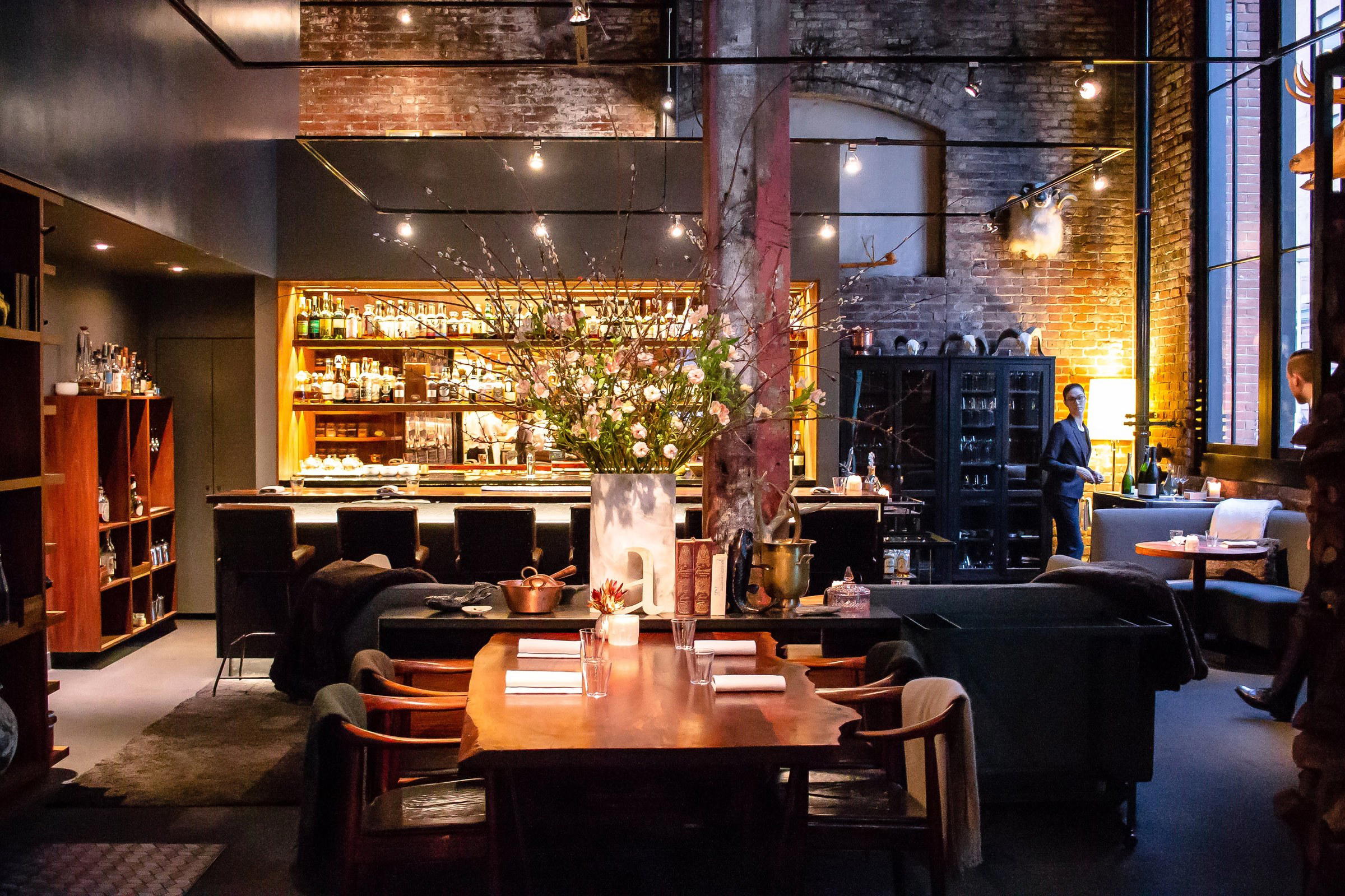

Bars in Oakland
Browse all →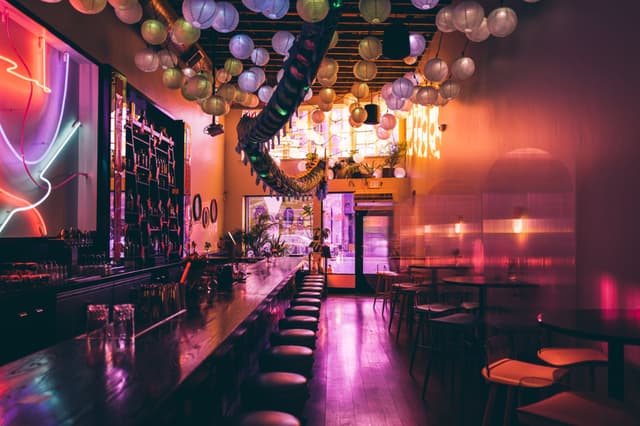
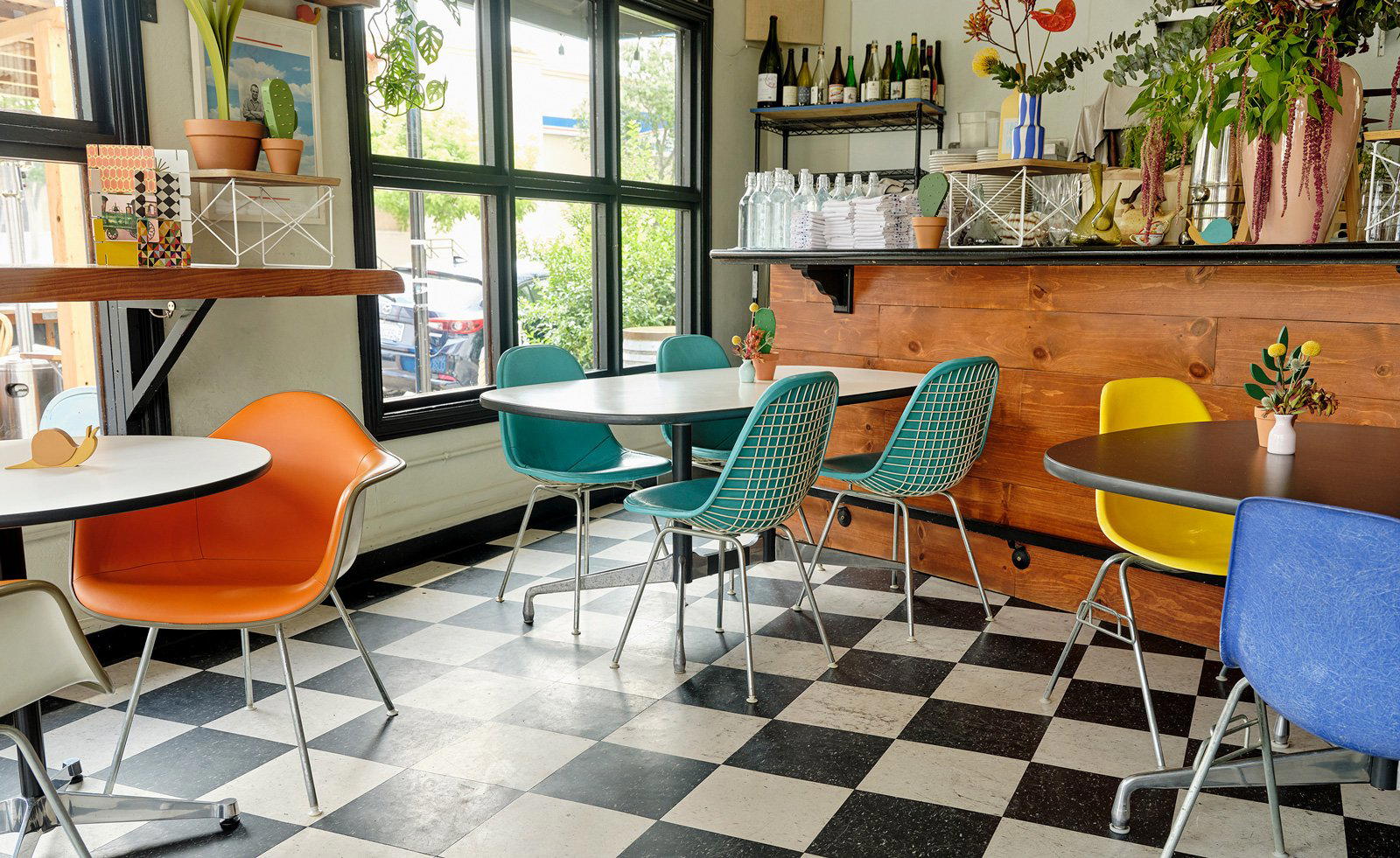
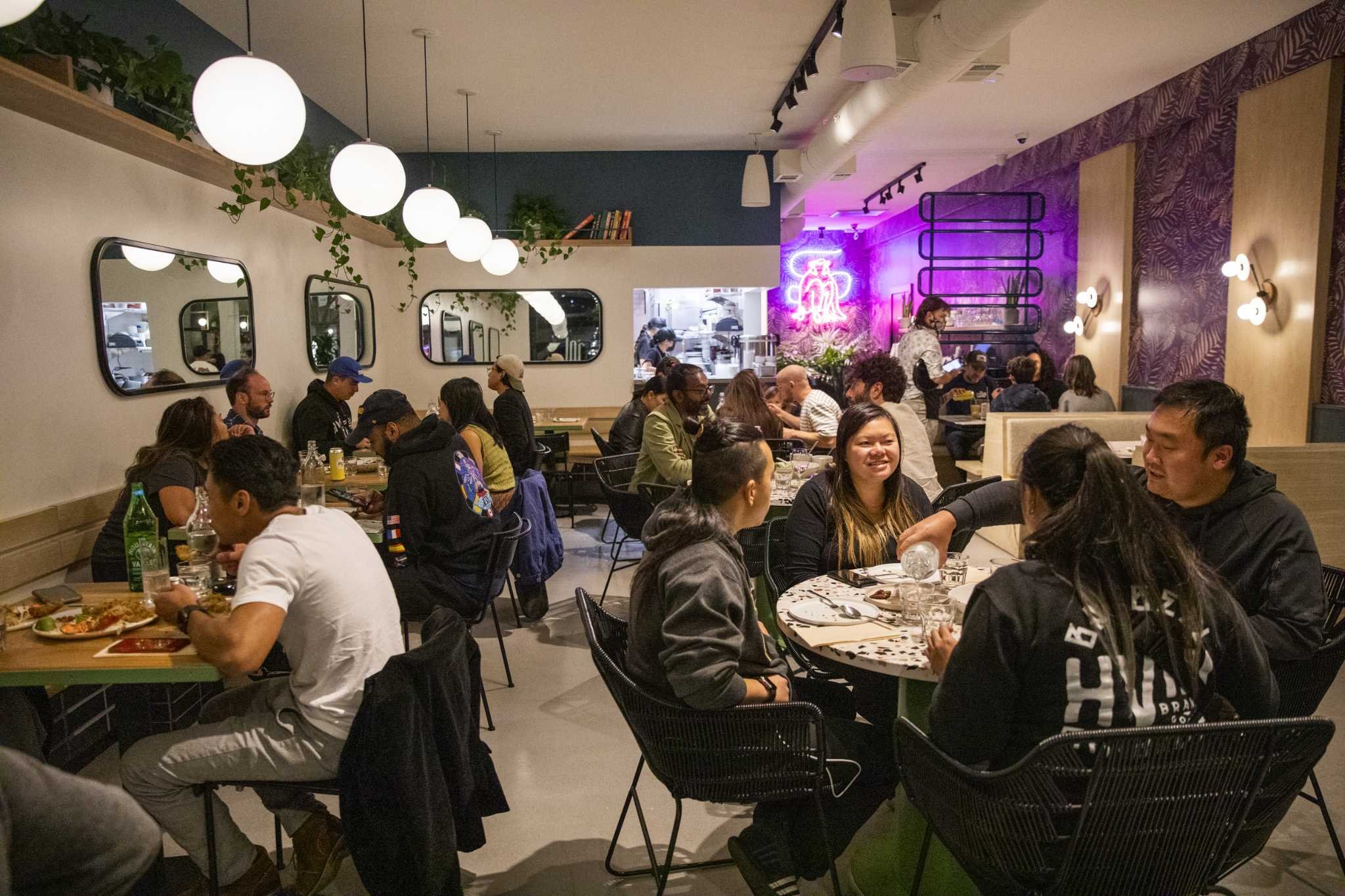
Hotels in Oakland
Browse all →




At a Glance
- Lively
- Trendy
- Cozy
- Casual Hangout
- Open Kitchen
- Craft Cocktails
- Local Sourcing
Current opening hours
- Monday
- 11:30 AM–2:30 PM, 4:30–9 PM
- Tuesday
- 11:30 AM–2:30 PM, 4:30–9 PM
- Wednesday
- 11:30 AM–2:30 PM, 4:30–9 PM
- Thursday
- 11:30 AM–2:30 PM, 4:30–9 PM
- Friday
- 11:30 AM–2:30 PM, 4:30–9 PM
- Saturday
- 11:30 AM–2:30 PM, 4:30–9 PM
- Sunday
- 4:30–9 PM
Hours can change for holidays and private events. Last verified .
Relaxing and fun vibe with visual delight from flavorful dishes.