Chai Thai Noodles
On International Boulevard, Oakland's most culturally layered commercial corridor, Chai Thai Noodles operates within a Thai noodle tradition that runs deeper than its strip-mall address suggests. The restaurant sits inside a neighbourhood where Southeast Asian, Latin American, and East African communities eat in close proximity, making it a reliable marker of the corridor's culinary density. For visitors orienting to Oakland's less-toured dining geography, it anchors the Eastside's case for serious, everyday eating.
Pearl is the En Primeur Club membership app — saves, bookings, and concierge access live there. Same editors, same standards.
- Address
- 545 International Blvd Ste B, Oakland, CA 94606
- Phone
- (510) 832-2500
- Website
- chaithaioakland.com
- Directions
- Get directions
 Saves & bookings on Pearl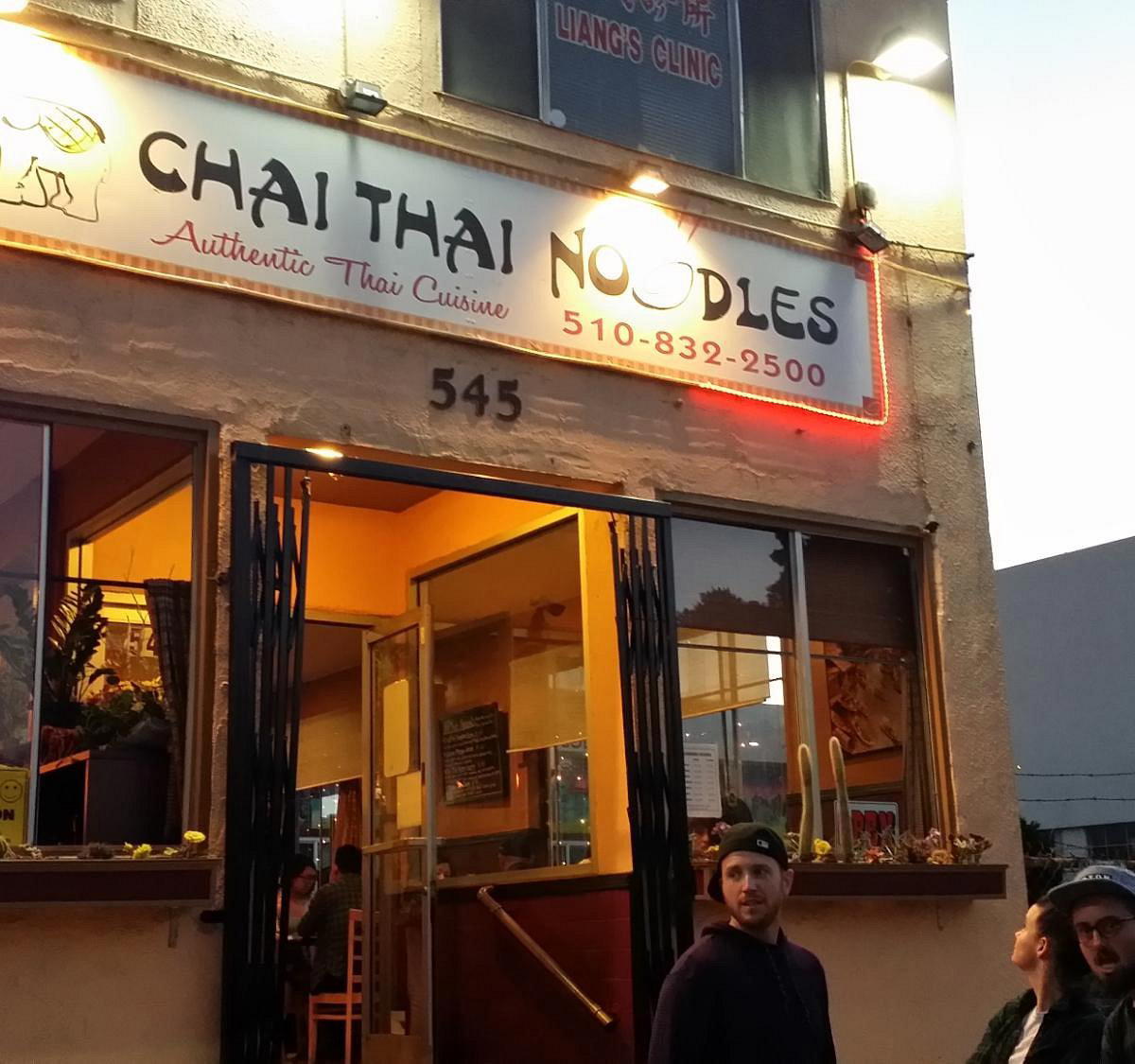
International Boulevard and the Eastside Eating Tradition
Oakland's dining conversation tends to cluster around Temescal, Uptown, and Grand Avenue, leaving International Boulevard underrepresented in most editorial coverage despite running through one of the city's most food-dense corridors. The stretch between Fruitvale and San Antonio contains Thai, Vietnamese, Oaxacan, Salvadoran, Eritrean, and Filipino kitchens operating at a density and price point that few parts of the Bay Area can match. Chai Thai Noodles, at 545 International Blvd Suite B, sits squarely inside that corridor and reads, from the street, like exactly what it is: a neighbourhood noodle shop serving a community that eats Thai food as a regular, unremarkable part of the week rather than an occasion.
That context matters. Thai noodle shops in the United States occupy a complicated position between the Americanised pad thai of 1990s mainstream adoption and the more specific regional traditions, from Chiang Mai's khao soi to Bangkok's boat noodle format, that arrived later with more recent immigrant communities. International Boulevard has historically housed the kind of Thai cooking that skews toward the latter, serving a customer base with direct ties to the cuisine rather than one discovering it from the outside.
Thai Noodle Culture and What the Format Signals
The noodle-focused format, as opposed to a broad Thai menu with curries, salads, and grilled proteins, is itself a cultural signal. In Thailand, noodle shops are typically single-speciality operations: a narrow menu executed at volume, often by cooks who have spent years on a specific broth or preparation. The-known international example is the Michelin-recognised ramen format in Japan, where hyper-focus produces technical depth. Thai noodle traditions, from the thin rice noodles of kway teow to the egg noodle preparations of Chinese-Thai cooking, operate by a similar logic, even if they rarely receive the same level of critical attention in the American market.
For reference, the tier of tasting-menu restaurants that draw greater coverage, from Lazy Bear in San Francisco to The French Laundry in Napa or Providence in Los Angeles, operates on a fundamentally different axis: long reservations windows, multi-course formats, and price points in the hundreds per person. Closer to Chai Thai Noodles in spirit, if not in geography, are the kind of neighbourhood-anchored specialists that earn loyalty through consistency rather than occasion-dining theatre. The comparison is not about competition but about reading what different formats signal about the communities they serve.
Oakland's Eastside has several operations that follow this neighbourhood-specialist logic. alaMar Dominican Kitchen does it for Caribbean cooking; 8th St Cafe occupies a similar position for Hong Kong-style cafe food. The pattern across these places is the same: a defined culinary tradition, a menu without much drift, and a customer base that arrives knowing what it wants.
What to Order: Reading the Menu Through Cultural Logic
Without access to current menu specifics, one reliable approach to a Thai noodle shop in this format is to read the menu for internal signals rather than defaulting to particularly familiar items. In general, noodle-led Thai kitchens with Southeast Asian community roots tend to feature preparations where the broth is the primary technical effort: the clarity of a clear noodle soup, the depth of a pork-bone base, or the emulsified coconut richness of a khao soi-adjacent preparation. The noodle type, rice versus egg versus glass, and whether it arrives dry or in broth, usually signals where the kitchen's emphasis sits.
Ordering what the kitchen has built its identity around, rather than what a non-Thai guest might find most recognisable, is the standard critical advice for this format, and it applies here. If there is a house noodle dish, a combination that appears in multiple forms or that staff suggest without hesitation, that is almost always where the kitchen's strongest preparation lives.
The Neighbourhood as Context
The Fruitvale district around International Boulevard is one of the few parts of Oakland where the density of culturally specific, non-assimilated cooking is high enough that a single block can hold meaningful variety. Alem's Coffee represents the Eritrean community's footprint on the corridor; 3 Bottled Fish and Agave Uptown each mark different registers of Oakland's food culture. The Eastside operates with less press attention than the western and northern neighbourhoods, which means its restaurants tend to be priced for residents rather than for the premium that visitor-facing areas can charge.
That pricing dynamic is worth flagging for anyone approaching International Boulevard from the more publicised parts of Oakland's dining scene. The register is different. The room is modest. The service is functional rather than hospitality-forward in the sense that fine-dining guests expect. None of that is a shortcoming; it is how neighbourhood specialists in this income bracket work, and it is precisely what makes them useful as anchors in a city's food geography.
Oakland's range runs from the everyday eating that International Boulevard represents to the kind of ambitious cooking that competes on the same scale as Atomix in New York City, Smyth in Chicago, or Blue Hill at Stone Barns in Tarrytown. Both ends of that range have value; the mistake is applying the criteria of one to the other.
Know Before You Go
- Address: 545 International Blvd, Suite B, Oakland, CA 94606
- Neighbourhood: Fruitvale / San Antonio corridor, International Boulevard
- Website: Not available in current records
- Reservations: Neighbourhood noodle shops at this format and price tier typically operate as walk-in; confirm directly
- Price tier: $20 per person
- Hours: Mon: 11 AM to 9:30 PM; Tue: Closed; Wed: 11 AM to 9:30 PM; Thu: 11 AM to 9:30 PM; Fri: 11 AM to 10 PM; Sat: 11:30 AM to 10 PM; Sun: 11:30 AM to 9 PM
- Getting there: 545 International Blvd Ste B, Oakland, CA 94606
Recognition, Side-by-Side
Comparable venues nearby, for context on price, style, and recognition.
| Venue | Cuisine | Price | Notes |
|---|---|---|---|
| Chai Thai NoodlesThis venue — the venue you are viewing | Thai-Lao Noodles | $$ | Not listed |
| Attraros Thai Eatery | Authentic Thai | $$ | City Center |
| Yimm | Thai Home-Style Cooking | $$ | Rockridge |
| Daughter Thai Kitchen | Southern Thai Street Food | $$ | Montclair Business |
| Hawker Fare | Lao Issan Thai | $$ | Uptown |
| Champa Garden | Laotian-Inspired Thai | $$ | Clinton |
Continue exploring
More in Oakland
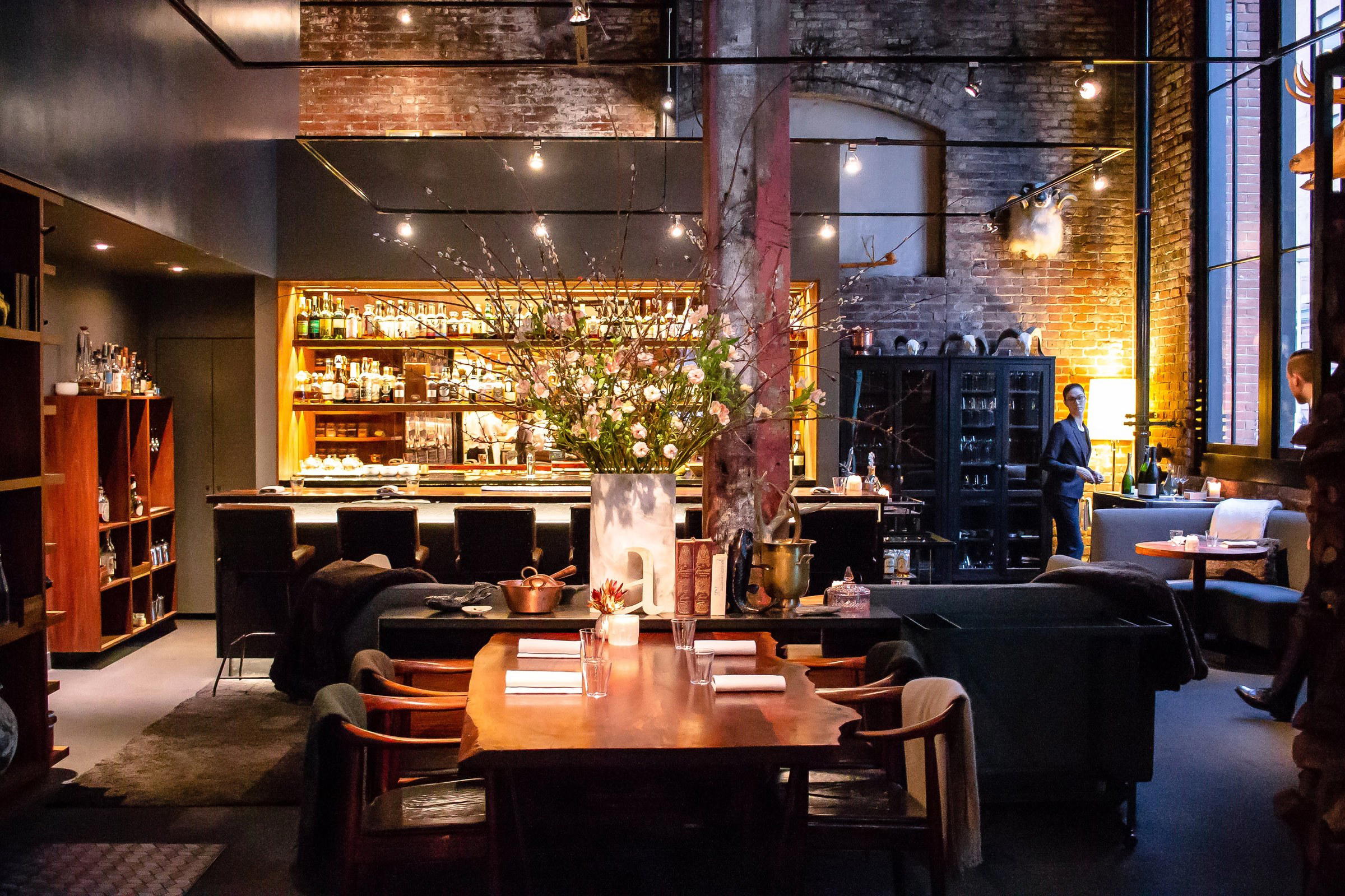
Restaurants in Oakland
Browse all →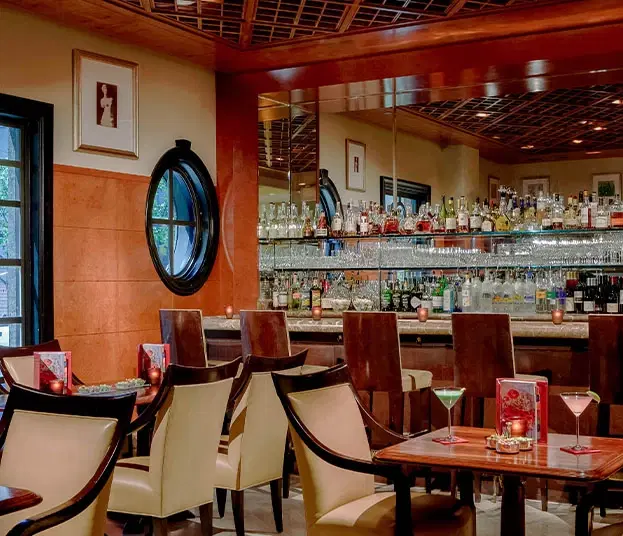
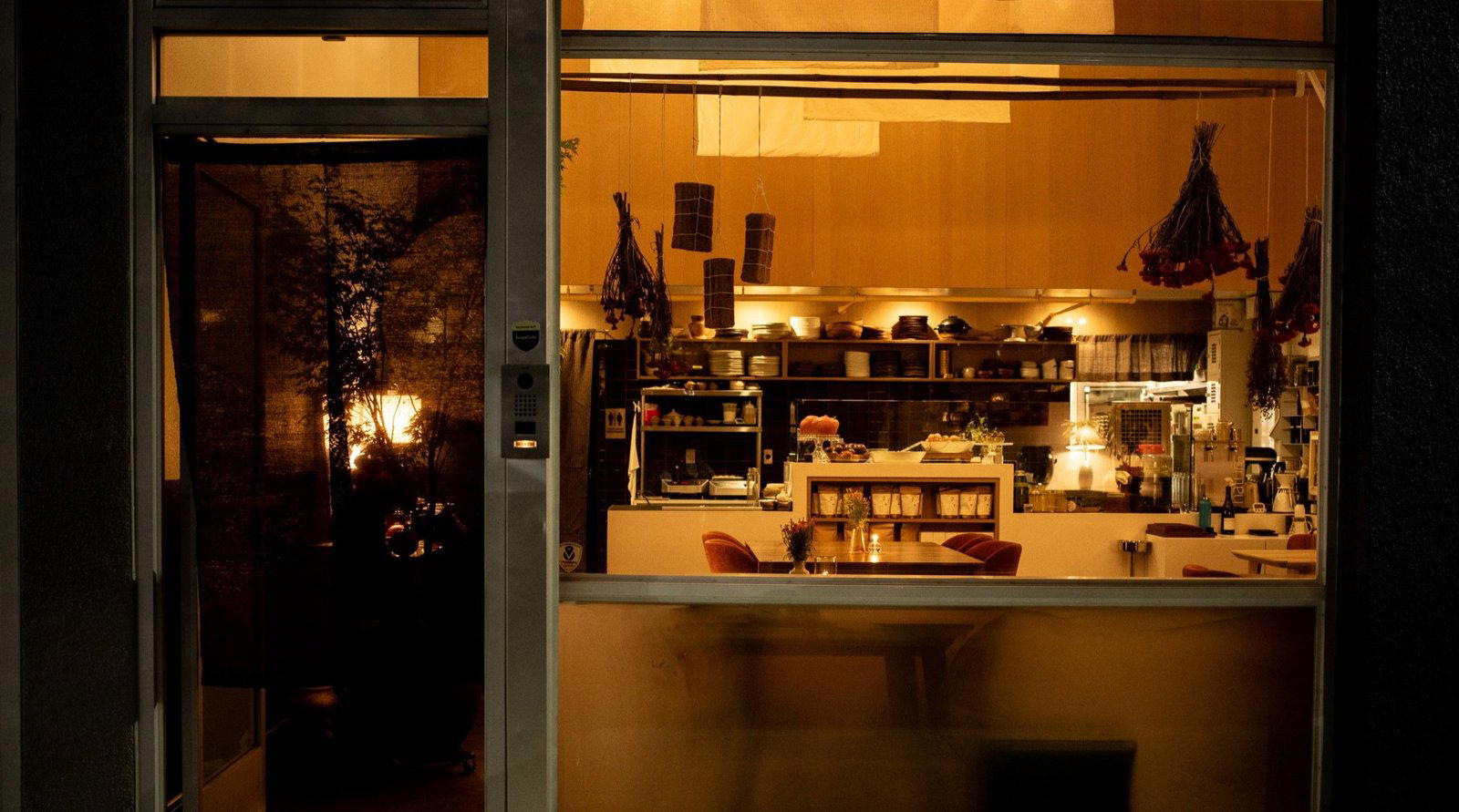
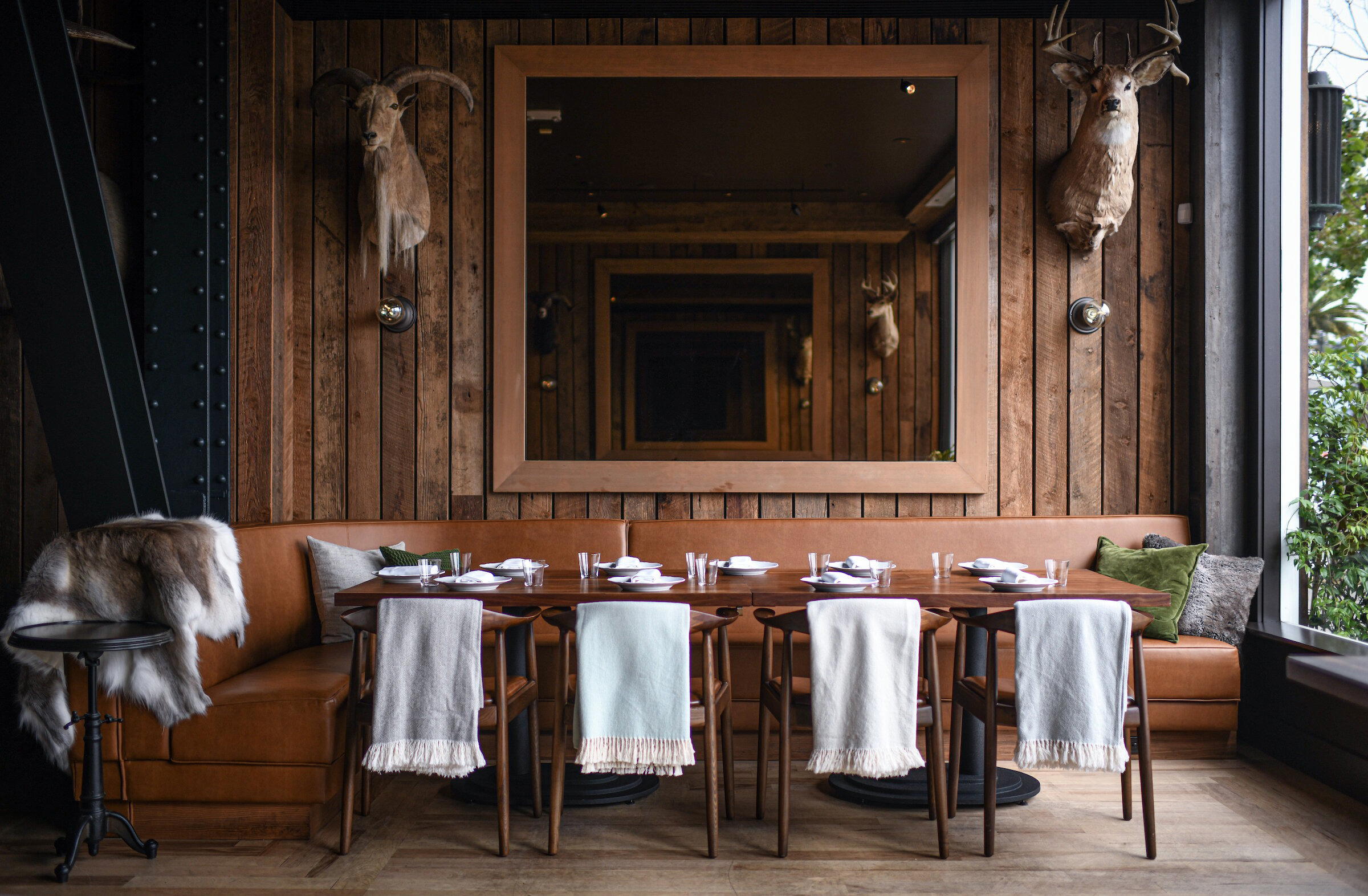

Bars in Oakland
Browse all →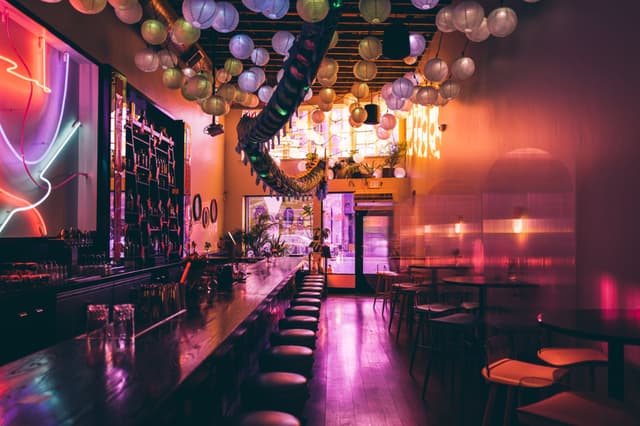
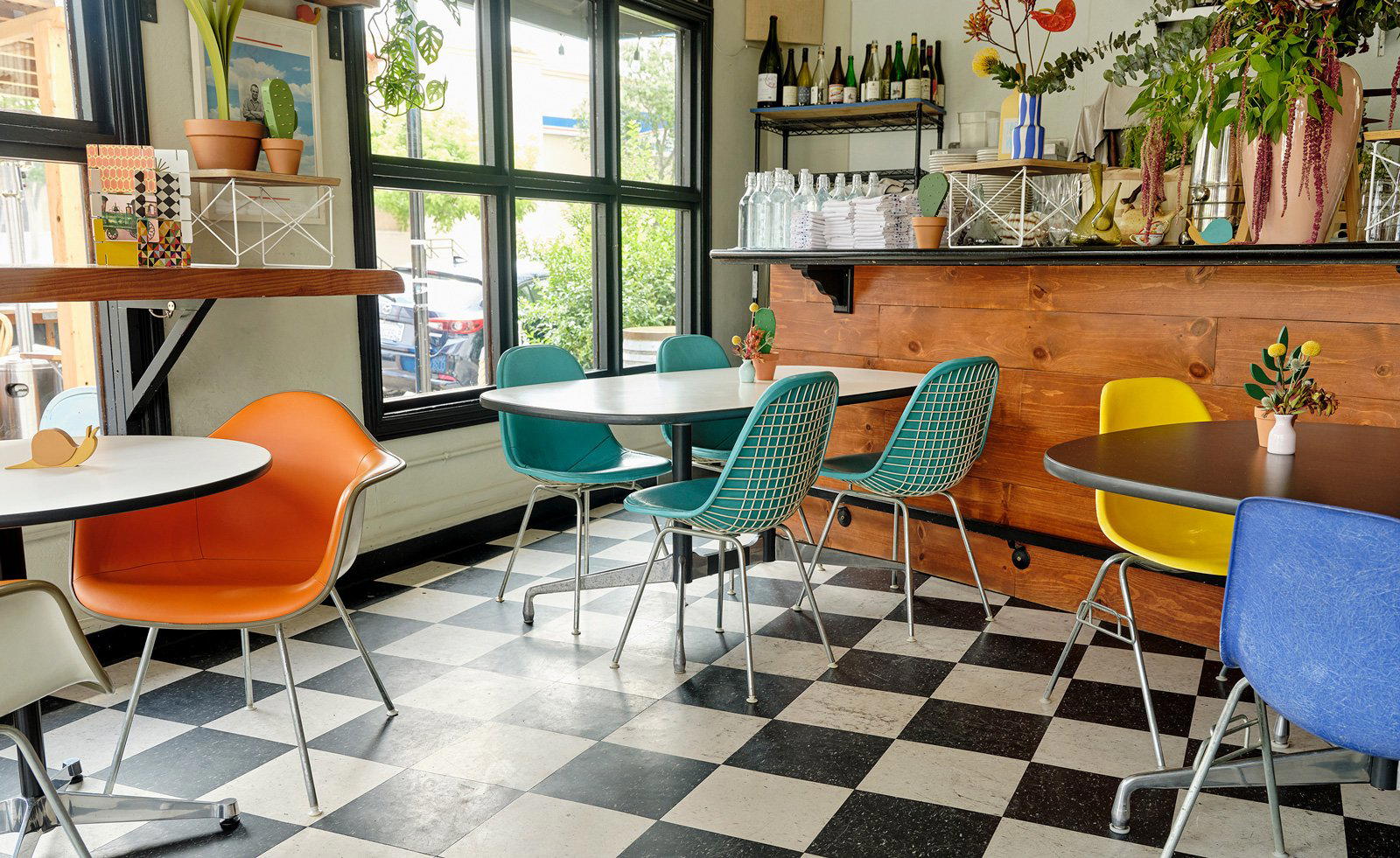
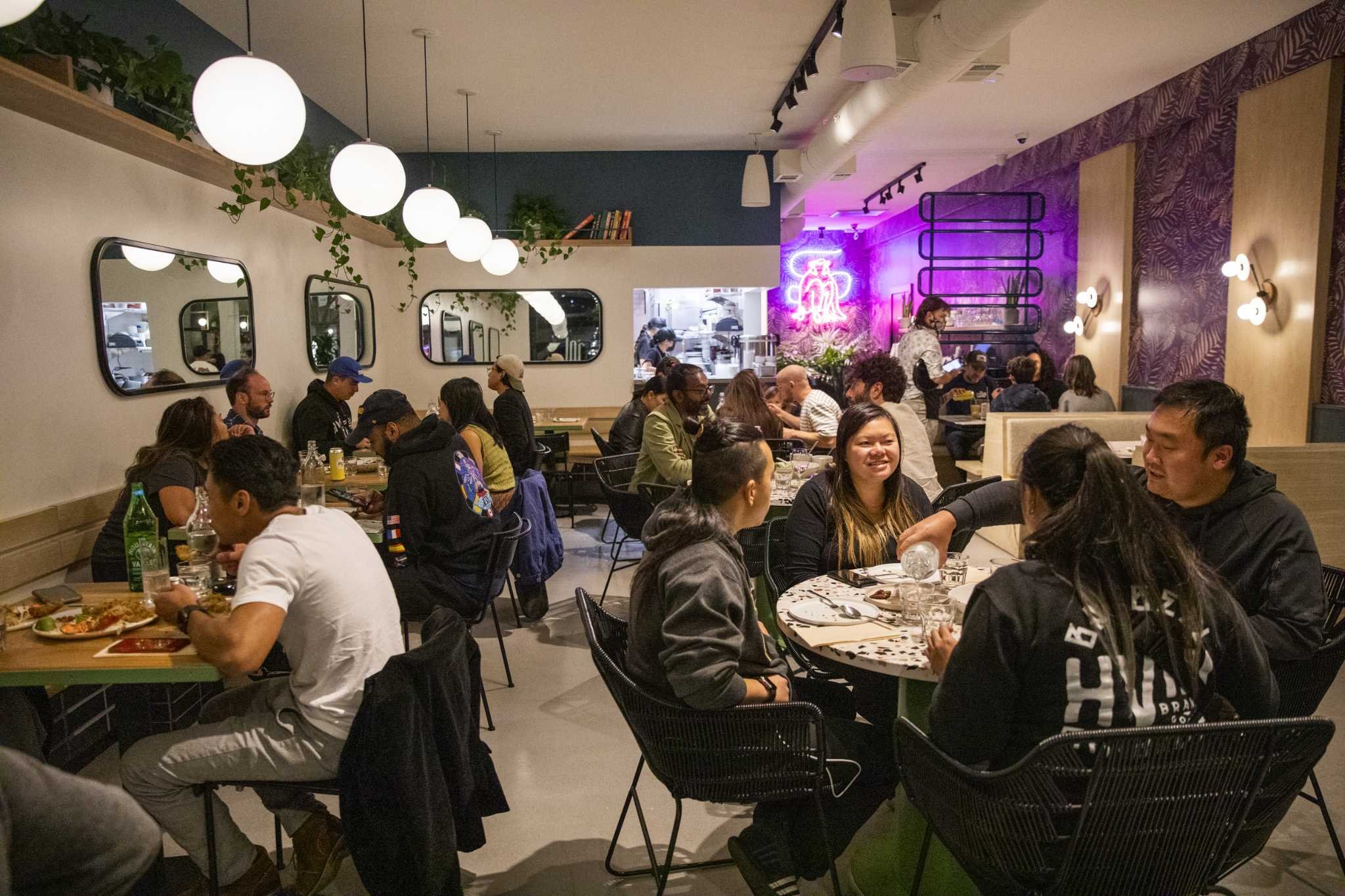
Hotels in Oakland
Browse all →





At a Glance
- Cozy
- Casual Hangout
Current opening hours
- Monday
- 11 AM–9:30 PM
- Tuesday
- Closed
- Wednesday
- 11 AM–9:30 PM
- Thursday
- 11 AM–9:30 PM
- Friday
- 11 AM–10 PM
- Saturday
- 11:30 AM–10 PM
- Sunday
- 11:30 AM–9 PM
Hours can change for holidays and private events. Last verified .
Cute and cozy spot with sizzling hot dishes and a welcoming, clean atmosphere.