Our verdict
Pino sits on Brühler Strasse in Mödling, a town that punches well above its size when it comes to serious dining just south of Vienna. The restaurant occupies a position in a local scene shaped by Austrian culinary tradition and proximity to one of Europe's most demanding dining capitals. For visitors working through the region's restaurant options, Pino is a reference point worth understanding in context.

Pearl is the En Primeur Club membership app — saves, bookings, and concierge access live there. Same editors, same standards.
- Address
- Brühler Str. 6, 2340 Mödling, Austria
- Phone
- +432236860187
- Hours
- Mon ClosedTue–Sat 12–2:30 PM, 6–10 PMSun Closed
- Website
- pino-ristorante.at
- Directions
- Get directions
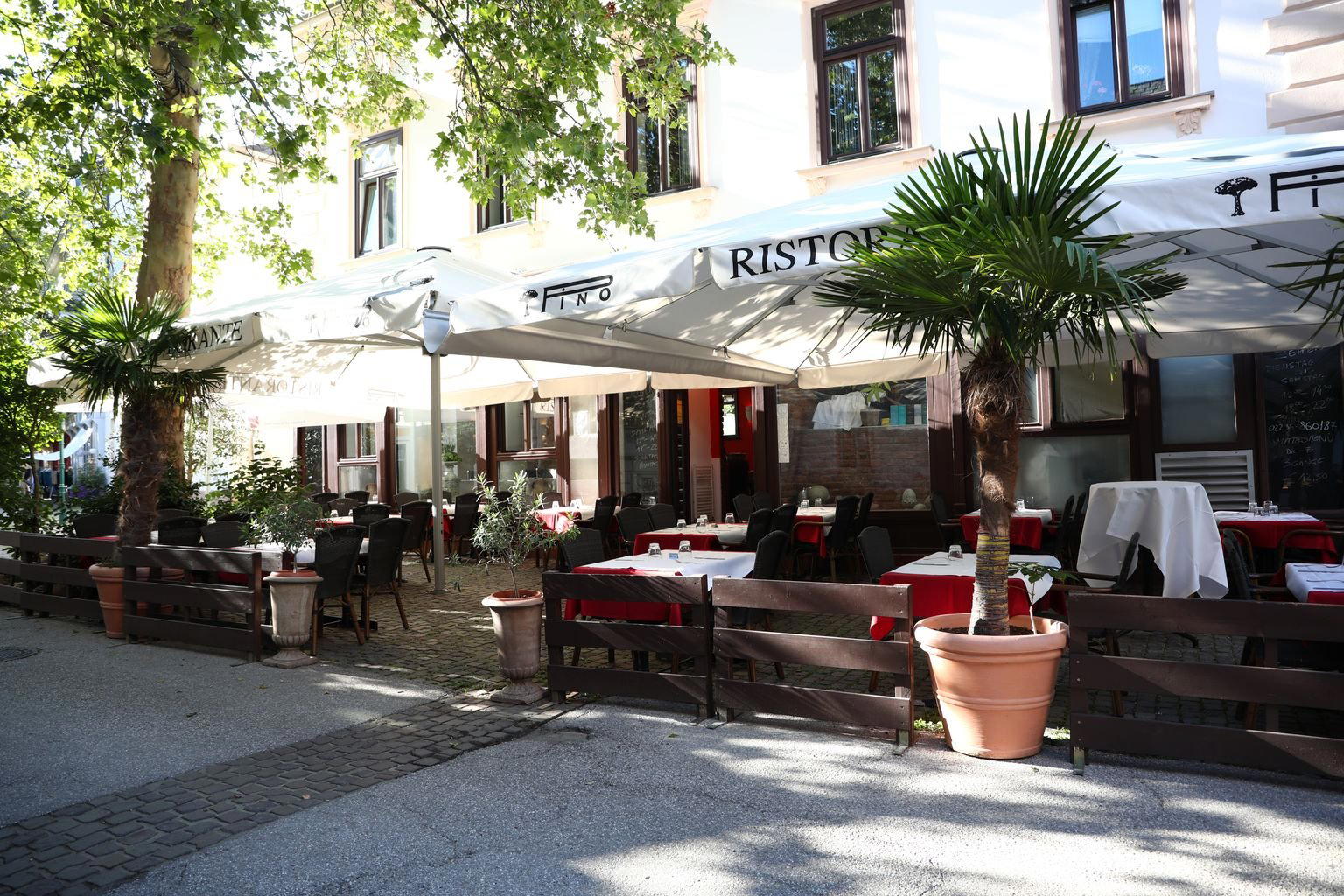
Mödling at the Table: A Town That Takes Eating Seriously
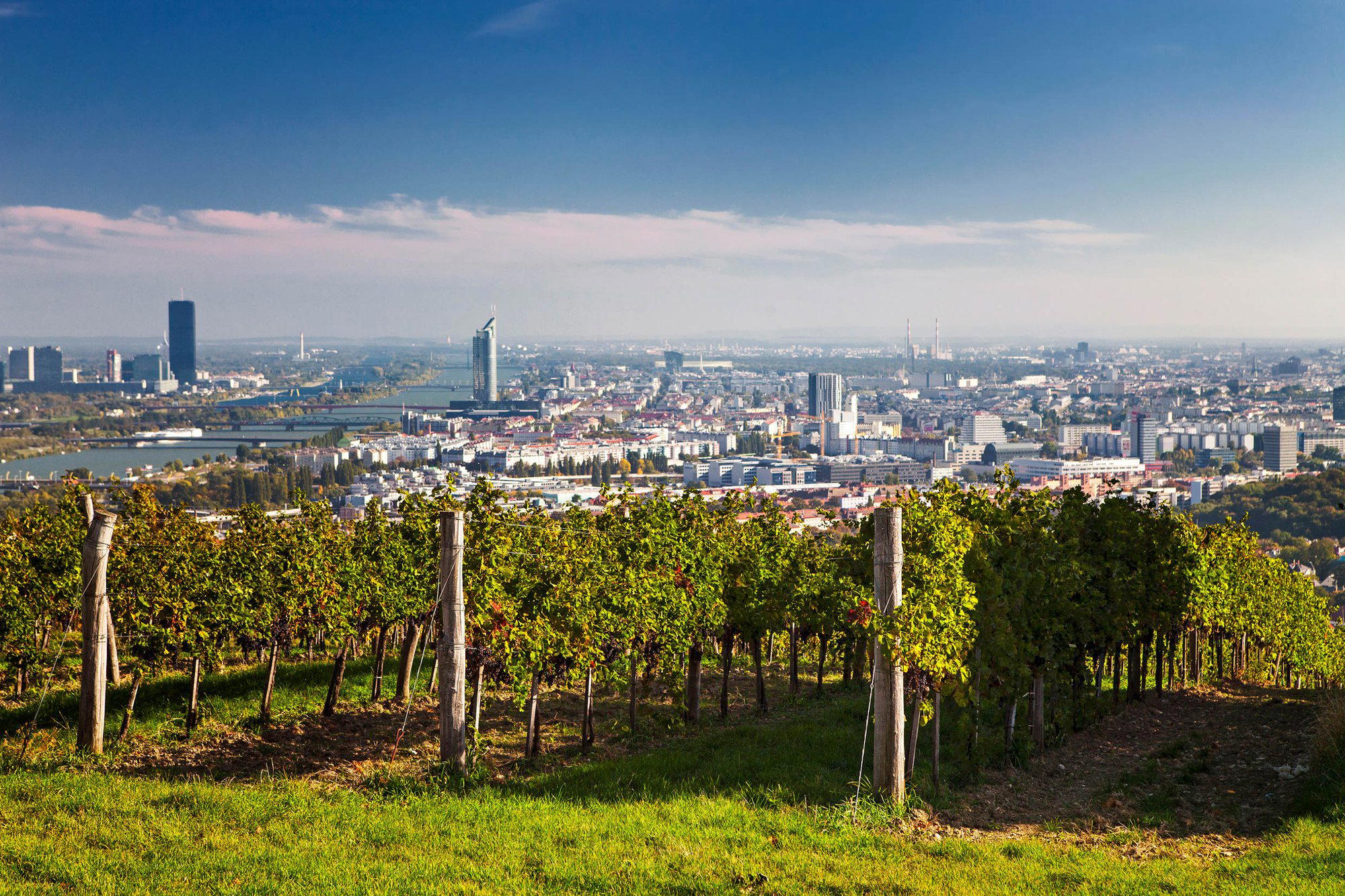
About 16 kilometres south of Vienna's Ring Road, Mödling sits in a corridor of Lower Austria that has long functioned as a quieter extension of the capital's cultural and culinary life. The Wienerwald rises to the west, the Helenental valley cuts through limestone to the south, and the town itself carries the architectural density of a place that has been continuously inhabited and continuously fed for centuries. Dining here is not an afterthought to a day trip from the city. For a significant portion of the population commuting into Vienna, Mödling is home, and the restaurants that serve them are held to the standards of people who eat well by habit, not occasion.
That context matters when placing Pino, located at Brühler Str. 6 in the town centre. Austrian provincial dining has a particular character that differs from both the grand Viennese institution and the rural Gasthof. It is more consistent than the latter and less theatrical than the former. The leading examples in this register serve food that is rooted in regional ingredient logic — the kind of cooking that has absorbed Austrian culinary tradition without performing it. Mödling has several restaurants operating at this level, and Pino sits among them as an address that locals return to rather than stumble upon.
Austrian Culinary Tradition and What It Means at This Scale
To understand what a restaurant like Pino represents, it helps to understand the cultural weight Austrian cuisine carries in Lower Austria specifically. This is not the simplified Schnitzel-and-Apfelstrudel shorthand that international visitors sometimes expect. The cooking tradition in this part of the country draws on centuries of Habsburg-era larder logic: game from the Wienerwald, freshwater fish from the Danube tributaries, root vegetables that store well through hard winters, and dairy from the Alpine margins. At finer tables across the region, these ingredients appear with varying degrees of technical ambition.
The Austrian restaurant hierarchy is well-documented at the high end. Steirereck im Stadtpark in Vienna occupies the pinnacle of creative Austrian cooking in the capital. Further afield, Döllerer in Golling an der Salzach has built its reputation on alpine ingredient sourcing taken to a precise technical level, while Landhaus Bacher in Mautern an der Donau represents the classic Austrian country house approach along the Danube. What these addresses share is a commitment to the regional larder as both starting point and finishing point — a philosophy that filters down through the broader dining culture of Lower Austria and shapes what serious restaurants at every price tier are expected to do.
Beyond Lower Austria, the country's appetite for technically rigorous regional cooking is evident in addresses like Obauer in Werfen, Kräuterreich by Vitus Winkler in Sankt Veit im Pongau, Ikarus in Salzburg, and alpine tables including Gourmetrestaurant Tannenhof in Sankt Anton am Arlberg, Griggeler Stuba in Lech, and Stüva in Ischgl. In Tyrol, Schwarzer Adler in Hall in Tirol and Restaurant 141 by Joachim Jaud in Mieming extend the same regional seriousness into different landscapes. In the Burgenland, Taubenkobel in Schützen am Gebirge offers a similarly grounded but wine-led version of this tradition. And in Upper Austria, Ois in Neufelden demonstrates how far regional ingredient logic can be pushed in a rural context. Pino operates in the same national conversation, at the neighbourhood scale that makes that conversation accessible without requiring a destination-restaurant commitment.
The Mödling Dining Scene and Where Pino Sits
Mödling's restaurant options have diversified considerably in recent years, tracking a broader pattern visible across prosperous commuter towns near major European capitals. As Vienna's dining scene has grown more competitive and more expensive, a portion of the serious dining audience has shifted its attention to addresses within 20 to 30 minutes by S-Bahn. The town now supports a range of formats beyond traditional Austrian: casita brings a different culinary register to the local mix, and Kochkiste represents the kind of format-specific dining concept that would have been unusual here a decade ago.
Within this context, Pino on Brühler Strasse represents a particular type of neighbourhood anchor. The address is specific enough to suggest a restaurant that has committed to its location rather than chasing footfall from the main pedestrian zone. This positioning is common in Austrian provincial dining: the restaurants that earn sustained local loyalty tend to occupy streets where rent logic allows for cooking that does not need to justify itself to tourist traffic.
Planning a Visit to Pino
Mödling is direct to reach from Vienna via the S-Bahn network, with the journey from Wien Meidling taking roughly 15 minutes on the S2 or S3 line. Brühler Strasse sits within walking distance of the main station, making the logistics uncomplicated for visitors coming from the capital. For those already in the southern Vienna suburbs or staying overnight in the region, Pino represents a local option that avoids the need to return to the city for dinner.
Given the limited publicly available data on current hours, booking method, and seasonal programming, confirming these details directly with the restaurant before visiting is advisable. This is standard practice for smaller Austrian restaurants, which frequently adjust schedules around local events, market availability, and private bookings. The town's dining rhythm follows a pattern common to Lower Austrian commuter communities: weekday evenings are quieter, weekends draw a broader mix of residents and day visitors from Vienna.
For readers building a broader picture of serious dining in the region, our full Mödling restaurants guide covers the current options with the context needed to match an address to an occasion. For comparison with dining at a very different scale, the ambition visible at Le Bernardin in New York City or Atomix in New York City illustrates how radically different the formal fine dining register is from the neighbourhood restaurant model that defines places like Pino.
Frequently asked questions
Is Pino okay with children?
Nothing in Pino's available details rules out families, and Mödling as a town has a settled, residential character that tends to favour relaxed dining formats rather than high-concept exclusivity. The address on Brühler Strasse places it in a neighbourhood rather than a tourist strip, which generally signals a more forgiving room.
What's the overall feel of Pino?
Pino sits on Brühler Strasse in Mödling, a prosperous commuter town that functions as a quieter extension of Vienna's southern orbit. The surrounding area has a settled, unhurried quality — closer to a local institution than a destination-dining concept.
Is Pino a good option for dinner before or after a day trip from Vienna?
Mödling is around 15 minutes from Wien Meidling on the S2 or S3 S-Bahn line, making Pino on Brühler Strasse a practical stop for visitors coming from the city. The town itself has a dining scene that has diversified in recent years, tracking growth visible across prosperous Lower Austrian commuter towns. Confirmed opening hours are not currently on record, so checking times in advance is advisable before building a visit around dinner here.
A Pricing-First Comparison
Comparable venues nearby, for context on price, style, and recognition.
| Venue | Cuisine | Price | Notes |
|---|---|---|---|
| PinoThis venue — the venue you are viewing | Italian Pizza and Pasta | $20–30 | Not listed |
| casita | Spanish Tapas | $20–30 | heart of Mödling, Spanish Tapas |
| Kochkiste | Organic Vegetarian & Vegan Bistro | Not listed | Mödling, Organic Vegetarian & Vegan Bistro |
| La Spiga | Neapolitan Pizza | $20–30 | Josefstadt, Neapolitan Pizza |
| Monte Rosa | Sardinian & Italian Trattoria | $20–30 | Gersthof, Sardinian & Italian Trattoria |
| Jamie's Italian | Italian Trattoria | $20–30 | Vienna Airport, Italian Trattoria |
Continue exploring
More in Modling
Restaurants in Modling
Browse all →![[aend] restaurant in Vienna](https://cdn.enprimeurclub.com/storage/v1/object/public/images/locations/recsVyRkMfzCxPmp0/hero2.jpg?width=3840&quality=75)
Bars in Modling
Browse all →
Hotels in Modling
Browse all →
Details
- Cozy
- Classic
- Date Night
- Family
- Casual Hangout
- Garden
- Garden
- A La Carte
- Vegetarian Friendly
Current opening hours
- Monday
- Closed
- Tuesday
- 12–2:30 PM, 6–10 PM
- Wednesday
- 12–2:30 PM, 6–10 PM
- Thursday
- 12–2:30 PM, 6–10 PM
- Friday
- 12–2:30 PM, 6–10 PM
- Saturday
- 12–2:30 PM, 6–10 PM
- Sunday
- Closed
Hours can change for holidays and private events. Last verified .
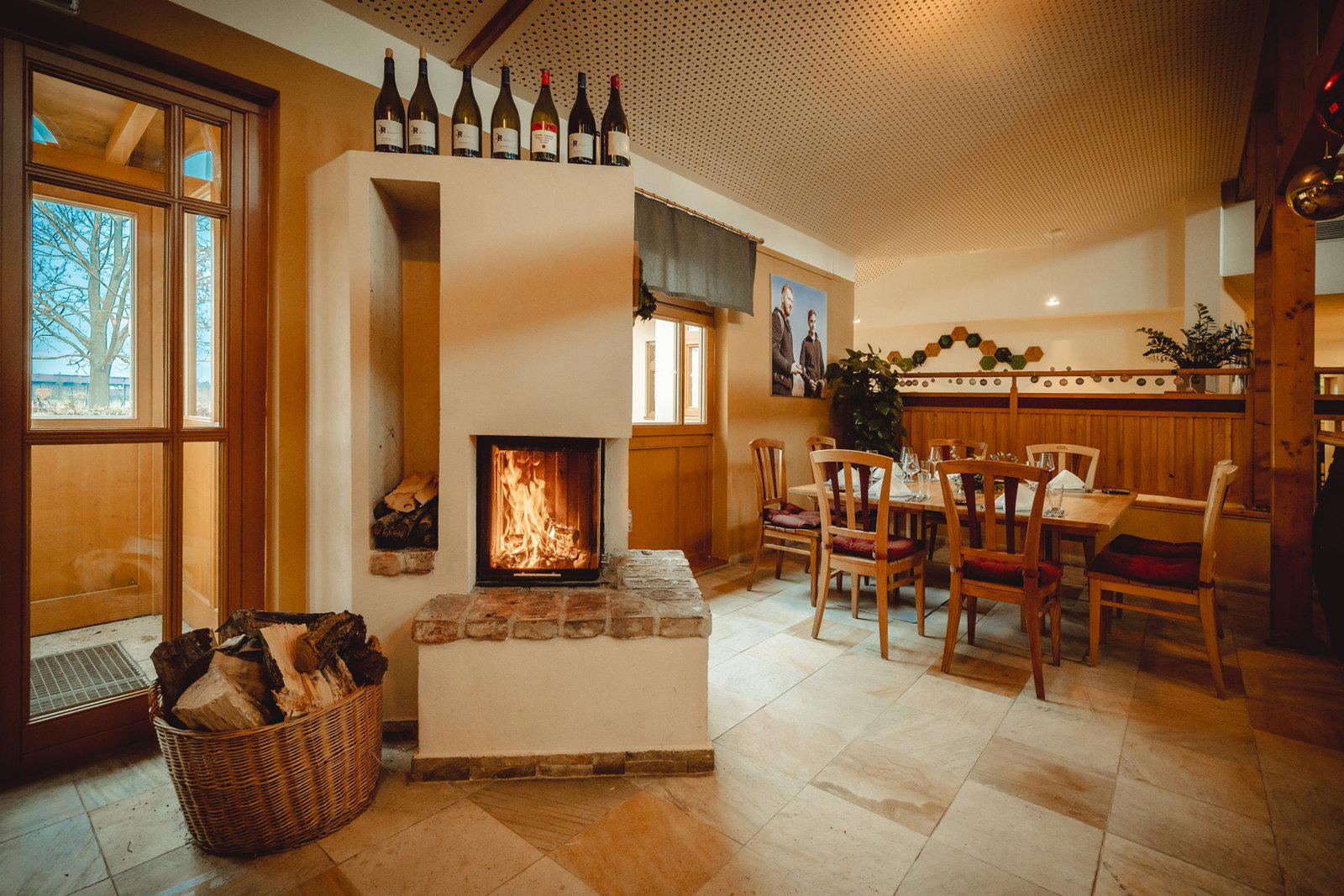
Warm and friendly Italian atmosphere with bustling energy when busy.