Pig and Butcher

Michelin Plate
Our verdict
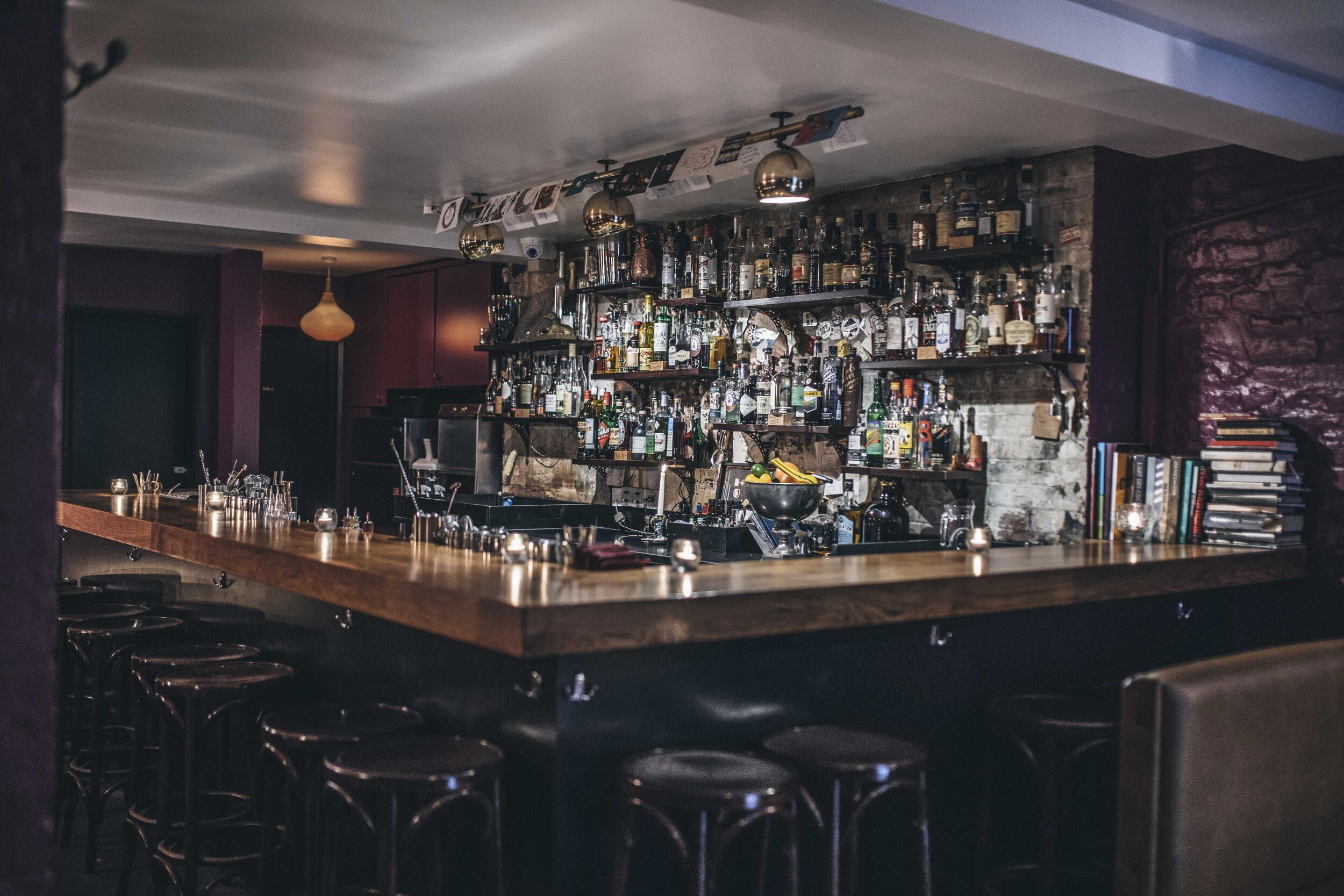
A mid-19th-century Islington pub holding a 2025 Michelin Plate, Pig and Butcher operates its own in-house butchery to supply the kitchen with traceable British breeds, Aberdeen Angus, Sutton Hoo chicken, alongside a seasonal menu rooted in provenance. The beef dripping with bread and braised short rib have become the benchmarks of a format that sits between serious gastropub and neighbourhood dining room.

Pearl is the En Primeur Club membership app, where members save venues, book tables and use the concierge.
A Butcher's Counter Inside a Victorian Pub
London's Modern British dining spectrum runs from three-Michelin-star townhouses CORE by Clare Smyth, The Ritz Restaurant, to the gastropub tier, where the kitchen's ambition can match anything above it on the price ladder. Pig and Butcher, at 80 Liverpool Road in Islington, occupies that second tier with unusual conviction. The pub dates to the mid-19th century, a period when the surrounding streets between the City and the agricultural north were still active in the live-cattle trade. The name is not decorative: in-house butchery is the operational foundation of the kitchen, not a marketing addendum.
The Michelin Plate awarded in 2025 positions it inside a recognisable cohort of London addresses where sourcing discipline and technique have displaced gastro-kitsch as the dominant register. It shares a competitive frame with venues like Dorian and Ormer Mayfair, though its price point, £££ at most, often less, makes it accessible in a way that Michelin-adjacent restaurants in Mayfair or Chelsea rarely are.
The Meat Programme as Editorial Statement
The decision to butcher on-site sets a particular tempo for how produce moves from supplier to plate. Traceable British breeds, Aberdeen Angus beef and Sutton Hoo chicken among them, arrive whole, and the kitchen determines the cuts. That model gives the menu a shape dictated by the animal rather than by what the wholesale market is moving that week. It aligns Pig and Butcher with a broader shift in Modern British cooking, visible at destinations like Moor Hall in Aughton and L'Enclume in Cartmel, where provenance specificity has moved from talking point to structural principle.
Results are consistent with that philosophy. The beef dripping, served alongside bread as an opening gesture, functions as a statement of intent rather than a simple appetiser: the rendered fat carries the flavour density of the animal that produced it. The braised short rib follows the same logic, a slow-cooked cut that rewards the whole-animal commitment rather than defaulting to the premium primal cuts that dominate less considered menus. These are dishes that would not exist without the butchery operation upstream.
Lunch and Dinner: Two Distinct Registers
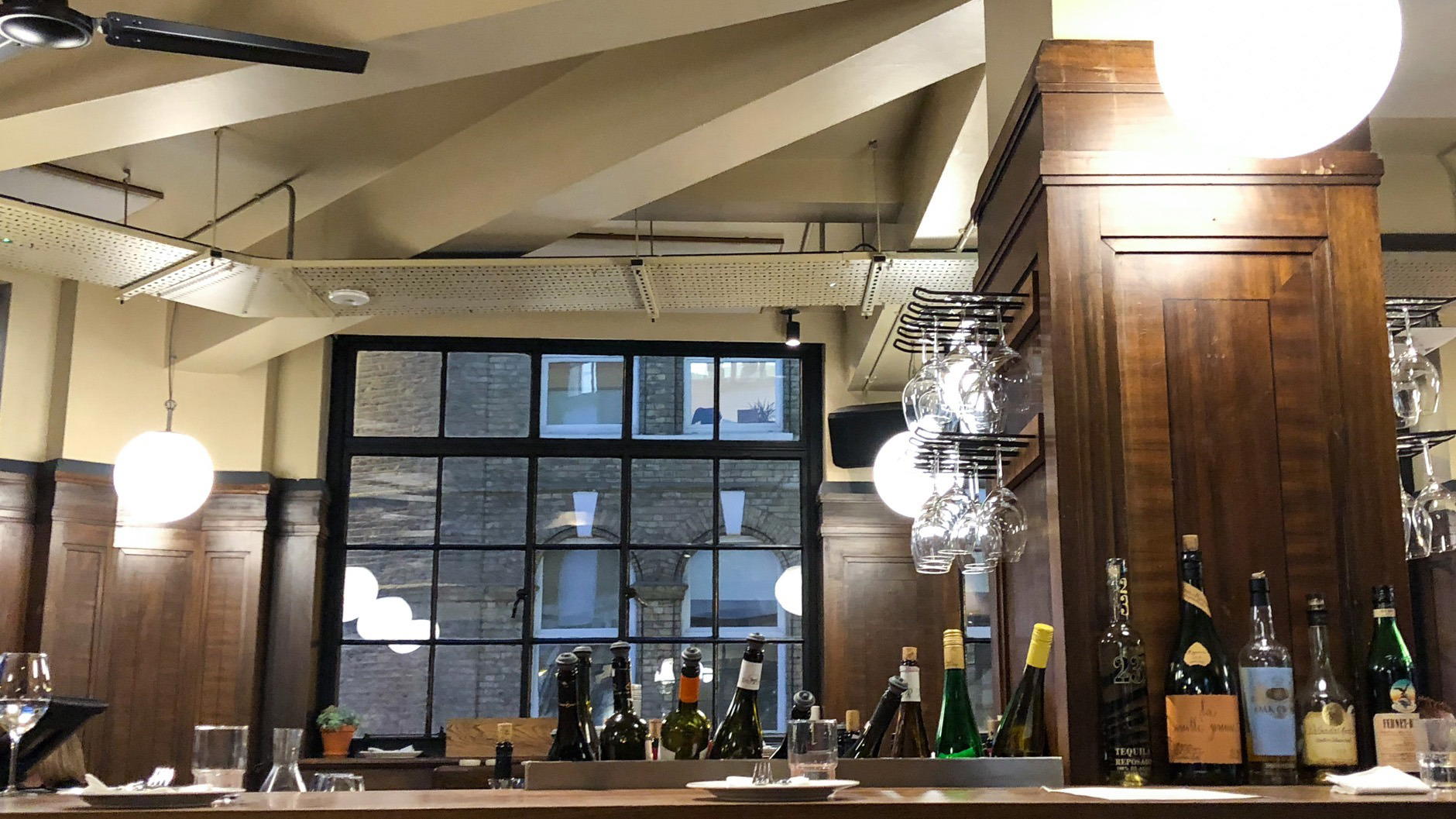
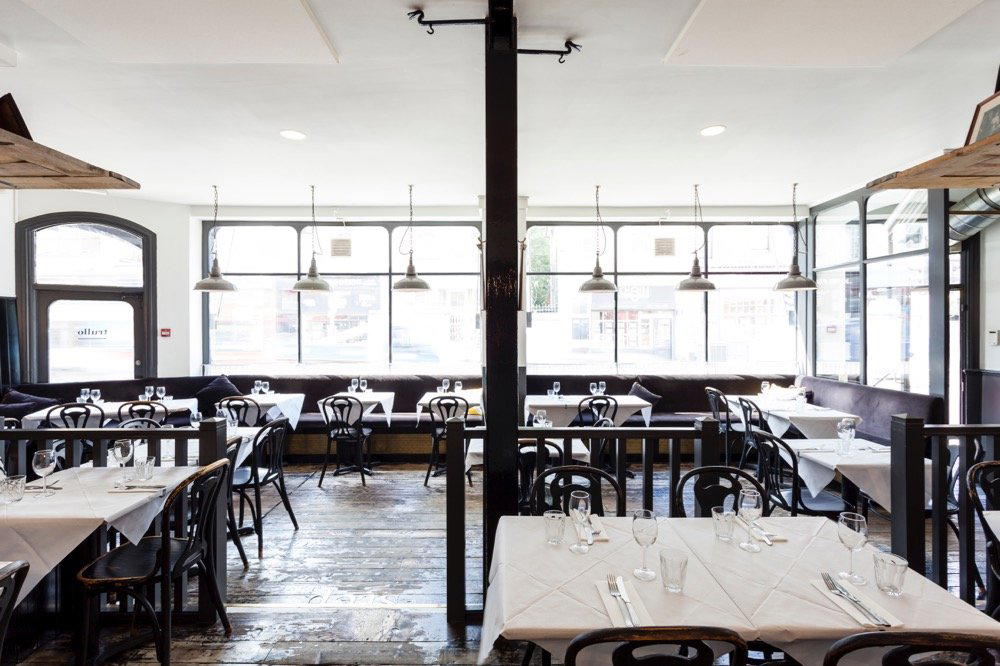
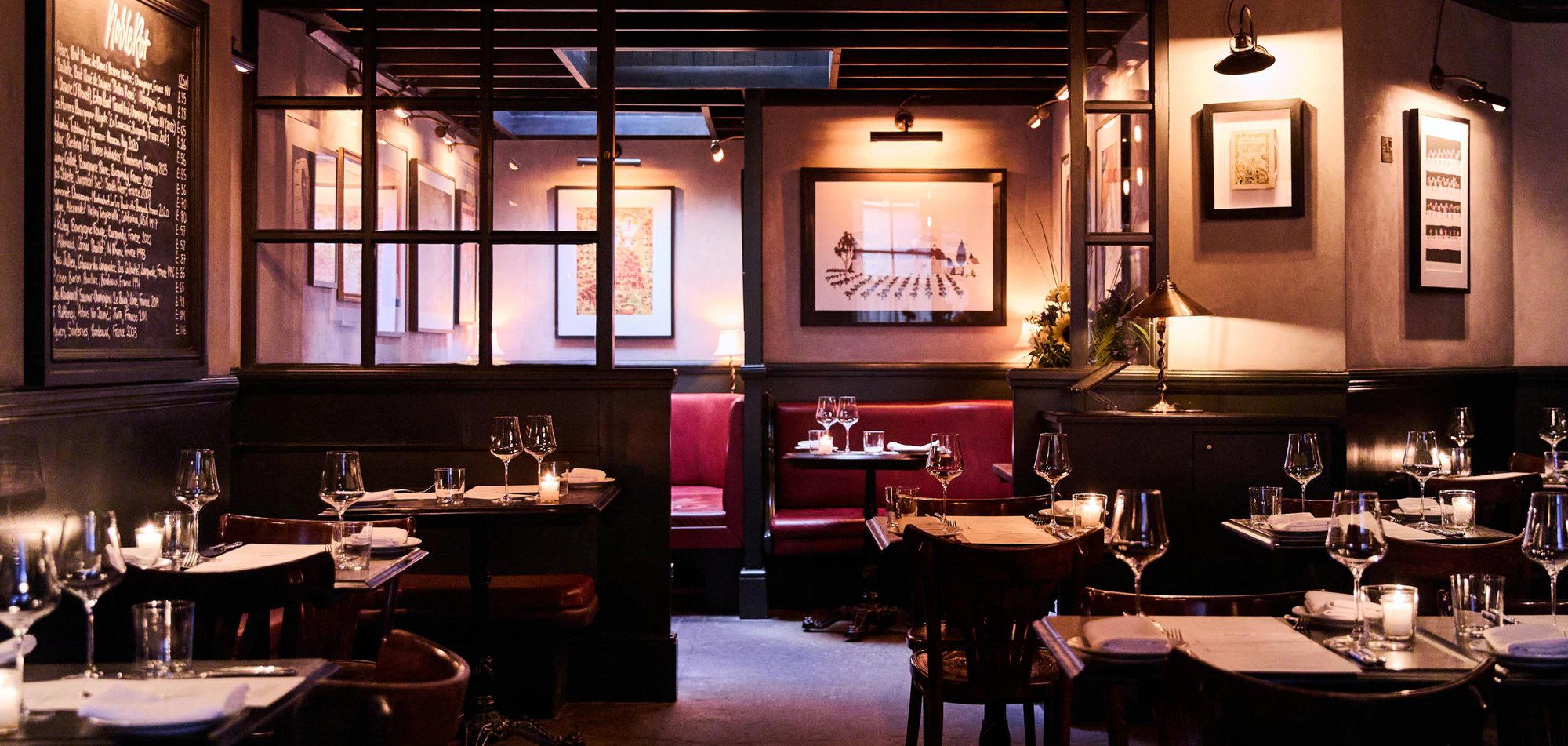
EA-GN-18 frame matters here because the experience at Pig and Butcher divides meaningfully across dayparts. London gastropubs in this tier often treat lunch as a relaxed, lower-stakes service: fewer covers, shorter menus, lighter mood. Pig and Butcher follows that pattern. The Victorian room, exposed brick, worn timber, the ambient noise of a working neighbourhood pub, operates at lower intensity in the afternoon, and the price-to-quality ratio at lunch places it among the more considered daytime propositions in N1.
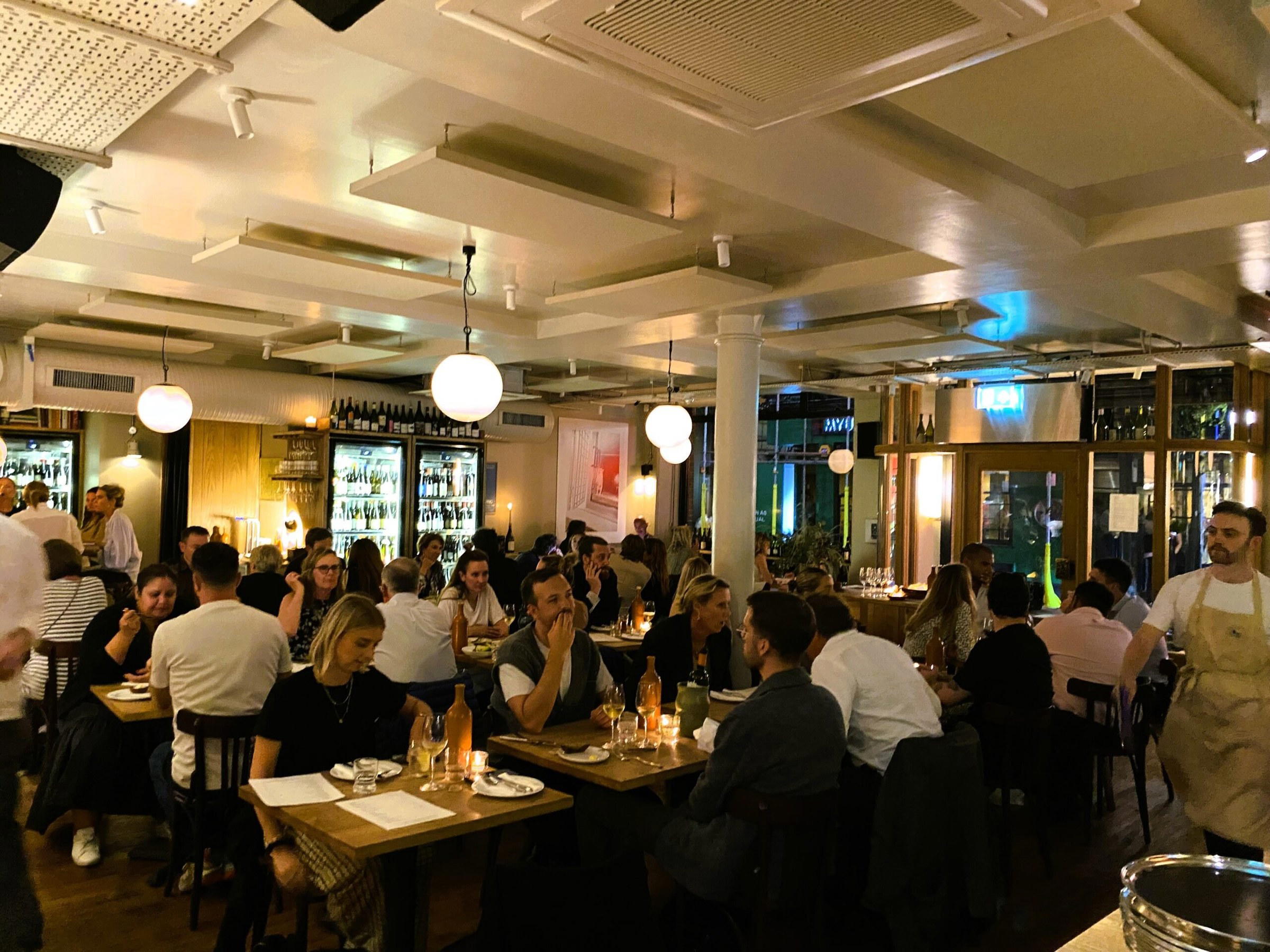
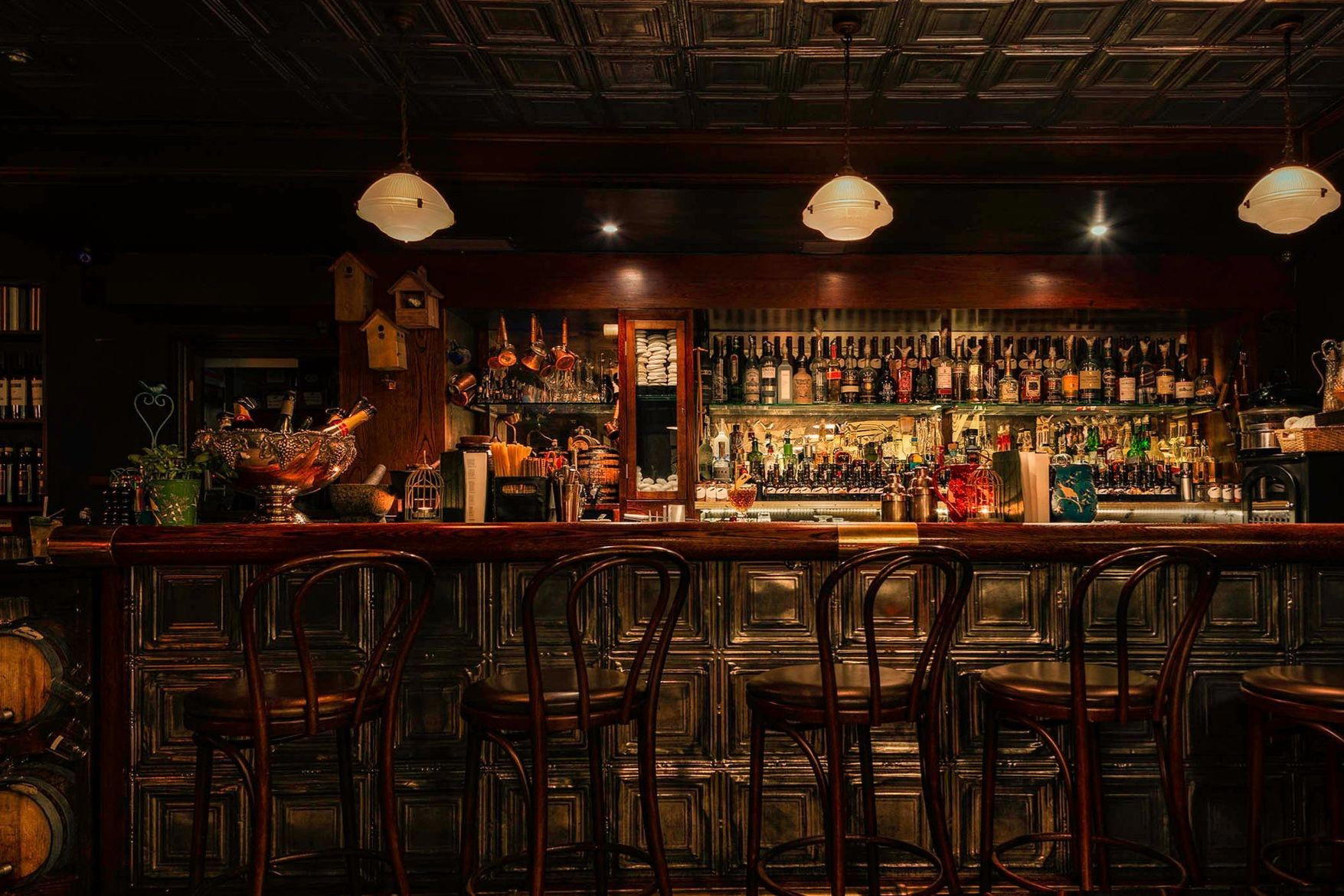
Evening service shifts the register. The dining room fills, the bar trade increases, and the atmosphere the Michelin assessors reference, lively, mixed between drinkers and diners, becomes the dominant condition. That mix is a structural feature of the British pub format and works in Pig and Butcher's favour: the room never tips into the silent formality that can flatten Michelin-adjacent restaurants at the £££ tier. For context, an evening at Cornus or a similarly positioned London address reads as a considerably more composed and restrained occasion. Pig and Butcher retains the social grain of a pub while operating a kitchen that punches above that bracket.
The practical implication: those prioritising value and a quieter room should book lunch; those after the full atmospheric proposition should plan for dinner, accepting that the room will be noisier and bookings harder to secure.
Seasonal and British: The Two Governing Principles
The kitchen's stated priorities, seasonal and British, are among the most common credentials in the gastropub tier, but they mean different things depending on how they are implemented. At Pig and Butcher, they operate as sourcing constraints rather than aspirational language. The menu changes in response to what British suppliers can offer at a given point in the year, and the breed specificity (Aberdeen Angus, Sutton Hoo chicken) gives that seasonality a particular texture: it is animal-led and regional, not just a rotation of whatever the season's prestige vegetables are.
The Hand and Flowers in Marlow is the most cited precedent for this model: a pub that holds serious culinary recognition without abandoning its character as a pub. Pig and Butcher occupies that same conceptual position within London, and at the ££ price range it does so with less financial barrier than almost any comparable address.
The regional dimension also extends to the broader Modern British conversation. Addresses like hide and fox in Saltwood and Ben Wilkinson at The Pass in Horsham demonstrate that this provenance-led approach is not metropolitan in origin, it circulates across the country's serious kitchens. For visitors building a picture of the current state of Modern British, Pig and Butcher is a useful data point in the urban, neighbourhood-pub expression of that tradition.
Planning Your Visit
| Venue | Price Range | Recognition | Format |
|---|---|---|---|
| Pig and Butcher | ££ | Michelin Plate 2025 | Victorian gastropub, in-house butchery |
| Dorian | £££ | Michelin-listed | Neighbourhood restaurant |
| Hand and Flowers, Marlow | £££ | Two Michelin Stars | Pub dining room |
| CORE by Clare Smyth | ££££ | Three Michelin Stars | Fine dining |
| The Fat Duck, Bray | ££££ | Three Michelin Stars | Tasting menu |
Pig and Butcher is at 80 Liverpool Road, London N1 0QD. The address is a short walk from Angel Underground station (Northern line). For broader planning, see our full London restaurants guide, our full London hotels guide, our full London bars guide, our full London wineries guide, and our full London experiences guide.
Frequently asked questions
Does Pig and Butcher have a Michelin star or similar recognition?
Pig and Butcher has received recognition including: In-house butchered meats reign supreme at this rustic, mid-19th Century pub, which is filled with diners and drinkers alike, all contributing to the lively atmosphere. 'Seasonal' and 'British' are the guiding principles behind produce rangi….
What cuisine category does Pig and Butcher fall under?
What should I eat at Pig and Butcher?
Start with the beef dripping and bread, it is the opening reference point for everything the kitchen does with British produce. From there, the braised short rib carries the most editorial weight among the mains, and the broader menu is anchored by traceable British breeds including Aberdeen Angus beef and Sutton Hoo chicken. The in-house butchery operation, which earned the pub a Michelin Plate in 2025, means the meat cookery is where the kitchen's credentials are clearest.
What's the pricing like at Pig and Butcher?
Pricing at Pig and Butcher is listed as ££.
Where is Pig and Butcher in London?
Pig and Butcher is located at 80 Liverpool Rd, London N1 0QD, United Kingdom, London.
How far ahead should I plan for Pig and Butcher?
Booking a few days ahead for midweek visits is sensible; weekend tables at this level of recognition tend to fill faster. Walk-ins at the bar remain an option for drinkers, but dining without a reservation is a gamble on a Friday or Saturday.
What's Pig and Butcher best at?
The in-house butchery is the defining credential: at the ££ price range on Liverpool Road N1, few London addresses combine this level of sourcing rigour, Aberdeen Angus, Sutton Hoo chicken, with a Victorian pub setting and a Michelin Plate (2025). The pub works equally well as a drinking room and a dining destination, which is rarer than it sounds at this standard of kitchen.
Credentials Lens
| Venue | Cuisine | Price | Awards | Notes |
|---|---|---|---|---|
| Pig and ButcherThis venue (the venue you are viewing) | British Gastropub | $50–100 | Michelin Plate | Not listed |
| The Ledbury | Modern British Fine Dining | $300–500 | 3 Michelin Stars · World's 50 Best #42 | Modern European, Modern Cuisine |
| Sketch, The Lecture Room and Library | Modern French Fine Dining | $200–300 | 3 Michelin Stars · World's 50 Best #18 | Modern French |
| CORE by Clare Smyth | Modern British Fine Dining | $150–200 | 3 Michelin Stars · World's 50 Best #97 | Modern British |
| Restaurant Gordon Ramsay | French Fine Dining | $200–300 | 3 Michelin Stars · World's 50 Best #13 | Contemporary European, French |
| Dinner by Heston Blumenthal | Historic British Fine Dining | $200–300 | 2 Michelin Stars · World's 50 Best #45 | Modern British, Traditional British |
Recognition history
Dated appearances from independent guides and award organizations, with the underlying list record or original source where available.
Michelin Plate
Michelin
Full recognition history (3 entries)
Michelin Plate
Michelin
Michelin Plate
Michelin