Silver Birch


Michelin Plate · The Good Food Guide GFG Good
Our verdict
On a Chiswick High Street dominated by chains, Silver Birch operates at a standard that the surrounding postcodes rarely see. Chef Nathan Cornwell, a four-year alumnus of The Barn at Moor Hall, brings serious technical credentials to a room that reads as a relaxed neighbourhood independent, holding a Michelin Plate in both 2024 and 2025. The pricing stays honest; the cooking does not.

Pearl is the En Primeur Club membership app, where members save venues, book tables and use the concierge.
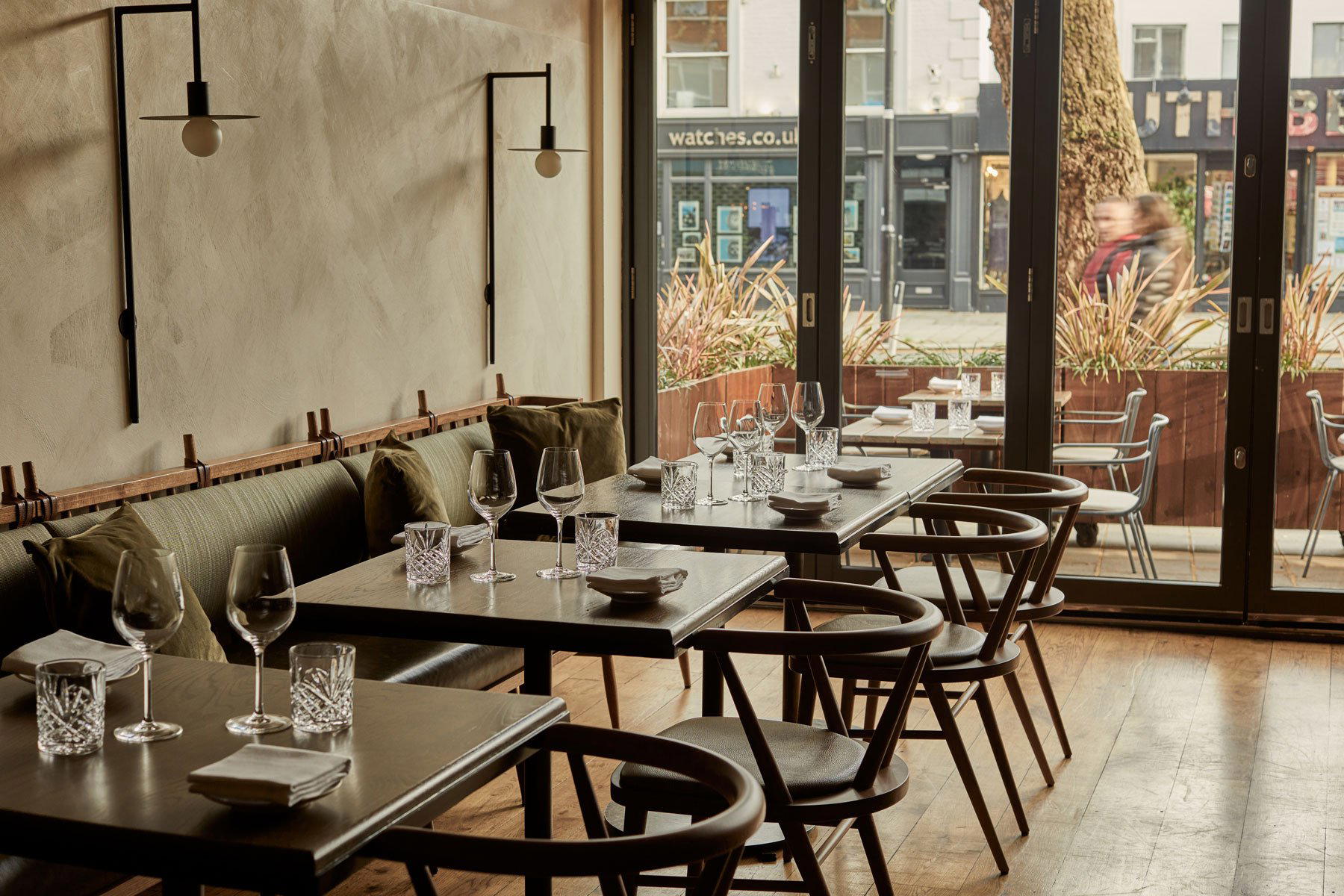
The High Street That Punches Above Its Postcode
West London's dining ecosystem has long concentrated its serious kitchens in Mayfair and Chelsea, leaving the outer neighbourhoods to neighbourhood staples and chain operators. Chiswick High Street fits that pattern almost completely, which is precisely what makes Silver Birch, at number 142, worth examining. From the outside, and even from a quick read of the room, there is almost nothing to signal that the cooking here operates at a level well above its surroundings. That gap between expectation and execution is the editorial fact that places Silver Birch in an interesting tier: technically accomplished Modern British at neighbourhood prices, in a neighbourhood not accustomed to either.
For context on what that tier looks like at the upper end, CORE by Clare Smyth and Cornus represent the ££££ ceiling of the Modern British register in London, while Dorian and Ormer Mayfair operate in the same mid-to-upper pricing band that Silver Birch sits beneath. Silver Birch's £££ positioning is not a compromise, it is a structural choice that shapes everything from plate count to wine list design. See our full London restaurants guide for the broader picture.
Room and Register: Industrial Calm on the High Street
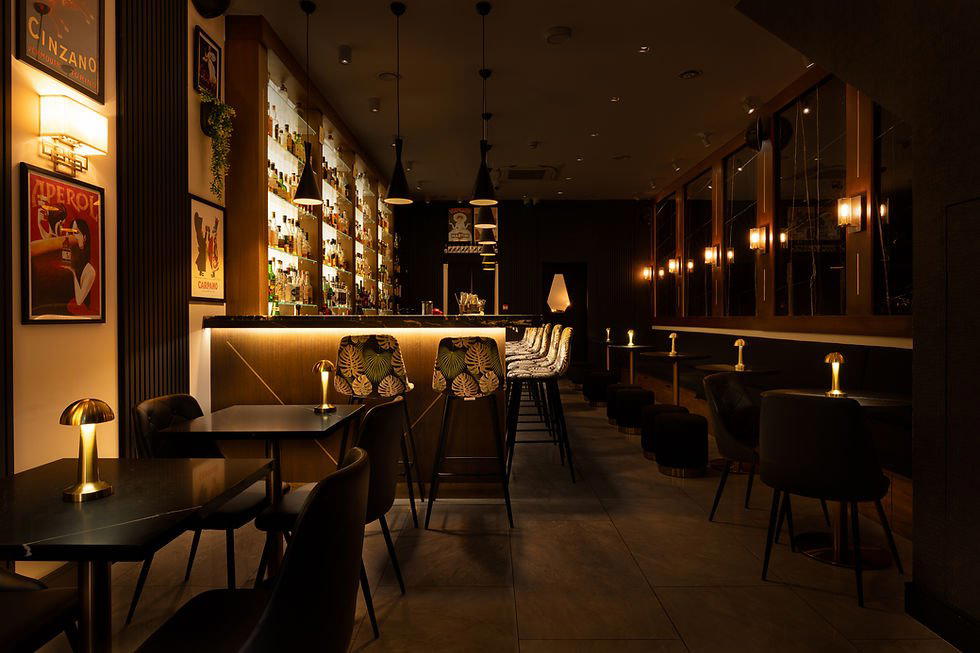
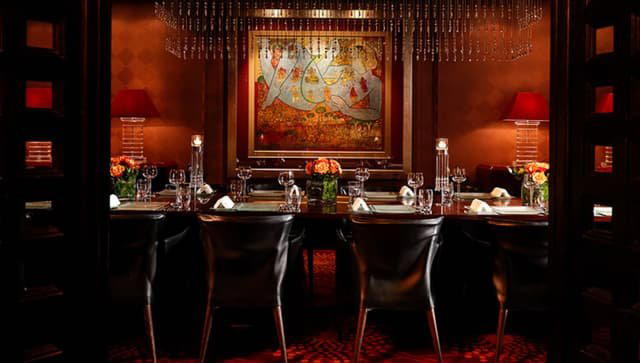
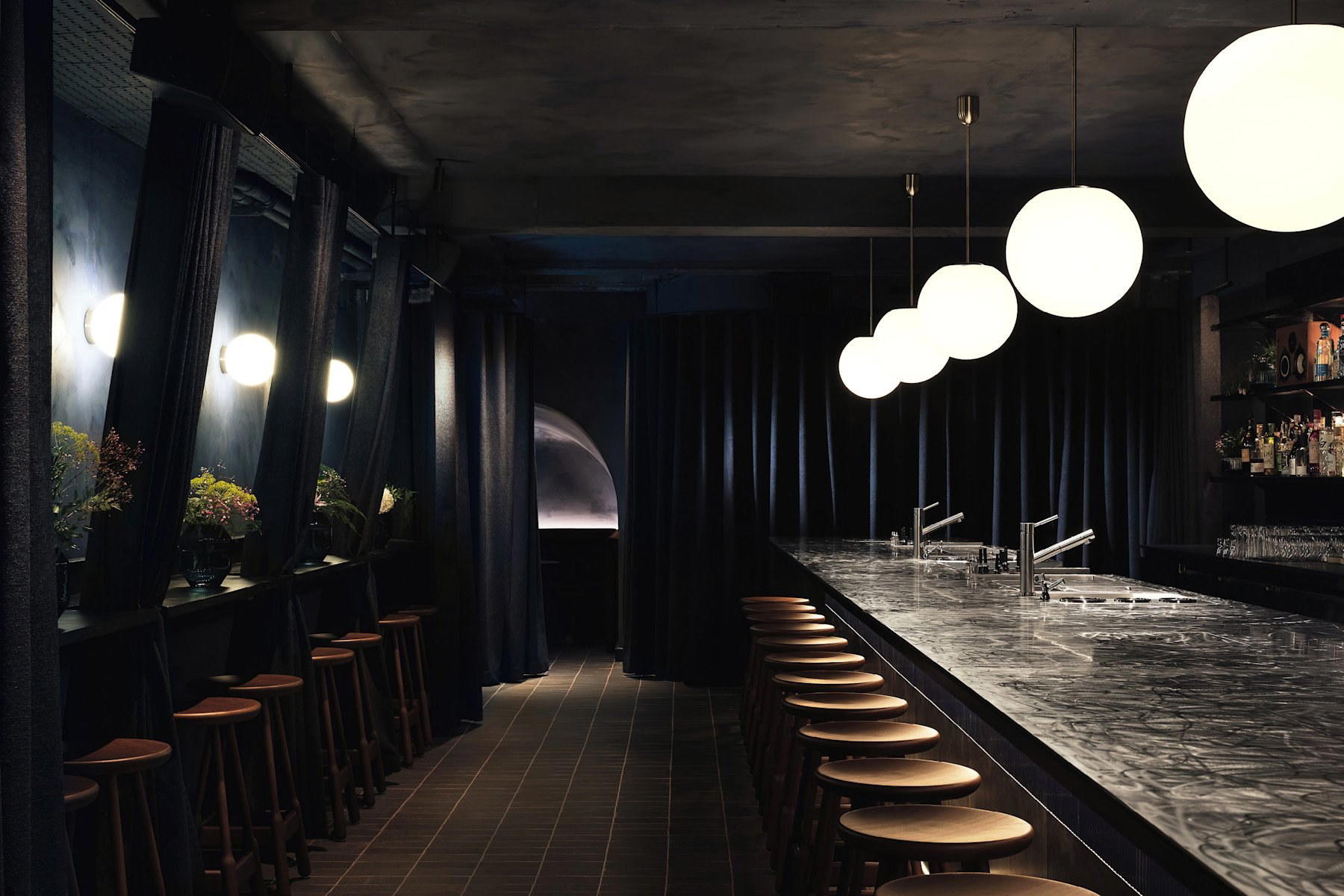
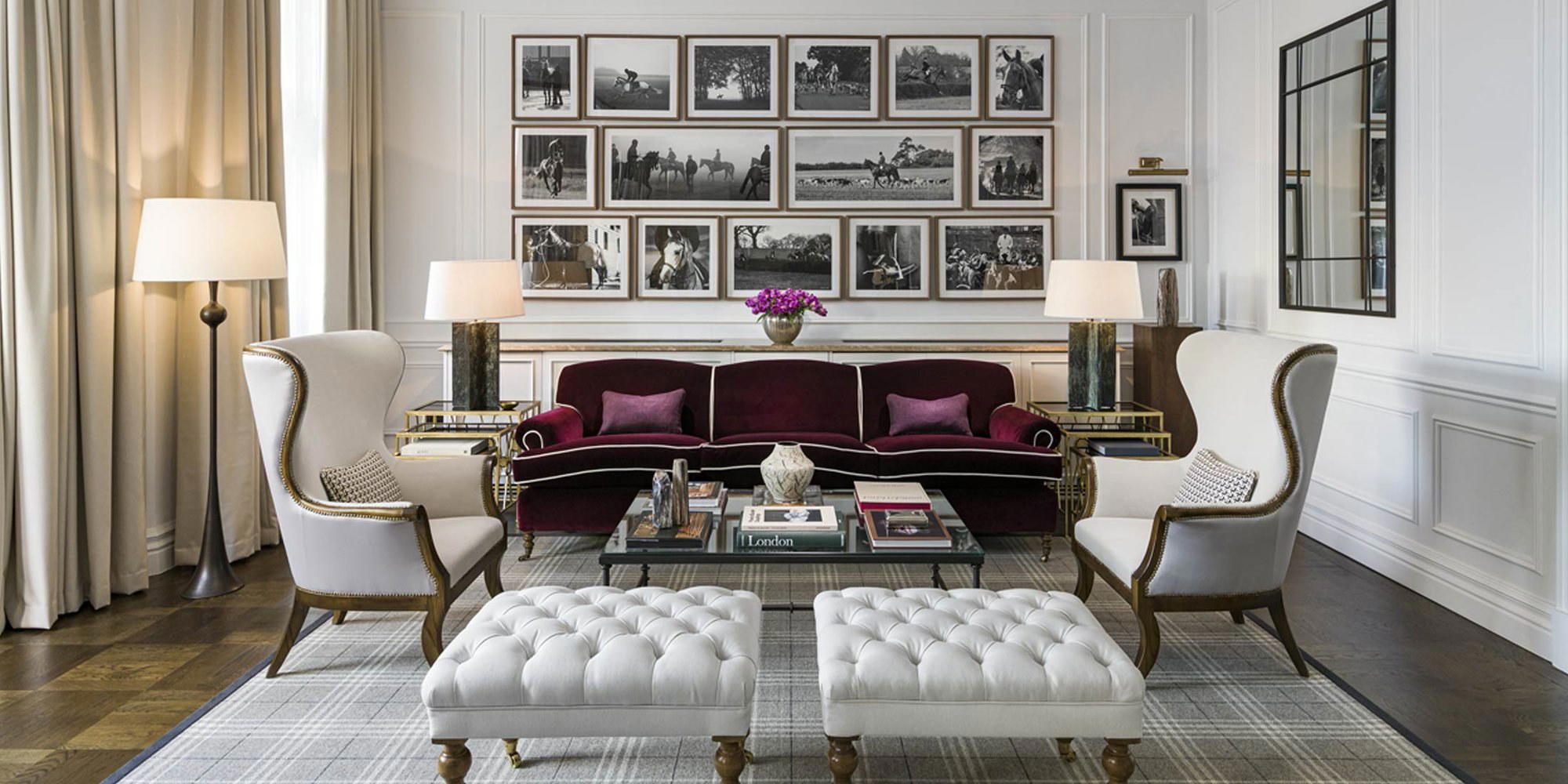
The room at Silver Birch makes no attempt to signal ambition. Part bare brick, part exposed ducting, with a glimpsed kitchen behind picture windows at the rear, the aesthetic lands somewhere between neighbourhood bistro and repurposed warehouse unit. Gentle jazzy pop plays at a volume that allows conversation. Staff are described across multiple reviews as friendly and matter-of-fact rather than formal or performative. The overall register is low-key by design, and it is worth understanding that this is a deliberate calibration rather than an oversight: the food is where the effort has been concentrated.
That calibration places Silver Birch in a recognisable Modern British subtype: technically serious cooking delivered without the ceremony that typically accompanies it at peer restaurants. The approach has precedent. Outside London, Hand and Flowers in Marlow and hide and fox in Saltwood work a similar register, real technique, without the starch of fine dining service. Ben Wilkinson at The Pass in Horsham is another point of comparison in this growing cohort of serious Modern British kitchens operating outside the expected postcode.
Provenance as the Organising Principle
Modern British cooking in its current iteration has largely coalesced around two organising ideas: provenance and seasonality. Silver Birch applies both with consistency. The menu signals its sourcing geography explicitly, cod from Shetland, scallops from the Isle of Mull, eel from Devon, tomatoes from the Isle of Wight, fruit from Lancashire. This is not decorative provenance labelling; it reflects the same sourcing logic applied at higher-priced addresses like L'Enclume in Cartmel and Gidleigh Park in Chagford, where the relationship between named supplier and plate is central to the kitchen's identity.
The menu length is described as sensible rather than expansive, which, in practice, means the kitchen is cooking what it can execute well rather than building a list designed to impress on paper. At this price point and in this format, that discipline is more useful to the diner than a broad menu that spreads kitchen attention thin.
The Cooking: Technique Behind the Low-Key Presentation
Chef Nathan Cornwell's trajectory is relevant here not as biography but as context for what the kitchen can produce. Four years at The Barn at Moor Hall in Aughton, one of the more technically demanding kitchens in the north of England, places the Silver Birch kitchen in a peer conversation with training lines that run through addresses like Le Manoir aux Quat' Saisons in Great Milton and The Fat Duck in Bray. The credential matters because it explains the distance between how the restaurant presents and what it actually delivers.
The meal structure follows an extended sequence: sourdough arrives first, made with what reviewers describe as a vividly green lovage butter. A series of small nibbles follows, crispy pork belly, crab mousse, marinated sea trout with roe, a blue cheese and Parmesan canapé, each constructed to deliver textural contrast and flavour intensity in a small format. This is the kind of opening sequence that requires a well-organised kitchen and a high degree of preparation discipline; it is not characteristic of a restaurant operating casually.
Among the starters, an ex-dairy beef tartare is noted for its directness, unadulterated in flavour rather than built around a complex sauce construction. A duck ragout served on turnip spaghetti with a dusting of crispy grated skin is the kind of dish that repays close attention: the technique is in the detail rather than in visual drama. Main courses include a pink-cooked lamb with baby girolles, wild garlic and crispy sweetbread, and a butter-poached plaice with a deconstructed tartare sauce, both fitting the broader Silver Birch approach of classical technique expressed through restrained plating.
Desserts reported by Michelin assessors include a brown-butter chocolate delice with milk sorbet and caramelised white chocolate, and a Victoria plum, brown sugar and ginger tartlet. Both signal a kitchen thinking about sweetness in terms of counterpoint and texture rather than volume.
Afternoon and the Ritual Updated
The extended nibble sequence that opens a Silver Birch meal occupies similar territory to what serious afternoon tea programmes do at the other end of the spectrum, at The Ritz Restaurant, for instance, the savoury and sweet progression is highly choreographed and service-driven. Silver Birch achieves a comparable sense of sequential tasting, but in an evening format and at a fraction of the ceremony. For diners interested in the structured, multi-element meal as a format, this is the relevant comparison: the succession of precisely made small plates functions as its own kind of tasting ritual, grounded in British sourcing and delivered without white-glove theatre.
The Wine List: Priced for the Room
The wine list is structured around accessibility: a broad selection by the glass and carafe, priced to match the £££ tier of the food rather than to maximise margin on bottle sales. This is a practical signal about the restaurant's intended relationship with its guests. A list built around glass and carafe options suggests a kitchen that wants wine to accompany the food rather than dominate the bill. The fit is deliberate. See our full London wineries guide for further context on the capital's wine scene, and our full London bars guide and our full London experiences guide for planning the broader visit. Our full London hotels guide covers accommodation across the city's price tiers.
Recognition and Positioning
Silver Birch holds a Michelin Plate for both 2024 and 2025, a signal that the guide's assessors consider the cooking worth attention, even if not at the starred level. The two data points together describe a kitchen operating with genuine consistency.
Within Chiswick specifically, the restaurant operates in a market dominated by chain restaurants, which means the comparison set in the immediate neighbourhood is not meaningful. The relevant peer conversation is with technically serious Modern British kitchens operating at the £££ tier across London, a smaller group than it might appear.
Planning Details
Silver Birch is located at 142 Chiswick High Road, London W4 1PU. Pricing sits at the £££ tier. Check current availability and hours directly with the restaurant before visiting.
Quick reference: 142 Chiswick High Rd, W4 1PU | £££ | Michelin Plate 2024 and 2025 | Modern British | Book directly with the restaurant.
Frequently asked questions
Is Silver Birch reservation-only?
Booking ahead is advisable, particularly for weekends. The restaurant is located at 142 Chiswick High Road, London W4 1PU.
At a Glance
| Venue | Cuisine | Price | Awards | Notes |
|---|---|---|---|---|
| Silver BirchThis venue (the venue you are viewing) | Modern British Fine Dining | $100–150 | Michelin Plate · The Good Food Guide GFG Good | Not listed |
| The Ledbury | Modern British Fine Dining | $300–500 | 3 Michelin Stars · World's 50 Best #42 | Modern European, Modern Cuisine |
| Sketch, The Lecture Room and Library | Modern French Fine Dining | $200–300 | 3 Michelin Stars · World's 50 Best #18 | Modern French |
| CORE by Clare Smyth | Modern British Fine Dining | $150–200 | 3 Michelin Stars · World's 50 Best #97 | Modern British |
| Restaurant Gordon Ramsay | French Fine Dining | $200–300 | 3 Michelin Stars · World's 50 Best #13 | Contemporary European, French |
| Dinner by Heston Blumenthal | Historic British Fine Dining | $200–300 | 2 Michelin Stars · World's 50 Best #45 | Modern British, Traditional British |
Recognition history
Dated appearances from independent guides and award organizations, with the underlying list record or original source where available.
Michelin Plate
Michelin
The Good Food Guide GFG Good
The Good Food Guide
Full recognition history (4 entries)
Michelin Plate
Michelin
Michelin Plate
Michelin
Continue exploring
More in London
Restaurants in London
All restaurants in London →
Bars in London
All bars in London →



Details
- Elegant
- Cozy
- Sophisticated
- Intimate
- Date Night
- Special Occasion
- Business Dinner
- Open Kitchen
- Extensive Wine List
- Local Sourcing
- Tasting Menu
- A La Carte
- Vegetarian Friendly
Current opening hours
- Monday
- Closed
- Tuesday
- 6–9 PM
- Wednesday
- 6–9 PM
- Thursday
- 12–2 PM, 6–9 PM
- Friday
- 12–2 PM, 6–9 PM
- Saturday
- 12–2 PM, 6–9 PM
- Sunday
- Closed
Hours can change for holidays and private events. Hours as of .
Warm, welcoming, and relaxed with calm atmosphere, plenty of space between tables, and understated elegant decor.