Petra sits at Stancija Kapetanova 3 in Vrsar, a small Istrian port town where the dining tradition runs on local seafood, olive oil, and a pace that resists seasonal pressure. The address places it among a cluster of independent restaurants drawing on the same coastal larder, positioning it as part of Vrsar's understated but serious food scene rather than the tourist-facing strip. Visitors planning a meal here should cross-reference our full Vrsar dining coverage before booking.
Pearl is the En Primeur Club membership app — saves, bookings, and concierge access live there. Same editors, same standards.
- Address
- Stancija Kapetanova 3, 52450, Vrsar, Croatia
- Phone
- +38598367519
- Website
- konoba-petra.com
- Directions
- Get directions
 Saves & bookings on Pearl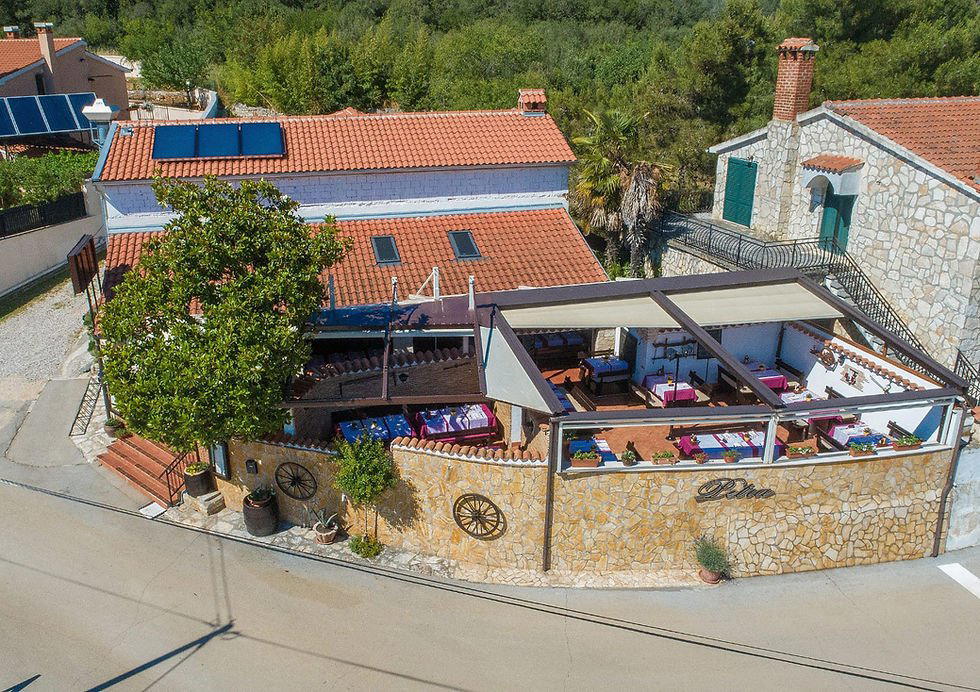
Stone, Sea Air, and the Istrian Table
Arriving in Vrsar from the coastal road, the town announces itself slowly: terracotta rooftops stacked on a low hill above the Adriatic, fishing boats moored below, and the kind of late-afternoon quiet that larger Istrian towns like Rovinj have largely traded away. The address at Stancija Kapetanova 3 places Petra in a part of Vrsar that operates at the town's own rhythm rather than the tourist marina's. That setting matters, because Istrian dining at its most considered is almost always rooted in a specific sense of place, where the sourcing geography and the physical environment reinforce each other.
Istria's culinary tradition occupies a distinct position within Croatian cooking. The peninsula sits at the intersection of Italian, Austro-Hungarian, and Slavic food cultures, and that layering is visible in the ingredients considered local here: white and black truffles from Motovun forest, olive oils pressing from Rovinj down to Pula that routinely outperform Italian competitors in blind tastings, Malvazija Istarska grown on the peninsula's red soils, and Adriatic fish that rarely needs to travel far before it reaches a plate. At the serious end of the Vrsar dining scene, these ingredients are the starting point rather than a decorative flourish.
Where Vrsar Sits in the Istrian Dining Picture
Istria has attracted considerable critical attention over the past decade, driven in part by Michelin's expansion into Croatia and the consequent positioning of restaurants like Agli Amici Rovinj in Rovinj at the high end of the regional conversation. The county's dining credibility now extends well beyond Pula and Rovinj, with smaller coastal towns contributing their own independent operators working the same larder with different approaches. Vrsar, quieter and less visited than its neighbours, fits that pattern: a town where a handful of independent restaurants serve the same peninsula's produce without the pricing pressure or volume expectations of a higher-profile address.
Within Vrsar itself, the serious dining options cluster around a small peer group. Orlandin and Restaurant La Rosa anchor the local scene alongside Petra, and the distinctions between them are worth considering before committing to a reservation. What connects them is the shared geography of sourcing: proximity to the sea, access to the same Istrian inland producers, and a dining public that includes both well-travelled Italians crossing from Trieste and a growing cohort of visitors specifically seeking out the quieter end of the Istrian coast.
The Istrian Table: What the Cuisine Actually Means
The cuisine operating in this part of Croatia draws on traditions that predate modern national borders. Istria was Venetian for centuries, then Habsburg, and the food reflects that accumulated complexity without being a museum piece. Pasta shapes here reference Venetian forms; the use of olive oil over lard or butter traces Italian rather than continental Central European influence; but the ingredients themselves, particularly the truffles, the wild asparagus in spring, and the small oily fish of the Kvarner and northern Adriatic, are specific to this peninsula and coastline.
That specificity is what separates the stronger Istrian restaurants from tourist-facing operations running generic Adriatic seafood menus. At the more considered end of the local dining tier, seasonal timing matters: spring brings wild asparagus and early sea bass; summer pushes toward lighter preparations and stronger examples from the Adriatic shellfish; autumn is truffle season, and Istrian restaurants that take their sourcing seriously adjust their menus accordingly. A meal at a venue like Petra in October operates in a different register than the same table in July, and visitors who plan around that seasonal logic tend to eat more interestingly.
For context on how that Istrian tradition plays out at the highest level of the Croatian dining circuit, Pelegrini in Sibenik and Restaurant 360 in Dubrovnik represent the formal fine-dining end of modern Croatian cooking, where international technique is layered onto local sourcing. The gap between that tier and Vrsar's quieter independent scene is partly about scale and investment, partly about ambition, and partly about what kind of meal the setting makes possible. Smaller coastal towns tend to produce more ingredient-forward cooking precisely because the theatre of formal service is harder to sustain without a larger audience.
Croatia's serious dining scene extends beyond the coast. Dubravkin Put in Zagreb, Krug in Split, Nebo by Deni Srdoč in Rijeka, and Boskinac in Novalja each occupy distinct positions in the national dining conversation, and together they illustrate how Croatian cooking has moved away from a single regional model toward a more differentiated set of approaches. Alfred Keller in Mali Losinj, LD Restaurant in Korčula, Korak in Jastrebarsko, BioMania Bistro Bol in Bol, Bodulo in Pag, and Burin in Crikvenica round out a circuit of independent addresses operating across the country's coastal and inland geography. At the international reference point, Le Bernardin in New York City and Atomix in New York City offer a benchmark for where technique-driven seafood and tasting-menu formats are operating globally, which provides useful calibration for understanding where Croatian cooking sits within the wider conversation.
Planning a Visit to Petra
Vrsar is most accessible by car from Poreč to the north, roughly 10 kilometres along the coastal road, or from Rovinj to the south. The town is small enough that arriving without a reservation in peak summer season carries real risk at any address worth eating at, and Petra's position at Stancija Kapetanova 3 places it slightly away from the immediate waterfront, which means it draws a more deliberate rather than walk-in crowd. The shoulder seasons, May to early June and September to October, give the leading combination of Istrian seasonal produce and manageable visitor numbers. Autumn in particular, when truffle season runs through Motovun and the surrounding forest, is the moment when Istrian cooking at every price tier shows what the peninsula's larder can actually do.
Pricing, Compared
Comparable venues nearby, for context on price, style, and recognition.
| Venue | Cuisine | Price |
|---|---|---|
| PetraThis venue — the venue you are viewing | Not listed | $$$ |
| Restaurant La Rosa | Vrsar, Istrian-Italian Pizza and Seafood | $$ |
| Orlandin | Montraker, Seafood Grill | $$ |
| Laurel & Berry Restaurant | Rovinj, Istrian-Mediterranean Fusion | $$$ |
| Gina | Stoja, Traditional Istrian | $$$ |
| Restoran Bruno | Bašanija, Traditional Adriatic Seafood | $$$ |
Continue exploring
More in Vrsar
Restaurants in Vrsar
Browse all →
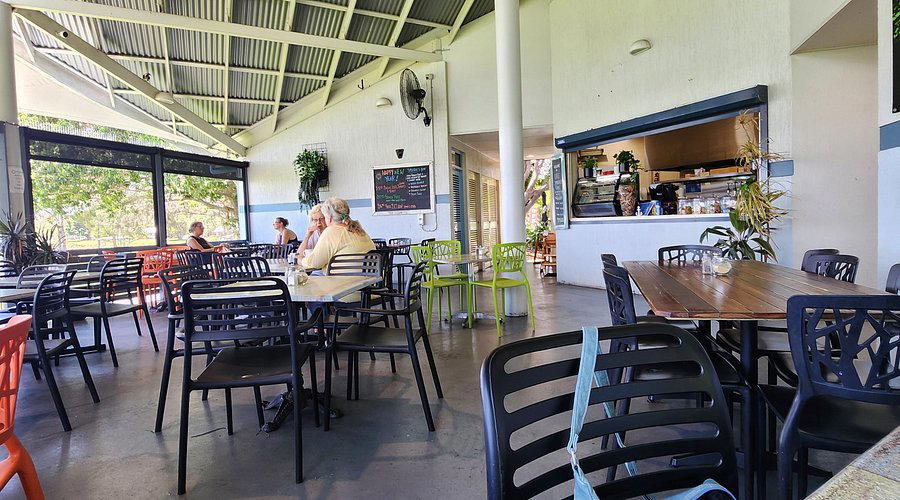
Bars in Vrsar
Browse all →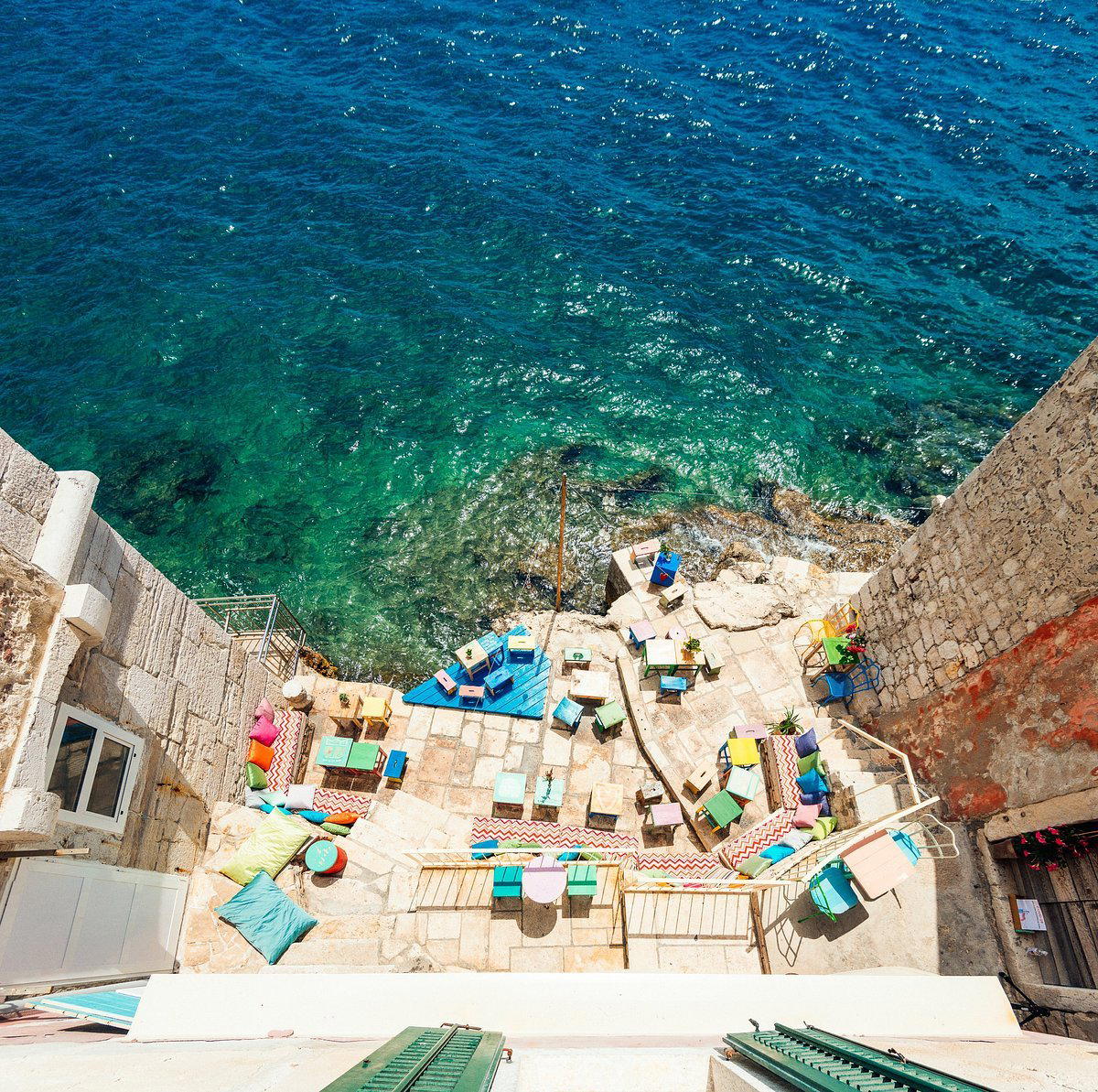
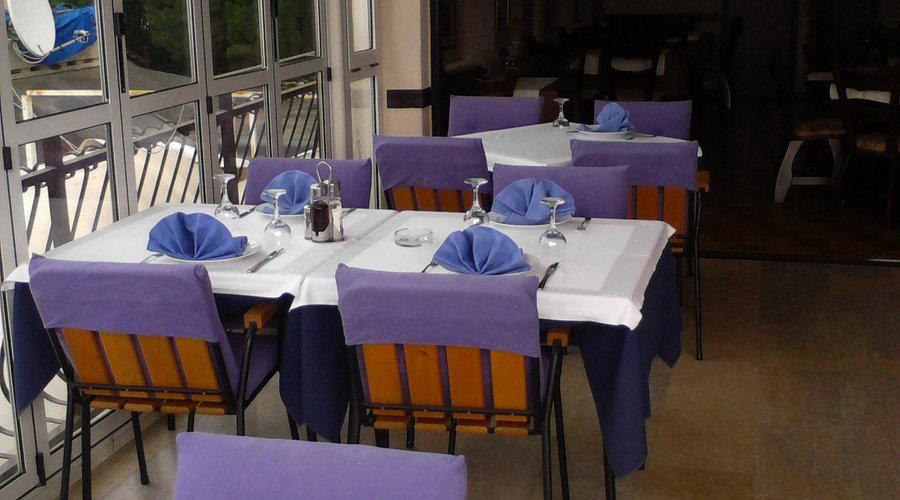
Hotels in Vrsar
Browse all →

At a Glance
- Romantic
- Cozy
- Rustic
- Elegant
- Intimate
- Date Night
- Celebration
- Special Occasion
- Group Dining
- Family
- Standalone
- Garden
- Terrace
- Farm To Table
- Local Sourcing
Current opening hours
- Monday
- 12–2 PM, 5–11 PM
- Tuesday
- 12–2 PM, 5–11 PM
- Wednesday
- Closed
- Thursday
- 12–2 PM, 5–11 PM
- Friday
- 12–2 PM, 5–11 PM
- Saturday
- 12–2 PM, 5–11 PM
- Sunday
- 12–2 PM, 5–11 PM
Hours can change for holidays and private events. Last verified .
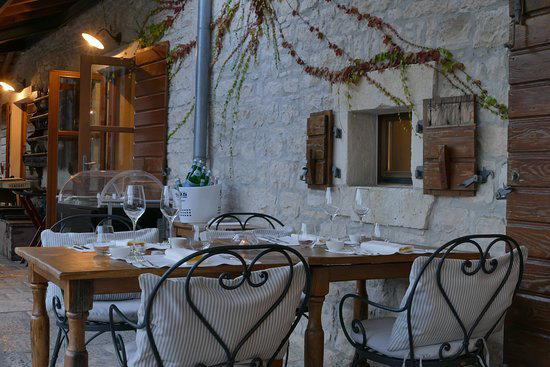
Cozy stone cottage with rustical charm and warm, intimate lighting; described as idyllic and beautiful with a focus on personalized service and welcoming atmosphere.