On a narrow lane in Rovinj's old town, Laurel & Berry Restaurant occupies the kind of address that rewards guests who seek out the quieter corners of Istria's dining scene. The setting places it within a city where creative and regionally-rooted cooking have both found serious footholds, and where the pace of a meal is taken as seriously as what arrives on the plate.
Pearl is the En Primeur Club membership app — saves, bookings, and concierge access live there. Same editors, same standards.
- Address
- Smareglijeva ulica 1A, 52210, Rovinj, Croatia
- Phone
- +38552642039
- Website
- maistra.com
- Directions
- Get directions
 Saves & bookings on Pearl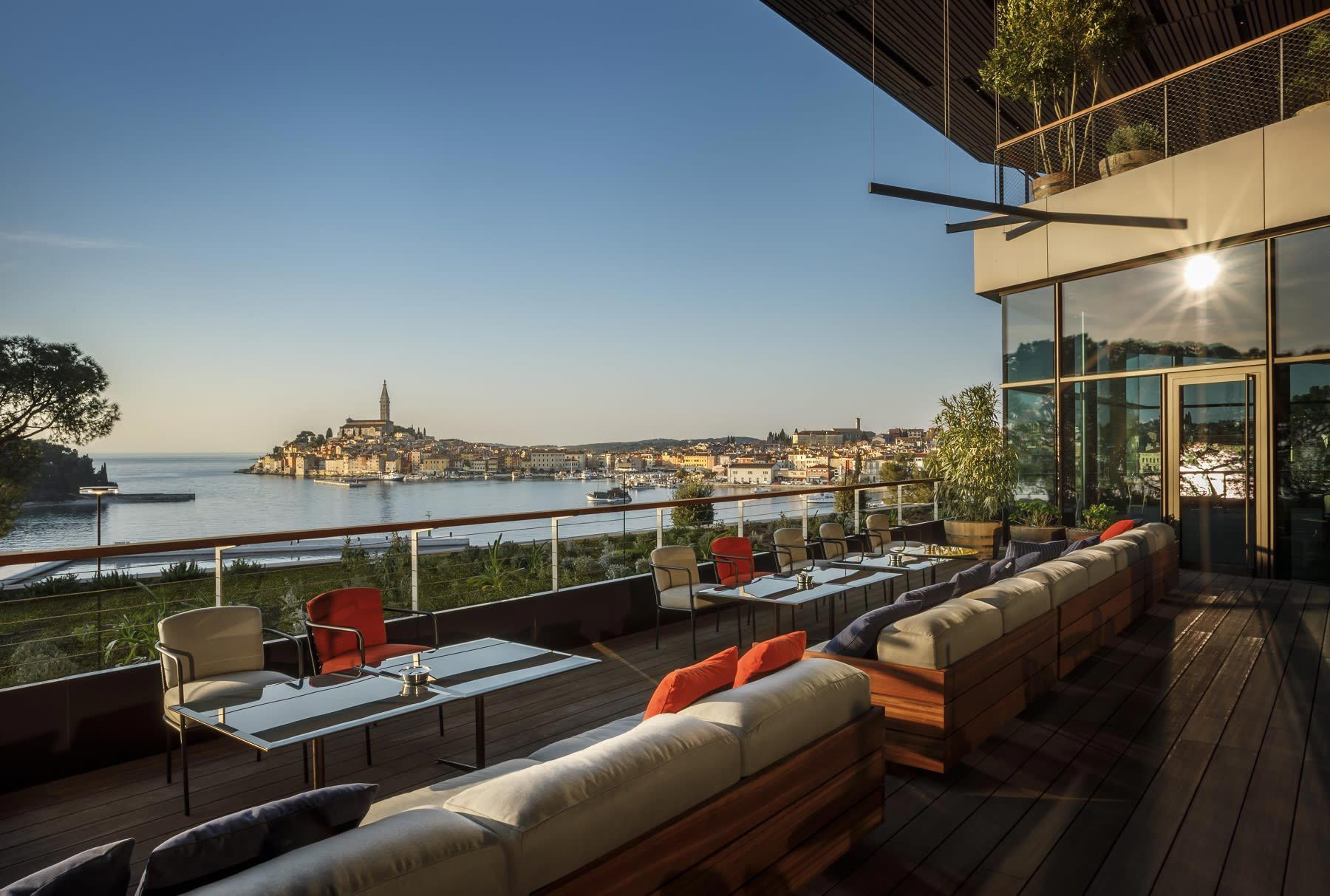
A Street, a Ritual, a Room
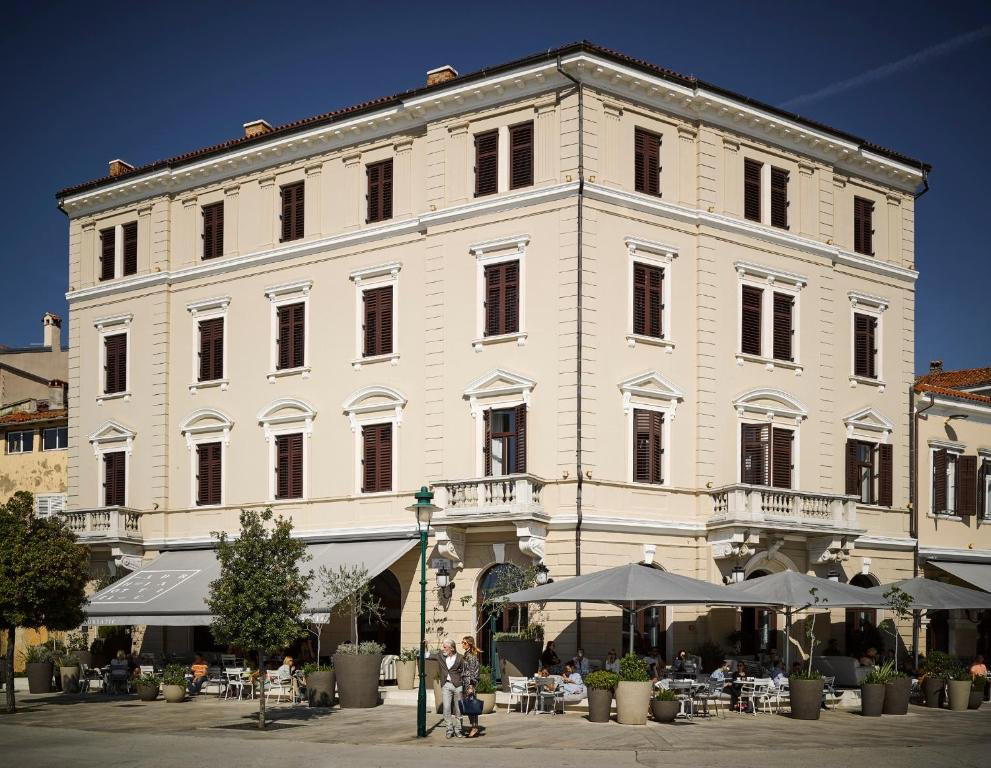
Rovinj's old town is built on a peninsula where the streets narrow to the width of two people and the stone underfoot has been worn smooth over centuries. Smareglijeva ulica sits within that labyrinth, and it is the kind of address that tends to attract restaurants with something to say beyond the tourist-facing waterfront. Laurel & Berry Restaurant is at Smareglijeva ulica 1A in Rovinj's old town, and arriving means a walk through compressed alleyways, past terracotta facades and hanging laundry, before the abrupt arrival at a threshold. That physical approach shapes the meal before it begins. The transition from the street to the table is not incidental. In a city where the act of getting somewhere is part of the experience, a restaurant on Smareglijeva earns a certain gravity from its address alone.
Where Laurel & Berry Sits in Rovinj's Dining Picture
Rovinj operates as one of Croatia's more concentrated dining destinations. Within a few hundred metres of the old town, you can eat at venues that hold their own against the Adriatic's wider fine-dining circuit. Monte has long anchored Rovinj's reputation for creative cooking, while Agli Amici Rovinj brings Italian contemporary craft into an Istrian context. Cap Aureo and Cave Lab By Monte have extended what the city can offer in the experimental register, and Dream holds its own at the more accessible end of the scale. Laurel & Berry occupies this same city but on a street that suggests a quieter, less performative approach to the meal. The comparison set across Rovinj skews toward the €€€€ tier, with venues like Cap Aureo and Agli Amici setting the price expectations for serious dining here. Laurel & Berry is priced at about €50 per person.
The Istrian Dining Ritual and What It Asks of You
Across Istria, meals are not hurried events. The region has a particular relationship with time at the table that has more in common with the northern Adriatic's Italian neighbours than with the quick-turn dining culture of northern European capitals. Truffle, local olive oil, Malvazija, and Teran set the flavour architecture of the peninsula, and in restaurants that take their sourcing seriously, those ingredients arrive as course markers rather than decorative gestures. The ritual in a room like this one follows a logic: you settle, you accept the pace, you let the sequence determine the evening. Croatia's broader fine-dining circuit, from Pelegrini in Sibenik to Restaurant 360 in Dubrovnik, has increasingly adopted this unhurried format. Rovinj, with its compressed geography and peninsular isolation, applies it with particular intensity. On Smareglijeva, you are already inside the old town's logic before the first course arrives.
The Istrian approach to hospitality also tends to assume some knowledge on the part of the guest. Recommendations from the floor carry weight here in a way that differs from cities where the menu is designed to be self-explanatory. In rooms where staff know the sourcing behind each dish, deferring to their read on the evening is often the better strategy. That dynamic, common across Croatia's more serious restaurants, from Nebo by Deni Srdoč in Rijeka to LD Restaurant in Korčula, rewards guests who arrive curious rather than certain.
Istria as a Dining Region, and What That Means Here
Istria has spent the last two decades building a culinary reputation disproportionate to its geography. The combination of truffles from Motovun, olive oils that compete at an international level, and a winemaking tradition anchored in Malvazija Istarska has given the peninsula a pantry that chefs in the region treat as a competitive advantage. That ingredient-led identity shapes how menus read across the region, and it creates a specific kind of dining experience: one where the provenance of what you eat is part of the content of the meal, not a footnote. Within Croatia, Istrian restaurants tend to carry that regional weight confidently, whether they lean into the creative register, as Monte does, or stay closer to traditional foundations. Laurel & Berry's address places it inside this tradition by geography alone. What distinguishes individual rooms within the Istrian scene is usually execution and pacing rather than ingredient access, since the pantry is broadly shared.
Across the wider Adriatic dining circuit, the Istrian model offers an interesting contrast to what international travellers find at destination restaurants elsewhere. The format at venues like Le Bernardin in New York City or Atomix in New York City relies on a different kind of theatre, one built around precision and sequencing at high volume. Rovinj operates at a smaller scale and with a different set of ambient pressures, which tends to produce a more personal cadence to the meal, regardless of which room you are sitting in.
Planning a Visit to Smareglijeva
Rovinj's old town is walkable from the main harbour approach, but parking on or near the peninsula is limited, and the old town itself is pedestrianised. Arriving on foot from the harbour area takes roughly five to ten minutes depending on your starting point. The summer season in Rovinj runs from June through September and represents the peak booking window; old-town restaurants fill quickly during this period, and reservations made well in advance are standard practice for visitors who do not want to leave a key meal to chance. Shoulder season, particularly May and October, offers a quieter version of the city and, at some venues, a different pace of service that reflects the drop in visitor numbers. For visitors building a broader Croatian dining itinerary, Rovinj works as a base alongside ventures to Boskinac in Novalja or Alfred Keller in Mali Lošinj, both of which operate within the same northern Adriatic reference frame. Further south, Krug in Split and the interior option of Dubravkin Put in Zagreb complete the kind of circuit that a serious Croatian dining trip tends to require. Inland, Korak in Jastrebarsko and BioMania Bistro Bol in Bol represent the range of what Croatian cooking outside the main coastal corridor can offer.
Style and Standing
Comparable venues nearby, for context on price, style, and recognition.
| Venue | Cuisine | Price | Notes |
|---|---|---|---|
| Laurel & Berry RestaurantThis venue — the venue you are viewing | Istrian-Mediterranean Fusion | $$$ | Not listed |
| Restaurant Mediterraneo | Mediterranean & Croatian Fine Dining | $$$ | Rovinj Old Town |
| Male Madlene | Istrian Tapas & Fine Finger Food | $$$ | Santa Croce |
| Konoba Jure | Traditional Croatian Seafood | $$ | Cademia |
| Orca | Traditional Istrian Mediterranean | $$$ | Gripole |
| Dream | Istrian Fusion Mediterranean | $$$ | old town |
Continue exploring
More in Rovinj
Restaurants in Rovinj
Browse all →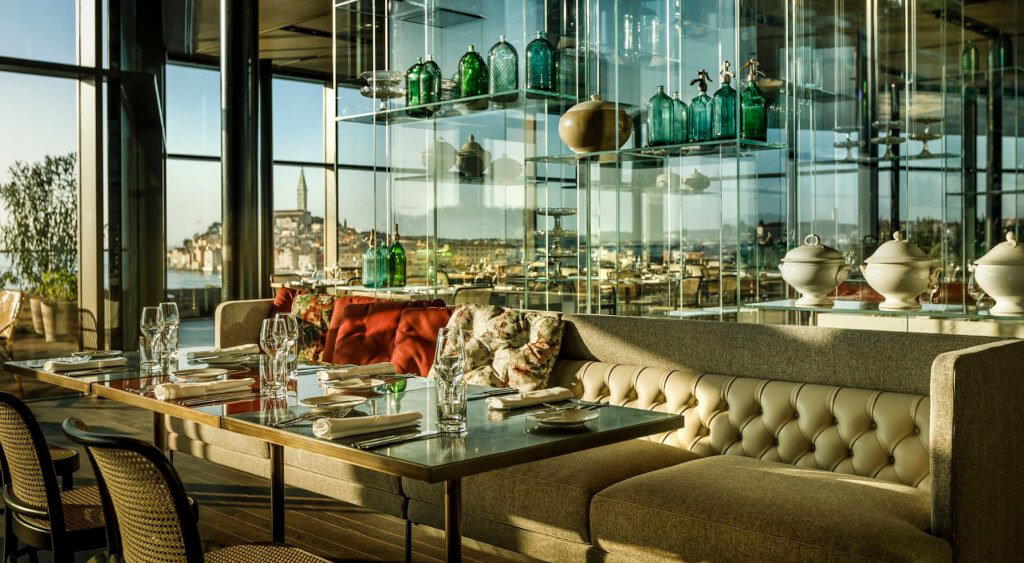
Bars in Rovinj
Browse all →
Hotels in Rovinj
Browse all →

At a Glance
- Elegant
- Romantic
- Scenic
- Cozy
- Date Night
- Special Occasion
- Brunch
- Terrace
- Open Kitchen
- Waterfront
- Private Dining
- Extensive Wine List
- Local Sourcing
- Waterfront
- Street Scene
Current opening hours
- Monday
- 6:30 AM–12 PM, 1–9:30 PM
- Tuesday
- 6:30 AM–12 PM, 1–9:30 PM
- Wednesday
- 6:30 AM–12 PM, 1–9:30 PM
- Thursday
- 6:30 AM–12 PM, 1–9:30 PM
- Friday
- 6:30 AM–12 PM, 1–9:30 PM
- Saturday
- 6:30 AM–12 PM, 1–9:30 PM
- Sunday
- 6:30 AM–12 PM, 1–9:30 PM
Hours can change for holidays and private events. Last verified .
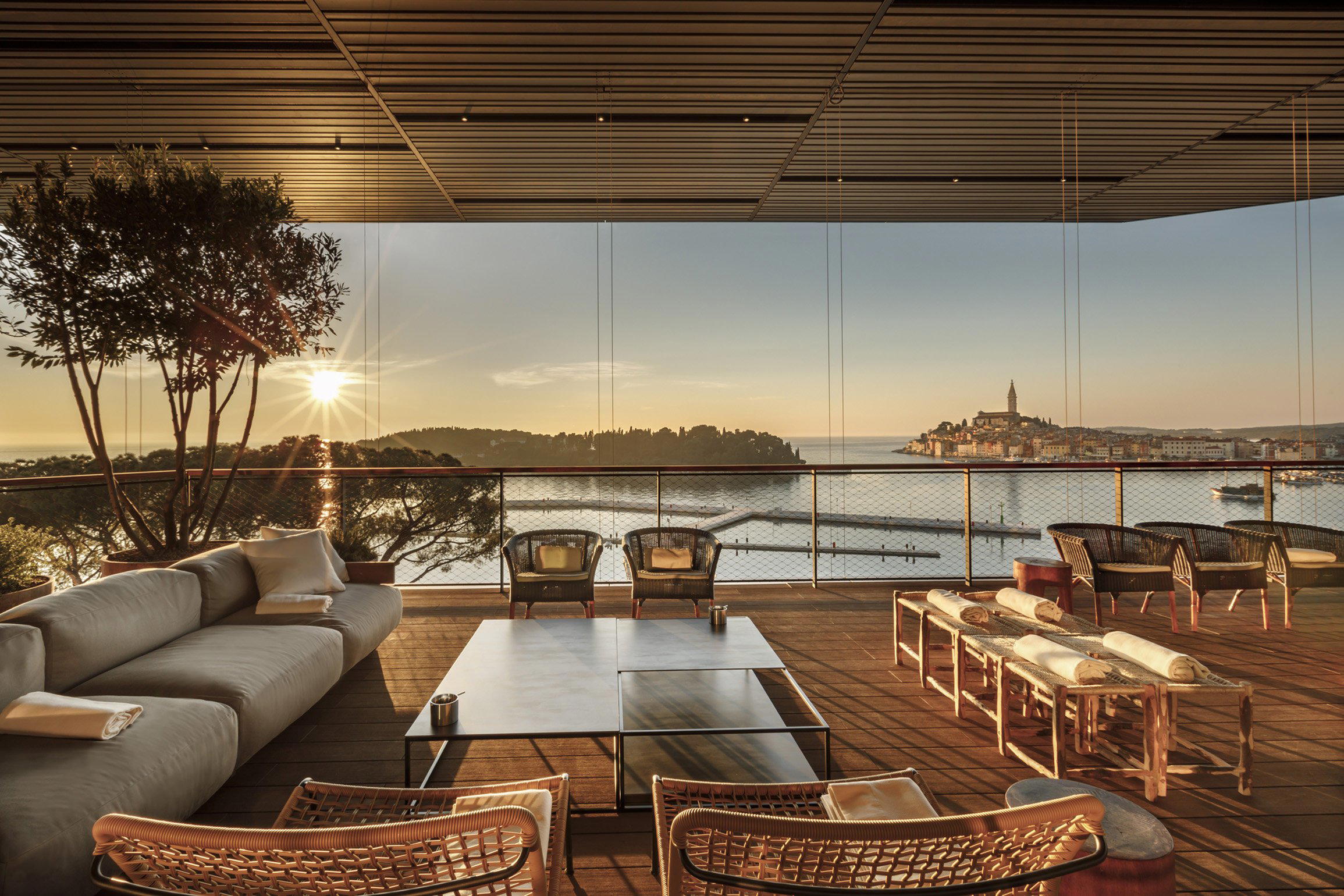
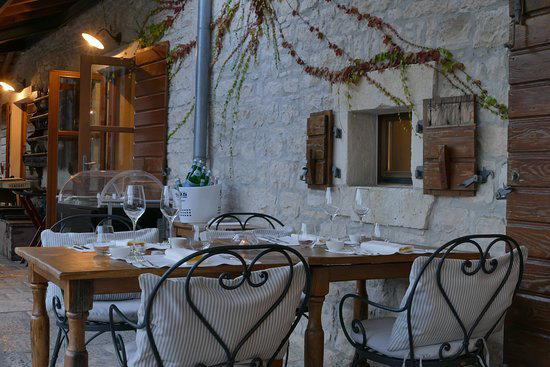
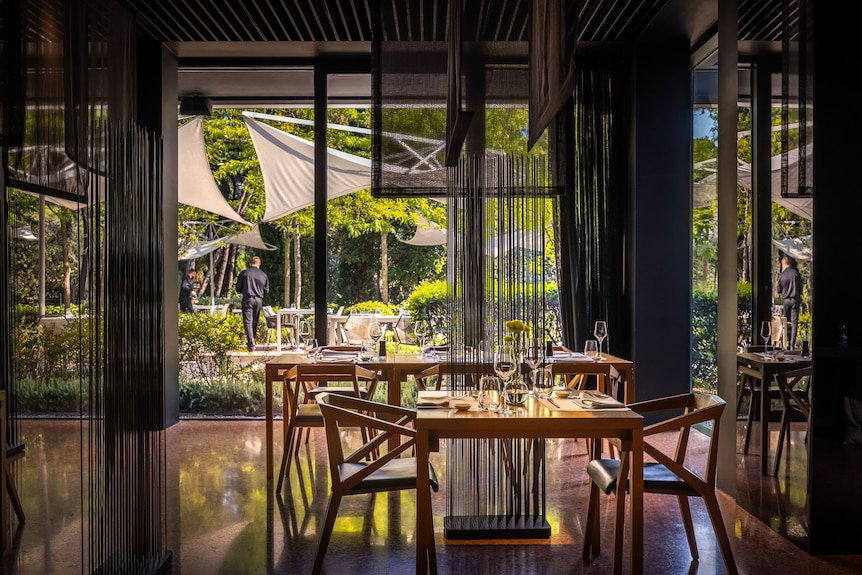
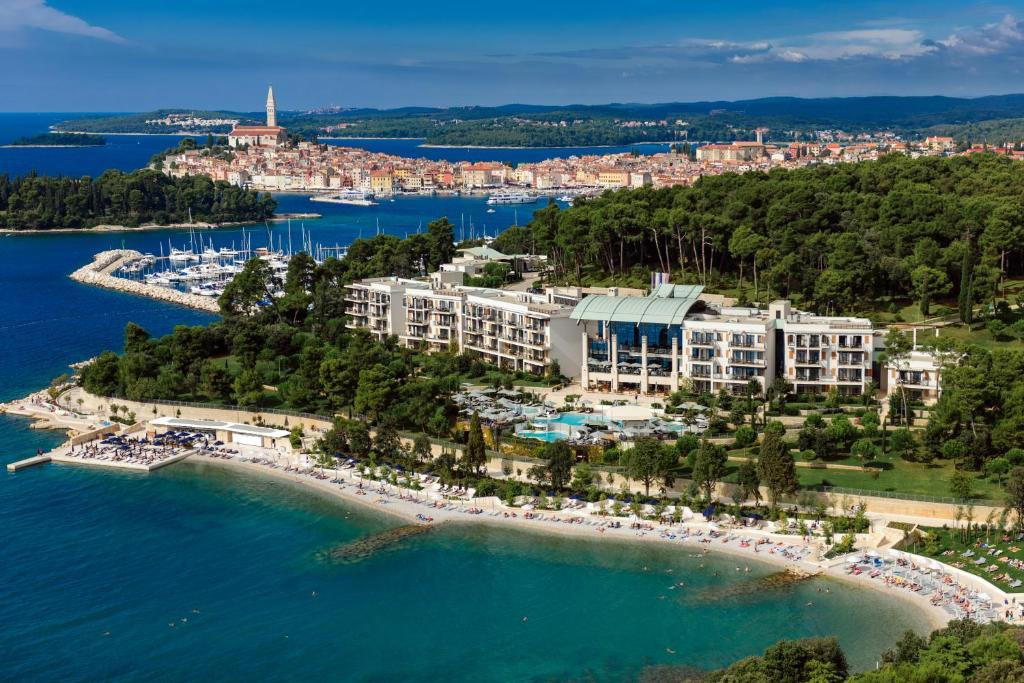
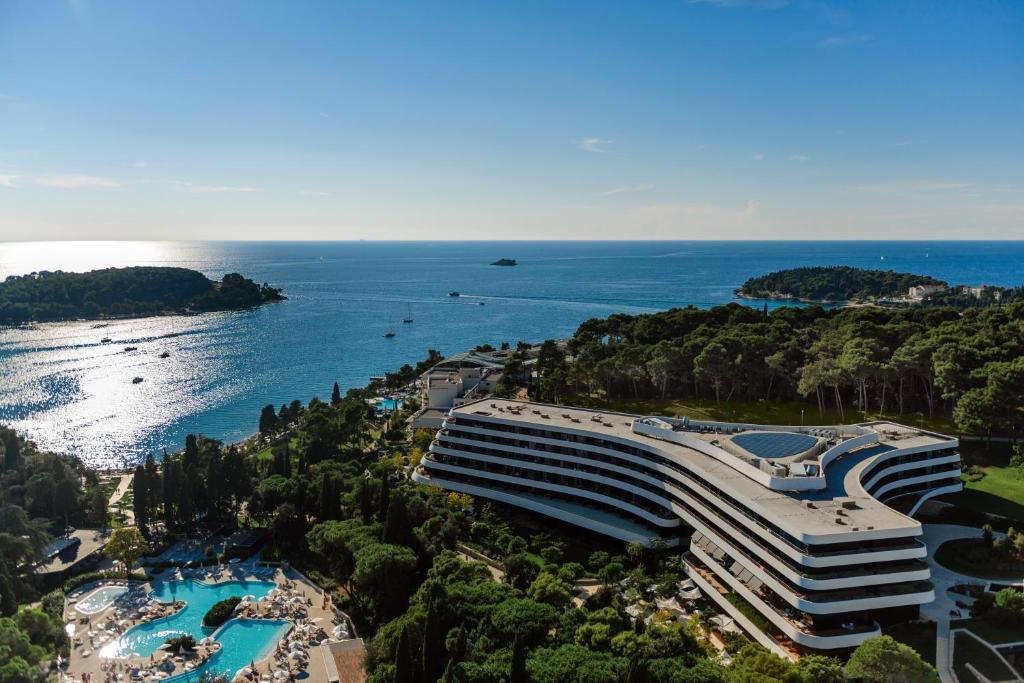
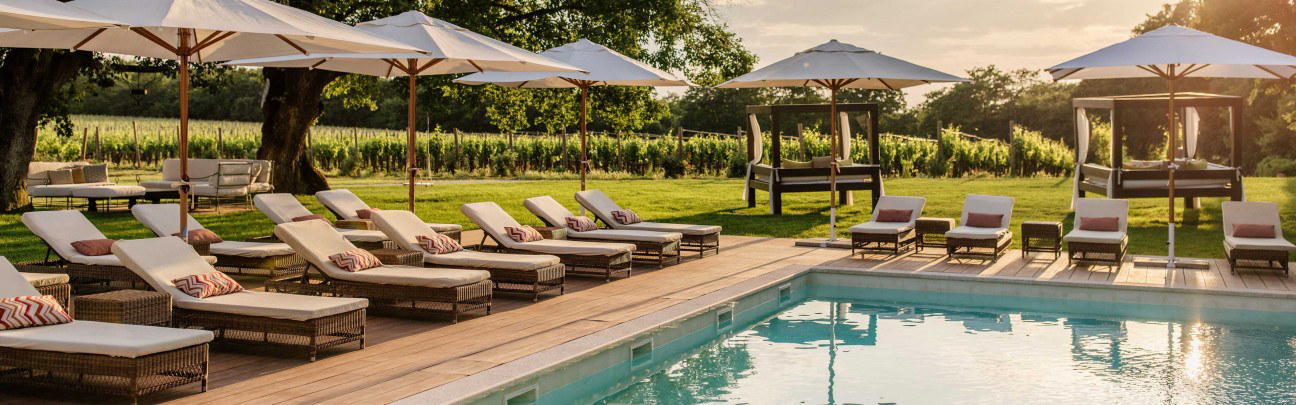
Casual yet elegant atmosphere with warm terrace lighting, dramatic panoramic views, and a modern stylish interior.