Petite Édith
Petite Édith brings the French bistro format to Chicago with Midwest sensibilities, occupying a niche where classic technique meets regional character. It sits outside the city's trophy-tasting-menu circuit, closer in spirit to a neighbourhood room than a destination showcase. For visitors who prefer a well-placed glass of Burgundy over a twenty-course progression, it reads as the more honest choice.
Pearl is the En Primeur Club membership app — saves, bookings, and concierge access live there. Same editors, same standards.
- Address
- Chicago, United States
- Directions
- Get directions
 Saves & bookings on Pearl
What a French Bistro Sounds Like in a Midwest Room
Petite Édith is a French bistro in Chicago, priced around $75 per person, with a seafood focus and a smart casual room built for pace. Chicago has a tradition of transplanting that register with varying degrees of conviction. Some rooms import the aesthetic wholesale, bentwood chairs, a chalkboard specials list, a wine list heavy with Beaujolais, without interrogating what the format means in a city shaped by the stockyards, the lakefront, and a century of immigrant cooking. Petite Édith sits in a more considered position: a French bistro that acknowledges Midwest sensibilities rather than papering over them.
That phrase, Midwest sensibilities, is doing real work in how this restaurant positions itself. It is not a formula of French technique applied to local produce in a way that reads as a press-release talking point. It is the more difficult project of asking what the bistro tradition actually means when the supply chain, the dining culture, and the expectations of the room are all shaped by Chicago rather than Paris or Lyon. The bistro format has historically been one of proximity and repetition: a neighbourhood place you return to often, where the staff know your order by the third visit and the menu changes just enough to reward that loyalty. Whether Petite Édith achieves that specific texture is a question for diners over time.
Where It Sits in Chicago's Dining Hierarchy
Chicago's dining circuit is among the more concentrated in North America. Alinea set the terms for progressive American ambition two decades ago, and the restaurants that followed, Smyth, Oriole, Kasama, Next Restaurant, occupy the tasting-menu tier where a meal is structured as an event. Petite Édith operates in a different register entirely. The bistro format it works within is deliberately lower-stakes in its architecture: à la carte or short-menu structure, the expectation of a two-hour rather than four-hour commitment, a price point that does not require the diner to treat the evening as a quarterly occasion.
That positioning is not a concession. Across the United States, the bistro and brasserie category has produced particularly consistent and technically serious cooking available at a mid-premium price point. Frasca Food and Wine in Boulder is the obvious reference case: a room that built a James Beard reputation around Northern Italian-Alpine cooking without requiring the full theatrical apparatus of the fine dining format. The restaurant's French-Midwest framework gestures toward a similar ambition, where the discipline is in the sourcing and the sauce work rather than in the spectacle of the service.
The Bistro Tradition and Its Demands
French bistro cooking is, at its foundation, a cuisine of reduction and patience. The stocks that anchor the sauces take days. The proteins, duck confit, braised short rib, sole meunière, require either long slow heat or precise fast heat, and the margin for error in either direction is narrower than it appears. When the format travels well, it is usually because the kitchen has absorbed that discipline without treating it as a performance of Frenchness. When it fails, it is typically because the technique has been softened to the point where the food becomes generically European rather than specifically French.
The Midwest inflection that restaurant claims adds another layer of specificity. Chicago's access to Great Lakes fish, Illinois grain-fed beef, and a serious local farming network across the surrounding region means the raw materials are available to sustain a kitchen that cares about provenance. The bistro tradition has always been ingredient-led at its base, regardless of the refinement applied at the summit of the preparation. A room in Chicago is better placed than one might assume to deliver on that foundational premise.
For comparison cases of how French-adjacent cooking travels across American contexts, Le Bernardin in New York City represents the haute end of that translation, while The French Laundry in Napa maps the California interpretation of French classical structure. Neither is a bistro in the proper sense. The bistro format is structurally more democratic, shorter menus, faster turns, wine by the carafe, and its success depends less on a single chef's vision and more on the accumulated competence of a team running familiar preparations night after night.
The Atmosphere as Argument
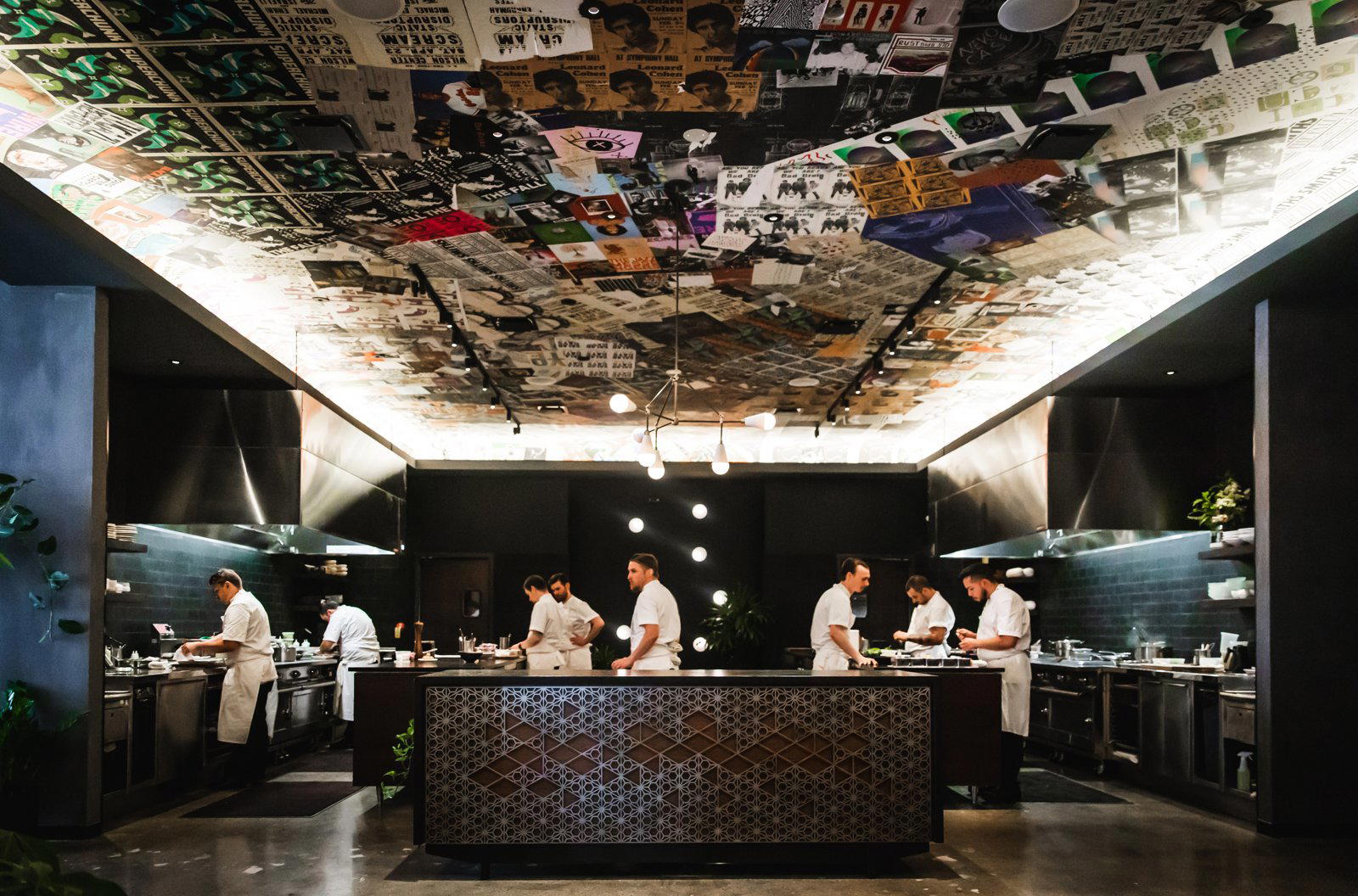
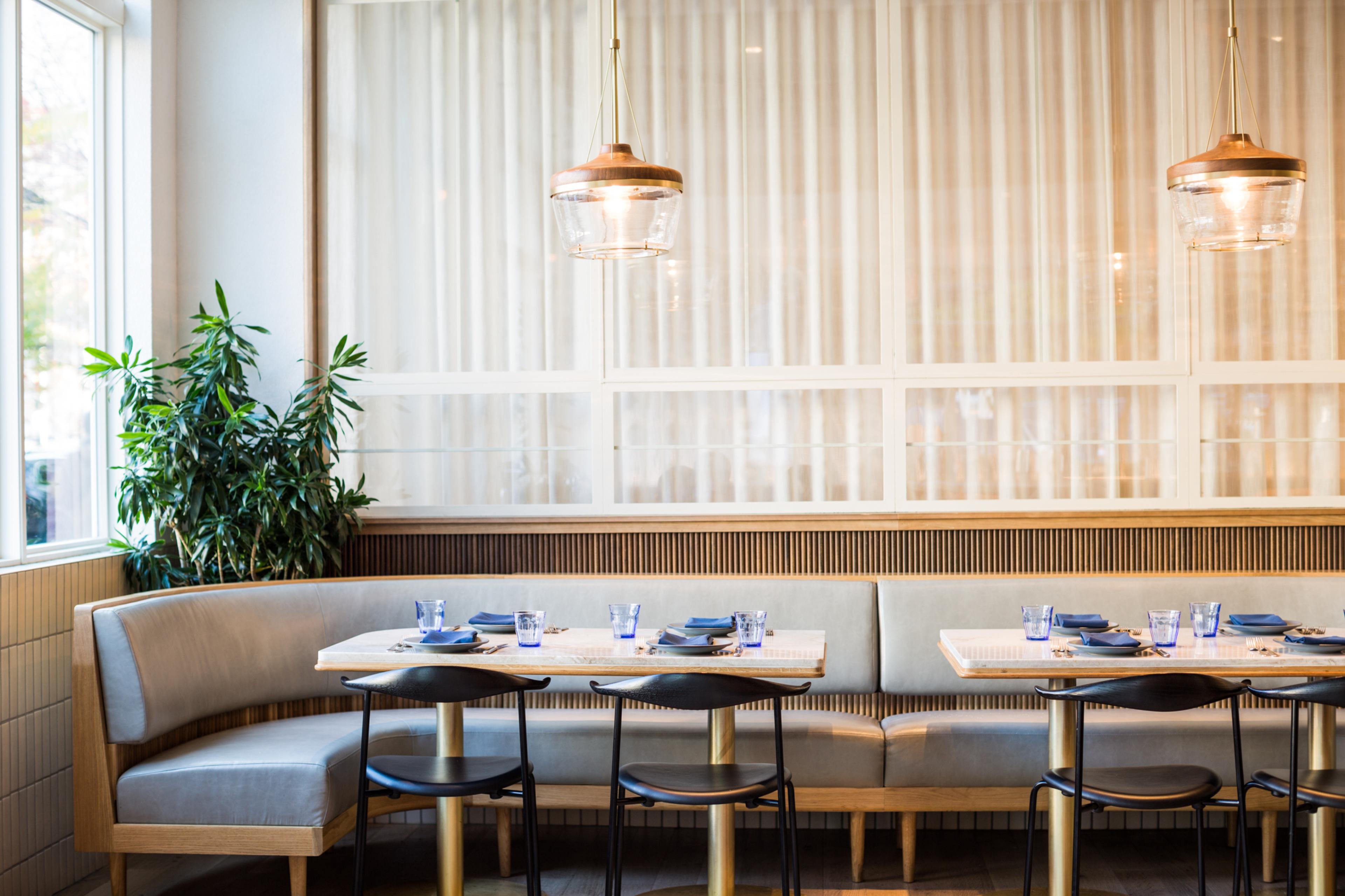
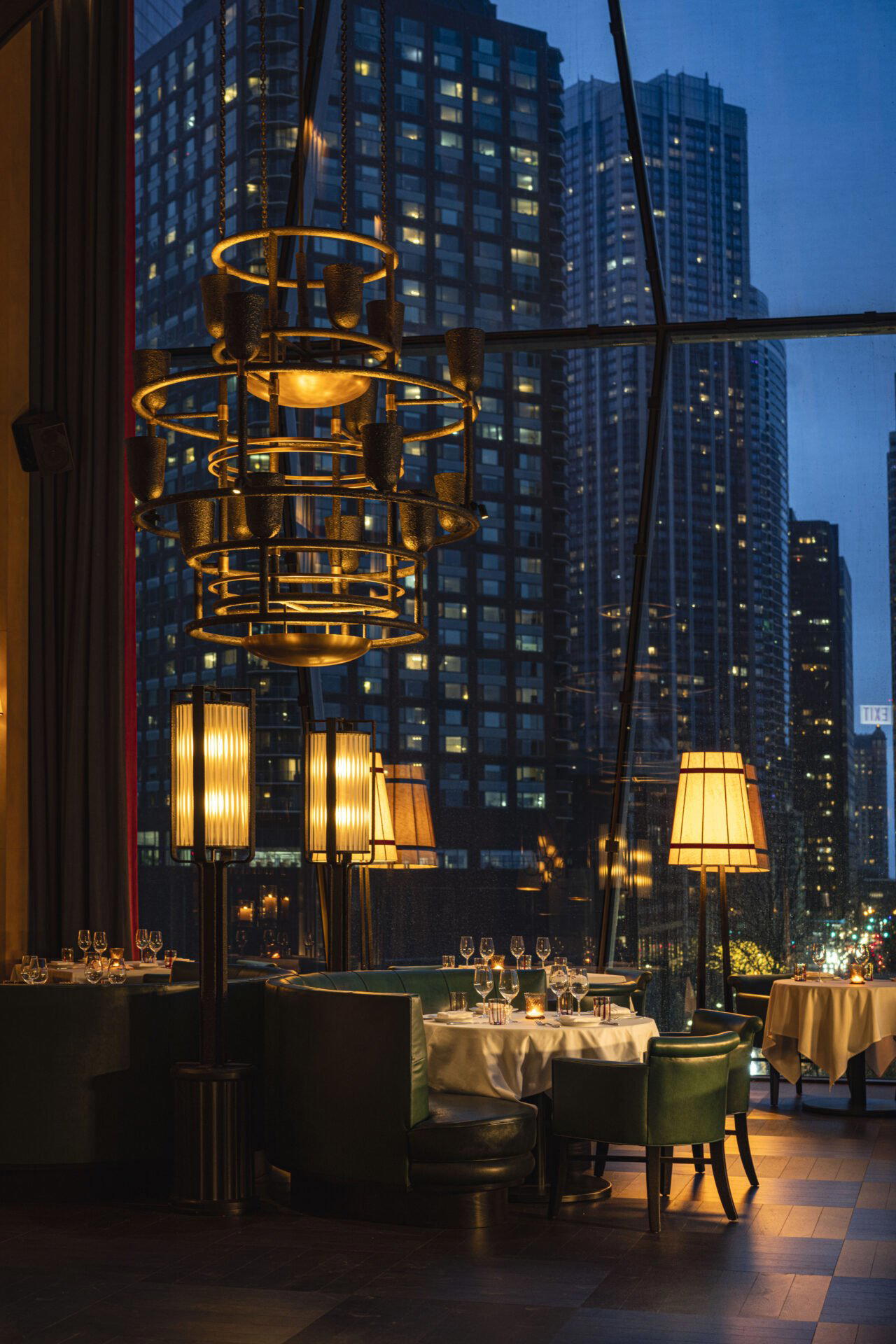
Good bistro rooms make a case for themselves before the food arrives. The light matters. The sound levels matter. The gap between tables is a design decision that signals how much the room prioritises intimacy over covers. In the French original, the bistro solved the atmosphere question by default: low ceilings, zinc bar tops, mirrors to amplify a small space, noise that reads as warmth rather than chaos. Translating that in a Chicago context involves either faithful material reproduction, which can tip into theme-park approximation, or finding the local equivalent of those sensory conditions without replicating the surface.
This is where the editorial angle on the restaurant becomes genuinely interesting. The bistro format is one of the few in which the room is as much the product as the menu. A diner who orders steak frites or a simple fish preparation is, in part, paying for the experience of eating that food in a room calibrated to make it taste correct. The same dish on a white tablecloth in a silent room with silver service reads as diminished. The bistro's informality is the frame that makes its technique legible as pleasure rather than exercise.
Planning Your Visit
The restaurant takes reservations and smart casual dress is appropriate. Chicago's restaurant calendar is active across multiple price tiers, and visitors building a multi-day itinerary might consider the restaurant as the lower-pressure evening in a sequence that includes heavier commitments at the tasting-menu level.
Those planning around the broader American bistro and progressive-French tradition might also find relevant reference points at Lazy Bear in San Francisco, Blue Hill at Stone Barns in Tarrytown, or Single Thread Farm in Healdsburg. Further afield, Providence in Los Angeles, Addison in San Diego, The Inn at Little Washington, Emeril's in New Orleans, and Atomix in New York City illustrate the range of approaches American kitchens are currently taking with European classical foundations. For an example of how that conversation extends internationally, Atelier Moessmer Norbert Niederkofler in Brunico shows the Alpine-European end of ingredient-led fine dining.
- Franklin Frites
- Raw Sea Bream with Endive, Quince and Cara Cara Oranges
- Cassoulet
- Salmon
- Agnolotti
- Veal Brochette
- Escargot Croquette
- Fruits de Mer
Quick Comparison
Comparable venues nearby, for context on price, style, and recognition.
| Venue | Cuisine | Price | Notes |
|---|---|---|---|
| Petite ÉdithThis venue — the venue you are viewing | French Bistro with Seafood Focus | $$$ | Not listed |
| La Serre | Coastal French-Mediterranean | $$$ | West Loop |
| goosefoot | Modern French Fine Dining | $$$$ | Lincoln Square |
| Bandol | French Brasserie & Raw Bar | $$$ | Loop |
| Avli River North | Modern Greek | $$$ | River North |
| Osteria Via Stato | Seasonal Italian Osteria | $$$ | River North |

At a Glance
- Elegant
- Romantic
- Sophisticated
- Cozy
- Date Night
- Business Dinner
- Special Occasion
- Group Dining
- Private Dining
- Standalone
- Craft Cocktails
- Local Sourcing
- Farm To Table
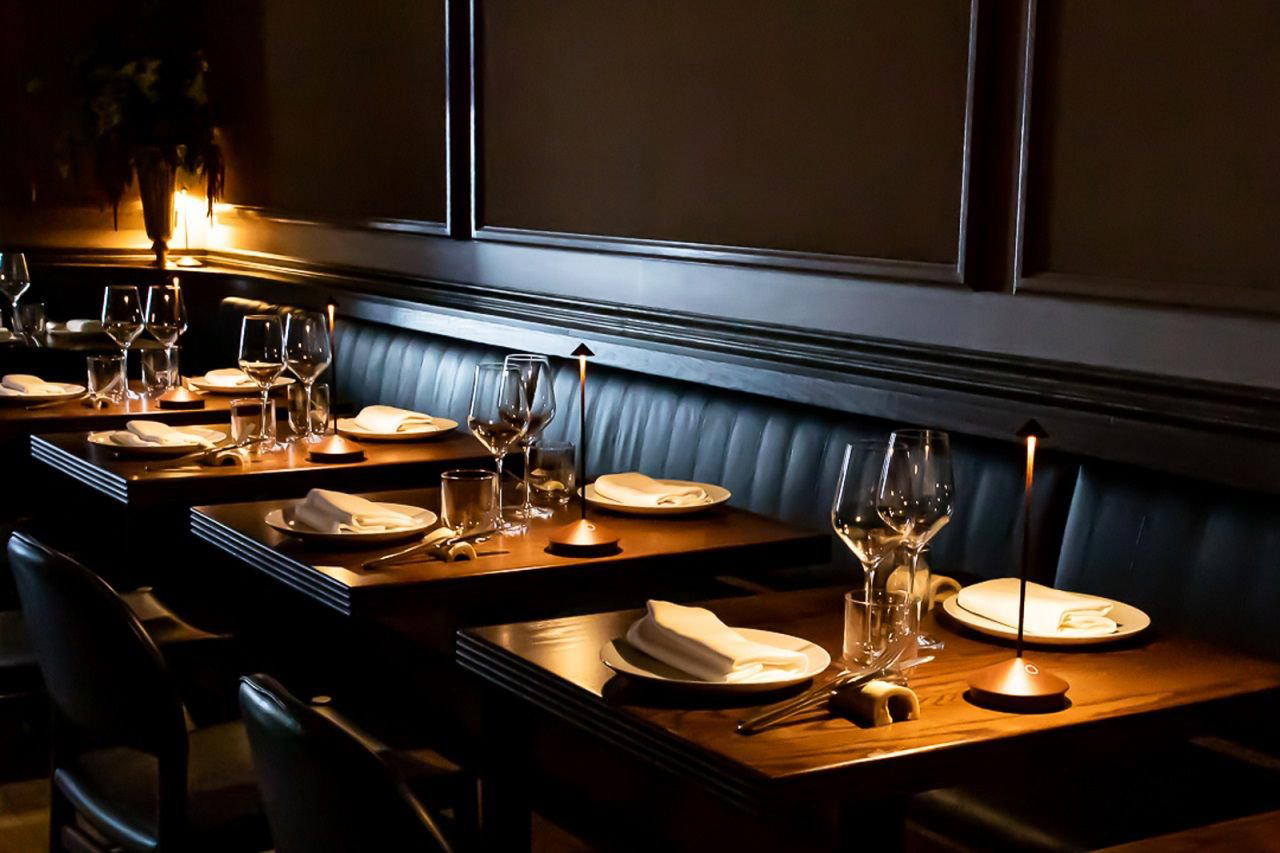
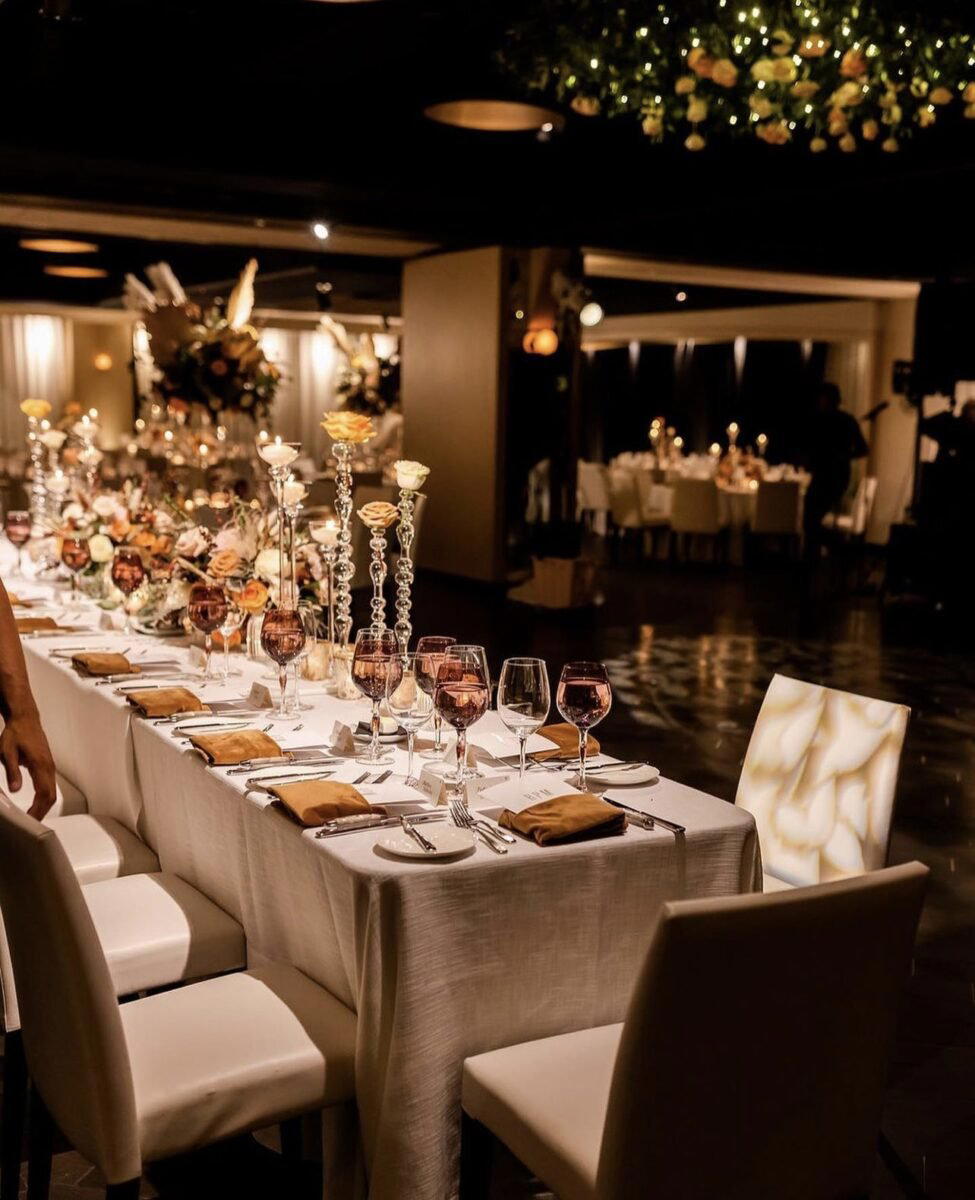
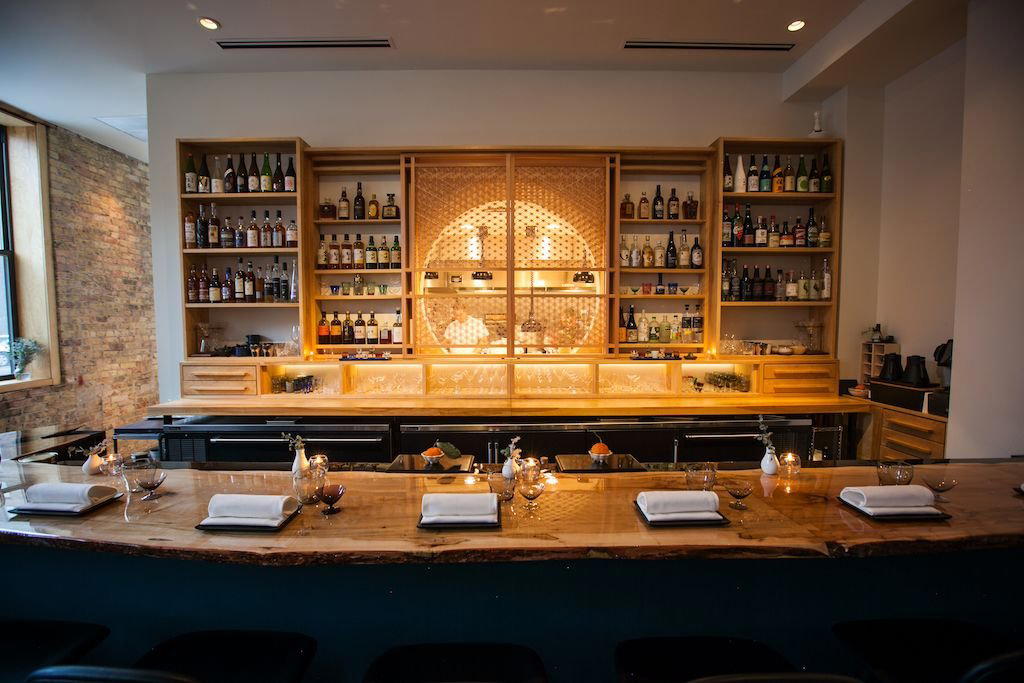
Refined yet approachable French bistro atmosphere blending urban artistry with seaside ease, emphasizing quiet grace and refined hospitality.