Petit Chou
Petit Chou occupies a quietly confident position on First Avenue in the East Village, operating within a neighbourhood where French-inflected bistro cooking has long found a receptive audience. The room, the service rhythm, and the kitchen work as a coordinated unit rather than competing attractions. For East Village dining at this register, it earns serious consideration alongside the area's more publicised options.
Pearl is the En Primeur Club membership app — saves, bookings, and concierge access live there. Same editors, same standards.
- Address
- 229 1st Ave, New York, NY 10003
- Phone
- (917) 475-1620
- Website
- petitchounyc.com
- Directions
- Get directions
 Saves & bookings on Pearl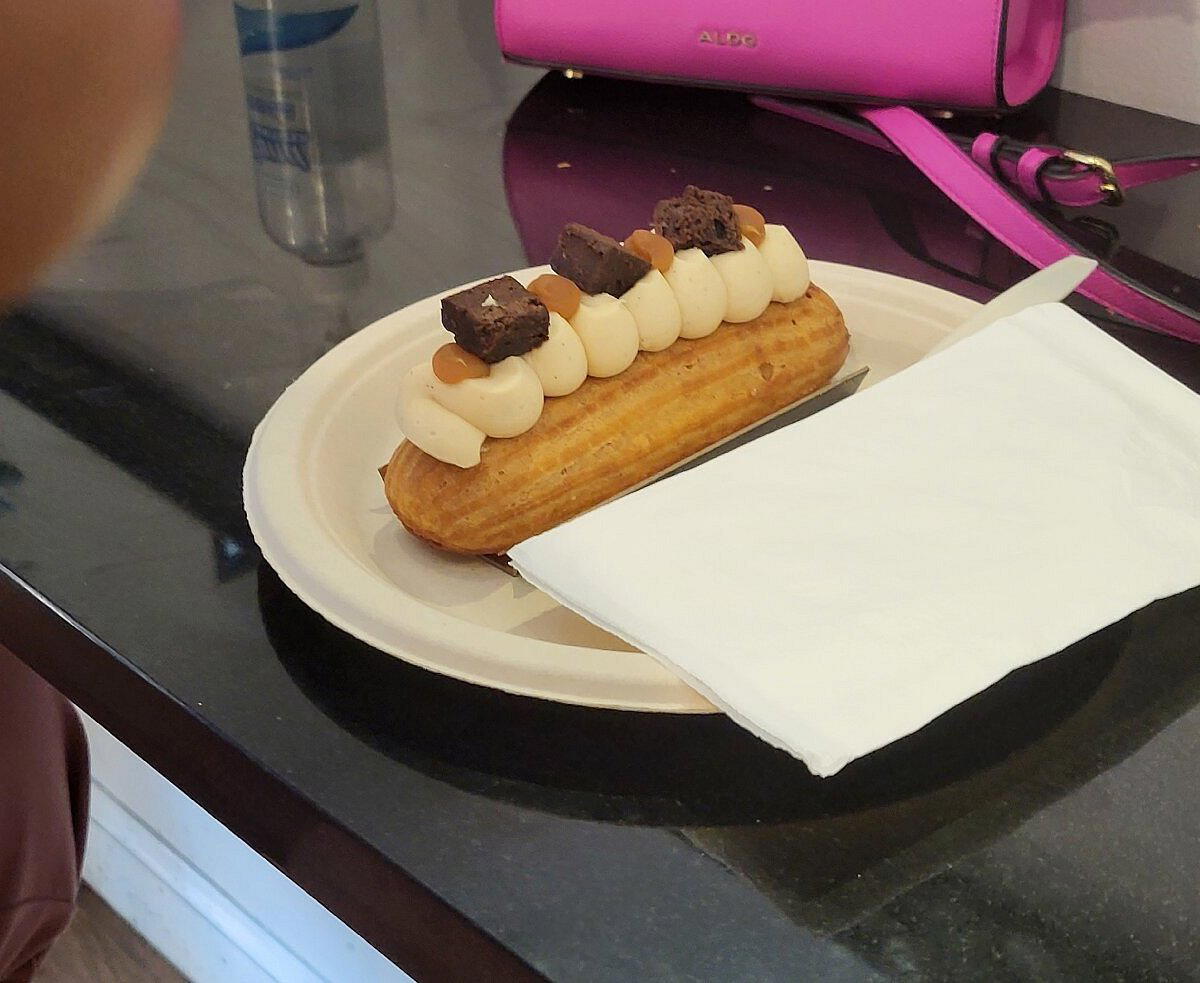
First Avenue and the East Village Bistro Tradition
The East Village has sustained a particular kind of French-influenced neighbourhood restaurant longer than most New York districts. Where Midtown's French houses, from Le Bernardin to Per Se, anchor themselves in ceremony and capital outlay, the blocks around First Avenue have historically supported a smaller, more habitual format: rooms where regulars return weekly rather than annually, where the kitchen-to-dining-room relationship is compressed, and where the front-of-house team has to carry as much of the experience as the food itself. Petit Chou, at 229 First Avenue, is a French pastry and choux specialty restaurant in New York, with. It sits squarely inside that tradition.
This part of the East Village sits at the intersection of several culinary currents. The neighbourhood's density of independent restaurants means that any sustained operation here competes not through marketing but through consistency and the kind of service memory that builds a local following over time. That pressure shapes the character of places like Petit Chou in ways that destination dining never quite replicates.
How the Room Works Together
French bistro cooking at the neighbourhood level in New York depends more heavily on the choreography between kitchen, floor, and wine programme than it does in higher-budget formats where each department can operate with more independence. At the price point and scale typical of First Avenue's better bistros, those three elements either cohere into something greater than their parts or they expose each other's gaps. One consistent performers in this category across the city have historically been the ones where the front-of-house team communicates fluidly with the kitchen, where the sommelier or wine-lead shapes a list that complements rather than competes with the food's register, and where pacing is managed actively rather than left to the kitchen queue.
This dynamic is the operational core of small French rooms everywhere from Lyon's bouchons to the kind of New York bistros that have lasted multiple decades. It is worth noting that particularly sustained neighbourhood restaurants in New York, including those that predate the city's current era of chef-celebrity culture, built their reputations almost entirely on this coordination rather than on any single signature dish or headline name.
For comparison: the formal French houses that anchor New York's top tier, places like Eleven Madison Park and Le Bernardin, operate with staffing ratios and budgets that make team coordination structurally easier. At neighbourhood scale, it requires a different kind of institutional discipline, one that tends to develop over years rather than from opening night.
The East Village in a Wider New York Context
New York's French restaurant spectrum runs from counter-service crêperies through casual zinc-bar bistros to three-Michelin-star tasting rooms. The East Village occupies the mid-range of that spectrum with more density than most Manhattan neighbourhoods. The area's foot traffic, rental geography, and demographic mix have historically made it hospitable to independently operated rooms that price accessibly without abandoning kitchen seriousness.
That context matters when placing Petit Chou against its competitive set. The relevant comparison is not Masa or Atomix, which operate in an entirely different tier of investment and ambition, but rather the cluster of French-inflected neighbourhood rooms that have defined East Village dining over the past two decades. Some parallels exist further afield: the communal-dinner format of Lazy Bear in San Francisco and the farm-driven precision of Single Thread Farm in Healdsburg both show how tight team coordination at smaller scale can produce dining experiences that outlast their more generously funded competitors. In New York's own French tradition, The French Laundry in Napa and Alinea in Chicago represent the farthest end of that formalisation spectrum, where team dynamic becomes near-theatrical in its orchestration.
The restaurant belongs to none of those refined registers. Its value proposition is local, repeatable, and grounded in the logic of a neighbourhood room rather than a destination restaurant. That is not a diminishment; it is a different category of achievement, and one that New York's more publicised dining culture tends to undervalue.
What Shapes the Experience Here
The address and category point to a small room on a busy First Avenue block, surrounded by competition that rewards consistency over novelty. Restaurants in this position tend to develop a rhythm that is partly visible in how long they remain operational and partly in the density of neighbourhood regulars relative to first-time visitors.
For broader context on how French-inflected cooking functions across different American cities and price points, the trajectory of Emeril's in New Orleans and Providence in Los Angeles both illustrate how French technique adapts to local ingredient cultures and hospitality expectations. In the international register, Alain Ducasse's Louis XV in Monte Carlo and 8½ Otto e Mezzo Bombana in Hong Kong show the farthest reach of French-influenced fine dining outside France itself. The restaurant operates at the opposite end of that global arc, closer to the source material in form if not in resources.
Planning Your Visit
Know Before You Go
- Address: 229 1st Ave, New York, NY 10003
- Neighbourhood: East Village, Manhattan
- Cuisine category: French-influenced neighbourhood bistro
- Price tier: $15 per person
- Reservations: Walk-in friendly
- Hours: Mon to Thu 8 AM to 8 PM; Fri and Sat 8 AM to 9 PM; Sun 9 AM to 9 PM
- Getting there: The East Village address is 229 1st Ave, New York, NY 10003.
- Dietary requirements: Allergy and dietary accommodation policies not confirmed, raise these directly when booking
What It’s Closest To
Comparable venues nearby, for context on price, style, and recognition.
| Venue | Cuisine | Price | Notes |
|---|---|---|---|
| Petit ChouThis venue — the venue you are viewing | French Pastry & Choux Specialty | $$ | Not listed |
| Paris Café | Classic French Brasserie | $$ | John F. Kennedy International Airport |
| Tournesol | Southwestern French Bistro | $$ | Long Island City-Hunters Point |
| Cafe Gitane | French-Moroccan Bistro | $$ | SoHo-Little Italy-Hudson Square |
| La Bonne Soupe | Classic French Bistro | $$ | Midtown-Times Square |
| La Bergamote | Classic French Bistro & Patisserie | $$ | Chelsea-Hudson Yards |
Continue exploring
More in New York City
Restaurants in New York City
Browse all →
Bars in New York City
Browse all →
Hotels in New York City
Browse all →





At a Glance
- Cozy
- Trendy
- Brunch
- Casual Hangout
- Standalone
Current opening hours
- Monday
- 8 AM–8 PM
- Tuesday
- 8 AM–8 PM
- Wednesday
- 8 AM–8 PM
- Thursday
- 8 AM–8 PM
- Friday
- 8 AM–9 PM
- Saturday
- 8 AM–9 PM
- Sunday
- 9 AM–9 PM
Hours can change for holidays and private events. Last verified .
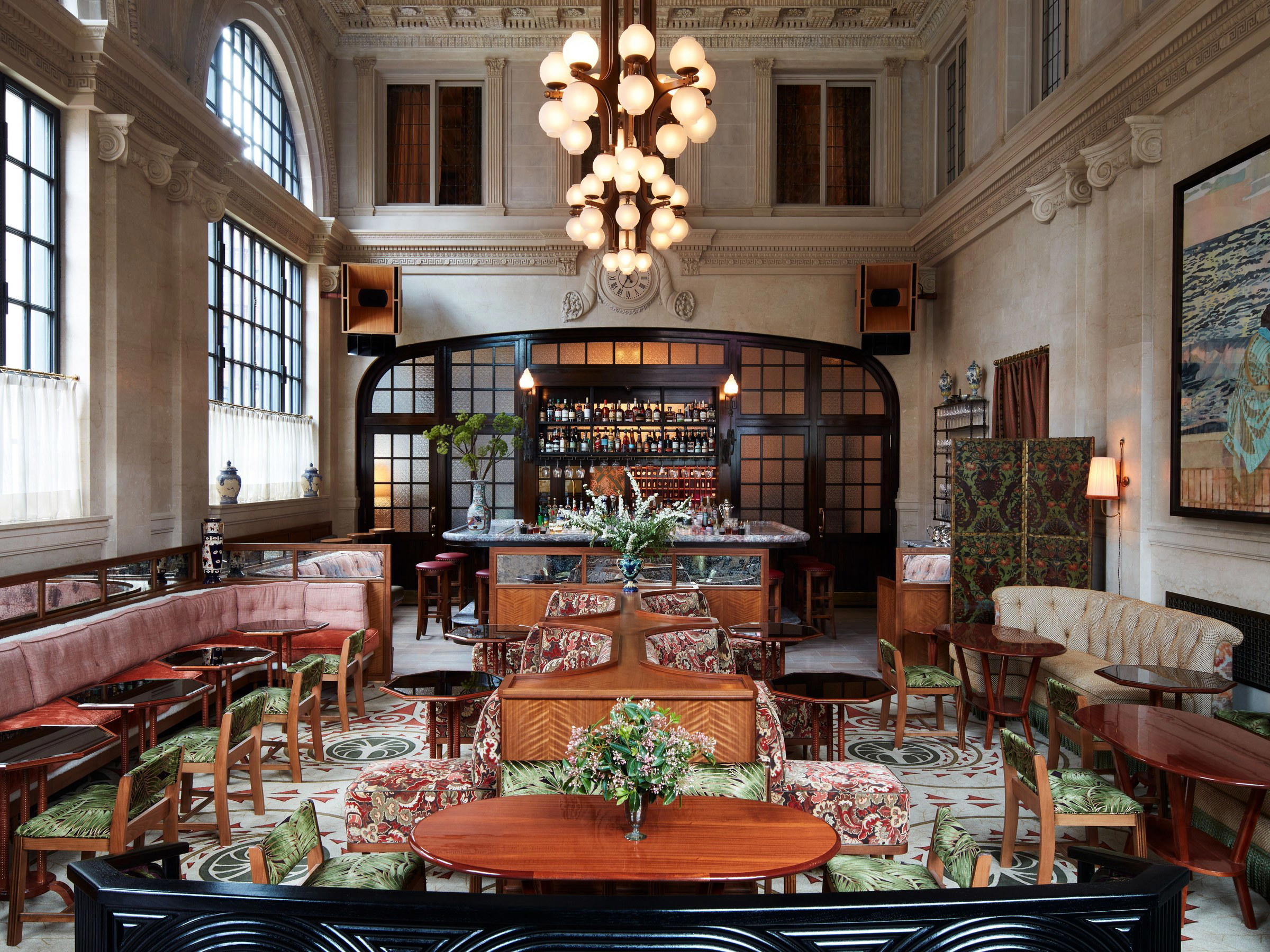
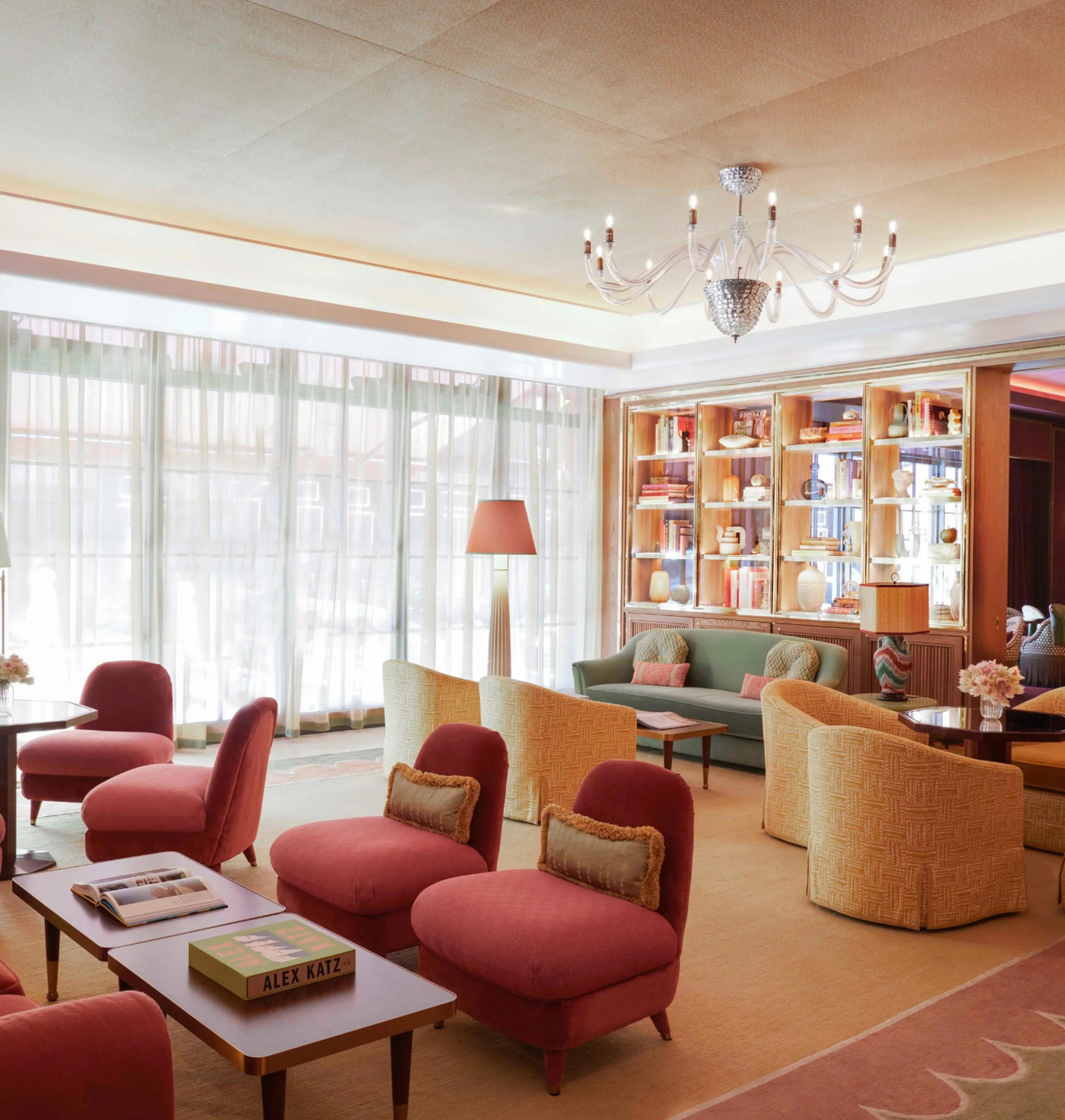
Cozy petite patisserie with dramatic pastry displays evoking a Parisian vibe, praised for its intimate charm and heavenly aromas.