Peter Cat has anchored Park Street's dining scene for decades, serving the kind of Anglo-Indian and Continental cooking that Kolkata's restaurant culture helped define. The Stephen Court address puts it at the geographic and historical centre of the city's most storied eating corridor, where the food matters as much as the ritual of going.
Pearl is the En Primeur Club membership app — saves, bookings, and concierge access live there. Same editors, same standards.
- Address
- Stephen Court Building, 18 A, Park St, opposite KFC Restaurant, Park Street area, Kolkata, West Bengal 700071, India
- Phone
- +91 33 2229 8841
- Directions
- Get directions
 Saves & bookings on Pearl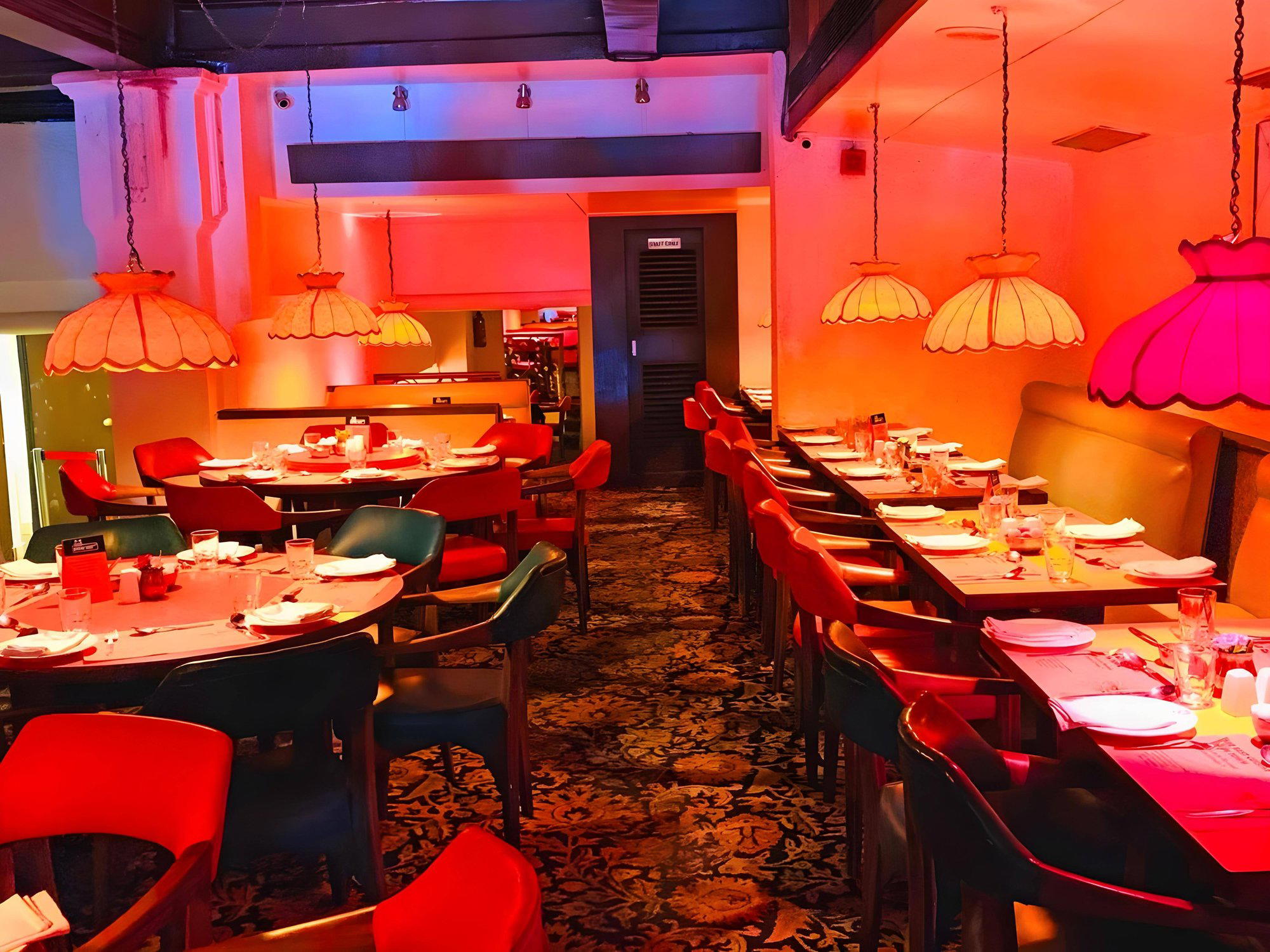
Park Street and the Weight of Habit
There is a particular quality to restaurants that have outlasted their own trends. On Park Street, Kolkata's most enduring dining corridor, Peter Cat is a restaurant in Kolkata, known for Indian Chelo Kebab and priced around $10 per person. The Stephen Court building at 18A Park Street has housed institutions across its lifetime, and Peter Cat fits that description in a literal sense: it is a place that generations of Kolkatans have returned to not because it is new, but because it is known. The street outside hums with the particular density of central Kolkata, where KFC and century-old Chinese restaurants exist within metres of each other, and where the appetite for a certain kind of sit-down, cloth-napkin meal has never fully dissolved.
Park Street as a dining precinct is one of India's more historically layered eating corridors. Through the colonial era and into independence, it housed the restaurants where Kolkata's middle class learned to eat out in a formal register. That tradition of Anglo-Indian and Continental cooking, adapted to local palates and local produce over many decades, is what Peter Cat inhabits. It is not performing nostalgia. It simply never left.
What the Kitchen Draws From
The editorial angle on a restaurant like Peter Cat is not about technique. It is about sourcing in the broadest sense: where does the food come from, and why does that provenance matter in this city, in this context? Kolkata's food culture has always been defined by an unusually direct relationship between street-level markets and restaurant kitchens. The city's proximity to the Gangetic delta means protein supply, in particular, has historically been fresher and more varied than in more landlocked Indian cities. The chelo kebab, the restaurant's most discussed dish in public record, belongs to a tradition of grilled meat cookery that arrived in Bengal through Persian and Mughal routes and was then adapted for a Bengali dining room with rice, egg, and butter rather than flatbread.
That kind of culinary layering is not distinctive to the restaurant, but the restaurant is one of the more durable addresses where you can trace it. The Continental and Anglo-Indian category that it represents draws from British colonial cooking, Mughal grilling traditions, and Bengali domestic flavour logic in a way that is specific to Kolkata's history as a port and administrative capital. You do not find the same combination in Delhi or Mumbai, where the colonial dining tradition evolved along different lines. Restaurants like Kewpie and 6 Ballygunge Place operate in adjacent territory, with emphasis on Bengali home cooking and regional recipes, while Oh Calcutta and Dum Pukht Kolkata represent the more formal end of the city's subcontinental dining bracket. The restaurant sits apart from all of them, in a category that is genuinely its own: the mid-century Kolkata restaurant that absorbed everything and codified it into a menu.
The Room and the Ritual
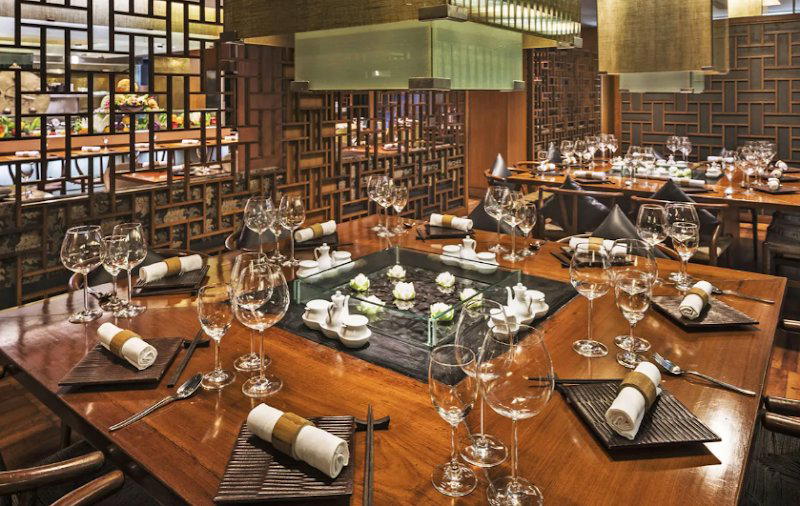
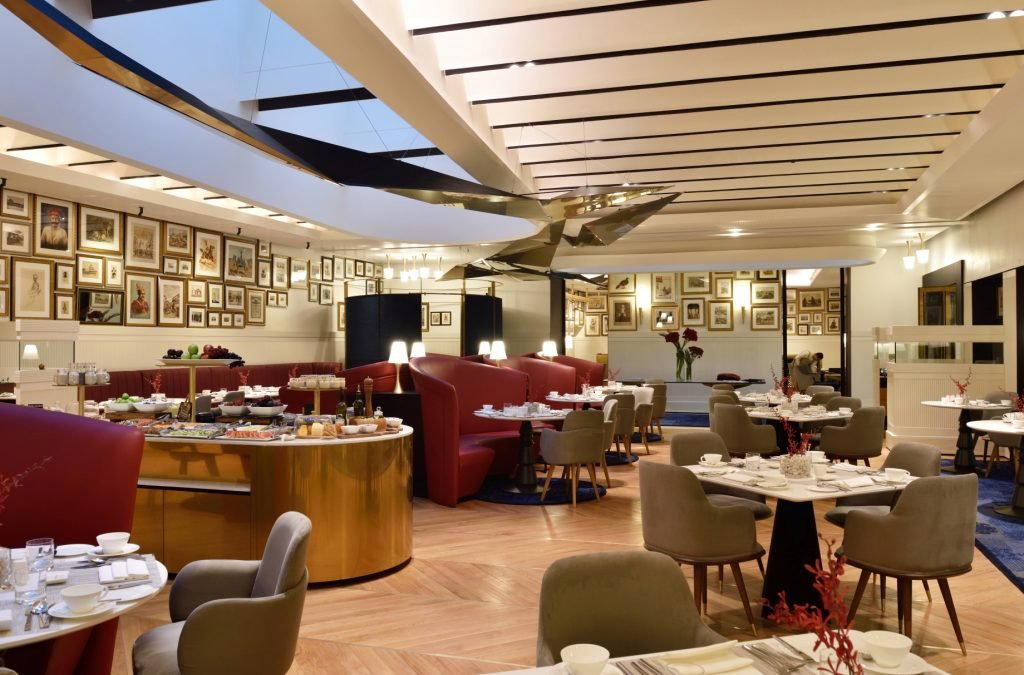
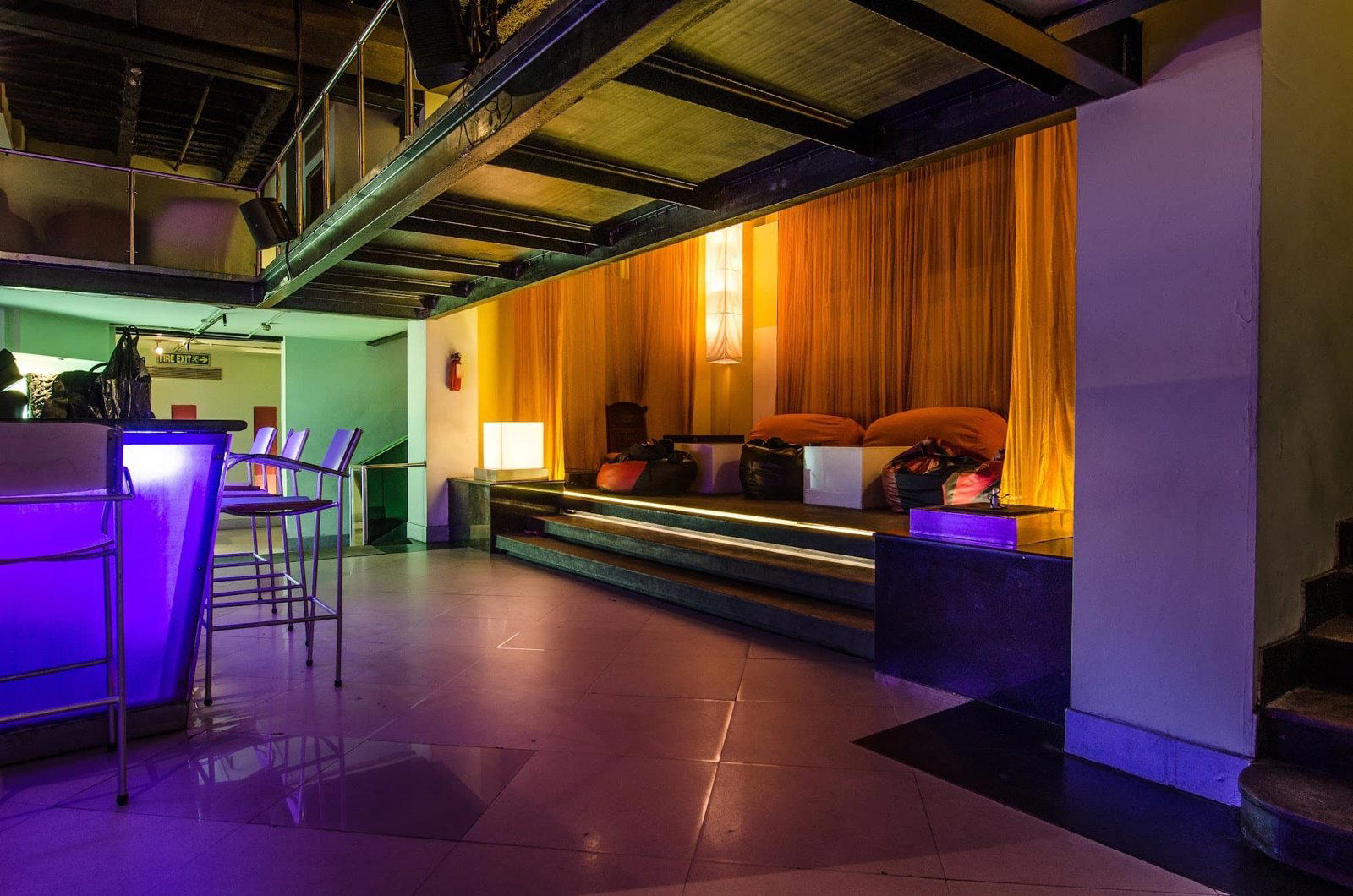
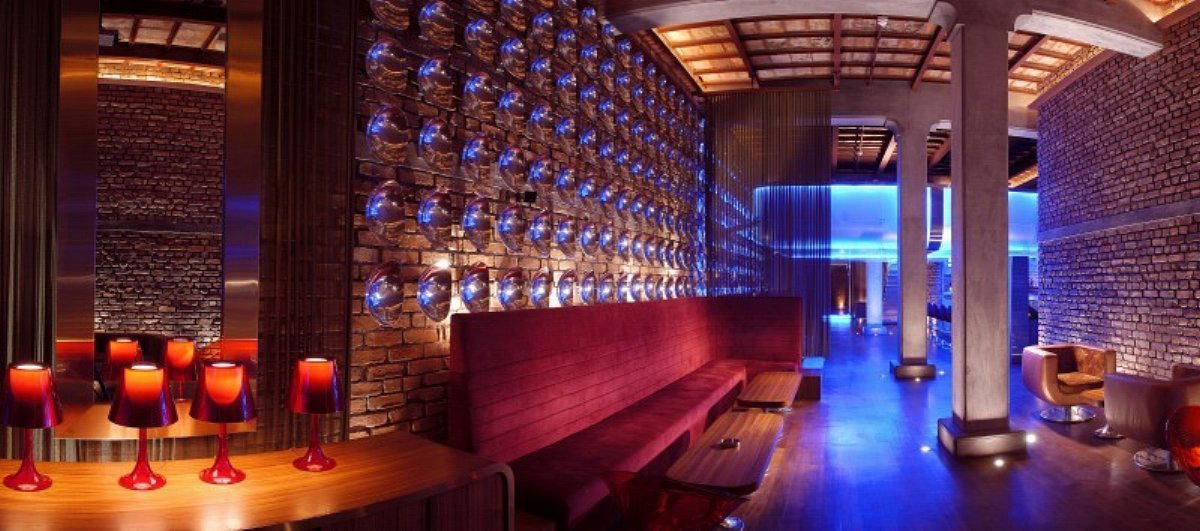
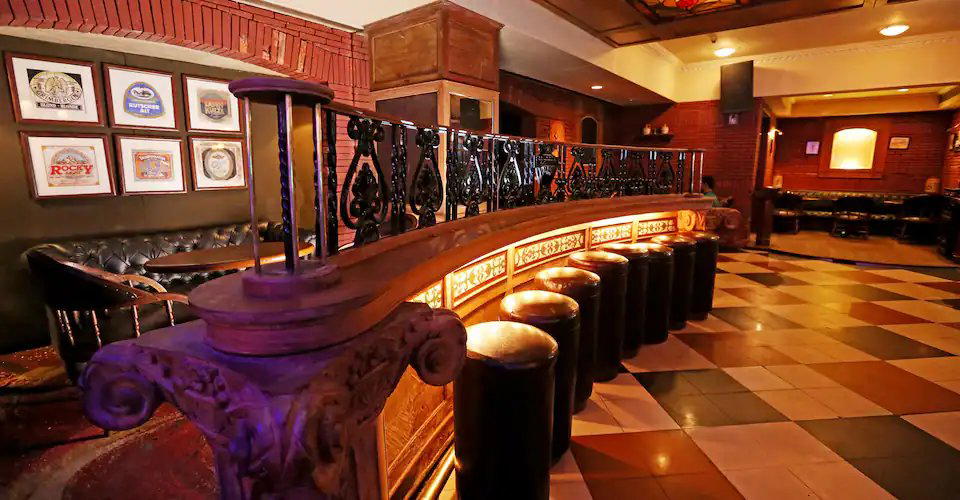
Atmosphere at the restaurant is not designed in the contemporary hospitality sense. It accrued. The dining room carries the specific density of a place that has been full most nights for a long time: there is a particular thickness to the air, a particular quality of noise that comes from tables close together and a kitchen that is not playing quiet. The light is warm without being studied. It reads as a room built for eating and conversation rather than for photography, which in 2024 is its own form of distinction.
The ritual of going to the restaurant, for Kolkatans who grew up with it, involves the chelo kebab in the way that going to a specific ramen shop in Tokyo involves a particular bowl. The dish is the reason. This kind of anchored, repeat-visit culture around a single preparation is relatively rare in Indian restaurants outside of places that have held their format long enough to become shorthand for the dish itself. The restaurant has that relationship with chelo kebab in Kolkata's collective dining memory.
Elsewhere in India, restaurant kitchens that take a comparable approach to sourcing within a regional tradition include Farmlore in Bangalore, which frames its menu explicitly around local agricultural supply, and Kappa Chakka Kandhari in Chennai, which grounds its cooking in Kerala's specific ingredient geography. The comparison is not culinary equivalence but structural: kitchens that are defined by what is available locally and historically, rather than by what is fashionable nationally. Naar in Kasauli operates on similar logic in a hill station context. More internationally, the question of how a kitchen's sourcing becomes its identity runs through restaurants as different as Le Bernardin in New York City and Lazy Bear in San Francisco, where the relationship between raw material and final plate is the explicit editorial argument of the menu.
Where Peter Cat Sits in Kolkata's Eating Map
Park Street is not where Kolkata's most technically ambitious cooking is happening. For that, the city's newer neighbourhoods and hotel dining rooms are more relevant. But Park Street remains the corridor where the city's dining identity is most legible historically, and the restaurant is one of the clearest markers of that history. The Baan Thai operation nearby shows how the street has absorbed international formats over the decades without losing its character. For travellers building a broader picture of Indian restaurant culture across cities, our full Kolkata restaurants guide maps the tiers and neighbourhoods in more detail, alongside comparisons with how dining scenes in cities like New Delhi, Mumbai, Hyderabad, Anjuna, Jaisalmer, Trivandrum, and Patiala have evolved their own distinct characters.
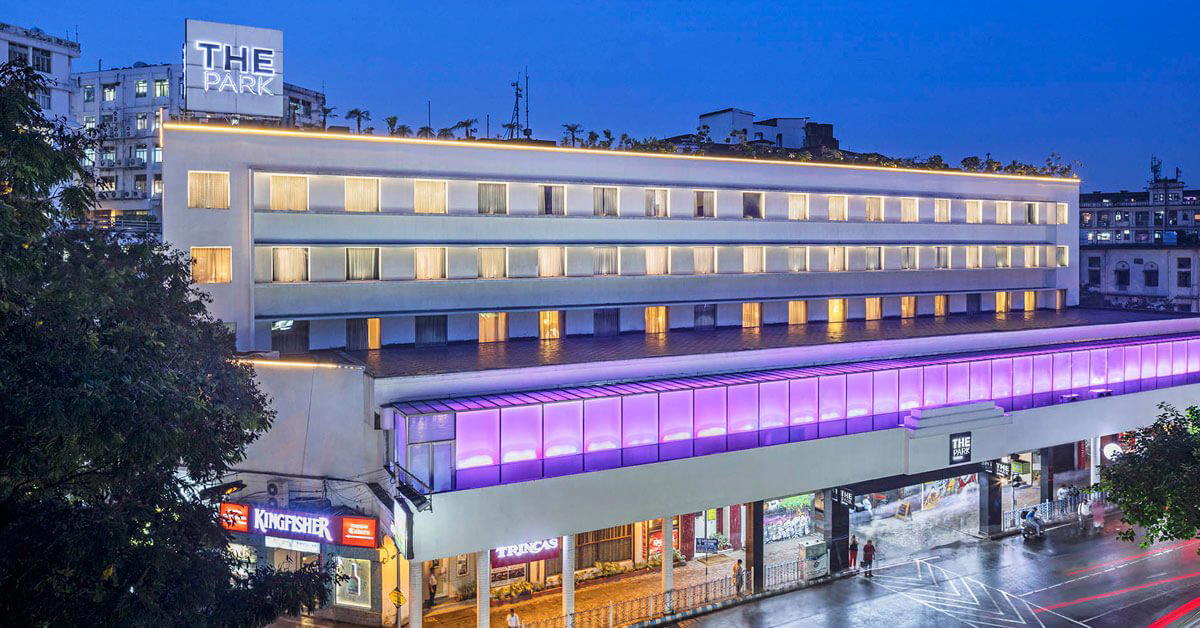
The restaurant is on Park Street, in Stephen Court, opposite a KFC. The address itself tells a story about continuity and change: the new and the established sharing the same pavement, with Kolkata's eating public making deliberate choices between them every day. The restaurant's continued presence in that context is its own kind of argument.
Planning Your Visit
The restaurant is located at Stephen Court, 18A Park Street, in central Kolkata, within easy distance of the Park Street Metro station and the broader South Kolkata accommodation cluster. Reservations are recommended. Dress is casual to smart casual, consistent with the mid-market Park Street register.
Quick Comparison
Comparable venues nearby, for context on price, style, and recognition.
| Venue | Cuisine | Price | Notes |
|---|---|---|---|
| Peter CatThis venue — the venue you are viewing | Indian Chelo Kebab | $$ | Not listed |
| Oh Calcutta | Authentic Bengali Cuisine | $$$ | Kolkata (Calcutta) |
| 6 Ballygunge Place | Authentic Bengali | $$ | Ballygunge |
| Rannaghor by Sienna | Bengal-focused tasting menu chef’s table | $$$ | Hindustan Park |
| Sienna Store & Cafe | Modern Bengali | $$$ | Hindustan Park |
| Baan Thai | Authentic Thai | $$$ | Dharmatala, Esplanade |
At a Glance
- Classic
- Well Known
- Cozy
- Group Dining
- Casual Hangout
- Late Night
- Historic Building
- Street Scene
Current opening hours
- Monday
- 12–11 PM
- Tuesday
- 12–11 PM
- Wednesday
- 12–11 PM
- Thursday
- 12–11 PM
- Friday
- 12–11 PM
- Saturday
- 12–11 PM
- Sunday
- 12–11 PM
Hours can change for holidays and private events. Last verified .
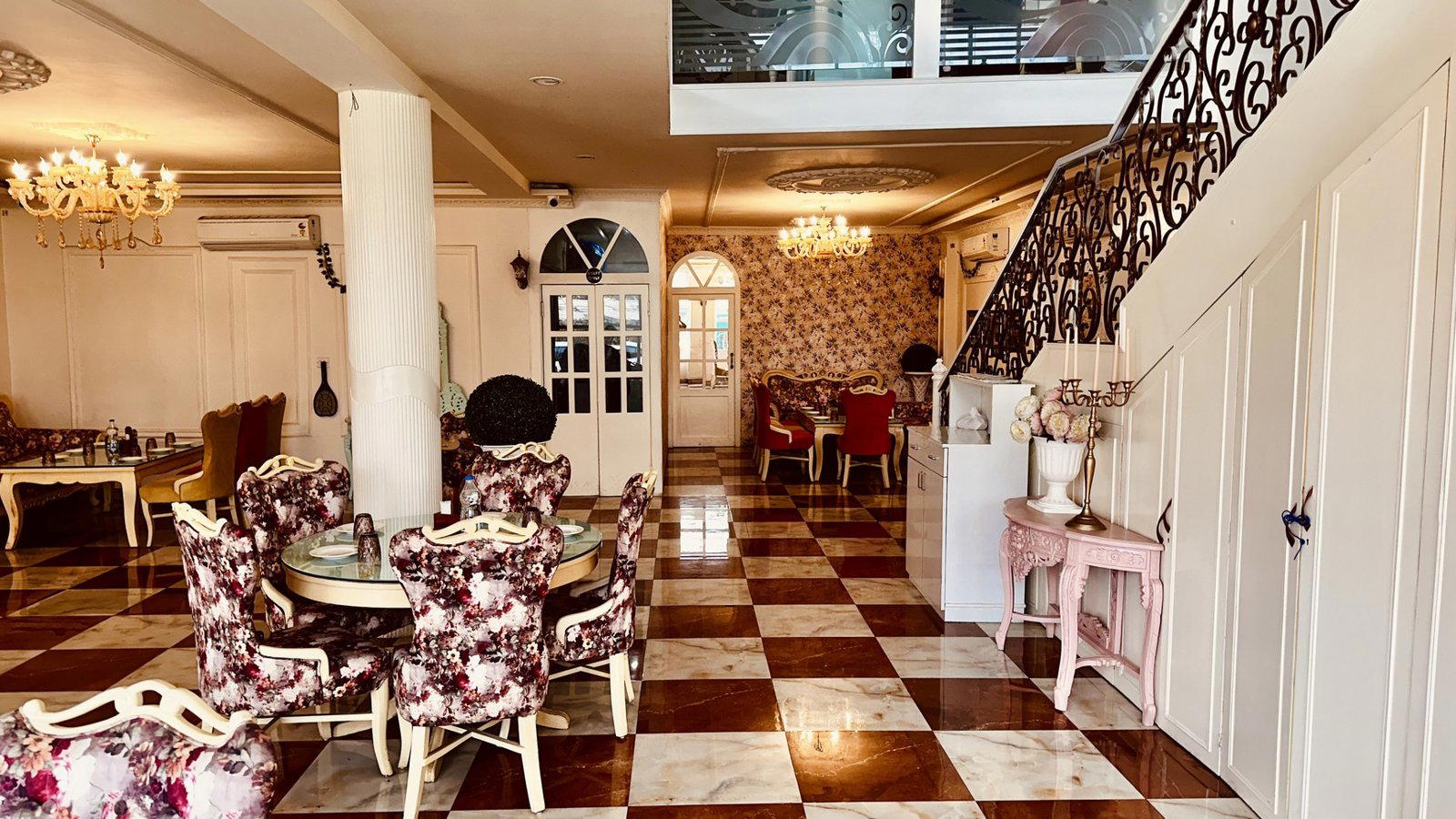
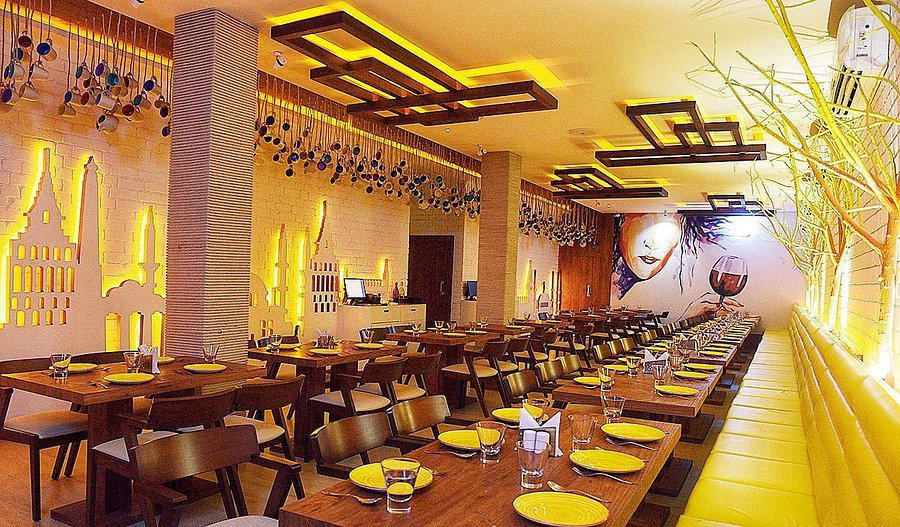
Retro charm with reddish lamps, textured walls, old world ambience, and now expanded with spacious lush green second floor.