
Conde Nast Hot List Restaurants
Our verdict
Rannaghor by Sienna turns the Bengali tasting menu into a compact chef’s-table format above Sienna Calcutta in Hindustan Park. The eight-seat room, 13-course structure and handmade Bengal-clay crockery place regional memory inside a contemporary Kolkata dining language, with spice, river fish, bitter vegetables and sweets treated as architecture rather than nostalgia.

Pearl is the En Primeur Club membership app, where members save venues, book tables and use the concierge.
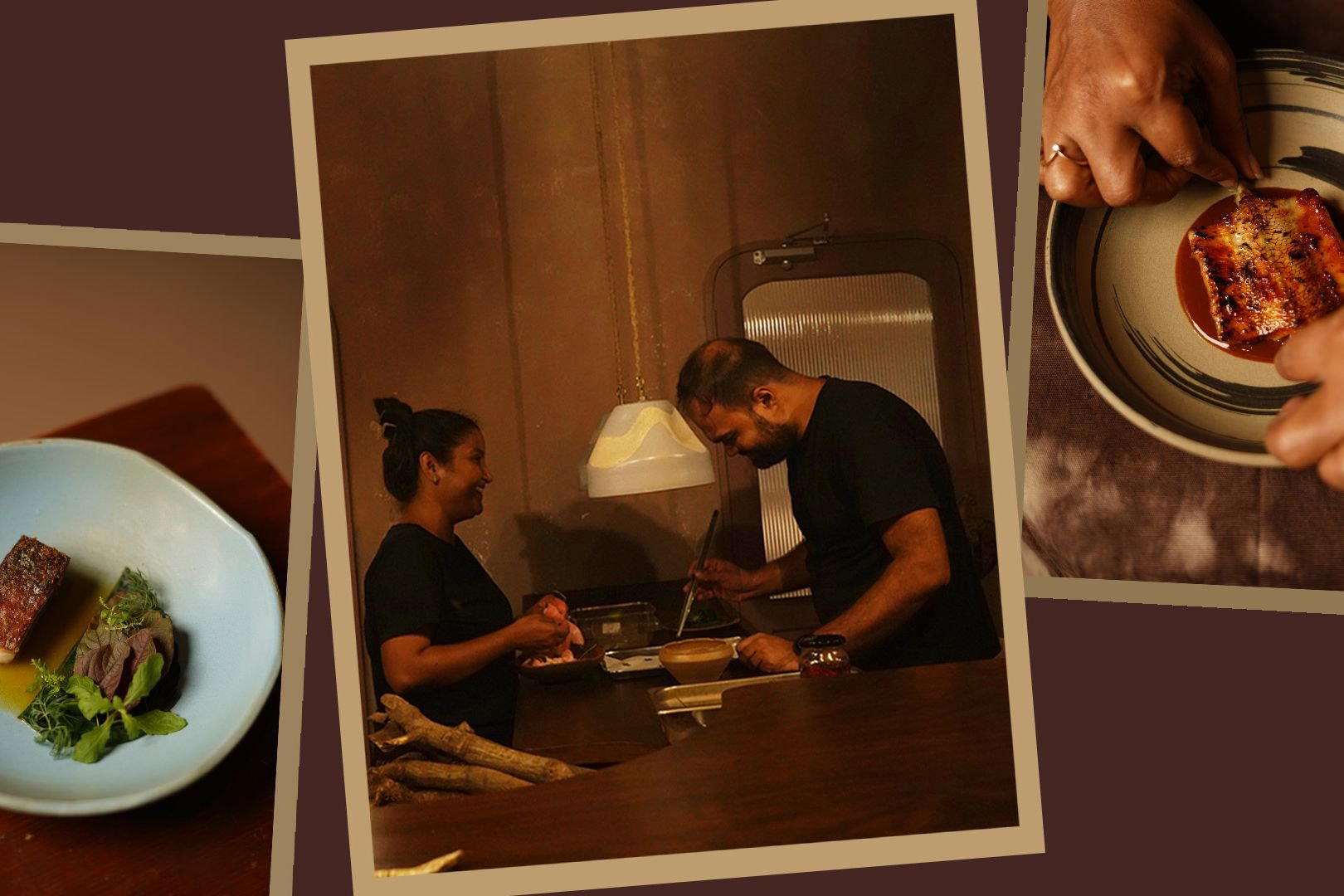
In Kolkata, Rannaghor by Sienna treats the idea of a Bengali kitchen as an intimate tasting-menu experience. The room’s visual grammar matters because Bengali cooking is often read through abundance, family service and the weight of memory. Here, the format edits that inheritance into a more deliberate progression, closer to a chef’s-table experience than a conventional Kolkata restaurant meal.
The sharper point is spice architecture. Bengali food is not only about heat; it is about sequencing. Bitterness opens appetite, mustard cuts through oil, dried and fresh aromatics behave differently, and pantry digestifs can close a meal with a logic that older households understand without needing explanation. Rannaghor by Sienna uses that grammar in a Bengali tasting-menu frame, presenting Bengal as a system of tempering, pickling, souring, drying and sweetening rather than a fixed list of heritage dishes.
Bengal's kitchen logic, compressed into a tasting menu
Kolkata has long had two parallel Bengali dining traditions: the domestic meal, where sequence and season matter, and the restaurant version, where recognition often comes through familiar fish, rice, mutton, sweets and festive spreads. The tasting-menu format changes the contract. It asks the diner to pay attention to transitions: bitter to sour, riverine to rich, milk-sweet to digestif. That makes the room feel less like a showcase and more like a controlled argument about what Bengali food can carry in 2026.
The opening logic is telling. Bitter notes, earthy vegetables and pickle-led sharpness can translate a household principle into a small-format course. Other moments may push the idea further by reworking familiar Bengali references through a contemporary tasting-menu idiom. These details matter because Kolkata’s contemporary dining rooms can risk importing format without importing memory. This kitchen keeps the structure modern while keeping the references local.
That localism is not soft-focus nostalgia. Bengal’s domestic and regional foodways can enter the room as reference points, not just as mood. A recurring attention to sequence, texture and memory keeps the meal tied to place without turning it into a checklist of classics. In a city where Bengali restaurants can lean heavily on canon, this smaller format works by editing the canon: one bitter note, one fish idea, one rich savoury register, one sweet register, each used to make a broader point about sequence.
Spice as structure, not seasoning
The assigned lesson here is how spice behaves before it becomes flavour. Whole spices bloom in fat; ground spices thicken and stain; pickles carry oil, salt and memory; dried aromatics extend a finish; pantry digestifs settle the meal. A Bengali tasting menu has room to separate those functions. Pickle oil can carry sharpness without turning a course into pickle. Citrus can make richer ingredients feel brighter rather than heavier. A closing gesture can place the end of the meal inside the pantry’s logic rather than outside it.
That approach also explains why the sweets are not an afterthought. Bengali dessert culture is broad and technically demanding, built around milk, chhana, jaggery, fruit, syrup and texture. The closing movement can read as a study in memory and acidity: familiar childhood flavours, seasonal fruit tartness, then the milk-sweet register that anchors Bengal’s dessert identity.
For readers mapping Kolkata’s wider dining scene, this is a narrow specialist lane rather than a broad survey. Other Kolkata dining rooms serve different needs: recognisable dishes, larger-table comfort and a more direct route into the city’s canonical flavours. Rannaghor by Sienna is useful when the question changes from “Where can Bengal be tasted?” to “How can Bengal be re-scored for a small counter without losing its grammar?” For broader context, see Our full Kolkata restaurants guide, alongside Our full Kolkata hotels guide, Our full Kolkata bars guide, Our full Kolkata wineries guide and Our full Kolkata experiences guide.
Where it sits in an India dining itinerary
The room’s tasting-menu format puts it closer to contemporary tasting culture than to the large-format hotel dining that still defines much of India’s premium restaurant circuit. That distinction matters for travellers building a route through the country. Across India, palace dining, hotel-led international breadth, regional dining and polished North Indian restaurants each answer different questions about place, scale and audience. Kolkata’s contribution here is intellectual rather than grand: a focused room using Bengali ingredients, spice logic, sweets and pantry memory to argue that Bengali cuisine has the internal complexity to sustain a modern tasting menu.
That does not make it the default dinner for every traveller. Diners looking for speed, breadth or a casual table will be better served elsewhere in the city. The case for this address is strongest when attention span is part of the appetite: a fixed progression and a kitchen interested in how Bengal’s past can be made legible through form. Travellers comparing Indian dining formats can also scan more distant references in other cities and cuisines, though the meaningful comparison is format rather than cuisine.
Frequently asked questions
Is Rannaghor by Sienna child-friendly?
The tasting-menu format points more to an adult dining room than a casual family setup. In Kolkata, this is a Bengali tasting-menu reservation rather than an à la carte meal, so children who can sit through a longer, focused service fit it better than younger diners.
Is Rannaghor by Sienna better for a quiet night or a lively one?
It suits a quiet night. The format is built around a Bengali tasting menu in Kolkata, so the pace is focused rather than lively.
Does Rannaghor by Sienna have a Michelin star or similar recognition?
Rannaghor by Sienna was recognised by Condé Nast Traveler in its “The Best New Restaurants in the World: 2026 Hot List.”
Is Rannaghor by Sienna focused on a specific cuisine style?
Rannaghor by Sienna serves a Bengali tasting menu.
What are Rannaghor by Sienna's hours?
Check directly with Rannaghor by Sienna for current opening hours, as tasting-menu schedules can change.
What's Rannaghor by Sienna's location?
Kolkata.
What's Rannaghor by Sienna best at?
It is strongest when translating Bengali cooking into a tasting-menu format, using local references and a progression built around sequence, spice and memory. The setting gives it a clear identity in Kolkata's fine-dining scene.
How It Compares
Comparable venues nearby, for context on price, style, and recognition.
| Venue | Cuisine | Price | Awards | Notes |
|---|---|---|---|---|
| Rannaghor by SiennaThis venue (the venue you are viewing) | Bengal-focused tasting menu chef’s table | $50–100 | Conde Nast Hot List Restaurants | Not listed |
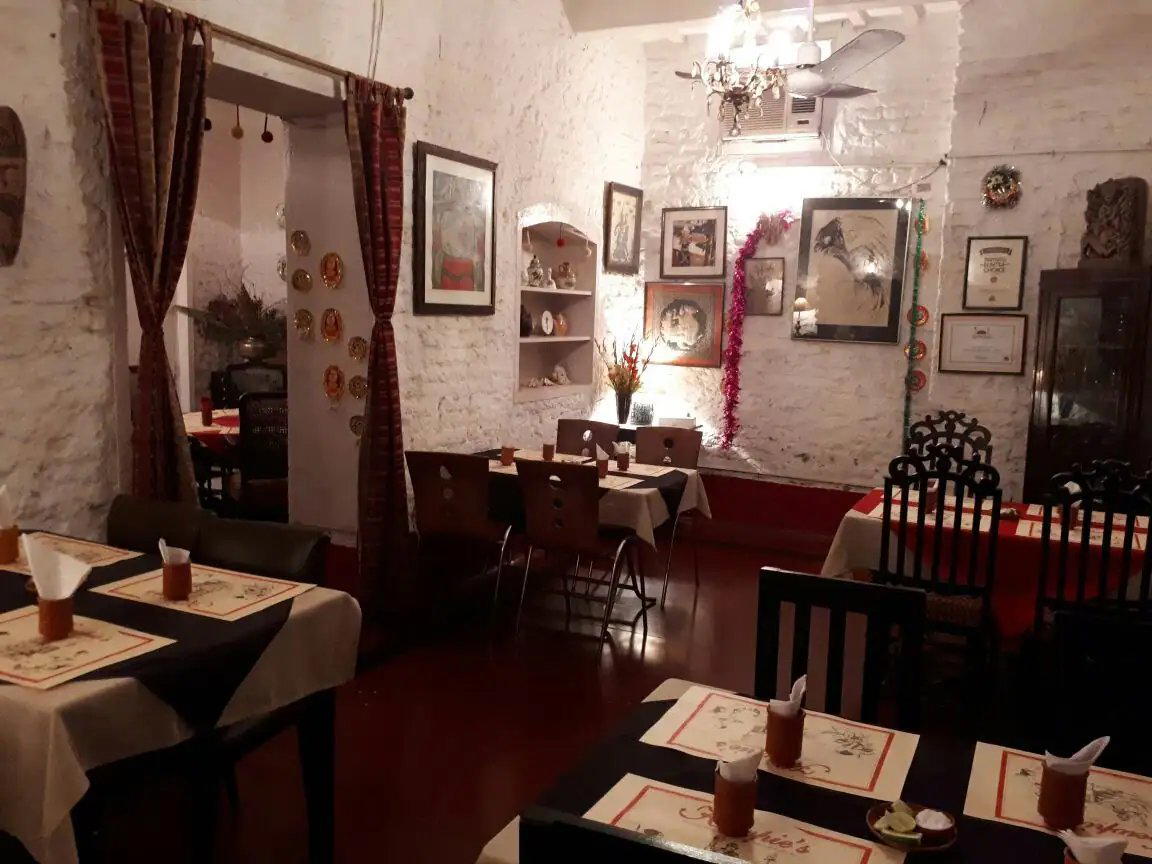
| Sonargaon | Traditional Bengali | $20–30 | Not listed | Alipore |
| 6 Ballygunge Place | Authentic Bengali | $10–20 | Not listed | Ballygunge |
| Sienna Store & Cafe | Modern Bengali | $20–30 | La Liste Top Restaurants | Hindustan Park |
| Peshawri | North West Frontier Tandoori | $30–50 | Not listed | Science City |
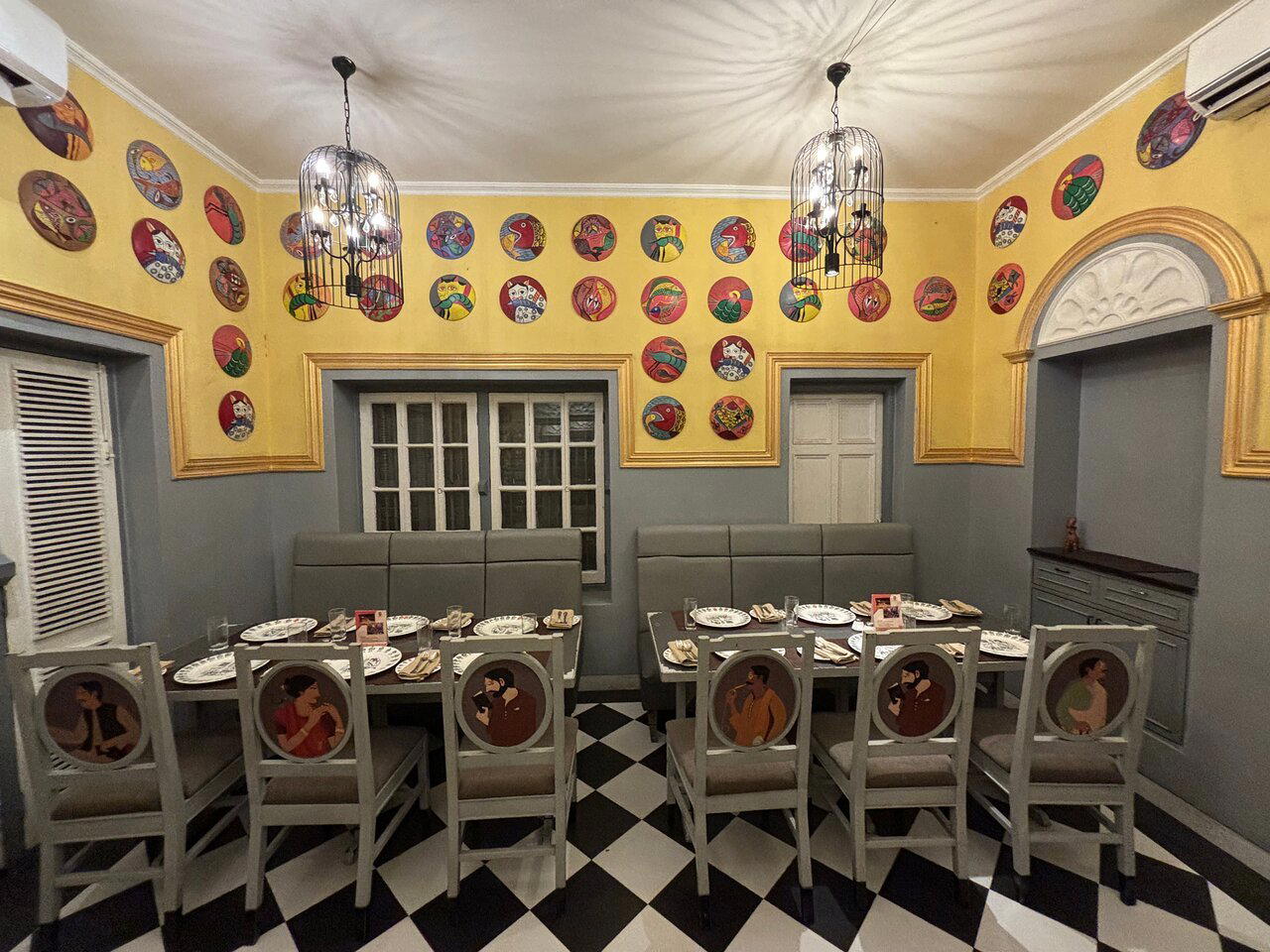
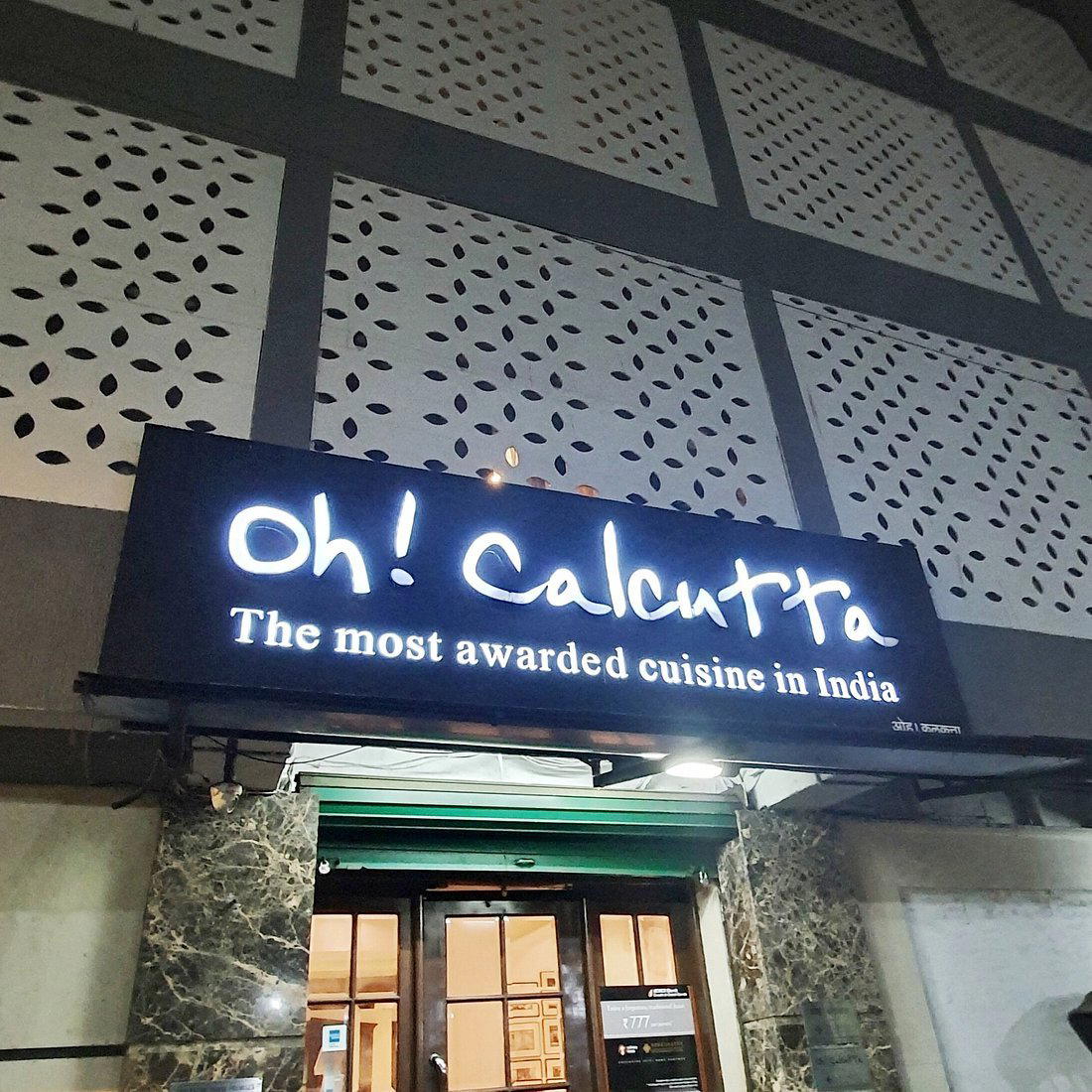
| Oh Calcutta | Authentic Bengali Cuisine | $20–30 | Not listed | Kolkata (Calcutta) |
Recognition history
Dated appearances from independent guides and award organizations, with the underlying list record or original source where available.
Conde Nast Hot List Restaurants
Conde Nast
Continue exploring
More in Kolkata
Restaurants in Kolkata
All restaurants in Kolkata →




Details
- Intimate
- Cozy
- Rustic
- Date Night
- Special Occasion
- Celebration
- Group Dining
- Solo
- Chefs Counter
- Open Kitchen
- Design Destination
- Historic Building
- Standalone
- Farm To Table
- Local Sourcing
- Sustainable Seafood
- Tasting Menu
- Counter Dining
- Prix Fixe
- Allergy Accommodating
Current opening hours
- Monday
- Closed
- Tuesday
- Closed
- Wednesday
- Closed
- Thursday
- Closed
- Friday
- 8–10:30 PM
- Saturday
- 8–10:30 PM
- Sunday
- 8–10:30 PM
Hours can change for holidays and private events. Hours as of .
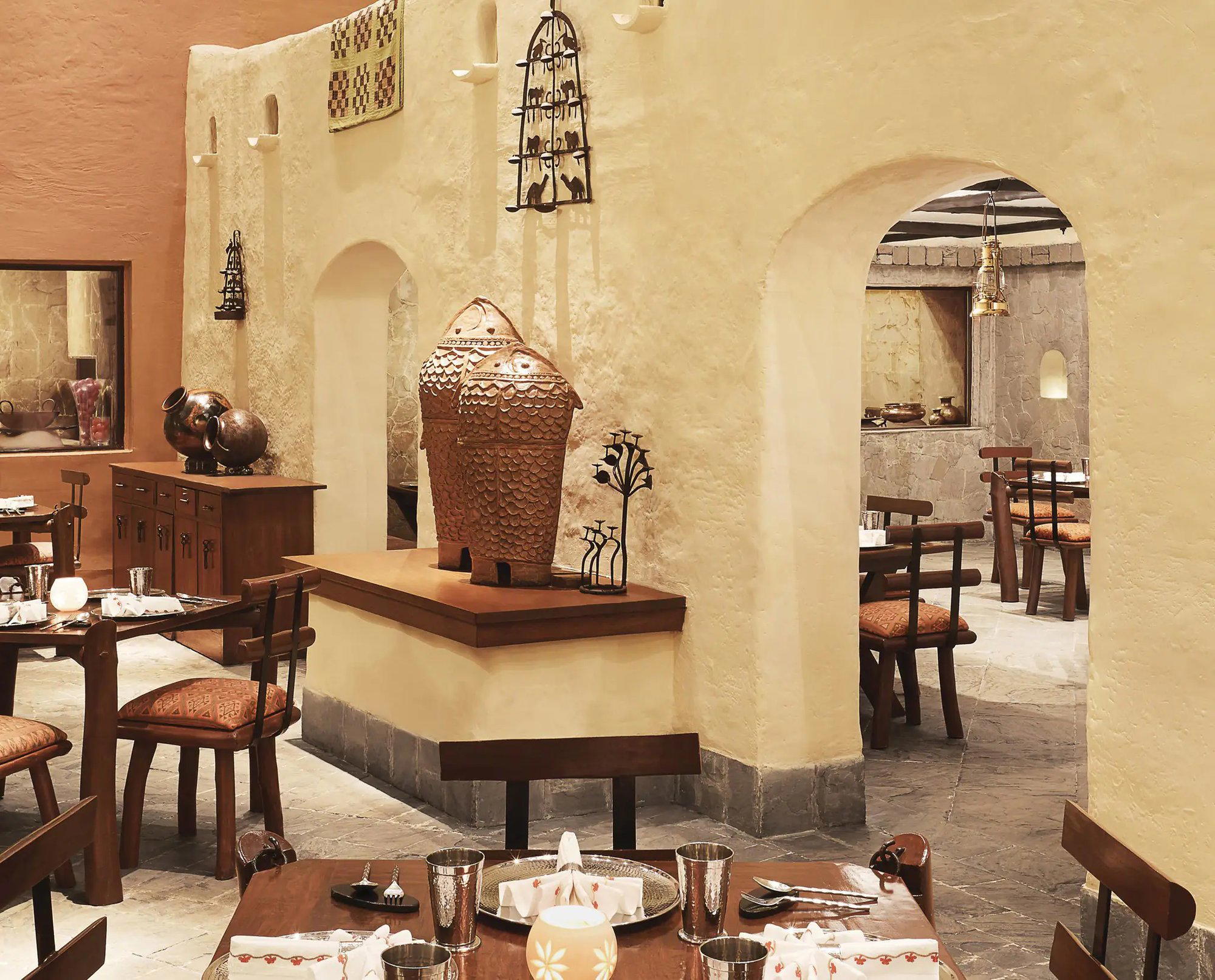
An immersive, kitchen-side tasting set in a small upstairs space that feels like a home kitchen and dining room, with community-style seating, close interaction with the chefs, and a warm, craft-driven Bengali aesthetic.