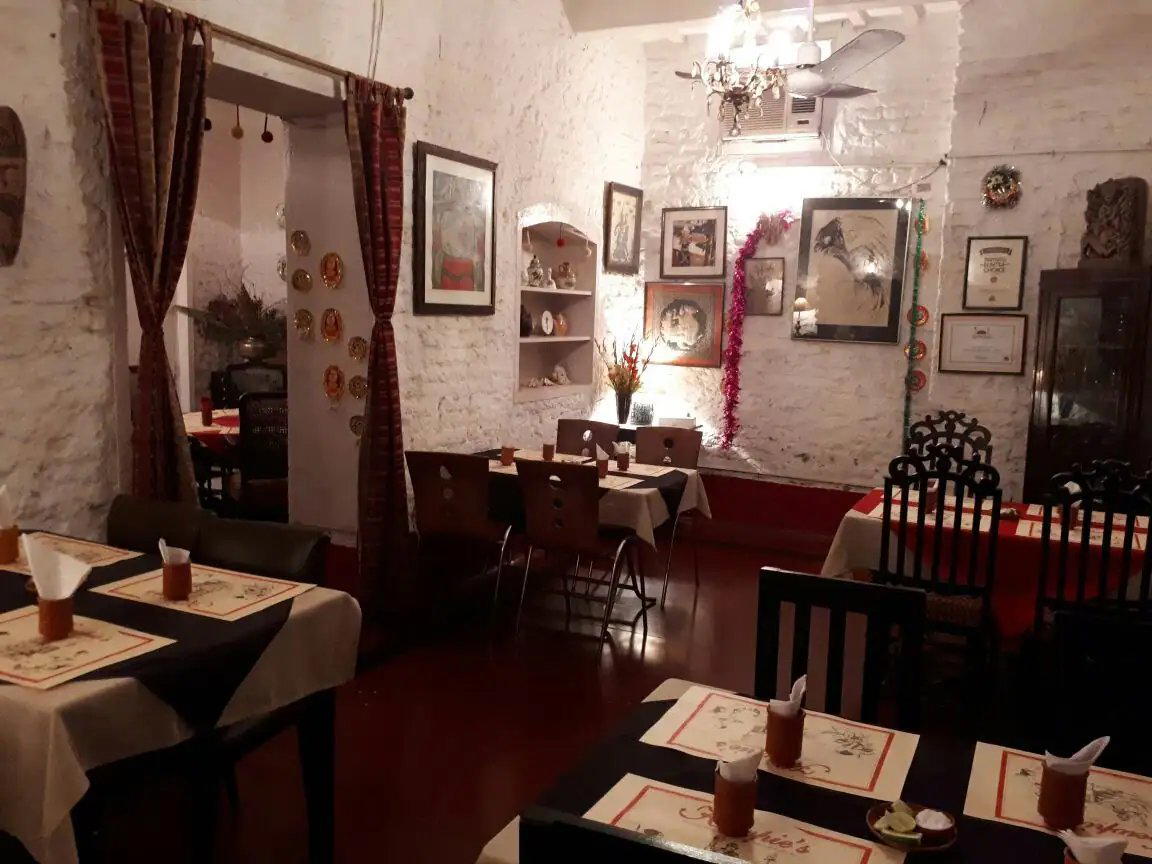
6 Ballygunge Place occupies a quiet residential address in south Kolkata and has spent decades as the city's most-cited destination for traditional Bengali home cooking. The setting reads less like a restaurant and more like a large family house repurposed for guests, which is precisely the point. It draws both longtime Calcuttans and out-of-town visitors looking for Bengali food that reads as domestic rather than ceremonial.
Pearl is the En Primeur Club membership app — saves, bookings, and concierge access live there. Same editors, same standards.
- Address
- 6, Dr Amiya Bose Sarani Rd, near Patha Bhavan School, Ballygunge Place, Ballygunge, Kolkata, West Bengal 700019, India
- Phone
- +913324603922
- Website
- 6ballygungeplace.in
- Directions
- Get directions
 Saves & bookings on Pearl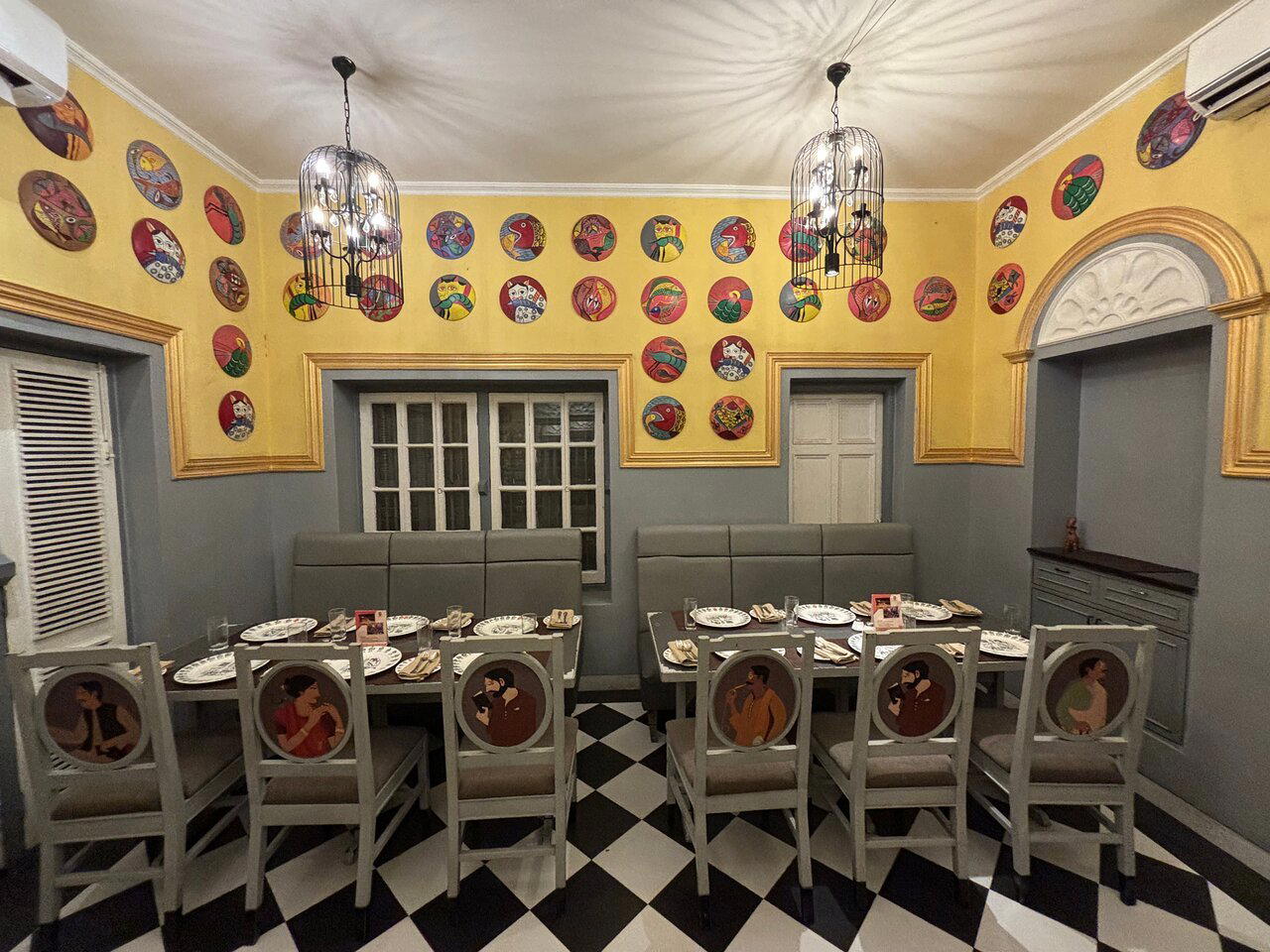
The Residential Logic of Bengali Dining in South Kolkata
Ballygunge, the leafy south Kolkata neighbourhood that gives this restaurant its name, has long been associated with bhadralok culture: the educated, upper-middle-class Bengali households whose cooking traditions represent a distinct culinary grammar. Within that grammar, spicing is measured, fish is central, and the sequencing of a meal carries as much meaning as any individual dish. Restaurants that attempt to represent this tradition occupy a specific and competitive position in the city's dining map, one that requires them to read as domestic rather than theatrical. Its address on Dr Amiya Bose Sarani Road near Patha Bhavan School has helped define that register.
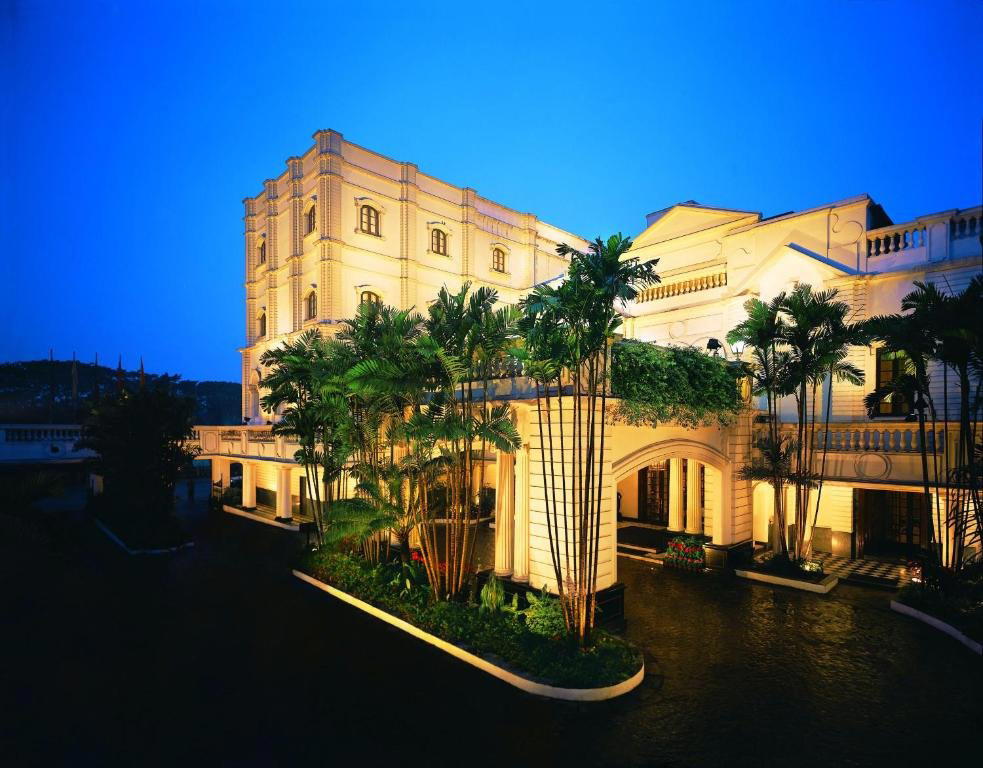
The building's physical presence sets the tone before you eat. Large, slightly formal, with the proportions of a south Kolkata mansion rather than a purpose-built dining room, it cues a particular kind of occasion: not a quick meal, but a sit-down affair that Bengali families might associate with weddings, pujas, or the kind of extended Sunday lunch that takes most of the afternoon. That association is not incidental. It shapes what diners expect and, consequently, what the kitchen is measured against.
Ingredient Sourcing as Cultural Argument
Bengali cooking's reputation rests on specificity of sourcing, and nowhere is that more apparent than in its fish cookery. The distinction between hilsa caught in the Padma versus the Hooghly is a genuine one in Bengali culinary discourse, not a marketing affectation. Prawns from the Sundarbans carry a different salinity and sweetness than farmed alternatives. Mustard oil pressed from local crops has a pungency that refined alternatives cannot replicate. These distinctions matter because Bengali cuisine at this tier does not obscure ingredients behind heavy sauces; it presents them through preparations that are often simple enough to expose exactly what the sourcing was.
Restaurants working in this tradition live or die by their supply relationships. A kitchen claiming to represent old Calcutta cooking while using farmed freshwater fish or blended mustard oil is, to any informed Bengali diner, making a significant claim it cannot sustain. 6 Ballygunge Place has maintained its standing in the city, suggesting those supply relationships are held seriously. That consistency is, in the Bengali dining context, a form of credibility that no amount of interior renovation can substitute for.
This sourcing logic also explains why the menu reads as seasonal and regionally anchored rather than pan-Indian. Dishes rotate around what is available and appropriate to Bengal's rivers, wetlands, and agricultural calendar. That is a different operating model from the kind of heritage-Indian restaurant that maintains a static menu year-round, and it places 6 Ballygunge Place in a different conversation from venues like Dum Pukht Kolkata, which works within the Awadhi dum tradition, or Peshawri, whose reference point is the North-West Frontier. Both are serious restaurants, but they are answering a different culinary question.
Where 6 Ballygunge Place Sits in Kolkata's Bengali Dining Tier
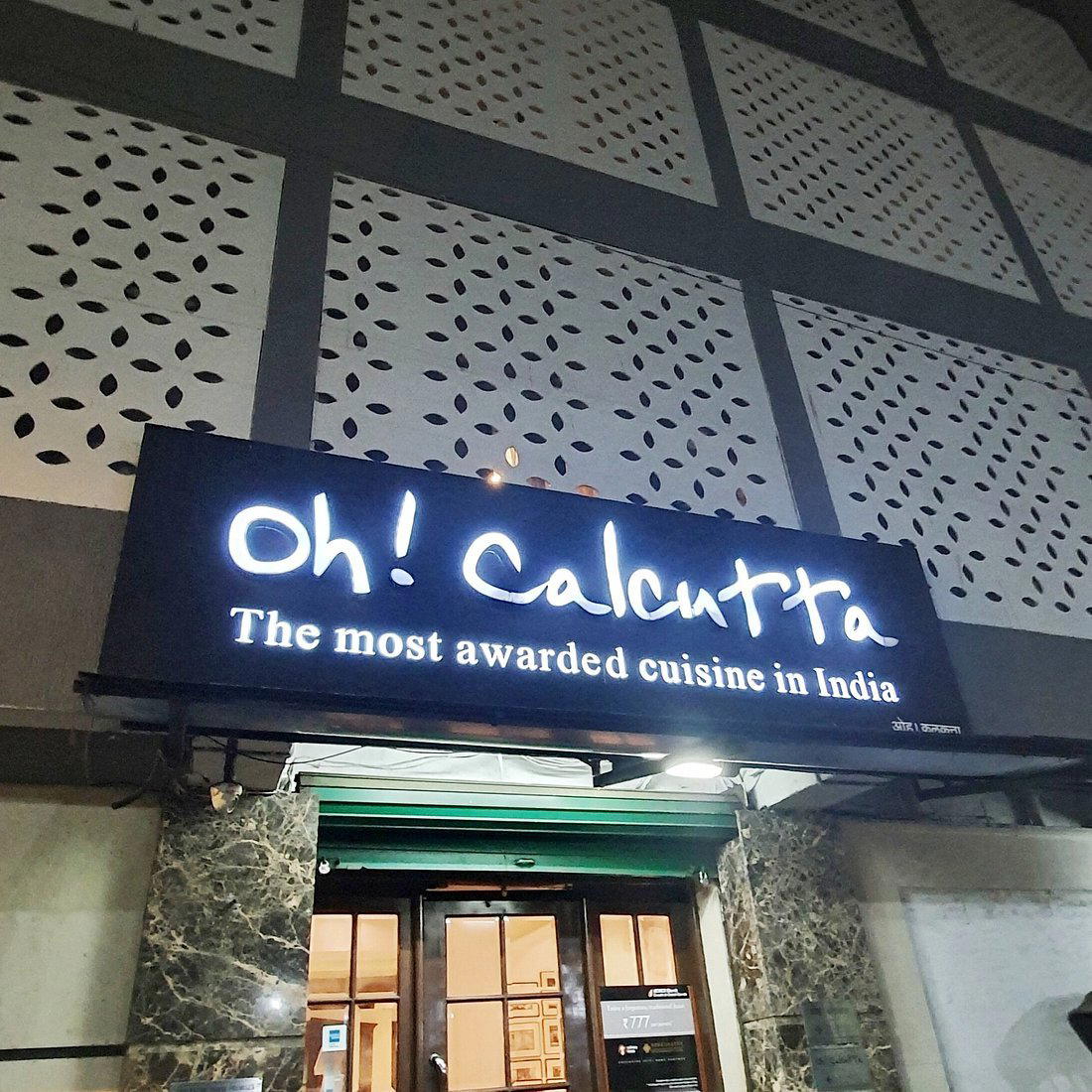
Kolkata has several restaurants operating in the Bengali home-cooking register, and the distinctions between them are worth mapping. Kewpie on Elgin Road is the other address most frequently cited alongside the restaurant when serious Bengali cooking is discussed; both have built reputations over decades rather than through recent media cycles. Oh Calcutta operates at a larger, more commercially formatted scale, which changes the experience even when the dishes overlap. Baan Thai represents the city's appetite for international cooking, which is real but sits in a separate conversation entirely.
What separates the upper tier of Bengali dining from mid-market competitors is not primarily price or decor but the fidelity of the cooking to its source traditions. A shorshe ilish (hilsa in mustard sauce) is a dish with almost no margin for imprecision: the fish quality, the mustard blend, and the cooking time are all exposed. At this level of Bengali dining, those dishes function as the equivalent of a sommelier's benchmark pour, the thing you order to calibrate the kitchen before committing to the rest of the meal.
For visitors who want to triangulate Kolkata's restaurant scene against India's broader fine-dining picture, the relevant comparison is less with Farmlore in Bangalore's hyperlocal sourcing model or the Mughal-register cooking at Bukhara in New Delhi, and more with the handful of Indian regional restaurants that have chosen depth over breadth. The ambition is not to represent all of India but to represent one culinary region with precision.
Planning a Visit
The restaurant sits in a residential pocket of Ballygunge, easily reached from Park Street or Gariahat by taxi or app-based car. The area is navigable on foot from nearby landmarks but the restaurant itself is set back slightly from the main arterial roads, so the address on Dr Amiya Bose Sarani Road near Patha Bhavan School is the practical anchor for navigation. The setting and service format suit an unhurried meal; this is not a venue designed for a quick lunch between appointments. Groups travelling through Kolkata who want a single definitive Bengali meal in a setting that reads as historically grounded rather than tourist-facing tend to make this address a priority.
The approach is not distinctive to Bengal, but Bengal's culinary tradition may be the Indian context in which it carries cultural weight, because the argument about sourcing is not just a restaurant strategy here but a decades-long civic conversation about what Bengali food is and who gets to represent it.
Quick Comparison
Comparable venues nearby, for context on price, style, and recognition.
| Venue | Cuisine | Price | Notes |
|---|---|---|---|
| 6 Ballygunge PlaceThis venue — the venue you are viewing | Authentic Bengali | $$ | Not listed |
| Kewpie | Traditional Bengali Thali | $ | Bhowanipore |
| Sonargaon | Traditional Bengali | $$$ | Alipore |
| Peshawri | North West Frontier Tandoori | $$$ | Science City |
| Rannaghor by Sienna | Bengal-focused tasting menu chef’s table | $$$ | Hindustan Park |
| Oh Calcutta | Authentic Bengali Cuisine | $$$ | Kolkata (Calcutta) |
At a Glance
- Classic
- Elegant
- Well Known
- Family
- Group Dining
- Special Occasion
- Historic Building
Current opening hours
- Monday
- 12:30–3:30 PM, 7–10:30 PM
- Tuesday
- 12:30–3:30 PM, 7–10:30 PM
- Wednesday
- 12:30–3:30 PM, 7–10:30 PM
- Thursday
- 12:30–3:30 PM, 7–10:30 PM
- Friday
- 12:30–3:30 PM, 7–10:30 PM
- Saturday
- 12:30–3:30 PM, 7–10:30 PM
- Sunday
- 12:30–3:30 PM, 7–10:30 PM
Hours can change for holidays and private events. Last verified .
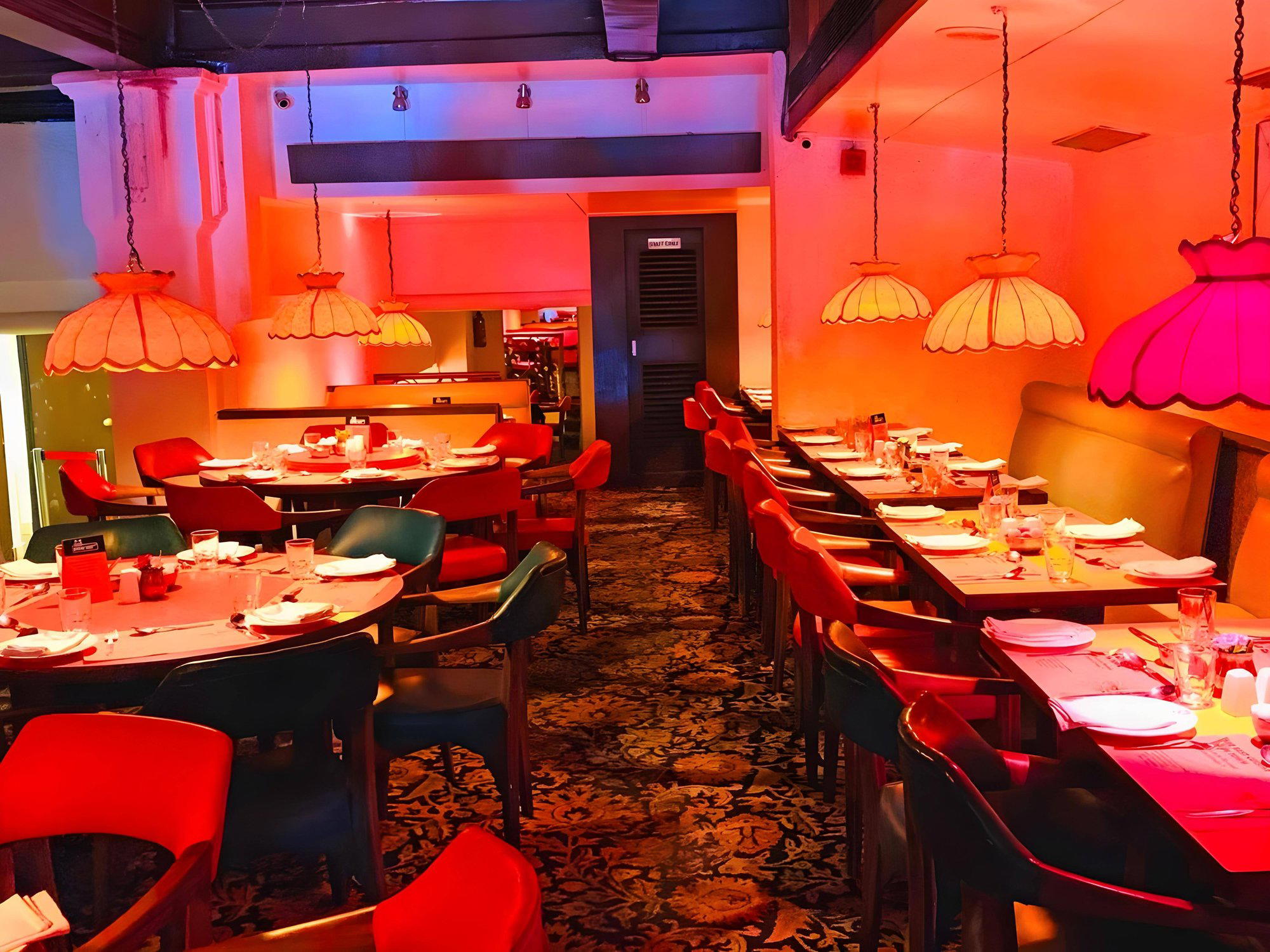
Era-appropriate interiors featuring teak chairs and gramophones in a refurbished 20th-century mansion, creating a classic and elegant atmosphere.