Persepolis

Michelin Plate
Our verdict
On the Upper East Side, Persepolis has built a durable reputation as one of New York's most consistent Persian kitchens, earning recognition for silky spreads, fragrant stews, and precisely grilled meats. Linen-draped tables and banquette seating along Second Avenue make it as suitable for a considered weeknight dinner as a more formal occasion. The price point sits squarely mid-range for the neighbourhood.

Pearl is the En Primeur Club membership app — saves, bookings, and concierge access live there. Same editors, same standards.
- Address
- 1407 2nd Ave, New York, NY 10021
- Phone
- (212) 535-1100
- Hours
- Mon–Thu 11:30 AM–10 PMFri–Sat 11:30 AM–10:30 PMSun 11:30 AM–10 PM
- Website
- persepolisnewyork.com
- Directions
- Get directions
- Booking
- Book on OpenTable
The menu
What to order
- Kebab Kubideh
- Eggplant Halim
- Basmati Rice with Sour Cherries
- Lamb Shank
- Saffron Chicken Kebab
- Persian Lemon Ice
Persian Dining in New York: A Tradition That Rewards Patience
Persian cuisine arrived in New York in meaningful numbers during the late 1970s and early 1980s, carried by the Iranian diaspora that settled across the city and, in particular, along the Upper East Side corridor. That concentration was not accidental: the neighbourhood's established professional class and Iranian-American community created enough sustained demand to support full-service restaurants rather than casual takeaway counters. Persepolis, on Second Avenue at 73rd Street, is among the survivors of that era's dining culture — a restaurant that has outlasted trendier openings by staying close to the culinary tradition it represents.
The broader context matters here. New York's Persian dining scene is thin by comparison with cities like Los Angeles, where restaurants such as Attari Sandwich Shop and Azizam benefit from a larger and more geographically concentrated Iranian-American population. In New York, the category has historically operated at lower volume and narrower range, which means individual restaurants carry more weight as reference points.
The Spread, the Dip, the First Impression
In Persian cooking, the opening of a meal does much of the work. The mezze-adjacent tradition of sharing small plates, dips, and breads before the main course is not a borrowed concept here, it is integral to the cuisine's hospitality logic, rooted in the idea that abundance on the table reflects care for the guest. At Persepolis, this translates into silky-smooth spreads and homemade yogurt that arrive before the kitchen's heavier preparations, setting the register for everything that follows.
The eggplant halim is the kitchen's clearest statement of intent in this category. Roasted eggplant and onion are blended into a creamy, steaming dip, with tender lentils folded through and a dollop of yogurt placed on leading. The dish demonstrates a technique common in Persian home cooking, long-cooked vegetables coaxed into something richer than their individual parts, and it arrives at the table in a form that is difficult to improve upon. Dishes like this are the reason Persian restaurants earn their reputations slowly and keep them long: they are not reliant on spectacle or novelty, only on execution.
This is the opening-course tradition that distinguishes Persian dining from Middle Eastern categories that have received more mainstream attention in New York. Where Lebanese and Israeli-inflected menus have proliferated across the city's mid-range tier, Persian spreads remain less widely replicated, which gives a kitchen like Persepolis's more room to define what the category means for diners encountering it for the first time.
The Main Course: Kebabs, Rice, and the Architecture of a Persian Plate
The centrepiece of the Persian table is built around grilled protein, aromatic rice, and the careful deployment of souring agents, sour cherries, barberries, dried limes, that cut through fat and lift the overall composition. Persepolis executes this architecture without shortcuts. The kebab duo of saffron-tinged chicken and grilled beef arrives with basmati rice flecked with sour cherries, a preparation that demonstrates how Persian cooking uses fruit not as sweetness but as counterpoint. Both kebabs are described by critics and reviewers as consistently well-executed, succulent without being underdone, carrying the smoke and spice of the grill without losing the clarity of the marinade.
Fragrant stews (khoresh) complete the picture. Persian stews operate on long timelines, hours of reduction that concentrate flavour into something dense and layered, and they represent the least translatable part of the cuisine for diners unfamiliar with the tradition. A kitchen that handles them well earns a different kind of loyalty from regulars than one that focuses exclusively on the grill.
For dessert, the Persian lemon ice studded with bits of rice noodles and finished with a deep red cherry syrup is worth noting as an example of how Persian sweets operate in a register quite different from the baklava-and-honey tradition often associated with the broader region. The sourness of the lemon against the sweetness of the cherry syrup, with the textural interruption of the noodles, is a dessert that requires no translation, it is simply well-constructed.
The Room and Its Register
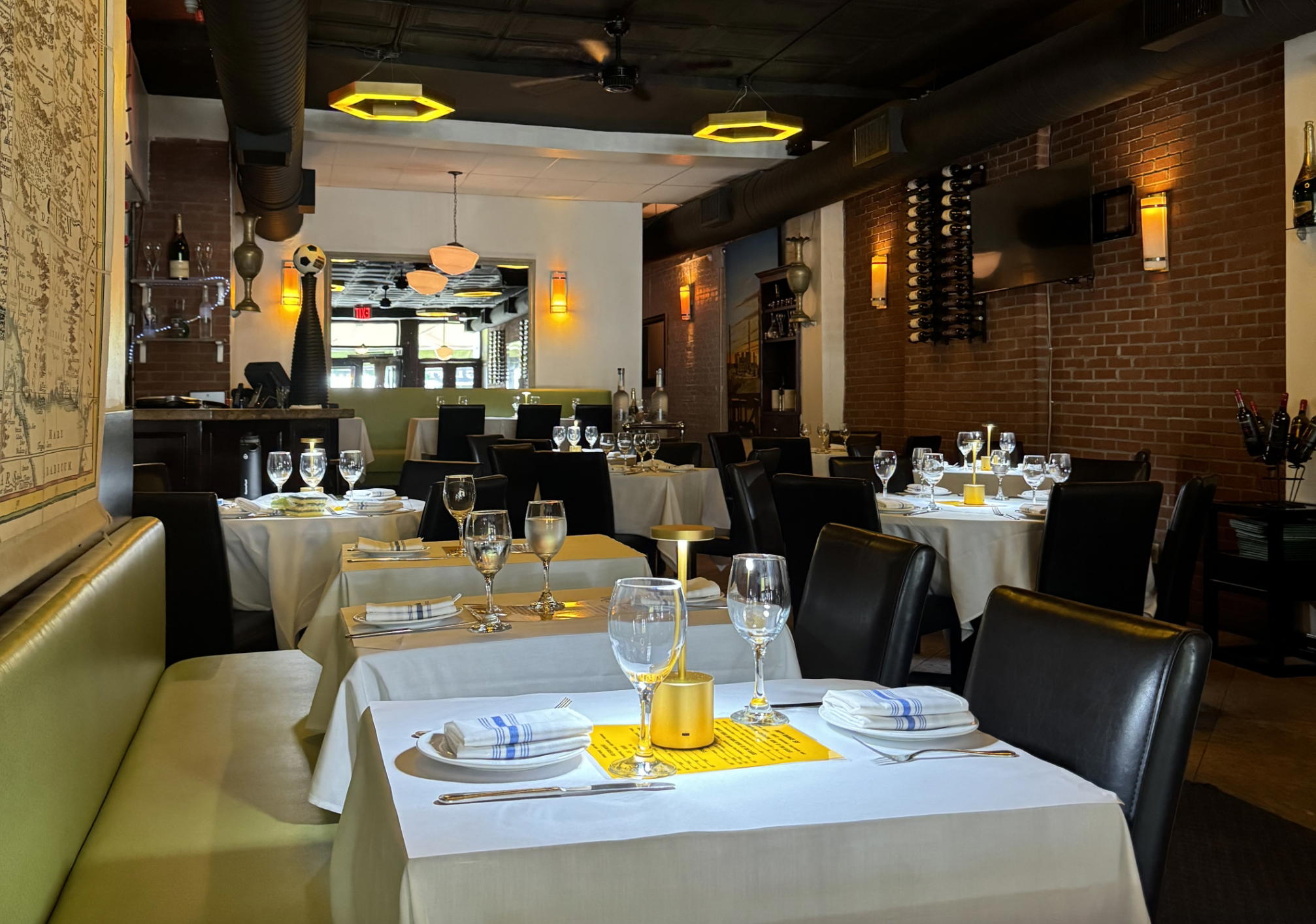
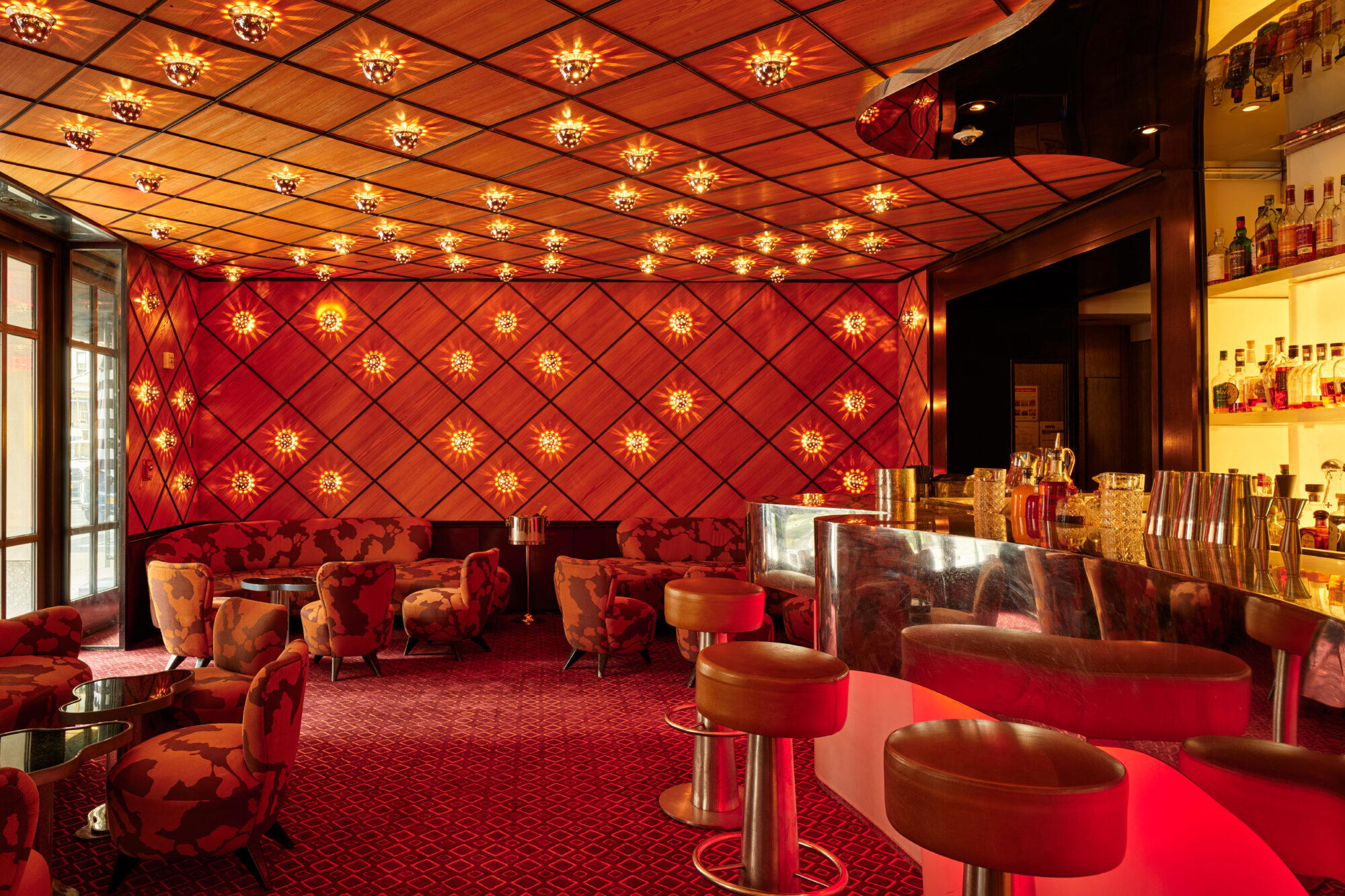
The Upper East Side has its own dining conventions, and Persepolis navigates them with a room that neither over-sells nor under-delivers. Linen-draped tables, spacious banquettes, and large windows facing Second Avenue create an environment that sits comfortably between neighbourhood restaurant and occasion dining. The dress code is effectively self-selecting: the room invites effort without demanding it. Service is consistently described as gracious, though critical assessment notes it can tip toward over-earnestness, a characteristic that reads differently depending on whether you want your dinner to feel attended or managed.
The price range sits at mid-market ($$) for a neighbourhood where the top tier runs considerably higher. For comparison, restaurants like Le Bernardin, Atomix, and Eleven Madison Park operate at the $$$$ tier with tasting-menu formats and booking lead times measured in months. Persepolis occupies a different register entirely, accessible without being casual, consistent without being formulaic.
Where Persepolis Sits in New York's Persian Scene
New York's Persian dining conversation in recent years has expanded with newer entrants. Eyval and Sofreh have brought updated approaches to the category, attracting significant press attention and younger audiences. This is useful context for understanding where Persepolis sits: it is not the restaurant making a new argument about Persian food, it is the one making the established argument with sustained competence. That distinction matters when you are deciding how to spend an evening. If you want to track what the cuisine is becoming, the newer entrants are the reference points. If you want to understand what the cuisine has reliably been in New York for decades, Persepolis is the more instructive table.
For a broader sense of where Persian cooking fits within New York's wider restaurant conversation, our full New York City restaurants guide maps the city's dining categories across neighbourhoods and price tiers. Those planning a longer stay will also find relevant recommendations in our New York City hotels guide, bars guide, and experiences guide.
Know Before You Go
- Address: 1407 2nd Ave, New York, NY 10021
- Cuisine: Persian
- Price range: $$ (mid-range)
- Neighbourhood: Upper East Side, Manhattan
- Atmosphere: Linen-draped tables, banquette seating, large Second Avenue windows, suitable for both weeknight dinners and more considered occasions
- Booking: Contact the restaurant directly; online, check ahead
at Persepolis?
The eggplant halim is the dish that most clearly defines what this kitchen does well: roasted eggplant and onion blended with tender lentils, finished with yogurt, it is a benchmark preparation for Persian-style dips in New York. From the grill, the saffron-marinated chicken and grilled beef kebab combination, served with sour cherry basmati rice, draws consistently favourable critical assessment and represents the Persian plate in its most recognisable form. For dessert, the Persian lemon ice with rice noodles and cherry syrup is a lower-profile choice that rewards those who order past the familiar options. The spreads and homemade yogurt that open the meal are not afterthoughts, they are part of the case for eating here.
Comparison Snapshot
| Venue | Cuisine | Price | Awards | Notes |
|---|---|---|---|---|
| PersepolisThis venue — the venue you are viewing | Persian | $30–50 | Michelin Plate | Not listed |
| Le Bernardin | French Seafood Fine Dining | $300–500 | 3 Michelin Stars · World's 50 Best #13 | French, Seafood |
| Atomix | Modern Korean Tasting Menu | $300–500 | 2 Michelin Stars · World's 50 Best #7 | Modern Korean, Korean |
| Masa | Seasonal Hokkaido Tempura Omakase | $150–200 | Tabelog 100 #34 | Sushi, Japanese |
| Per Se | French Fine Dining Tasting Menu | $300–500 | 3 Michelin Stars · World's 50 Best #40 | French, Contemporary |
| Eleven Madison Park | Contemporary Plant-Based Fine Dining | $300–500 | 3 Michelin Stars · World's 50 Best #4 | French, Vegan |
Recognition history
Dated appearances from independent guides and award organizations, with the underlying list record or original source where available.
Michelin Plate
Michelin
Full recognition history (2 entries)
Michelin Plate
Michelin
Continue exploring
More in New York City
Restaurants in New York City
Browse all →
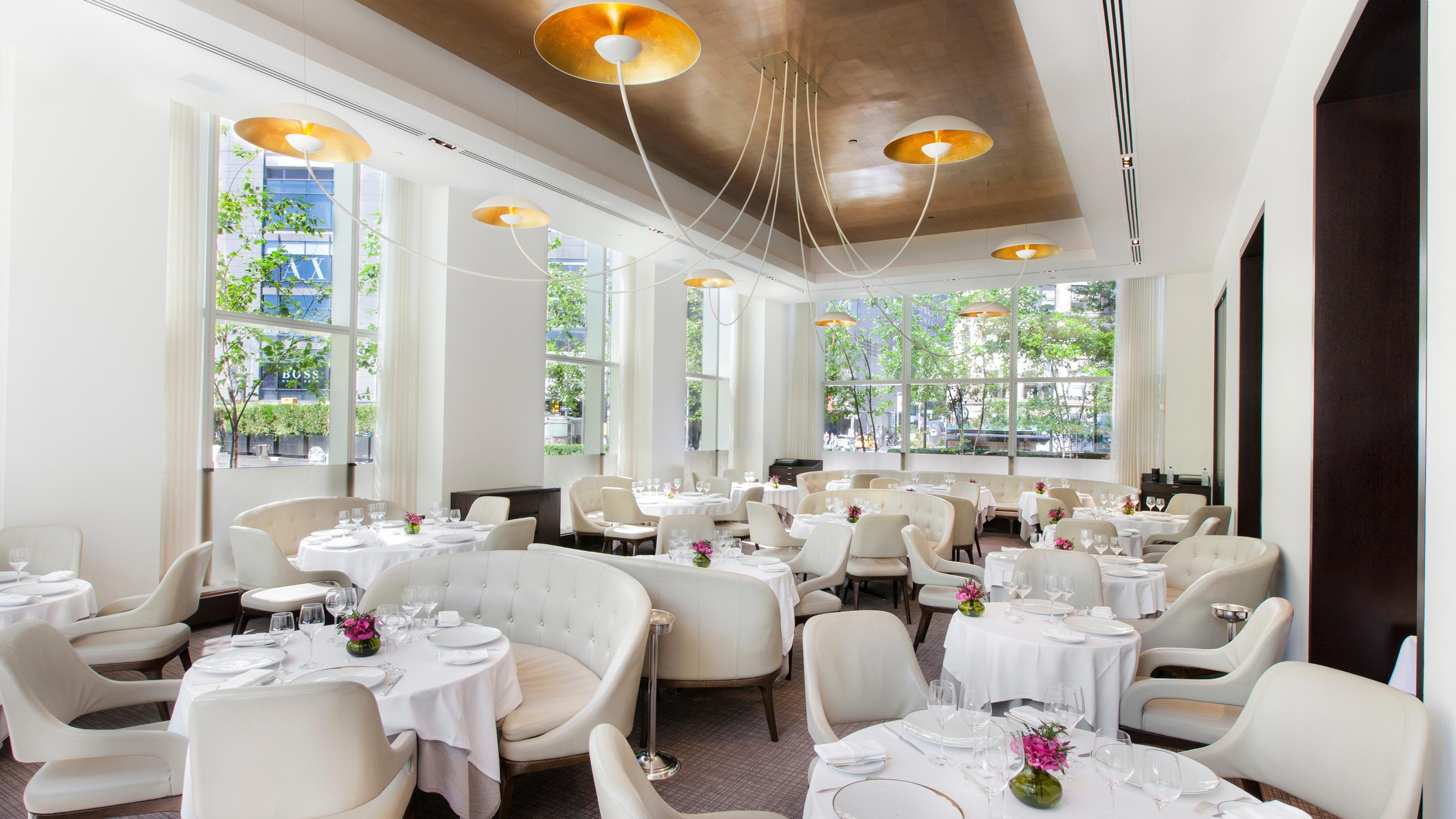
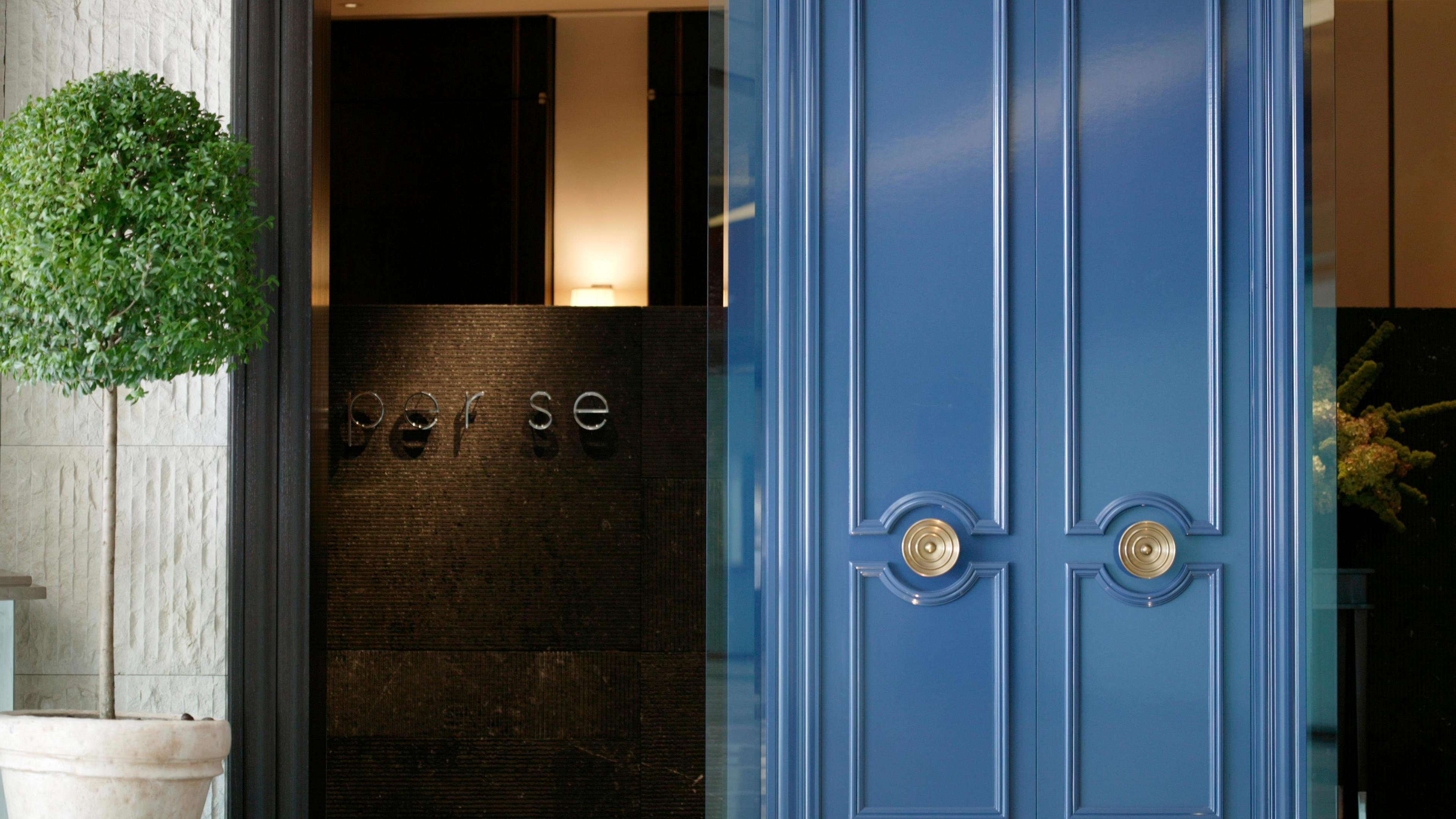
Bars in New York City
Browse all →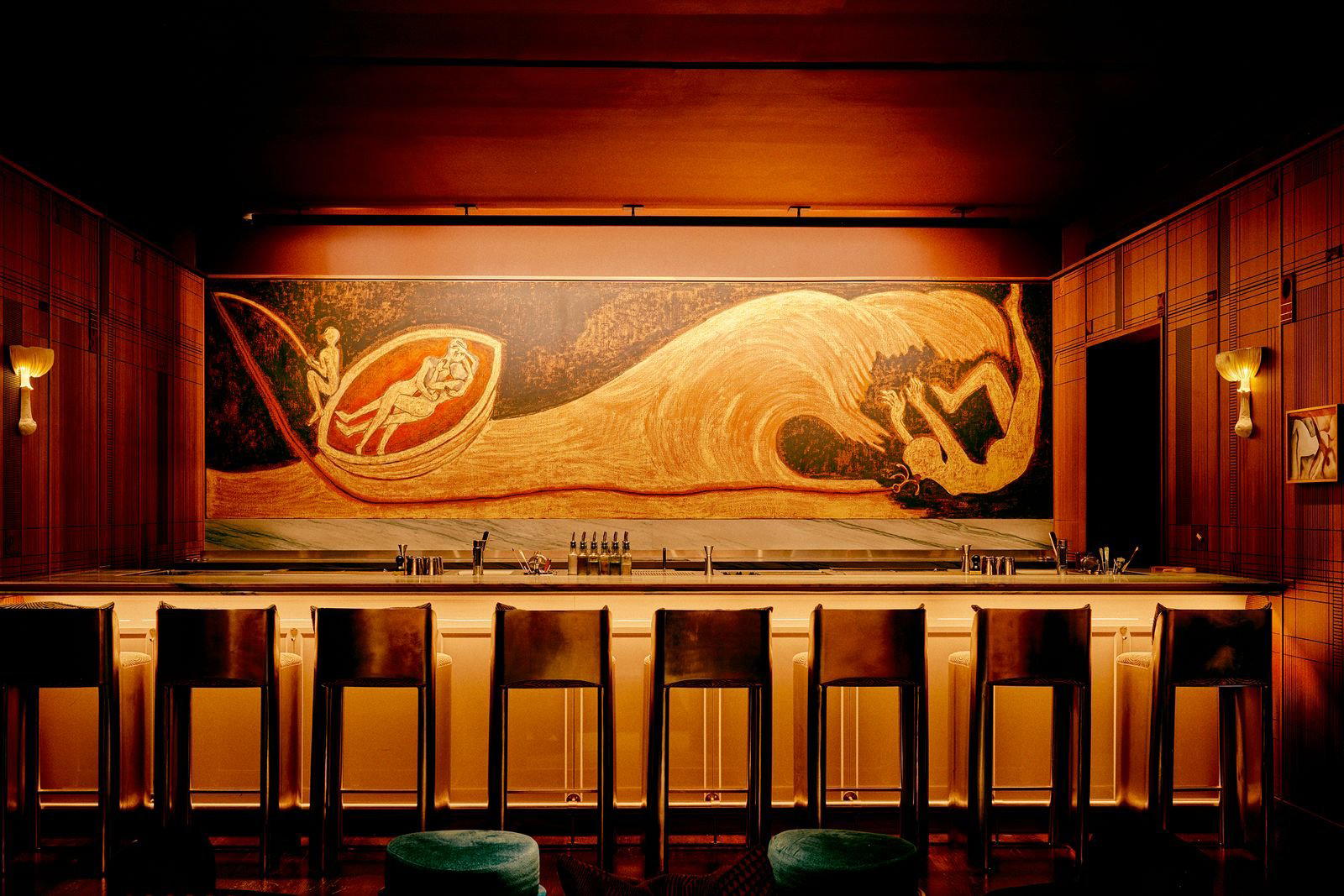
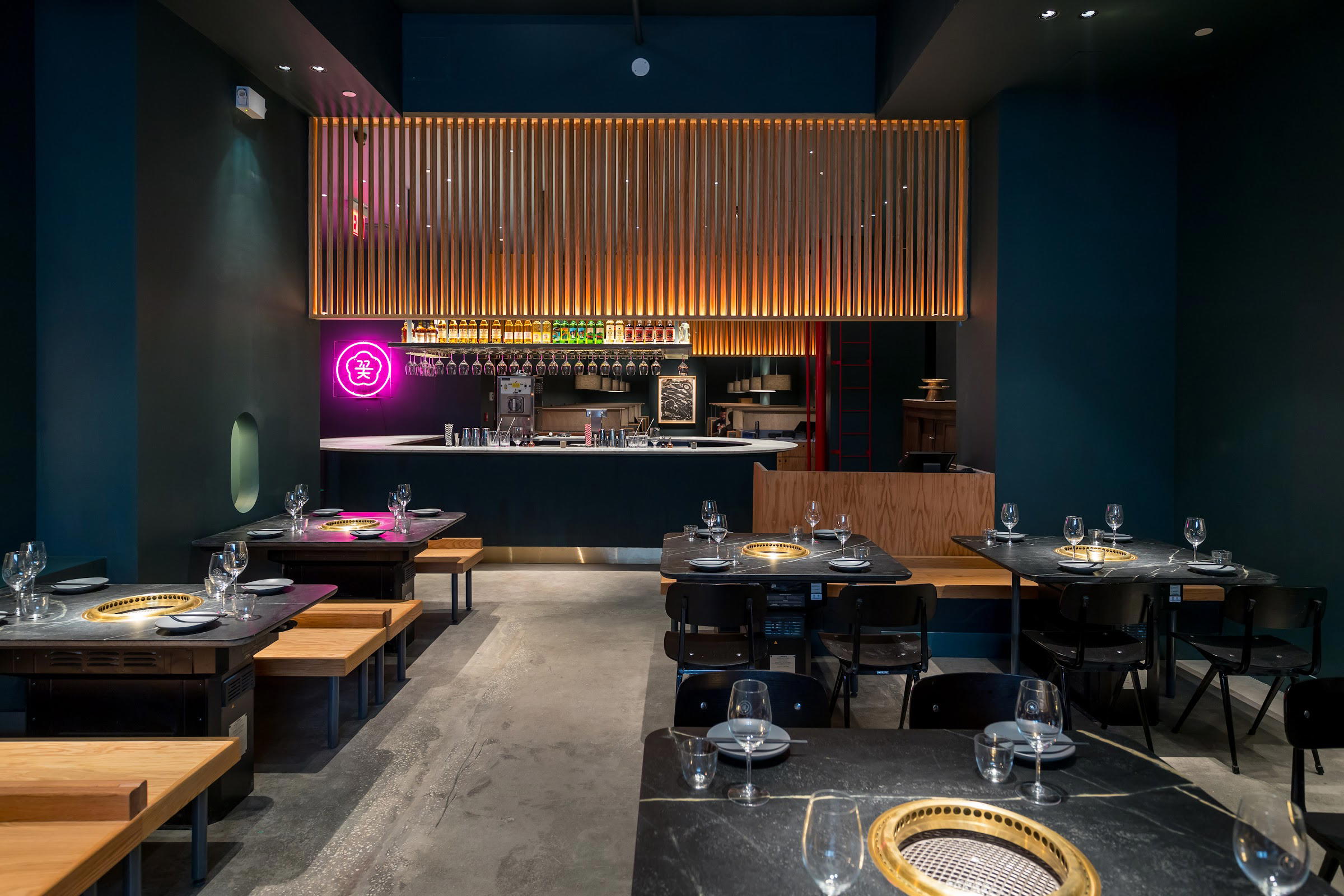
Hotels in New York City
Browse all →





Persepolis
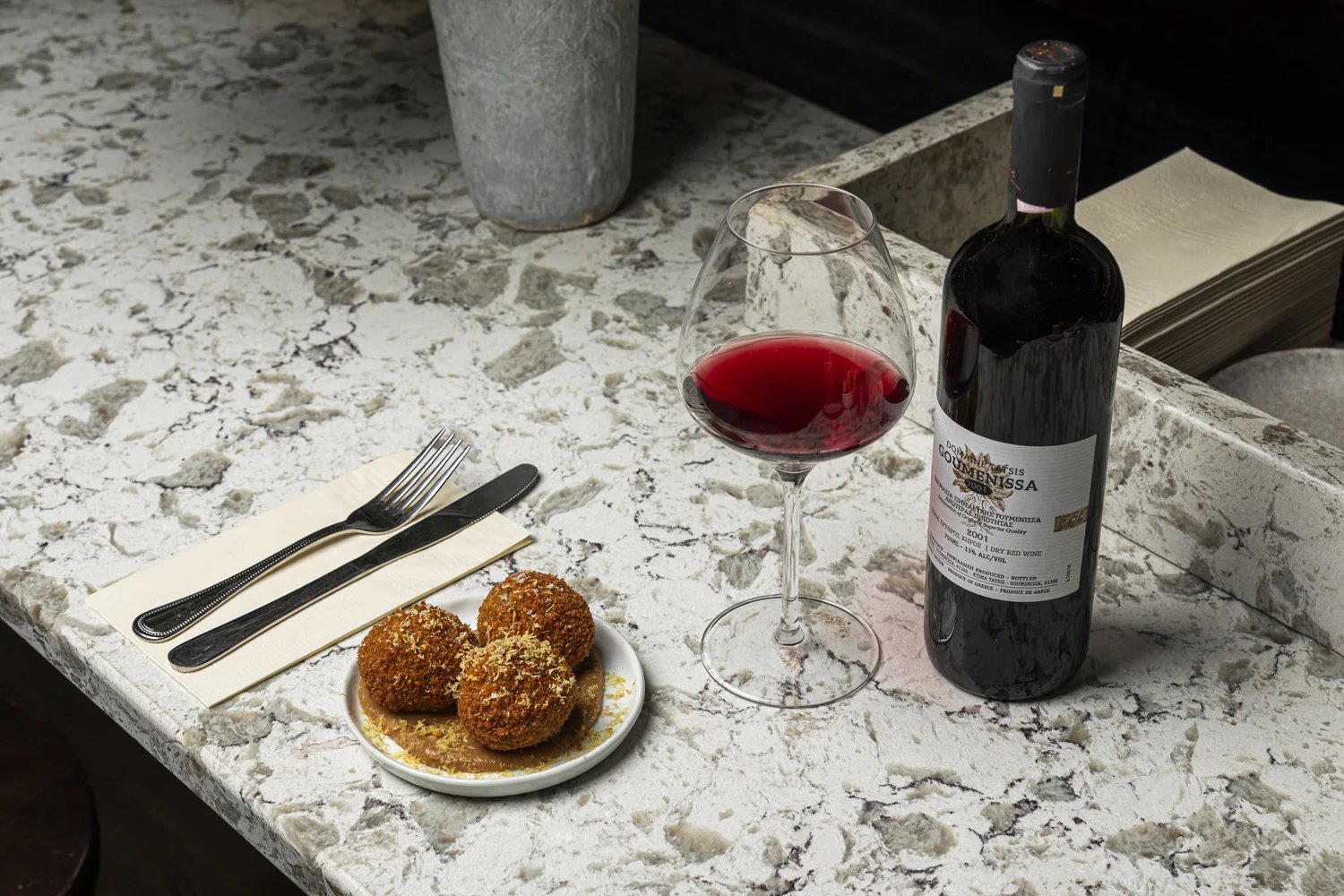
The wine
- Wine program
- Curated wine list
- Extensive wine list
- Craft cocktails
Details
- Romantic
- Elegant
- Quiet
- Classic
- Date Night
- Business Dinner
- Group Dining
- Celebration
- Special Occasion
- Standalone
- Extensive Wine List
- Craft Cocktails
- Local Sourcing
- Street Scene
- A La Carte
- Family Style
- Wine
- Cocktails
- Arak
- Vegetarian Friendly
- Allergy Accommodating
Current opening hours
- Monday
- 11:30 AM–10 PM
- Tuesday
- 11:30 AM–10 PM
- Wednesday
- 11:30 AM–10 PM
- Thursday
- 11:30 AM–10 PM
- Friday
- 11:30 AM–10:30 PM
- Saturday
- 11:30 AM–10:30 PM
- Sunday
- 11:30 AM–10 PM
Hours can change for holidays and private events. Last verified .
Dim-lit romantic atmosphere with linen-draped tables, spacious banquettes, and big windows facing Second Avenue; elegant but warm, inspiring dressing up without requiring it.