Perilla




National Restaurant Awards Top 100 #43 · The Good Food Guide GFG Very Good · We're Smart World 1 Radish
Our verdict
Chef Ben Marks sources with care and cooks the classics at an angle, producing food that is generous and subversive in equal measure. The all-European wine list, transparent pricing with service included, and a tasting menu worth taking are the practical arguments for making the trip north of the City.

Pearl is the En Primeur Club membership app, where members save venues, book tables and use the concierge.

The menu
What to order
- Cauliflower mushroom carbonara
- Panisse nigiri
- Burnt onion soup
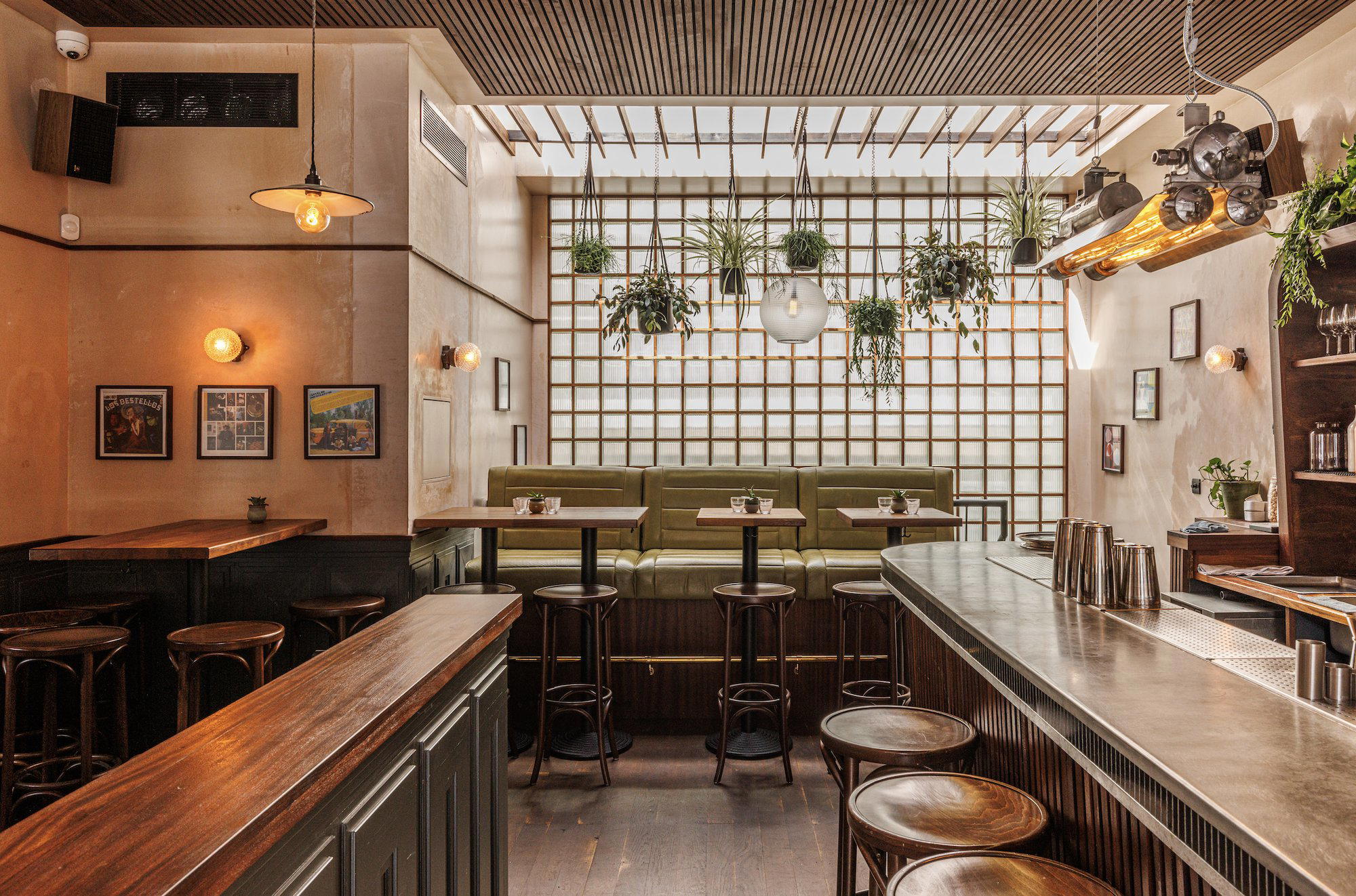
The room signals its intentions immediately. Candlelight, pot plants, and terrazzo floors give it the visual grammar of a certain kind of considered modern dining room, the sort that has absorbed the lessons of a decade of Scandi-influenced interiors without feeling derivative. It reads as a neighbourhood restaurant, and that reading is not wrong, but the kitchen operates with a subversive streak that the room only hints at.
Where the Food Comes From, and Why That Shapes the Plate
The editorial angle that makes Perilla worth discussing at any length is not atmosphere or awards positioning, but sourcing. Ben Marks cooks in a mode where the ingredient comes first and the technique follows, which sounds direct until you see what that produces on the plate. Devon duck breast arrives soft and pink, paired with celeriac and sauerkraut in a combination that speaks to a kitchen that trusts its suppliers enough to keep the treatment restrained. The provenance here is not decorative, the kind of chalkboard name-dropping that became a cliché in British restaurants around 2012. It is structural: the quality of what comes in determines what is possible on the plate.
That same logic applies to the vegetable work, which is among the more serious in the neighbourhood. Panisse, cut into nigiri-like fingers, arrives lightly battered with a pungent salsa verde and sits on a decorative bed of raw chickpeas. The presentation is considered, but the point is the panisse itself: a preparation with roots in Marseille street food, treated here with enough respect to anchor a course. Dishes like this place Perilla in the company of British kitchens, including Moor Hall in Aughton and L'Enclume in Cartmel, that take the sourcing of produce as a first principle rather than a marketing position, even if Perilla operates at a considerably different price point and scale.
A take on vichyssoise, served hot in a scuffed metal dish with punchy lovage alongside the more traditional parsley, is a useful illustration of the kitchen's method. The classic is not abandoned but interrogated. Lovage is an assertive herb, one that pushes back against the mildness of leek and potato, and using it signals a cook who is interested in what the ingredient actually tastes like rather than what convention says it should do. The sourcing intelligence is baked into decisions like this one.
The Carbonara Argument
The dish that leading summarises the Perilla approach is also, by critical consensus, the one that looks least like the food it is drawing from. A carbonara built from cauliflower mushroom, with bacon, Parmesan, and breadcrumbs combining into something that reads simultaneously as mac and cheese, gratin, and carbonara, is the kitchen thinking through a classic rather than reproducing it. The ugliness is part of the point. British restaurant cooking spent much of the 2000s and 2010s making everything look precise and contained, the tweezered plating that became shorthand for seriousness. Perilla is not interested in that, and the carbonara is the clearest evidence of it. The comparison set here is not places like The Ledbury or Restaurant Sat Bains in Nottingham, where formal technique and visual precision are part of the contract with the diner. Perilla is operating in a different register, one where big-hearted cooking and deliberate informality are the point.
Reginette pasta with a hearty ragù of girolles sits in the same category: comforting, unrefined, and clearly the product of a kitchen that has thought about what girolles actually contribute to a dish rather than reaching for a stock pasta garnish. The sourcing work at Perilla is visible in dishes like this, where the quality of the mushroom has to carry the weight of the whole bowl.
Desserts, Drink, and the Tasting Menu Case
Dessert options are deliberately limited: a sorbet and one proper pudding per service. The prune and damson doughnut, filled with Armagnac cream, is the kind of thing that closes a meal on its own terms. The decision to keep the dessert section short rather than padding it with safe options is consistent with a kitchen that is editing for quality rather than covering all bases.
The wine list is short, all-European, and built with the same intelligence as the food sourcing. A wine flight is available for those working through the tasting menu, and there is also an extended single-bottle list available on request. The all-European focus is a curatorial choice that mirrors the kitchen's sourcing ethos: working within a defined framework rather than trying to be comprehensive.
The tasting menu represents the kitchen at its most coherent. The à la carte covers the same territory, but the tasting format allows the sourcing logic and the subversive approach to classics to build across a sequence rather than arriving in individual dishes. It is worth the commitment.
One logistical detail worth flagging: all prices at Perilla include a service charge, and the restaurant makes this explicit on both the menu and the bill. In a city where the question of how service is handled has become a genuine point of friction between restaurants and their customers, the transparency here is notable.
Placing Perilla in the Wider Picture
Modern British restaurants in London divide, broadly, into two operating modes. The first is the formal or semi-formal destination kitchen, places like Midsummer House or Gidleigh Park, where the dining experience is structured around occasion and ceremony. The second is the neighbourhood-led kitchen, smaller in scale and less formal in register, where the cooking has to justify the visit on its own terms without the scaffolding of a grand room or a long reputation. Perilla is firmly in the second category, and it earns its position there through the sourcing work and the kitchen's willingness to be unfussy when the food calls for it.
The vegetable positioning is worth noting separately. A kitchen that gives vegetables prominent placement, rather than treating plant dishes as an afterthought or a dietary accommodation, is making a statement about where it thinks the interesting cooking is happening. The sourcing discipline that produces a serious panisse or a lovage-forward vichyssoise is the same discipline that would make an expanded vegetable menu coherent rather than tokenistic.enprimeurclub.
Frequently asked questions
Is Perilla suitable for children?
The menu at Perilla is ingredient-led and changes with the season, which means dishes skew adult in reference, carbonara of cauliflower mushroom, prune and damson doughnuts with Armagnac cream. The room is candlelit and relaxed rather than formal, so well-behaved older children would likely be comfortable, but the format is aimed squarely at adults who eat with curiosity.
What is the atmosphere like at Perilla?
Perilla reads as a neighbourhood room: candlelight, pot plants, and terrazzo surfaces set a relaxed tone on Green Lanes, N16. The cooking, however, has a subversive edge that sits at odds with anything too quiet or reverential, this is not a hushed destination-dining experience but a place that takes its food seriously without performing seriousness at you.
What awards or recognition does Perilla have?
Perilla has received recognition including: This 'modern neighbourhood restaurant’ has fun with the formula. It looks the part – all candlelight, pot plants and terrazzo – but a subversive streak is not far below the surface. Ben Marks cooks the classics, but not as you know them. Co….
What should I order at Perilla?
The tasting menu pulls the strongest argument from the à la carte, so ordering it outright is the sharper move. Among documented dishes: the carbonara of cauliflower mushroom (bacon, Parmesan, breadcrumbs reassembled into something closer to mac 'n' cheese than Italian original) is the most discussed plate, and the prune and damson doughnut with Armagnac cream is the only substantial dessert on the menu. Pair with the wine flight or ask the team for the extended single-bottle list beyond the standard all-European card.
Where exactly is Perilla?
Perilla is located at 1-3 Green Lanes, Newington Green, London N16 9BS, United Kingdom, Newington Green.
What's the best way to book Perilla?
Given the small scale of the room and Perilla's standing in north London's independent dining scene, booking ahead is advisable rather than walking in.
What's the standout thing about Perilla?
The sourcing philosophy and willingness to make familiar forms strange without losing coherence sets Perilla apart from most rooms at its price point. A dish built to evoke carbonara but constructed around cauliflower mushroom, or a vichyssoise served hot in a scuffed metal dish with lovage instead of the usual garnish, signals a kitchen that uses classical references as a starting point rather than a destination. Pricing also includes service charge, displayed unambiguously on both the menu and the bill, a transparency that remains far from standard in London.
| Venue | Cuisine | Price | Awards | Notes |
|---|---|---|---|---|
| PerillaThis venue (the venue you are viewing) | Modern European | $50–100 | National Restaurant Awards Top 100 #43 · The Good Food Guide GFG Very Good | Not listed |
| The Ledbury | Modern British Fine Dining | $300–500 | 3 Michelin Stars · World's 50 Best #42 | Modern European, Modern Cuisine |
| CORE by Clare Smyth | Modern British Fine Dining | $150–200 | 3 Michelin Stars · World's 50 Best #97 | Modern British |
| Ikoyi | Modern West African Fine Dining | $300–500 | 2 Michelin Stars · World's 50 Best #15 | Global Cuisine, Creative |
| Alain Ducasse at The Dorchester | Contemporary French Haute Cuisine | $300–500 | 3 Michelin Stars · La Liste Top Restaurants | Contemporary French, French |
| Restaurant Gordon Ramsay | French Fine Dining | $200–300 | 3 Michelin Stars · World's 50 Best #13 | Contemporary European, French |
Recognition history
Dated appearances from independent guides and award organizations, with the underlying list record or original source where available.
National Restaurant Awards Top 100 #43
National Restaurant Awards
Opinionated About Dining Top Restaurants in Europe Recommended
Opinionated About Dining
The Good Food Guide GFG Very Good
The Good Food Guide
We're Smart World 1 Radish
We're Smart World
Continue exploring
More in Newington Green
Restaurants in Newington Green
All restaurants in Newington Green →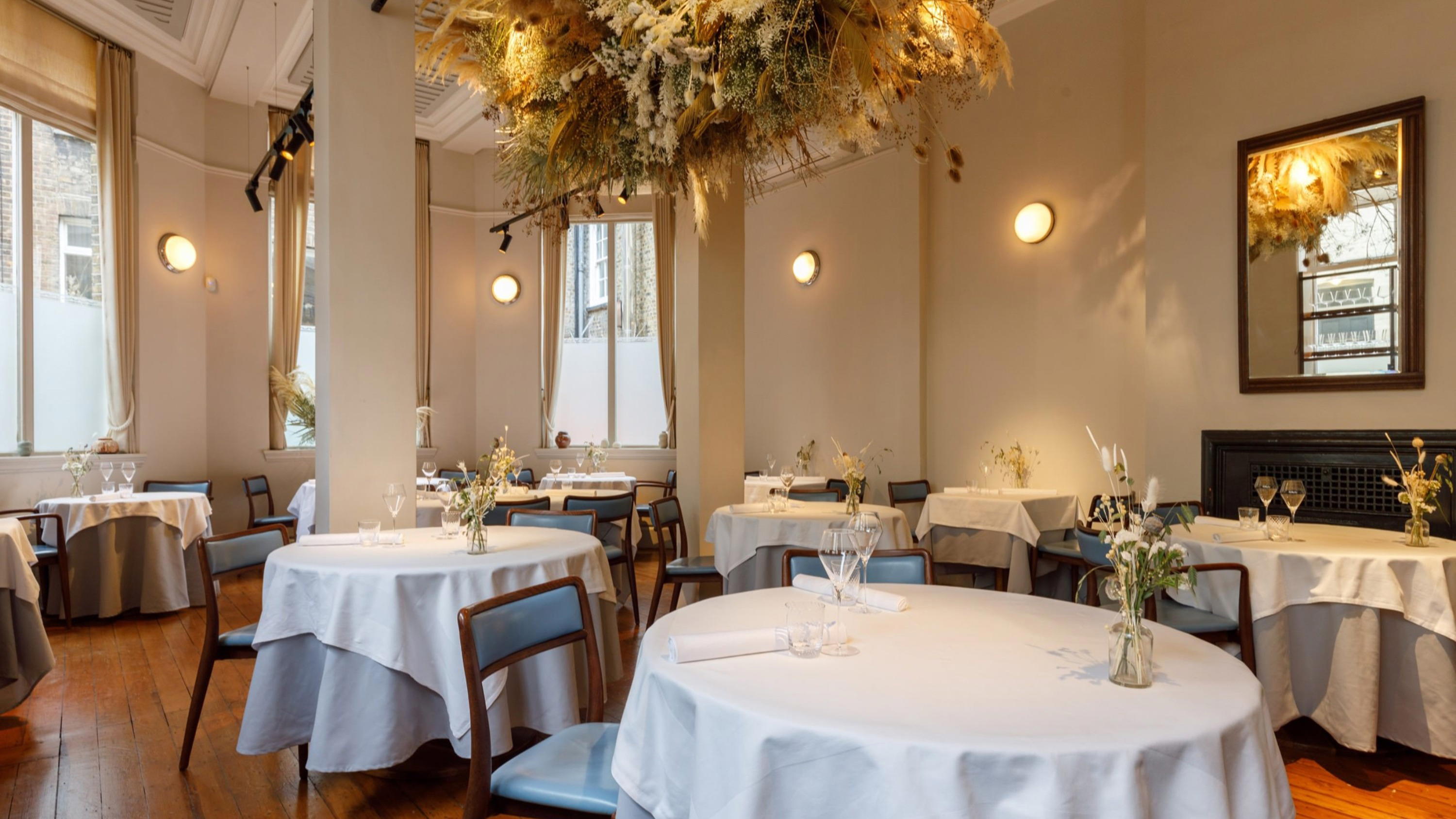
Bars in Newington Green
Browse all →


Details
- Modern
- Cozy
- Elegant
- Intimate
- Date Night
- Special Occasion
- Open Kitchen
- Extensive Wine List
- Local Sourcing
- A La Carte
- Tasting Menu
- Small Plates
- Vegetarian Friendly
Current opening hours
- Monday
- Closed
- Tuesday
- 6–10 PM
- Wednesday
- 6–10 PM
- Thursday
- 6–10 PM
- Friday
- 12:30–2:30 PM, 6–10 PM
- Saturday
- 12:30–2:30 PM, 6–10 PM
- Sunday
- 12:30–8:30 PM
Hours can change for holidays and private events. Hours as of .
Candlelit with pot plants, terrazzo floors, cozy and relaxed atmosphere, bright natural light from corner location.