
Tabelog 100 #46
Our verdict
Pentai places Thai and curry cooking inside Yamato’s everyday dining circuit rather than the luxury-restaurant conversation. Its Tabelog Asian cuisine / Ethnic cuisine EAST “Tabelog 100” selections in 2022, 2023, and 2024 give it a clear trust signal, while the small-room format and Minamirinkan setting make it a neighbourhood choice with regional recognition.

Pearl is the En Primeur Club membership app, where members save venues, book tables and use the concierge.
The menu
What to order
- Gapao rice (basil stir-fry over rice)
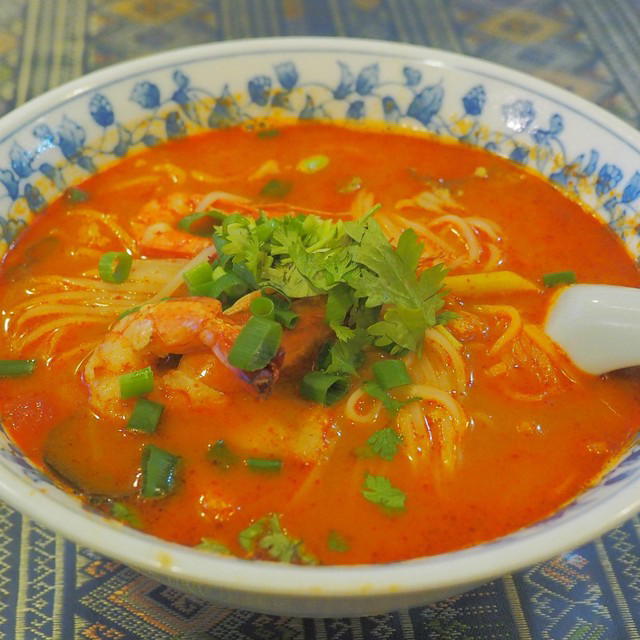
- Tom yum soup
- Green curry
- Pad thai
Yamato is not the Tokyo stage set many travellers imagine for Thai food in Japan. The approach is suburban Kanagawa: station streets, everyday dining rooms, and restaurants that earn loyalty through repetition, not spectacle. Pentai fits a Japanese tradition of Thai and curry restaurants between weekday utility and serious specialist cooking. The category is plain-spoken, and the recognition is unusually strong for a Yamato address.
Thai cooking in Japan has never been one category. There is the lunch-set version built on speed and familiarity, the metropolitan version shaped by more polished dining rooms, and the suburban version where regulars return for heat, herbs, rice, and curry without ceremony. Pentai sits in that third lane. Its 2024 recognition from Tabelog’s Hyakumeiten framework moves it beyond simple local affection into a broader conversation about specialist Asian cooking in Japan.
Thai and curry cooking in Yamato's everyday register
Yamato’s dining map rewards focused specialists. Ramen, curry, patisserie, South Asian cooking, and Thai food all sit close to daily-life budgets, giving the city a different rhythm from Yokohama’s waterfront dining or Tokyo’s reservation-led rooms. A traveller using Our full Yamato restaurants guide will notice how often stronger addresses are narrow in scope rather than expansive in ambition. That is the local grammar, not a limitation.
Within it, Pentai’s Thai-and-curry identity avoids the false choice between authenticity theatre and watered-down comfort. Thai food in Japan often adapts through rice plates, curries, noodle dishes, and lunch formats suited to local habits, while retaining the architecture of chilli, lime, fish sauce, herbs, and coconut where the kitchen chooses to lean. Tabelog recognition in 2024 signals a level of outside validation beyond a single local recommendation.
The immediate comparison inside Yamato is not fine dining but other focused rooms competing for regular visits. Ethan Shokudo works in an everyday register, while Men Tei Tsumugi represents the city’s noodle-specialist current. CINNAMON GARDEN points toward South Asian spice cooking, and Maison Givree shows dessert-led precision in the same suburban circuit. Pentai’s distinction is that Thai and curry sit together under formal outside recognition, not just local convenience.
A focused specialist with outside validation
Japan’s Tabelog Hyakumeiten lists are useful for reading non-luxury dining because they often surface places outside international award narratives. Michelin and global rankings tend to privilege tasting menus, chef visibility, and metropolitan gravity. Tabelog’s category lists can reward genre specialists: ramen shops, curry counters, bakeries, sweets rooms, and ethnic-cuisine restaurants with durable domestic reputations. Pentai’s place in that recognition landscape is therefore not decorative; it tells readers which competitive set to use.
The category reinforces that point. This is best understood as everyday Yamato eating rather than destination choreography. That kind of setting can create pressure at peak meals, but it also keeps the experience close to a repeat-customer model. In Japan, that informality often matters more than formal service language. A restaurant can be casual in dress and rhythm while still being judged seriously by diners who know the category.
The practical cues are equally telling. Pentai’s published budget sits at JPY 1,000 - JPY 1,999 for both lunch and dinner, placing it in the everyday Japanese dining economy rather than the luxury bracket. These details make the restaurant legible as a respected specialist: affordable, focused, and operationally plain without losing culinary credibility.
For visitors building a wider Kanagawa or Tokyo-area plan, the lesson is scale. Not every meaningful meal in Japan requires Ginza-level formality or a months-ahead counter booking. A Yamato Thai specialist can sit beside noodles, sweets, or other local dining in a broader itinerary. Greater Tokyo’s strongest eating often appears through category depth rather than grand dining-room theatre.
How to read it against a broader Japan itinerary
Pentai is better understood as a precision stop than an all-purpose occasion restaurant. The case is strongest when the itinerary values Japanese interpretations of Asian cooking: Thai food filtered through local dining rhythms, curry culture, direct settings, and low-friction service. That will interest travellers who know Japan’s food culture is not only sushi, kaiseki, tempura, and ramen, but also a dense network of imported cuisines adapted by serious small operators.
Yamato rewards that reading. It is not built around destination hospitality, though the broader planning pages, including Our full Yamato hotels guide, Our full Yamato bars guide, Our full Yamato wineries guide, and Our full Yamato experiences guide, frame the area beyond one meal. Pentai’s appeal is strongest for readers already moving through Kanagawa, nearby suburbs, or a food-focused route giving equal attention to everyday specialists and formal dining rooms.
In national context, it belongs with tightly defined Japanese addresses outside the classic luxury frame: curry-focused rooms, casual-format specialists, regional dining rooms, and everyday Japanese restaurants where a narrow brief is part of the appeal. International readers can also place it beside Japanese-format specialists abroad, where narrow focus is the point, not a constraint.
The editorial verdict is simple: this is a Yamato Thai-and-curry specialist with credible outside recognition, not a luxury detour. Go for the cultural interest of Thai food embedded in Japan’s suburban dining habits, the Tabelog Hyakumeiten signal, and the everyday price point. Skip it if the occasion requires a formal room, broad wine service, or a restaurant built around ceremony.
Frequently asked questions
Is Pentai suitable for children?
Pentai is best read as a casual Yamato Thai-and-curry restaurant in an everyday price range. For specific needs such as children’s seating or family arrangements, check directly with the restaurant before visiting.
Is Pentai formal or casual?
Casual. Pentai’s pricing and Thai-and-curry category place it in everyday-meal territory, while its 2024 Tabelog Hyakumeiten recognition points to quality beyond the setting.
Is Pentai more mid-range or high-end?
Pricing at Pentai is listed as JPY 1,000 - JPY 1,999 for both lunch and dinner.
What is Pentai known for?
Pentai is known as a Thai and curry restaurant in Yamato with 2024 Tabelog Hyakumeiten recognition.
Budget and Context
Comparable venues by cuisine and price in the same metro.
| Venue | Cuisine | Price | Awards | Notes |
|---|---|---|---|---|
| PentaiThis venue (the venue you are viewing) | Casual Thai restaurant | $10–20 | Tabelog 100 #46 | Not listed |
| Ethan Shokudo | Isaan-style Thai restaurant | $20–30 | Tabelog 100 #3 | Not listed |
| Maison Givree | French Patisserie | $10–20 | Tabelog 100 #10 | Chuo-Rinkan, French Patisserie |
| Ramen Go | Sapporo-style miso ramen | Not listed | Tabelog 100 #34 | Tsuruma, Yamato, Sapporo-style miso ramen |
| Yokohama Ukaitei | Teppanyaki Japanese Grill | $150–200 | Tabelog 100 #80 | Tsukimino, Teppanyaki Japanese Grill |
| Nakamizo | Authentic Sushi | $1–10 | Not listed | Chuo-Rinko, Authentic Sushi |
Recognition history
Dated appearances from independent guides and award organizations, with the underlying list record or original source where available.
Tabelog 100 #46 · No. 46
Tabelog · Tabelog 100 - Asian cuisine / Ethnic cuisine - EAST - 2024
Continue exploring
More in Yamato
Restaurants in Yamato
All restaurants in Yamato →

Bars in Yamato
Browse all →


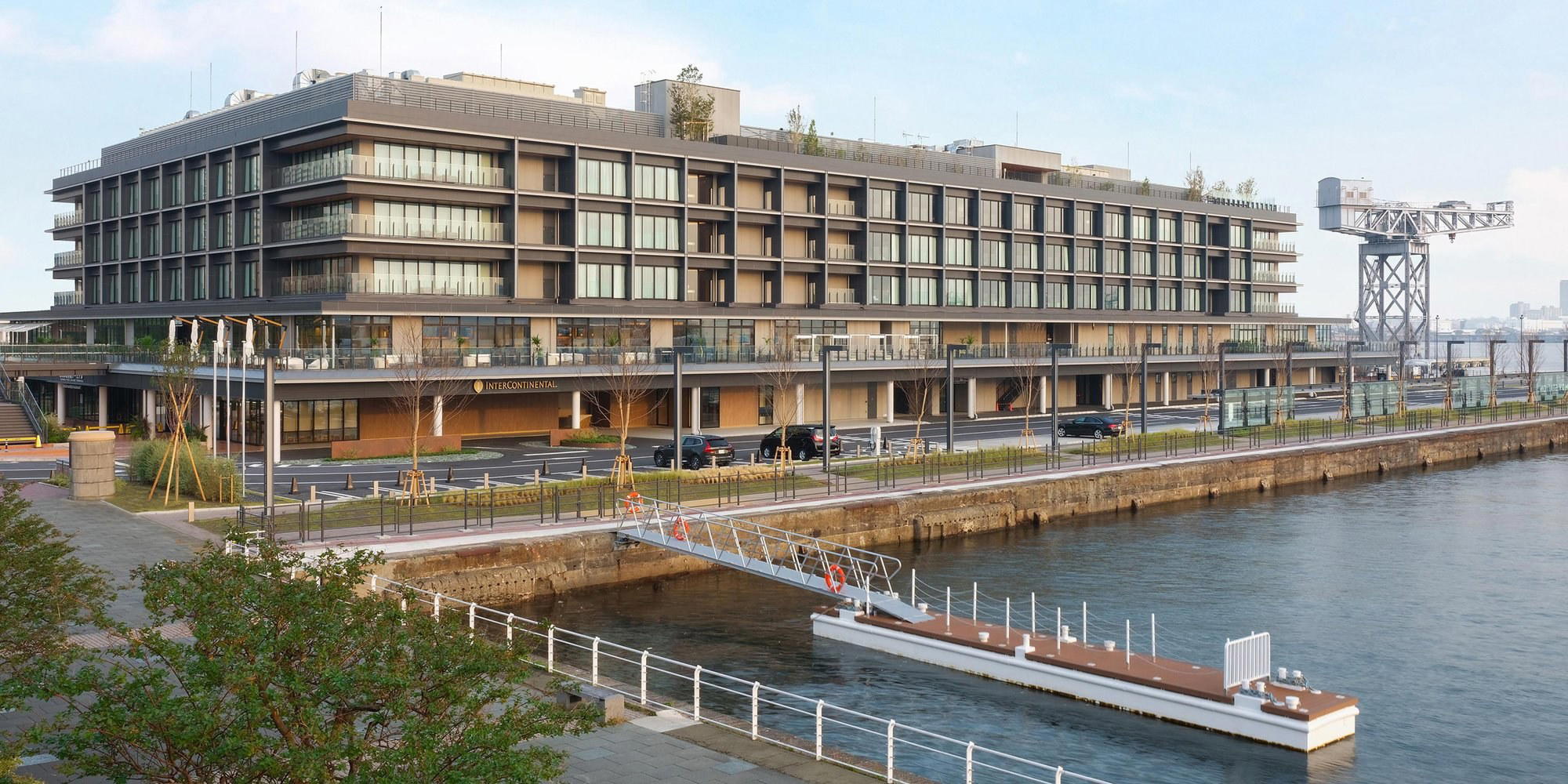
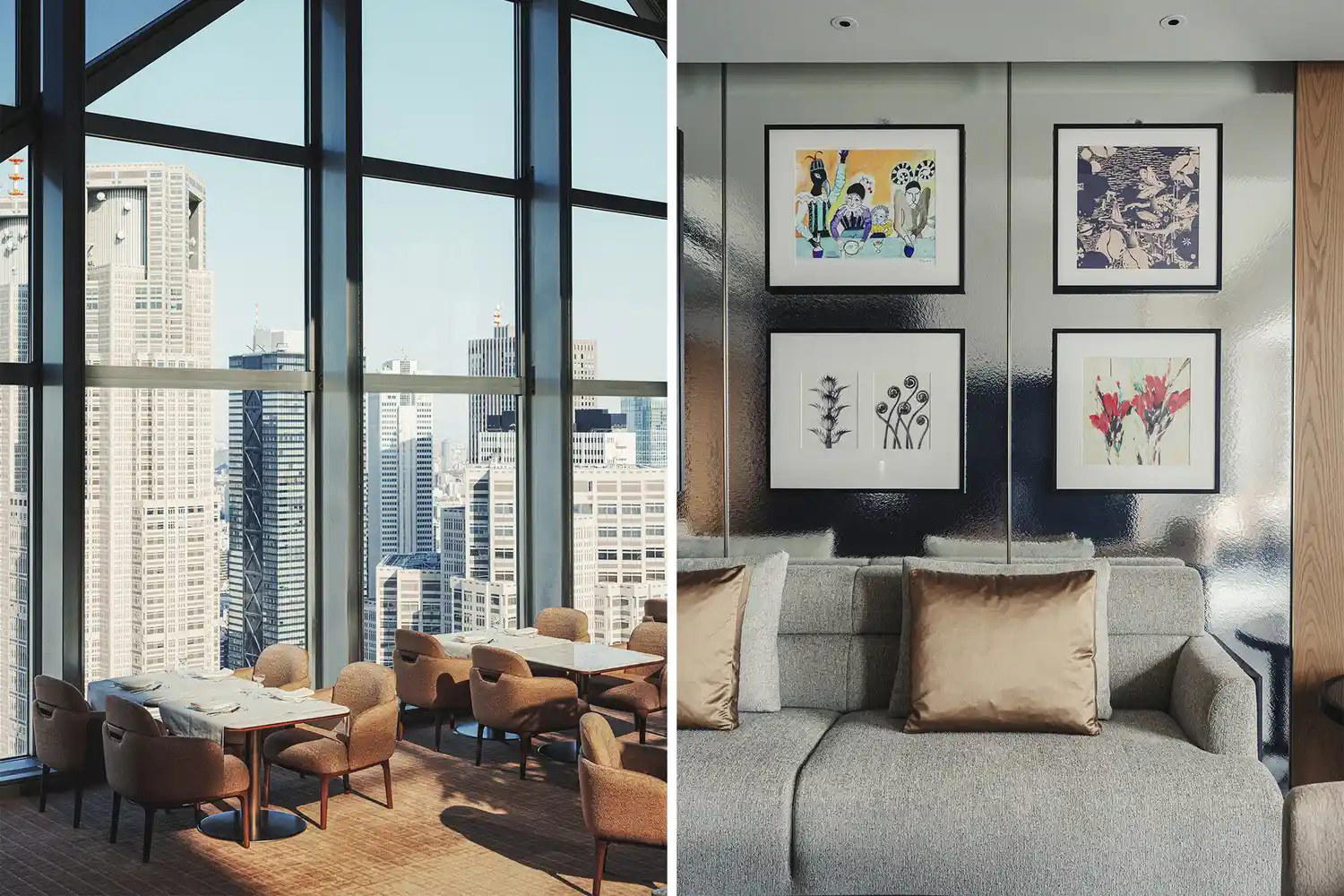
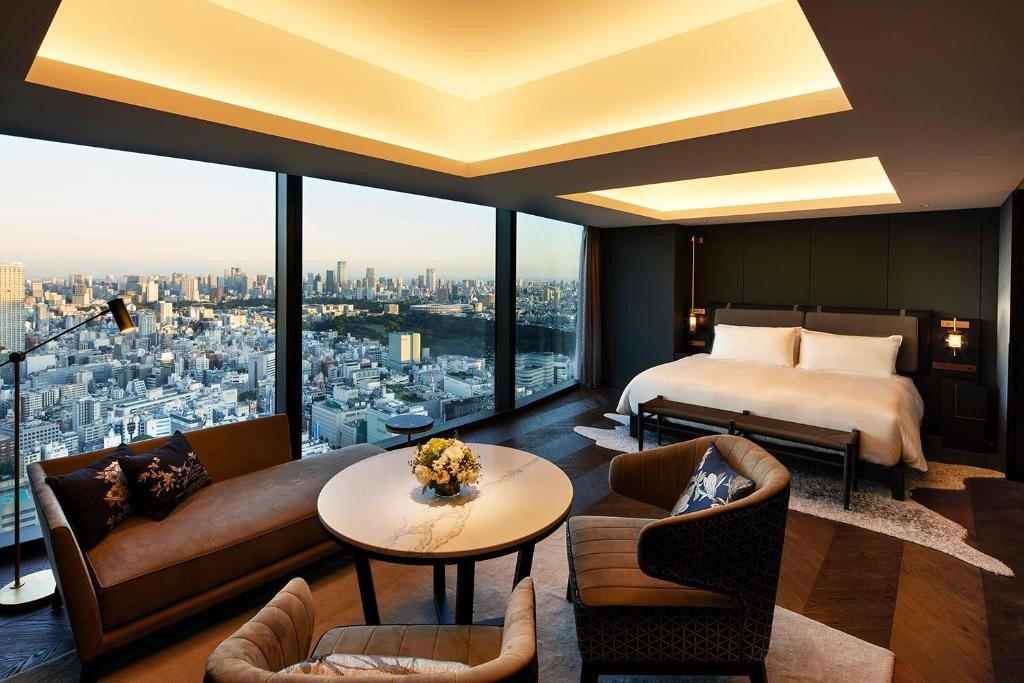
Hotels in Yamato
Browse all →

Wineries in Yamato
Browse all →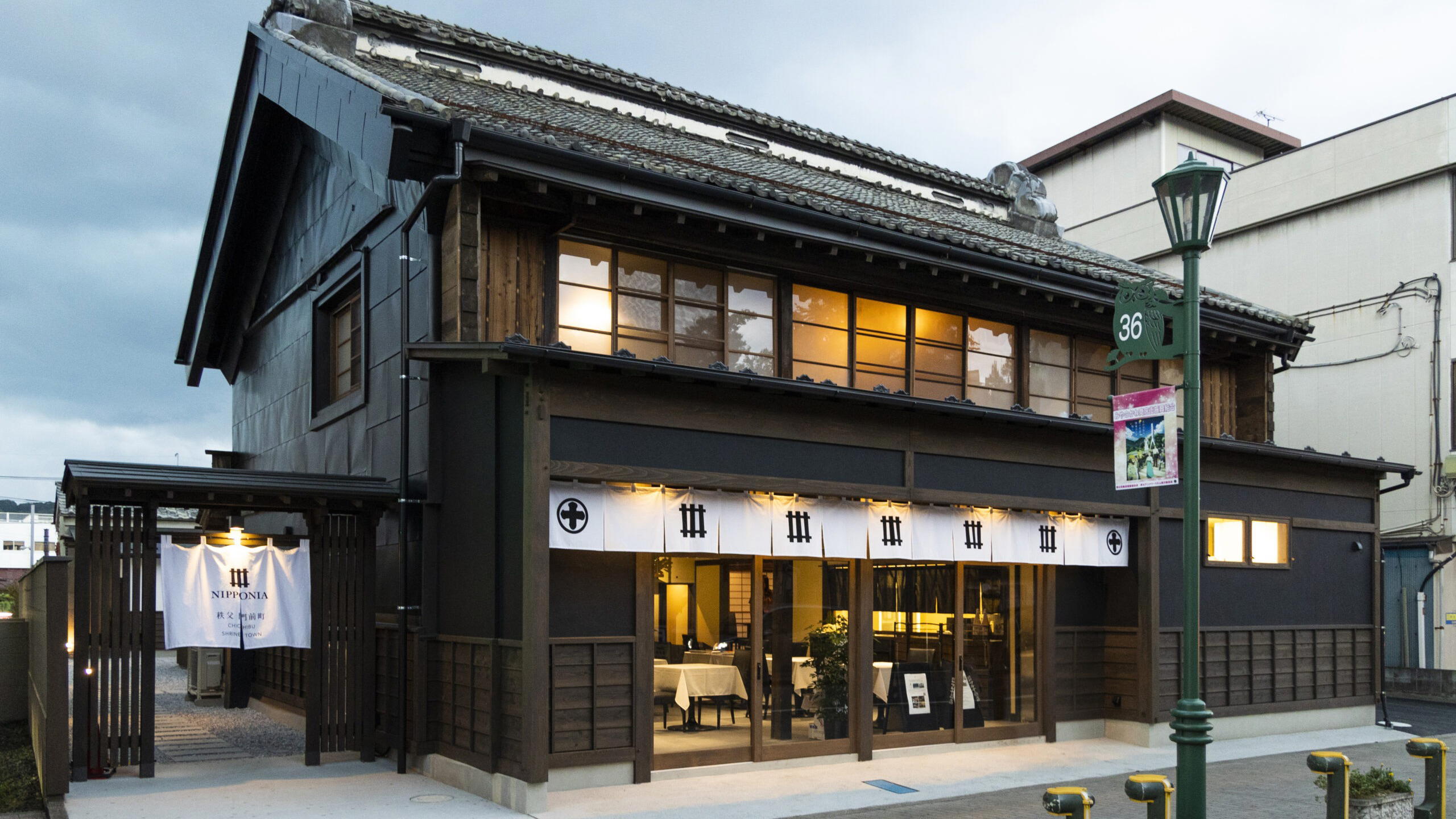
Details
- Cozy
- Lively
- Casual
- Casual Hangout
- Family
- Group Dining
- Solo
- Late Night
- Standalone
- A La Carte
- Beer
- Vegetarian Friendly
Current opening hours
- Monday
- 11:30 AM–3 PM, 5–10 PM
- Tuesday
- Closed
- Wednesday
- 11:30 AM–3 PM, 5–10 PM
- Thursday
- 11:30 AM–3 PM, 5–10 PM
- Friday
- 11:30 AM–3 PM, 5–10 PM
- Saturday
- 11:30 AM–3 PM, 5–10 PM
- Sunday
- 11:30 AM–3 PM, 5–10 PM
Hours can change for holidays and private events. Hours as of .