Mr. B's Bistro

On Royal Street in the French Quarter, Mr. B's Bistro occupies a position in New Orleans dining that sits between the grand Creole institutions and the newer wave of contemporary American restaurants. The address has held a place in the city's dining consciousness for decades, making it a reference point for visitors mapping the evolution of Louisiana cooking across different eras of the city's restaurant scene.
Pearl is the En Primeur Club membership app — saves, bookings, and concierge access live there. Same editors, same standards.
- Address
- 201 Royal St, New Orleans, LA 70130
- Phone
- +15045232078
- Website
- mrbsbistro.com
- Directions
- Get directions
 Saves & bookings on Pearl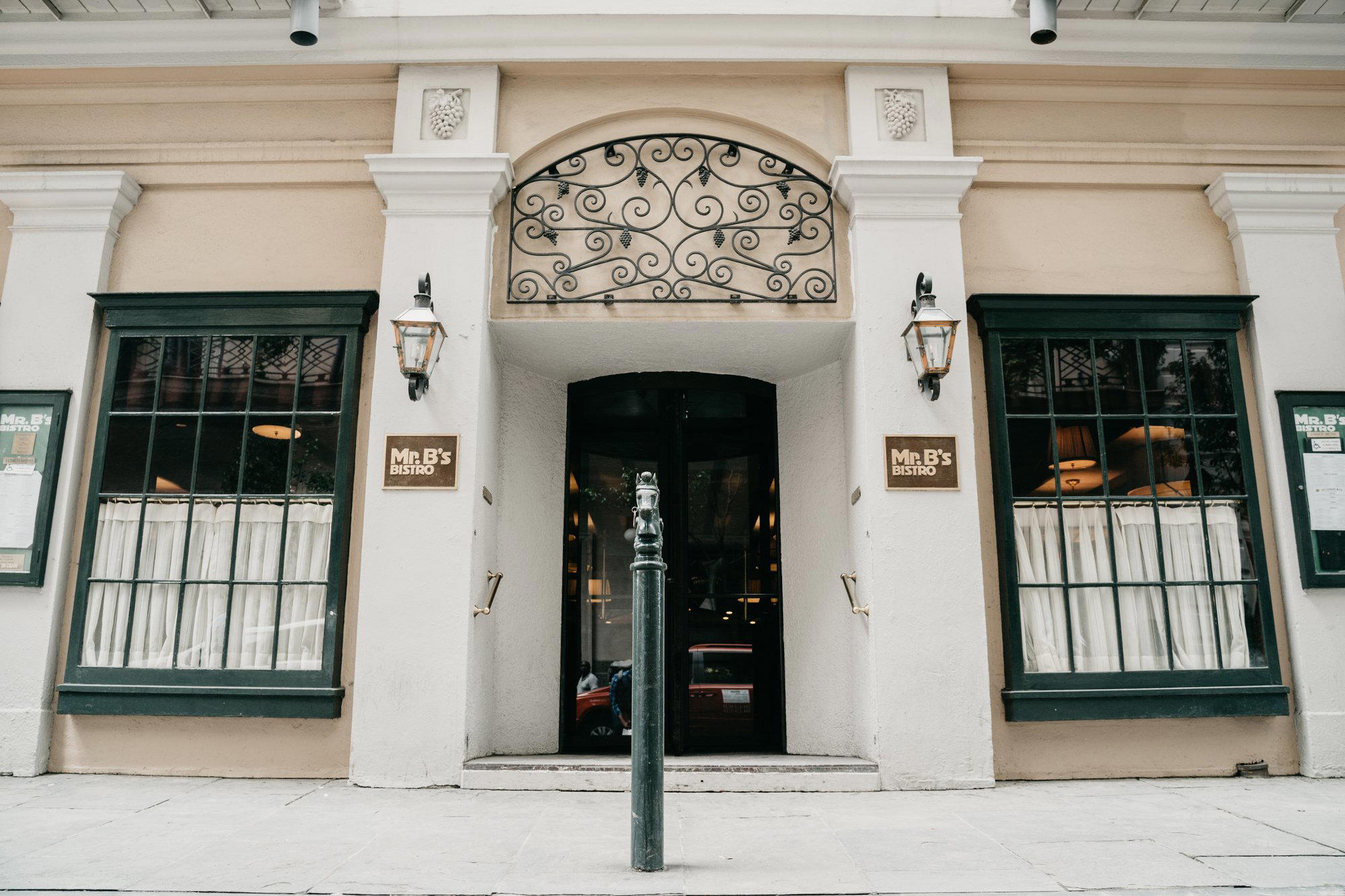
Royal Street and the Weight of a Good Address
There is a category of New Orleans restaurant that exists somewhere between monument and moving target: old enough to carry institutional weight, alive enough to have changed several times over. The French Quarter's dining corridor along Royal Street has produced several such places, and Mr. B's Bistro at 201 Royal St has occupied that particular stretch long enough to have watched the neighbourhood's dining identity shift around it more than once. Approaching the address, you are walking through among the more condensed corridors of American culinary history, where the gap between a Creole supper club of the 1970s and a modern Louisiana-ingredient restaurant of the 2020s can be measured in a single city block.
That compression of time matters when reading any long-running French Quarter restaurant. The city's dining scene has moved through distinct chapters: the era of grande dame Creole houses, the Emeril Lagasse-led boom that put Emeril's and its peers on the national map through the 1990s, and the more recent arrival of precision-led contemporaries like Saint-Germain and Re Santi e Leoni. Mr. B's sits in a different register from all three, representing the mid-tier of the French Quarter's dining offer: accessible enough to absorb walk-ins on quieter evenings, established enough to attract deliberate bookings from visitors who treat it as a reliable choice rather than an experiment.
How Bistro-Format Dining Has Shifted in the Quarter
The bistro format in New Orleans has always occupied awkward ground. It is not the cathedral gravity of Commander's Palace, nor the sharp-elbowed informality of a neighbourhood oyster bar. The category demands a certain legibility: a menu that reads as familiar but delivers enough Louisiana specificity to justify the choice over cooking back at a vacation rental. Across the past two decades, the French Quarter's mid-tier has thinned considerably. Several addresses in this bracket either moved upmarket toward tasting menus and reservation-only formats, or drifted toward tourist-facing simplicity. The ones that survived did so by maintaining a clear identity around a specific interpretation of Louisiana cooking.
That survival dynamic is part of what makes long-running bistro-format restaurants in this zip code worth examining. Bayona offers a comparison point: another French Quarter fixture that has held its position by staying committed to a distinct culinary point of view rather than drifting with each passing trend. The venues that have struggled tend to be those that chased the moment rather than deepening their own lane. Within that framework, Mr. B's trajectory is most readable not as a single fixed identity but as a series of adjustments to what the Royal Street audience has needed at different points in the city's dining evolution.
Louisiana Cooking as a Moving Target
New Orleans cuisine is unusual among American regional food traditions in that it generates genuine internal debate about what counts as authentic evolution versus dilution. The Creole-Cajun divide, the question of roux weights and seasoning philosophies, the ongoing tension between French technical training and Gulf Coast instinct: these arguments run through the city's restaurant kitchens in ways that produce real divergence on the plate. A bistro-format address on Royal Street has historically sat at the intersection of those tensions rather than resolving them cleanly.
Across the wider American dining scene, the restaurants most likely to endure across multiple decades tend to be those that treat their regional cuisine as a living thing rather than a museum exhibit. The French Laundry in Napa and Blue Hill at Stone Barns in Tarrytown are extreme examples of restaurants that have reinvented their relationship with ingredients over time while preserving a core identity. The principle applies at every price tier. For a French Quarter bistro, that reinvention question tends to surface in smaller gestures: how far the kitchen pushes Gulf seafood, whether the gumbo reads as a setpiece or a daily working dish, how the wine list handles the jump from casual lunch to serious dinner service.
Visitors cross-referencing New Orleans against other American dining cities will find the bistro tier here generally stronger than in markets like Atlanta or San Diego, where the mid-range can feel thinner.
Planning a Visit: Practical Notes
The 201 Royal Street address sits in the heart of the French Quarter, walkable from most of the neighbourhood's hotels and a reasonable walk from the lower Garden District. For visitors comparing Mr. B's against higher-commitment options in other American cities, the reference set might include Providence in Los Angeles or Addison in San Diego, both of which operate at a significantly higher price point and formality. Mr. B's occupies a more accessible register, and weekend evenings in the French Quarter move fast, so Royal Street restaurants at this level of recognition tend to fill from early in the dinner service window. Booking ahead is advisable for dinner, particularly during Jazz Fest and Mardi Gras periods when French Quarter capacity compresses across all tiers simultaneously. Lunch tends to offer more flexibility, and the midday service at bistro-format French Quarter restaurants often reflects a different rhythm from dinner, with a local office and legal crowd mixing with tourists in proportions that shift the atmosphere noticeably.
Compact Comparison
Comparable venues nearby, for context on price, style, and recognition.
| Venue | Cuisine | Price | Notes |
|---|---|---|---|
| Mr. B's BistroThis venue — the venue you are viewing | French Quarter, Creole Bistro | $$$ | Not listed |
| Public Service | Not listed | $$$ | Central Business District, Contemporary American Seafood & Cajun |
| Fulton Alley | Arts District, American Gastropub | $$$ | Not listed |
| Marigny Brasserie | Marigny, Cajun & Creole Brasserie | $$$ | Not listed |
| DISTRICT Donuts Sliders Brew | Not listed | $$ | Lower Garden District, American Donuts, Sliders & Coffee |
| Jacques-Imo's | Carrollton, New Orleans Cajun & Creole | $$$ | Not listed |
Recognition history
Dated appearances from independent guides and award organizations, with the underlying list record or original source where available.
Wine Spectator Award of Excellence
Wine Spectator
Continue exploring
More in New Orleans
Restaurants in New Orleans
Browse all →
Bars in New Orleans
Browse all →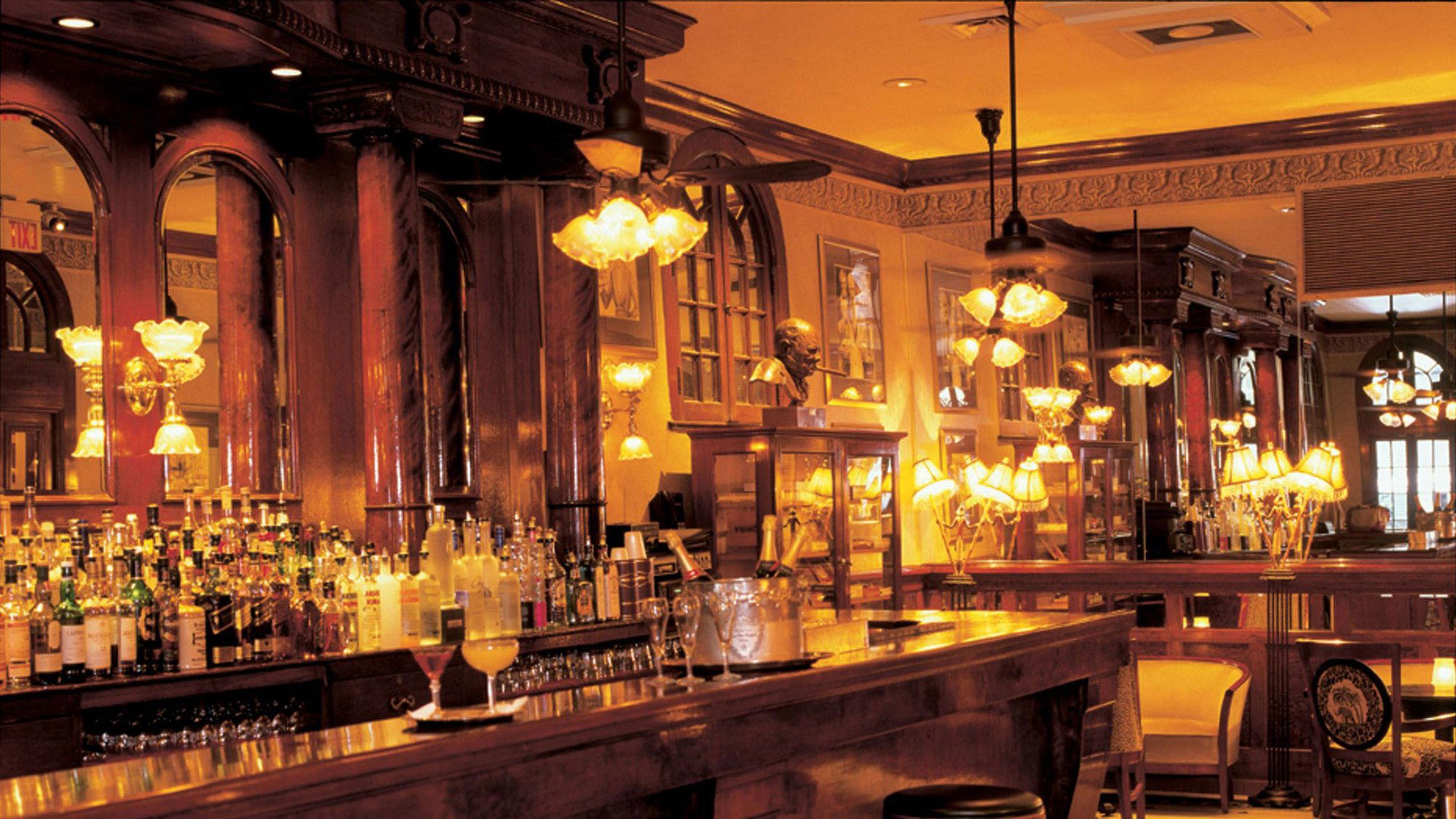
At a Glance
- Classic
- Elegant
- Cozy
- Business Dinner
- Special Occasion
- Brunch
- Historic Building
- Craft Cocktails
- Local Sourcing
- Street Scene
Current opening hours
- Monday
- 5–9 PM
- Tuesday
- 5–9 PM
- Wednesday
- 11:30 AM–2 PM, 5–9 PM
- Thursday
- 11:30 AM–2 PM, 5–9 PM
- Friday
- 11:30 AM–2 PM, 5–9 PM
- Saturday
- 11:30 AM–2 PM, 5–9 PM
- Sunday
- 10:30 AM–2 PM, 5–9 PM
Hours can change for holidays and private events. Last verified .
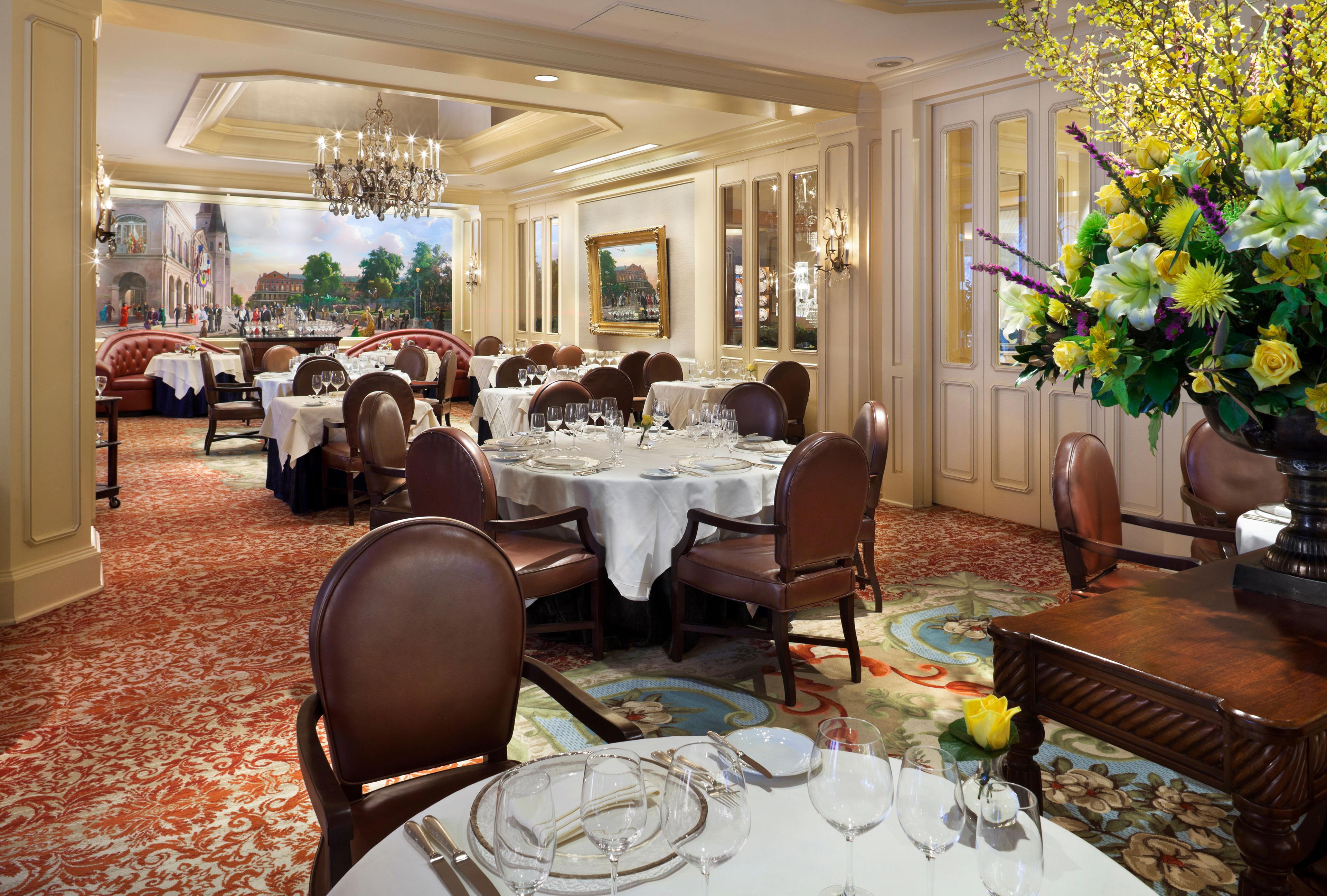
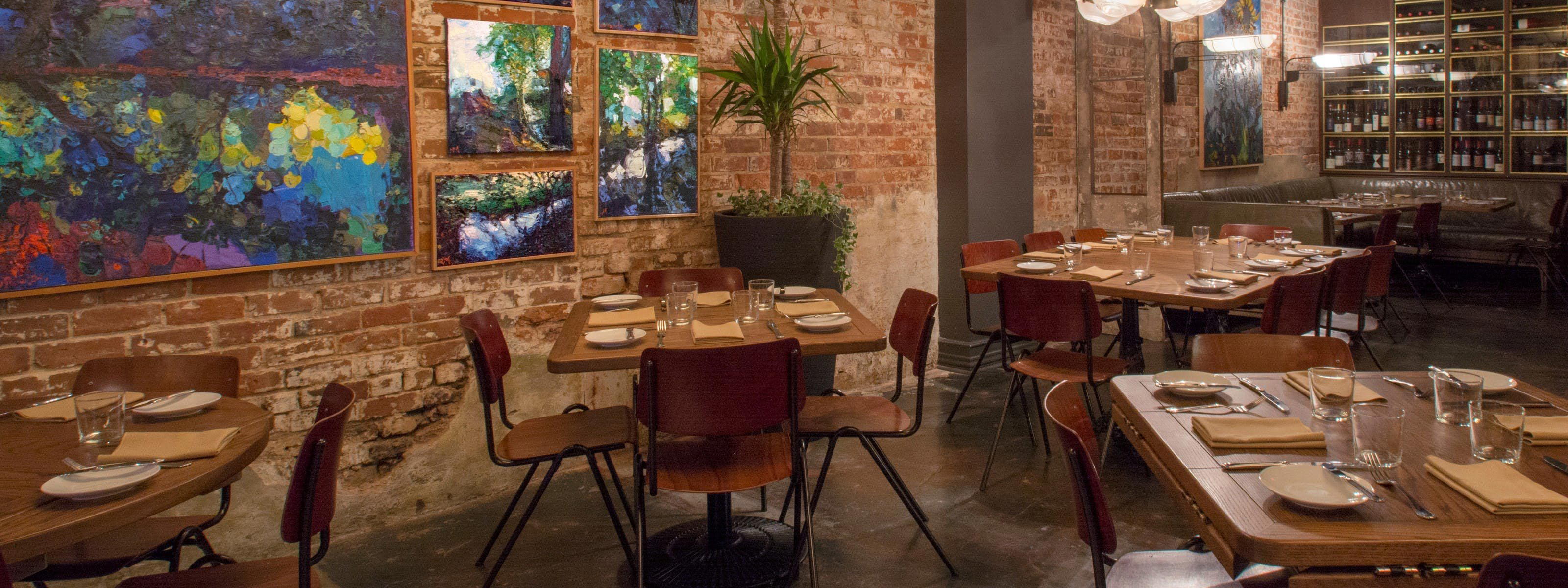
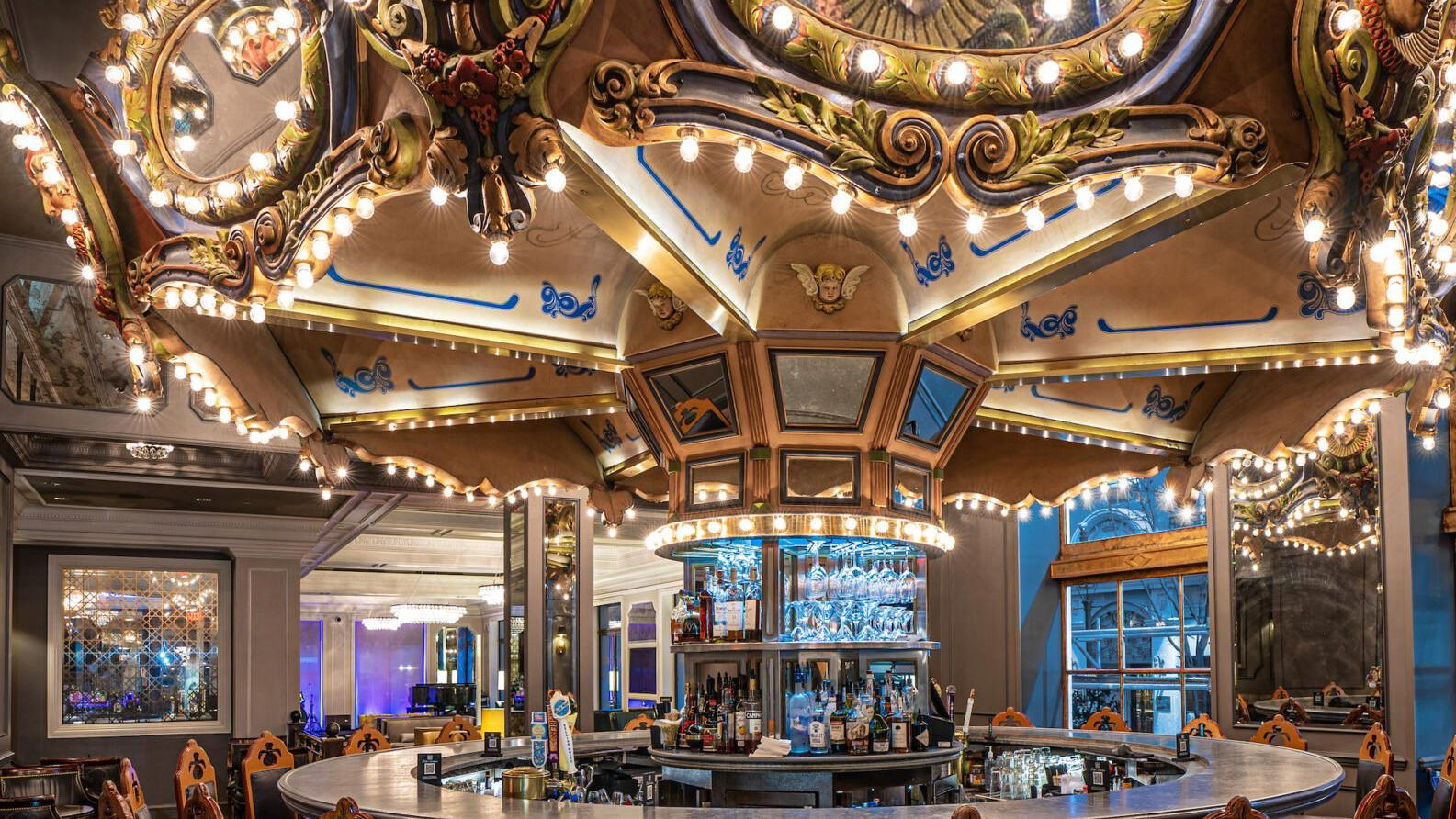
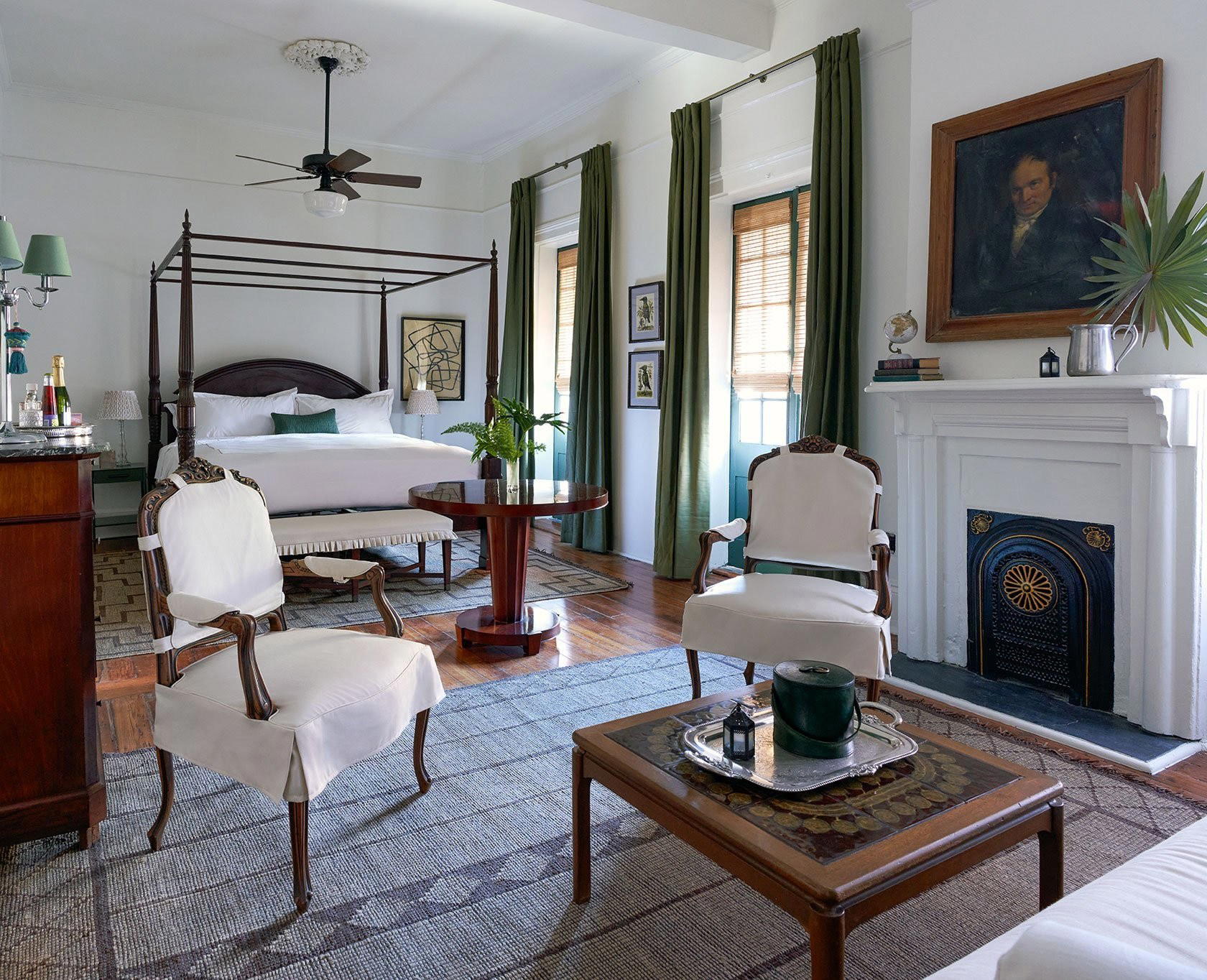
Cozy and classy with a dark, moody interior, lively atmosphere especially during lunch and brunch, and a classic bistro feel.