Pastis



Star Wine List · Wine Spectator Best of Award of Excellence
Our verdict
A French brasserie in Wynwood earning an Opinionated About Dining Casual recognition in 2025 and a Star Wine List White Star, Pastis brings a 450-label wine program anchored in Burgundy and Bordeaux to a neighbourhood better known for street art than steak frites. Two-course meals fall in the $40–$65 range, with lunch and dinner service through the week.

Pearl is the En Primeur Club membership app, where members save venues, book tables and use the concierge.
The menu
What to order
- Steak Frites
- Escargots
- Dover Sole Meunière
- Profiteroles
- Duck Confit
- Croque Monsieur
A Brasserie Finds Its Ground in Wynwood
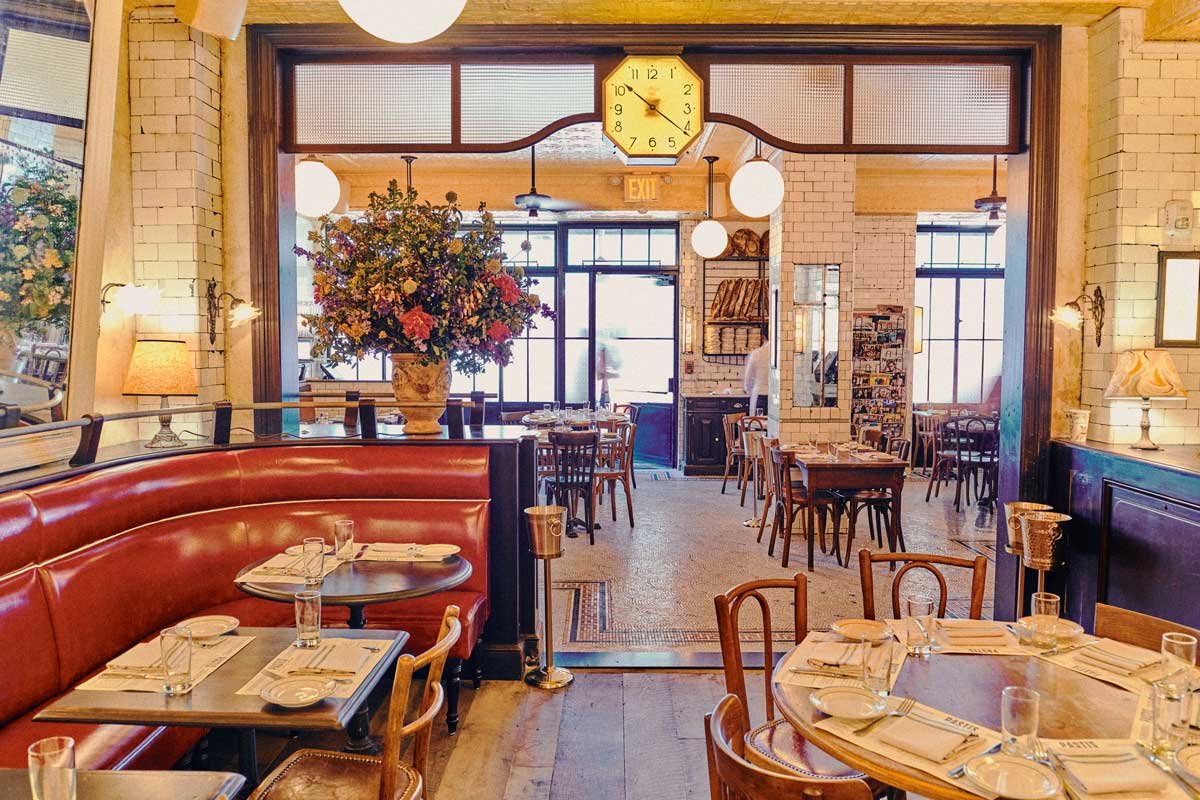
The French brasserie format has proven more portable than almost any other European dining institution. From the zinc-bar originals of Paris to the white-tablecloth transplants of Manhattan, the genre travels on the reliability of its logic: a broad menu, a serious wine list, and a room built for staying. In Miami, that format has typically lived closer to South Beach or Brickell, where the theatrical setting and tourist foot traffic do some of the heavy lifting. Wynwood, with its warehouse bones and gallery-density, puts the work back onto the food and the cellar. Pastis, at 380 NW 26th St, occupies that setting without apology.
The address places it squarely in the Wynwood Arts District, a neighbourhood that has cycled through phases of grit, speculation, and partial gentrification without settling into any single dining identity. The brasserie category is a counter-intuitive choice for the area, and that friction is part of what makes the room worth attention. When the format works in an unlikely context, it usually means the fundamentals are solid enough to carry the room without the assistance of a predictable neighbourhood narrative.
The Wine Program as Editorial Statement
French brasseries live and die on their wine lists, and here the list is the clearest signal of what Pastis is trying to be. Star Wine List awarded the program a White Star in April 2025, recognising wine lists of consistent quality and range. The cellar runs to 450 selections and a physical inventory of 2,905 bottles, with declared strengths in Burgundy and Bordeaux. Pricing sits at the mid-tier: a spread that includes bottles under $50 and extends into the $100-plus range, without skewing exclusively toward trophy bottles or value pours.
That range matters for a brasserie format. The classic French model is not structured around a single prestige category. It asks a list to work across casual weeknight meals, longer celebratory dinners, and solo counter drinking, which is a different brief than a tasting-menu restaurant that sells wine in sequence. A 450-label program with Burgundy and Bordeaux depth, priced to allow entry at both ends, is better calibrated to that brief than a shorter, more list would be. For context on how Miami's serious wine programs compare across formats and neighbourhoods, see our full Miami restaurants guide.
The wine program is run by Samuil Angelov, who also holds the owner role. That dual position, where the person accountable for the wine list also carries the financial risk of the entire operation, tends to produce lists with more conviction. When the owner is the sommelier, the cellar is not a cost centre managed by committee: it is a point of view with a budget behind it. Sommelier support comes from Jenni Räisänen and Franciska Szucs, a staffing depth unusual for a mid-price brasserie.
The Ethics of a Sourcing-Driven Menu
The editorial angle that applies most naturally to a French brasserie in 2025 is sourcing discipline. Traditional brasserie cooking is not inherently aligned with environmental consciousness: its canon includes foie gras, long-haul seafood, and proteins bought on price. The French brasserie format has been under pressure for years to reconcile classic preparation with contemporary expectations around waste reduction and ethical supply chains. How individual operators respond to that tension separates the venues that update with purpose from those that simply adjust language on the menu without changing the kitchen practice.
Pastis's Opinionated About Dining Casual recognition in 2025 is useful context here. OAD's casual list acknowledges venues that deliver quality at a non-prestige price point, which implies a certain discipline in sourcing and kitchen operations. Keeping a two-course meal in the $40–$65 range in Miami, while running a wine director-led cellar and a named sommelier team, requires cost management that tends to favour direct supplier relationships over commodity purchasing. Chef Niko Jaakkola works within that economic structure.
French brasserie cooking, when practiced with sourcing honesty, is actually a strong format for low-waste kitchens. The canon rewards whole-animal use, seasonal rotation, and prep techniques, like slow braises and terrines, that convert secondary cuts into menu anchors. General Manager Jenna Naukkarinen's role in managing those operational decisions is part of what makes the staffing transparency here useful.
Where Pastis Sits in the Miami Dining Conversation
Miami has developed a peer group of serious independent restaurants that operate outside the hotel-dining complex and the South Beach circuit. Venues like Ariete, Boia De, and Cote Miami have established that there is a market for neighbourhood-anchored dining with a strong editorial identity in Miami beyond the hotel-restaurant model. Pastis sits in that same peer conversation, though from a different tradition: where Boia De pulls from Italian vernacular and ITAMAE works a Peruvian-Japanese register, Pastis holds to the French brasserie template without apparent hybridisation.
That purity of format is itself a position. The French brasserie has not been absorbed wholesale into Miami's dining scene the way it has in New York, where venues like Boucherie NYC have staked out the category at scale. In cities like Greenville, South Carolina, Scoundrel operates a French brasserie format in a similarly non-obvious location, and the comparison holds: the genre's success in unexpected cities tends to depend on the operator's commitment to the wine program and menu depth rather than on neighbourhood fit. Pastis, with its White Star list and OAD recognition, has enough external credentialing to suggest the commitment is there.
For those tracking the larger French fine-dining conversation in the United States, the contrast with rooms like L'Atelier de Joël Robuchon Miami is instructive. Robuchon's Miami outpost operates in the tasting-counter register at a different price tier entirely. Pastis makes a different argument: that French cooking's enduring contribution to American restaurant culture is not primarily the tasting menu but the room you return to on a Tuesday.
Planning a Visit
Pastis serves lunch and dinner, which makes it one of the few serious wine-program restaurants in the area that does not limit itself to evening service. Wynwood is reachable by ride-share from Brickell and the Design District in under fifteen minutes during non-peak hours. Street parking is available in the surrounding blocks, though the neighbourhood's gallery-event calendar means weekend evenings can compress availability. Reservations are advisable rather than optional given the OAD recognition, which typically generates a sustained bump in bookings in the months following publication. Two-course meals run in the $40–$65 range before wine; with a mid-tier Burgundy selection, a full dinner for two lands comfortably in the $150–$200 range.
For broader trip planning in the area, see our full Miami hotels guide, our full Miami bars guide, our full Miami experiences guide, and our full Miami wineries guide.
Frequently asked questions
What dish is Pastis famous for?
The menu operates within the French brasserie tradition, a format built on depth and breadth rather than a single headlining plate. The kitchen is led by Chef Niko Jaakkola, and the restaurant's recognitions from Opinionated About Dining (Casual, 2025) and Star Wine List (White Star, 2025) point toward consistent execution across the menu rather than a single standout dish. The wine program, with Burgundy and Bordeaux as its anchoring strengths, is the most documented area of distinction at the venue.
A Pricing-First Comparison
A quick peer reference to anchor this venue in its category.
| Venue | Cuisine | Price | Awards | Notes |
|---|---|---|---|---|
| PastisThis venue (the venue you are viewing) | Classic French Bistro | $50–100 | Star Wine List · Wine Spectator Best of Award of Excellence | Not listed |
| Ariete | Modern Cuban-American Fine Dining | $150–200 | 1 Michelin Star · Star Wine List | Modern American, Contemporary |
| Boia De | Modern Italian-Inspired | $50–100 | 1 Michelin Star · Star Wine List | Italian, Contemporary |
| Cote Miami | Modern Korean Steakhouse with Table-Side BBQ | $150–200 | 1 Michelin Star · La Liste Top Restaurants | Korean Steakhouse, Korean |
| Stubborn Seed | Modern American Fine Dining | $200–300 | 1 Michelin Star | Progressive American, Contemporary |
| Los Fuegos by Francis Mallmann | Argentinian Open-Fire Asado Steakhouse | $200–300 | Michelin Plate · Forbes 4-Star | Argentinian |
Recognition history
Dated appearances from independent guides and award organizations, with the underlying list record or original source where available.
Star Wine List
Star Wine List
Opinionated About Dining Casual in North America Recommended
Opinionated About Dining
Wine Spectator Best of Award of Excellence
Wine Spectator
Full recognition history (5 entries)
Opinionated About Dining Casual in North America
Opinionated About Dining
Wine Spectator Best of Award of Excellence
Wine Spectator
Continue exploring
More in Miami
Restaurants in Miami
All restaurants in Miami →
Bars in Miami
All bars in Miami →

Pastis
The wine
Pastis holds the Wine Spectator Best of Award of Excellence, which Wine Spectator gives to lists of usually 350 or more selections.
- Wine Spectator
- Wine Spectator Best of Award of Excellence
- Extensive wine list
- Craft cocktails
Details
- Classic
- Elegant
- Lively
- Romantic
- Well Known
- Date Night
- Business Dinner
- Celebration
- Brunch
- Courtyard
- Garden
- Terrace
- Historic Building
- Design Destination
- Craft Cocktails
- Extensive Wine List
- Garden
Current opening hours
- Monday
- 11:30 AM–11 PM
- Tuesday
- 11:30 AM–11 PM
- Wednesday
- 11:30 AM–11 PM
- Thursday
- 11:30 AM–12 AM
- Friday
- 11:30 AM–12 AM
- Saturday
- 10 AM–12 AM
- Sunday
- 10 AM–11 PM
Hours can change for holidays and private events. Hours as of .
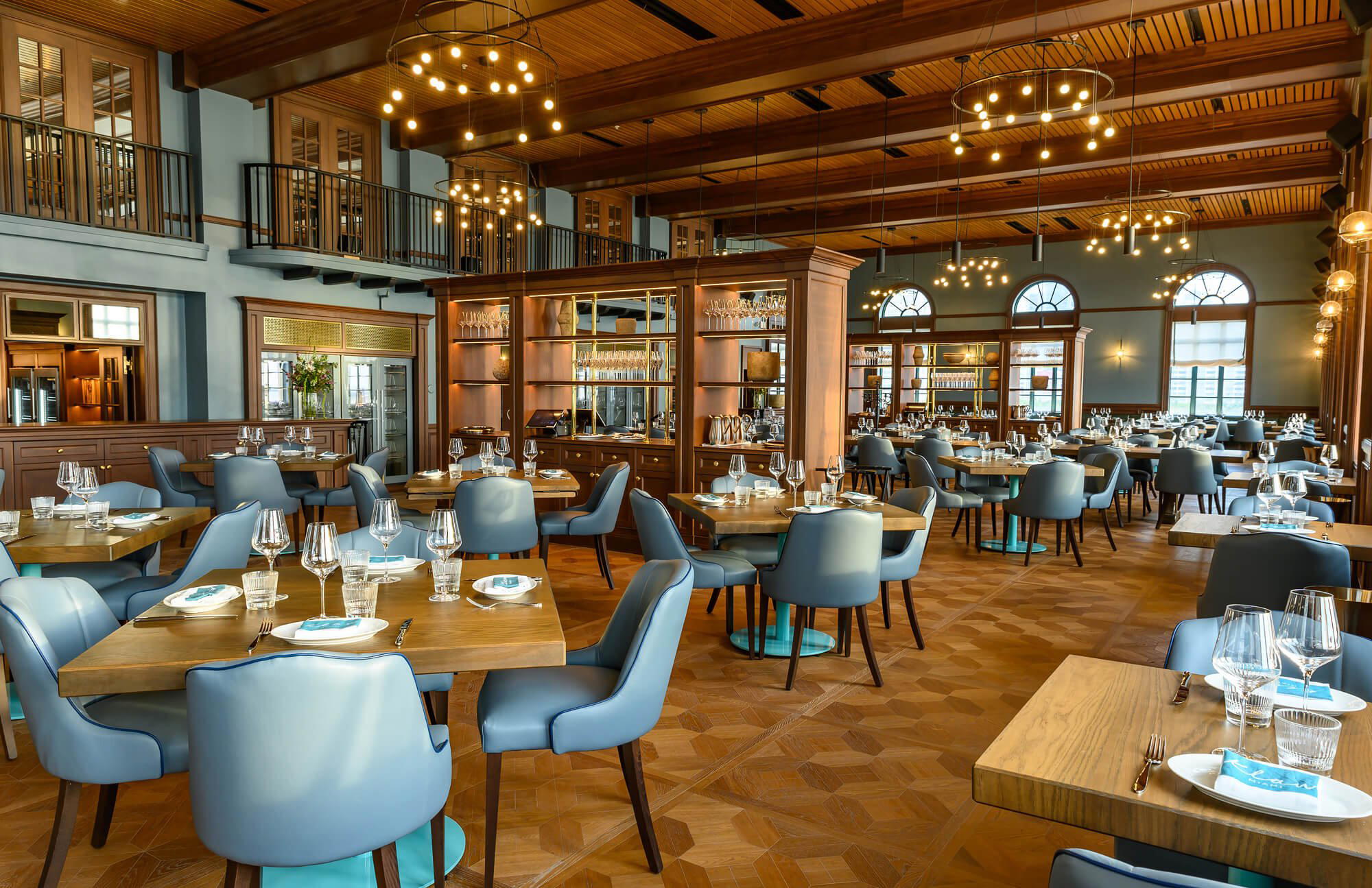
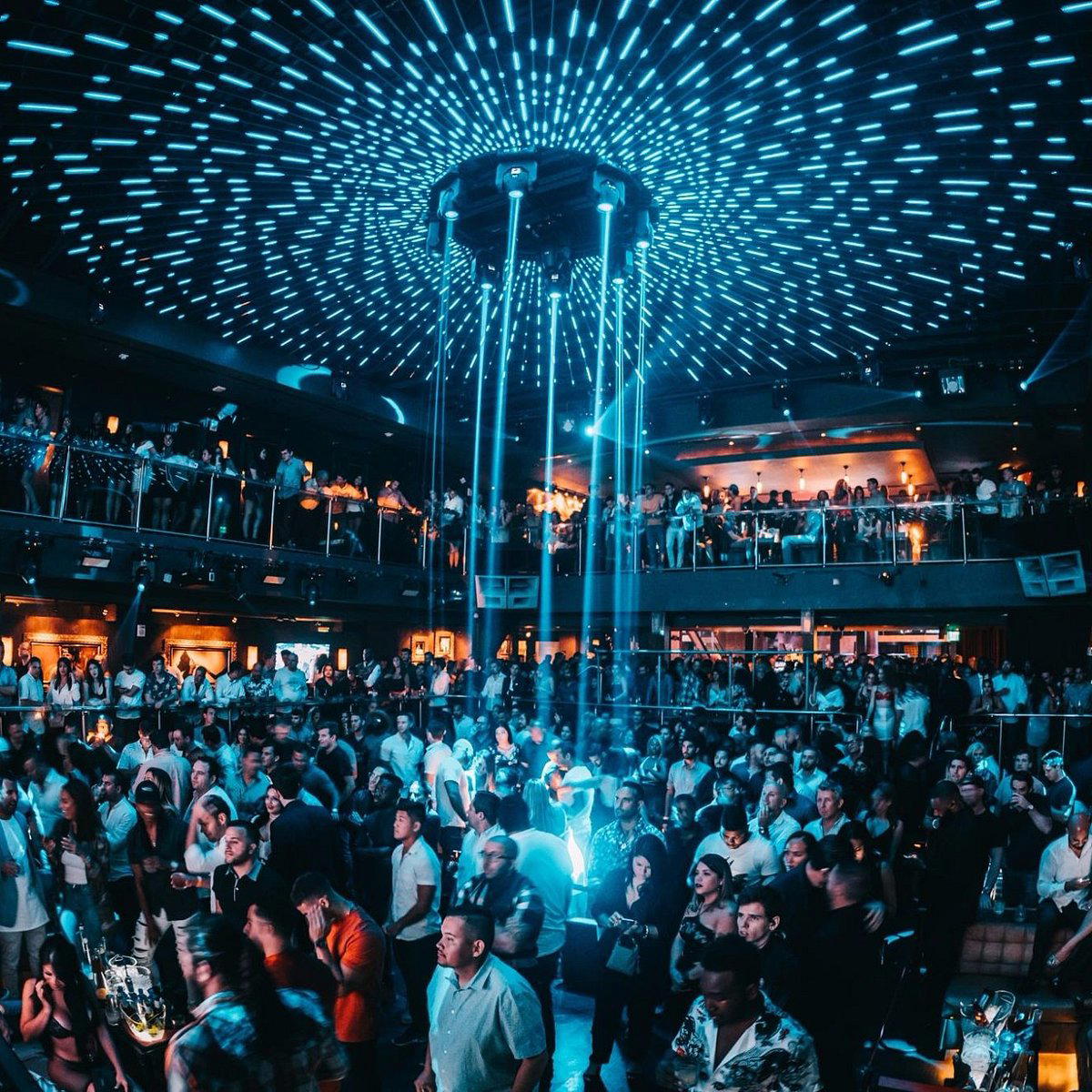
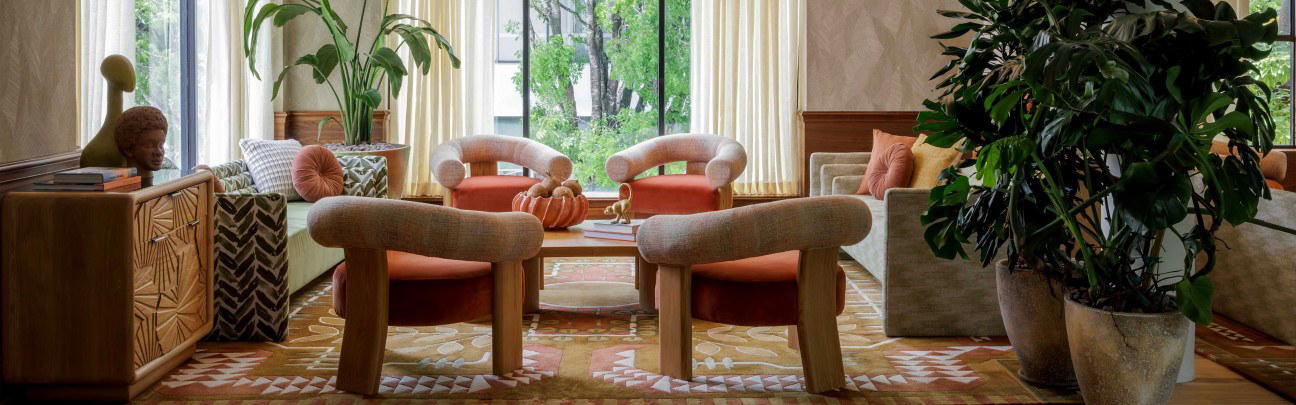
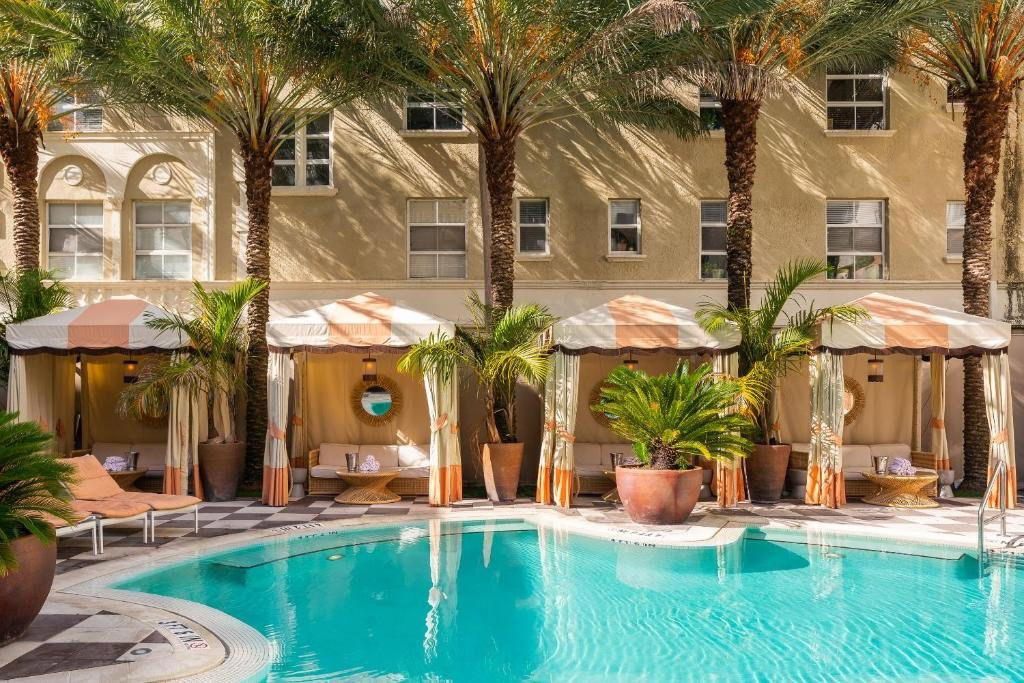
Warm, nostalgic Parisian atmosphere with tobacco-stained authenticity; sconces provide soft golden lighting at night, while daytime sunlight floods through north-facing doors; busy and energetic inside with a more relaxed, garden-like feel in the covered outdoor courtyard.