Parkers' Lighthouse

Parkers' Lighthouse occupies a waterfront position on Long Beach's Shoreline Village strip, where the Pacific defines the plate as much as the kitchen does. Seafood-forward in character and shaped by Southern California's proximity to both coastal fisheries and agricultural inland valleys, it anchors a dining corridor that draws locals and visitors alike to the edge of the harbor.
Pearl is the En Primeur Club membership app — saves, bookings, and concierge access live there. Same editors, same standards.
- Address
- 435 Shoreline Village Drive, Long Beach, CA 90802
- Phone
- +15624326500
- Website
- parkerslighthouse.com
- Directions
- Get directions
 Saves & bookings on Pearl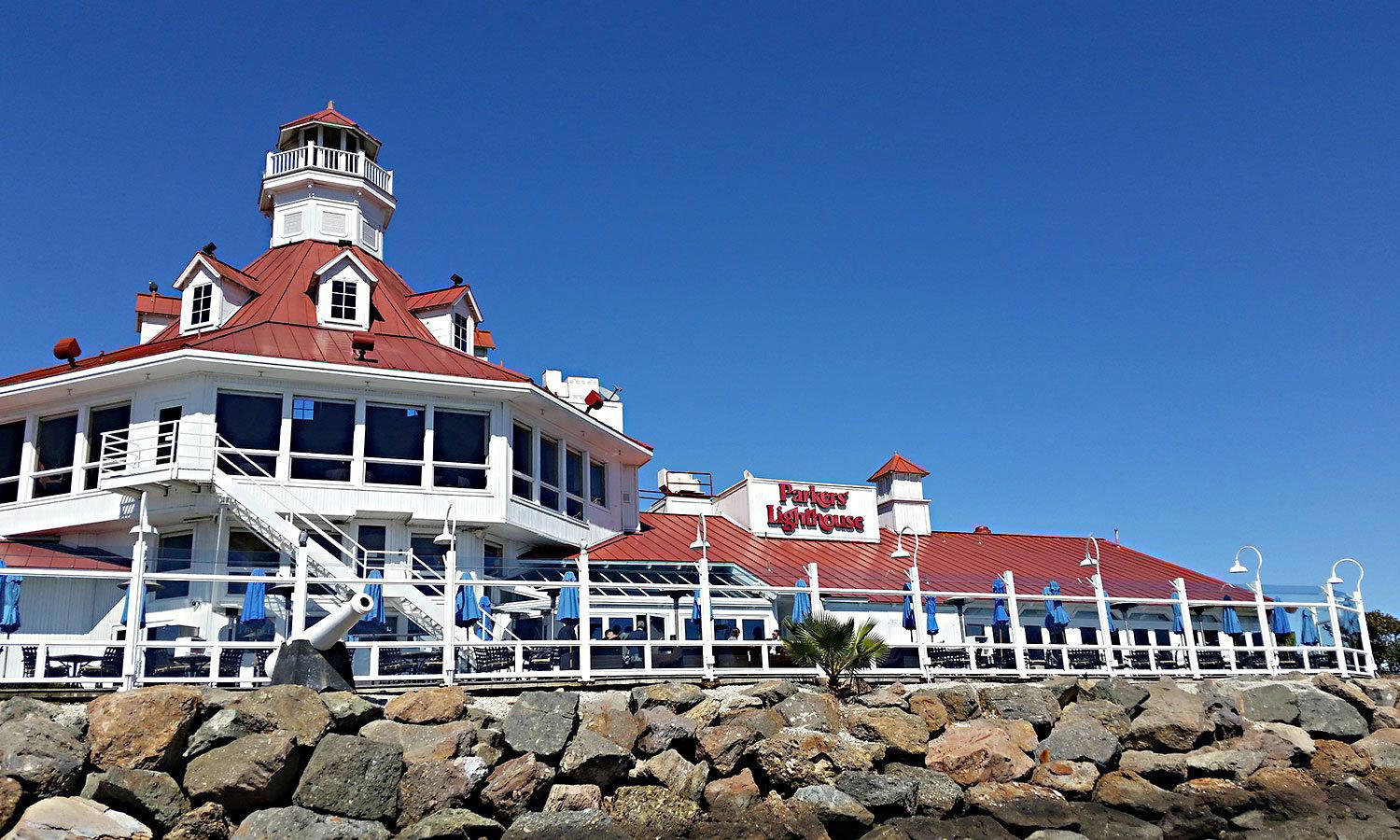
Where the Harbor Sets the Table
Long Beach's waterfront dining strip along Shoreline Village Drive is one of Southern California's more instructive case studies in how geography shapes a restaurant's identity. The harbor is not decorative here — for venues like Parkers' Lighthouse at 435 Shoreline Village Drive, the water is the premise. Positioned at the edge of the marina, the building opens toward the Pacific, and on a clear afternoon the view extends past anchored sailboats to the low horizon of Catalina Island. That physical orientation is the first thing a diner registers, well before a menu arrives.
This matters because waterfront dining in Southern California has historically split between two registers: the casual fish-shack format built around speed and volume, and a more considered seafood house where the sourcing of the catch receives the same attention as the cooking of it. Parkers' Lighthouse belongs to the second category. The harbor setting is not incidental — it places the restaurant in a long American tradition of serious seafood houses that use proximity to water as a sourcing argument, not just a scenic one.
Ingredient Sourcing and the Southern California Advantage
The case for coastal California as a seafood sourcing environment is well established. The cold, nutrient-dense waters of the Pacific generate some of North America's more distinctive seafood: Dungeness crab from the northern coastal fisheries, Pacific halibut, California spiny lobster during its October-to-March season, and white seabass that move through Southern California waters in spring and early summer. A restaurant positioned on Long Beach harbor has geographic access to this supply chain that inland restaurants do not.
Southern California's agricultural hinterland adds a second sourcing dimension. The produce corridors of the San Joaquin Valley and the closer Inland Empire and Coachella Valley put stone fruits, citrus, and field vegetables within a shorter supply radius than most American coastal cities can claim. When a seafood-forward kitchen in this region works competently, it can operate with a sourcing logic that connects a fish pulled from the Pacific to a sauce built from citrus grown forty miles inland, a coherence that defines the better end of California coastal cooking.
For context, the same sourcing argument animates some of California's most closely watched seafood programs. Providence in Los Angeles has built its reputation in part on direct relationships with fishermen and a commitment to species rotation based on what is actually available. Single Thread Farm in Healdsburg takes a farm-first sourcing framework and applies it to multi-course tasting menus. At the national level, Le Bernardin in New York City and Blue Hill at Stone Barns in Tarrytown have demonstrated how a sourcing-led philosophy can anchor a restaurant's entire identity across decades. Parkers' Lighthouse operates in a different price tier and format than these, but the underlying logic, that the origin of ingredients is a first-order question, not an afterthought, connects the waterfront Long Beach address to a broader conversation happening across American fine and casual dining.
Long Beach's Dining Position
Long Beach is often read as a secondary market relative to Los Angeles, which sits roughly twenty-five miles to the north. That reading undersells what has developed along its waterfront and in its inland neighborhoods over the past decade. The city's restaurant community now spans a genuine range: Heritage (Californian) operates at the higher end of the price spectrum with a $$$$ positioning and a California-ingredient framework; 555 East anchors the steakhouse segment; Benley and Alli Kaphiy contribute to a growing roster of destination-worthy independent restaurants. Boathouse on the Bay competes in the same waterfront-seafood register as Parkers' Lighthouse, making the harbor corridor a genuine dining zone rather than a single-venue destination.
The waterfront strip itself draws heavily from the tourism and convention traffic that moves through Long Beach, particularly around the Aquarium of the Pacific and the Queen Mary berth. For a seafood restaurant in this location, that means a customer base that skews toward occasional visitors rather than the repeat-local audience that sustains neighborhood restaurants. The operational and menu implications of that dynamic are significant: the format needs to be legible to a first-time visitor while still offering enough depth to satisfy someone who has come specifically for the food.
How Parkers' Lighthouse Fits the Waterfront Seafood Category
Across the American waterfront seafood category, the venues that hold serious reputations tend to share a few structural characteristics. They maintain consistent sourcing relationships that allow them to feature seasonal and species-specific items rather than a static menu built around commodity fish. They apply enough kitchen technique to let the quality of the ingredient carry the dish. And they create a physical environment where the waterfront setting reinforces rather than distracts from the food. Emeril's in New Orleans and Addison in San Diego represent different points on that spectrum, from casual-accessible to formally composed.
Parkers' Lighthouse sits at 435 Shoreline Village Drive, a location that places it squarely within the marina entertainment corridor. The harbor-facing position is an asset for capturing the atmospheric case for seafood, the smell of salt water, the proximity of working boats, the visual connection between the diner and the source of the food. These are not trivial elements. They function as the environmental equivalent of an open kitchen: a reminder that what arrives on the plate began somewhere specific.
Visitors planning a trip to Long Beach's waterfront dining corridor would do well to consult our full Long Beach restaurants guide for the wider context across neighborhoods and price points. For those building a more ambitious Southern California or national itinerary, the waterfront seafood tradition connects outward to restaurants like Lazy Bear in San Francisco, Alinea in Chicago, The French Laundry in Napa, The Inn at Little Washington, Atomix in New York City, and 8 1/2 Otto e Mezzo Bombana in Hong Kong, venues where ingredient sourcing has been refined from operational detail to defining editorial position.
Planning Your Visit
Parkers' Lighthouse is located at 435 Shoreline Village Drive in Long Beach's marina district, accessible by car with paid parking in the adjacent Shoreline Village lots, or by the Passport Bus that connects the waterfront to downtown Long Beach. The harbor strip sees the heaviest foot traffic on weekend afternoons and evenings, particularly during summer and the California spiny lobster season running from October through March, a window when the regional seafood argument becomes most concrete.
Recognition history
Dated appearances from independent guides and award organizations, with the underlying list record or original source where available.
Wine Spectator Award of Excellence
Wine Spectator
Continue exploring
More in Long Beach
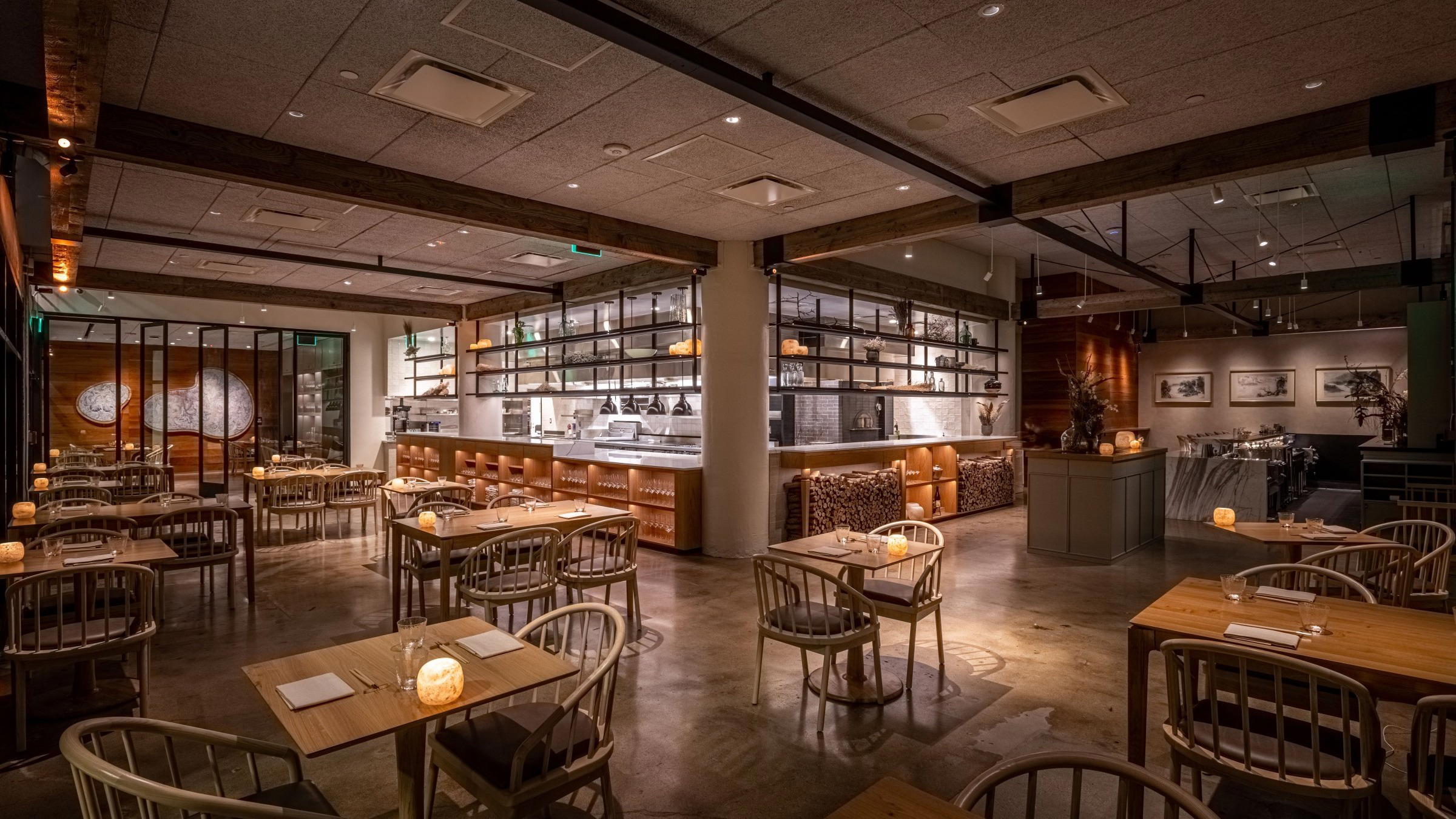
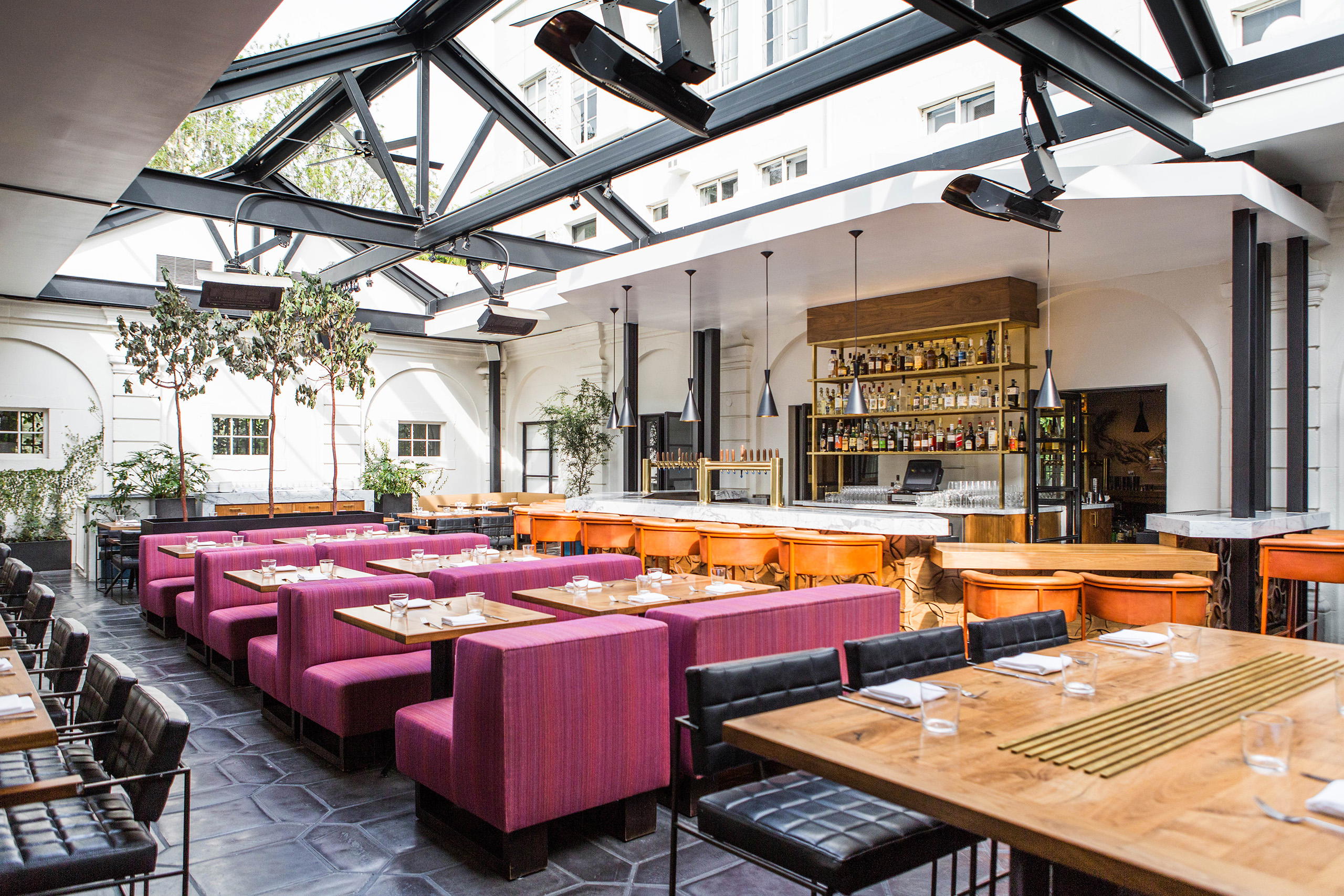
Restaurants in Long Beach
Browse all →
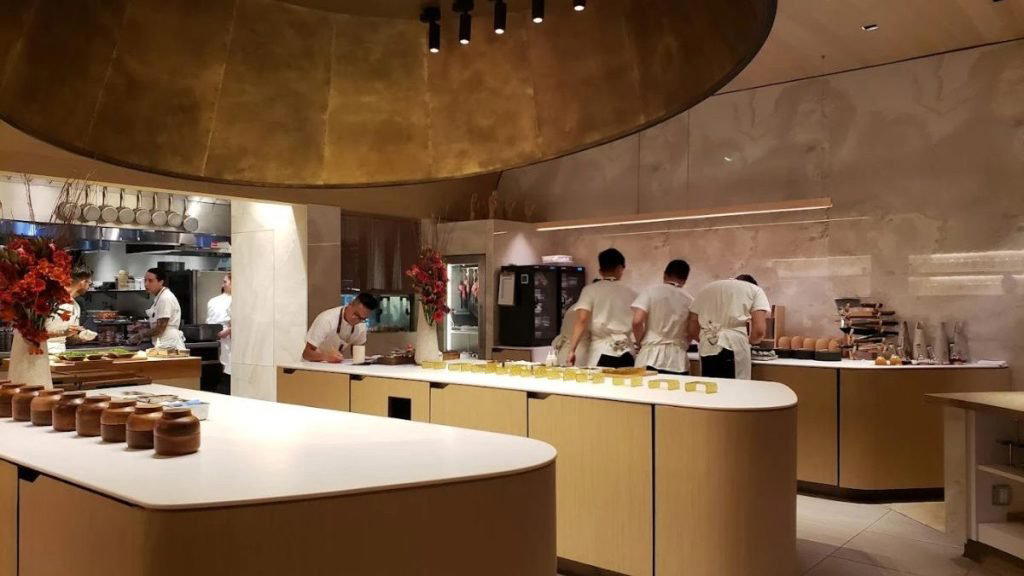
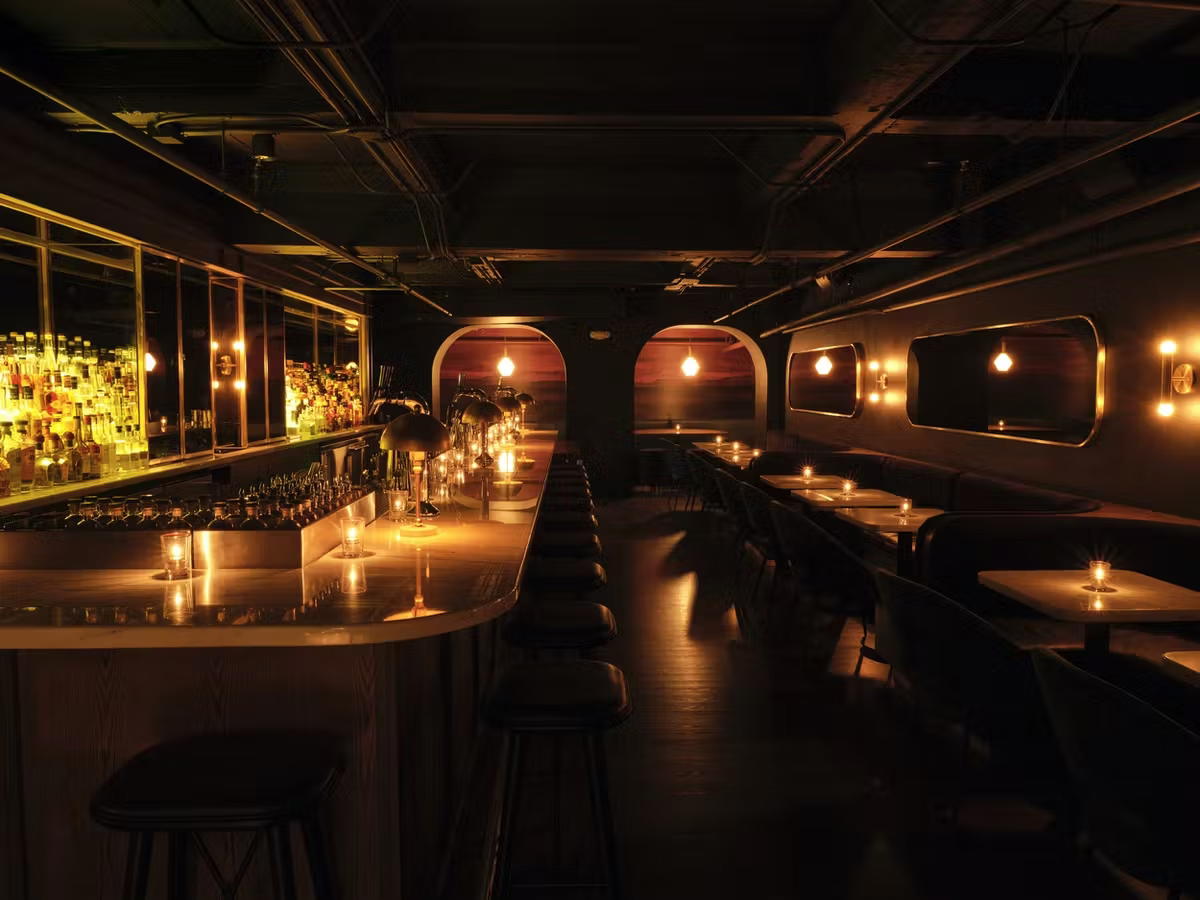
Bars in Long Beach
Browse all →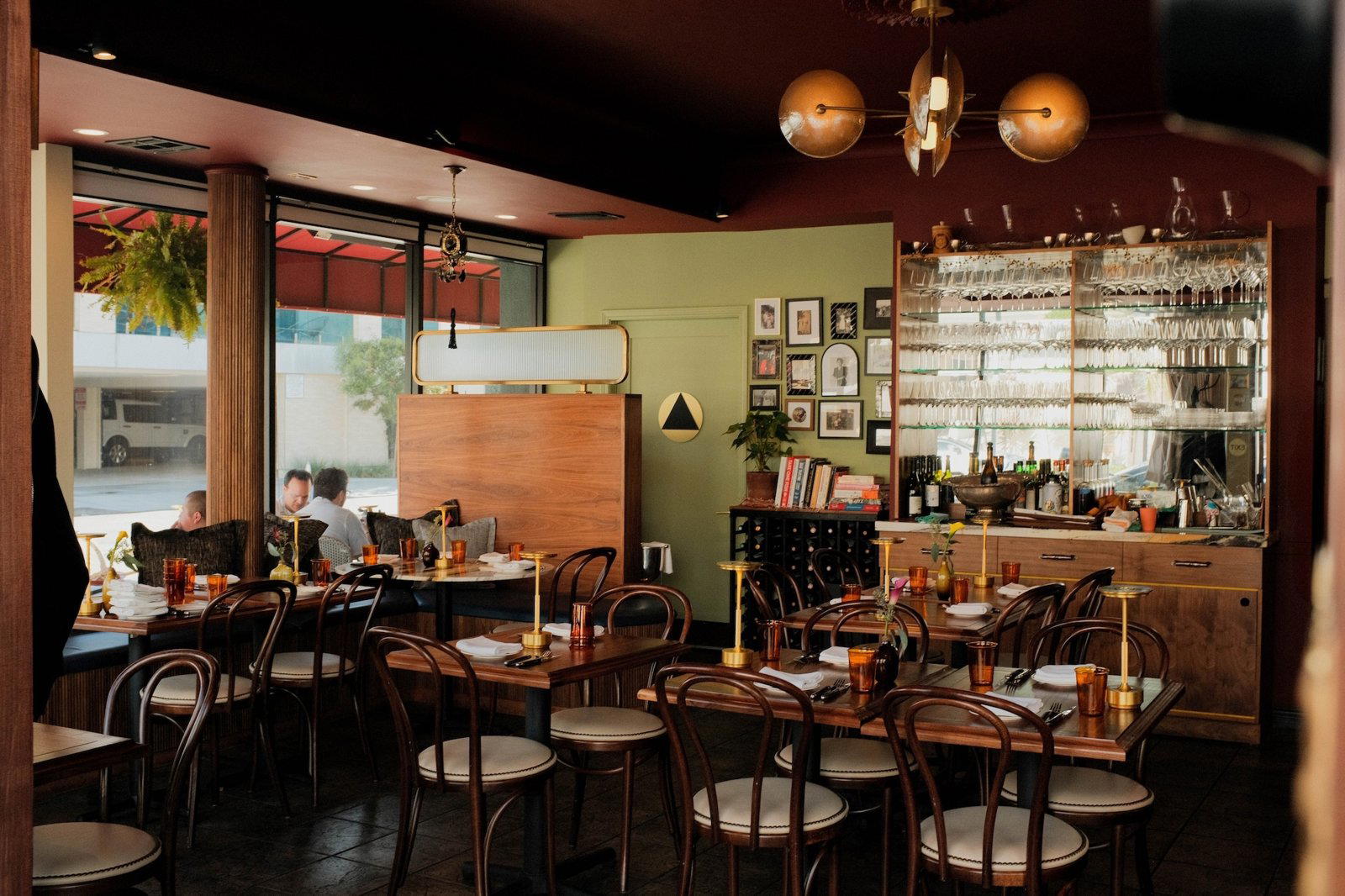
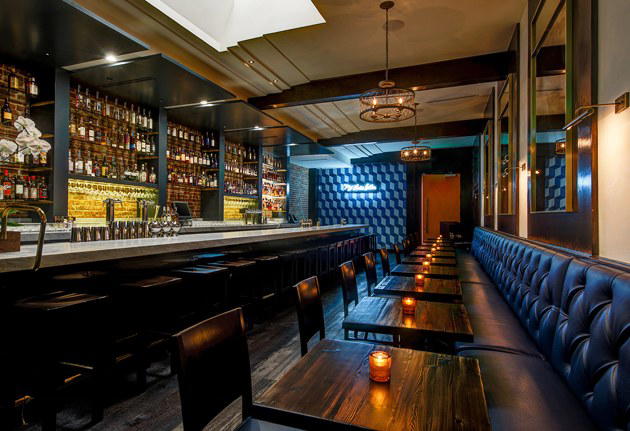
Hotels in Long Beach
Browse all →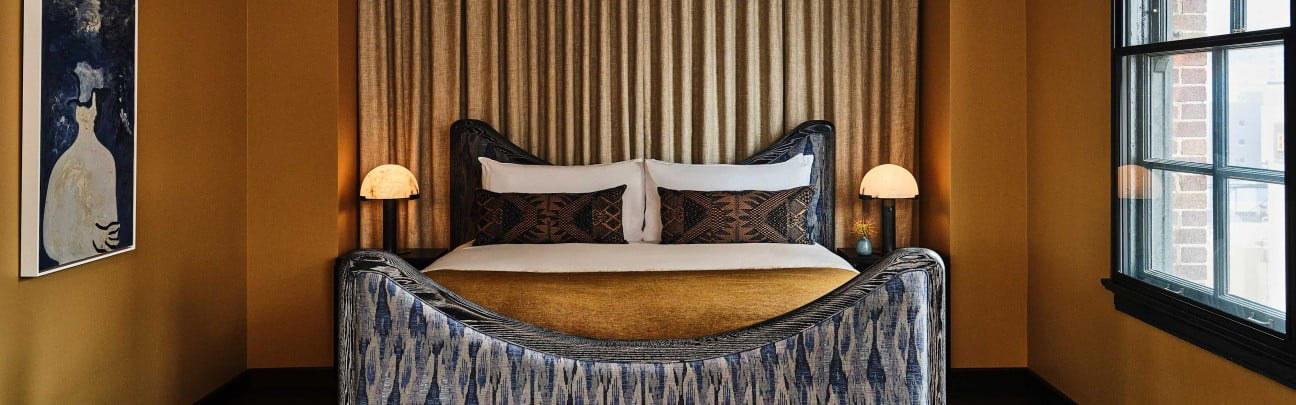
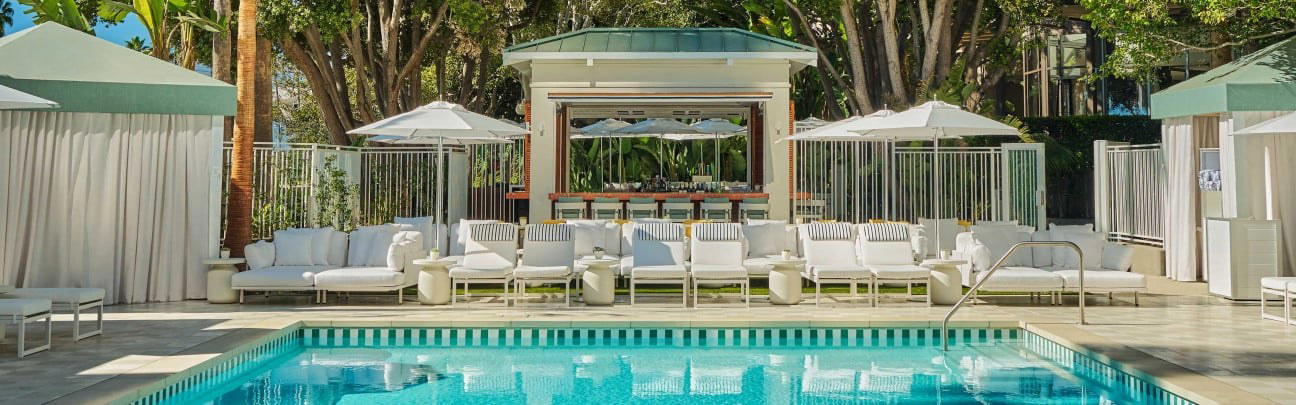
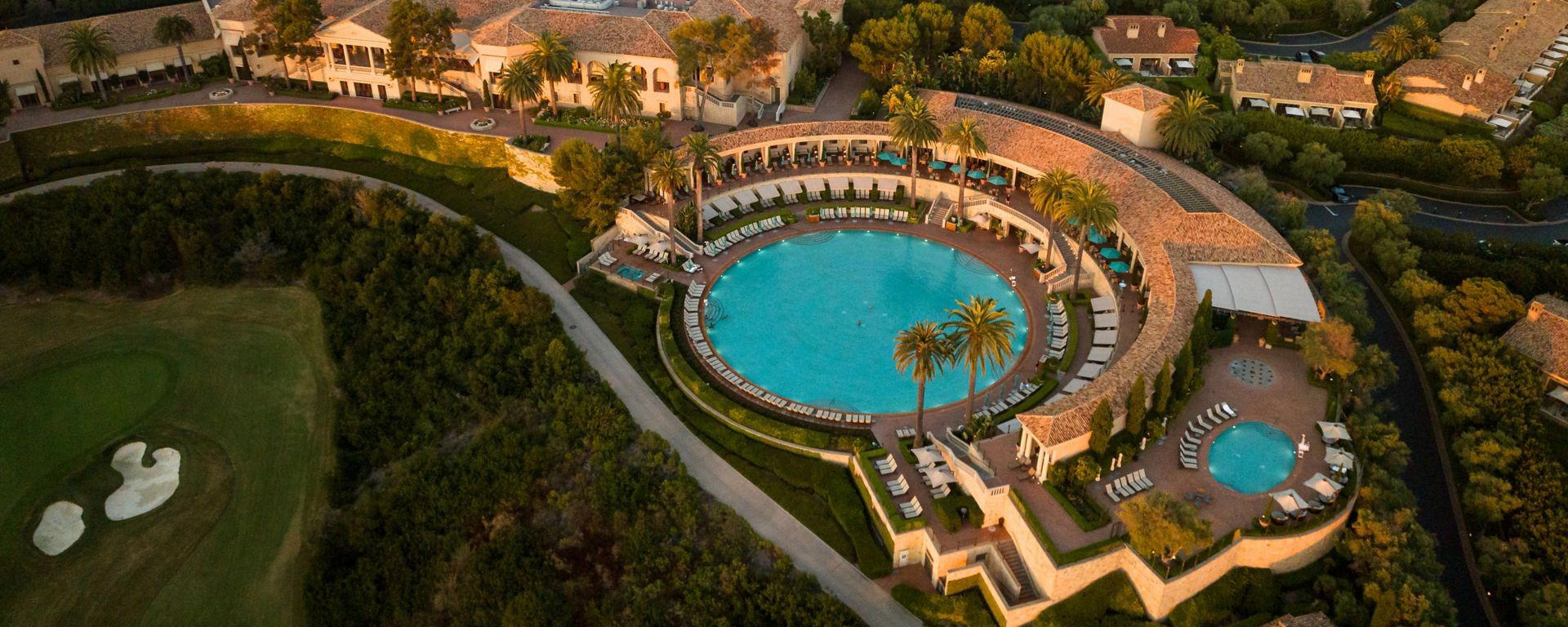
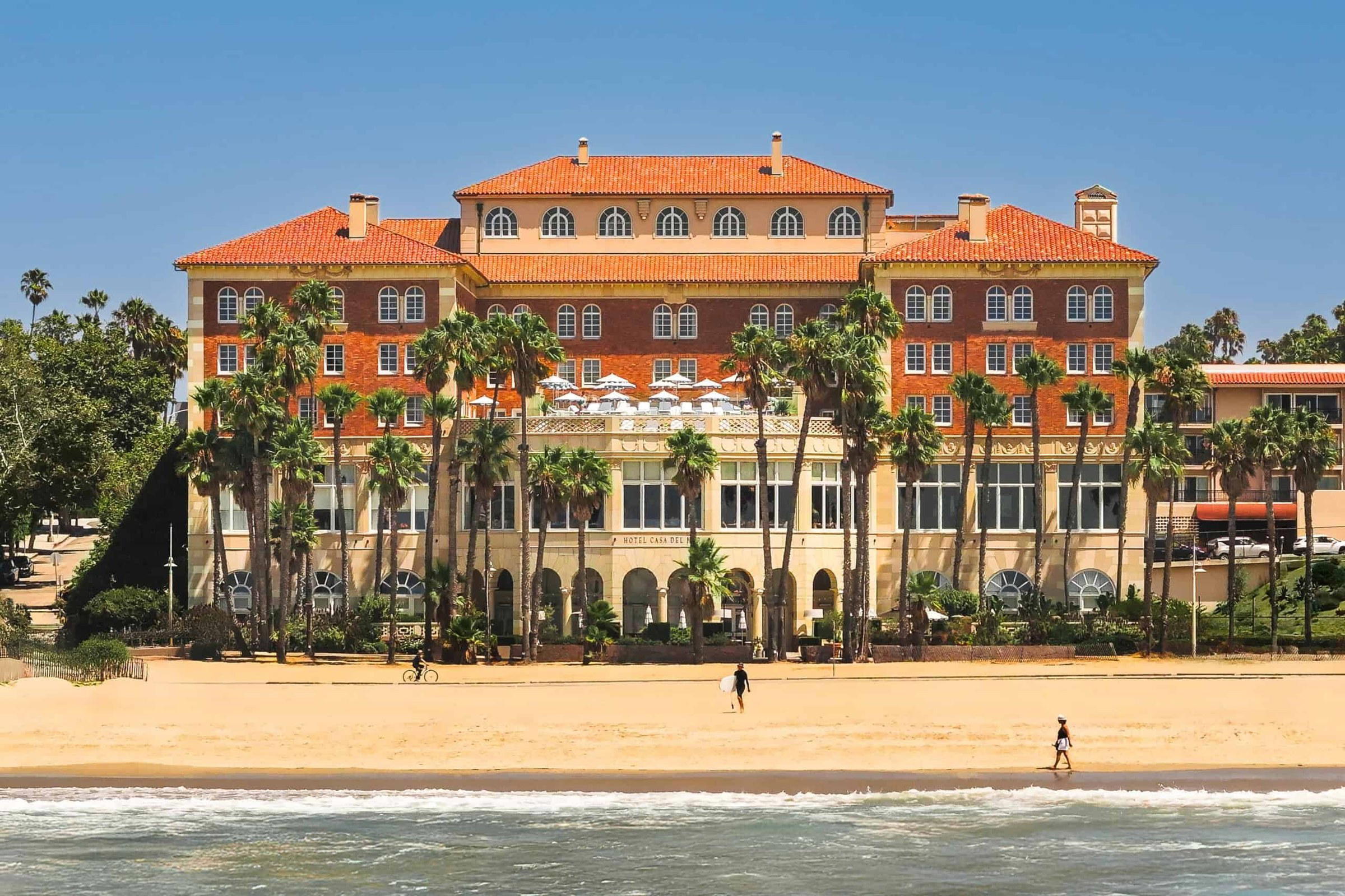
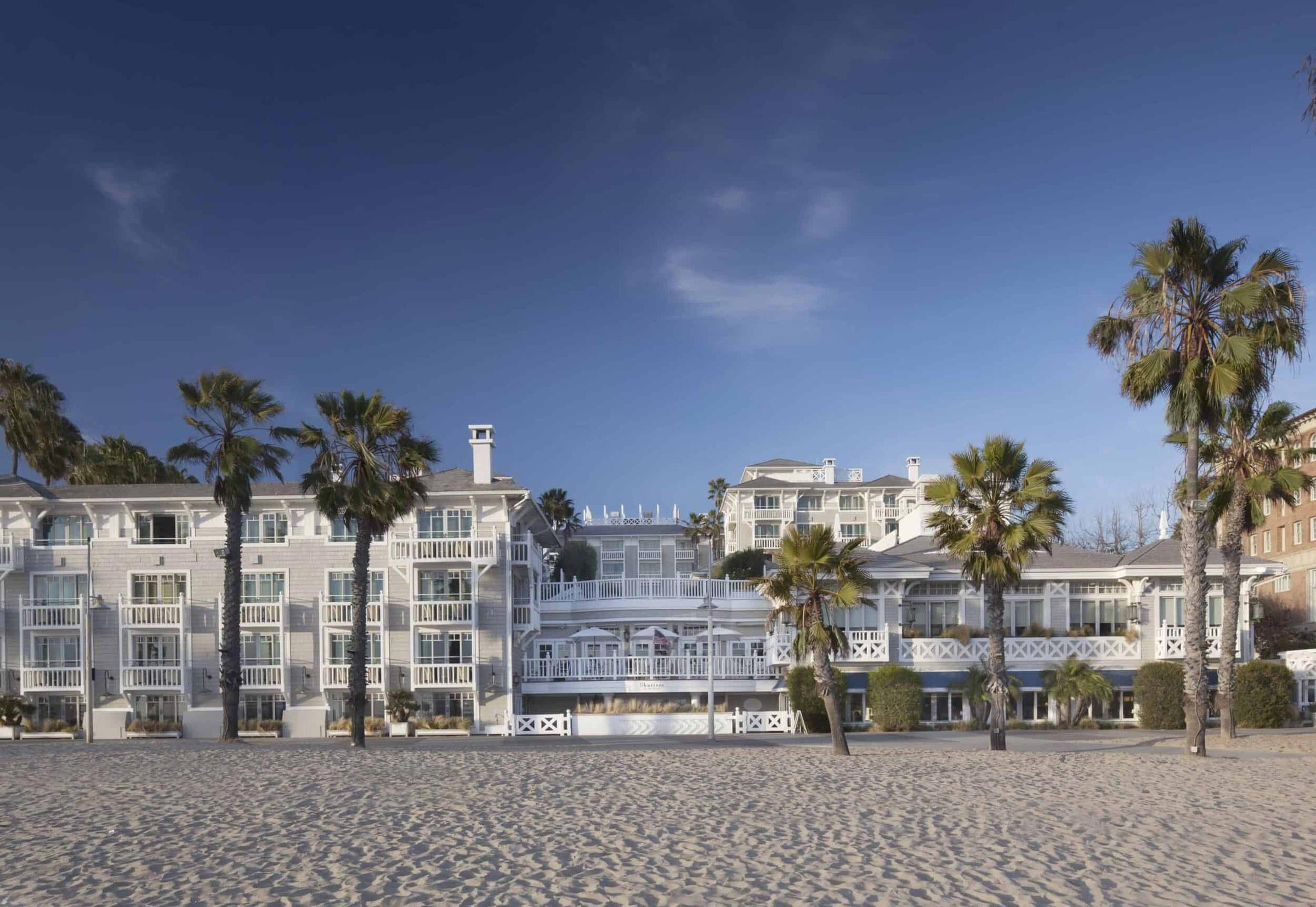
Wineries in Long Beach
Browse all →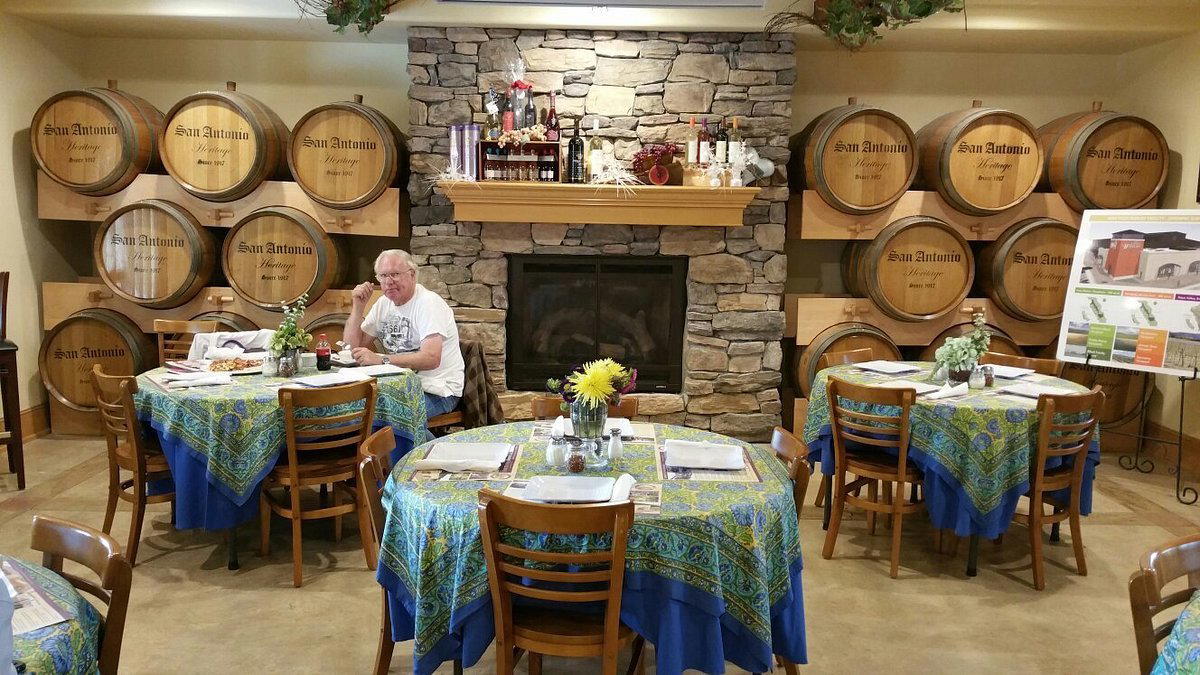
At a Glance
- Romantic
- Elegant
- Scenic
- Sophisticated
- Date Night
- Special Occasion
- Celebration
- Live Music
- Waterfront
- Wine Cellar
- Extensive Wine List
- Craft Cocktails
- Sustainable Seafood
- Local Sourcing
- Waterfront
Current opening hours
- Monday
- 11:30 AM–9 PM
- Tuesday
- 11:30 AM–9 PM
- Wednesday
- 11:30 AM–9 PM
- Thursday
- 11:30 AM–9 PM
- Friday
- 11:30 AM–10 PM
- Saturday
- 11:30 AM–10 PM
- Sunday
- 11:30 AM–9 PM
Hours can change for holidays and private events. Last verified .
Relaxed atmosphere with dramatic waterfront views from every table, warm and inviting lighting, enhanced by live music.
Know Before You Go
- Getting there
- 435 Shoreline Village Drive, Long Beach, CA 90802