Zauner Esplanade sits at the heart of Bad Ischl, the former summer retreat of Emperor Franz Joseph I and a town whose café culture carries the weight of Habsburg history. The Esplanade address places it along the promenade where the imperial court once promenaded, anchoring it in a tradition of Viennese-style Konditorei that predates most living culinary trends. For visitors touring the Salzkammergut, it represents the region's most historically grounded pastry stop.
Pearl is the En Primeur Club membership app — saves, bookings, and concierge access live there. Same editors, same standards.
- Address
- Hasnerallee 2, 4820 Bad Ischl, Austria
- Phone
- +43613223722
- Website
- zauner.at
- Directions
- Get directions
 Saves & bookings on Pearl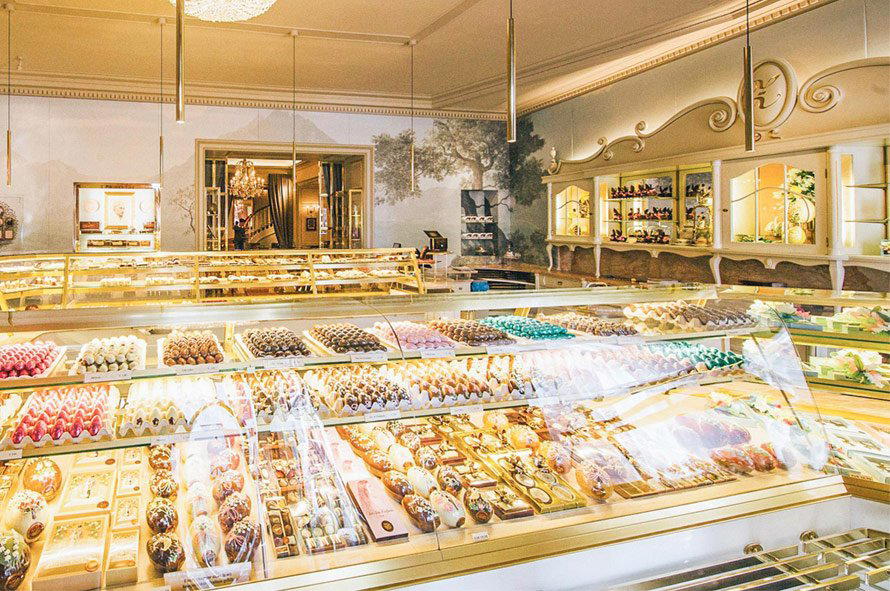
A Promenade Built for a Different Kind of Dining
Bad Ischl is not simply a small Austrian spa town. For much of the nineteenth and early twentieth centuries, it functioned as the summer capital of the Habsburg Empire, with Emperor Franz Joseph I spending decades of his reign in residence at the Kaiservilla above the town. That history shaped the physical fabric of the Esplanade, the riverside promenade that still carries the architectural grammar of imperial leisure: broad walking paths, formal plantings, and institutions built to serve a court that expected Vienna's standards in the mountains. Zauner Esplanade is a traditional Austrian café and pastry house at Hasnerallee 2 in Bad Ischl, Austria,663 reviews and a recommended reservation policy. It operates within that specific tradition of the Alpine Konditorei, a category of establishment that exists somewhere between a pastry workshop, a café, and a social institution. To understand what you are walking into, it helps to understand what that tradition means in this particular stretch of the Salzkammergut.
The Ingredient Logic of the Alpine Konditorei
The Konditorei tradition in Austria's mountain towns was never about improvisation. It developed under conditions where supply chains were seasonal and unpredictable, which pushed confectioners toward mastery of shelf-stable techniques: marzipan work, sugar confectionery, preserved fruit applications, and the laminated pastry structures that could hold their integrity in high-altitude kitchens with variable humidity. The Salzkammergut added its own layer to this logic. The lake district surrounding Bad Ischl produces dairy of notable quality, and the regional milk and cream supply historically underpinned the richness of local pastry work in ways that distinguished Salzkammergut confectionery from the leaner Viennese urban style.
This sourcing context matters when reading a place like Zauner Esplanade. The altitude and climate of the Salzkammergut, with its cold winters and cool summers, favour the kind of slow-growing ingredients that produce concentrated flavour: alpine berries, stone fruits from the lower valley floors, and the honey produced from highland meadows that shift their botanical composition across the summer. Austria's broader fine-dining scene has built much of its contemporary identity around exactly this raw material quality. Venues such as Döllerer in Golling an der Salzach and Obauer in Werfen have made the sourcing of alpine and pre-alpine ingredients central to their critical reputations. The Konditorei tradition at Bad Ischl works from the same raw material base but within a different format entirely: not a restaurant pushing innovation, but a confectionery house applying accumulated technique to ingredients that have been arriving from the same regional catchment for generations.
Where Zauner Sits in the Austrian Café Tier
Austria's premium hospitality scene spans a wide spectrum. At one end sit destination restaurants such as Steirereck im Stadtpark in Vienna and Ikarus in Salzburg, operating in the globally competitive fine-dining register. At the other end are regional Gasthäuser serving traditional Austrian cooking for everyday locals. The historic Konditorei occupies a distinct position that cuts across that spectrum: it is a category where ceremony, heritage, and pastry craft intersect, and where the social function of the institution is inseparable from the product it serves. Zauner in Bad Ischl is one of the older names in that category, with roots going back to the nineteenth century and a specific historical connection to the imperial court that continues to define its identity.
That positioning makes it a different kind of stop than a restaurant such as Landhaus Bacher in Mautern an der Donau or Taubenkobel in Schützen am Gebirge, both of which anchor a multi-course dining experience as the primary proposition. Zauner's proposition is built around the Torte, the confection, the afternoon pause. Visitors from contexts where café culture is thinner, or where Austrian pastry is encountered only in urban airport shops, are likely to find the format disorienting in a productive way. This is what the Konditorei looked like before it became an export category.
The Esplanade Setting and When to Visit
The Esplanade address carries specific seasonal weight. Bad Ischl's social calendar historically concentrated in summer, when the court was in residence and the surrounding Salzkammergut lakes drew the broader Viennese upper-middle class for their holidays. That pattern persists in the contemporary tourism rhythm of the region. Summer remains the peak season for the Esplanade itself, when outdoor seating along the riverside promenade makes the physical setting legible in a way that the interior alone cannot fully convey. Visitors arriving outside the summer months will find a quieter town and a more local clientele, which has its own logic for travellers who prefer to experience a place at reduced register.
Bad Ischl was designated a European Capital of Culture for 2024, bringing increased international attention to the Salzkammergut region after years in which it sat firmly in the shadow of Salzburg as a tourist destination. That designation has raised the town's profile across European editorial platforms, meaning the current moment is likely to represent a transitional period between relative obscurity and broader awareness.
Other Austrian mountain dining worth cross-referencing for a broader regional itinerary includes Kräuterreich by Vitus Winkler in Sankt Veit im Pongau, which approaches alpine ingredients from a herb-foraging angle, and Gourmetrestaurant Tannenhof in Sankt Anton am Arlberg for the western alpine register. Further east, Artis in Graz and Atelier Fischer in Sankt Gilgen, the latter directly on the Wolfgangsee within the Salzkammergut itself, offer additional reference points for how the region's produce is being interpreted across different formats and price tiers. Those travelling from further afield who use international benchmark restaurants such as Le Bernardin in New York City or Atomix in New York City as orientation points will find Zauner operating in a fundamentally different register: not competitive fine dining, but an institution whose authority derives from duration and tradition rather than contemporary critical recognition.
Schwarzer Adler in Hall in Tirol, Stüva in Ischgl, Griggeler Stuba in Lech, Restaurant 141 by Joachim Jaud in Mieming, and Ois in Neufelden each represent distinct points on the Austrian dining map, from Tyrolean mountain cooking to Upper Austrian regionalism.
Planning Your Visit
Zauner Esplanade is located at Hasnerallee 2 in Bad Ischl, accessible by train from Salzburg on the Salzkammergut line, a route that takes approximately 90 minutes and passes through particularly photographed lake scenery in Austria. Bad Ischl sits centrally within the Salzkammergut, making it a logical base for day trips to Hallstatt, the Wolfgangsee, and the Dachstein region.
At-a-Glance Comparison
Comparable venues nearby, for context on price, style, and recognition.
| Venue | Cuisine | Price | Notes |
|---|---|---|---|
| Zauner EsplanadeThis venue — the venue you are viewing | Traditional Austrian Café & Pastry House | $$ | Not listed |
| Jedermann's | Austrian | $$ | Innsbruck city center |
| Waldcafé Lifstüberl | Traditional Austrian Alpine | $$ | Ramsau am Dachstein |
| Rittisstadl | Traditional Austrian Alpine | $$ | Ramsau am Dachstein |
| Hotel Restaurant Krone | Traditional Austrian with Regional Specialties | $$ | Mondsee town center |
| CULT IM | Austrian Local Cuisine | $$ | Parsch |
Continue exploring
More in Bad Ischl
Restaurants in Bad Ischl
Browse all →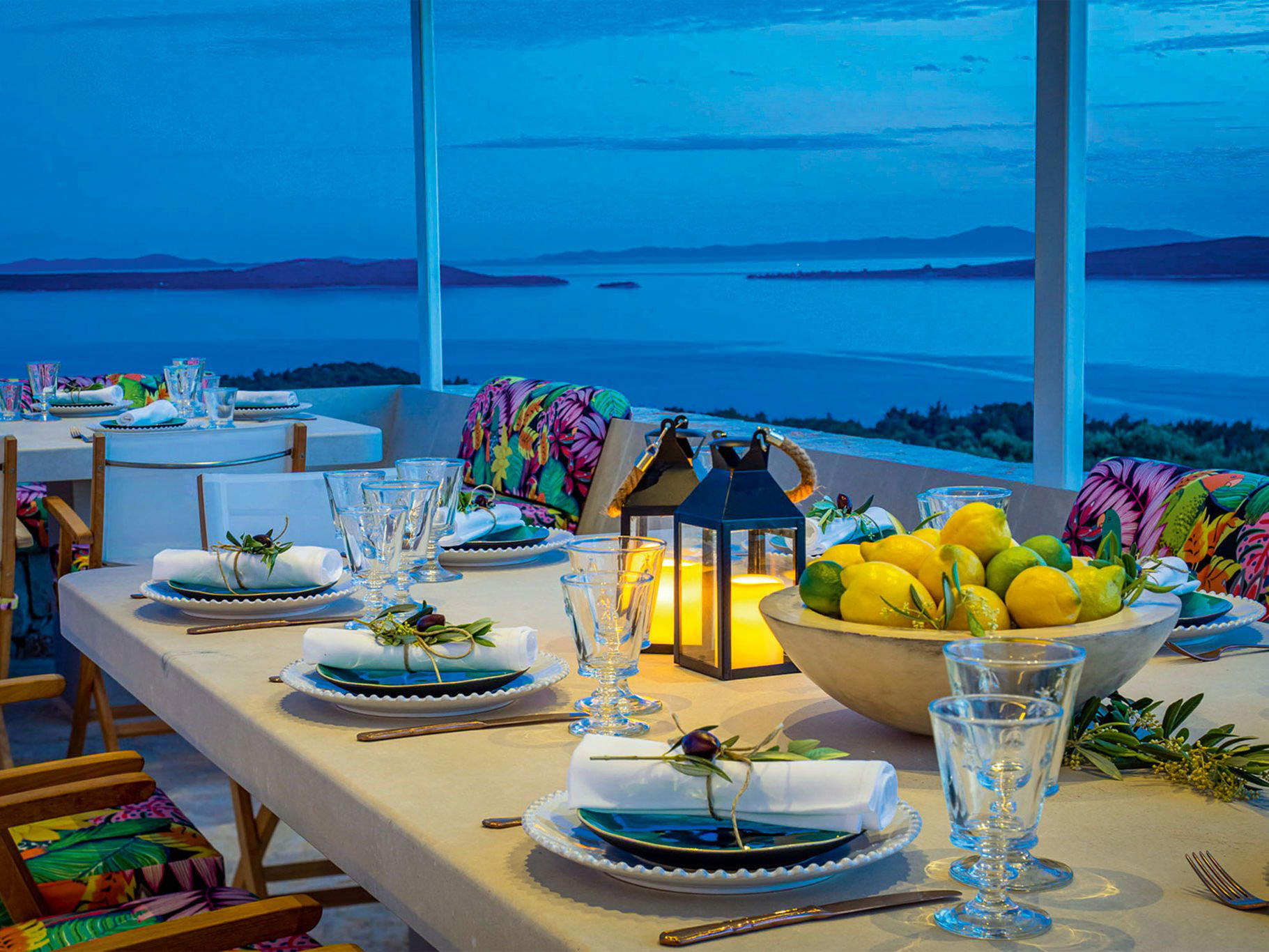

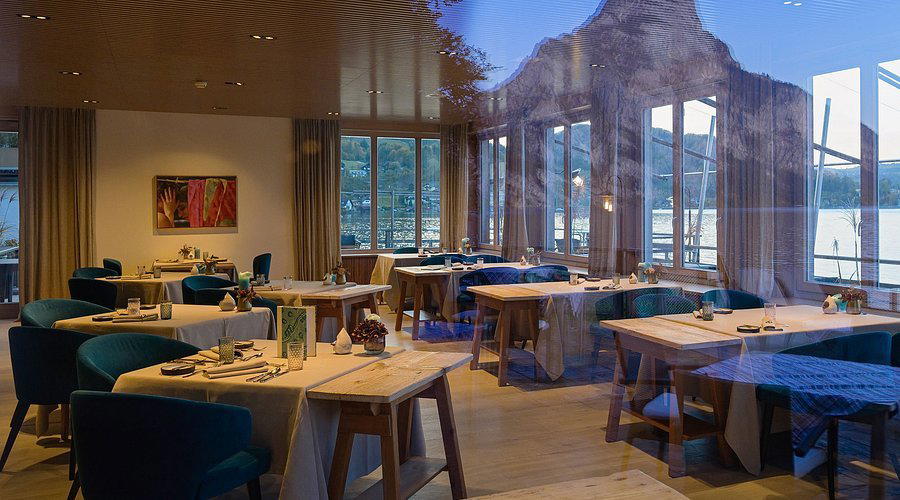
Bars in Bad Ischl
Browse all →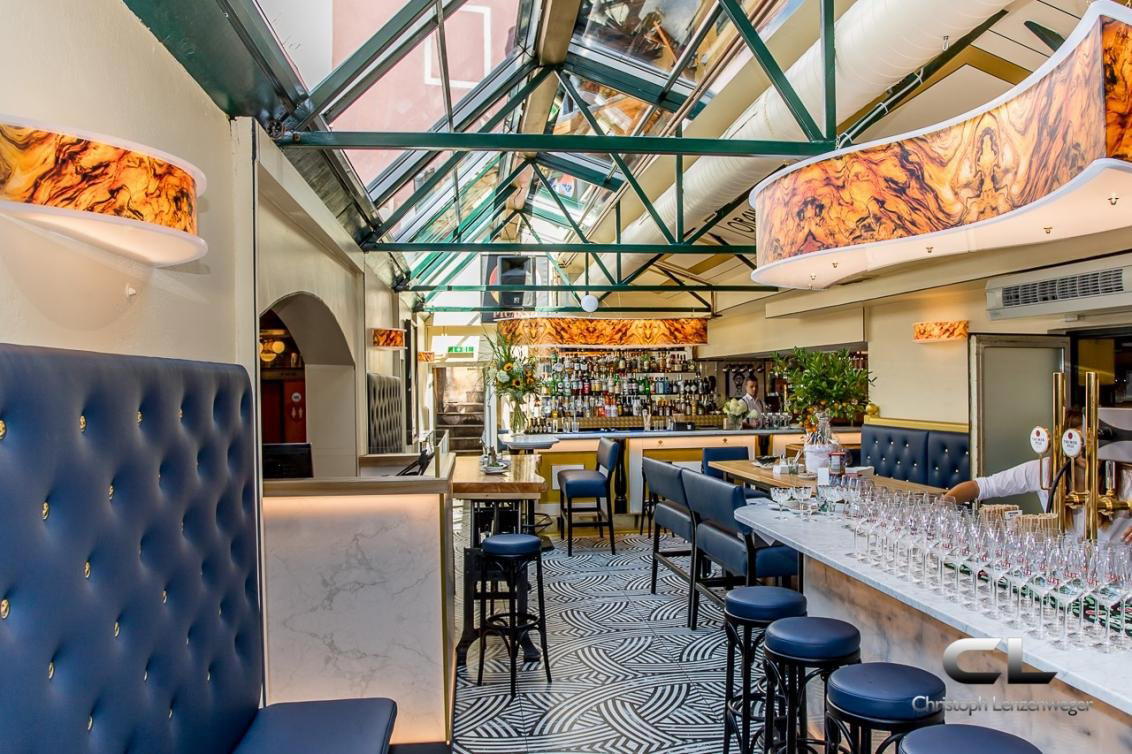
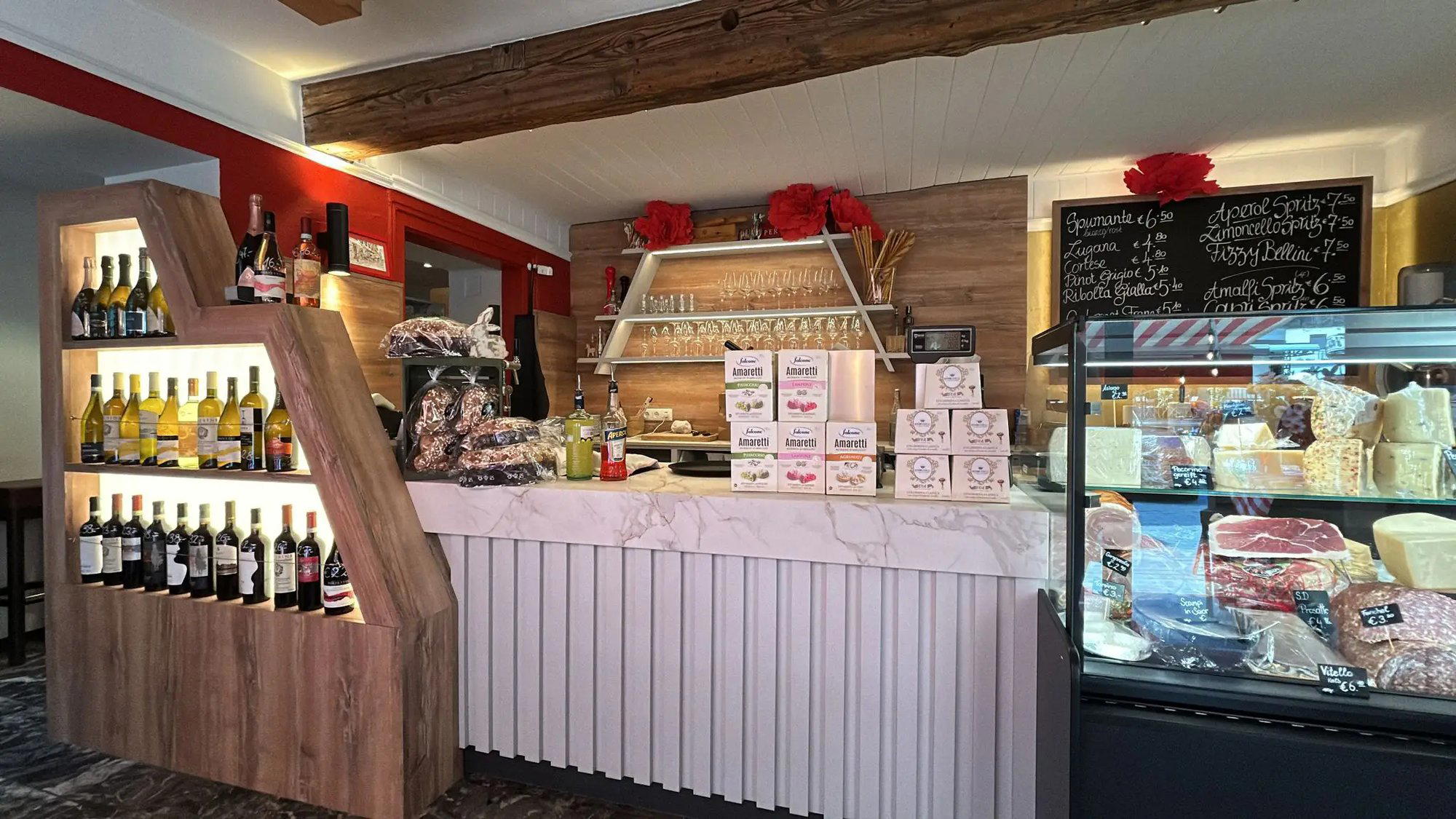
At a Glance
- Classic
- Scenic
- Elegant
- Cozy
- Well Known
- Brunch
- Casual Hangout
- Family
- Celebration
- Date Night
- Waterfront
- Garden
- Terrace
- Historic Building
- Standalone
- Beer Program
- Local Sourcing
- Organic
- Waterfront
- Garden
Current opening hours
- Monday
- 9:30 AM–8 PM
- Tuesday
- 9:30 AM–8 PM
- Wednesday
- 9:30 AM–8 PM
- Thursday
- 9:30 AM–8 PM
- Friday
- 9:30 AM–8 PM
- Saturday
- 9:30 AM–8 PM
- Sunday
- 9:30 AM–8 PM
Hours can change for holidays and private events. Last verified .
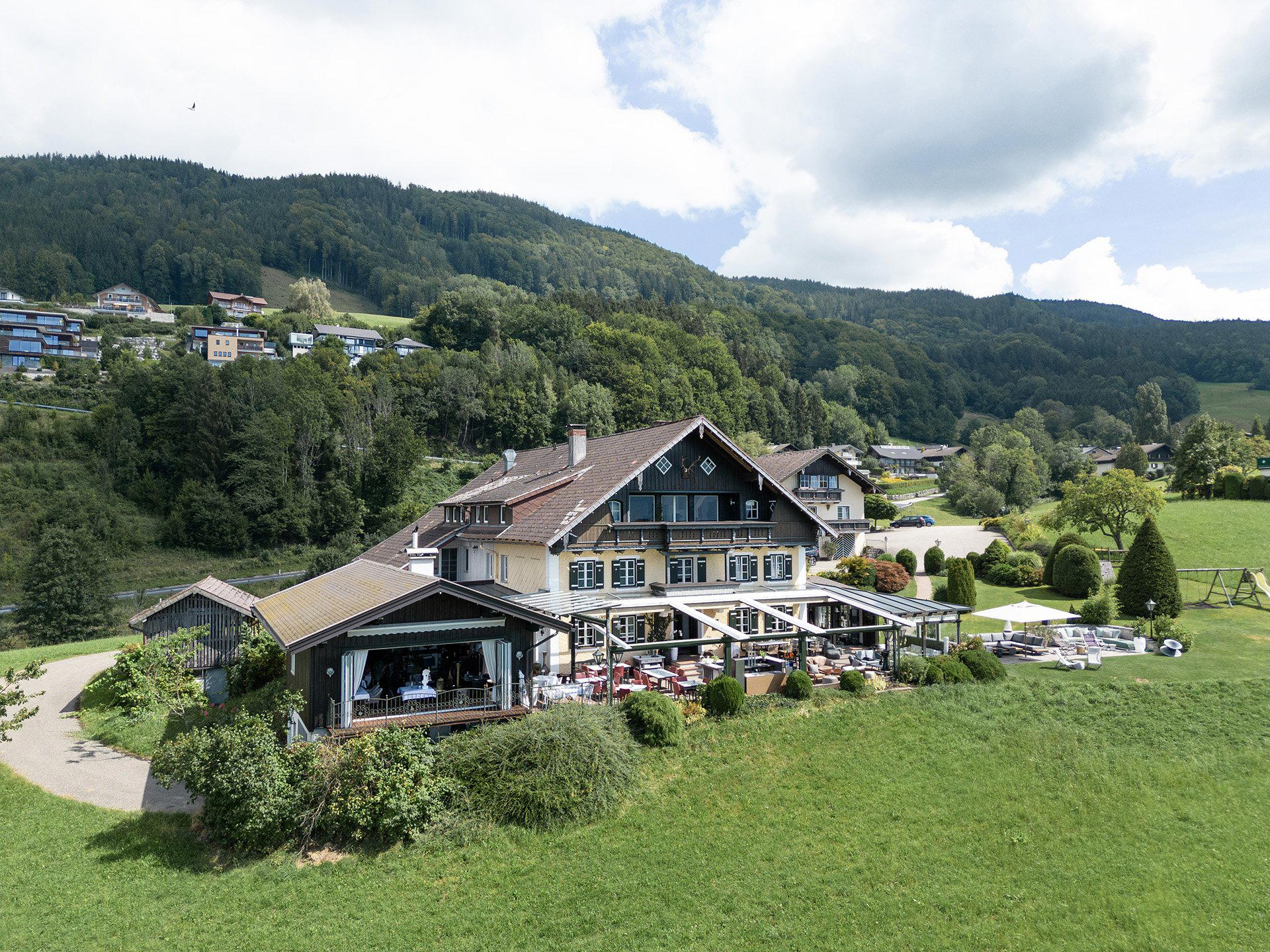
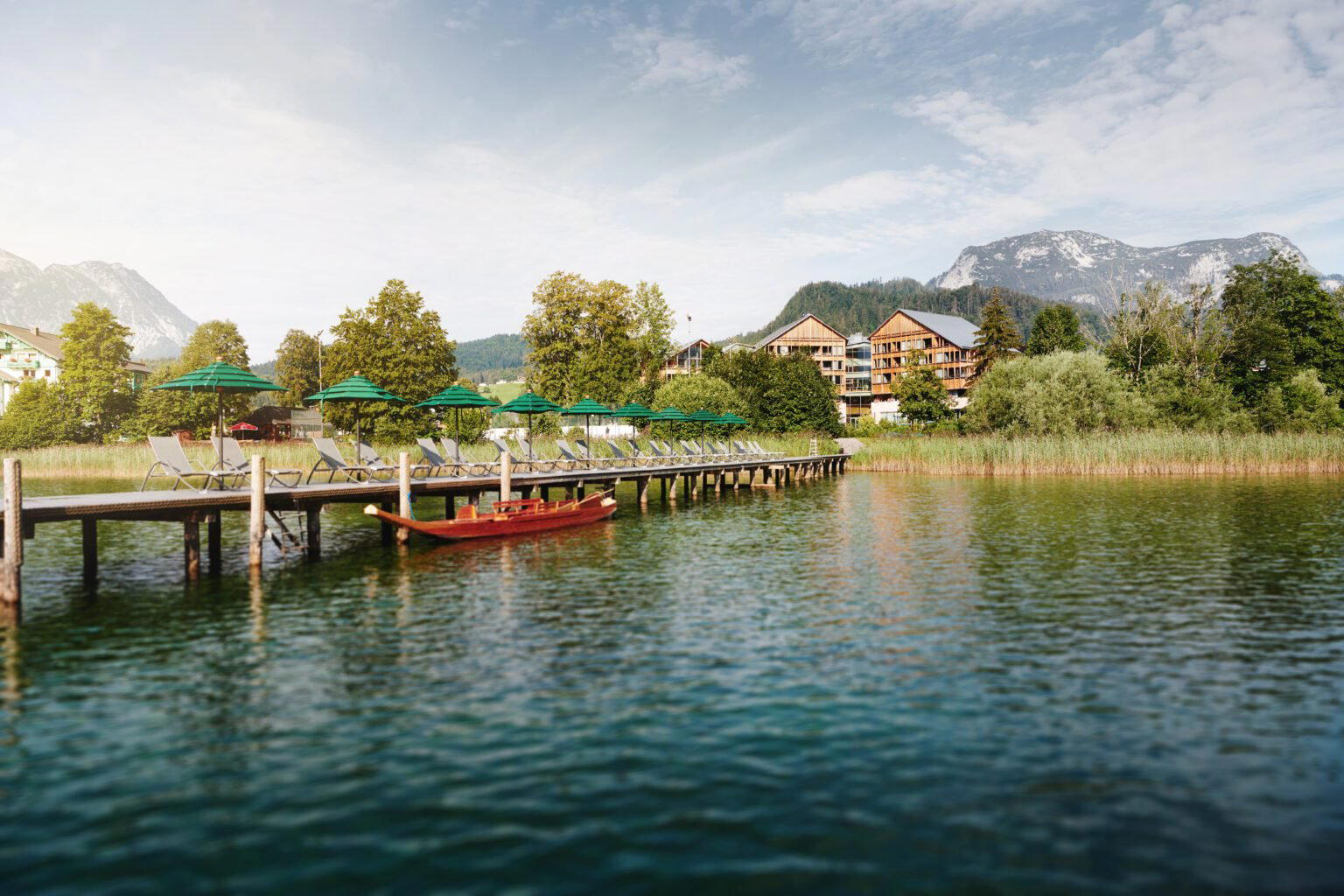
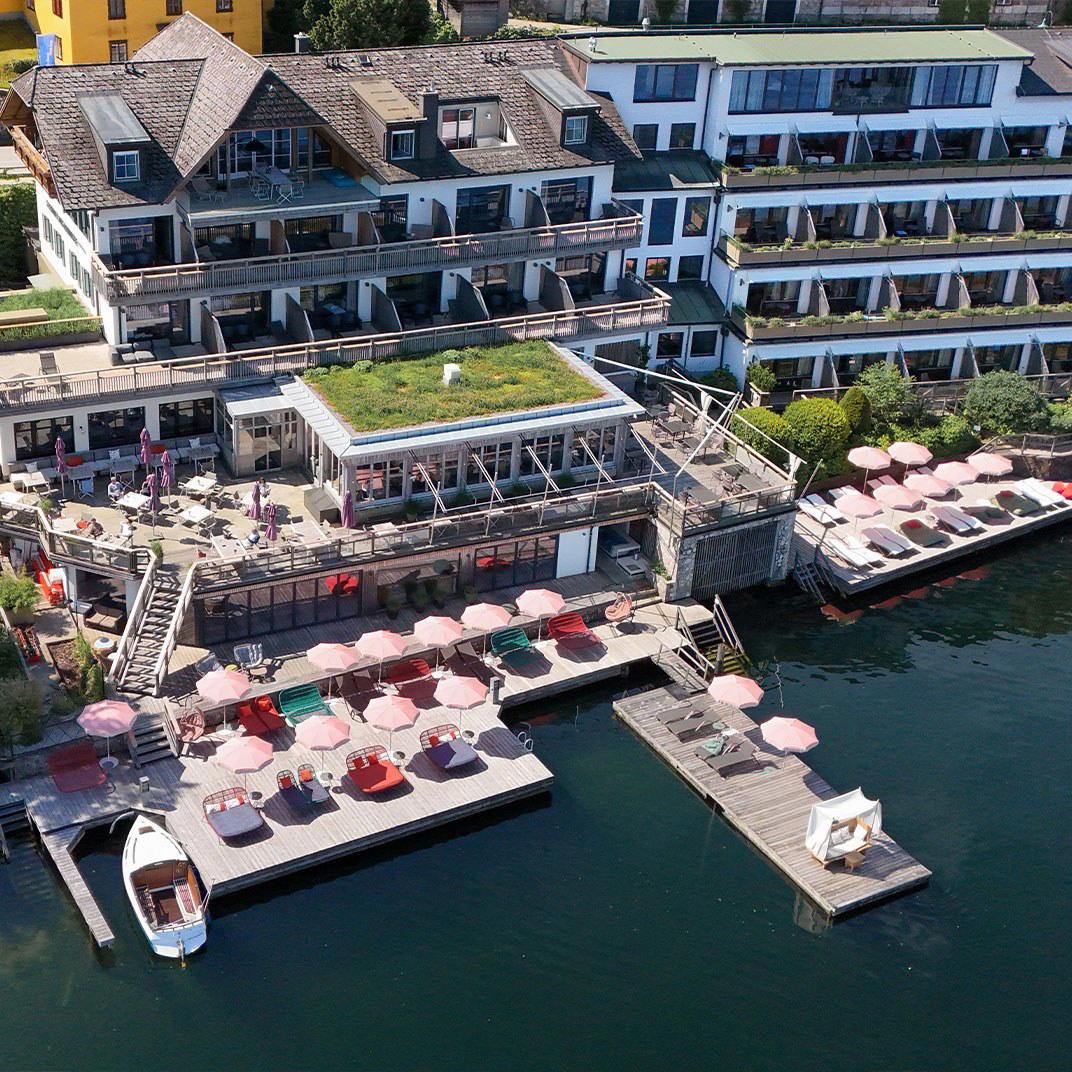
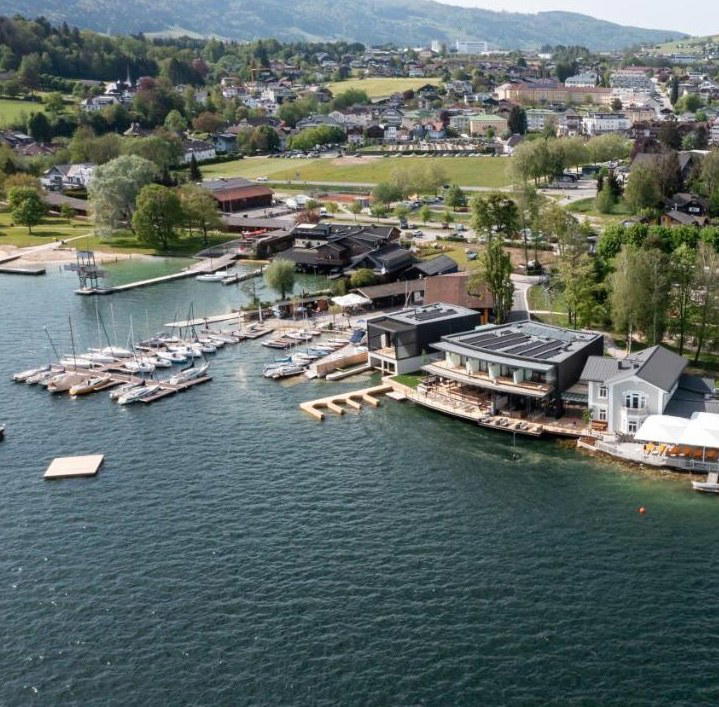
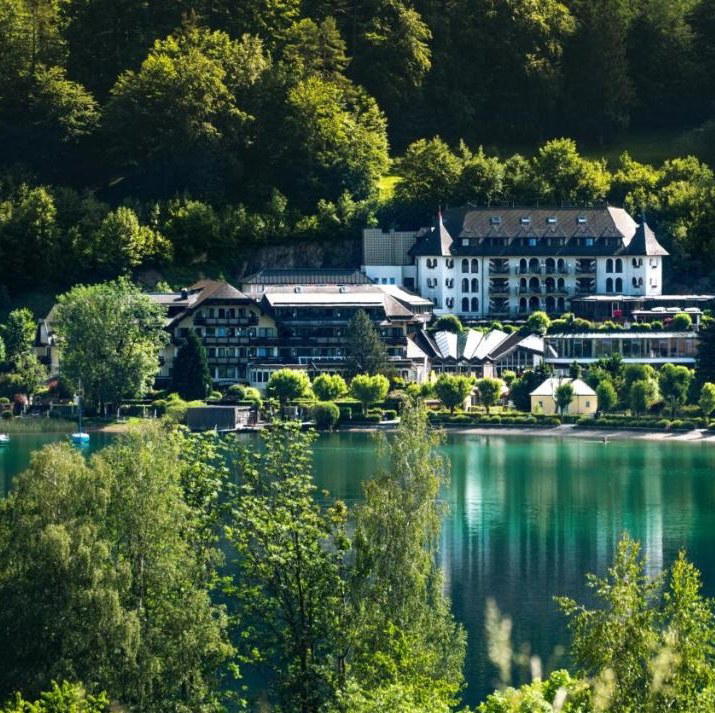
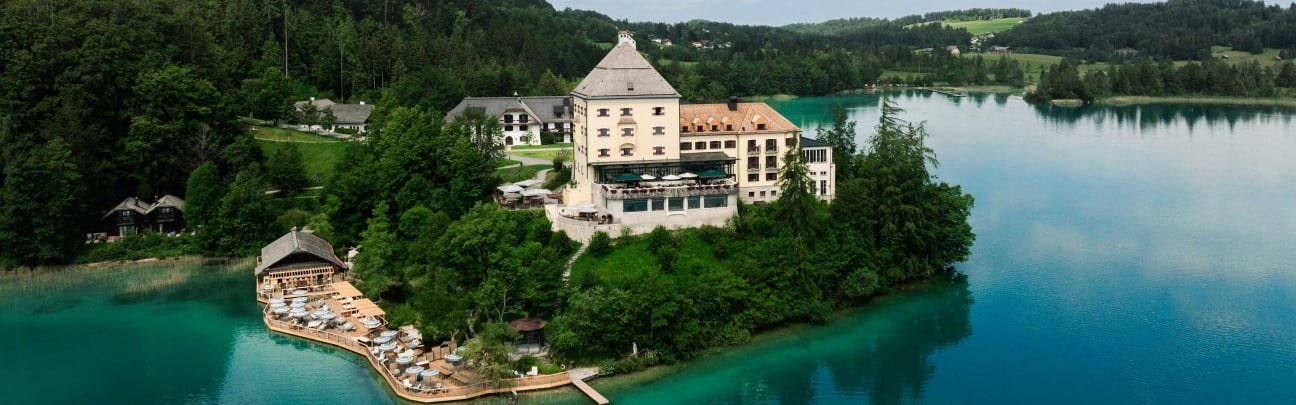
Elegant and refined with a feel-good atmosphere combining traditional 1940s architecture with modern comfort; riverside garden setting creates a serene, leisurely dining experience.