
Tabelog 100 #85
Our verdict
Fukushima’s bakery culture sits close to Osaka’s commuter rhythm: quick purchases, small formats, and serious repeat custom. PANE PORCINI belongs to that compact tier, with Tabelog Bread WEST 100 selection in 2022 and a takeaway-only setup that makes it feel less like a café stop than a neighbourhood bread counter with regional recognition.

Pearl is the En Primeur Club membership app, where members save venues, book tables and use the concierge.
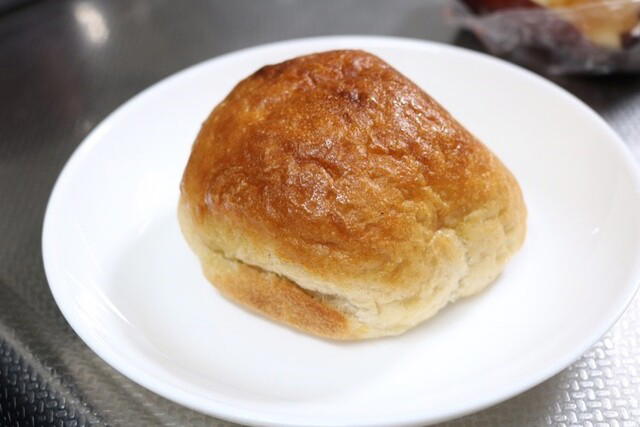
The menu
What to order
- Yakitate demae pan (freshly baked bread before your eyes)
- Soft focaccia
- Mochi bread
- Cream-filled bread
Fukushima’s side streets shift quickly: rail exits, office traffic, narrow lanes, then the small food addresses Osaka handles without ceremony. Around Fukushima, dining is not built on grand rooms but on counters, standing bars, bakeries, coffee stops, and restaurants that endure because the neighbourhood returns. PANE PORCINI fits that pattern: compact, specialised, and integrated into daily movement rather than saved for a long sit-down meal.
Osaka’s bread culture has its own hierarchy, separate from the city’s more visible ramen, kushikatsu, or sushi circuits. Bakeries depend on frequency rather than occasion, making recognition harder to earn and easier to lose. Recognition from Tabelog Hyakumeiten in 2022 places this address in a field judged against bread specialists, not just nearby cafés. Read it as evidence that a small Fukushima shop has moved beyond neighbourhood convenience into a wider bread conversation.
Fukushima's small-format food culture suits a serious bakery counter
The area’s appeal is compression. A visitor can move from coffee to noodles to wine bars without entering Osaka’s more choreographed destination districts. That density matters because bakeries compete with food that is immediate, affordable, and habit-forming. Nearby comparison points show the range: MONDIAL KAFFEE 328 GOLD RUSH occupies the low-price coffee-and-café lane, Tachinomi Jack to Machilda sits in the casual standing-drink bracket, and Trattoria da giacomo stretches the area toward a higher dinner spend. A lower-price bakery has to win on regularity, speed, and product discipline, not room design.
The compact bakery format is therefore central. Rather than turning bread into a formal dining occasion, the transaction stays close to the Japanese neighbourhood bakery model: choose, pay, and let the bread travel with the day. In a district where people thread eating around station transfers and after-work plans, that restraint makes sense. It also separates the address from sit-down venues that must justify table time. Here, the counter has only minutes to hold attention.
Mix of bread, bagel, and Western-style sweets places the shop inside a Japanese bakery tradition that absorbs familiar bakery forms, then adjusts them for local purchase patterns. The point is not strict category orthodoxy. In Osaka, strong bakery addresses often work across sweet and savoury, breakfast and late snack, office purchase and home carry. PANE PORCINI fits that practical breadth, while its award history gives it a sharper competitive frame than a standard convenience stop.
Recognition matters more in bread than in destination dining
Restaurant awards are often read through tasting menus and chef narratives. Bread lists work differently. They measure a category where repeatability is unforgiving: dough, timing, stock rotation, and customer flow must function daily. PANE PORCINI’s Tabelog Hyakumeiten recognition in 2022 signals consistency in a field where one acclaimed dish matters less than the daily case. For travellers, that distinction matters. A recognised bakery is not asking for a full evening; it is asking for a short detour that can improve a morning or train ride.
Fukushima is also less performative than Osaka’s headline food zones. The area has enough for a focused eating day, but its rhythm is more local than theatrical. Compare that with a ramen pull such as Moeyo Mensuke Ramen, which asks for a deliberate stop. Fukushima’s strength is accumulation: coffee, bread, casual drinking, and serious dinner within a narrow radius. PANE PORCINI belongs to the daytime and in-between-hours layer, which often reveals more about how a neighbourhood eats than its formal restaurants do.
For broader itinerary building, the surrounding guide network helps because Fukushima rewards clustering rather than single-stop planning. See Our full Fukushima restaurants guide for the local dining spread, then cross-check Our full Fukushima hotels guide, Our full Fukushima bars guide, Our full Fukushima wineries guide, and Our full Fukushima experiences guide to understand the area beyond restaurants. Within the restaurant set, other Fukushima dining rooms show how varied the neighbourhood’s small-scale food economy has become.
How to use it in an Osaka eating day
The smarter play is treating the bakery as a precision stop, not the day’s centre. Fukushima’s position makes it easy to fold into a route before coffee, after a station transfer, or ahead of dinner elsewhere in the area. Because the format is compact and bakery-led, it suits travellers who prefer several small decisions over committing every meal to reservations. In Osaka, the difference between a good itinerary and a tiring one often comes down to pacing.
There is also a useful price-tier lesson. Fukushima can move from listed sub-¥1,000 bakery and café stops to standing bars and higher-spend dinners within the same neighbourhood. That spread is part of the area’s value for travellers: not cheapness as virtue, but flexibility. PANE PORCINI occupies the low-commitment end while carrying a recognition signal many casual addresses lack. In a city where serious eating is too often reduced to queues and spectacle, that combination has real editorial weight.
Readers comparing beyond Fukushima can use the wider EP Club restaurant index to place this stop against other Japanese and international formats. The comparison clarifies the appeal: this is not a destination built on ceremony. It is a small Osaka bread address whose seriousness lies in neighbourhood fit, category recognition, and an efficient counter that need not pretend to be larger.
Frequently asked questions
What days is PANE PORCINI closed?
Current opening days and hours should be confirmed directly with PANE PORCINI before visiting.
What's the pricing like at PANE PORCINI?
Pricing at PANE PORCINI is listed as - JPY 999 - JPY 999.
What's the address for PANE PORCINI?
Fukushima.
What is PANE PORCINI known for?
PANE PORCINI is known for bread, bagels, and Western-style sweets in Fukushima.
The Minimal Set
Comparable venues by cuisine and price in the same metro.
| Venue | Cuisine | Price | Awards | Notes |
|---|---|---|---|---|
| PANE PORCINIThis venue (the venue you are viewing) | Italian-style artisan bakery | $1–10 | Tabelog 100 #85 | Not listed |
| MONDIAL KAFFEE 328 GOLD RUSH | Specialty coffee & sweets cafe | $1–10 | Tabelog 100 #32 | JPY 999 - JPY 999 |
| Tachinomi Jack to Machilda | Standing Japanese sake bar (tachinomi izakaya) | $10–20 | Tabelog 100 #8 | JPY 1,000 - JPY 1,999 JPY 1,000 - JPY 1,999 |
| Trattoria da giacomo | Italian Trattoria | Not listed | Tabelog 100 #39 | JPY 6,000 - JPY 7,999 JPY 1,000 - JPY 1,999 |
| Rojiura Avant-garde | Standing Oden Izakaya in a Renovated Traditional House | $20–30 | Tabelog 100 #34 | JPY 1,000 - JPY 1,999 |
Recognition history
Dated appearances from independent guides and award organizations, with the underlying list record or original source where available.
Tabelog 100 #85 · No. 85
Tabelog · Tabelog 100 - Bread - WEST - 2022
Continue exploring
More in Fukushima
Restaurants in Fukushima
All restaurants in Fukushima →



Bars in Fukushima
Browse all →


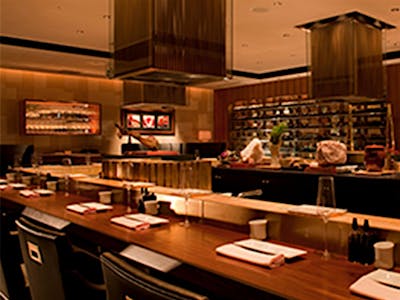
Hotels in Fukushima
Browse all →
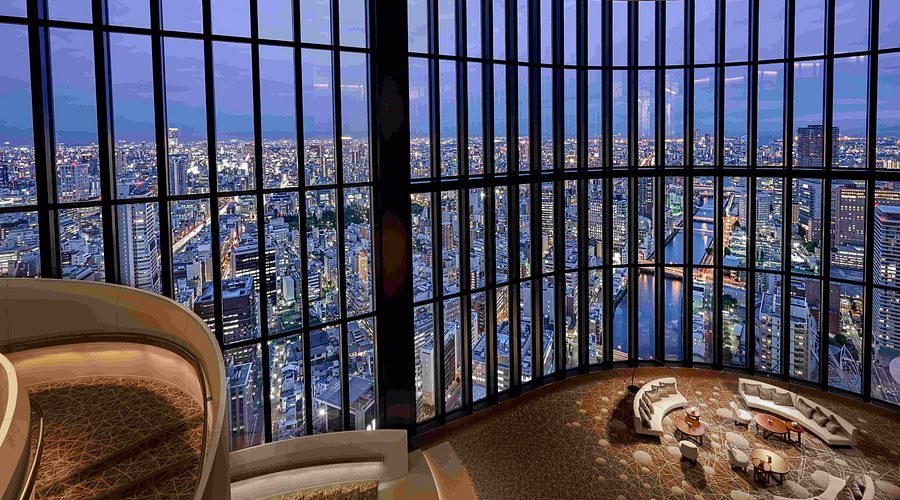
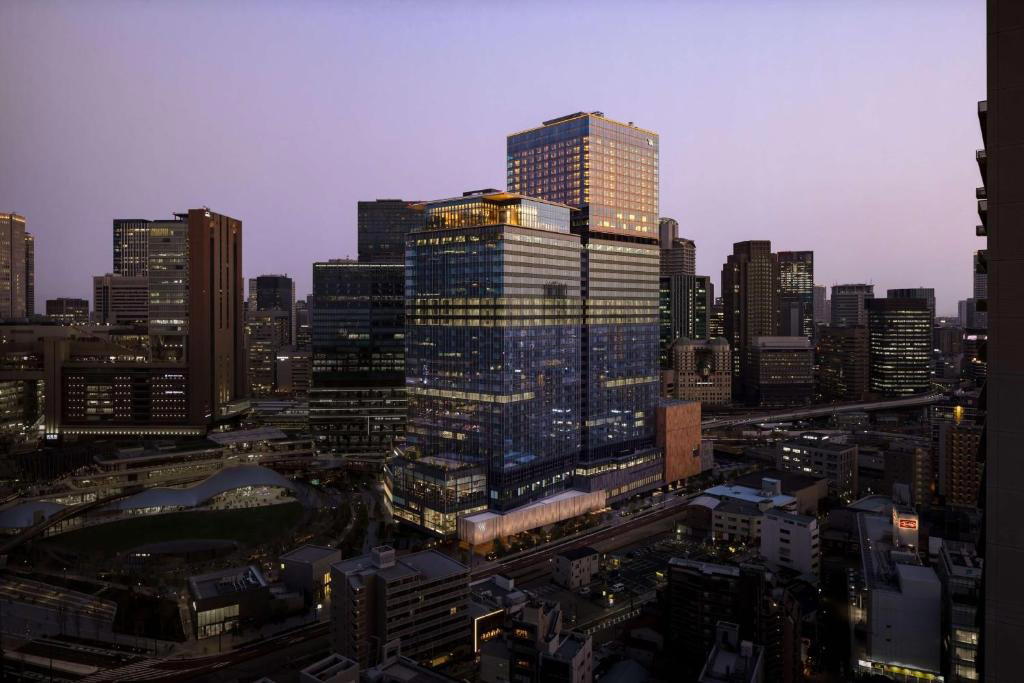

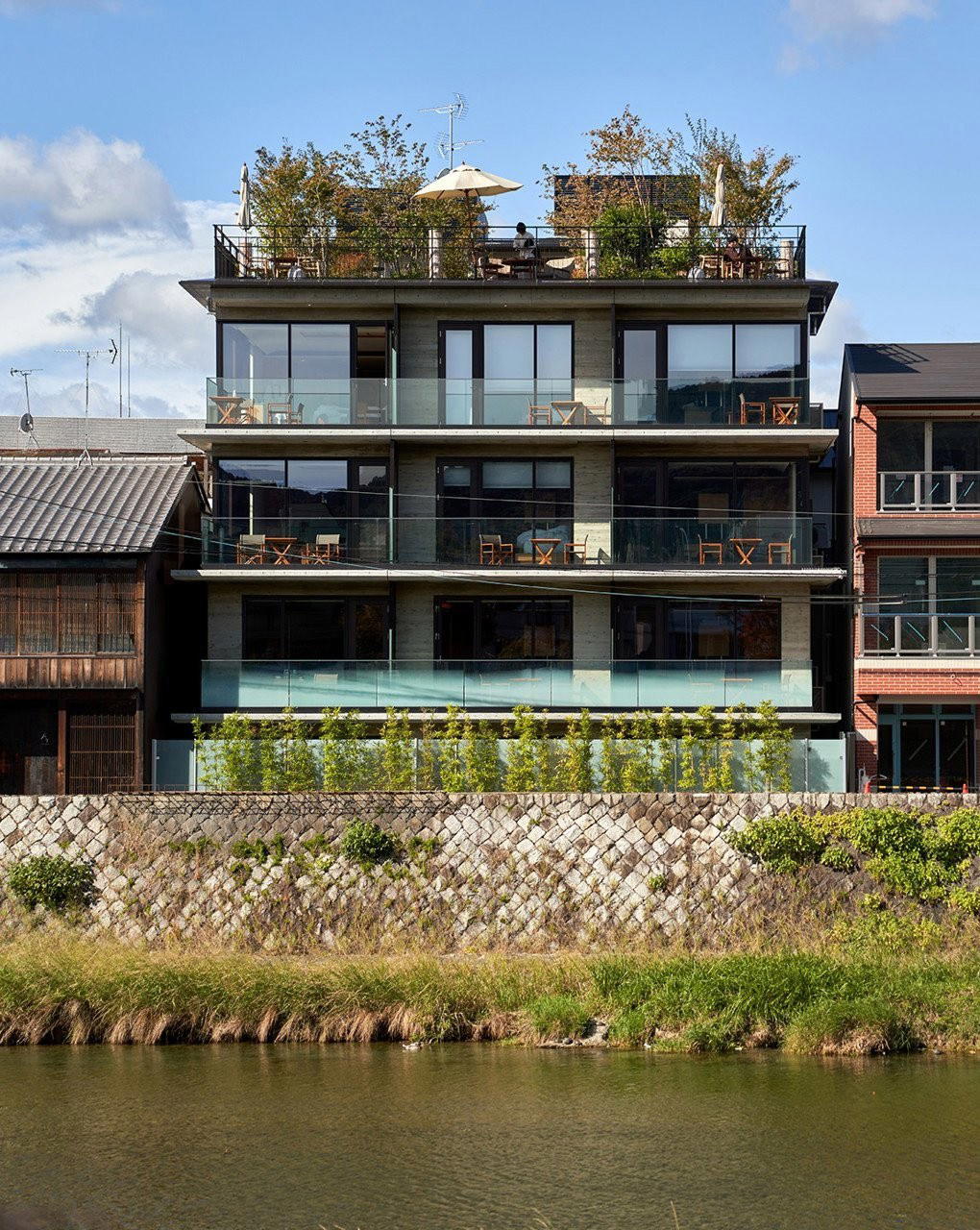
Wineries in Fukushima
Browse all →
Details
- Cozy
- Lively
- Solo
- Casual Hangout
- After Work
- Late Night
- Standalone
- Local Sourcing
- Street Scene
Current opening hours
- Monday
- 9:30 AM–11 PM
- Tuesday
- 9:30 AM–11 PM
- Wednesday
- 9:30 AM–11 PM
- Thursday
- 9:30 AM–11 PM
- Friday
- 9:30 AM–11 PM
- Saturday
- 9:30 AM–11 PM
- Sunday
- 9:30 AM–11 PM
Hours can change for holidays and private events. Hours as of .
A compact back-alley bakery with a warm, bustling feel, dominated by the aroma of fresh bread and display cases packed with loaves, more functional than decorative but with a cozy, neighborhood atmosphere.