Top Burmese
Top Burmese on NW 21st Avenue brings one of Portland's more underrepresented Southeast Asian cuisines to a neighborhood better known for pizza and Italian. In a city where Burmese cooking rarely commands the same attention as Thai or Vietnamese, this address on the lower Alphabet District offers a point of entry into fermented, sour, and layered flavors that sit apart from the wider Portland dining conversation.
Pearl is the En Primeur Club membership app — saves, bookings, and concierge access live there. Same editors, same standards.
- Address
- 413 NW 21st Ave, Portland, OR 97209
- Phone
- +15034775985
- Website
- topburmese.com
 Saves & bookings on Pearl
Burmese Cooking in a City That Rewards Specificity
Portland has long organized its dining identity around specificity: the single-subject restaurant, the hyper-regional menu, the kitchen that commits fully to one tradition rather than gesturing toward many. That instinct has produced some of the more focused Southeast Asian dining on the West Coast, from the tasting-menu precision of Langbaan in Thai to the fermented-forward Vietnamese at Berlu. Burmese cooking arrives at that same table with a distinct set of claims: fermented tea leaf, pickled vegetables, dried shrimp, and chickpea fritters are not supporting ingredients but load-bearing pillars of the cuisine. Top Burmese, at 413 NW 21st Ave, operates within that tradition on a stretch of the Alphabet District where the immediate competition runs more toward wood-fired dough at Ken's Artisan Pizza and Neapolitan-influenced Italian at Nostrana.
That neighborhood contrast is worth naming. NW 21st Avenue draws a crowd comfortable with longer meals and practiced menus. Placing a Burmese kitchen in that context puts it in front of diners who are already inclined toward something deliberate, which creates a different conversation than the same restaurant might have in a more utilitarian strip-mall setting.
What Burmese Cuisine Actually Demands of a Kitchen Team
Burmese cooking is, by its nature, a collaboration-intensive cuisine. The fermentation processes, the layering of textures across a single dish, and the balancing of sour, bitter, umami, and heat require a kitchen where roles are coordinated rather than siloed. Laphet thoke, the tea leaf salad that functions as the genre's most recognizable calling card, involves fermented green tea leaves, fried garlic, sesame seeds, dried shrimp, tomatoes, and lime, each prepared separately and assembled to order. A dish like that does not emerge from a single station. It requires a team that has rehearsed the sequencing.
The same logic extends to service. Burmese hospitality traditions around communal eating, where multiple dishes arrive at the table simultaneously rather than in Western sequential courses, place specific demands on front-of-house coordination. A server who understands why the mohinga arrives when it does, or how the curries are meant to interact with rice and accompaniments, is not simply delivering plates. That knowledge gap, when it exists, is immediately legible to a diner who has eaten Burmese food before. When the team operates in sync, the format communicates the cuisine's logic rather than obscuring it.
Portland's Haitian table at Kann has demonstrated how a non-European cuisine can hold a serious dining room in this city when the full team, kitchen and floor, understands the tradition they are presenting. The parallel is instructive: cuisines that depend on layered preparation and communal service formats reward operations where collaboration is legible, not just competent.
Where Burmese Fits in Portland's Southeast Asian Conversation
Thai, Vietnamese, and increasingly Filipino cooking have established durable presences in Portland's dining scene, each with restaurants operating across multiple price tiers and formats. Burmese cooking has not followed that same trajectory in most American cities, which means the handful of restaurants representing it tend to carry more interpretive weight than any single venue reasonably should. A diner encountering Burmese food for the first time at a given address will form impressions of the cuisine that extend well beyond that meal.
That context gives Leading Burmese a representational role that sits alongside its more direct function as a neighborhood restaurant. The Alphabet District has the foot traffic and the dining culture to support that kind of introduction. Whether the format is casual counter service, a sit-down menu with a full drinks list, or something in between, the address on NW 21st places it in a neighborhood where diners are inclined to pay attention.
For comparison across Portland's Southeast Asian dining range, Langbaan operates as a tasting-menu expression of Thai regional cooking with significant advance booking requirements. Berlu applies a similar seriousness to Vietnamese fermentation and preservation. Leading Burmese occupies a different register in terms of accessibility and cuisine origin, but it belongs to the same broader pattern: Portland kitchens that take a single Southeast Asian tradition seriously rather than sampling across several.
Planning a Visit: What to Know
| Venue | Cuisine | Format | Booking |
|---|---|---|---|
| Leading Burmese | Burmese | Neighborhood restaurant, NW 21st Ave | Confirm directly |
| Langbaan | Thai (regional tasting menu) | Fixed-format, ticketed | Advance booking required |
| Berlu | Vietnamese | Chef-driven, tasting format | Advance booking recommended |
| Ken's Artisan Pizza | Pizzeria | Walk-in and reservations | Walk-ins accepted |
| Nostrana | Italian | Full-service restaurant | Reservations and walk-ins |
A Pricing-First Comparison
Comparable venues nearby, for context on price, style, and recognition.
| Venue | Cuisine | Price | Awards | Notes |
|---|---|---|---|---|
| Top BurmeseThis venue — the venue you are viewing | Nob Hill, Authentic Burmese | $$ | , | |
| Cool Moon Ice Cream | Pearl, Artisanal Ice Cream & Sorbet | $$ | , | |
| Pizza Thief | Slabtown, New York-Style Pizza | $$ | , | |
| Feel Good PDX | $$ | , | Central Eastside Industrial District, Fresh Grain Bowls | |
| Cadillac Cafe | $$ | , | Irvington, Classic American Breakfast & Lunch | |
| Jam On Hawthorne | $$ | , | Hawthorne District, Classic American Brunch |
Continue exploring
More in Portland
Restaurants in Portland
Browse all →
Bars in Portland
Browse all →
Hotels in Portland
Browse all →
At a Glance
- Trendy
- Cozy
- Casual Hangout
- Family
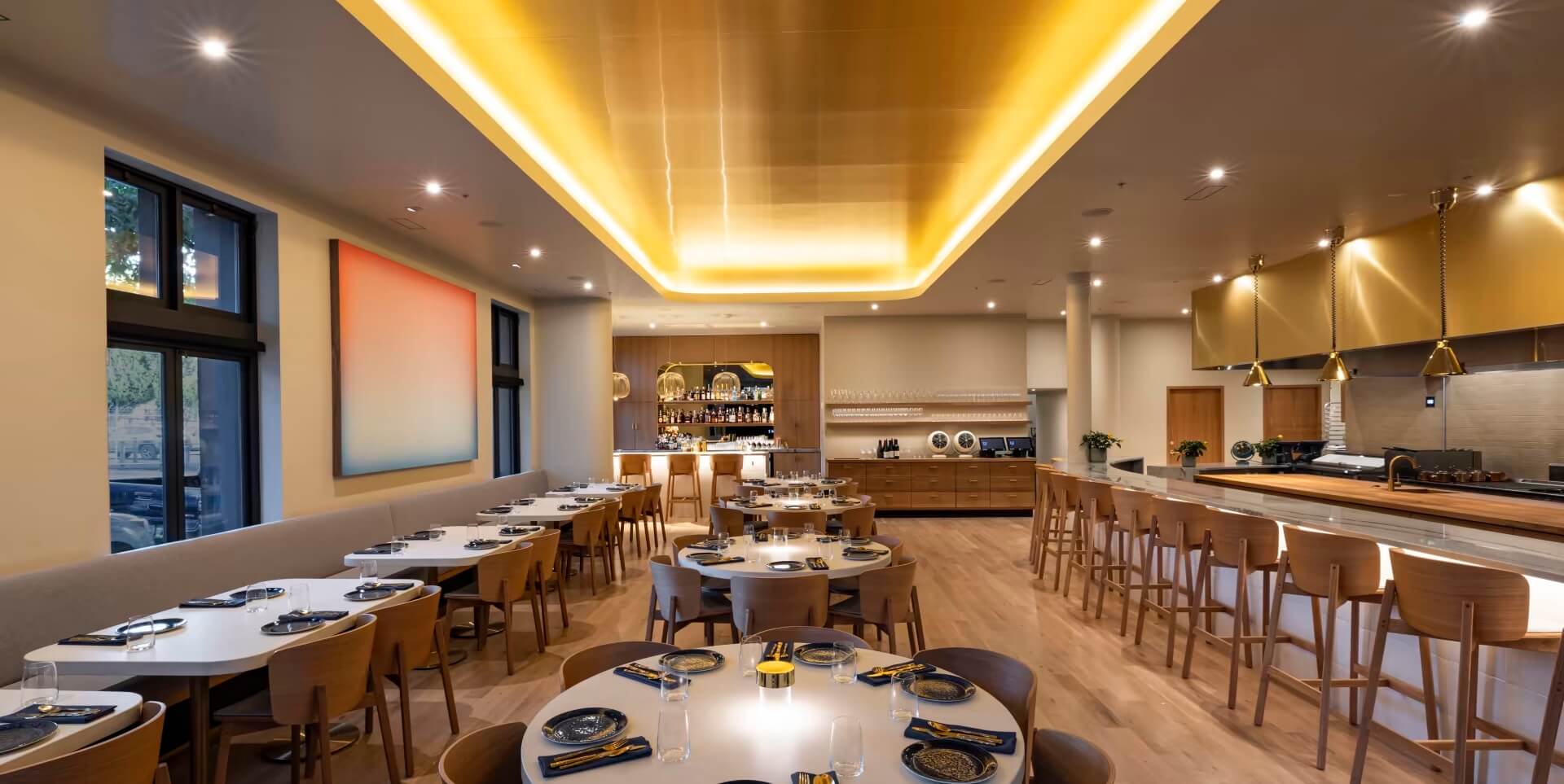
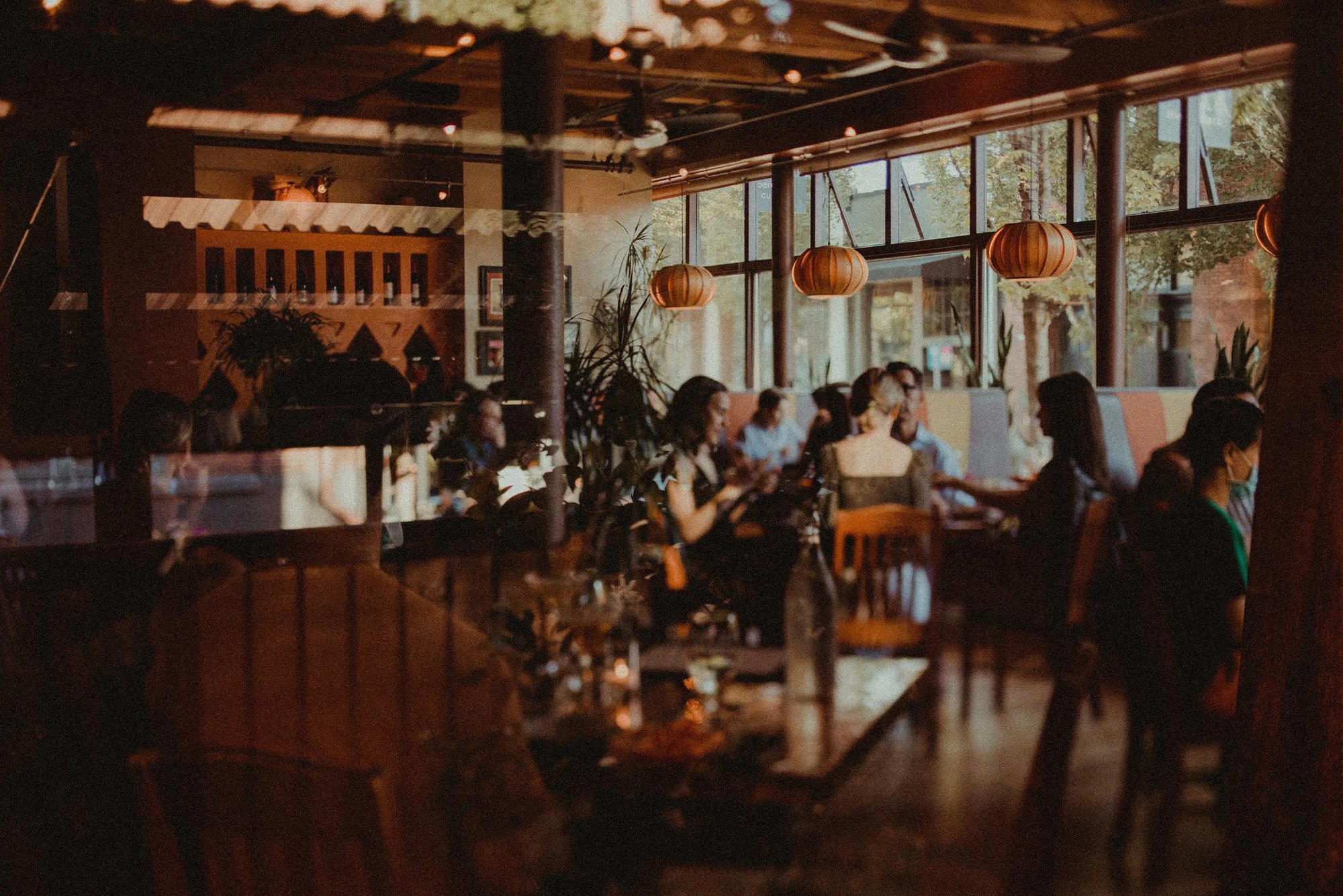
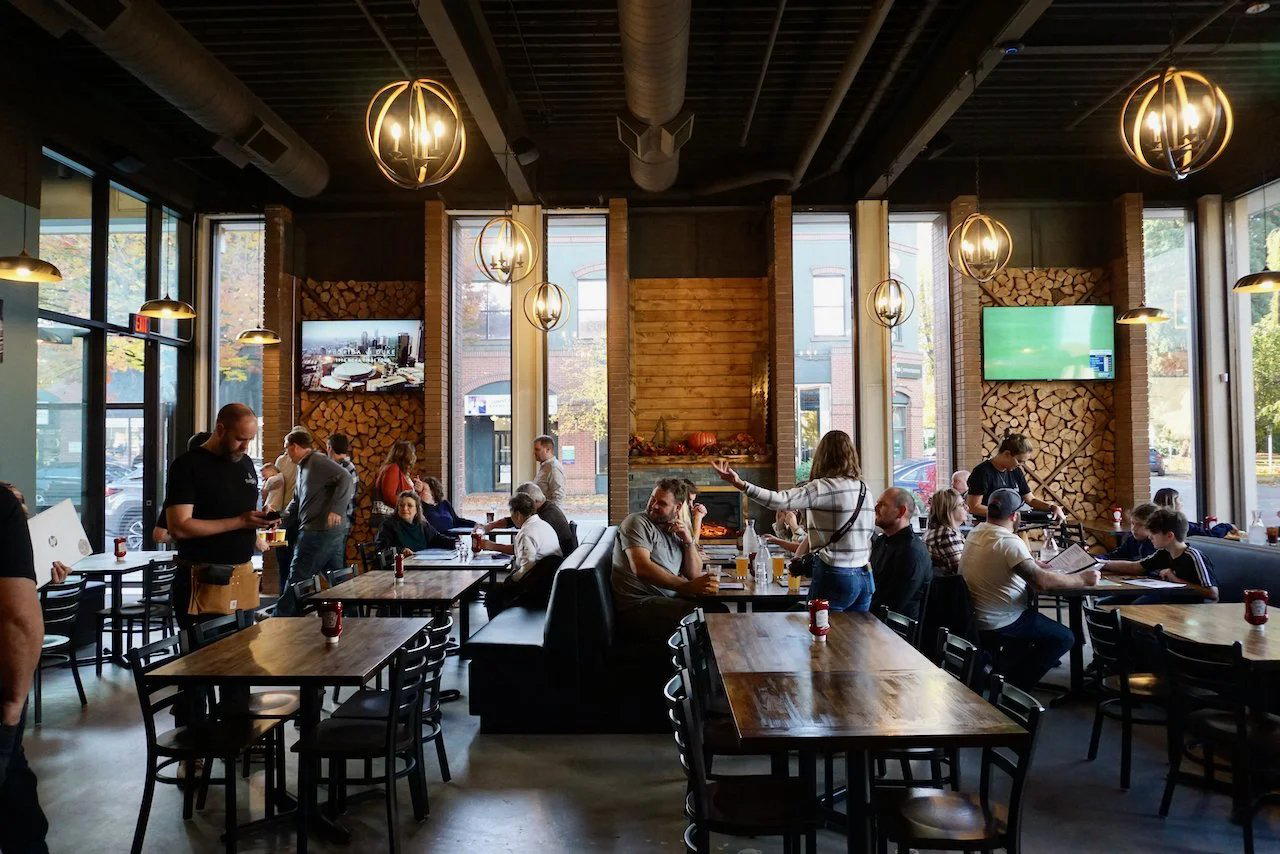
Casual and welcoming dine-in atmosphere in a trendy neighborhood setting.