Vya brings Spanish tapas and paella to Portland's SE Division Street corridor, operating within a city that treats ingredient provenance as table stakes rather than a marketing angle. The format, small plates built for sharing, anchored by a paella program, fits neatly into Portland's broader appetite for communal, produce-led dining outside the fine-dining tier.
Pearl is the En Primeur Club membership app — saves, bookings, and concierge access live there. Same editors, same standards.
- Address
- 959 SE Division St #100, Portland, OR 97214
- Phone
- (503) 758-6100
- Website
- vyapdx.com
- Directions
- Get directions
 Saves & bookings on Pearl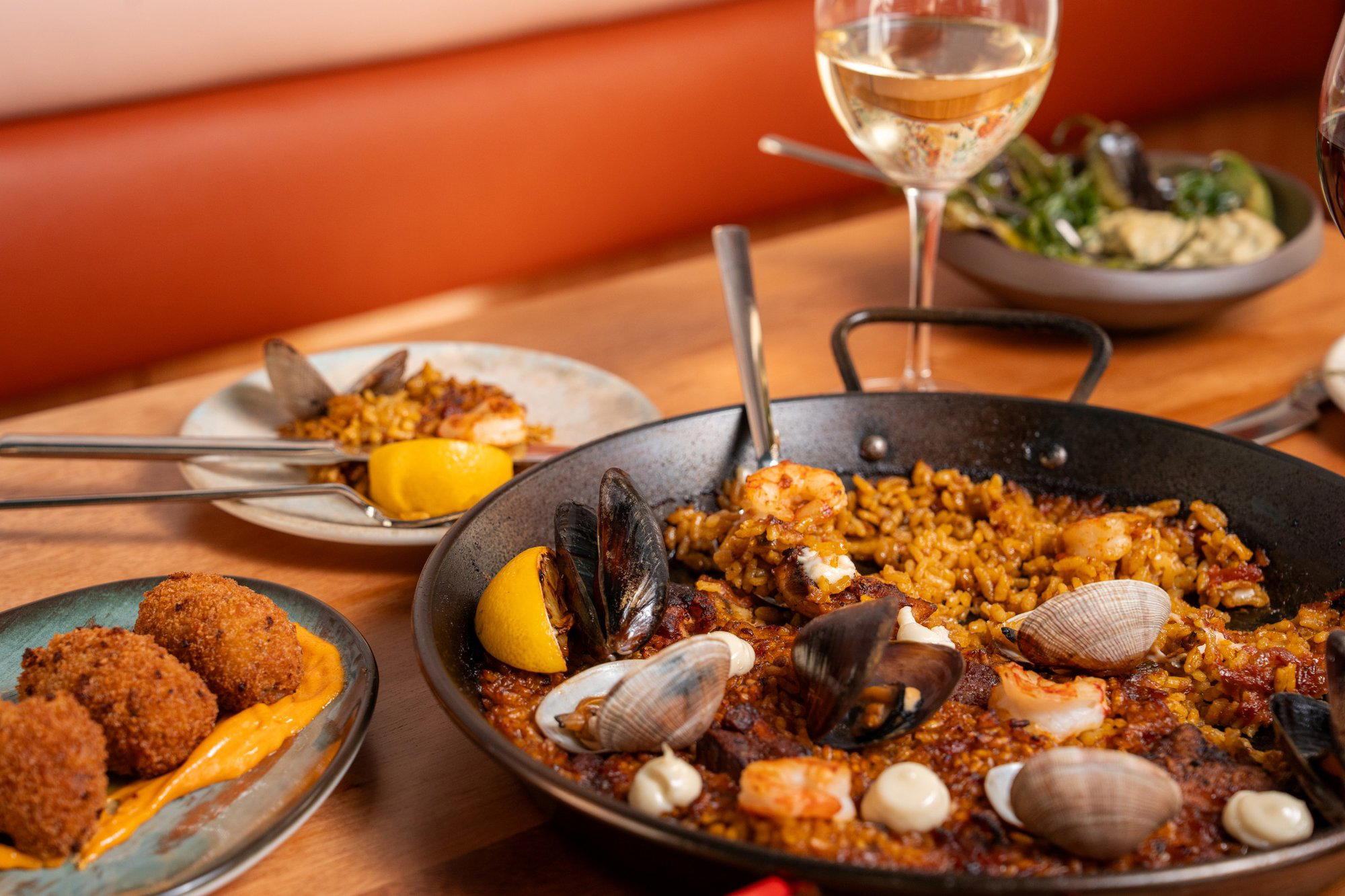
SE Division and the Spanish Table
Southeast Division Street has spent the better part of a decade consolidating Portland's most interesting mid-tier dining, the kind of restaurants that treat sourcing seriously without the ceremony of a tasting menu. The corridor runs from the produce-driven Vietnamese counter at Berlu through to wood-fired Italian at Nostrana, and it has earned a reputation for cooking that is technically grounded but not theatrically so. Vya, at 959 SE Division St, occupies that same register, Spanish tapas and paella in a city where the Willamette Valley's farms and the Pacific's fishing grounds give any kitchen working in a produce-forward tradition a material advantage from the start.
Spanish cooking, at its most honest, is an ingredient-first tradition. The canon of tapas, whether Basque pintxos or Andalusian fried fish, was built around what was abundant and seasonal, not around technique as spectacle. That logic translates well to Portland, where sourcing culture is embedded in the restaurant economy in a way that is less common in cities without a direct agricultural hinterland. The Willamette Valley's growing season, the Oregon coast's dungeness crab and albacore, and the region's small-scale cheesemakers and charcutiers give a Spanish-format kitchen ingredients that map cleanly onto Iberian categories without requiring compromise.
The Case for Paella Outside Spain
Paella is the dish most frequently misunderstood when it travels. In Valencia, where the format originates, it is a communal outdoor ritual built around locally grown bomba rice, rabbit, snails, and green beans. What most people encounter outside Spain is a distant cousin: seafood-heavy, saffron-saturated, built for restaurant throughput rather than tradition. The better paella programs in American cities have spent the last several years pulling back toward the original logic, fewer proteins, better rice, and a serious commitment to the socarrat, the caramelized crust that forms at the bottom of a well-managed pan. Vya's paella program fits into this broader recalibration, operating in a city where the sourcing infrastructure to do it properly is genuinely present.
The rice question matters here. Bomba and Calasparra varieties absorb stock without releasing starch the way Italian risotto rices do, which means the final texture depends almost entirely on the quality and depth of the cooking liquid. A kitchen working with good Oregon shellfish, quality stock, and controlled heat can produce something closer to the Valencian original than most coastal Spanish cities manage for tourists. That is the argument for taking paella seriously in Portland, and it is a stronger argument than it would be in most American markets.
Tapas in the Portland Context
The small-plates format has become so common in American casual dining that the term has lost most of its specificity. But the tapas tradition, properly understood, is about hospitality as much as food: the idea that eating should be incremental, social, and responsive to what the kitchen has access to that day. Portland's dining culture already operates on similar principles. Restaurants like Kann, which applies Haitian culinary logic to Pacific Northwest ingredients, and Langbaan, the Thai tasting room that runs on seasonal availability, both reflect a city where the menu-as-fixed-document is less common than elsewhere. Vya's tapas format sits comfortably in that tradition.
What separates a tapas program worth returning to from one that is merely convenient is the sourcing discipline applied to the smaller plates. Jamón and cheese boards are only as interesting as the product behind them. Croquetas depend on the quality of the béchamel and whatever fills it. Boquerones are the sum of the anchovy and the oil. In Portland, where specialty importers, small dairies, and the proximity of the Pacific coast all contribute to the ingredient pool, the raw material for doing this well is present. The question any kitchen working in this format has to answer is whether it treats those ingredients as the story, or merely as inputs.
Where Vya Sits in Portland's Dining Map
Portland's restaurant scene has split into roughly three tiers over the past several years: a fine-dining bracket anchored by tasting menus and serious wine programs, a fast-casual and food-cart layer that has always been the city's most distinctive contribution to American dining culture, and a middle tier of independent full-service restaurants that is competitive space in the city. Vya operates in that middle register, in the same neighbourhood stretch that draws comparison with Ken's Artisan Pizza, a restaurant that has sustained its position in Portland's dining conversation for years by doing a single format with serious ingredient attention.
For visitors building a Portland itinerary, SE Division is a logical anchor. The concentration of quality within walking distance makes it one of the more efficient dining corridors in the Pacific Northwest.
For context on how a mid-tier format like Vya fits into the broader national conversation about ingredient-led cooking, it is worth noting that the distance between a serious independent restaurant in Portland and the upper reaches of American fine dining, places like Lazy Bear in San Francisco or Single Thread Farm in Healdsburg, is less about sourcing philosophy than about format and price point. The same Willamette Valley farms and Oregon coast fishermen who supply tasting-menu counters also supply neighbourhood restaurants. That compression is one of the things that makes Portland's mid-tier dining genuinely interesting by national standards, and it is the structural context in which a Spanish kitchen on SE Division operates. Internationally, the gap is wider: the sourcing discipline at Le Bernardin in New York or Alain Ducasse at Louis XV in Monte Carlo reflects a different scale of budget and procurement entirely, but the underlying argument, that ingredients are the foundation, is the same one a good tapas kitchen makes every service.
Planning Your Visit
Vya is located at 959 SE Division St #100, Portland, OR 97214, in the heart of the SE Division dining corridor. Vya is open Wednesday through Saturday from 4:30 to 11 PM. The surrounding area offers enough supplementary dining and drinking options to build a full evening around, making it a practical base for a longer exploration of what this part of the city does well.
A Credentials Check
Comparable venues nearby, for context on price, style, and recognition.
| Venue | Cuisine | Price | Notes |
|---|---|---|---|
| VyaThis venue — the venue you are viewing | Spanish Tapas & Paella | $$$ | Not listed |
| PASAR | Indonesian Street Food Snacks | $$$ | Concordia |
| Little Bird Bistro | French Bistro | $$$ | Downtown |
| Jake's Grill | Classic American Steakhouse & Seafood | $$$ | Downtown |
| Serratto | Italian & French Mediterranean | $$$ | Nob Hill |
| Mucca Osteria | Authentic Italian Osteria | $$$ | Downtown Portland |
Continue exploring
More in Portland
Restaurants in Portland
Browse all →
Bars in Portland
Browse all →
Hotels in Portland
Browse all →

At a Glance
- Lively
- Trendy
- Modern
- Date Night
- Casual Hangout
- Special Occasion
- Rooftop
- Craft Cocktails
Current opening hours
- Monday
- Closed
- Tuesday
- Closed
- Wednesday
- 4:30–11 PM
- Thursday
- 4:30–11 PM
- Friday
- 4:30–11 PM
- Saturday
- 4:30–11 PM
- Sunday
- Closed
Hours can change for holidays and private events. Last verified .
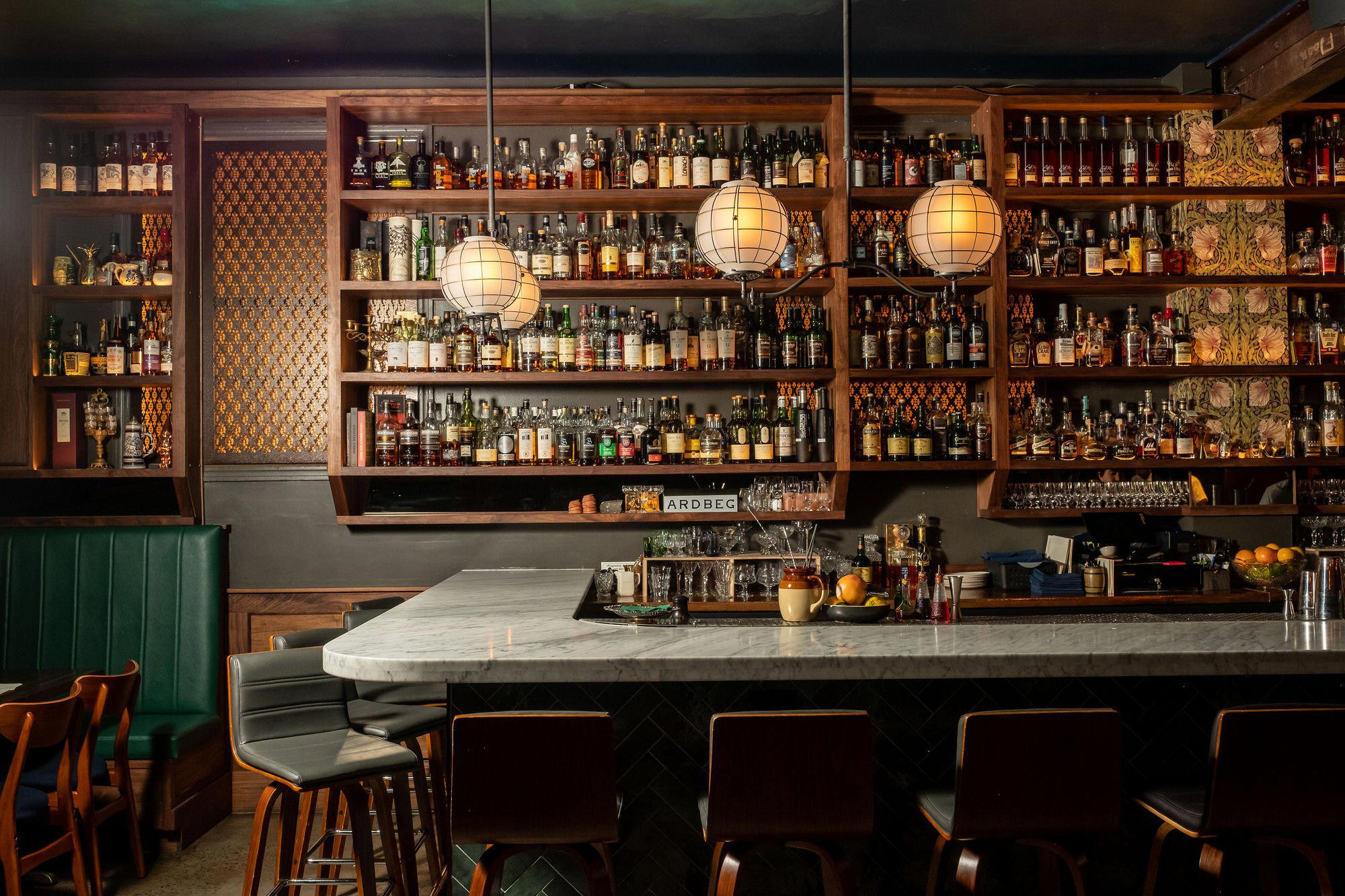
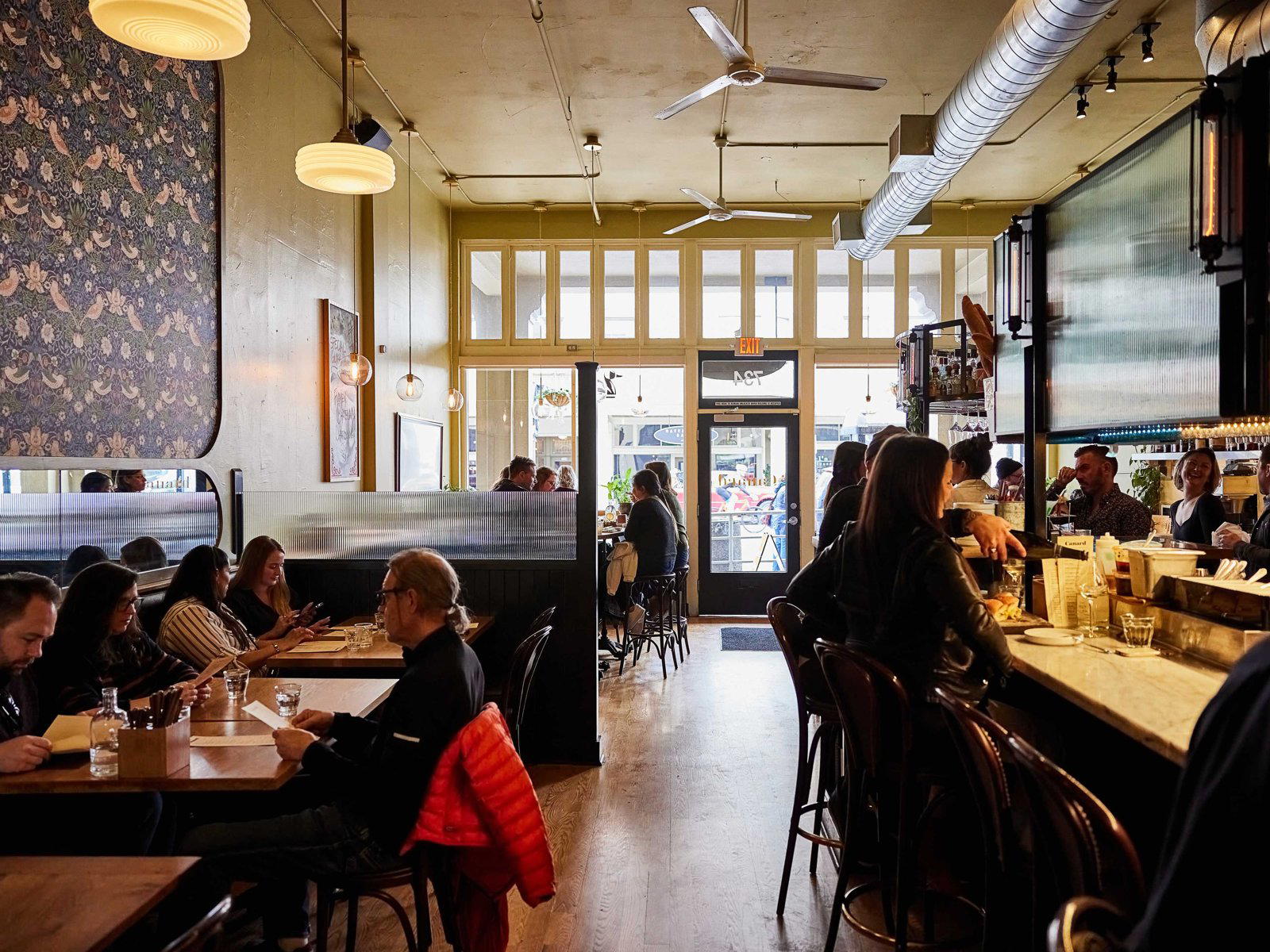
Warm browns and reds with floral wallpaper accents create a lively, energetic atmosphere.