Palomar sits on Rue Jean-Talon E in Montreal's Jean-Talon corridor, a stretch where the city's commitment to locally sourced, market-driven dining is most legible. The address places it within walking distance of the Jean-Talon Market, one of North America's largest open-air markets, which shapes the sourcing logic of the neighbourhood's better kitchens.
Pearl is the En Primeur Club membership app — saves, bookings, and concierge access live there. Same editors, same standards.
- Address
- 200 Rue Jean-Talon E, Montréal, QC H2R 1S7, Canada
- Phone
- +14383808699
- Website
- palomarmtl.ca
- Directions
- Get directions
 Saves & bookings on Pearl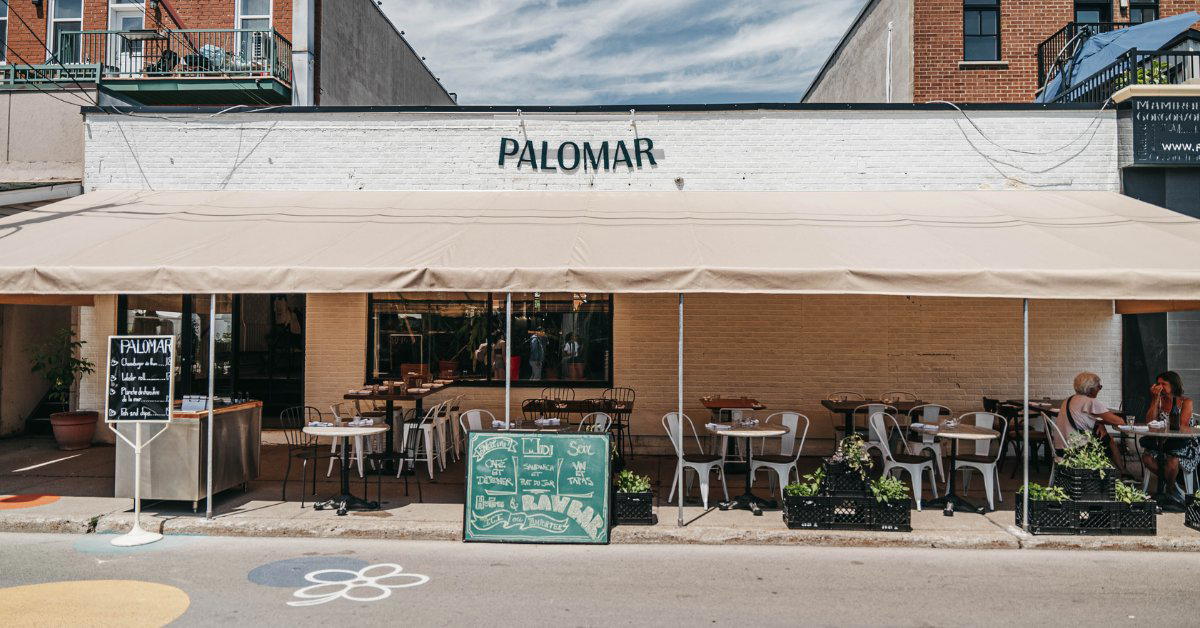
Jean-Talon's Market Logic and What It Demands of Its Restaurants
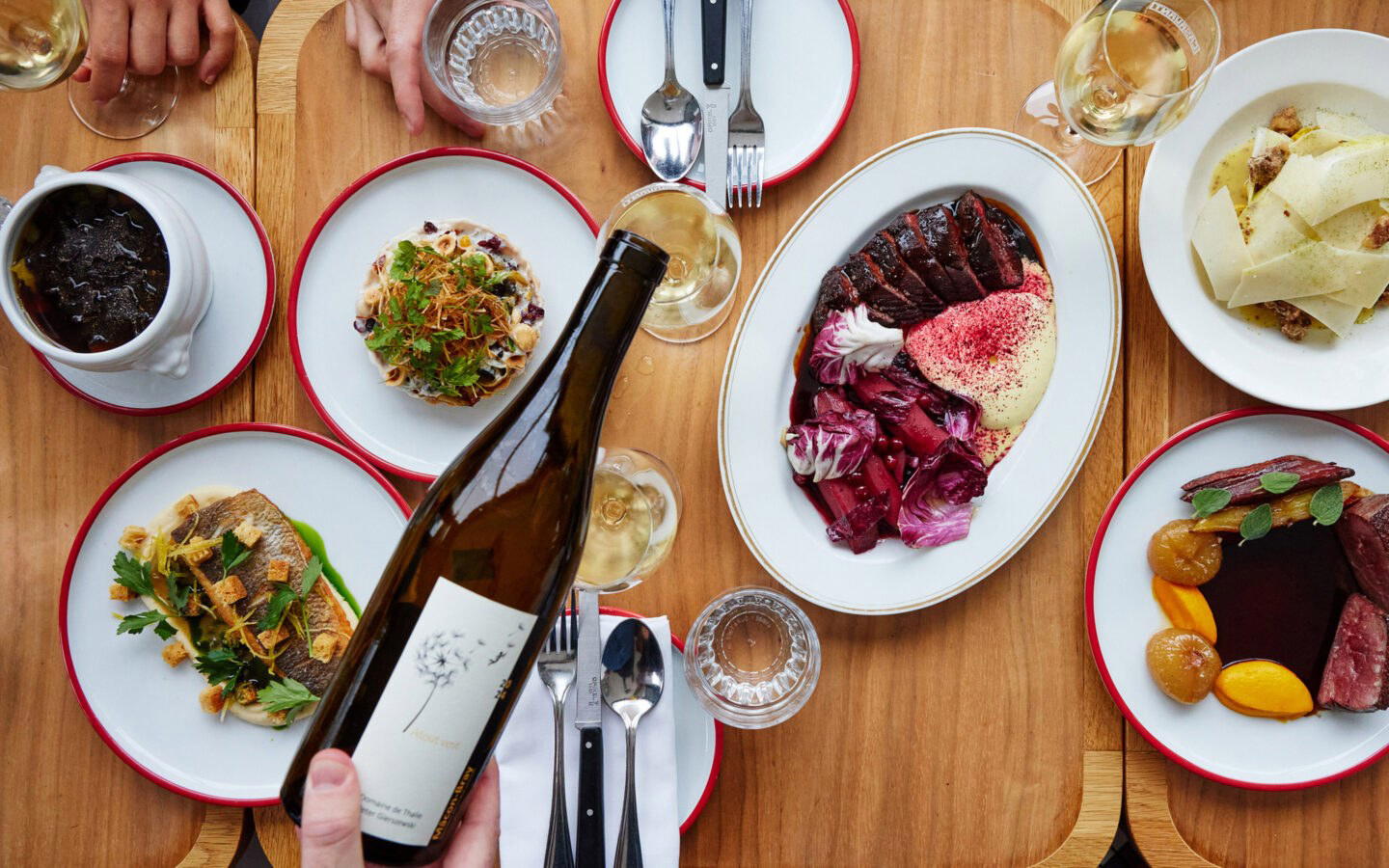
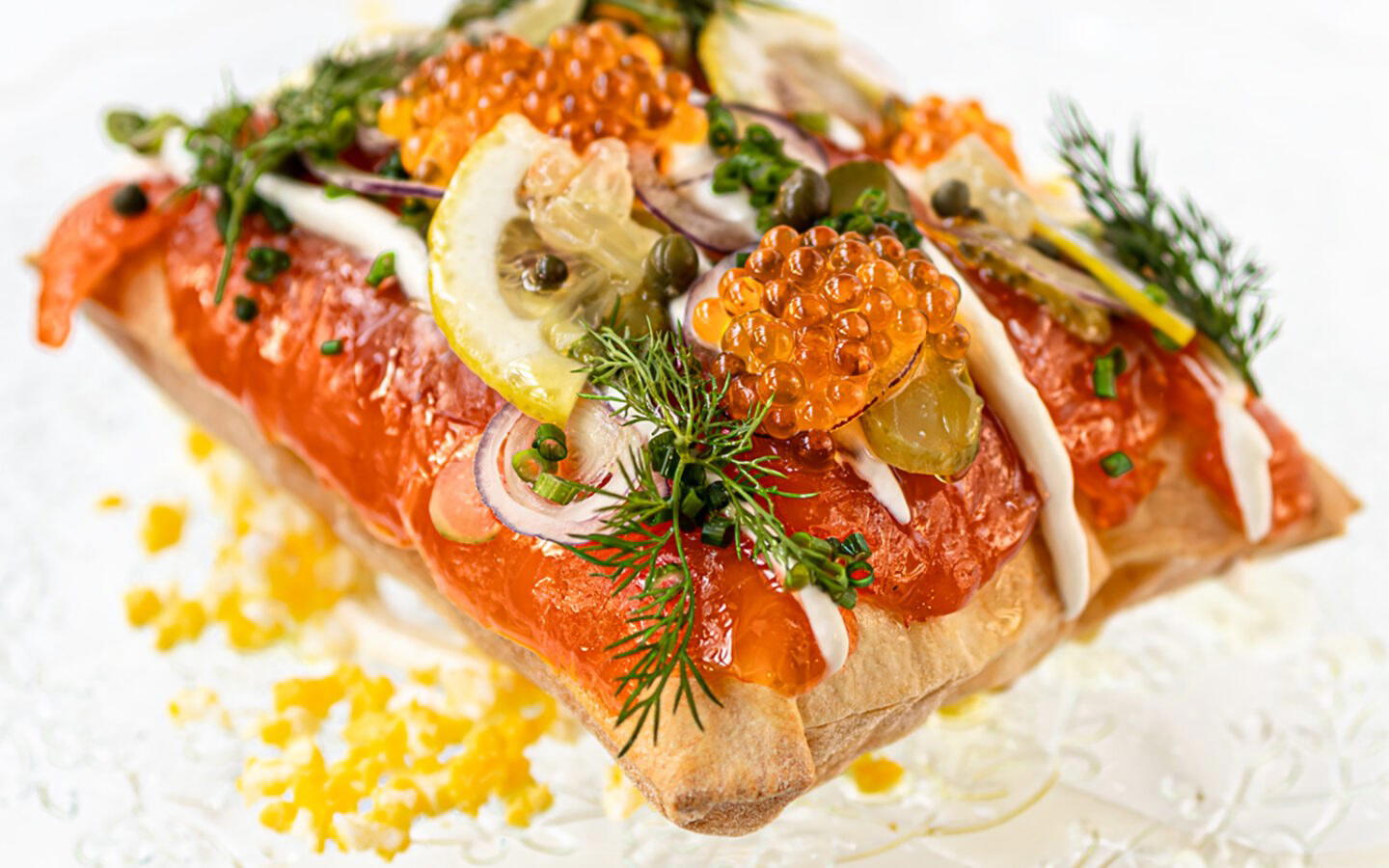
Montreal's Jean-Talon corridor operates on a different rhythm than the downtown dining clusters around Saint-Laurent or Old Montreal. The proximity of the Jean-Talon Market, one of the largest open-air markets in North America and a year-round institution, has shaped what diners in this part of the city expect: sourcing that responds to what is actually available, menus that shift with the season, and kitchens that treat the market as infrastructure rather than marketing. Palomar is a restaurant at 200 Rue Jean-Talon E in Montréal, serving modern seafood with dry-aged fish at a price point around US$50 per person.
The broader Montreal dining scene has increasingly split between two orientations: restaurants that use local provenance as a talking point, and those where proximity to primary producers genuinely determines what appears on the plate. The Jean-Talon neighbourhood, more than most parts of the city, filters for the latter. Kitchens here are close enough to the market that a morning walk can change the day's menu. That kind of operational responsiveness is harder to perform than to promise, and it is what separates the neighbourhood's serious tables from the ones simply trading on the address.
Sustainability as Structure, Not Decoration
Across Canada's more thoughtful dining tier, sustainability has moved from a marketing posture to an operational discipline. The restaurants receiving sustained critical attention, from Tanière³ in Quebec City to Restaurant Pearl Morissette in Lincoln, are the ones where environmental consciousness is embedded in purchasing, waste reduction, and supplier relationships. Narval in Rimouski has built its identity around hyperlocal Gulf of St. Lawrence sourcing. Eigensinn Farm in Singhampton takes that further still, collapsing the distance between producer and kitchen entirely.
Ethical sourcing at the serious end of Canadian dining is less about certification and more about proximity and accountability. A kitchen that knows its farmers by name, that takes whole animals rather than preferred cuts, and that builds its menu around what the season actually provides rather than what a distributor can reliably deliver, is operating inside a different ethical framework than one that sources broadly and labels selectively. The Jean-Talon address positions Palomar within that conversation by default, given that the market a short distance away functions as one of Quebec's most direct farm-to-table pipelines.
Montreal's Modern Cuisine Tier and Where Palomar Fits
Montreal's upper-middle dining tier, the bracket occupied by restaurants like Mastard and Sabayon, has consolidated around modern French technique applied to Quebec produce. Further up the price register, Jérôme Ferrer's Europea and Toqué represent the city's most formal expression of that tradition, with tasting menus and price points that place them alongside comparable urban fine dining in Toronto and Vancouver. Alo in Toronto and AnnaLena in Vancouver are useful reference points for understanding where the national conversation sits at this level of ambition.
Palomar is a modern seafood restaurant with dry-aged fish, priced at about US$50 per person. The restaurant sits in a category of Montreal tables known primarily through neighbourhood reputation and word of mouth. In a city with as many serious neighbourhood restaurants as Montreal, that is not necessarily a disadvantage. Some of the city's most consistent cooking happens at tables that have never sought or received formal critical attention. The Jean-Talon corridor has several such examples, including 3 Pierres 1 Feu and Abu el Zulof, which serve their communities without requiring a reservation months in advance or a price point that signals occasion dining.
The Jean-Talon Neighbourhood as Context
Rue Jean-Talon E runs through a part of Montreal that has historically been more residential than destination-focused. The market draws visitors, but the streets radiating from it support a mix of neighbourhood regulars and the kind of food-aware traveller who prefers eating where locals actually eat over dining in the more trafficked Old Montreal or Plateau corridors. The dining character here tends toward the unpretentious and the specific: restaurants that are good at one thing, or that serve a particular community with consistency, rather than venues trying to synthesise a broad audience appeal.
For context on the broader Quebec dining tradition, Aux Anciens Canadiens in Quebec City represents the older, more heritage-facing end of the province's table, where tourtière and traditional preparations anchor the identity. The contemporary Montreal scene has largely moved away from that register toward something more technically assured and internationally referenced, while still insisting on Quebec produce as the raw material. The Pine in Creemore and Barra Fion in Burlington represent analogous approaches in Ontario: serious kitchens outside the major urban centres that have built followings on the strength of their sourcing relationships and format discipline rather than on location or star power.
Planning a Visit
Palomar is at 200 Rue Jean-Talon E in the Jean-Talon neighbourhood, accessible by metro via the Jean-Talon station on the Orange and Blue lines. The address is a short walk from the Jean-Talon Market, which makes the area easy to combine with a morning or afternoon at the market before an evening meal. Walk-ins may be more viable here than at the city's more formal tables.
For travellers comparing Montreal's market-adjacent dining to what is available internationally, the standard of ethical sourcing and seasonal responsiveness at the serious end of Canadian cooking is increasingly competitive with European models. Le Bernardin in New York City and Atomix in New York City represent the level of technical and sourcing discipline that defines stronger examples from the North American market; Montreal's better neighbourhood tables, particularly those in the Jean-Talon corridor, operate closer to that standard than their relative anonymity might suggest. Bearspaw Golf Club in Calgary represents a different entry point into Canadian dining, where the context is hospitality-led rather than sourcing-led, a useful reminder that the country's dining identity is not uniform across regions.
Cost and Credentials
Comparable venues nearby, for context on price, style, and recognition.
| Venue | Cuisine | Price | Notes |
|---|---|---|---|
| PalomarThis venue — the venue you are viewing | Not listed | $$$ | Not listed |
| Le Montréal – Casino de Montréal | Vieux Montréal, Québec Seafood & Grill | $$$ | Not listed |
| Pamika | Mile End, Modern Thai Brasserie | $$$ | Not listed |
| Mythik | Not listed | $$$ | Centre-Ville, Québec Regional Market Cuisine |
| Restaurant Tbsp. | Not listed | $$$ | Quartier international de Montreal, Mediterranean-inspired Modern Italian |
| Molenne | Mile End, Canadian Seafood Brasserie | $$$ | Not listed |




At a Glance
- Modern
- Trendy
- Rustic
- Date Night
- Brunch
- Special Occasion
- Open Kitchen
- Craft Cocktails
- Local Sourcing
Current opening hours
- Monday
- 10 AM–5 PM
- Tuesday
- 10 AM–5 PM
- Wednesday
- 10 AM–9:30 PM
- Thursday
- 10 AM–9:30 PM
- Friday
- 10 AM–9:30 PM
- Saturday
- 10 AM–9:30 PM
- Sunday
- 10 AM–9:30 PM
Hours can change for holidays and private events. Last verified .
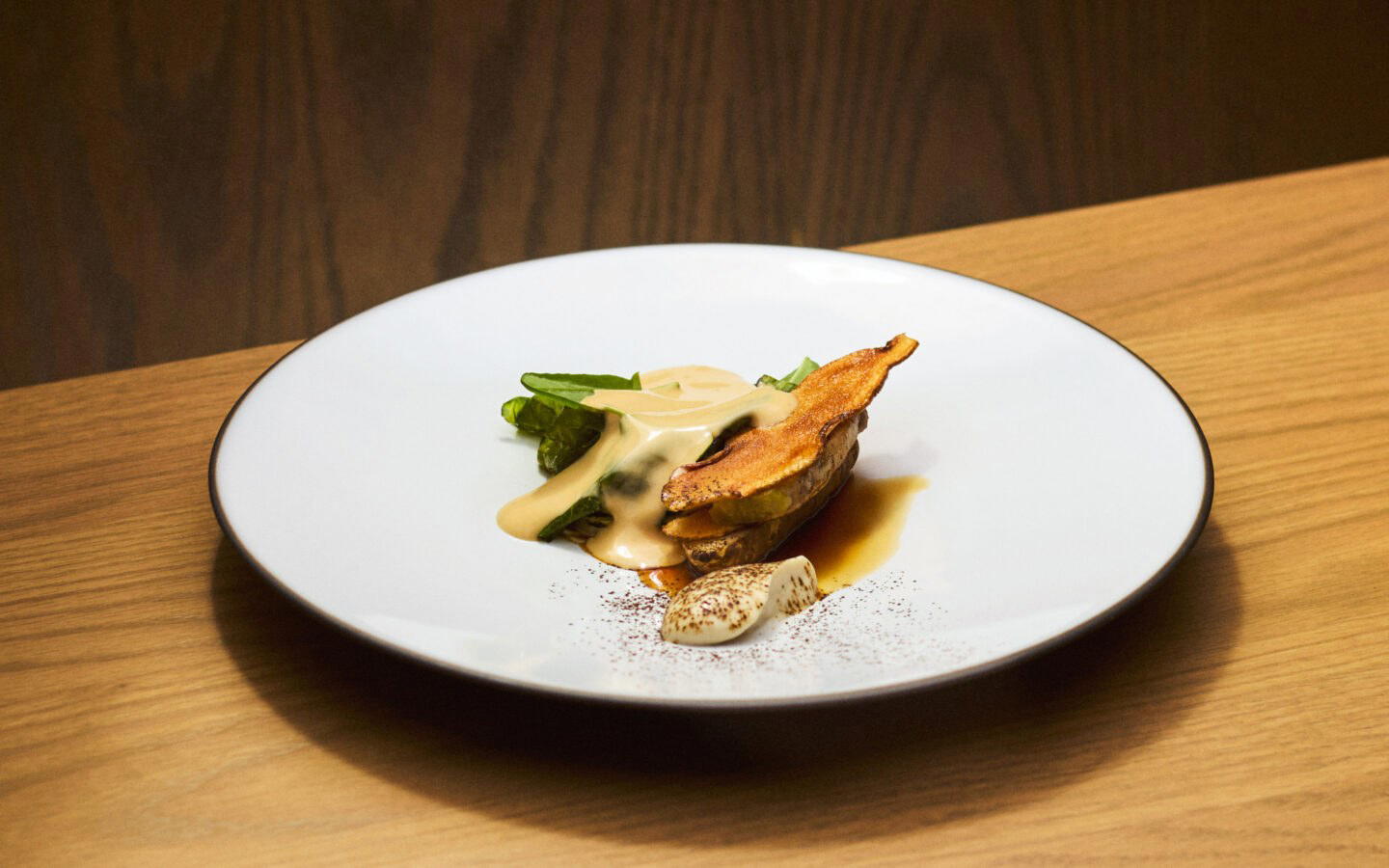
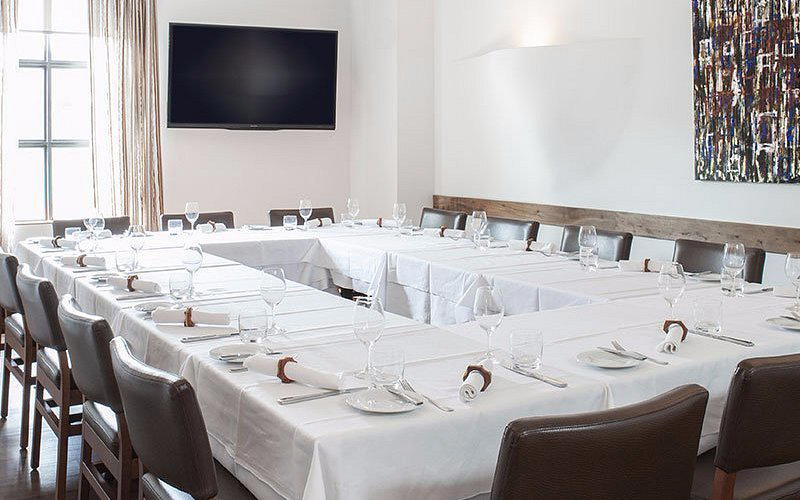
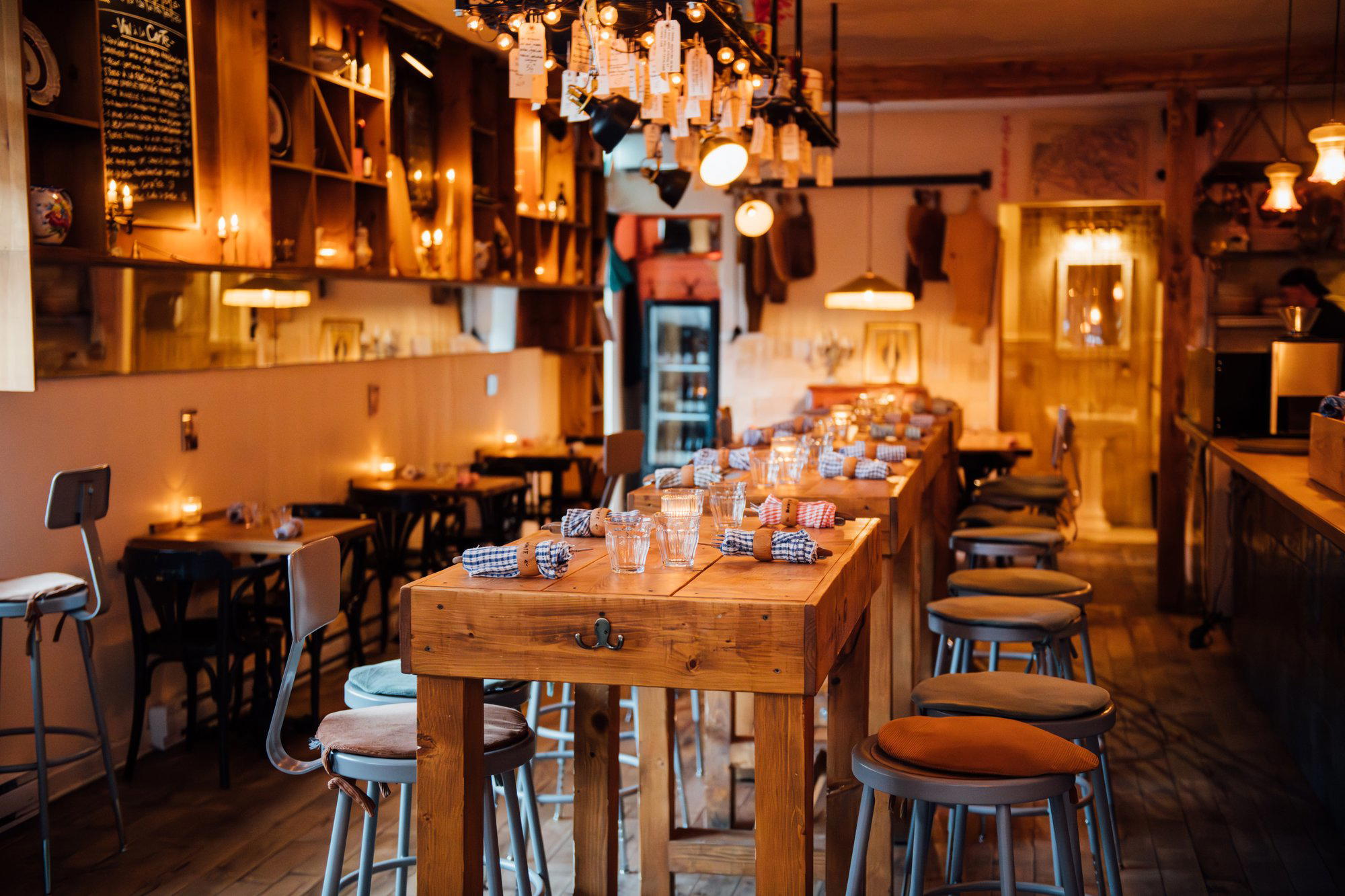
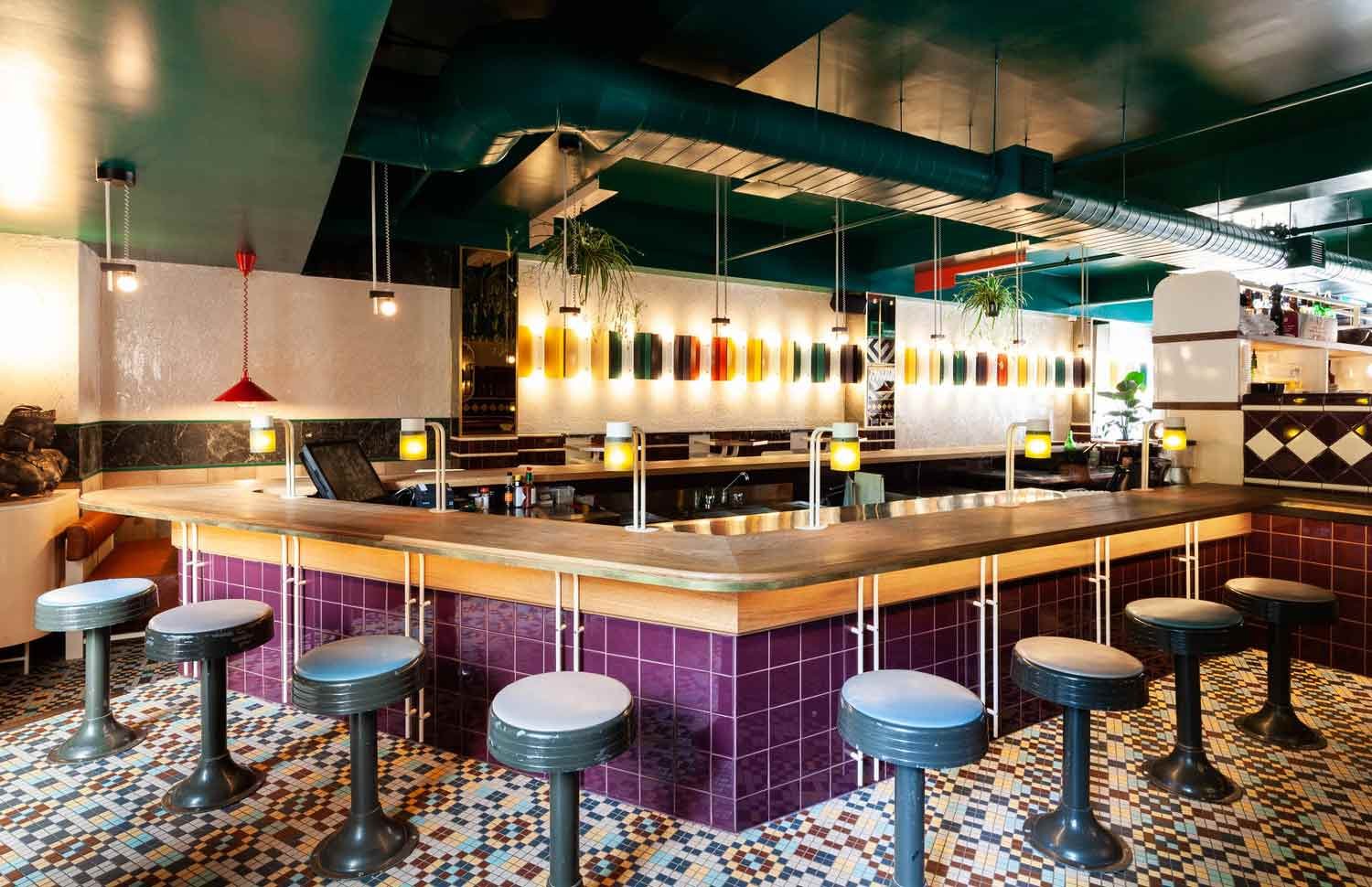
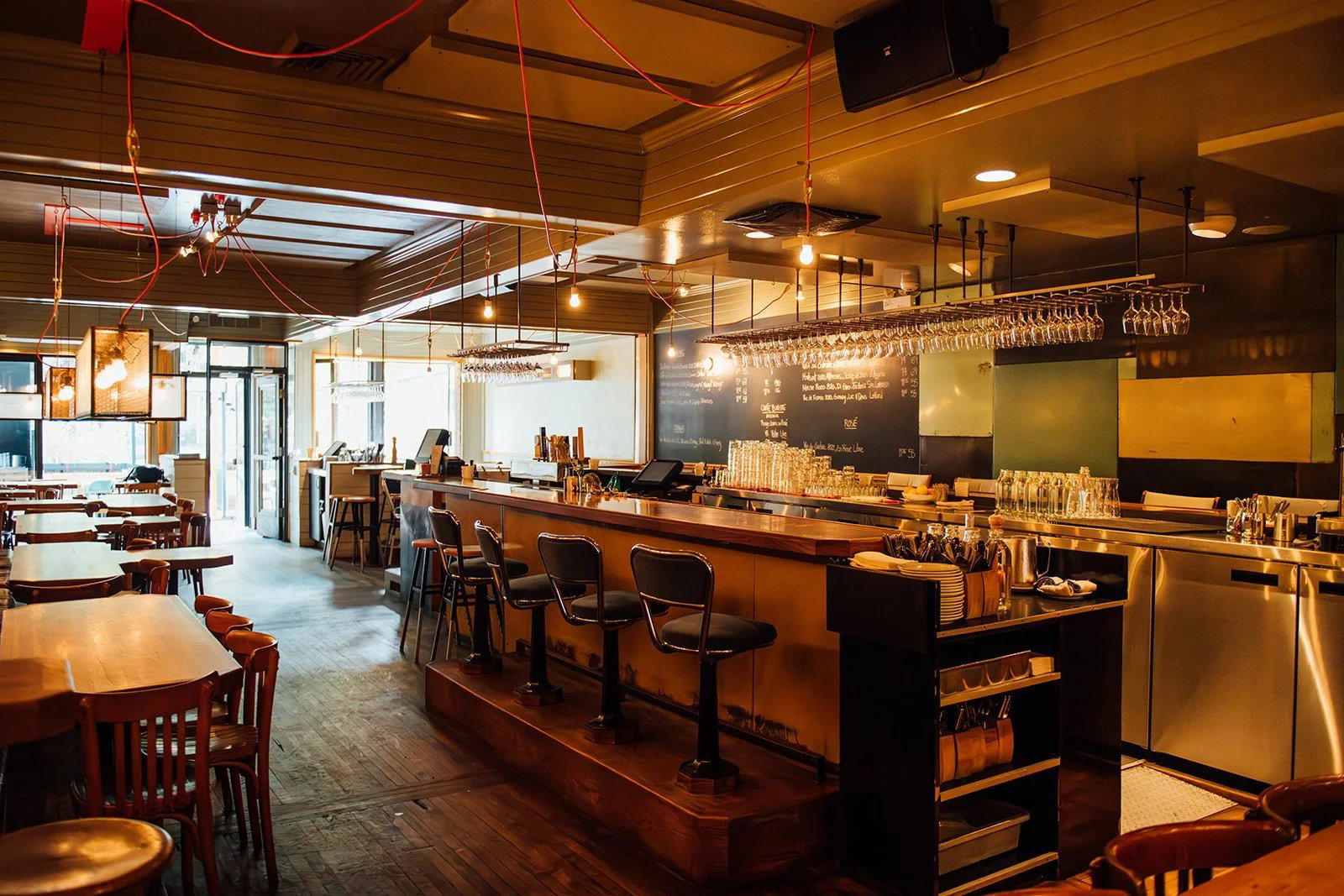
Rustic and chic decor with an inviting atmosphere highlighting fresh seafood.