Palapa Cantina Caribeña
Palapa Cantina Caribeña on Calle Versalles plants Caribbean coastal cooking firmly in the middle of Colonia Juárez, one of Mexico City's most food-saturated neighbourhoods. The cantina format positions it well outside the fine-dining circuit occupied by Pujol and Quintonil, offering a distinct register for anyone whose Mexico City itinerary extends beyond tasting menus.
Pearl is the En Primeur Club membership app — saves, bookings, and concierge access live there. Same editors, same standards.
- Address
- C. Versalles 113, Juárez, Cuauhtémoc, 06600 Ciudad de México, CDMX, Mexico
- Phone
- +525647706405
- Website
- opentable.com
- Directions
- Get directions
 Saves & bookings on Pearl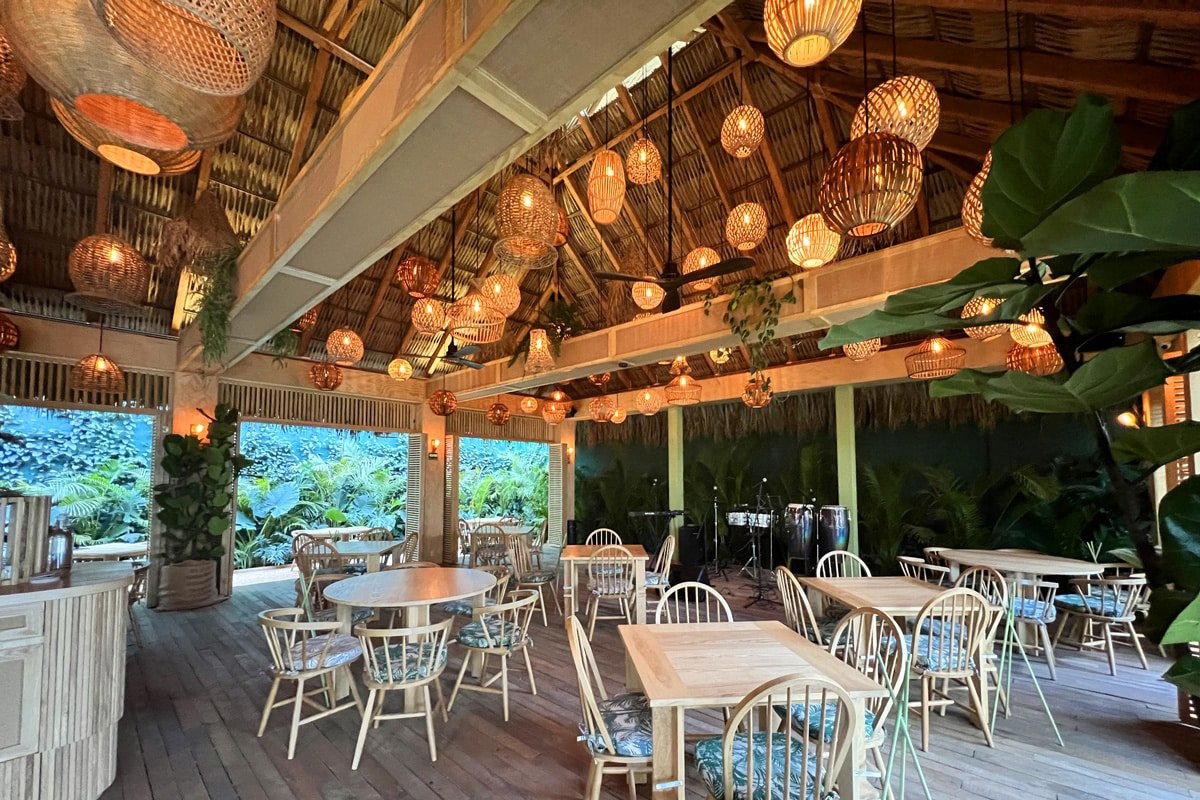
Palapa Cantina Caribeña in Colonia Juárez serves Caribbean Cantina Fusion at a casual price tier.
Colonia Juárez sits on the western edge of Mexico City's historic core, a neighbourhood where mid-century apartment blocks share blocks with wine bars, taquerias operating since the 1970s, and a newer wave of concept-driven dining rooms that arrived after 2015. Calle Versalles, where Palapa Cantina Caribeña occupies number 113, is a quieter residential artery within that mix, the kind of street where a cantina format can hold its character without competing directly against the grand-gesture restaurants a few kilometres east near Polanco. The palapa structure itself, as a building typology, carries immediate geographic coding: thatched roofing and open-air or semi-open construction are inseparable from the Gulf and Caribbean coastlines of Veracruz, Tabasco, Campeche, and the Yucatán Peninsula. Transplanting that format to an inland capital at 2,240 metres above sea level is a deliberate act of cultural translation, not decoration.
At the leading, internationally recognised rooms like Pujol and Quintonil charge four-figure peso tasting menus and operate with reservation windows measured in months. A middle tier, represented by restaurants like Em and Rosetta, offers more restrained pricing with serious culinary credentials. And then there is a broader stratum of neighbourhood-anchored dining rooms where the point is not to perform ambition but to feed a specific community well and consistently. Palapa Cantina Caribeña reads as a participant in that third category, with a format, the cantina, that in Mexico carries specific social weight. Cantinas historically served as the working-city's dining room, operating on a logic of hospitality, generosity of portion, and a particular relationship between food and drink that fine dining has never fully replicated.
The Drinks Register: Where a Caribbean Cantina Makes Its Case
The editorial angle most worth pressing in a cantina with Caribbean framing is the drinks program, because that is precisely where the format's regional identity either holds or collapses. Caribbean drinking culture is not monolithic: it runs from the rum traditions of Cuba and the Dominican Republic through the mezcal-adjacent aguardiente cultures of the Gulf coast, to the tepache, agua de Jamaica, and michelada formats that travel easily between coastal and inland Mexico. A cantina format in this register would typically anchor its drinks to what arrives alongside food rather than what precedes it in a separate aperitivo ritual, a fundamentally different service logic from what a wine-focused fine-dining room like Le Chique in Puerto Morelos operates on.
For a venue explicitly framing itself as Caribbean, the drinks curation question is whether it leans into Mexican coastal spirits, sotol, rum produced in Veracruz, craft cerveza from the Gulf states, or whether it builds a more generic tropical bar program around international rum brands and standard cocktail formulas. That distinction matters because it determines whether the drinks list reinforces the geographical argument the kitchen is presumably making or simply decorates it.
The broader context here is that Mexico City has seen genuine investment in regional Mexican beverage programs over the last five years. Mezcal from Oaxaca and Puebla, craft beers from Monterrey and Baja California, and an expanding interest in Mexican wine from Valle de Guadalupe are all visible in serious cantinas and independent restaurants. Venues anchoring a Caribbean identity have an opportunity to draw from the Gulf-coast end of that spectrum, where Veracruz rum production has a documented history stretching back to the colonial period.
Caribeña Cooking in Context: What the Format Signals
Caribbean Mexican cooking, as a culinary category, is not the same as the Yucatecan food that has received more international attention through venues like Huniik in Mérida. The broader Caribbean coastal tradition encompasses the achiote-heavy preparations of Campeche, the seafood-centred cooking of Veracruz with its Spanish, African, and indigenous convergences, and the slightly different spice register of Tabasco. In Mexico City, this tradition has historically appeared in neighbourhood fondas and marisquerías rather than in named concept restaurants, which makes a cantina format a more culturally coherent vehicle for it than a tasting menu would be.
Across Mexico, the gap between regional tradition and high-concept restaurant presentation has been the animating tension for a generation of chefs. Levadura de Olla in Oaxaca and KOLI Cocina de Origen in Monterrey both work within that tension, as does Alcalde in Guadalajara. A cantina format makes a different wager: that the regional argument is better made through accessibility, volume, and everyday hospitality than through fine-dining theatrics. Whether the restaurant is winning that wager requires a visit, but the address in Juárez, rather than Polanco or Condesa, already positions it credibly within that logic.
The same trip that includes Sud 777 benefits from at least one evening spent in a cantina format at a different price register. That balance is, in practice, how Mexico City's dining culture actually works for residents, the tasting menu and the cantina are not in competition, they are complementary registers of the same city.
Situating the Visit: Juárez, Timing, and Peer Context
The neighbourhood operates as a daytime and early-evening destination more than a late-night one, which aligns with the cantina format's traditional service rhythm, lunch and comida corrida hours rather than late seatings. Visitors coming from internationally recognised rooms to the east and north will find Juárez's pace lower and its street character less curated, which is precisely its value as a counterpoint destination.
For reference across similar cantina and mid-register dining formats in Mexico, the coastal comparison points are HA' in Playa del Carmen and Animalón in Valle de Guadalupe, both of which operate within open-air or semi-open formats that share structural logic with the palapa typology. Olivea Farm to Table in Ensenada and Lunario in El Porvenir represent a Baja California comparison for readers interested in how Mexican regional restaurants use building format and outdoor connection as part of their identity argument.
Comparable Spots, Quickly
Comparable venues nearby, for context on price, style, and recognition.
| Venue | Cuisine | Price | Notes |
|---|---|---|---|
| Palapa Cantina CaribeñaThis venue — the venue you are viewing | Caribbean Cantina Fusion | $$ | Not listed |
| Galiachef Bistrot | French Bistro | $$ | Roma Norte |
| Cancino Cibeles | Italian Wood-Fired Pizza with Mexican Fusion | $$ | Nva Anzures |
| Delirio | Mediterranean Deli-Cafe | $$ | Hipodromo |
| Chimex | Korean Fried Chicken & Shareables | $$ | Nva Anzures |
| La Mascota | Traditional Mexican Cantina Botanas | $$ | Centro |
Continue exploring
More in Mexico City
Restaurants in Mexico City
Browse all →
Bars in Mexico City
Browse all →

At a Glance
- Lively
- Trendy
- Energetic
- Bohemian
- Casual Hangout
- Group Dining
- Late Night
- Terrace
- Live Music
- Open Kitchen
- Craft Cocktails
- Street Scene
Current opening hours
- Monday
- Closed
- Tuesday
- Closed
- Wednesday
- 1:30 PM–12 AM
- Thursday
- 1:30 PM–2 AM
- Friday
- 1:30 PM–2 AM
- Saturday
- 1:30 PM–2 AM
- Sunday
- 1:30 PM–12 AM
Hours can change for holidays and private events. Last verified .
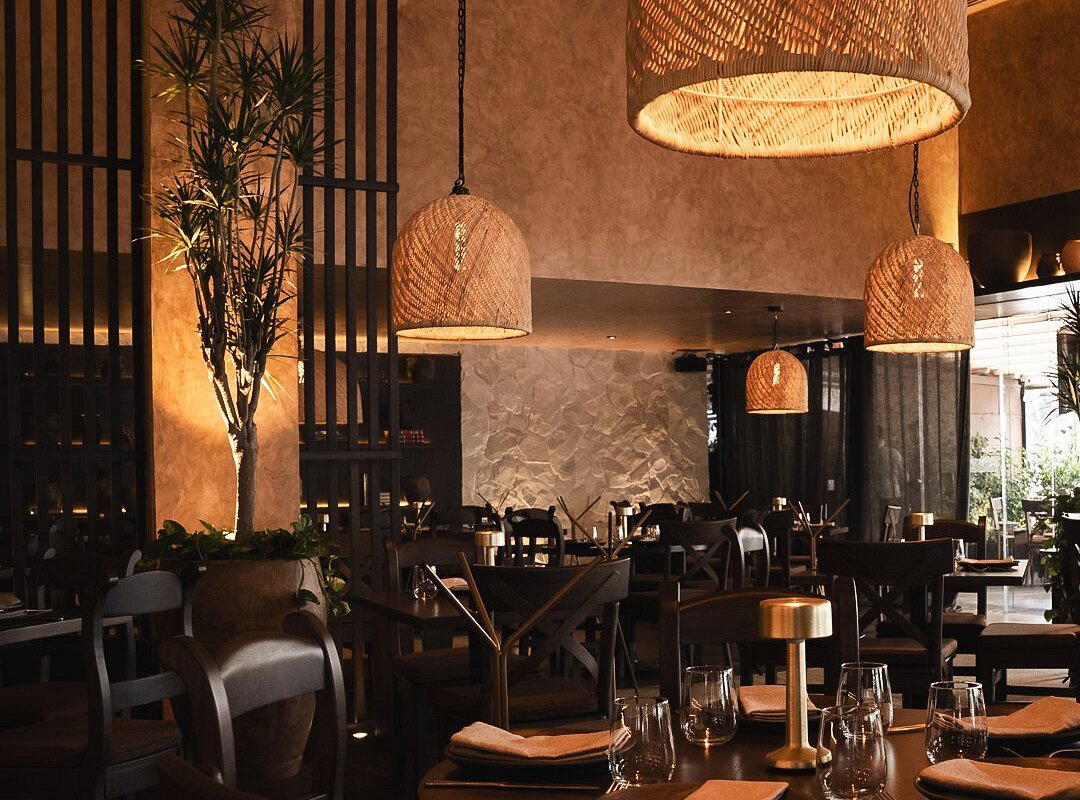
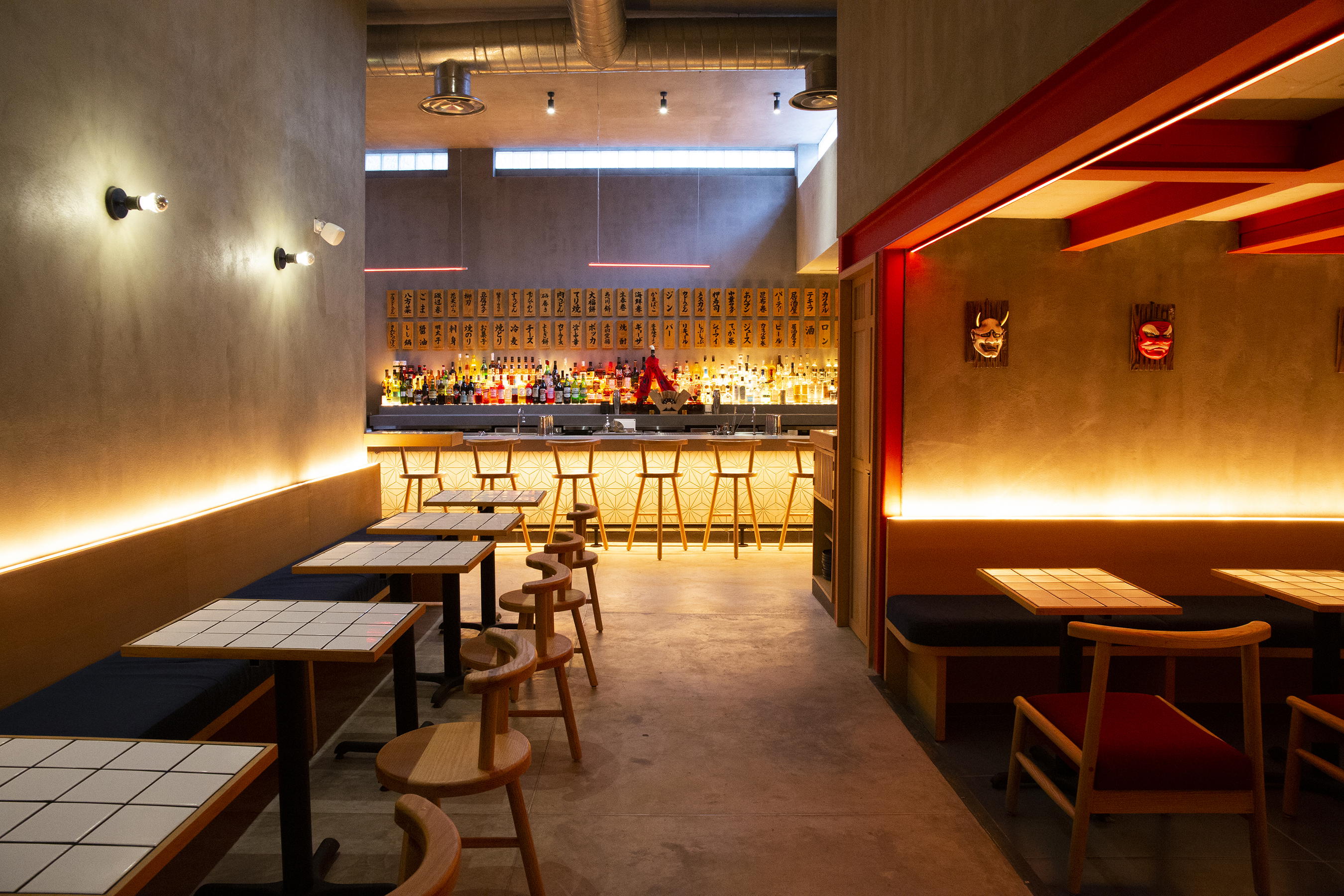
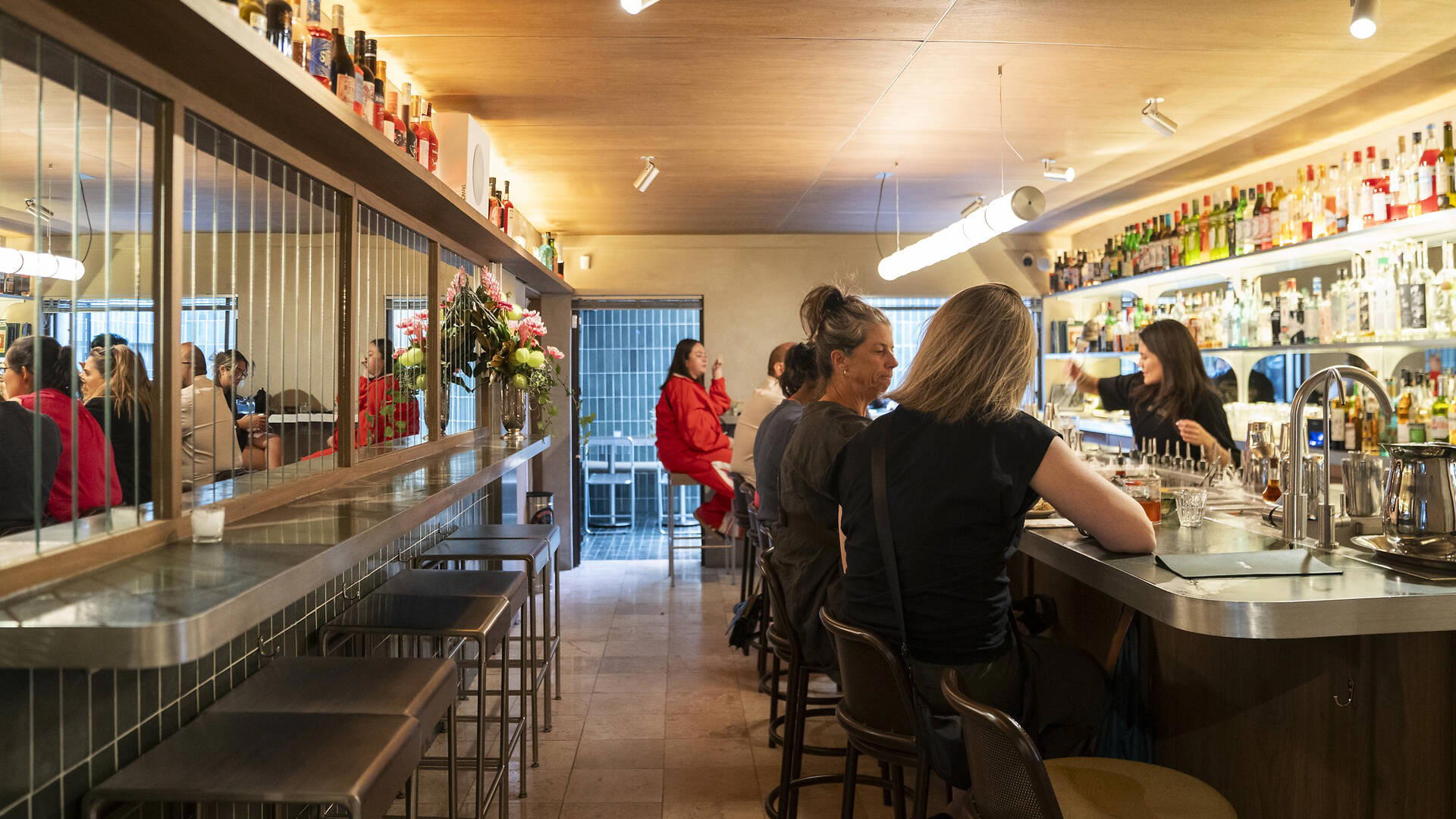
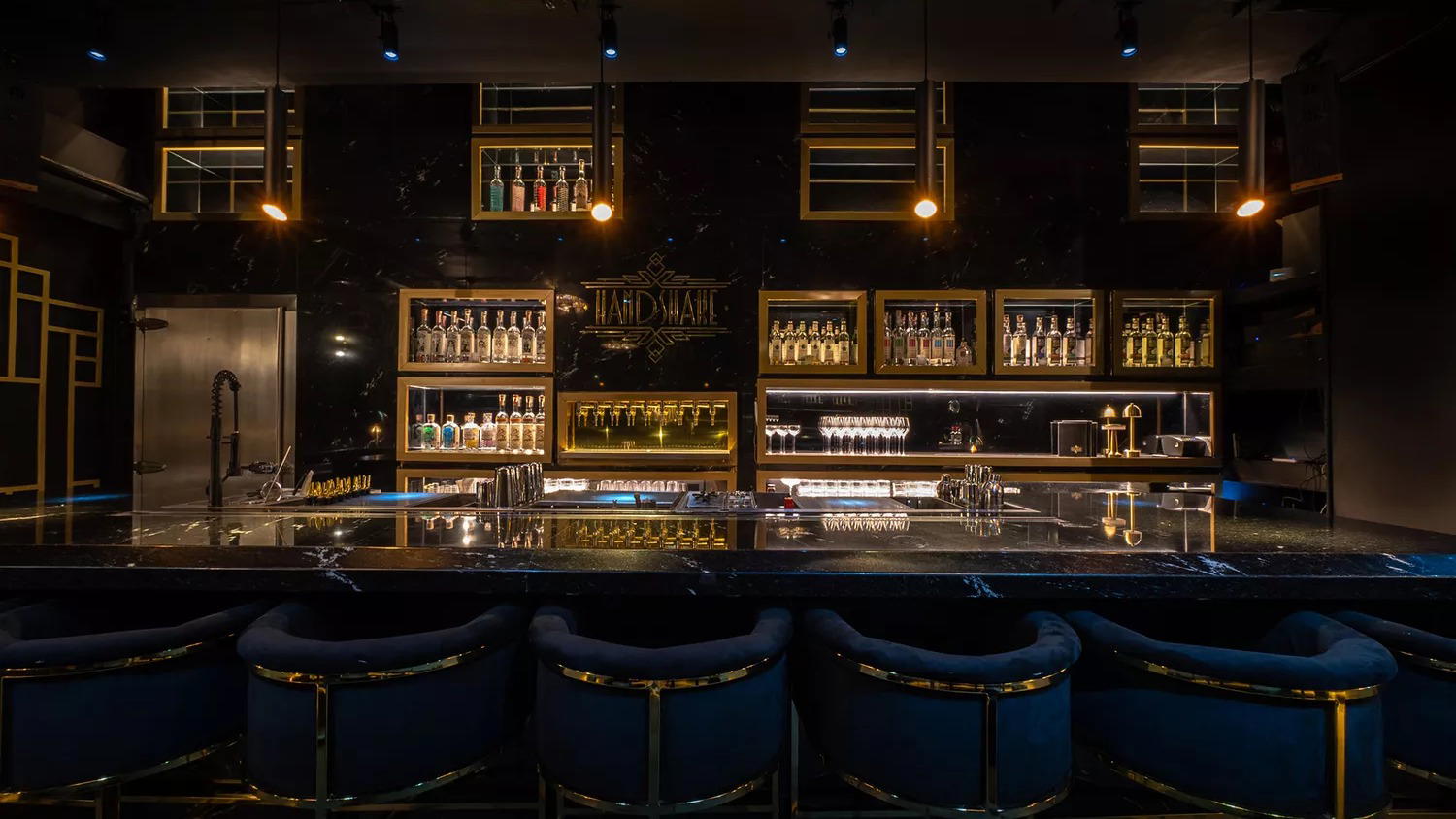
Festive tropical atmosphere with reed roof palapa structure, lush plants, lively beachy vibes, and lively energy from music and dancing.