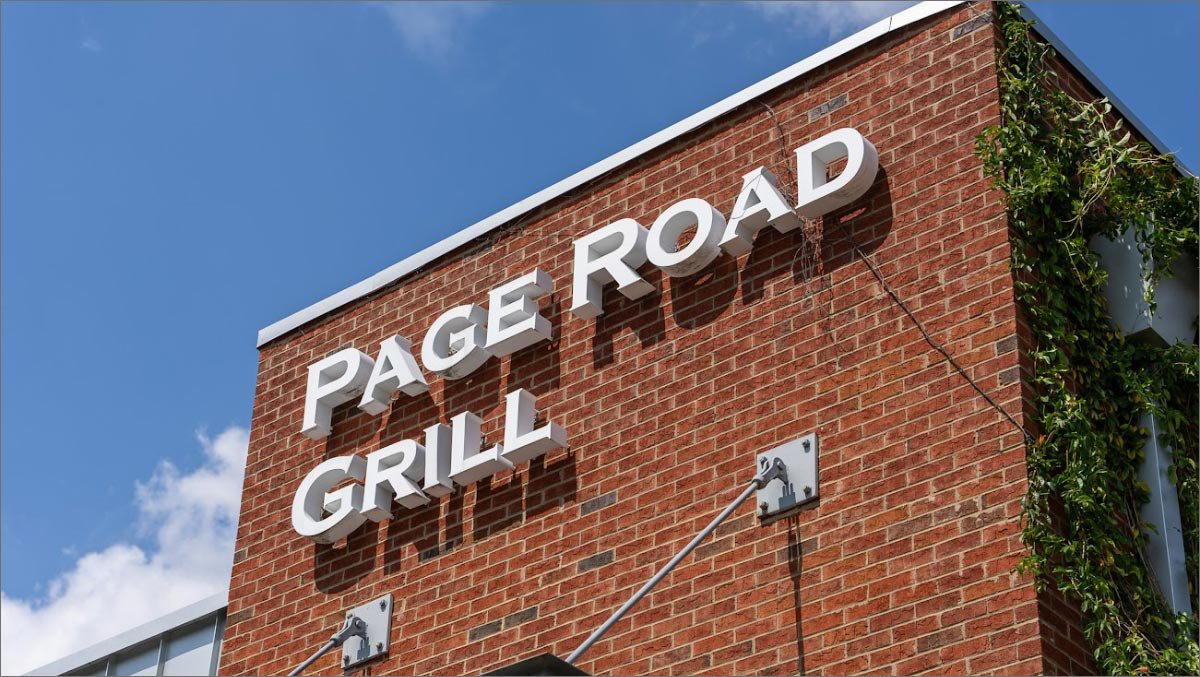
Page Road Grill
Our verdict
Page Road Grill occupies a stretch of Durham's eastern corridor where the Triangle's agricultural depth meets a cooking approach that draws on technique honed well beyond North Carolina's borders. The kitchen works with the kind of ingredient access that comes from proximity to the Piedmont's farms, piedmont pastures, and coastal Carolina suppliers, positioning it within Durham's growing tier of serious neighborhood dining.

Pearl is the En Primeur Club membership app — saves, bookings, and concierge access live there. Same editors, same standards.
- Address
- 5416 Page Rd, Durham, NC 27703
- Phone
- (919) 908-8900
- Hours
- Mon–Fri 11 AM–9 PMSat 5–9 PMSun Closed
- Website
- pageroadgrill.com
- Directions
- Get directions
- Booking
- Book on OpenTable
The menu
What to order
- Crab Cakes
- Shrimp & Grits
- Smoked Brisket
Where Durham's Farm Belt Meets the Kitchen Counter
Durham's eastern edge, running along Page Road toward RDU, sits at a geographic seam that defines a certain kind of Triangle dining: close enough to Research Triangle Park to draw a weeknight professional crowd, and close enough to the Piedmont's agricultural supply chains to benefit from ingredient access that urban-core restaurants often lack. In American cities that have built serious food reputations over the past two decades, proximity to farms has become as important as proximity to foot traffic. Durham, which supplies diners to destinations across the Triangle, has developed a corridor of neighborhood restaurants on its outer edges that operate on this logic. Page Road Grill is one of them, positioned along a stretch that rewards drivers willing to leave the density of downtown Ninth Street or the Brightleaf district for something with more elbow room and a different relationship to its sourcing context.
That relationship between place and plate has been the defining story of serious American regional cooking since at least the 1990s, when kitchens at places like Emeril's in New Orleans began framing Louisiana product as the foundation of a technique-led approach. The pattern matured through properties like Blue Hill at Stone Barns in Tarrytown, where the farm and the kitchen became co-protagonists, and through farm-integrated operations like Single Thread Farm in Healdsburg. In each case, the argument is the same: imported cooking methods applied to locally specific ingredients produce something neither purely regional nor purely technical, but genuinely of a place.
The Triangle's Ingredient Depth
North Carolina's agricultural portfolio is wider than most outsiders assume. Eastern Carolina produces some of the American Southeast's most prized pork, with heritage breed operations supplying restaurants across the state. The Piedmont corridor between Durham and Hillsborough gives kitchens access to small-scale vegetable farms that operate on seasonal cycles aligned with the South's longer growing season: cool-weather brassicas run well into what other regions would call winter, while summer squash and tomato windows open earlier and longer than comparable operations further north. Coastal suppliers within a two-hour radius bring shellfish and finfish from North Carolina's sounds and outer banks. A kitchen positioned along Page Road with a commitment to working this supply chain operates with material that kitchens in higher-profile markets sometimes struggle to source at comparable freshness or price.
Durham's dining development over the past decade has moved in two parallel directions. The downtown and Brightleaf core has built a concentration of ambitious restaurants, including Coarse (Modern British), which applies European structural technique to American ingredients, and Convivio, which works within a Mediterranean framework. Mediterranean-inflected cooking also appears at Bleu Olive, while more casual neighborhood formats like Barsa and Cucciolo Famiglia Southpoint serve the Triangle's suburban spread. Page Road Grill occupies a position in this geography that is neither the concentrated downtown scene nor the purely suburban convenience tier, but something between: a destination that requires a deliberate trip and rewards the effort with cooking grounded in its immediate environment.
Technique Without the Trophy Case
Across American fine dining, the most instructive comparison points are kitchens where technical ambition and ingredient honesty reinforce each other rather than compete. At Lazy Bear in San Francisco, a communal format delivers high-technique cooking through a lens of American camp-and-hearth tradition. At Providence in Los Angeles, sustainable seafood sourcing frames a menu of considerable technical precision. At Alinea in Chicago, technique is the point in itself, largely decoupled from regional identity. The restaurants that have had the most durable influence on how American diners understand local ingredient cooking are those that keep the technique in service of the product rather than the reverse: operations like The French Laundry in Napa, where French classical structure becomes a lens for Northern California's seasonal output, or Addison in San Diego, which runs a similar argument for the Southern California larder. Within Durham's more modest scale, the same logic applies: kitchens that apply rigorous method to North Carolina's specific agricultural calendar tend to produce more interesting food than those importing both technique and ingredient.
Globally trained cooks who return to or choose regional American markets bring a particular kind of double vision. They understand French sauce technique, Japanese knife discipline, or modernist textural thinking from the outside, but they apply it to products they encounter firsthand: Carolina trout, Piedmont mushrooms, sweet potato varieties that don't appear on European menus. The results are menus that read as regional American in ingredient but carry method markers borrowed from further afield, a pattern visible at recognized addresses like Atomix in New York City and Le Bernardin in New York City, and at celebrated properties like The Inn at Little Washington in Washington, where the American countryside around the Rappahannock has been the subject of a decades-long kitchen project. For a full picture of how Page Road Grill fits within Durham's wider dining tier, see our full Durham restaurants guide.
Planning Your Visit
Page Road Grill sits at 5416 Page Road, Durham, NC 27703, accessible by car from RTP, downtown Durham, and Chapel Hill. Given its location on the eastern corridor, driving is the practical approach for most visitors. Booking information and current hours are best confirmed directly with the restaurant before visiting, as corridor-area operations sometimes run tighter scheduling windows than downtown venues. Visitors from out of the Triangle who are building a multi-stop Durham itinerary should note that the Page Road location positions well as an opening or closing dinner relative to RDU, reducing backtracking on travel days.
Frequently asked questions
Where exactly is Page Road Grill?
Page Road Grill is located at 5416 Page Rd, Durham, NC 27703, Durham.
How does Page Road Grill fit into the broader Durham dining scene?
Durham has built a reputation over the past decade as one of the American South's more serious mid-sized dining cities, with kitchens that treat North Carolina's agricultural output as a primary creative resource rather than a branding footnote. Page Road Grill, positioned on the city's eastern corridor near the Research Triangle Park, draws from that same regional ethos. For visitors arriving via RDU or working in RTP, it represents a Durham-grounded alternative to the more heavily trafficked downtown options.
What should I eat at Page Road Grill?
The kitchen at 5416 Page Road draws from North Carolina's agricultural corridor, which means Eastern Carolina produce and proteins shape what lands on the plate. Dishes follow seasonal availability rather than a static menu, so the strongest orders tend to be whatever reflects the current growing season. Ask your server what's come in most recently from local farms — that's usually the safest indicator of what the kitchen is executing with the most confidence.
Is Page Road Grill reservation-only?
Given its location on Durham's eastern edge near RTP, weeknight demand from the Research Triangle workforce can be consistent.
What makes Page Road Grill worth seeking out?
Page Road Grill sits at a geographic and culinary intersection that few Triangle restaurants occupy: close to RDU and RTP, yet positioned to draw directly from Eastern Carolina's farm belt rather than relying on broadline distributors. That proximity to source is a structural advantage, not a marketing posture. Durham's dining scene has earned editorial attention precisely because kitchens here tend to let North Carolina's agricultural depth do the talking.
What if I have allergies at Page Road Grill?
With a kitchen oriented around seasonal, farm-sourced ingredients, the menu composition shifts with availability, which means allergy information is best confirmed directly with the restaurant rather than assumed from any static source. Contact Page Road Grill at 5416 Page Road, Durham, NC 27703 before your visit to discuss specific dietary needs with the kitchen.
Does Page Road Grill justify its prices?
Whether the equation works for you depends on what you're comparing — a fast-casual equivalent it is not, but it also operates in a Durham dining tier where the ingredient quality tends to carry the bill.
Peers in This Market
Comparable venues nearby, for context on price, style, and recognition.
| Venue | Cuisine | Price | Awards | Notes |
|---|---|---|---|---|
| Page Road GrillThis venue — the venue you are viewing | Elevated Southern Grill | $20–30 | Not listed | Not listed |
| Emmy Squared - Durham | Detroit-Style Pizza | $20–30 | Not listed | Downtown |
| Nasher Cafe | Contemporary American with local seasonal ingredients | $20–30 | Not listed | Duke University |
| Saltbox Seafood Joint | North Carolina Coastal Seafood | $10–20 | James Beard Award Semi Finalist | Durham-Chapel Hill Boulevard corridor |
| Kanki Durham | Japanese Hibachi Steakhouse & Sushi | $20–30 | Not listed | West Durham |
| Pizzeria Toro | Wood-Fired Neapolitan Pizza | $20–30 | Not listed | Downtown Durham |
Details
- Cozy
- Modern
- Rustic
- Family
- Group Dining
- Business Dinner
- Brunch
- Private Dining
- Craft Cocktails
- Beer Program
- Local Sourcing
- A La Carte
- Vegetarian Friendly
- Vegan Options
- Gluten Free Options
Current opening hours
- Monday
- 11 AM–9 PM
- Tuesday
- 11 AM–9 PM
- Wednesday
- 11 AM–9 PM
- Thursday
- 11 AM–9 PM
- Friday
- 11 AM–9 PM
- Saturday
- 5–9 PM
- Sunday
- Closed
Hours can change for holidays and private events. Last verified .
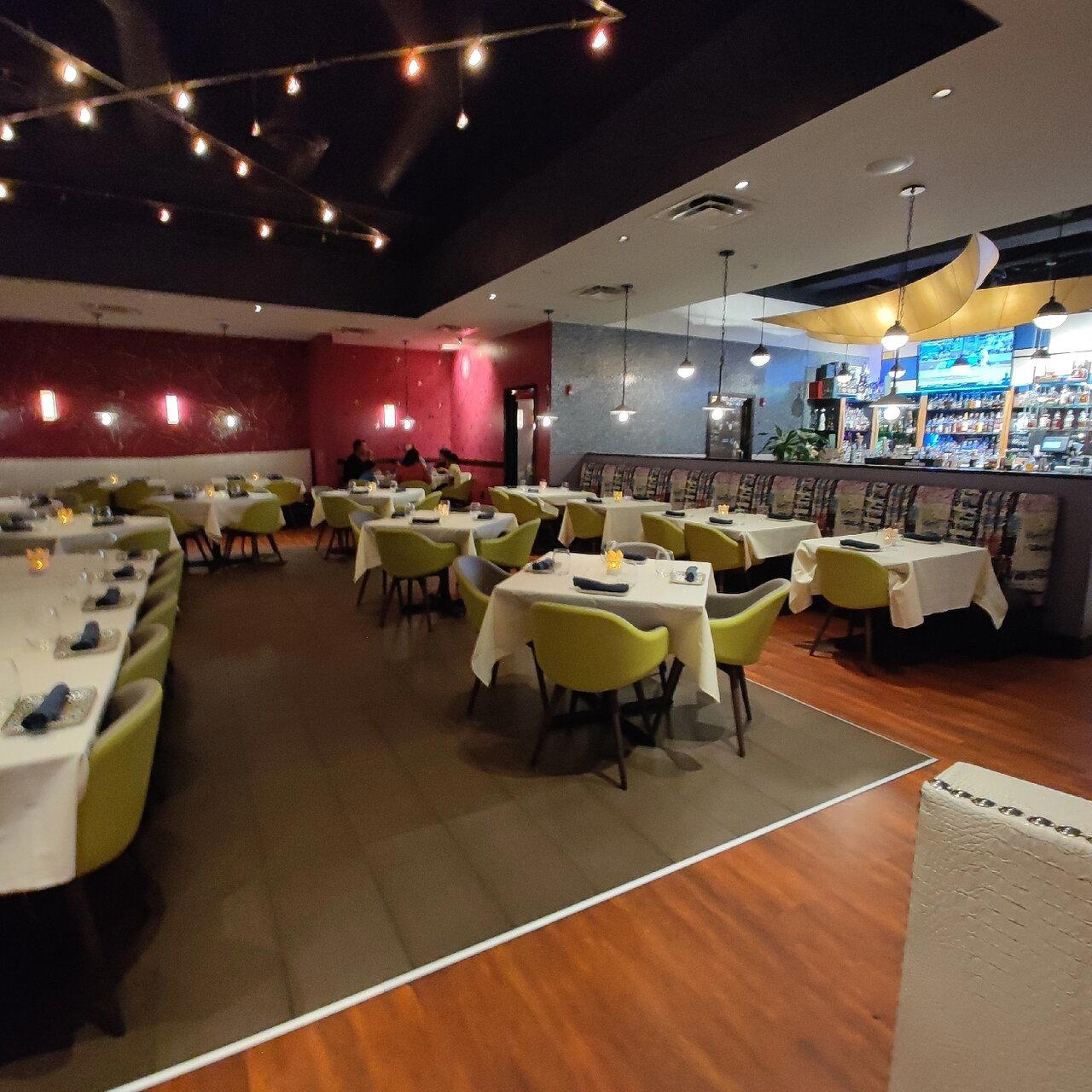
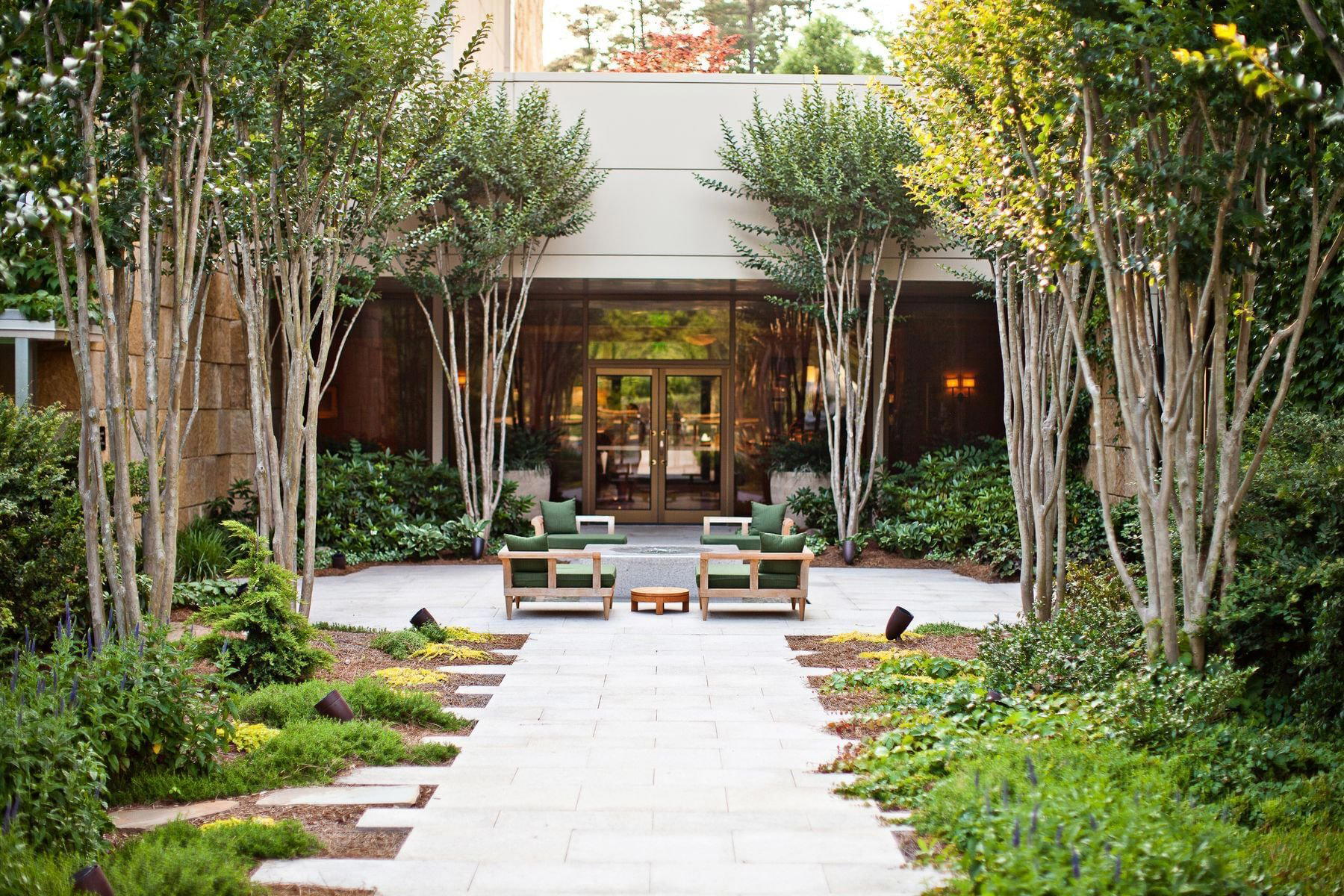
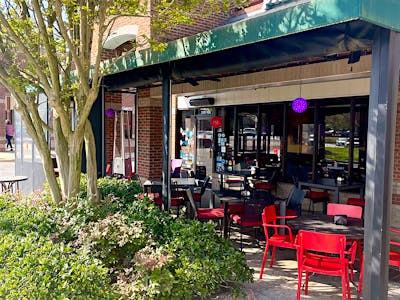
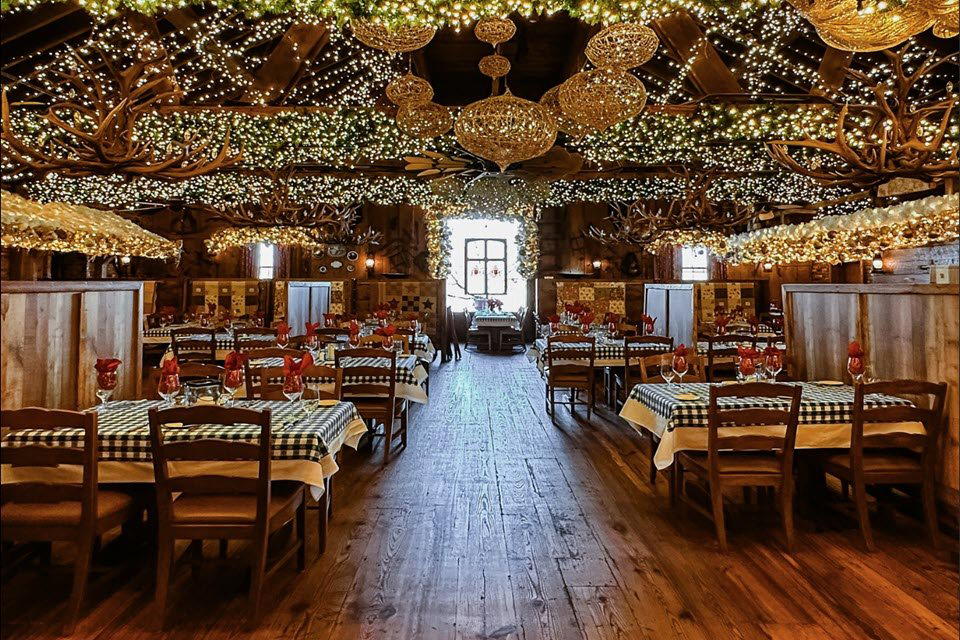
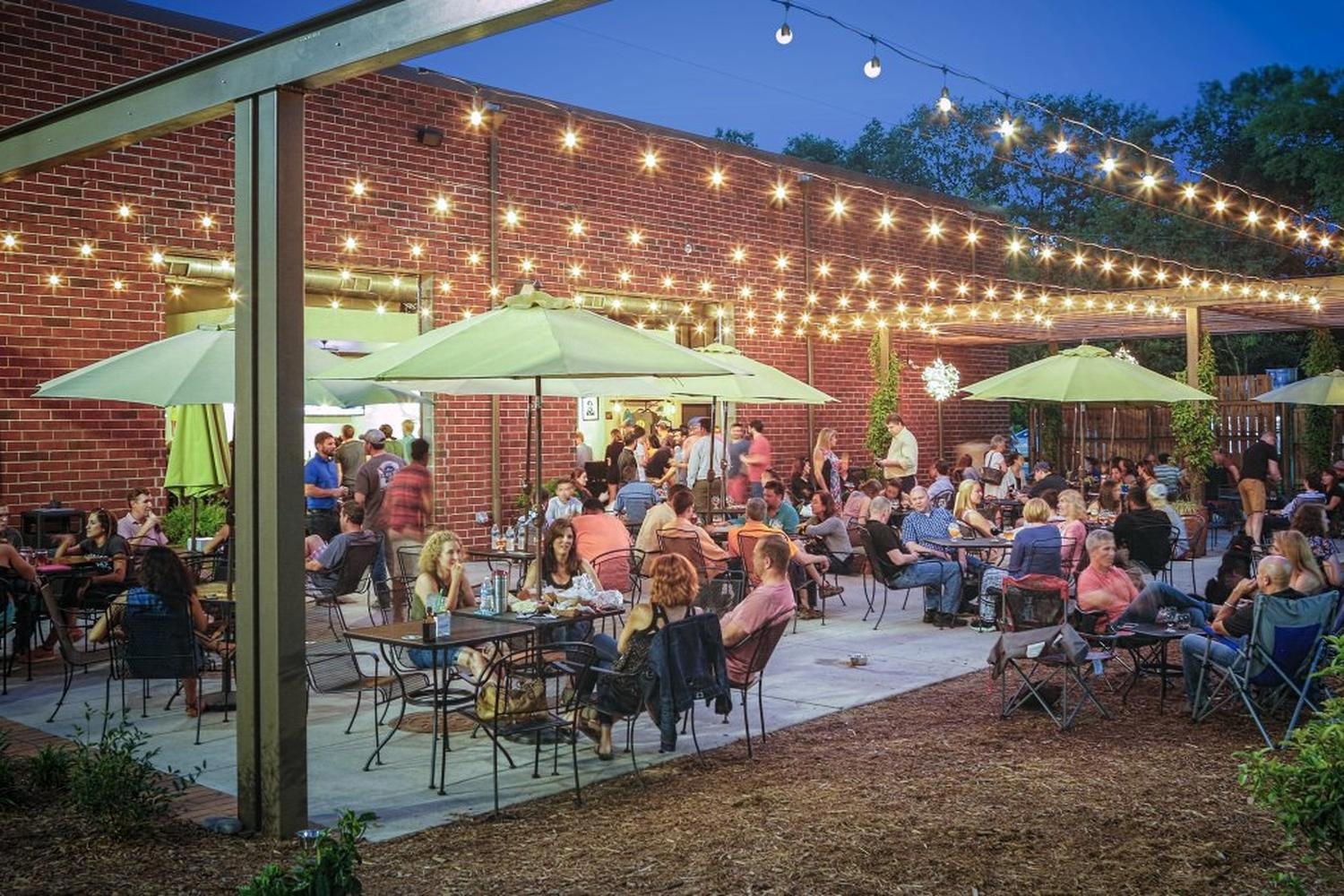
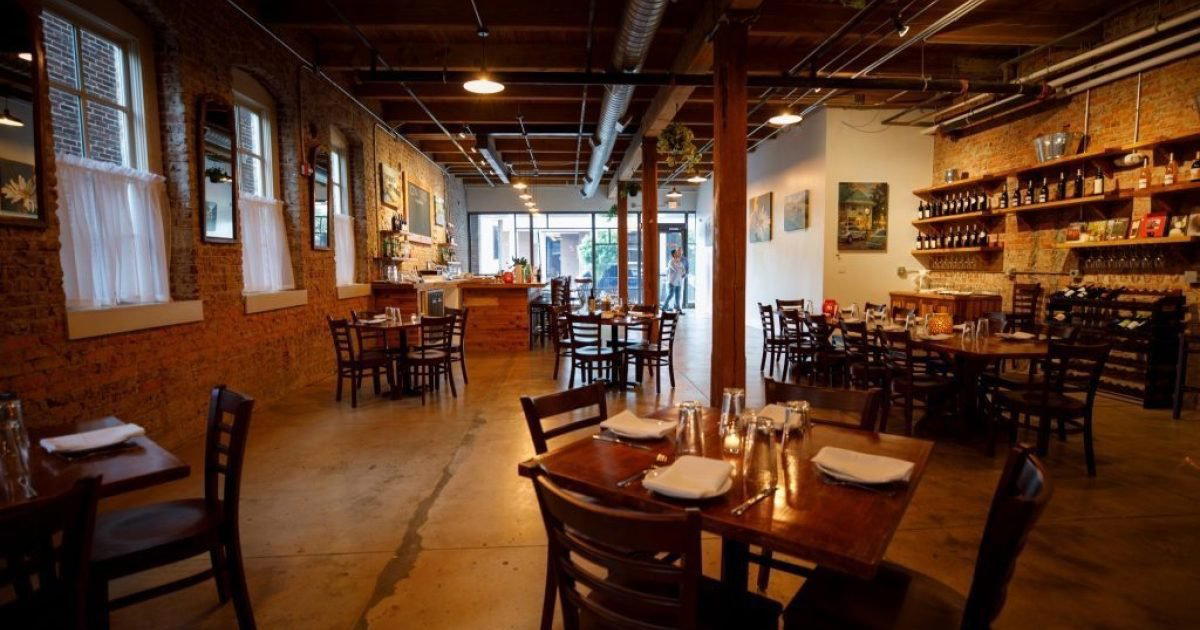
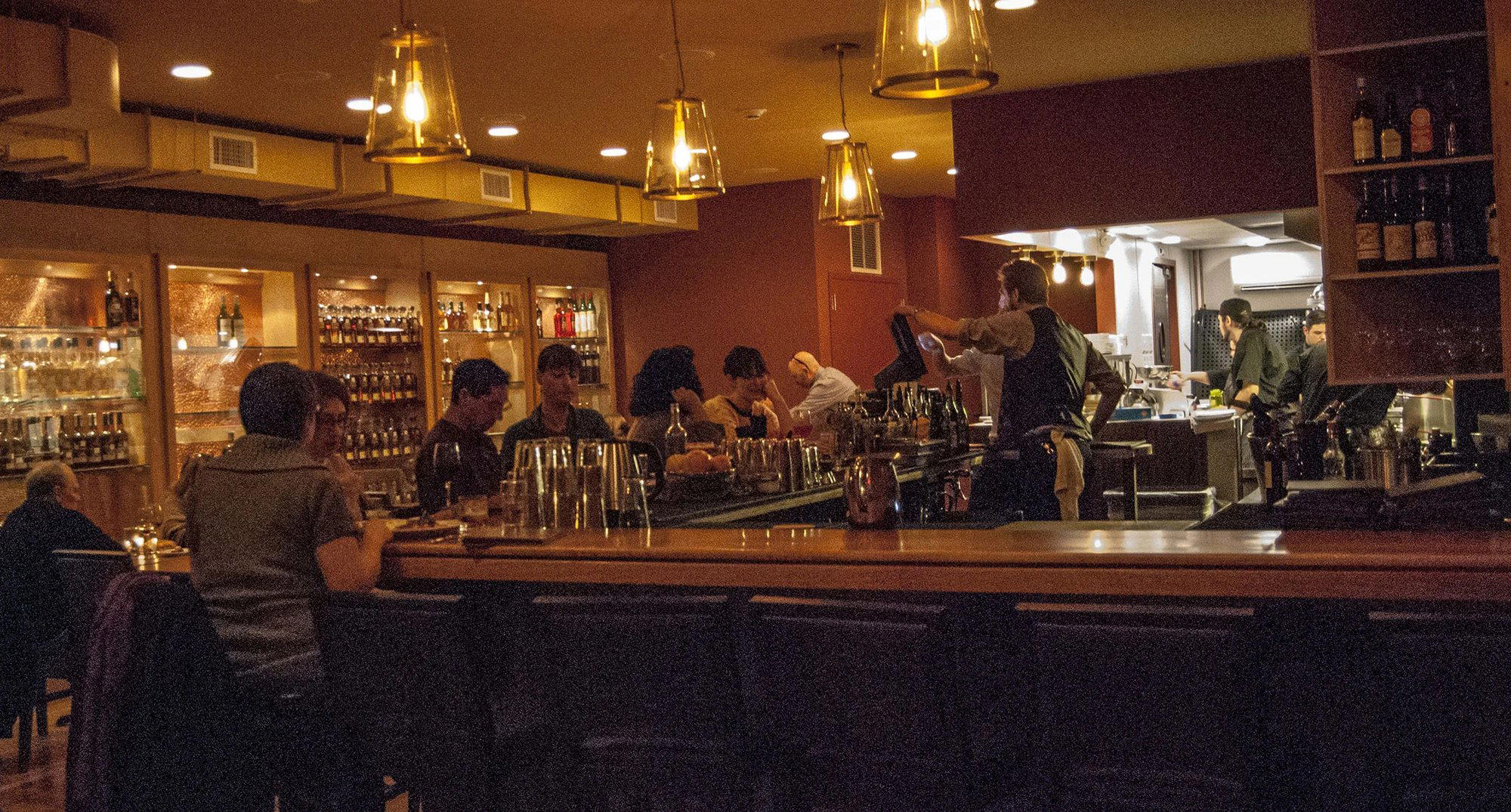
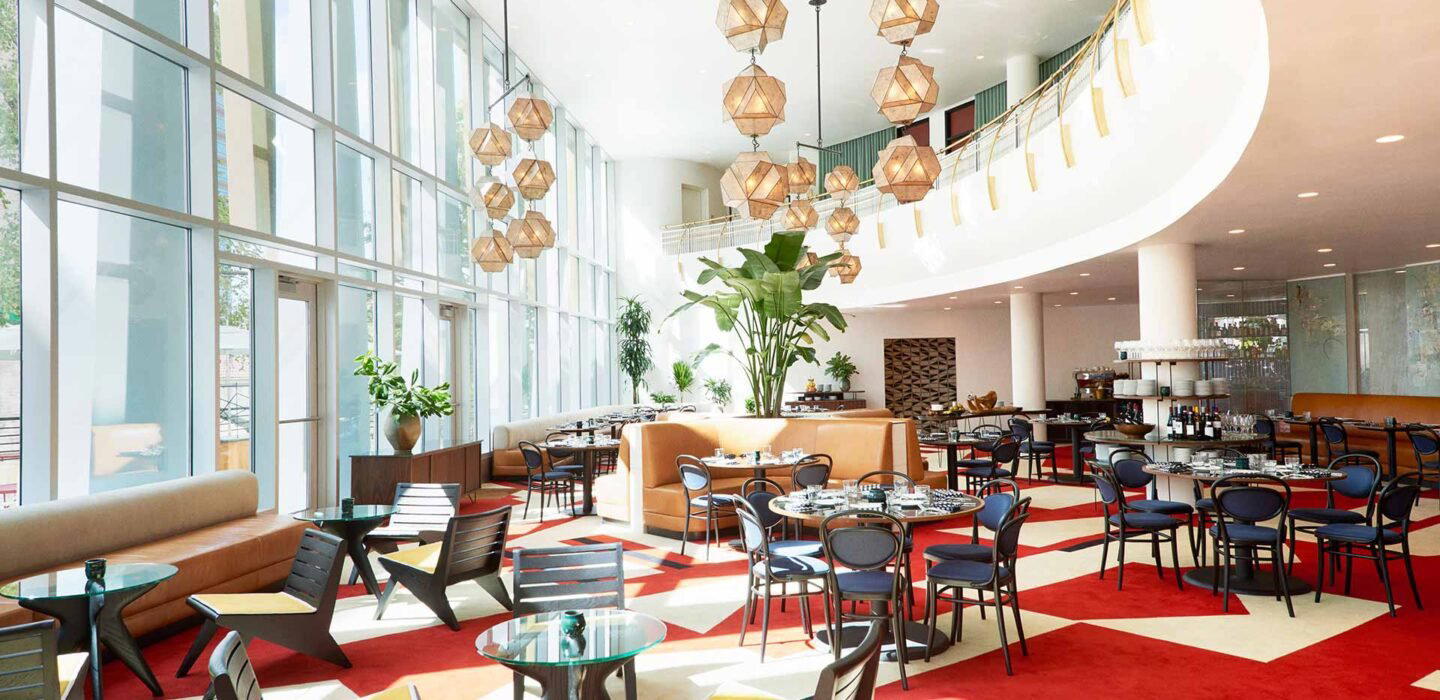
Warm, contemporary atmosphere with genuine hospitality.