Kanki Durham
Our verdict
Teppanyaki in the Triangle: Where Durham Eats Around the Grill There is a particular kind of dining ritual that American Japanese steakhouses have made their own, and it has almost nothing to do with Japan. The teppan counter, where a chef works...

Pearl is the En Primeur Club membership app — saves, bookings, and concierge access live there. Same editors, same standards.
- Address
- 3504 Mt Moriah Rd, Durham, NC 27707
- Phone
- (919) 401-6908
- Hours
- Mon–Thu 4:30–9 PMFri–Sat 11:30 AM–9:30 PMSun 12–9 PM
- Website
- kanki.com
- Directions
- Get directions
- Booking
- Book on the venue's website
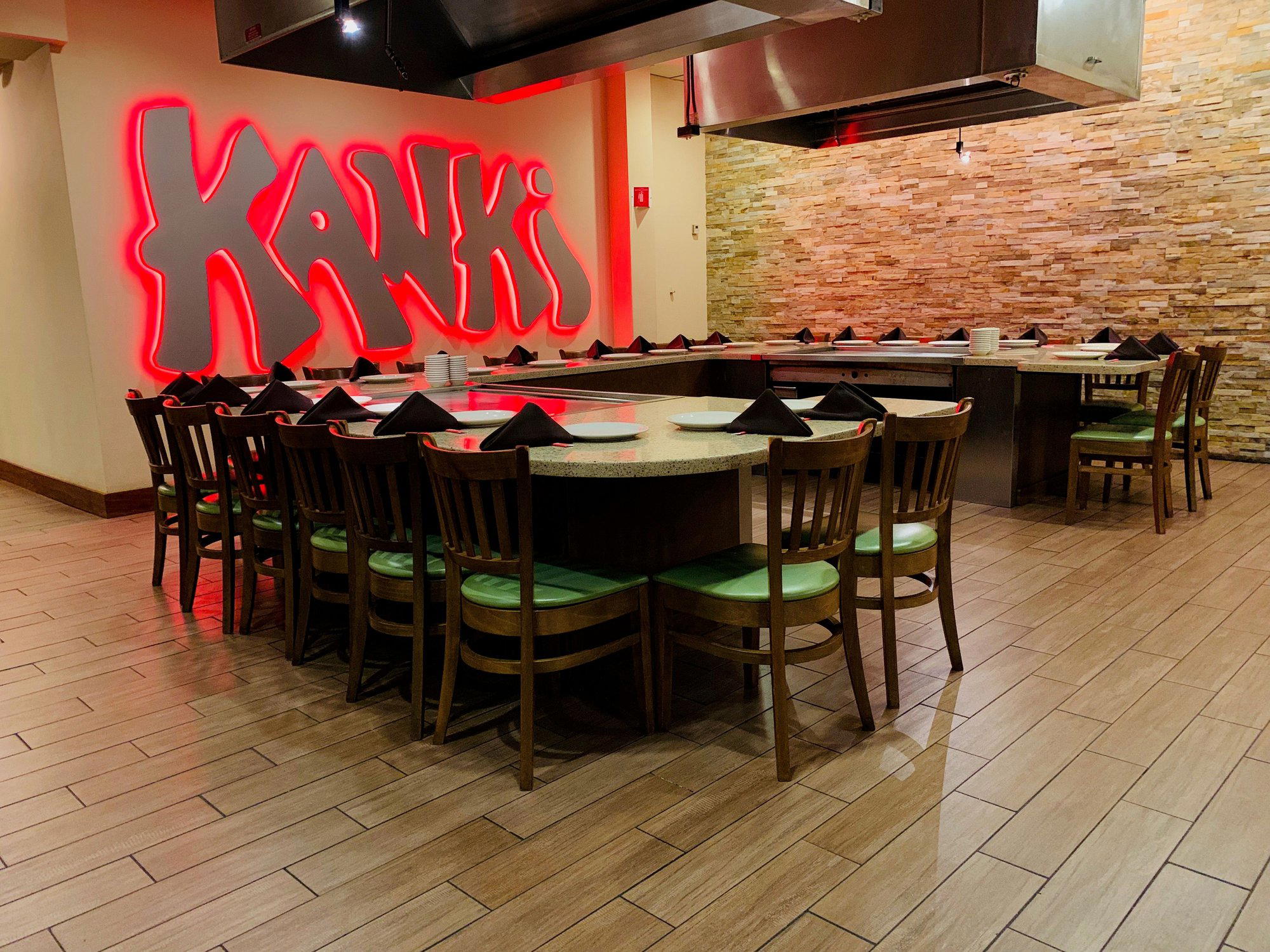
Teppanyaki in the Triangle: Where Durham Eats Around the Grill
There is a particular kind of dining ritual that American Japanese steakhouses have made their own, and it has almost nothing to do with Japan. The teppan counter, where a chef works a flat iron griddle at close range while a table of strangers gradually becomes a shared audience, is a format that took root in the United States during the 1960s and grew into a genuine regional dining tradition. In the Research Triangle, that tradition has a long local chapter, and Kanki has been part of it at its Durham location on Mt Moriah Road for years. The address, 3504 Mt Moriah Rd, Durham, NC 27707, sits in a part of the city where casual-to-mid-range dining dominates, a corridor that sees families, university crowds, and post-game groups rather than the reservation-chasing tasting-menu circuit.
The Format First: What the Teppan Ritual Actually Demands
The teppanyaki format rewards a specific kind of dining patience. Meals are communal by design. You are seated with other parties at the same large griddle table, and the experience is paced around the chef's performance rather than your own hunger. This is not incidental to the meal; it is the meal. The sequence typically runs from soup and salad through appetizer courses, a protein main cooked to order on the open griddle, and a starch component, all executed in front of diners in real time. The social contract here differs from a standard restaurant visit: you will likely speak to strangers, you will watch your food being prepared rather than receiving it plated from a kitchen, and the energy of the table shapes how the evening feels. For a city like Durham, where newer openings such as Coarse (Modern British) and Convivio operate on quieter, more composed registers, Kanki occupies a different social frequency entirely.
That contrast matters when reading the Durham dining scene. The city has developed a strong cohort of chef-driven, ingredient-focused rooms, represented locally by spots like Barsa and Bleu Olive, which operate with more restrained, precision-oriented formats. Kanki pitches itself at a different occasion entirely: group celebrations, birthday dinners, family milestones. The teppanyaki format is structurally suited to those events because the performance element gives the table a shared focal point that does the work of holding a diverse group together.
The Dining Ritual in Practice
American teppanyaki has its own choreography, and experienced diners know the rhythm. The chef arrives, assesses the table, and the cooking begins in a particular order. Proteins are staged: lighter items first, the primary protein saved for the center of the performance. The griddle temperature, the timing of each component, and the interaction between chef and table all contribute to a pace that runs longer than most casual dinners. Plan for ninety minutes to two hours if the room is operating at capacity. That extended timeline is not a flaw in the format; it is the format. Groups that arrive expecting a quick turnaround tend to experience it differently than those who treat it as the evening's main event.
Across the broader category, the proteins most central to the teppanyaki experience in American restaurants of this type are beef, chicken, seafood, and combinations thereof. The cooking approach, butter and oil on a very hot flat surface with high-heat searing, produces results that reward direct seasoning. The fried rice component, typically cooked at the table using residual heat and ingredients from earlier in the meal, has become a signature element of the format in its American iteration. These are not subtle techniques, but they are consistent ones, and a skilled teppan chef executing them cleanly gives the table a reliable, repeatable experience.
This kind of repeatability is part of why American teppanyaki restaurants have built generational loyalty in their markets. The ritual is familiar, which is precisely its appeal. Families return for the same occasions, year after year, and the experience is anchored in memory rather than novelty. For comparison, the high-concept tasting-menu format at destinations like Lazy Bear in San Francisco or Alinea in Chicago operates on the opposite logic: novelty and transformation are the point. Teppanyaki occupies a different cultural register, one where consistency and ceremony outrank surprise. Similar dynamics play out at beloved American institutions like Emeril's in New Orleans, where the format creates a reliable ritual for celebratory occasions.
Where Kanki Sits in the Durham Picture
Durham's mid-range dining tier has diversified considerably over the past decade. Cucciolo Famiglia Southpoint anchors the Italian-casual segment, while Greek-leaning options and fusion spots fill other niches. Against that backdrop, a well-established teppanyaki house occupies its own lane with limited direct competition locally. The format itself is the differentiator: no other Durham restaurant type asks you to eat around a communal griddle while watching your food cooked live. That structural distinction creates a durable position in the market regardless of shifts in ingredient sourcing or seasonal menus. For a broader sense of where Kanki fits in the city's full dining range, our full Durham restaurants guide maps the scene across price points and cuisine types.
At the other end of the American dining spectrum, destinations such as The French Laundry in Napa, Le Bernardin in New York City, Providence in Los Angeles, Blue Hill at Stone Barns in Tarrytown, Addison in San Diego, The Inn at Little Washington, Atomix in New York City, Single Thread Farm in Healdsburg, and 8 1/2 Otto e Mezzo Bombana in Hong Kong represent the tasting-menu and fine-dining register where occasion dining operates on entirely different terms. Kanki does not compete in that tier and was never designed to. The comparison is useful only to clarify what kind of dining decision is actually on the table: Kanki is selected for the occasion and the format, not for culinary provocation.
Planning Your Visit
Because venue-specific hours, pricing, and booking details were not available at the time of writing, the practical note here is to contact the restaurant directly before visiting. The Mt Moriah Road address in southwest Durham is accessible by car, and the surrounding area offers direct parking typical of suburban commercial corridors. For groups larger than four, calling ahead is advisable regardless of policy, since teppanyaki tables are sized for communal seating and individual walk-ins may find themselves waiting for a table to fill to capacity before service begins.
Frequently asked questions
What part of town is Kanki Durham in?
Kanki Durham is located at 3504 Mt Moriah Rd, Durham, NC 27707, Durham.
Is Kanki Durham a good option for a group birthday or celebration dinner in the Triangle?
The teppanyaki format at Kanki's Durham location is structured around shared grill tables, which makes it a natural fit for group occasions — the communal seating and tableside cooking give a celebration a built-in focal point that a standard restaurant cannot replicate. Durham's mid-range dining segment has grown considerably over the past decade, but few formats in the Triangle seat a mixed-age group of eight or more around a single shared experience as efficiently as the teppan grill. Contact the Mt Moriah Rd location directly to discuss group reservations and any event arrangements.
What should I order at Kanki Durham?
Kanki Durham operates within the American teppanyaki format, which means the steak and seafood combinations cooked tableside are the main draw. At Durham's Mt Moriah Rd location, the grill-cooked proteins are the structural centre of the meal — sides, rice, and soup typically come folded into the experience. Specific current menu items should be confirmed directly with the restaurant before your visit.
How far ahead should I plan for Kanki Durham?
Teppanyaki restaurants seat multiple parties at shared grill tables, which means peak weekend slots fill faster than a standard restaurant with individual tables. For Friday or Saturday evenings in Durham, contacting the restaurant at least a week in advance is a reasonable baseline. Midweek visits at the Mt Moriah Rd location tend to offer more flexibility.
What's the signature at Kanki Durham?
The defining feature of Kanki Durham is its teppanyaki format: a chef cooks at the grill table in front of seated guests, with the cooking itself functioning as part of the meal's entertainment. This communal, performance-driven structure is the format's signature — and the reason groups tend to return for celebrations and gatherings rather than quiet weeknight dinners.
Can Kanki Durham handle vegetarian requests?
American teppanyaki menus typically include vegetable and tofu preparations alongside the standard meat and seafood options, and the grill format accommodates ingredient substitutions more readily than a kitchen-only restaurant. That said, specific vegetarian options at the Durham location should be confirmed when booking, since menus vary and cross-grill contact is a reasonable concern for strict dietary requirements.
Should I splurge on Kanki Durham?
Kanki Durham sits in the mid-range tier of Durham dining rather than at the top of the price spectrum, making it a reasonable choice for group occasions where the communal teppanyaki format adds value beyond the food itself. It is not a fine-dining outlay, but the per-person cost at teppanyaki restaurants generally runs higher than casual dining given the theatre-plus-meal structure. Confirm current pricing with the Mt Moriah Rd location directly.
Category Peers
Comparable venues nearby, for context on price, style, and recognition.
| Venue | Cuisine | Price | Notes |
|---|---|---|---|
| Kanki DurhamThis venue — the venue you are viewing | Japanese Hibachi Steakhouse & Sushi | $20–30 | Not listed |
| Lucky's Delicatessen | New Jersey-Style Deli | Not listed | Downtown Durham |
| Dashi Ramen and Izakaya Cocktail Bar | Japanese Ramen and Izakaya | $20–30 | Downtown Durham |
| Convivio | Authentic Italian | $50–100 | downtown |
| Tataco | Modern Mexican Taqueria | $20–30 | downtown |
| Mothers & Sons | Regional Italian Trattoria | $30–50 | downtown |
Details
- Lively
- Classic
- Well Known
- Group Dining
- Family
- Celebration
- Special Occasion
- Open Kitchen
- Chefs Counter
- Beer Program
- A La Carte
- Family Style
- Beer
- Sake
- Vegetarian Friendly
- Allergy Accommodating
Current opening hours
- Monday
- 4:30–9 PM
- Tuesday
- 4:30–9 PM
- Wednesday
- 4:30–9 PM
- Thursday
- 4:30–9 PM
- Friday
- 11:30 AM–9:30 PM
- Saturday
- 11:30 AM–9:30 PM
- Sunday
- 12–9 PM
Hours can change for holidays and private events. Last verified .
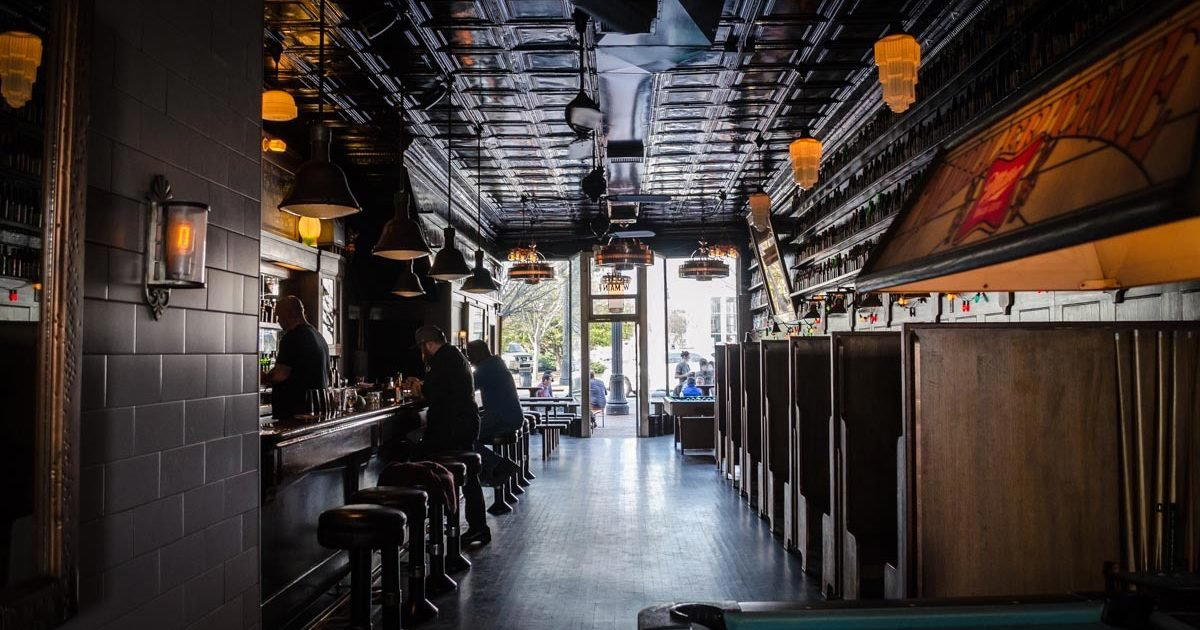
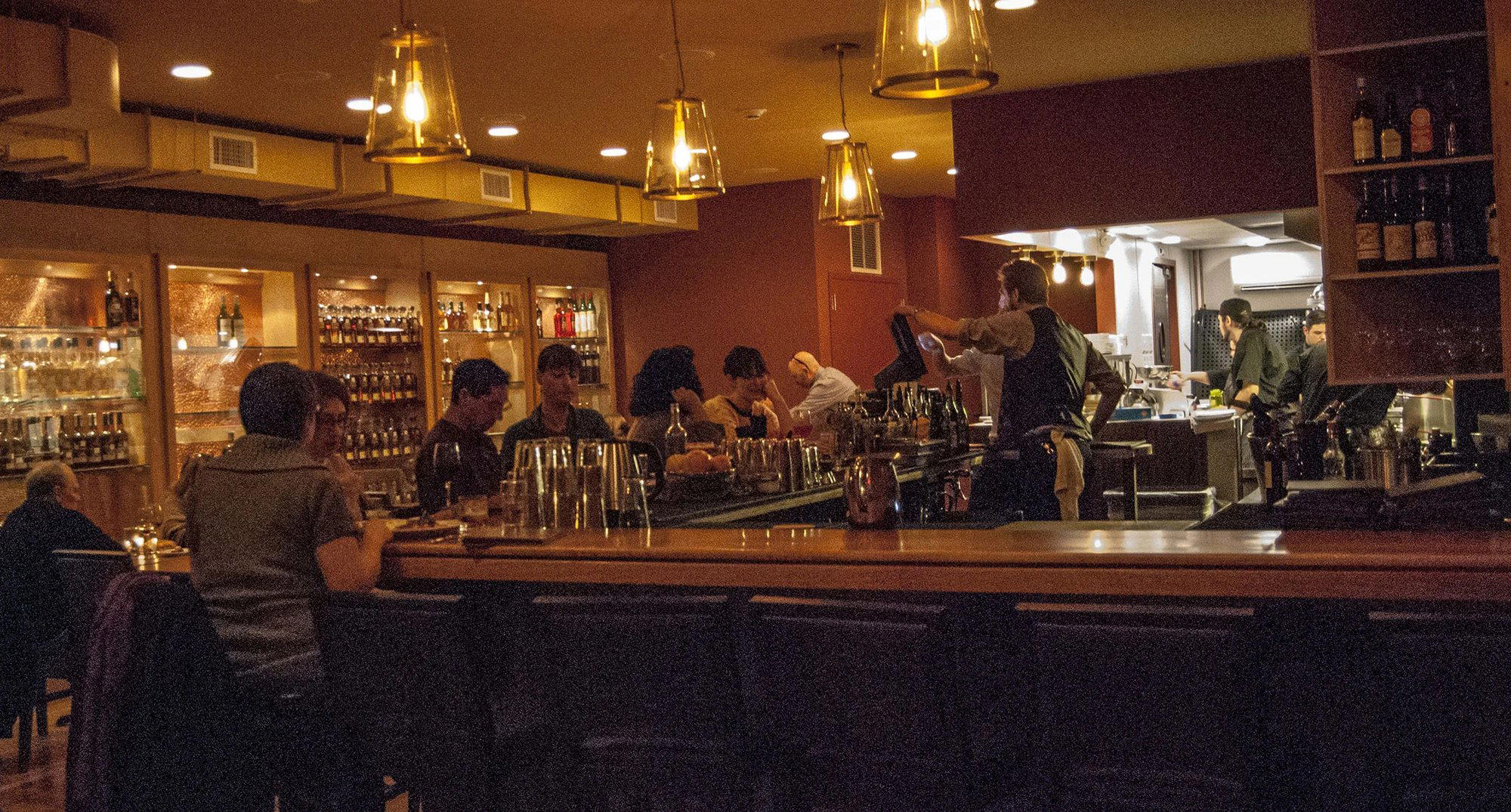
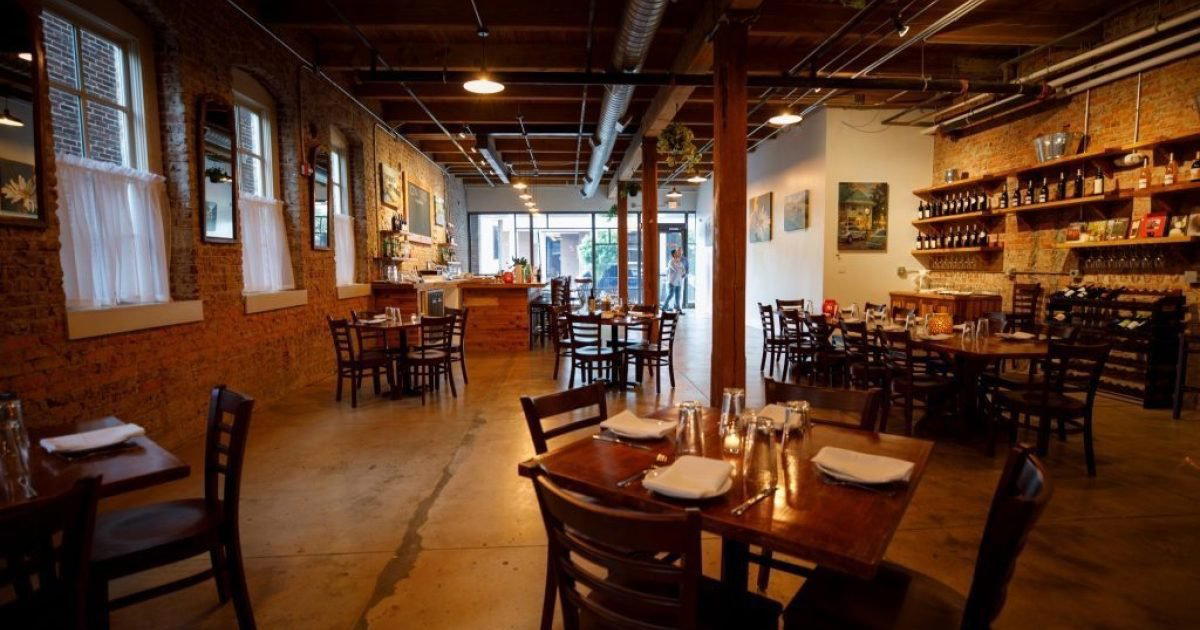
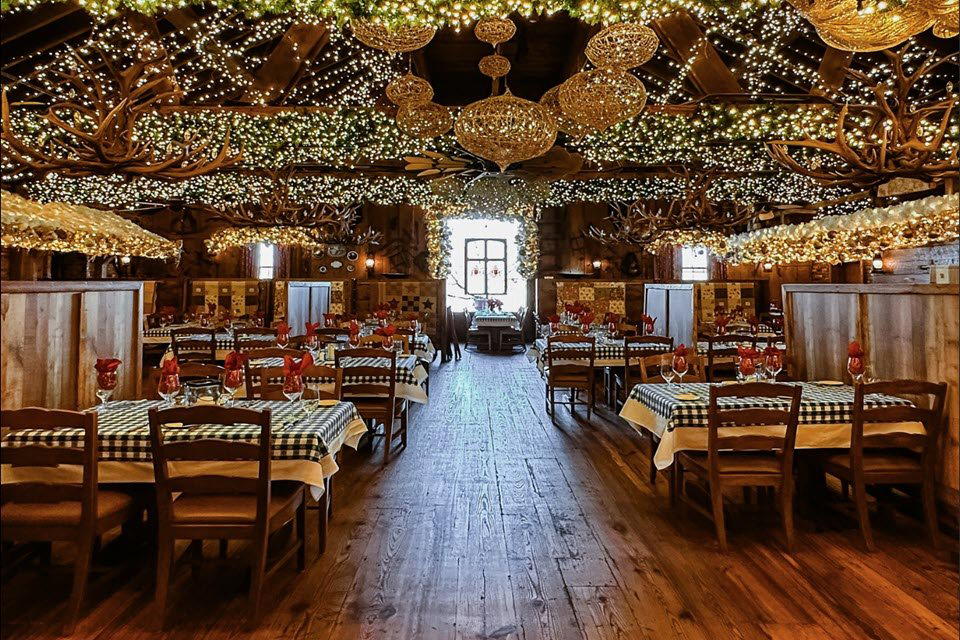
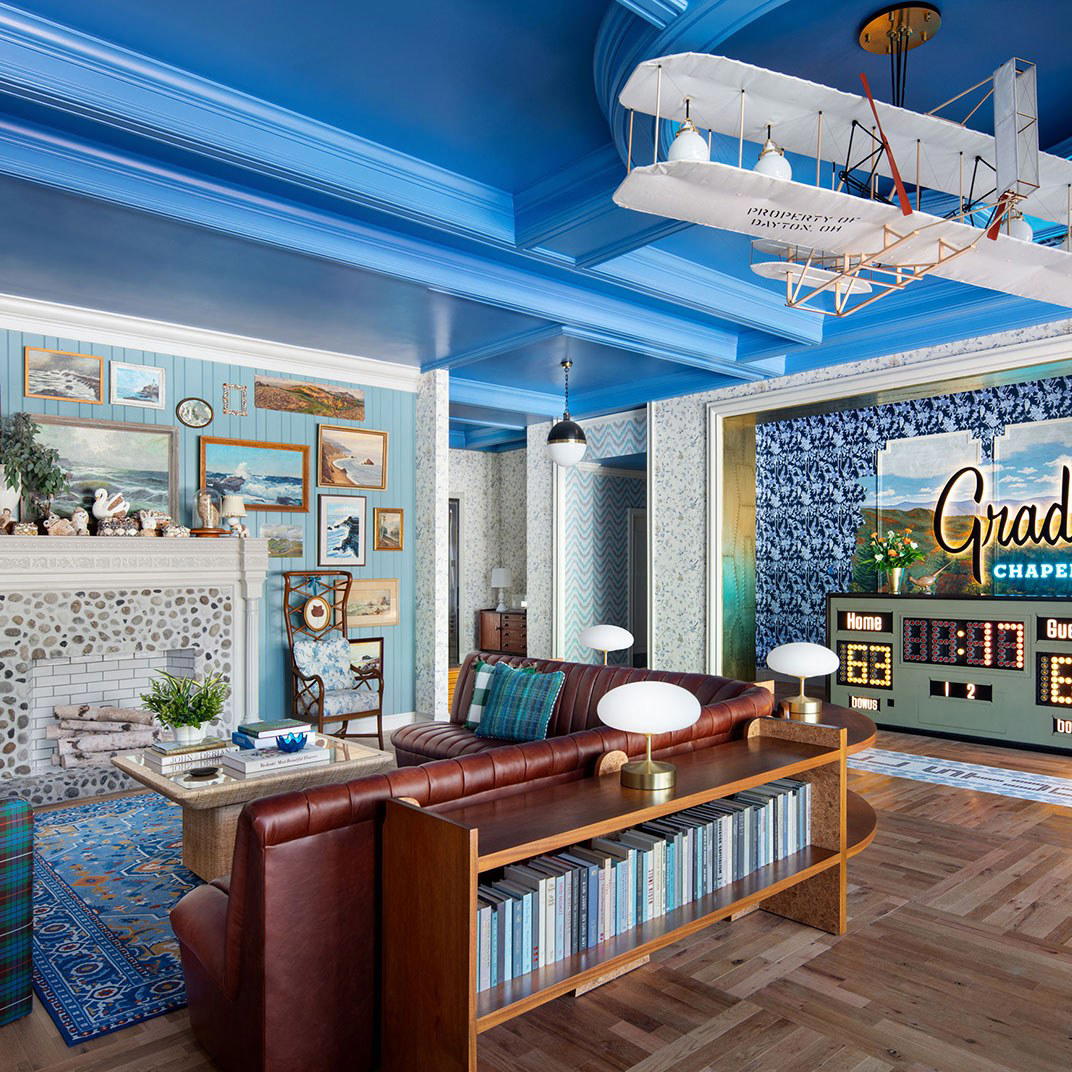
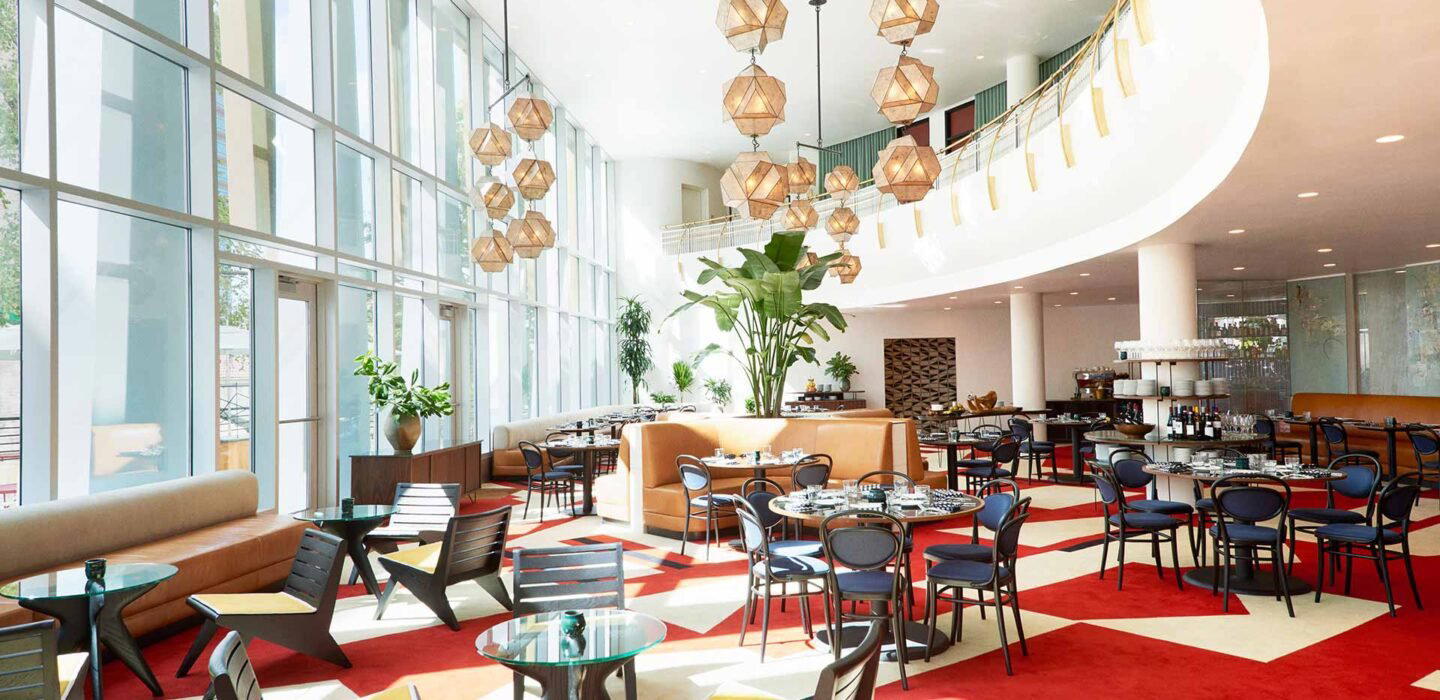
Warm and inviting with stained glass decor, aquarium features, and a lively bar area; energetic atmosphere enhanced by the theatrical cooking show at each table.