Oxbow 7
Oxbow 7 occupies a Walker Street address in downtown Houston, a city whose restaurant scene has grown into one of the most culturally layered in the American South. The venue sits at a moment when Houston dining is asking harder questions about sourcing, waste, and what ethical hospitality actually looks like in practice. For travelers tracking that shift, it belongs on the shortlist.
- Address
- 1121 Walker St, Houston, TX 77002
- Phone
- +17134876137
- Website
- oxbow7.com
- Directions
- Get directions
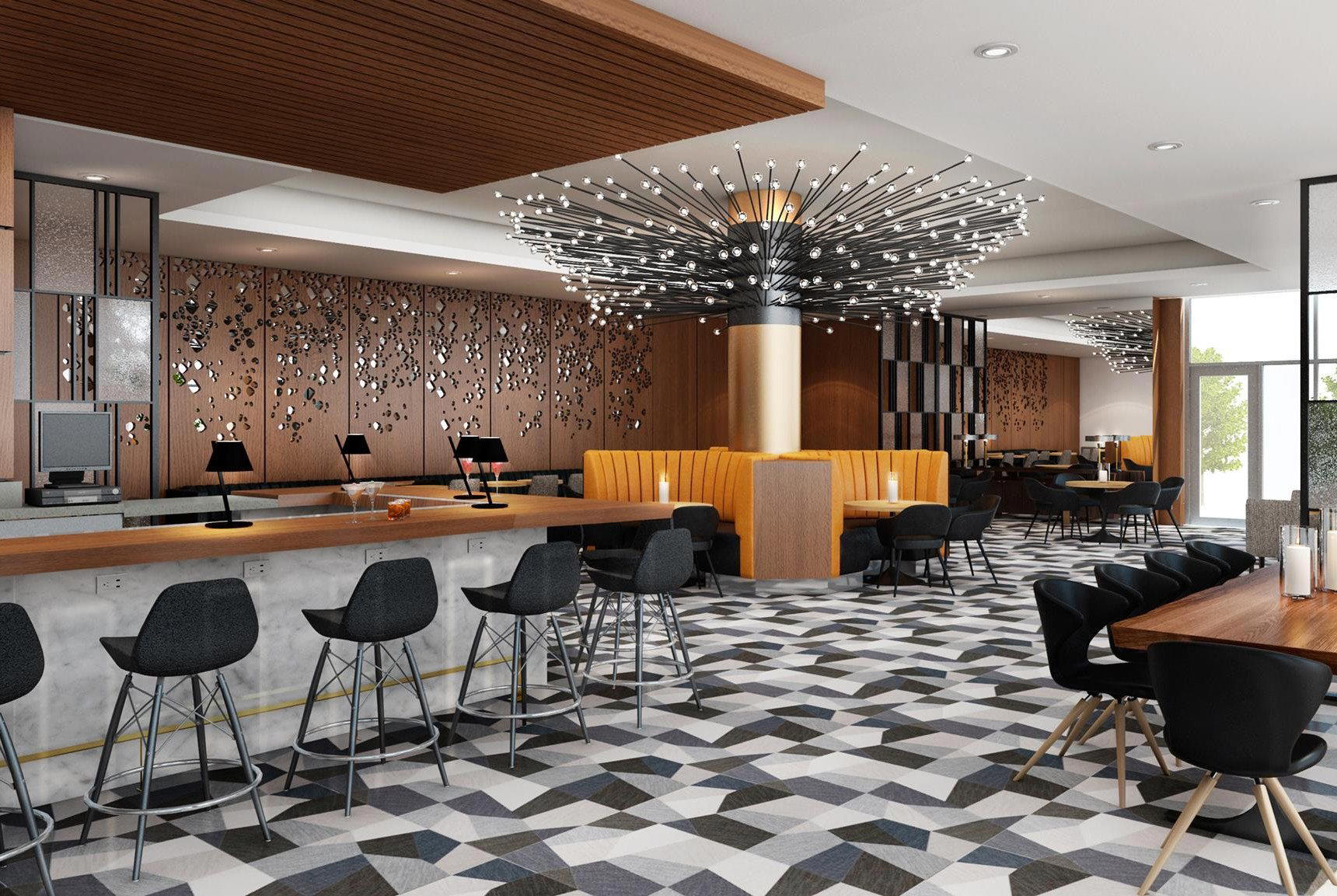
Downtown Houston and the Ethics of the Table
Walker Street runs through the core of downtown Houston, a corridor that has absorbed successive waves of civic ambition and commercial reinvention. The buildings here carry that history in their facades, and the restaurants that have taken root in recent years reflect something the city has been working through for more than a decade: how to build a serious dining culture that isn't simply importing the priorities of New York or San Francisco, but arriving at its own conclusions. Oxbow 7, at 1121 Walker St, is part of that conversation.
Houston's restaurant scene has become one of the most compositionally diverse in the United States, a product of the city's size, its immigrant communities, and a local appetite for eating that runs across every price tier. The venues that have attracted sustained critical attention, from March with its Venetian framework to Musaafer's architecturally serious Indian cooking, share a willingness to commit to a defined culinary identity rather than hedge toward crowd-pleasing. Oxbow 7 enters that context at a moment when the city's dining conversation is increasingly turning toward questions of sourcing and environmental accountability.
The Sustainability Shift in American Fine Dining
Across American restaurant culture, sustainability has moved from marketing footnote to structural commitment. Venues like Blue Hill at Stone Barns in Tarrytown built an entire operating model around farm integration and waste reduction, demonstrating that an ingredient-led, low-waste kitchen could hold its own against more classical European formats. SingleThread Farm in Healdsburg took a similar premise and layered in the precision of Japanese hospitality philosophy. Both set a benchmark that other ambitious American restaurants now implicitly price against, whether or not they share the same regional or agricultural context.
In the Gulf South, the conversation around ethical sourcing carries its own texture. Texas has a ranching and agricultural identity that predates the farm-to-table movement by generations, and Houston's proximity to Gulf Coast fisheries gives the city access to seafood supply chains that, when handled with care, can support genuinely low-footprint menus. The question is whether individual venues are building procurement relationships that reflect that potential or defaulting to the same broadline distributors that supply the bulk of the American restaurant industry. The distinction matters, and experienced diners increasingly know how to ask about it.
Restaurants that operate with genuine environmental intent tend to show that commitment in specific, traceable ways: named farm relationships, documented waste diversion percentages, menus structured around whole-animal or whole-harvest use rather than premium cuts and commodity fillers. Lazy Bear in San Francisco and Providence in Los Angeles have both found ways to embed those commitments into their guest-facing narrative without turning the dining room into a lecture. The standard being set, in other words, is not just ecological but communicative: the kitchen's values should be legible through the food itself.
Where Oxbow 7 Sits in This Context
Against that backdrop, Oxbow 7 occupies a position that Houston's food-forward dining community is watching with interest. Downtown Houston has historically been less restaurant-dense than the Montrose or Midtown corridors, which means venues that commit to the address are making a deliberate choice about audience and ambition. The Walker Street location places Oxbow 7 in proximity to the city's professional and arts district activity, a guest profile that tends to reward venues willing to have a point of view.
For direct comparison, Houston's established high-commitment dining venues set the competitive register. BCN Taste & Tradition has built its credibility through Spanish culinary specificity. Le Jardinier Houston operates in the vegetable-forward, French-inflected tier that has become something of a national template for ingredient-conscious fine dining. Tatemó has made masa and its sourcing a central part of its identity in ways that connect culinary technique directly to agricultural ethics. These are the peer references that define what serious commitment looks like in Houston at the current moment.
Nationally, the sustainability conversation in fine dining connects to venues like Addison in San Diego, Alinea in Chicago, and The Inn at Little Washington, each of which has addressed environmental responsibility in different ways, from kitchen garden integration to documented waste reduction programs. Le Bernardin in New York and Atomix have both approached sourcing as an expression of culinary philosophy rather than a compliance exercise. Internationally, venues like 8½ Otto e Mezzo Bombana in Hong Kong demonstrate that the conversation around ingredient provenance and kitchen ethics is not confined to the American context. Emeril's in New Orleans represents an earlier generation of chef-driven, regionally rooted dining that laid groundwork the current wave of sustainability-focused kitchens builds on.
For travelers building a Houston itinerary around restaurants with genuine ethical sourcing commitments, the city's current moment offers more options than it did five years ago. Oxbow 7's downtown address and the broader Walker Street context suggest a venue oriented toward the professional and cultural visitor rather than the neighborhood regular, which shapes both the dining room atmosphere and the expectations around price and format. Our full Houston restaurants guide maps those distinctions across the city's neighborhoods and price tiers.
Know Before You Go
Address: 1121 Walker St, Houston, TX 77002
Phone: Not publicly listed — check the venue directly or via current booking platforms
Website: Confirm current hours and reservation availability through Google or OpenTable prior to visiting
Reservations: Booking method not confirmed; downtown Houston venues at this address tier typically operate via reservation platforms or direct contact
Access: Walker St is accessible by Metro Rail (Main Street Square station is within walking distance of the downtown corridor) and by rideshare; downtown parking garages are available nearby
Awards and Standing
| Venue | Cuisine | Price | Awards |
|---|---|---|---|
| Oxbow 7This venue — the venue you are viewing | Not listed | Not listed | This venue |
| March | Venetian | $$$$ | Michelin 1 Star |
| Musaafer | Indian | $$$$ | Michelin 1 Star |
| Nancy's Hustle | New American, Contemporary | $$ | New American, Contemporary |
| Hidden Omakase | Sushi | $$$$ | Sushi |
| Theodore Rex | New American, Contemporary | $$$ | New American, Contemporary |
Continue exploring
More in Houston
Restaurants in Houston
Browse all →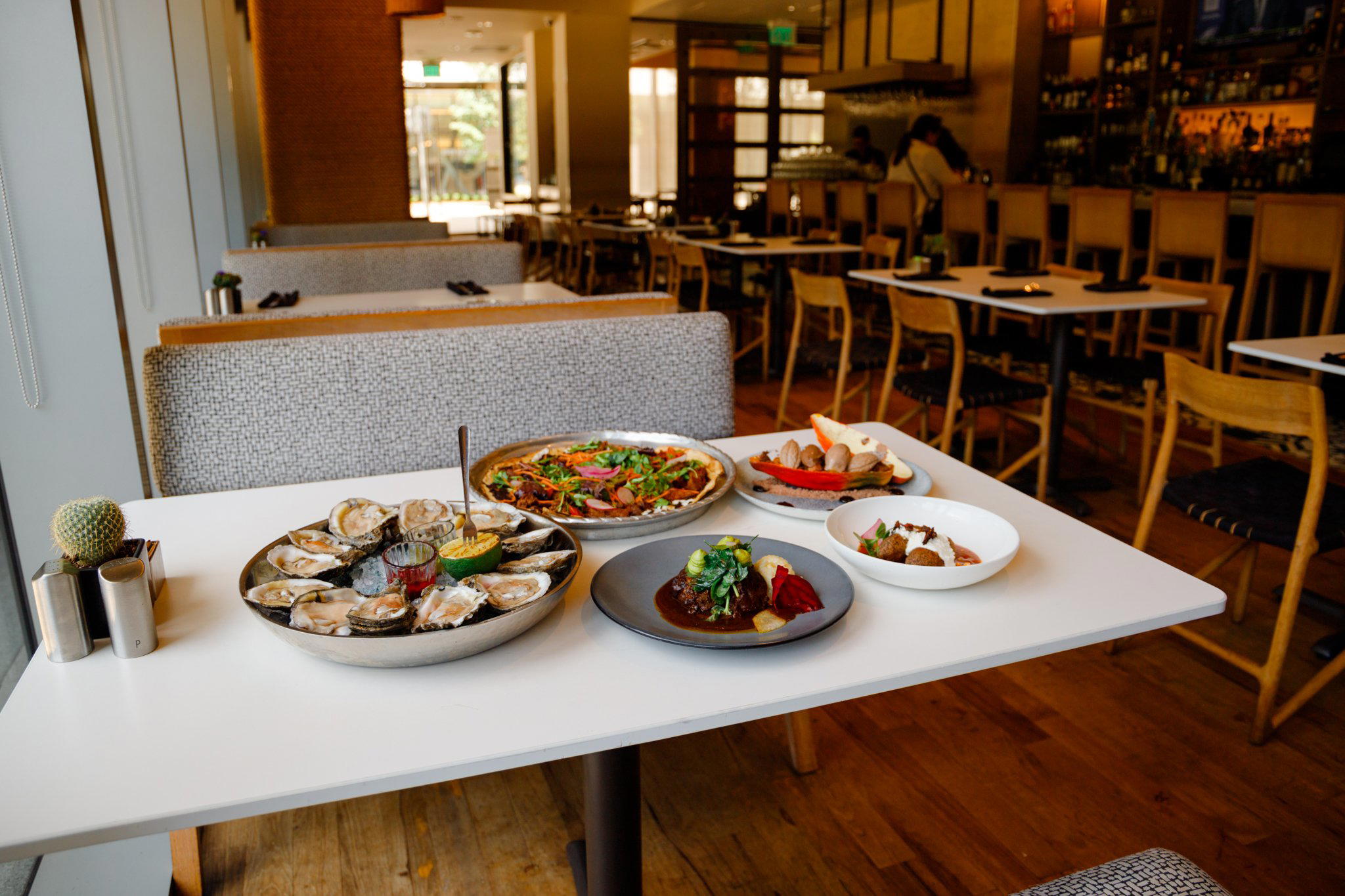
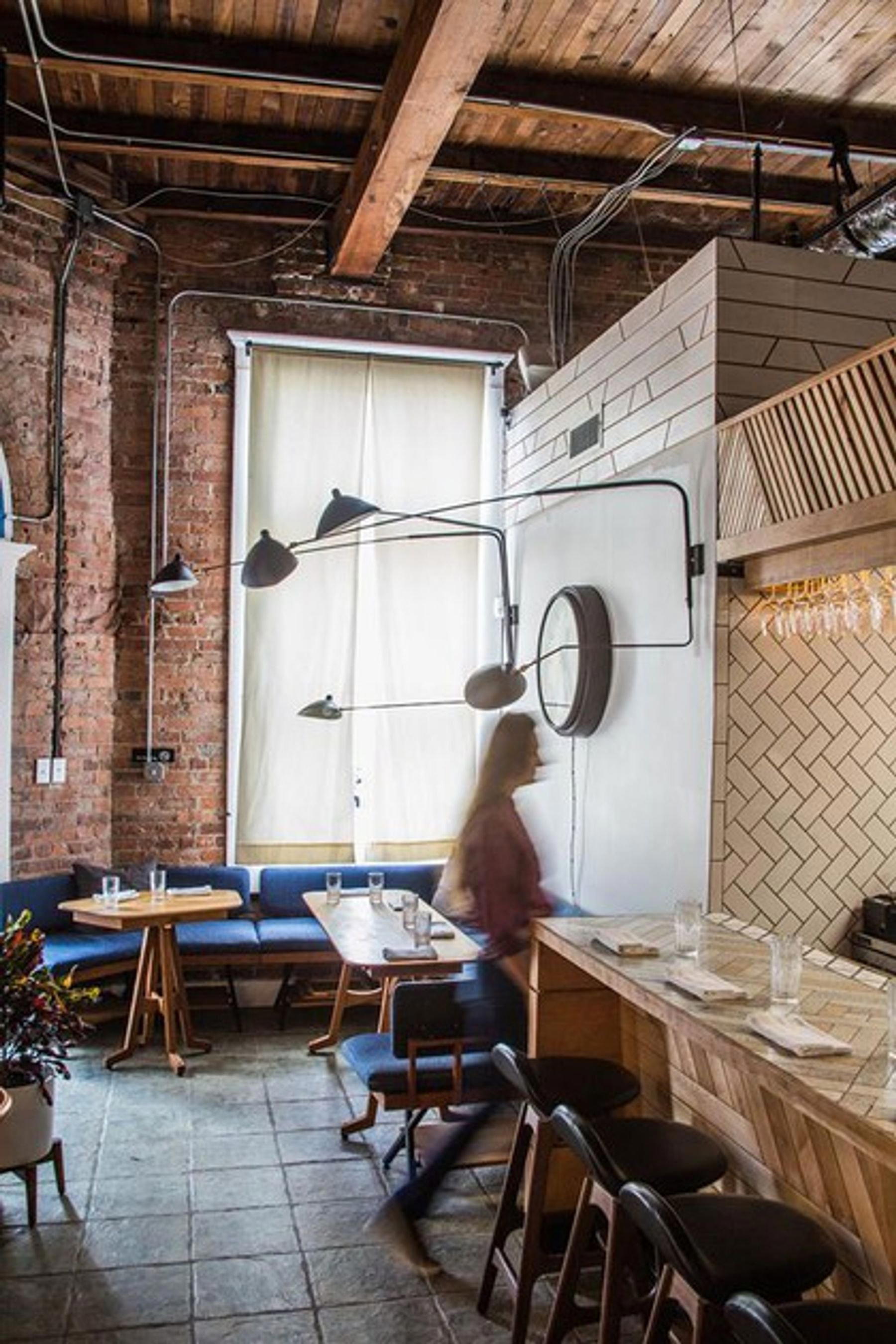
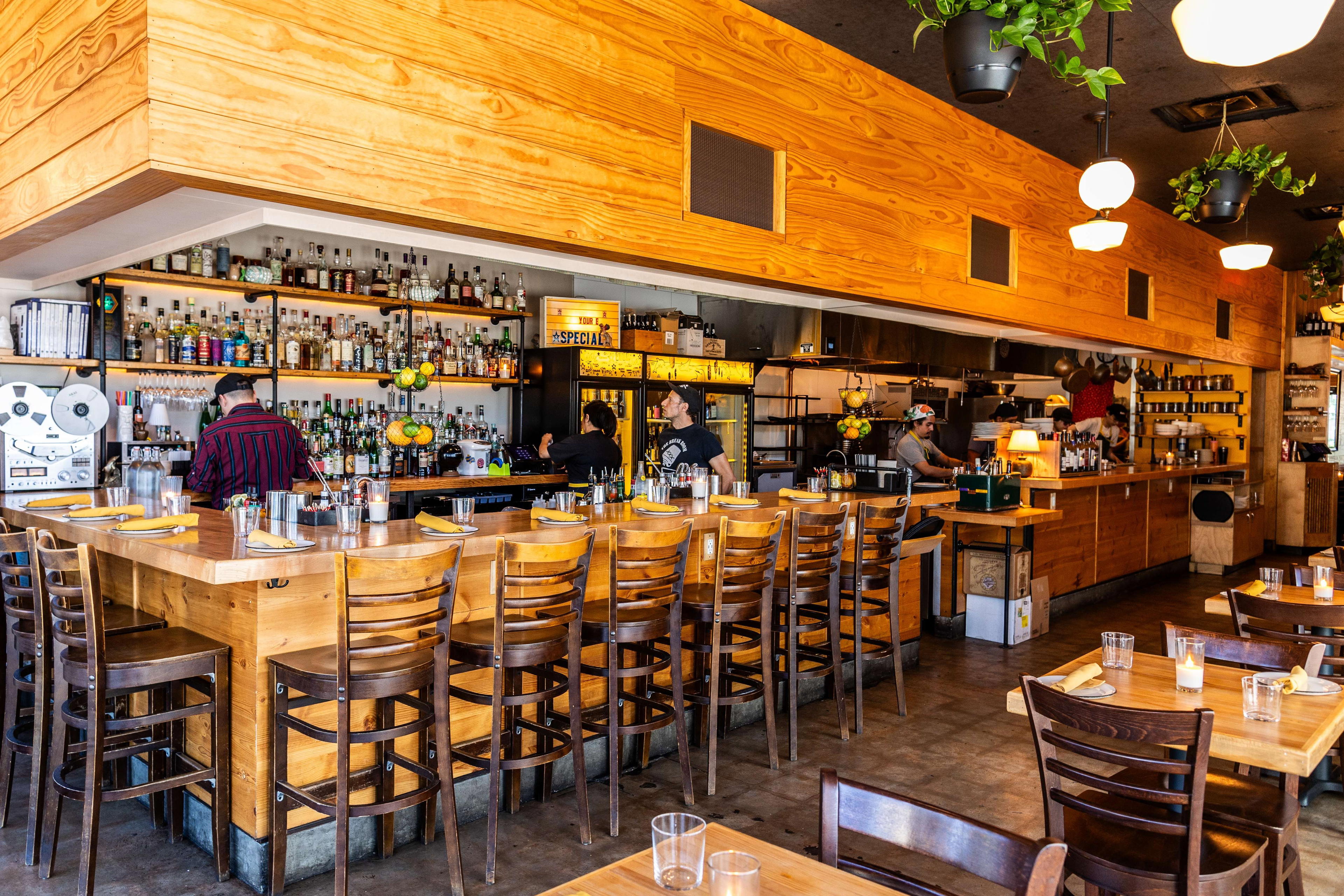
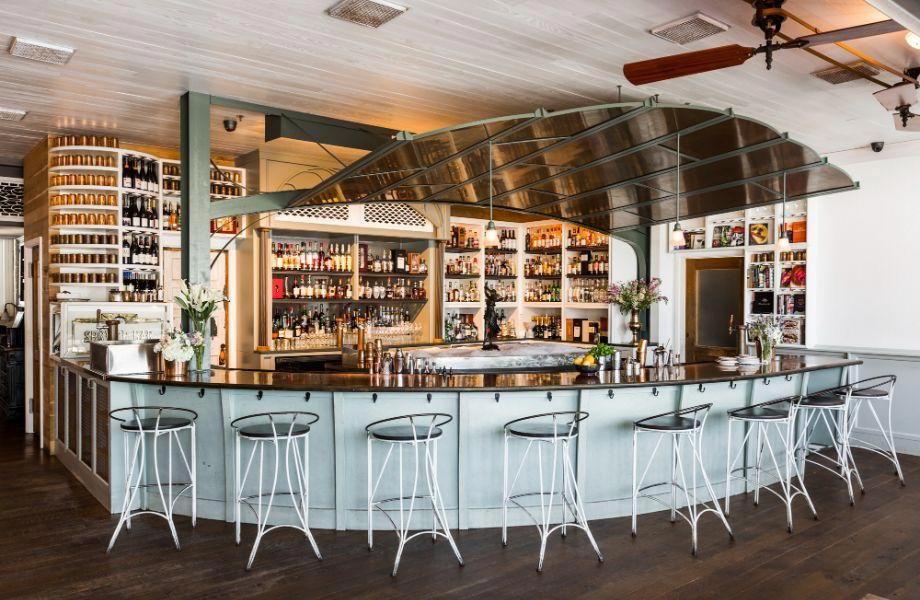
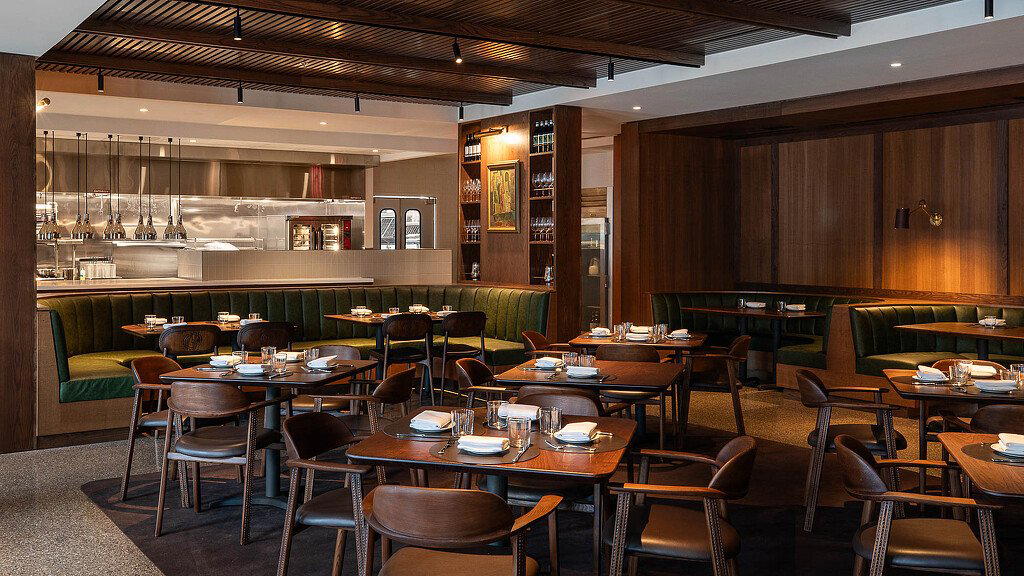
Bars in Houston
Browse all →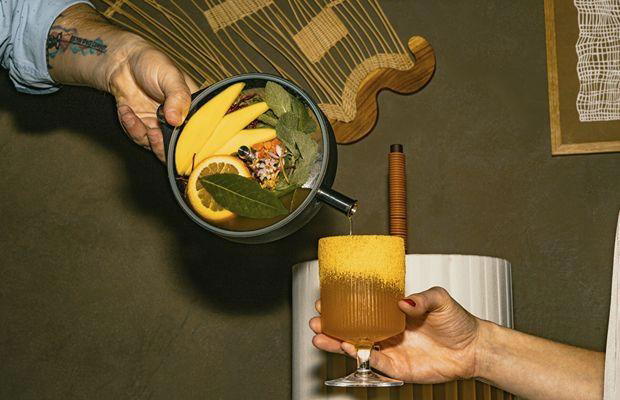
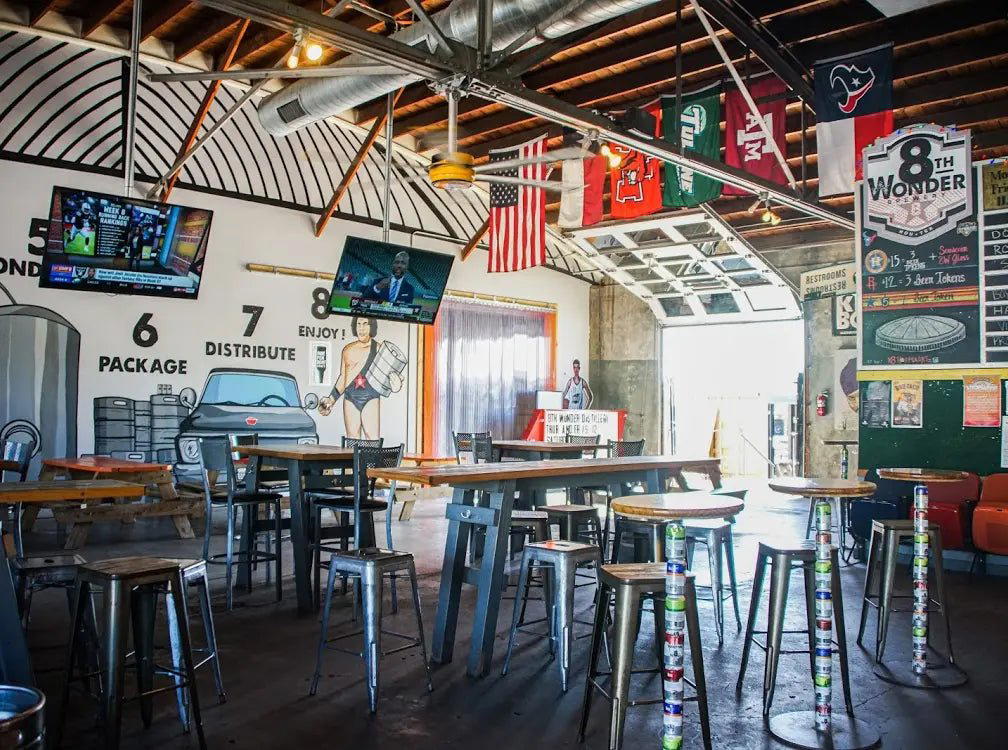
Hotels in Houston
Browse all →
At a Glance
- Modern
- Lively
- Business Dinner
- Special Occasion
- Hotel Restaurant
- Private Dining
- Craft Cocktails
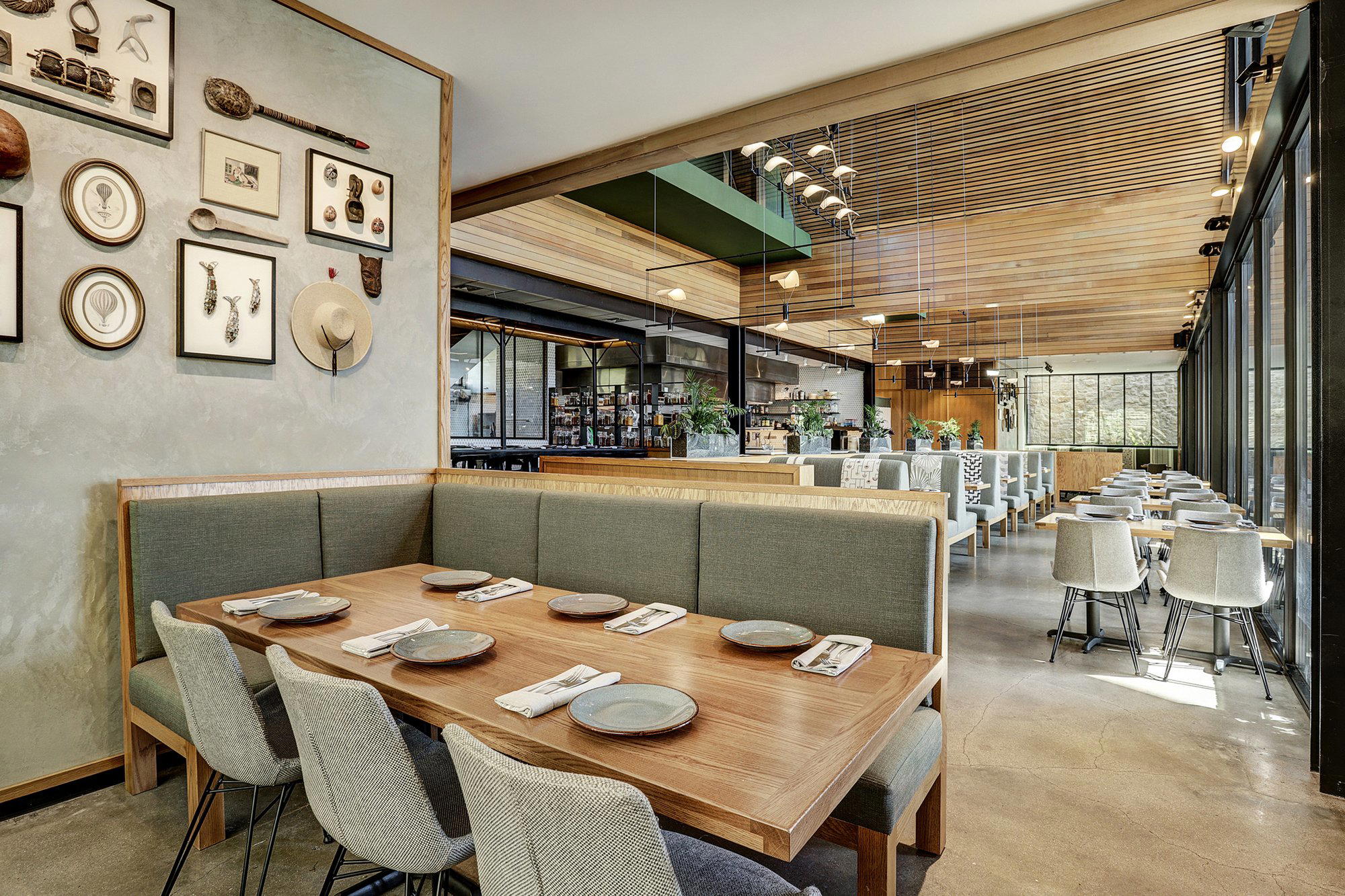
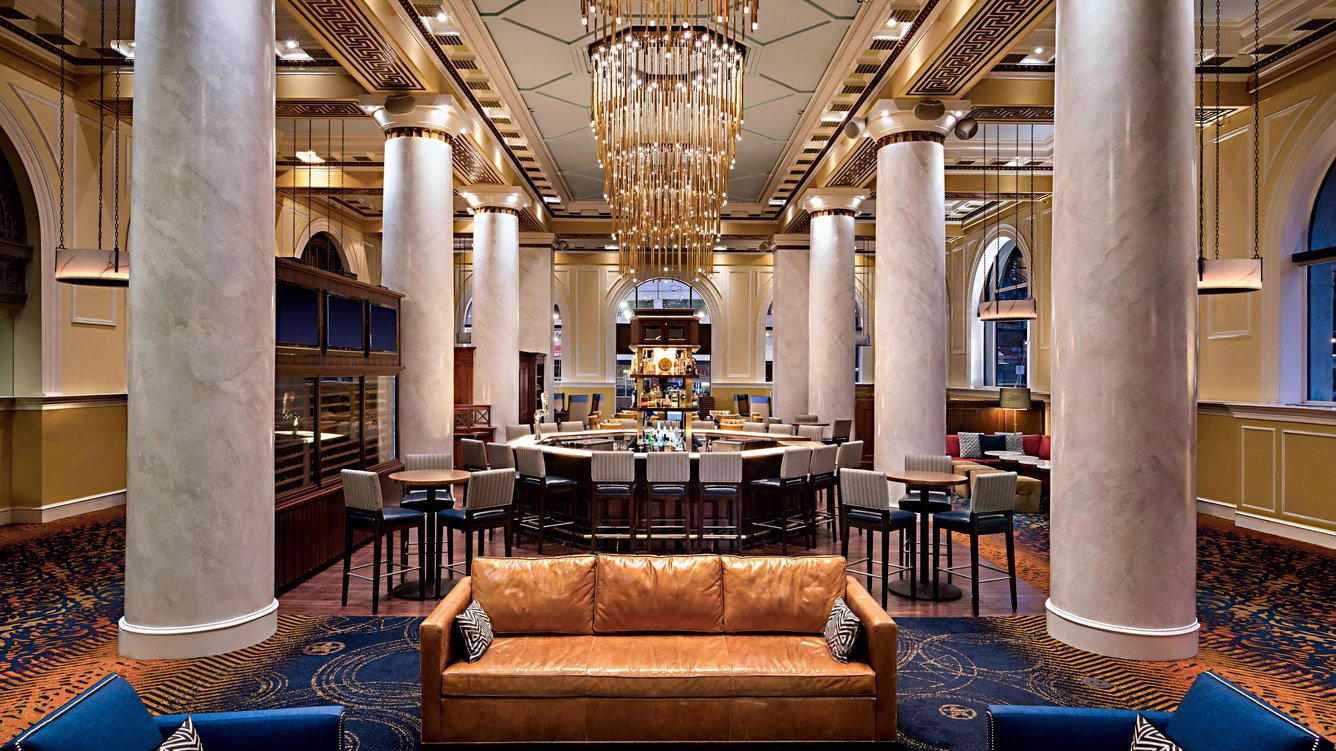
Retro-modern chic interior with lively atmosphere suitable for social gatherings.
Know Before You Go
- Getting there
- 1121 Walker St, Houston, TX 77002