Oud Sluis

Oud Sluis occupied a notable position in European fine dining across the 2000s and early 2010s, appearing continuously on the World's 50 Best Restaurants list from 2006 through 2013 and reaching as high as 17th in the world. Located in the small Zeelandic border town of Sluis, the restaurant drew serious diners from across northern Europe to a setting far removed from any capital-city dining circuit.
Pearl is the En Primeur Club membership app — saves, bookings, and concierge access live there. Same editors, same standards.
- Address
- Groote Markt 9, 4524 CD Sluis, Netherlands
- Phone
- +31 117 462 714
- Website
- hartvansluis.nl
- Directions
- Get directions
 Saves & bookings on Pearl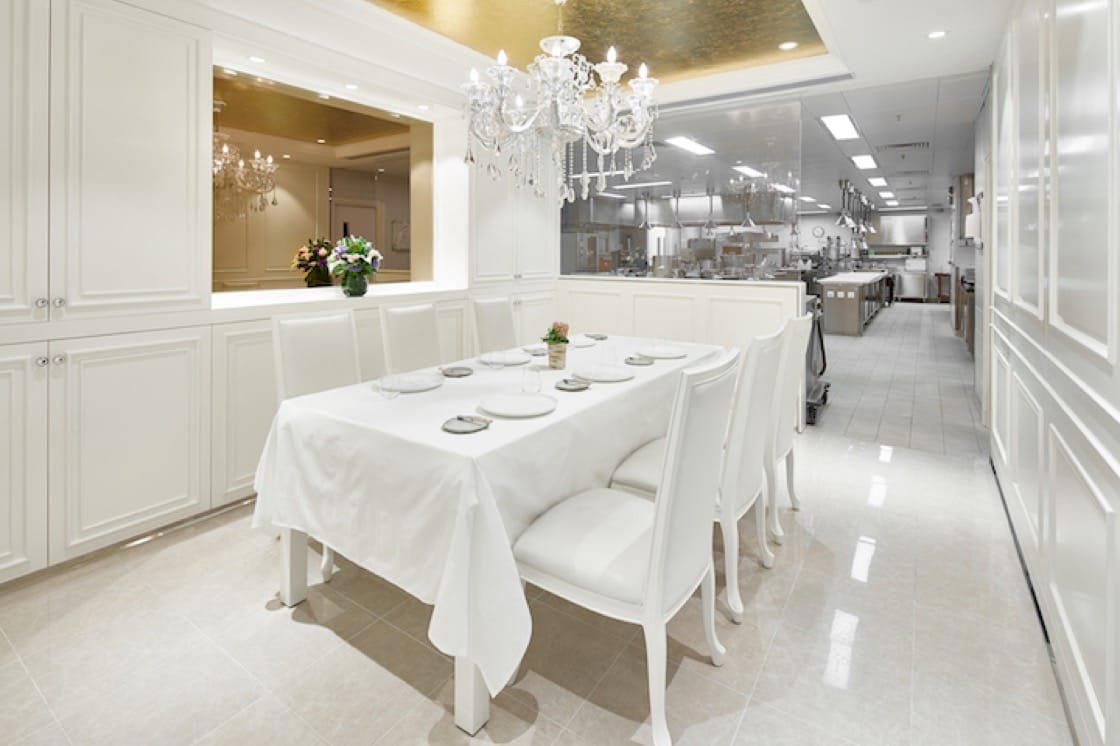
A Border Town That Rewrote the Rules of Dutch Fine Dining
For most of the 2000s and into the early 2010s, serious diners across northern Europe were making a pilgrimage to a town of fewer than 2,000 residents to eat at among the more-discussed restaurants on the continent. Sluis sits at the southwestern edge of the Netherlands, pressed against the Belgian border in the province of Zeeland, a range of flat polders, tidal waterways, and working farmland that supplies some of the richest agricultural produce in the Low Countries. Oud Sluis is a restaurant in Sluis, Netherlands, ranked No. 17 in the World's 50 Best Restaurants in 2011 under chef Toshihiko Furuta.
That argument, at Oud Sluis, was rooted in the land and water immediately surrounding Groote Markt 9. Zeeland's identity as a food-producing region long predates any restaurant culture: its estuaries yield oysters and mussels with a salinity and mineral character distinct from Atlantic-facing competitors, its polders support dairy and livestock at relatively low intensity, and its coastal microclimate extends growing seasons in ways that most Dutch provinces cannot match. A kitchen drawing seriously on those inputs is not performing localism as a concept, it is using the ingredient supply that happens to be the leading available within a short radius.
The 50 Best Arc: Eight Consecutive Years of Global Recognition
The trajectory through the World's 50 Best Restaurants tells a clear story about how the restaurant's standing evolved within the peer group of European fine dining. The first appearance came in 2006 at number 45. Within three years the restaurant had climbed to 19th. The peak came in 2011 at 17th globally, a position that placed Oud Sluis ahead of many restaurants operating in Paris, London, New York, and Tokyo. The final entry was at 35th in 2013, by which point the list had expanded its geographic scope and competition from Scandinavian and Iberian kitchens had intensified. That the restaurant sustained a top-50 position across eight consecutive years, through multiple waves of change in global fine dining, represents a form of consistency that rankings rarely capture as clearly as this one does.
For context within the Netherlands, this placed Oud Sluis in a different tier from peers operating in larger cities. Restaurants such as Ciel Bleu in Amsterdam and De Librije in Zwolle represent the kind of Dutch fine dining that operates from established urban bases with reliable year-round footfall. The restaurant, by contrast, required guests to commit to a journey, from Amsterdam approximately two and a half to three hours by car, from Brussels under ninety minutes, a logistical hurdle that the kitchen evidently cleared with sufficient authority to make the trip worthwhile for enough diners to sustain international recognition across most of a decade.
Zeeland on the Plate: Why Provenance Defined This Kitchen
The editorial angle on the restaurant cannot be separated from Zeeland's ingredient identity. Dutch cuisine has historically been treated as a minor category within European gastronomy, overshadowed by French, Belgian, and German traditions on its borders. What the upper tier of Dutch restaurants, including Inter Scaldes in Kruiningen, itself located in Zeeland, and De Bokkedoorns in Overveen, have demonstrated is that the argument for Dutch fine dining is almost always a terroir argument rather than a technique argument. The techniques may be international; the supply chain is emphatically local.
In Zeeland specifically, the shellfish case is one obvious one. Zeelandic oysters are among the more consistently traded premium oysters in the European wholesale market, reaching restaurants from Copenhagen to Madrid. Using them in a kitchen twelve kilometres from the beds they came from is a different proposition entirely from importing them to a capital city. The same logic applies to Zeeland's saltwater lamb, grazed on sea-clay polders where grass growth is influenced by tidal flooding, an ingredient with a specific flavour profile that has no direct equivalent elsewhere in the Netherlands. A kitchen in Sluis has access to these inputs at a freshness and price point that a kitchen in Amsterdam structurally cannot match.
Chef Toshihiko Furuta brought a perspective to these materials that placed the restaurant in an interesting position within the broader European fine dining conversation of the period: a Japanese-trained sensibility applied to an intensely Dutch supply chain, at a moment when the fine dining world was increasingly interested in exactly that kind of cross-cultural technical precision meeting hyper-local produce. Comparable trajectories were playing out in other northern European contexts during the same years, but the restaurant established this model in the Dutch context earlier than most.
Positioning Within the Dutch Fine Dining Tier
The Dutch fine dining scene has several distinct geographic clusters. The Randstad cities, Amsterdam, Rotterdam, Utrecht, concentrate the volume. But particularly critically recognised kitchens have operated outside those centres: De Lindehof in Nuenen, Brut172 in Reijmerstok, De Groene Lantaarn in Staphorst, and De Lindenhof in Giethoorn all operate in small or rural settings. The restaurant sat at the extreme end of this pattern, not merely rural but genuinely remote relative to the country's population centres, dependent on the quality of the proposition alone to generate destination traffic.
Within Sluis itself, the dining scene is small. La Trinité represents the town's other notable restaurant option at the €€€ tier, alongside a handful of Belgian-influenced brasseries reflecting the border geography. For visitors planning a broader Zeeland or southwest Netherlands itinerary, the region's hotel options, bars, and other experiences are covered in our full Sluis hotels guide, our full Sluis bars guide, our full Sluis wineries guide, and our full Sluis experiences guide. The full Sluis restaurants guide maps the complete dining picture for the town.
For those comparing the restaurant against the broader Dutch fine dining tier, restaurants such as Aan de Poel in Amstelveen, Fred in Rotterdam, and Château St. Gerlach in Valkenburg aan de Geul represent the range of approaches operating at the summit tier, from urban creative menus to estate-based Dutch cuisine. Weeshuis Gouda in Gouda offers another reference point for Dutch cuisine applied in a historic civic setting.
Planning a Visit: What to Know
Sluis is accessible from Belgium more straightforwardly than from most Dutch cities. The drive from Bruges takes roughly thirty to forty minutes, making the town a realistic option for travellers using Belgian rail connections. From Amsterdam, the journey runs approximately 2.5 hours by car; there is no direct rail connection to Sluis itself, and public transport options through Zeeland are limited, making a car the practical requirement for most visitors.
Pricing, Compared
Comparable venues nearby, for context on price, style, and recognition.
| Venue | Cuisine | Price | Awards | Notes |
|---|---|---|---|---|
| Oud SluisThis venue — the venue you are viewing | Sluis, Modern Seafood Fine Dining | $$$$ | World's 50 Best #17 | Not listed |
| La Trinité | centrum, French-Asian Fine Dining | $$$ | Michelin Plate | Not listed |
| Flore | Not listed | $$$$ | Michelin 2 Star | BG-terrein e.o., Conscious Fine Dining – Plant-Forward & Sustainable European |
| Aan de Poel | Amstelveen, Modern French Fine Dining | $$$$ | Michelin 2 Star | Not listed |
| De Bokkedoorns | Overveen, Modern French Fine Dining | $$$$ | Michelin 2 Star | Not listed |
| 212 | Rembrandtpleinbuurt, Modern Fine Dining | $$$$ | Michelin 2 Star | Not listed |
Recognition history
Dated appearances from independent guides and award organizations, with the underlying list record or original source where available.
World's 50 Best Best Restaurants #35
World's 50 Best
World's 50 Best Best Restaurants #21
World's 50 Best
World's 50 Best Best Restaurants #17
World's 50 Best
World's 50 Best Best Restaurants #19
World's 50 Best
World's 50 Best Best Restaurants #29
World's 50 Best
World's 50 Best Best Restaurants #42
World's 50 Best
World's 50 Best Best Restaurants #45
World's 50 Best
World's 50 Best Best Restaurants #19
World's 50 Best
At a Glance
- Elegant
- Sophisticated
- Modern
- Special Occasion
- Open Kitchen
- Extensive Wine List
- Sommelier Led
- Local Sourcing
Current opening hours
- Monday
- 9:30 AM–9 PM
- Tuesday
- 9:30 AM–9 PM
- Wednesday
- 10 AM–6 PM
- Thursday
- 9:30 AM–9 PM
- Friday
- 9:30 AM–9 PM
- Saturday
- 9:30 AM–9 PM
- Sunday
- 9:30 AM–9 PM
Hours can change for holidays and private events. Last verified .
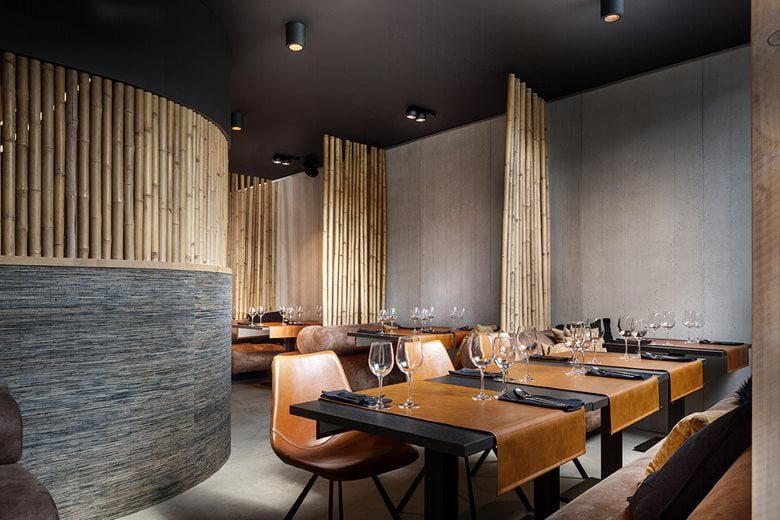
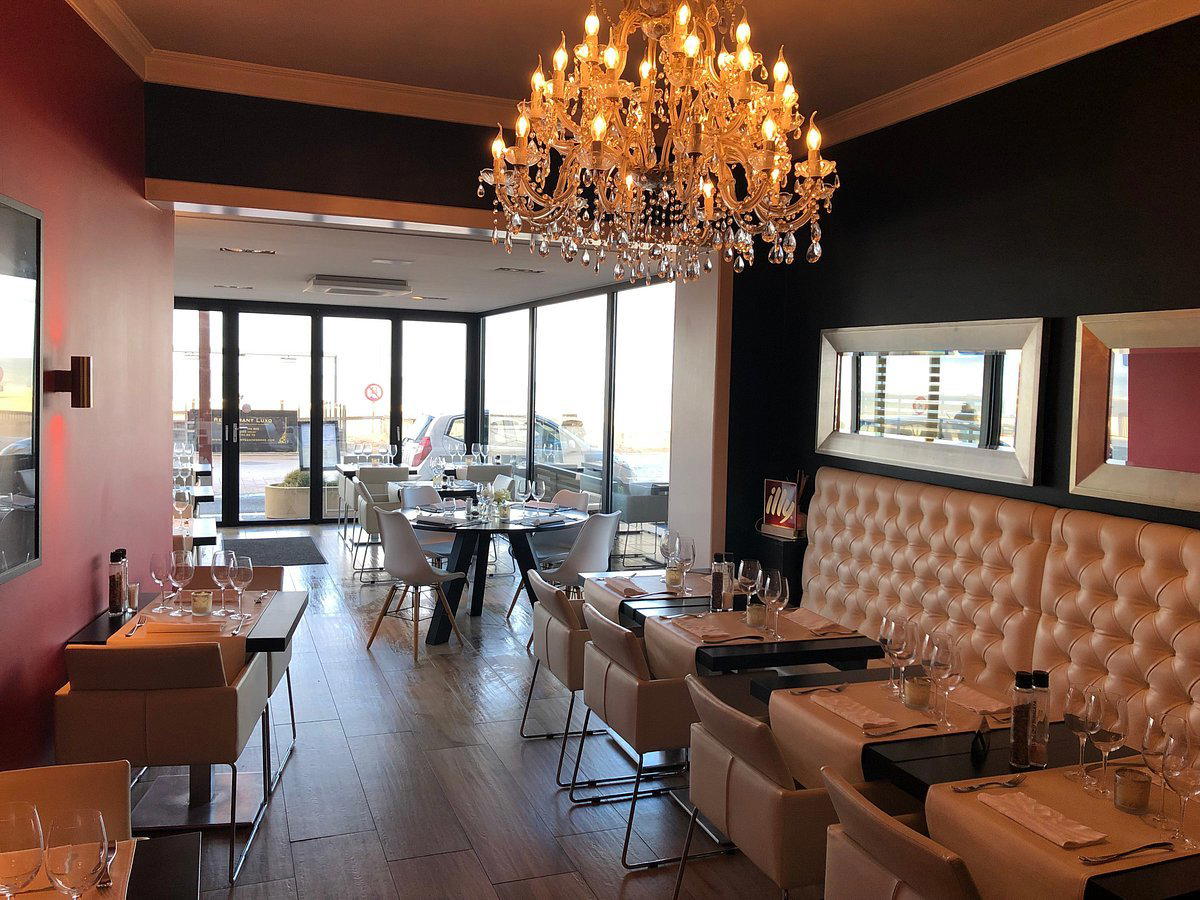
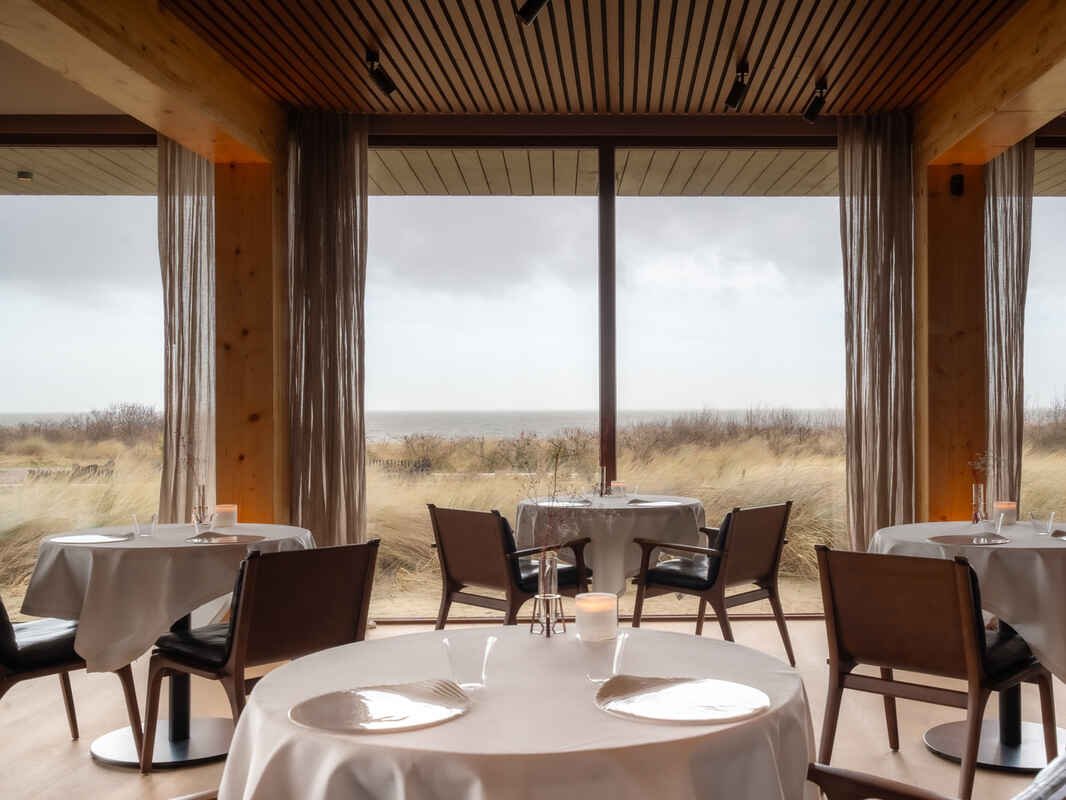
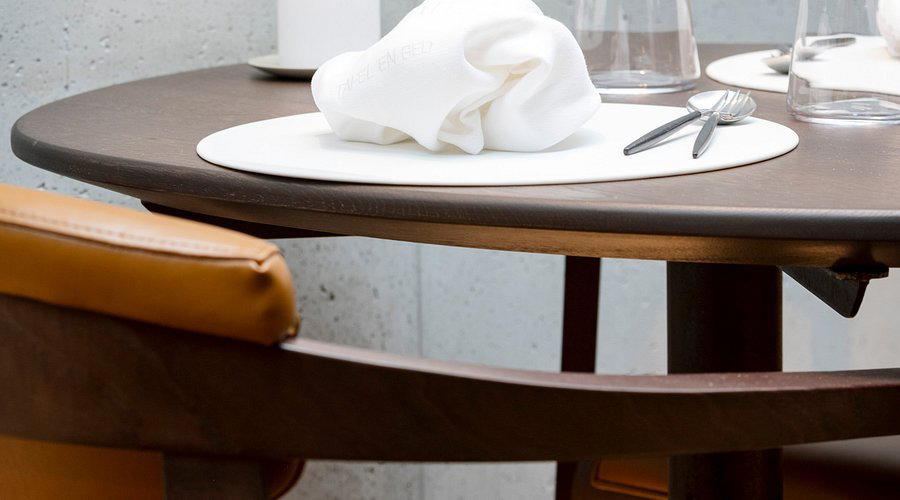
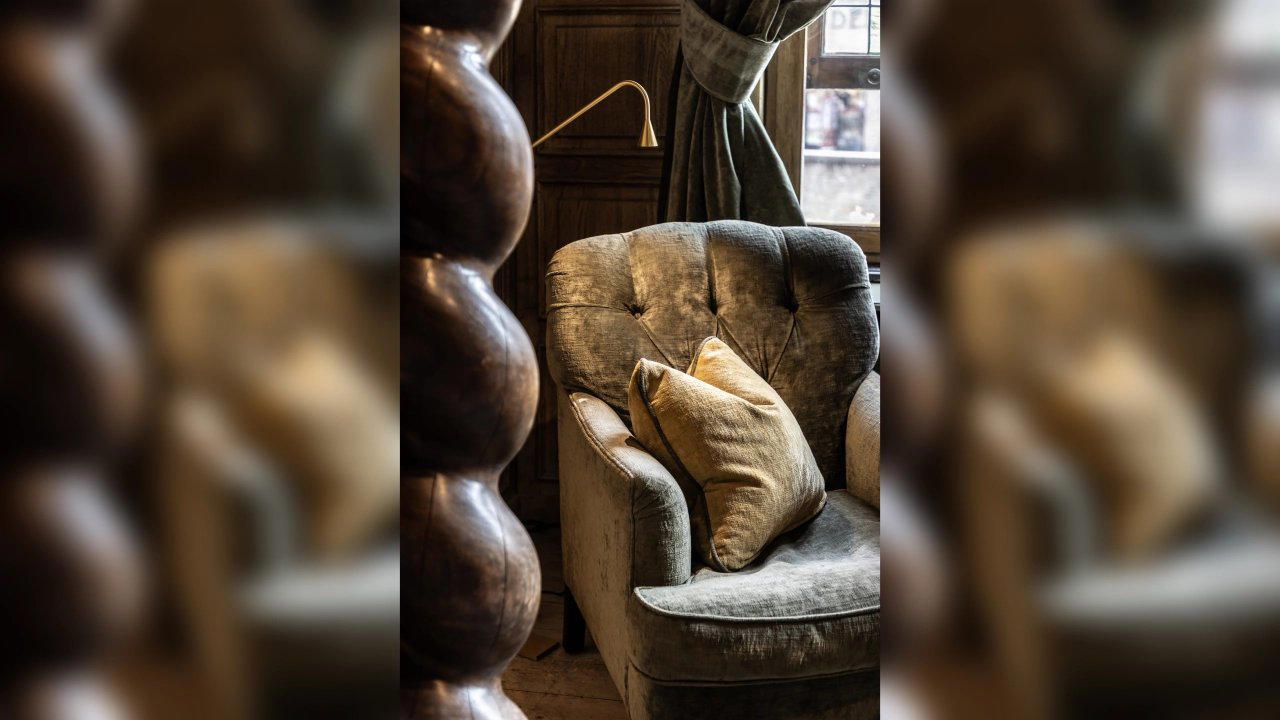
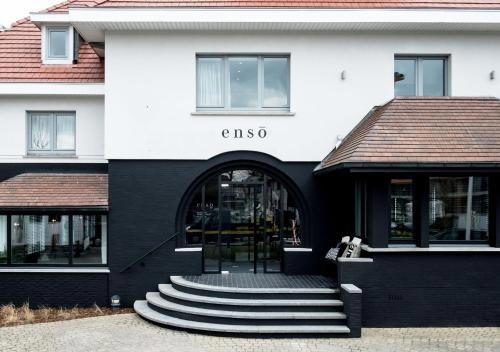
Très chic and modern interior in a former farmhouse with neutral beige, white, and black design, wood panelling, relaxed atmosphere, and carefully selected, personable service.