Otto's Uptown Kitchen Lobby Restaurant
Otto's Uptown Kitchen Lobby Restaurant occupies a prominent address on Broadway in Oakland's Uptown district, where the intersection of neighborhood dining culture and hotel lobby formats has produced a distinct category of casual-to-mid-range restaurants. The space reflects Broadway's shift toward denser mixed-use development, placing it within walking distance of the district's most active blocks. For Oakland context, see our full restaurants guide.
Pearl is the En Primeur Club membership app — saves, bookings, and concierge access live there. Same editors, same standards.
- Address
- 2455 Broadway, Oakland, CA 94612
- Phone
- +15102161500
- Website
- kisseloakland.com
- Directions
- Get directions
 Saves & bookings on Pearl
Broadway's Lobby Dining Format and What It Signals
Otto's Uptown Kitchen Lobby Restaurant is a restaurant in Oakland serving American Bistro Comfort Food, with a recommended reservation policy and a price tier of 2. Where the category once signaled convenience dining for guests with nowhere else to be, a cohort of properties on the West Coast began treating the lobby restaurant as a genuine neighborhood anchor, designed to draw local foot traffic rather than just accommodate arrivals. Oakland's Uptown district, which runs along Broadway from roughly Grand Avenue down toward 20th Street, sits inside that broader shift. The address at 2455 Broadway places Otto's Uptown Kitchen in the middle of a corridor that has absorbed significant investment in mixed-use development, and the lobby restaurant format here reads less as an amenity than as a deliberate positioning choice within that neighborhood context.
Uptown Oakland is a useful frame for understanding what this kind of space is asked to do. The district has developed a recognizable dining character over the past fifteen years, with independent operators occupying mid-century commercial buildings alongside newer construction. Spots like Agave Uptown and alaMar Dominican Kitchen represent the neighborhood's appetite for specific regional cuisines delivered without fine-dining formality. A lobby restaurant on Broadway enters that competitive set, not a hotel circuit, which creates a different kind of pressure on the space and its programming.
The Physical Container: Reading the Space on Broadway
Lobby restaurant design in this format tends to operate within constraints that street-level independents don't face. The ground floor of a mixed-use building on a major arterial like Broadway must resolve competing demands: hotel guests moving through, pedestrian visibility from the sidewalk, and the acoustic and spatial needs of a functioning restaurant. The lobby aperture creates a specific kind of threshold experience, where the street noise of Broadway recedes gradually rather than cutting off cleanly, and the sightlines from outside define the first impression before a diner even enters.
In the Uptown context, this matters because the district's pedestrian activity is uneven. Broadway carries significant through-traffic, but the blocks around 24th and 25th Street have a different rhythm than the denser stretch near 19th. A restaurant at this address needs its interior to communicate legibility from the street, which is an architectural argument as much as a hospitality one. The arrangement of seating visible from the sidewalk, the treatment of the facade, and the lighting temperature at street level all function as editorial statements about who the space is for and what it expects of the neighborhood around it.
West Coast lobby restaurants that have successfully converted to neighborhood anchors tend to share a few spatial characteristics: a counter or bar element that supports single-diner visits, seating arrangements that don't require a full table commitment for casual use, and a design language that references local material culture rather than generic hotel specification. How any given space resolves those elements is where the distinction between a functional amenity and an actual neighborhood restaurant gets made.
Oakland's Dining Geography and Where This Address Fits
Oakland's restaurant geography rewards specificity. The Grand Lake area, Temescal, Fruitvale, and Uptown each have distinct dining cultures, and the distinctions matter to locals who navigate between them deliberately. Uptown's concentration of arts venues, including the Fox Theater two blocks south, creates an early-evening demand that differs from a pure residential neighborhood. Pre-theater and post-show dining windows shape what a restaurant on this stretch of Broadway needs to offer in terms of pacing, format, and price accessibility.
The broader Oakland dining scene has enough range that any single address is positioned against a meaningful comparable set. Coffee and daytime operations like Alem's Coffee serve a different function than evening-focused spots, and the district also supports format-specific operators like 3 Bottled Fish and specialists like 8th St Cafe 文記茶餐廳. A lobby kitchen at 2455 Broadway is not competing with those operators on cuisine specificity, but it is competing with them on occasion, proximity, and convenience for the same pool of diners.
California's broader restaurant conversation increasingly references farm-sourcing, seasonal menu rotation, and regional identity markers, a set of expectations that applies pressure even to formats that aren't explicitly positioning around those values. Comparisons to nationally recognized California and American fine-dining programs like Lazy Bear in San Francisco, Single Thread Farm in Healdsburg, or The French Laundry in Napa operate at a different altitude, but they define the ambient expectations that serious diners carry into any California dining room. Similarly, programs like Providence in Los Angeles and Addison in San Diego anchor the state's upper tier, while internationally recognized rooms including Le Bernardin in New York City, Alinea in Chicago, Atomix in New York City, and Blue Hill at Stone Barns in Tarrytown set the parameters for what destination dining means at a national level. Otto's operates in a different register entirely, which is not a criticism: the lobby kitchen format serves a distinct purpose and should be read on those terms. For context on how other cities approach the upscale end of the spectrum, Emeril's in New Orleans, The Inn at Little Washington, and 8 1/2 Otto e Mezzo Bombana in Hong Kong illustrate the range of what a named restaurant identity can mean across formats and geographies.
Planning a Visit: What to Know Before You Go
Otto's Uptown Kitchen Lobby Restaurant is located at 2455 Broadway in Oakland's Uptown district, accessible from the 19th Street BART station, which puts the address within a short walk of one of the East Bay's main transit nodes. The Broadway corridor is well-served by AC Transit, and street parking on the surrounding blocks is available in the evenings.
Price and Positioning
Comparable venues nearby, for context on price, style, and recognition.
| Venue | Cuisine | Price | Notes |
|---|---|---|---|
| Otto's Uptown Kitchen Lobby RestaurantThis venue — the venue you are viewing | Northgate, American Bistro Comfort Food | $$ | Not listed |
| Hen House | Not listed | $$ | Jack London District, Southern Soul Food - Chicken and Waffles |
| Everett & Jones Barbeque | Produce and Waterfront, Oakland BBQ | $$ | Not listed |
| Buttercup Grill | Not listed | $$ | Produce and Waterfront, Classic American Diner |
| Square Pie Guys | Old Oakland, Detroit-Style Pizza | $$ | Not listed |
| Phat Matt's BBQ | Temescal, American BBQ | $$ | Not listed |
Continue exploring
More in Oakland
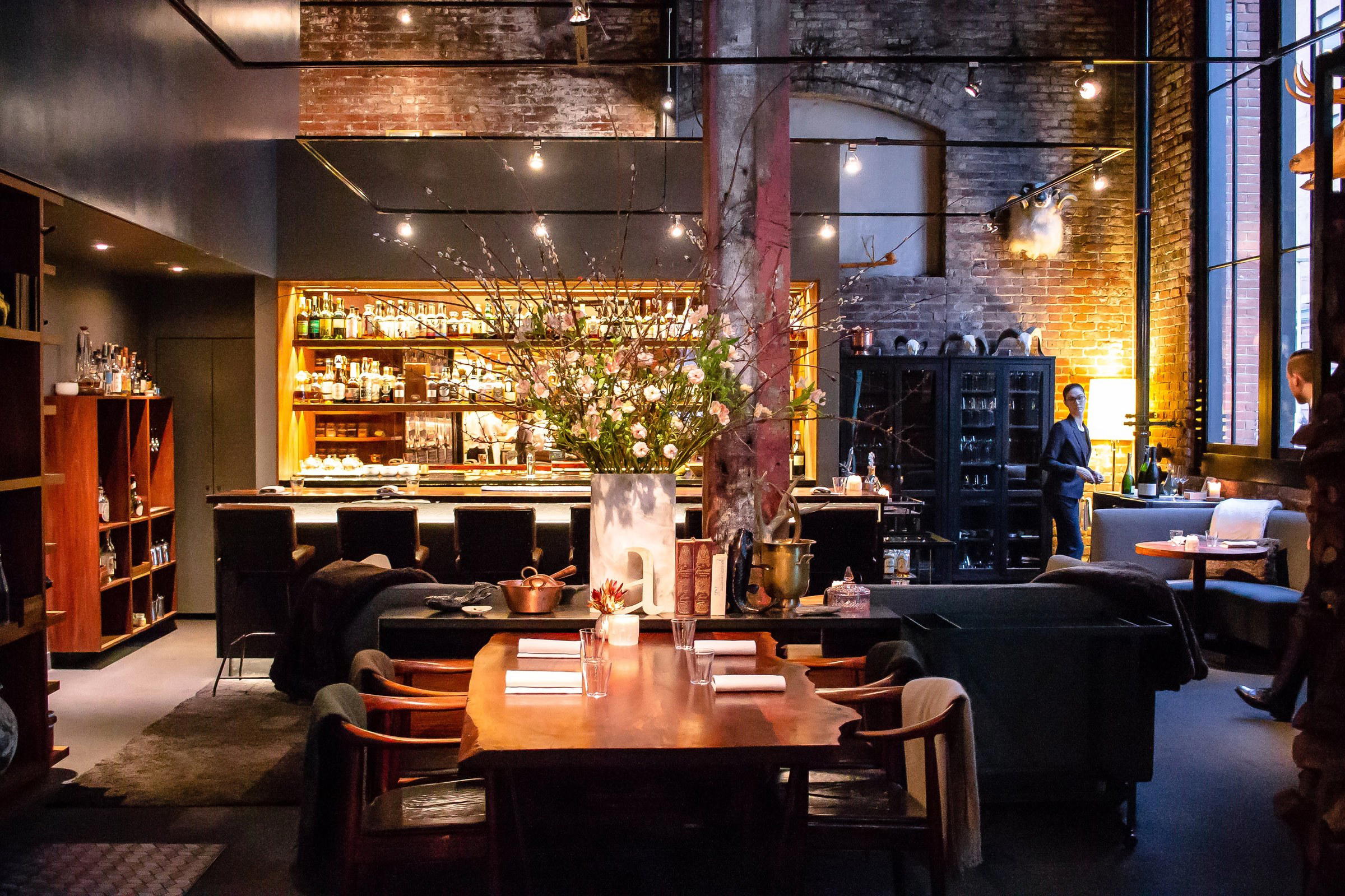
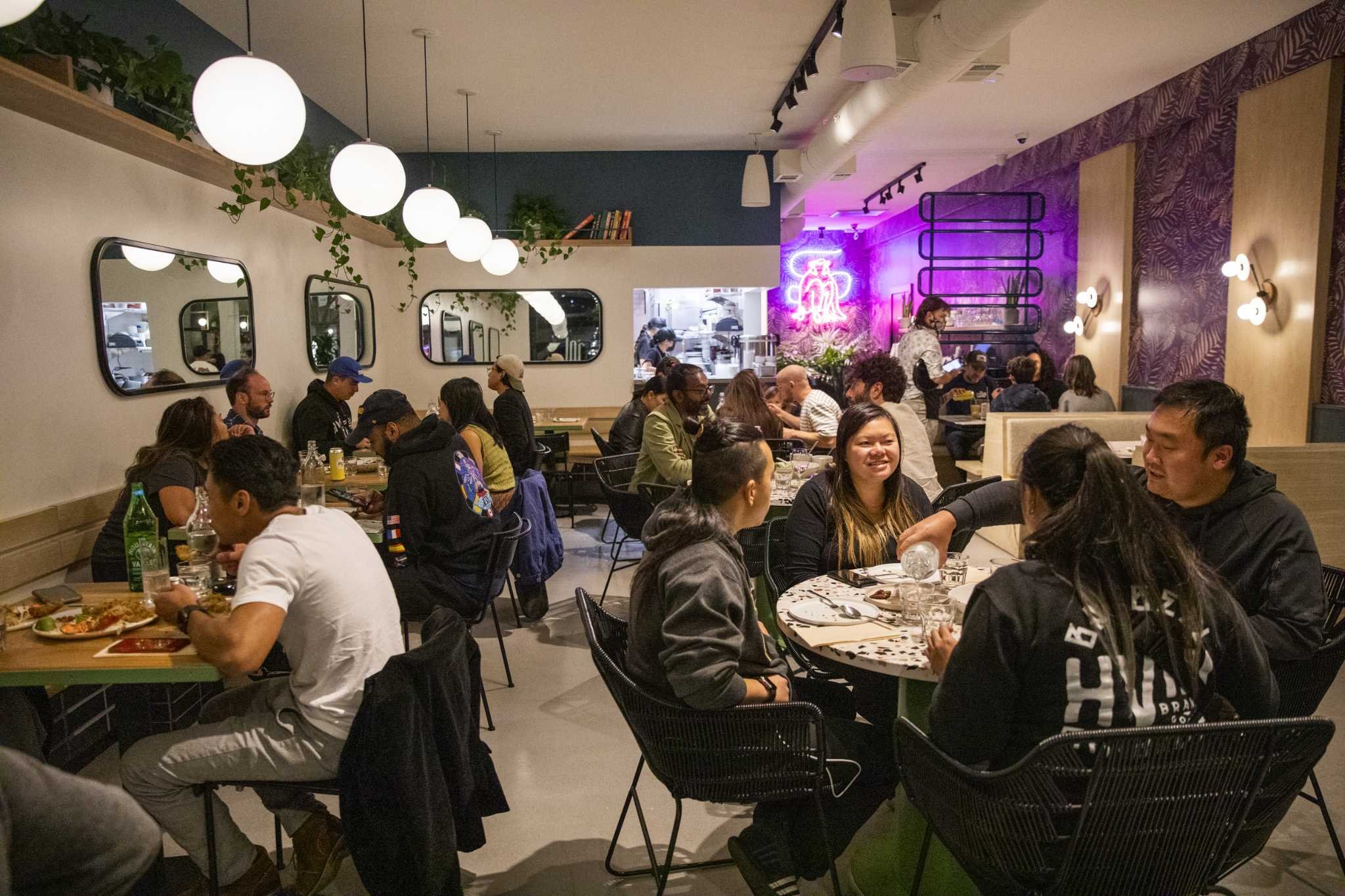
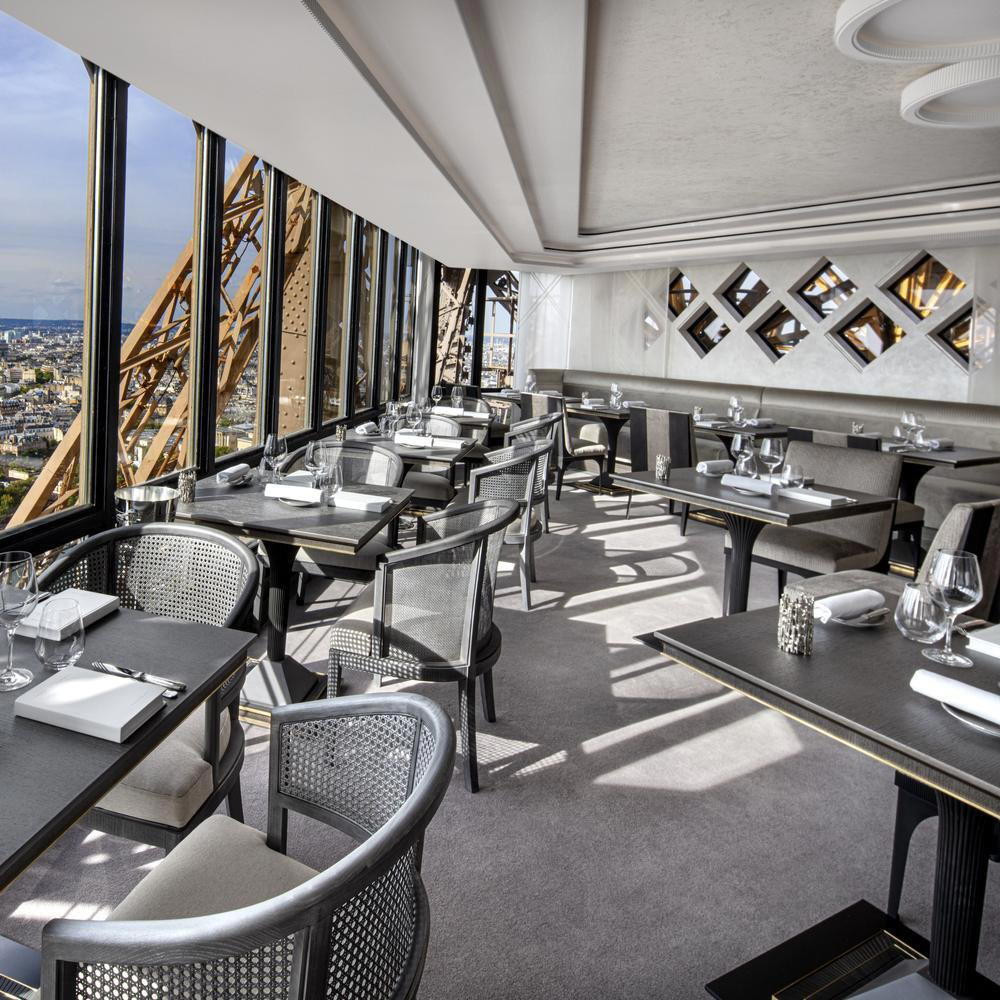
Restaurants in Oakland
Browse all →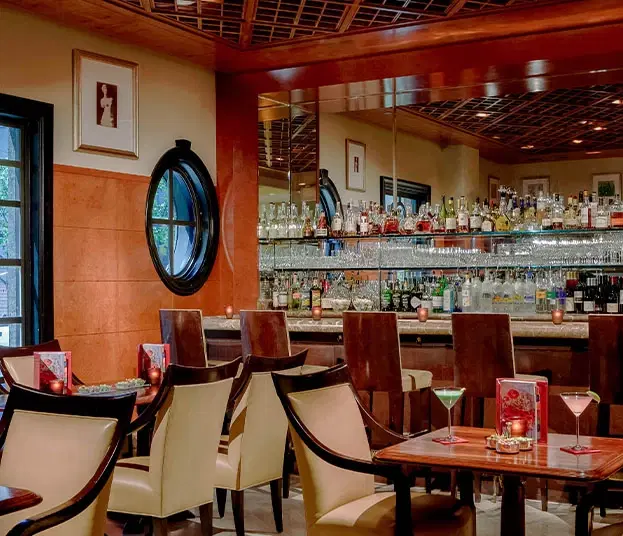
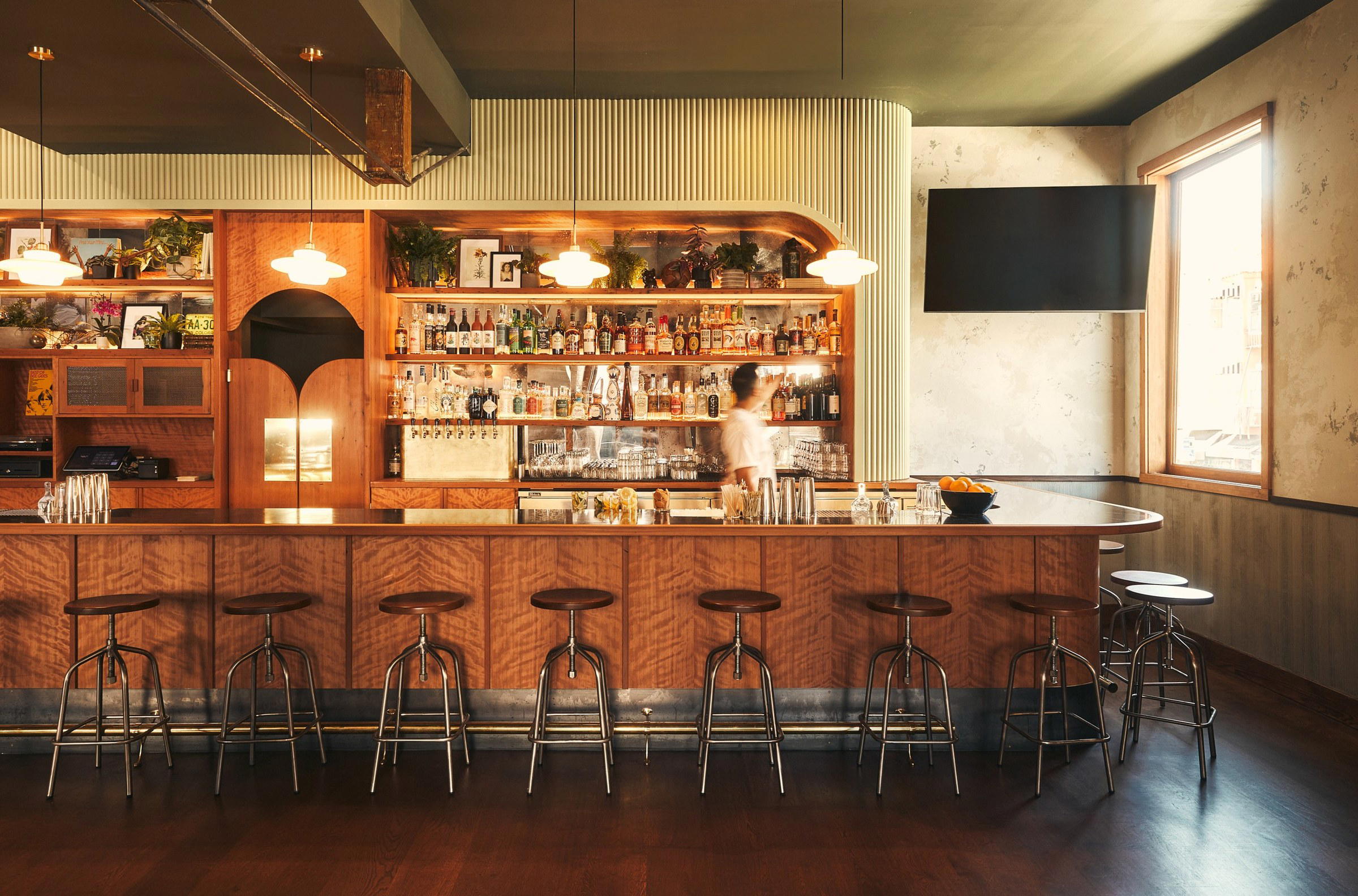
Bars in Oakland
Browse all →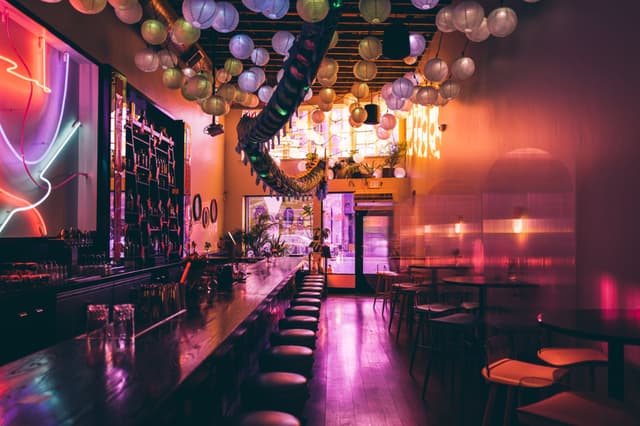
Hotels in Oakland
Browse all →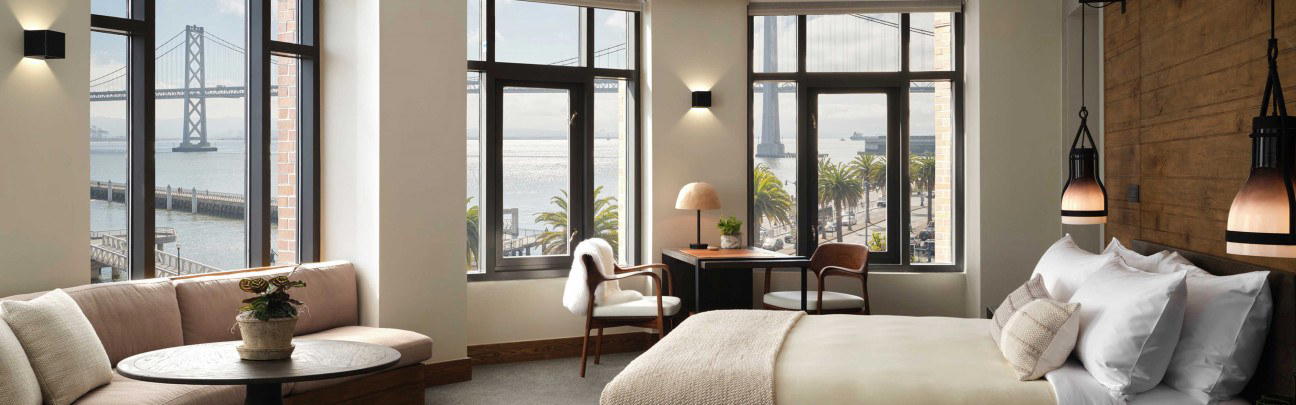
At a Glance
- Lively
- Cozy
- Modern
- Business Dinner
- Casual Hangout
- Brunch
- After Work
- Hotel Restaurant
- Open Kitchen
- Craft Cocktails
- Local Sourcing
Current opening hours
- Monday
- 6:30 AM–10 PM
- Tuesday
- 6:30 AM–10 PM
- Wednesday
- 6:30 AM–10 PM
- Thursday
- 6:30 AM–10 PM
- Friday
- 6:30 AM–10 PM
- Saturday
- 6:30 AM–10 PM
- Sunday
- 6:30 AM–10 PM
Hours can change for holidays and private events. Last verified .
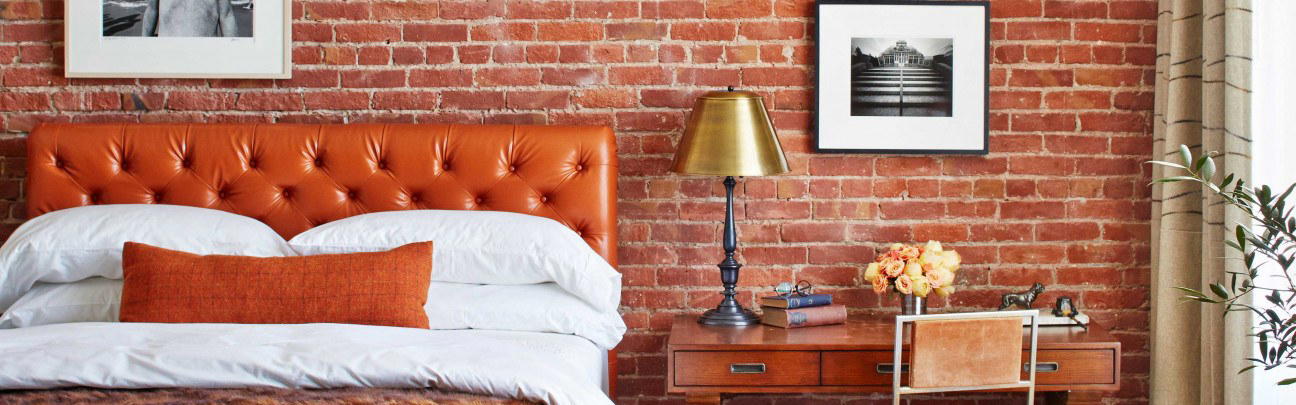
Stylish and casual hotel lobby atmosphere with moderate noise, lively buzz, and comfortable seating ideal for working, socializing, or relaxed meals.