Otto's Tacos
On Second Avenue in the East Village, Otto's Tacos operates in one of New York's most contested casual dining corridors, where taco formats from across Mexico compete for a demanding local audience. The kitchen works a focused menu of corn-forward preparations, positioning itself within a neighbourhood that rewards direct execution over spectacle. For visitors working through New York's broader dining map, it anchors the affordable end of a city that also runs to the heights of fine dining.
- Address
- 141 2nd Ave, New York, NY 10003
- Website
- ottostacos.com
- Directions
- Get directions
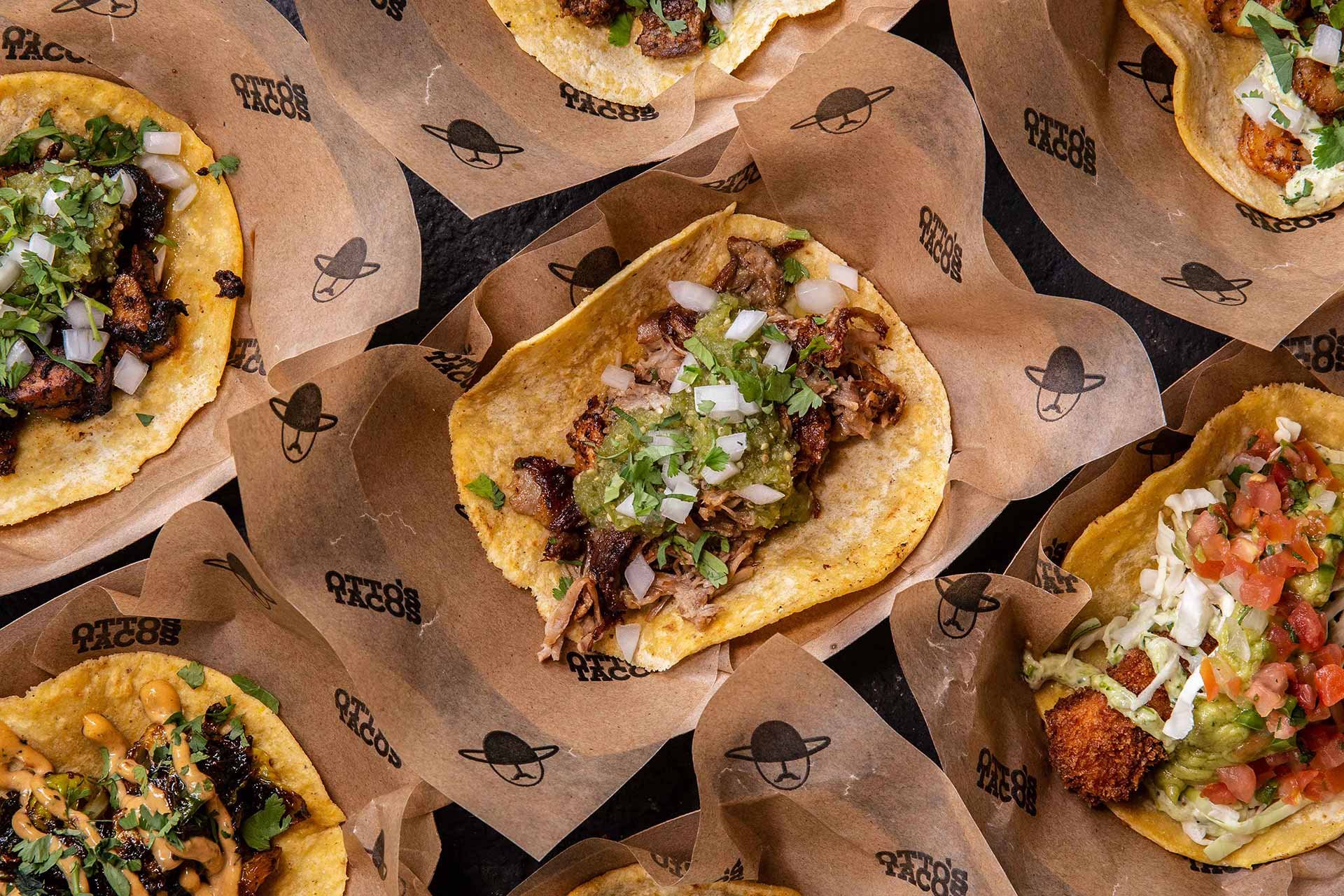
Second Avenue and the East Village Taco Question
The East Village has always functioned as a pressure test for casual dining in New York. The neighbourhood sits between the financial reach of the West Village and the density of the Lower East Side, drawing a crowd that is simultaneously price-conscious and genuinely educated about food. On this strip of Second Avenue, the competition is not between restaurants trying to impress critics but between kitchens trying to hold a regular clientele that will walk two blocks for a better version of the same thing. Otto's Tacos, at 141 2nd Ave, operates inside that dynamic.
New York's taco scene has shifted considerably over the past decade. The old binary between Tex-Mex chains and a handful of regional specialists has given way to a more differentiated market, with operations distinguishing themselves through corn sourcing, masa preparation, and regional Mexican specificity. That shift mirrors what happened nationally in cities like Los Angeles and Chicago, where taco formats moved from ethnic novelty to a contested fine-casual category with real technical stakes. In the East Village specifically, that evolution has played out at street level, in small storefronts where the margin for error is narrow and repeat visits are the only metric that matters.
What the Neighbourhood Context Tells You
Positioning matters in this part of Manhattan. Second Avenue between St. Mark's Place and 9th Street runs through a zone where dining has historically been defined by accessible price points and informal formats, the kind of strip where a $5 taco competes directly against a $12 banh mi and a $9 falafel wrap. The audience is not making occasion-dining decisions; they are making Tuesday-lunch decisions, and that is a harder crowd to please consistently. A kitchen that holds position in this corridor is doing something right at the operational level.
This contrasts sharply with the upper tier of New York dining, where venues like Le Bernardin, Atomix, and Eleven Madison Park compete on a different axis entirely, where tasting menus run several hundred dollars per head and the booking window extends months out. The same city that houses Masa and Per Se also sustains a thriving ecosystem of neighbourhood-scale operations where the standards are informal but the expectations are not. Otto's Tacos operates in that second register, and understanding where it sits relative to both tiers is part of reading New York dining accurately.
These are not contradictory choices; they reflect how seriously American dining culture now treats the full range of formats, from the ceremony of The French Laundry to the directness of a well-made taco.
The Corn-Forward Model and What It Implies
In the current American taco conversation, the technical differentiator is nearly always the masa. Fresh-ground corn preparations, sourced from specific heirloom varieties and nixtamalized in-house, have become the marker that separates operations with genuine craft ambitions from those working with commercial tortilla supply chains. This distinction has been most visible in cities with large Mexican-American populations, but it has since spread to coastal urban markets including New York, where consumers have become literate enough to notice the difference between a fresh tortilla and a reheated one.
Otto's Tacos operates within this corn-forward framework, a positioning that places it alongside a cohort of American taco operations more concerned with the quality of the base than the complexity of the topping. This is not a small distinction. The tortilla is structurally load-bearing in a way that a slice of bread in a sandwich is not; its texture, moisture content, and corn flavour set the ceiling for everything that goes on top of it. Kitchens that understand this tend to run tighter menus with fewer options, because the discipline required to execute a simple thing well resists the impulse to add variety for its own sake.
This approach finds parallels in how other American cities have developed their casual dining identities. Emeril's in New Orleans, Lazy Bear in San Francisco, and Providence in Los Angeles each represent cities where a strong regional dining identity has shaped what counts as credible even at the casual end of the market. New York is no different; the city's leading casual operations are often defined by a single clear commitment executed without compromise.
Practical Considerations for the East Village Visit
Second Avenue is walkable from most Lower Manhattan and Midtown South hotel bases. The East Village is densely served by the L train at 14th Street and the 6 train at Astor Place, making Otto's Tacos reachable from most parts of the city without a cab. Visitors coming from outer-borough positions or from New Jersey transit hubs will find the area direct to reach by subway.
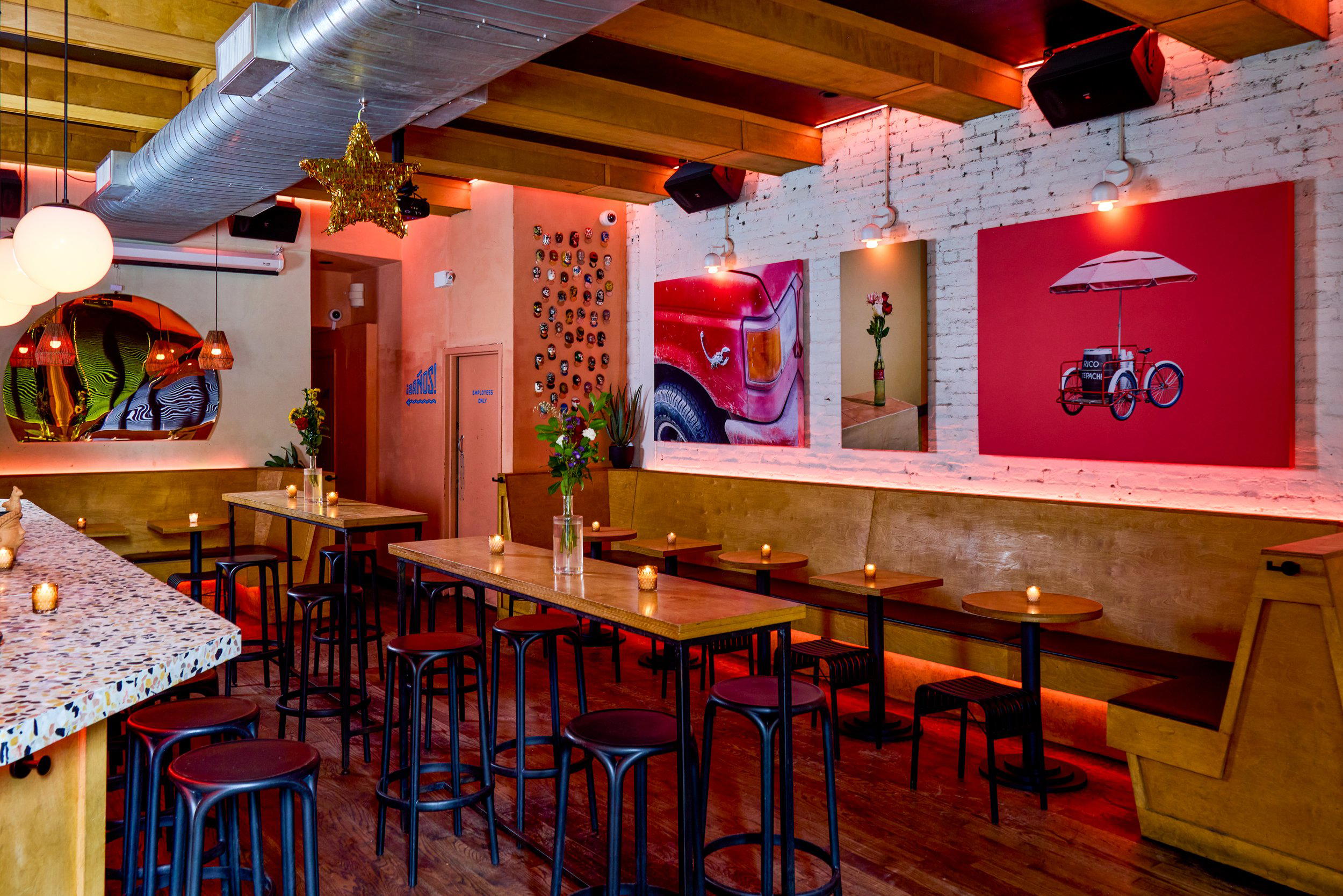
The format of a focused taco counter typically means fast service, limited seating, and peak congestion at lunch and early dinner hours on weekdays. Those constraints are worth factoring into a broader day of East Village exploration, which might include the surrounding restaurant density of St. Mark's Place and the quieter dining strips further east toward Avenue A. For visitors using New York as a base for day trips, the Addison in San Diego, Single Thread Farm in Healdsburg, and Frasca Food and Wine in Boulder represent the kind of regional dining worth building a separate trip around, but Otto's anchors the day-to-day eating that makes a longer New York stay coherent rather than purely occasion-driven.
For international visitors for whom American casual dining is itself a subject of interest, the East Village corridor offers a compressed version of the New York taco question. The same city that hosts The Inn at Little Washington on the broader Eastern Seaboard and sends diners to Atelier Moessmer Norbert Niederkofler and Dal Pescatore abroad is also a city where a $6 corn tortilla filled with braised meat is taken seriously as a craft object. That range is not a contradiction; it is the point. See our full New York City restaurants guide for a map of how these tiers connect.
The restaurant, 141 2nd Ave, East Village, Manhattan. Walk-in friendly.
Cuisine and Awards Snapshot
Comparable venues nearby, for context on price, style, and recognition.
| Venue | Cuisine | Price | Notes |
|---|---|---|---|
| Otto's TacosThis venue — the venue you are viewing | Southern California-Style Tacos | $ | Not listed |
| Taco Mix | Authentic Mexican Street Tacos | $ | East Harlem (North) |
| Nenes Deli Taqueria | Authentic Puebla-Style Birria Taqueria | $ | Bushwick (West) |
| Mole West Village | Authentic Mexican Bar & Grill | $$ | West Village |
| Sombrero | Authentic Mexican | $$ | Hell's Kitchen |
| Paquitos | Authentic Mexican Taqueria | $ | East Village |
Continue exploring
More in New York City
Restaurants in New York City
Browse all →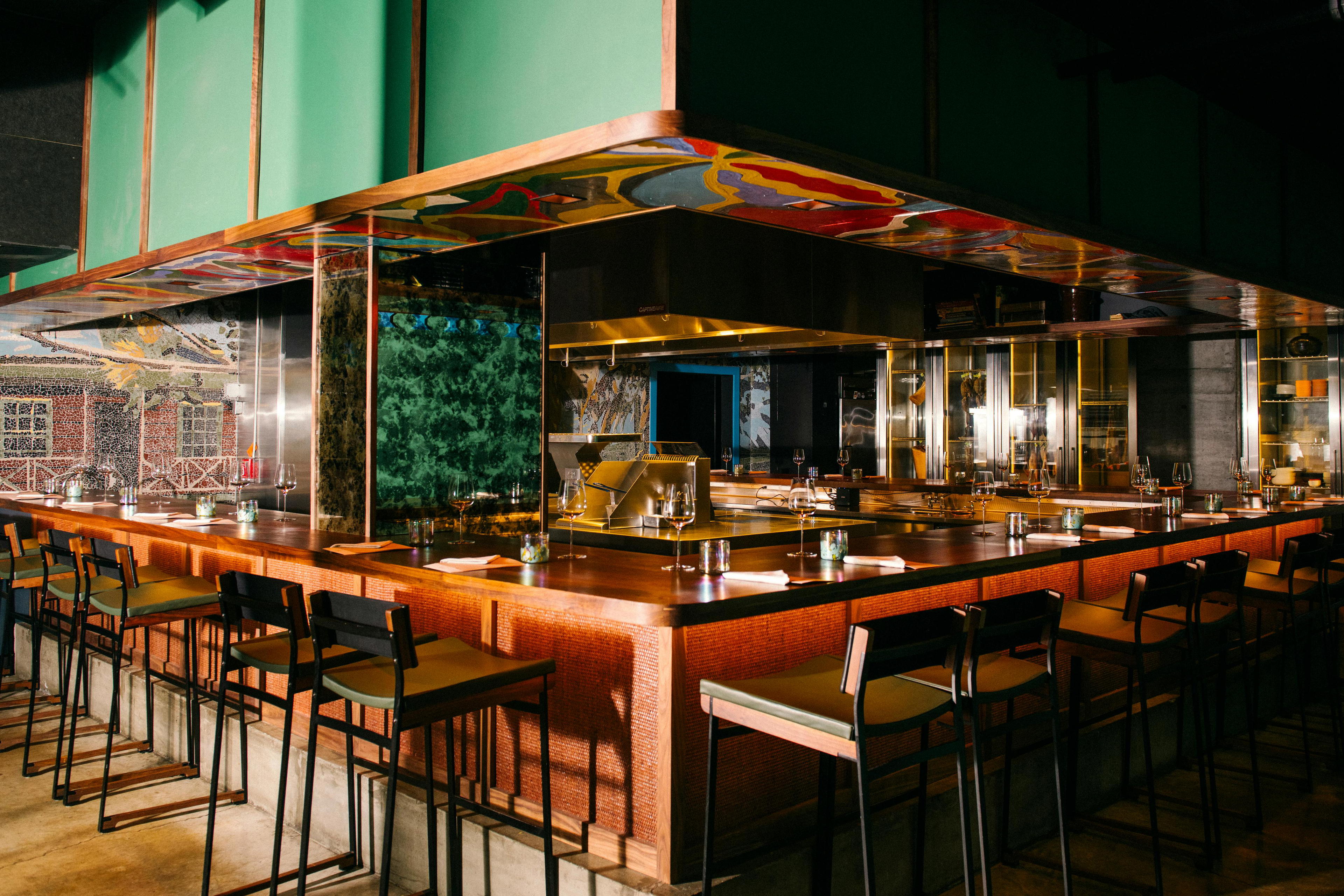
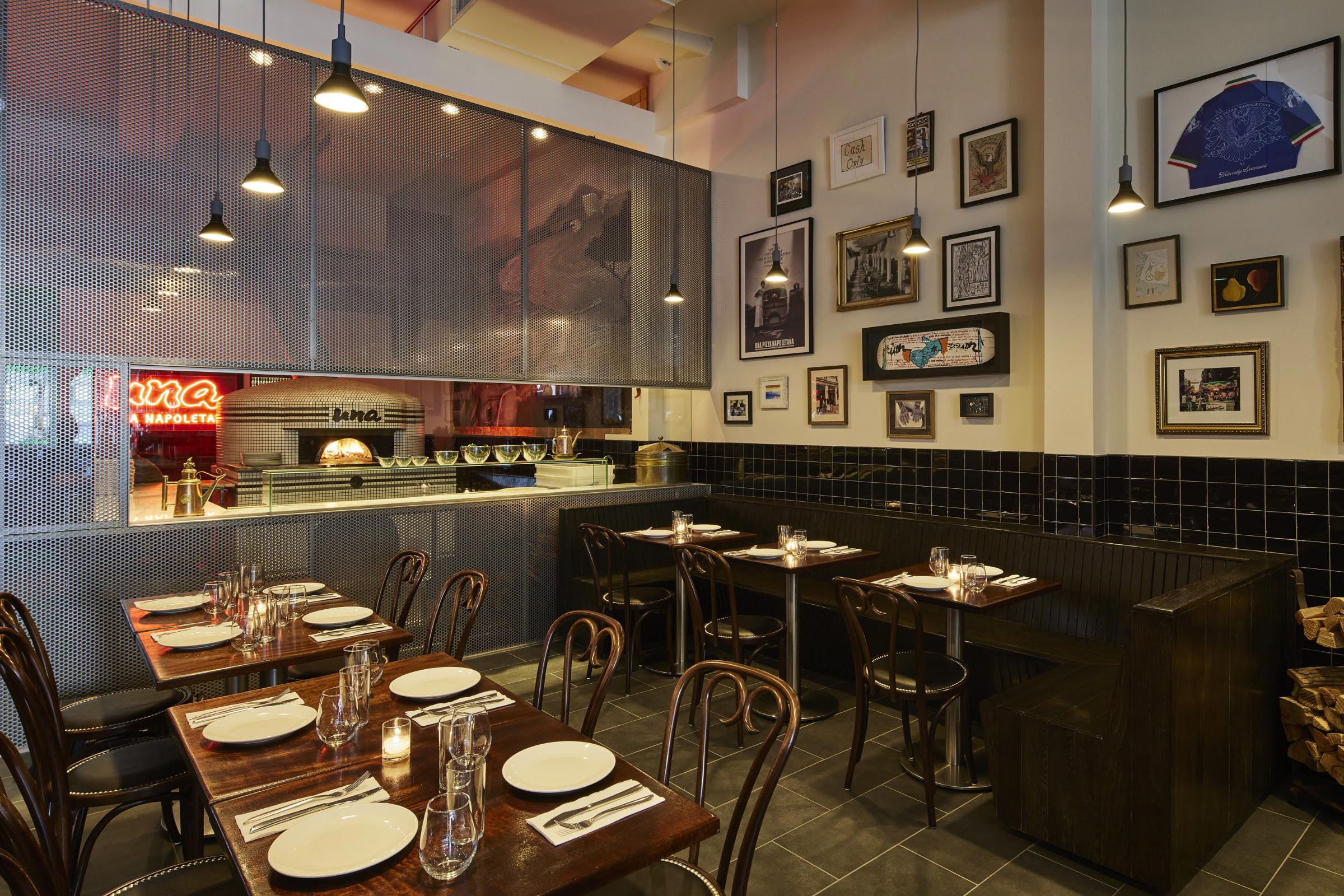
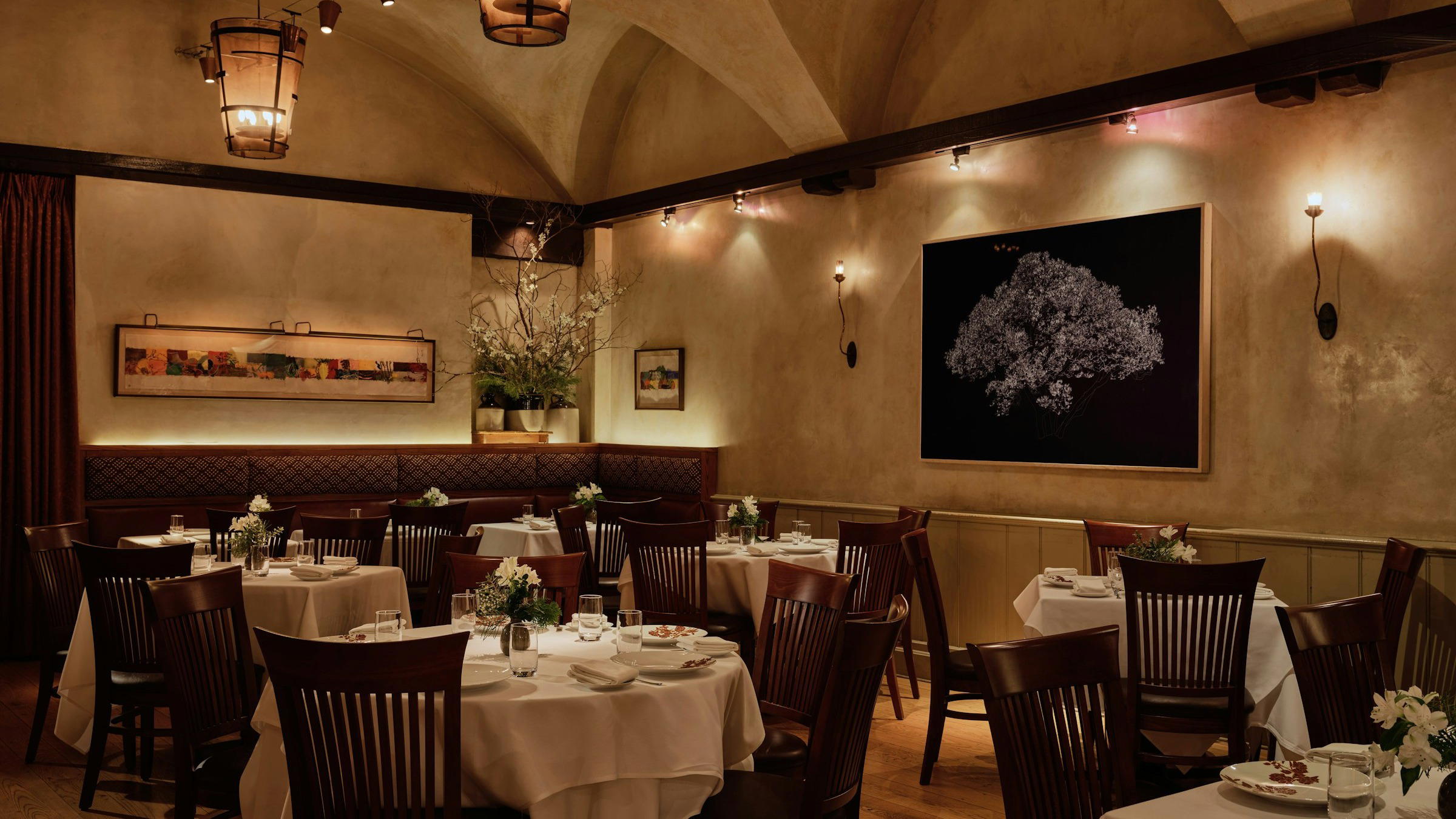
Bars in New York City
Browse all →

Hotels in New York City
Browse all →






At a Glance
- Trendy
- Lively
- Casual Hangout
Casual fast-casual taco joint with a lively atmosphere focused on quick counter service and communal seating.