Ottava Via
On Michigan Avenue in Corktown, Ottava Via occupies the kind of address that says something about where Detroit dining has arrived. The name alone signals Italian intent, and the location places it in the company of a neighbourhood that has drawn some of the city's most considered restaurant openings in recent years. For visitors mapping out the Detroit table, it belongs on the shortlist alongside the city's most discussed independents.
Pearl is the En Primeur Club membership app — saves, bookings, and concierge access live there. Same editors, same standards.
- Address
- 1400 Michigan Ave, Detroit, MI 48216
- Phone
- +13139625500
- Website
- ottavaviadetroit.com
- Directions
- Get directions
 Saves & bookings on Pearl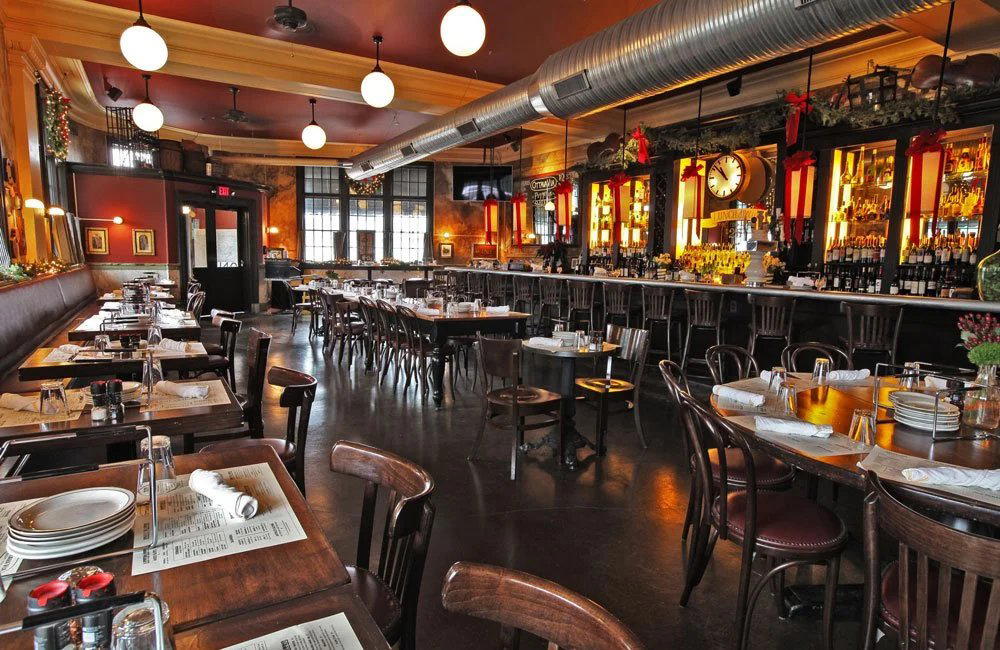
Michigan Avenue and What It Says About Detroit Dining Now
Corktown has become the neighbourhood that serious Detroit dining watchers follow most closely. The stretch of Michigan Avenue running through it has absorbed a wave of independent openings over the past decade, driven partly by low commercial rents and partly by the kind of civic optimism that tends to attract chef-operators who want room to work without the overhead pressure of a major coastal market. Ottava Via sits at 1400 Michigan Ave, right inside that conversation, in a part of the city where the dining story is still being written rather than merely repeated.
The name, an Italian phrase meaning "eighth street" or evoking the musical interval of an octave, signals a culinary identity that Detroit has been building quietly: Italian-leaning independent restaurants that draw on imported tradition without being nostalgic pastiche. Across the city, places like Amore da Roma and ADELINA occupy adjacent territory, each working through what Italian-influenced cooking means in a Midwest city with its own distinct food culture.
The Question of Sourcing in a City Rebuilding Its Food Network
Detroit's restaurant scene exists within a broader regional food economy that is genuinely interesting from a sourcing perspective. Michigan is one of the most agriculturally diverse states in the continental United States, producing everything from cherries and asparagus in the northwest to field crops and livestock across the lower peninsula. For a restaurant with Italian-inflected ambitions, that diversity matters. The argument for sourcing locally in this part of the Midwest is not merely ideological; it is practical. Distances from farm to urban kitchen are short by the standards of most American cities, and the produce calendar, while compressed by the climate, rewards cooks who work with it rather than against it.
This is the operating context that shapes what Italian-inspired cooking can mean in Detroit differently from how it reads in New York or Los Angeles. Where Le Bernardin in New York City or Providence in Los Angeles work within seafood-forward French and Californian traditions respectively, a Michigan-based Italian table has a different seasonal toolkit: root vegetables and lake fish in winter, stone fruit and field greens from late spring, and a summer growing window that demands attention. The restaurants doing this well in Detroit are the ones that treat the regional supply chain as a creative constraint rather than a limitation.
The broader American farm-to-table conversation, which produced celebrated operations like Blue Hill at Stone Barns in Tarrytown and Single Thread Farm in Healdsburg, has filtered into mid-sized American cities with real effect. Detroit is part of that story, not a footnote to it.
Corktown as Context: The Neighbourhood Shapes the Room
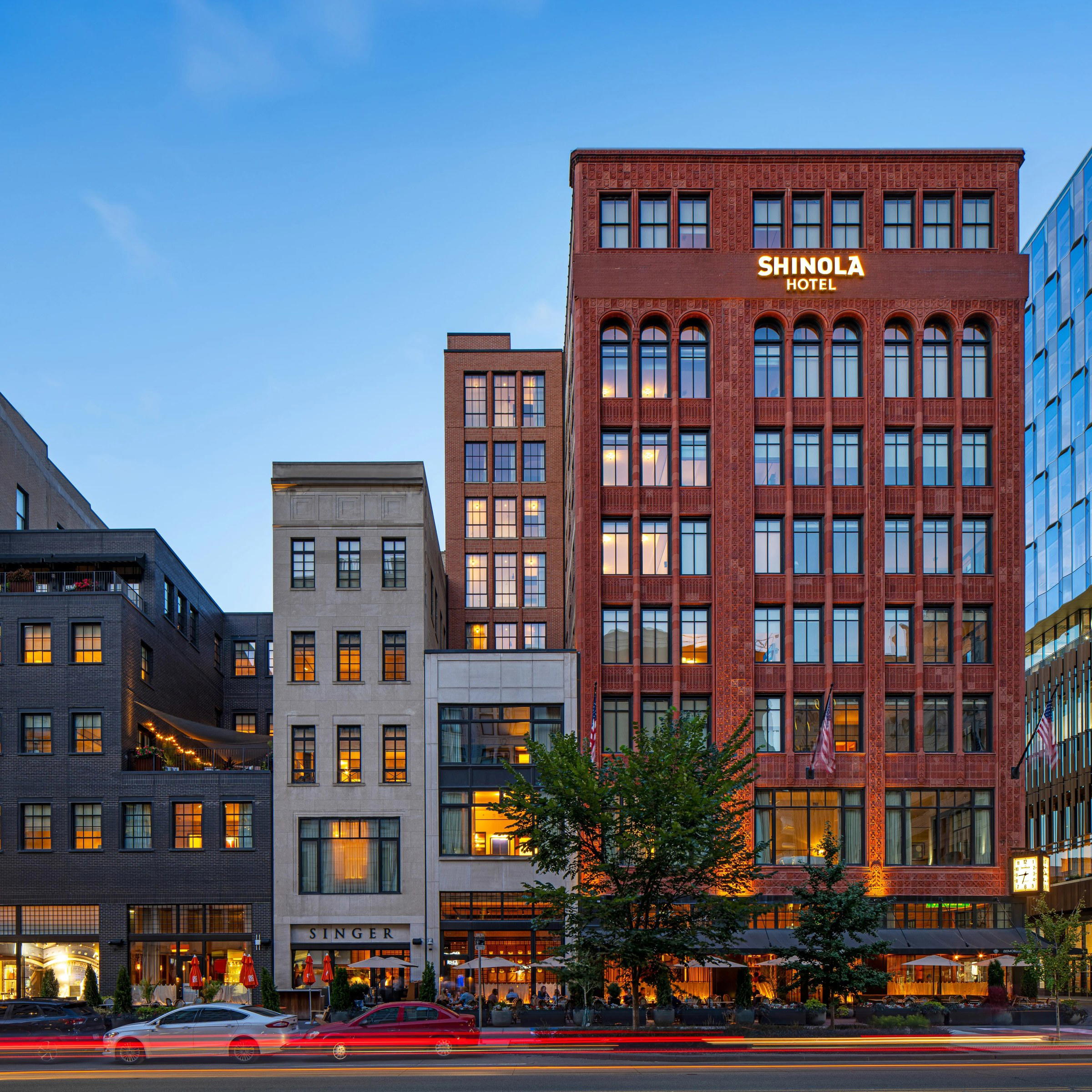
Approaching Ottava Via along Michigan Avenue, the neighbourhood itself is part of the experience before you cross the threshold. Corktown is one of Detroit's oldest districts, named for County Cork immigrants who settled here in the nineteenth century, and it carries that layered history in its built fabric. Brick commercial buildings from the early twentieth century sit alongside renovated warehouses and newer fitouts, creating the kind of visual mix that makes a dining room feel rooted in something rather than dropped in from nowhere.
That context matters for how the room reads. Detroit's most considered independent restaurants tend to be places where the physical space carries a point of view, where the decision to open in a particular neighbourhood rather than a suburban strip or a glassy downtown tower communicates something about what the kitchen values. Corktown has attracted that kind of operator: Alpino and Vecino are among the names that have added texture to the area's dining identity in recent years, alongside more casual neighbourhood standbys.
For visitors arriving from outside Detroit, the area also sits in useful proximity to the city's other dining draws. American Coney Island downtown and spots like 313 Cinnamon Rolls represent the city's more democratic eating traditions, while Corktown has become where the independent, chef-driven side of the story concentrates. Our full Detroit restaurants guide maps the broader picture across neighbourhoods and price points.
Where Ottava Via Sits in the Italian-Leaning Independent Tier
Italian cooking occupies an interesting position in American dining right now. It is simultaneously the most familiar foreign culinary tradition for most American diners and the one most subject to revision, as a generation of cooks trained in Italy or under Italian-lineage kitchens brings stricter technique and more regional specificity to what had often been a broadly interpreted cuisine. This shift is visible at the highest levels: 8 1/2 Otto e Mezzo Bombana in Hong Kong represents one endpoint of that evolution in an international context, while domestically, the conversation has spread from major coastal markets into cities like Detroit that can support serious independent work without the overhead or competition of a New York or San Francisco.
Restaurants operating in this tier, whether in Detroit or in cities like Lazy Bear in San Francisco or Alinea in Chicago (which represent the far end of the ambition spectrum), share a common characteristic: they are making choices about sourcing, format, and price that their local market will either support or it won't. The Detroit market has demonstrated an appetite for independent Italian work that goes beyond the red-sauce comfort register.
Planning a Visit: What to Know Before You Go
Ottava Via's address at 1400 Michigan Ave places it in a part of Corktown that is accessible by car with street parking typically available in the area, as is standard for much of Detroit's restaurant geography outside the downtown core. For visitors coming from outside the city, Corktown sits just west of downtown and is a practical base for an evening that might include drinks elsewhere in the neighbourhood before or after dinner.
Given the neighbourhood's profile, reservations are advisable, particularly on Thursday through Saturday evenings when Corktown draws both locals and out-of-town visitors. For broader itinerary planning across the city's dining scene, the Detroit guide covers the full range from neighbourhood casual to destination-level independents, including Baobab Fare and Selden Standard for context across cuisine types and price tiers.
At a Glance
- Rustic
- Lively
- Trendy
- Cozy
- Group Dining
- Casual Hangout
- Date Night
- Open Kitchen
- Craft Cocktails
Current opening hours
- Monday
- 11 AM–10 PM
- Tuesday
- 11 AM–10 PM
- Wednesday
- 11 AM–10 PM
- Thursday
- 11 AM–10 PM
- Friday
- 11 AM–11 PM
- Saturday
- 11 AM–11 PM
- Sunday
- 11 AM–10 PM
Hours can change for holidays and private events. Last verified .
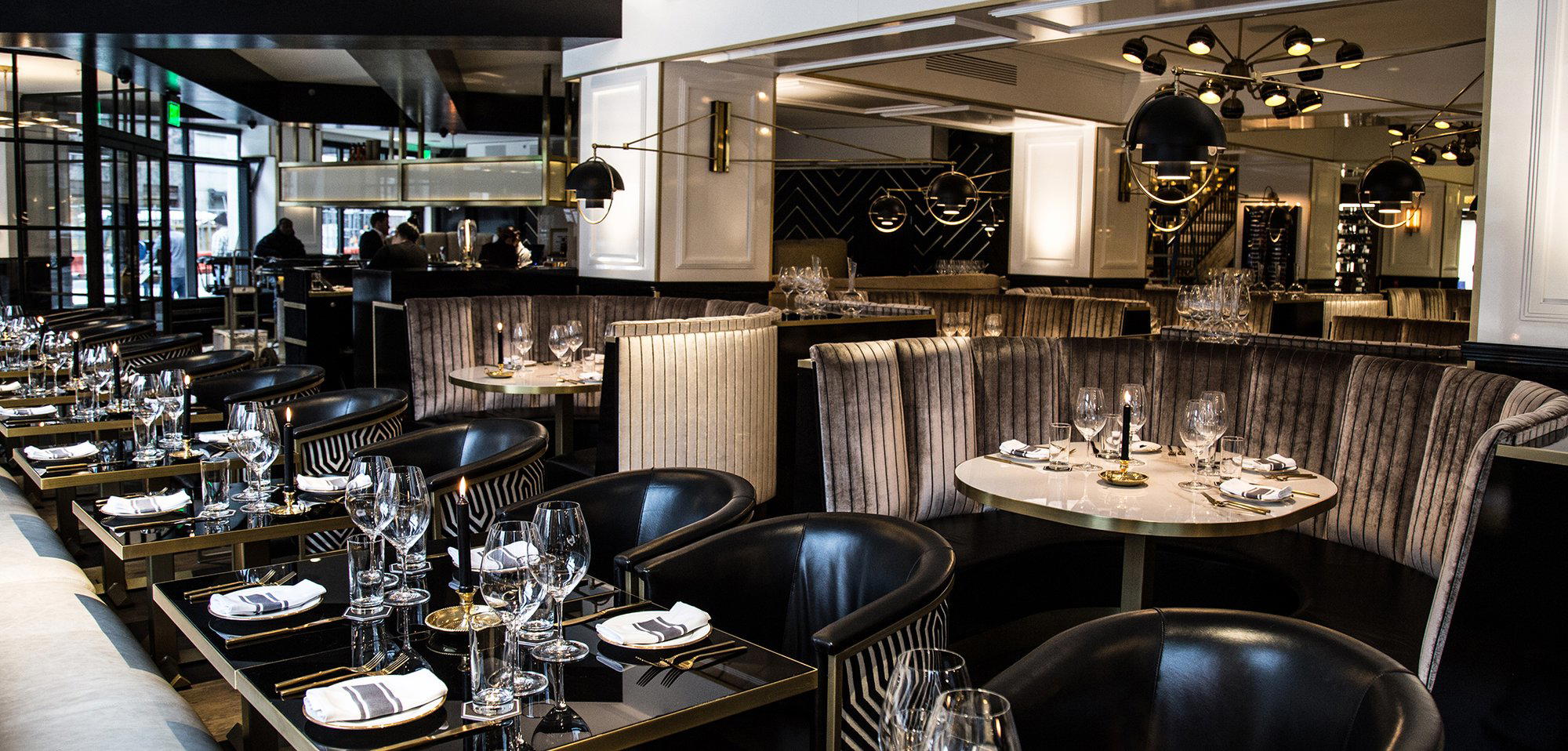
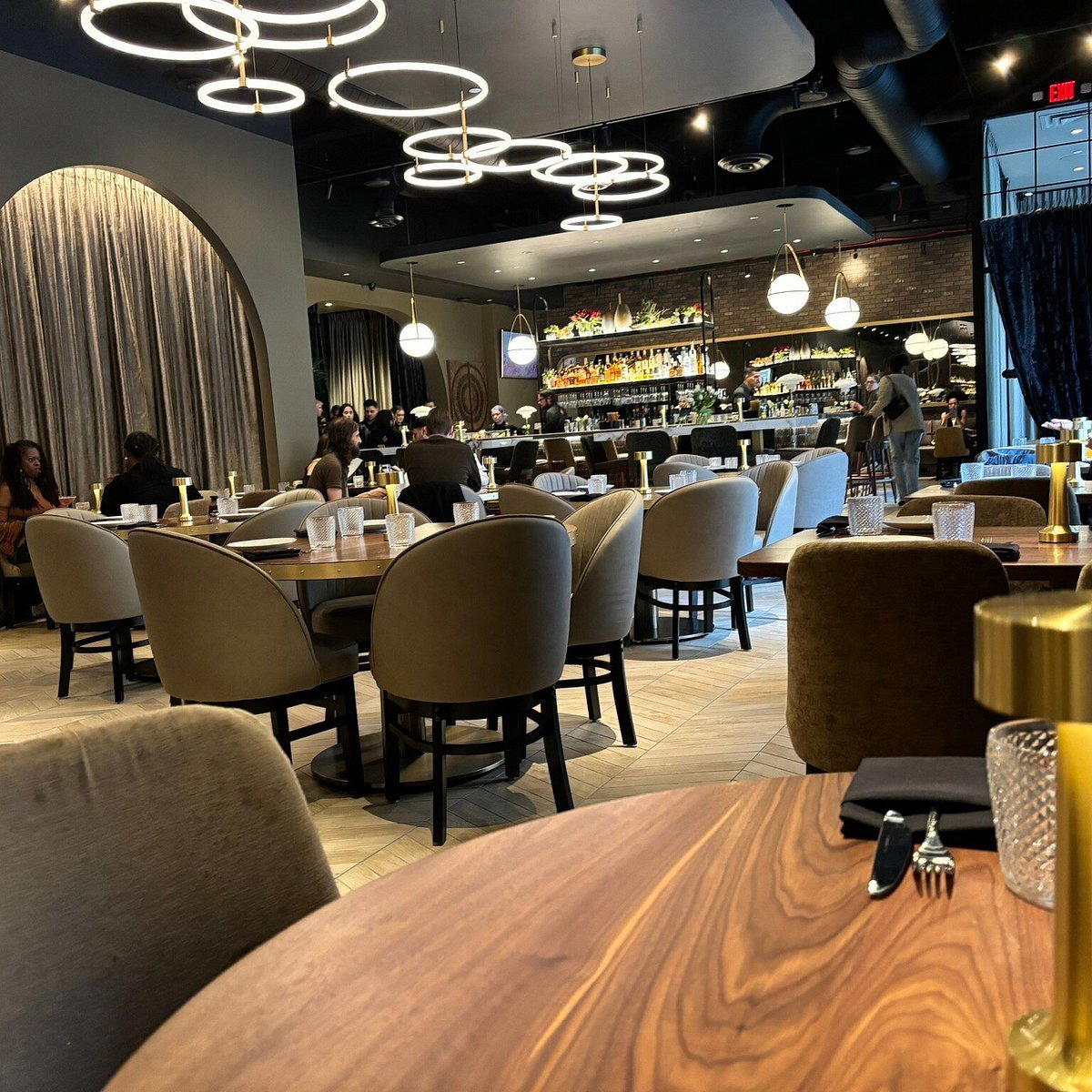
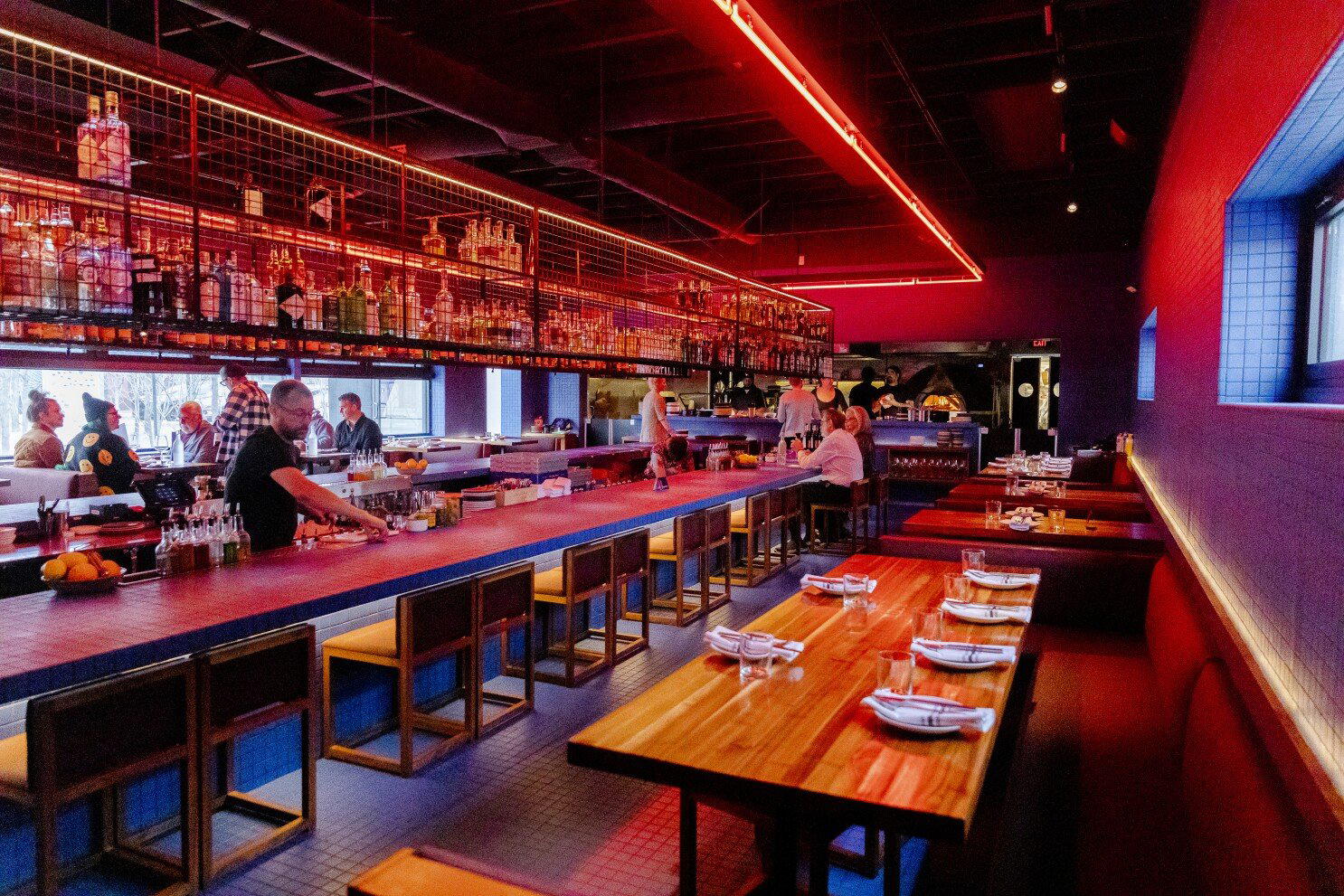
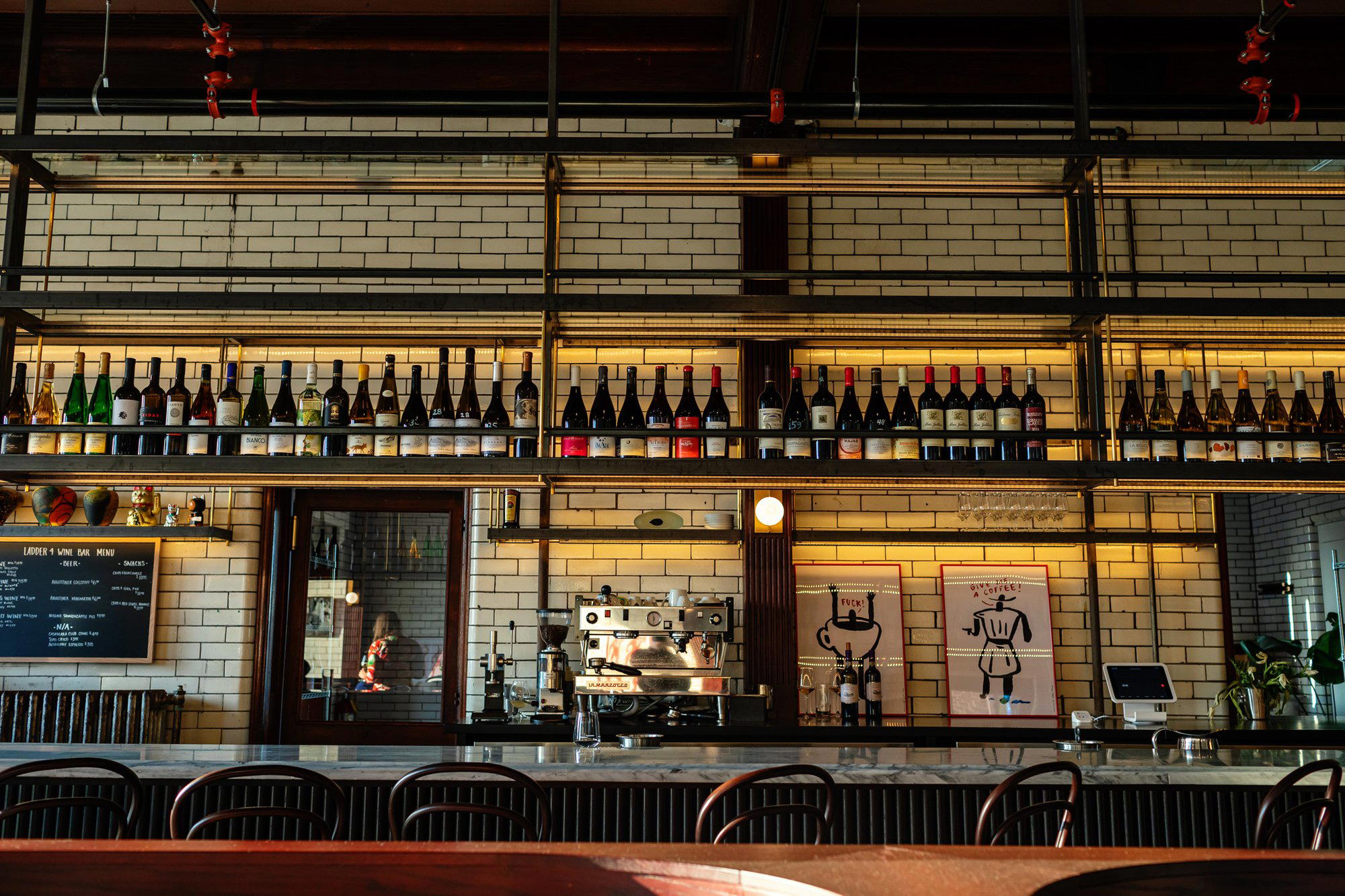
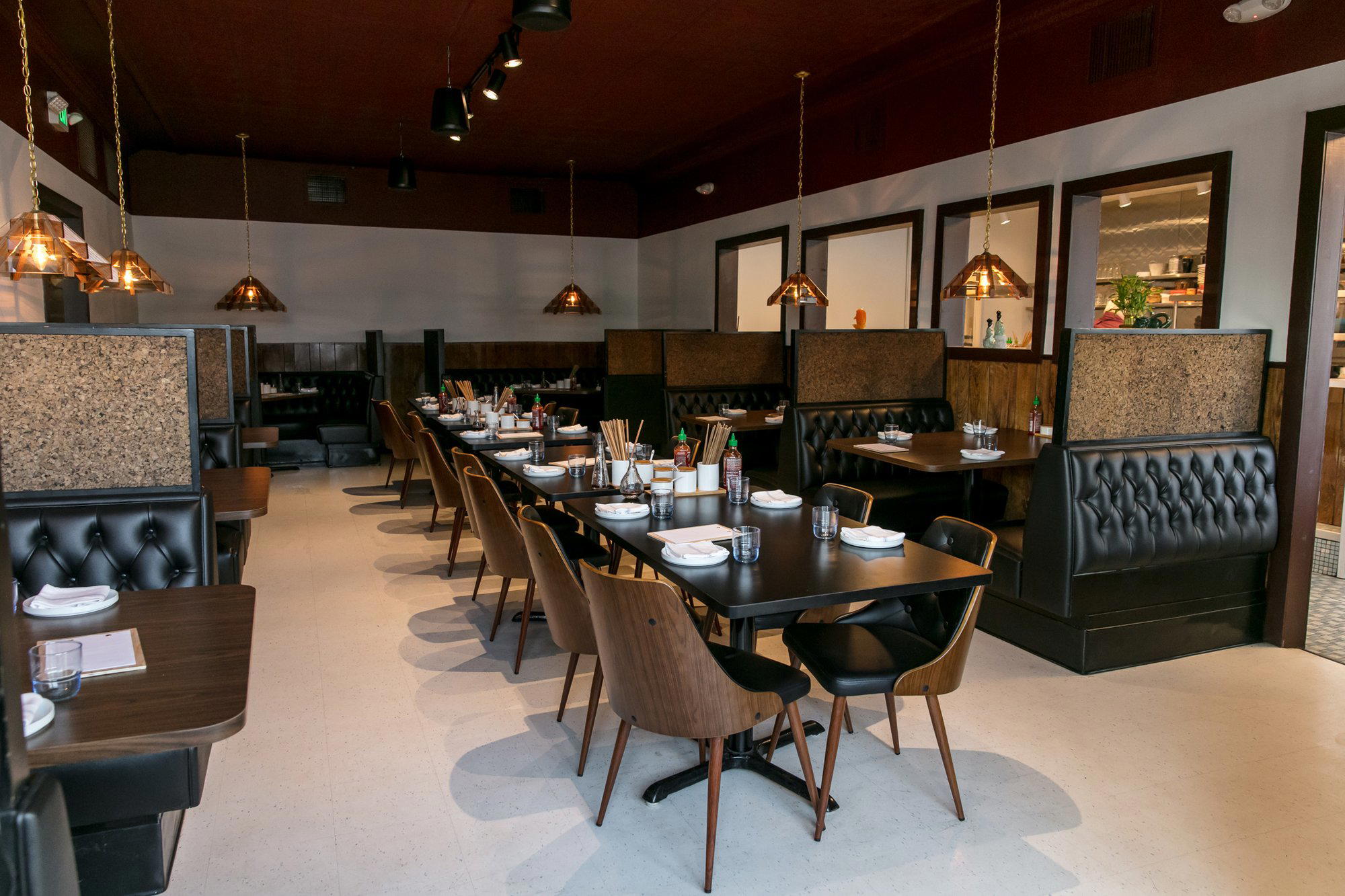
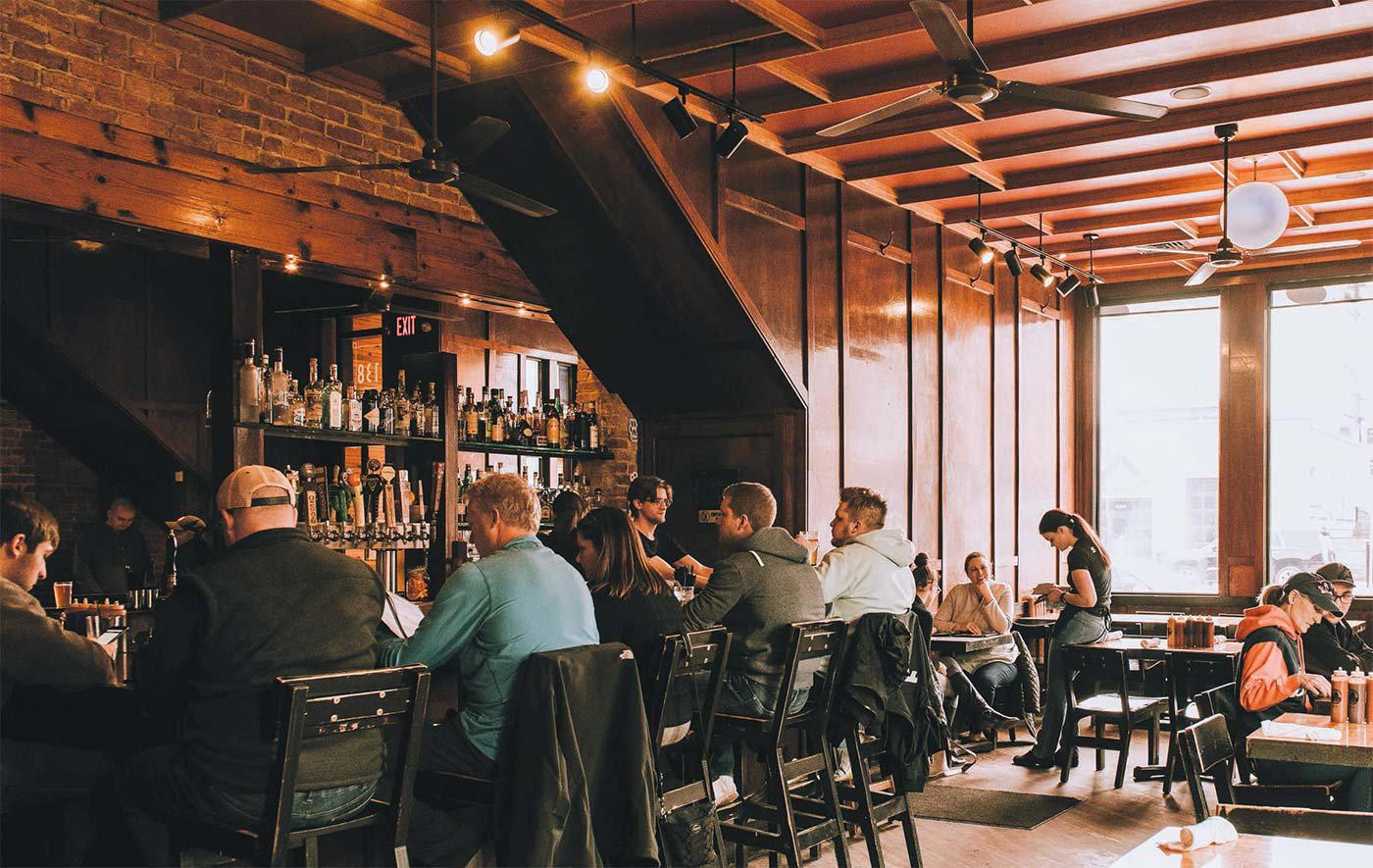
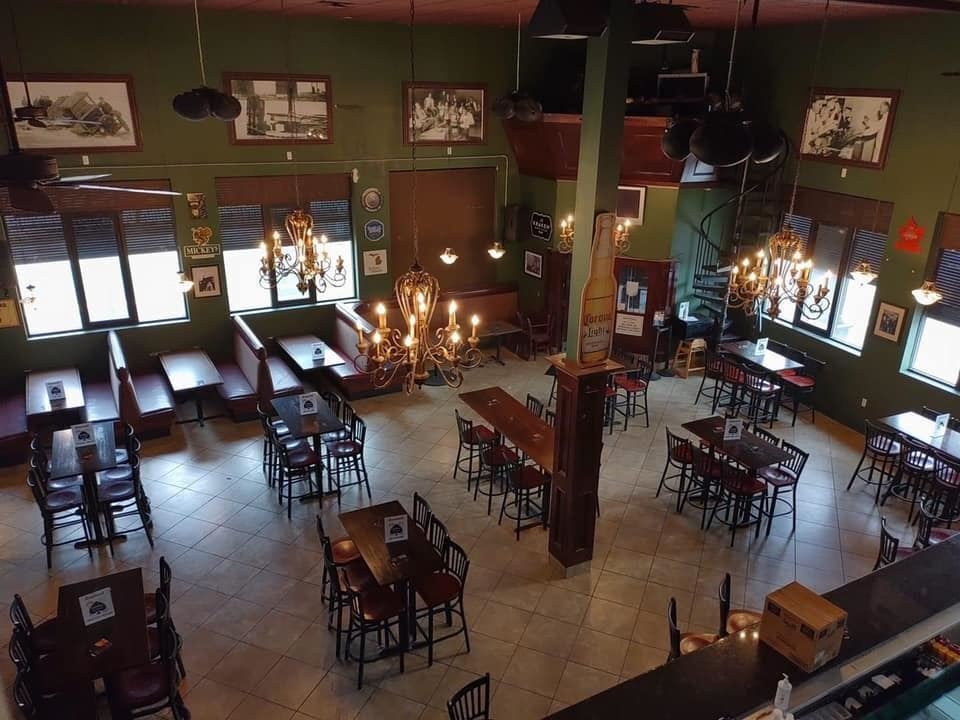
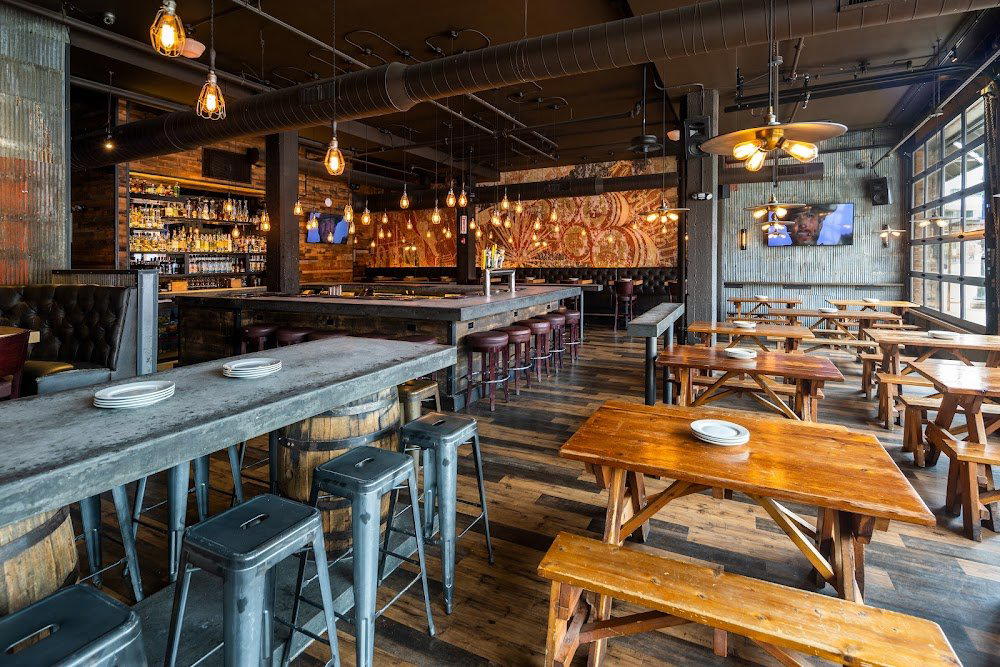
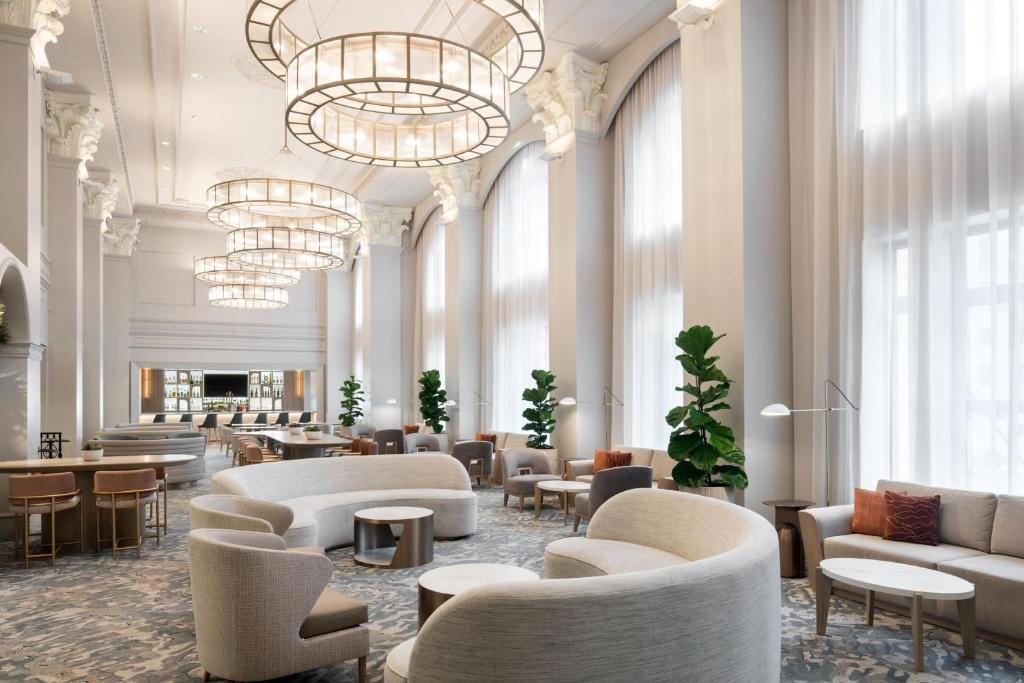
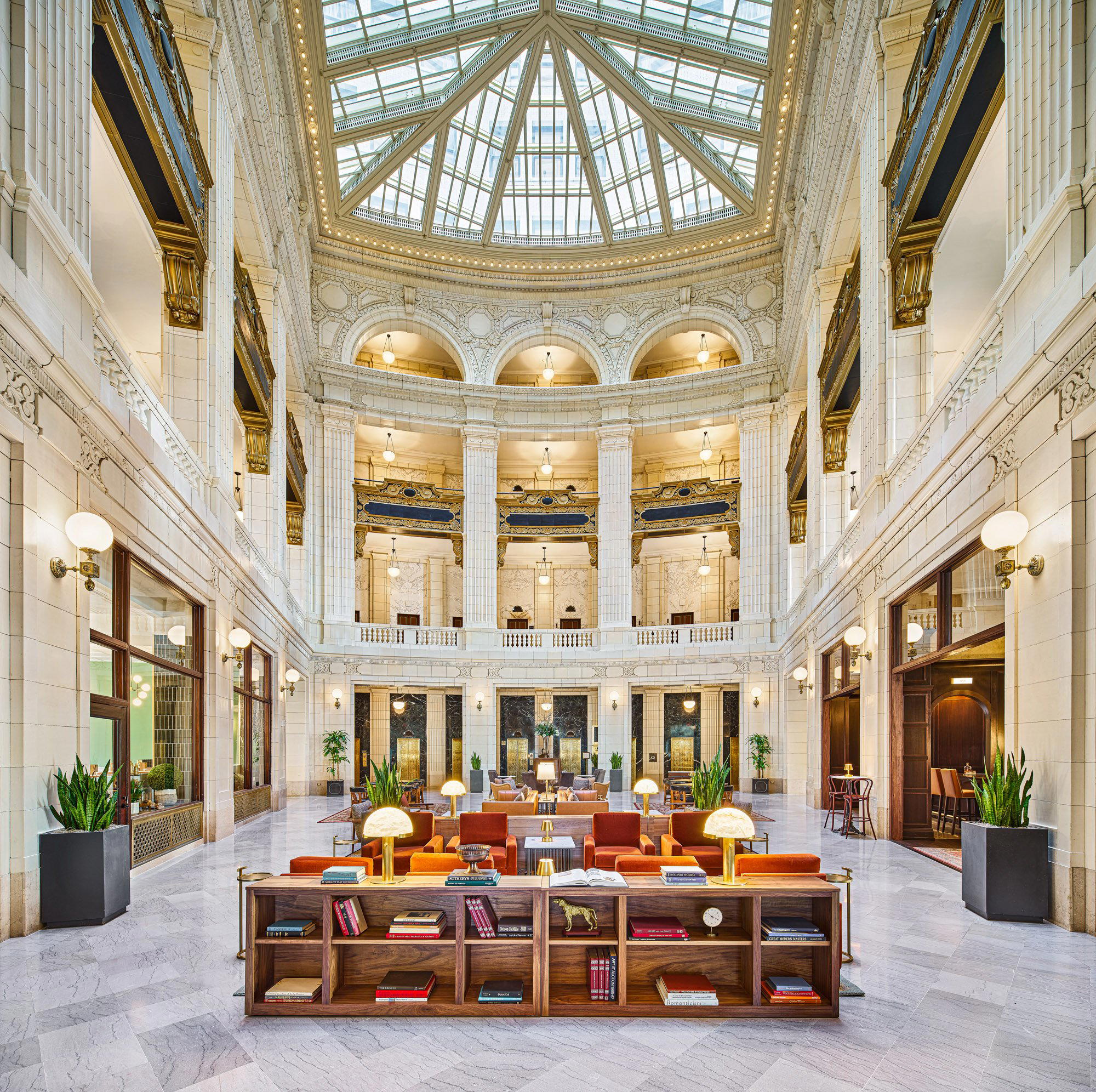
Rustic with exposed brick walls, original hardwood floors, wooden tables, long bar, and open kitchen in a spacious, lively setting.
Know Before You Go
- Getting there
- 1400 Michigan Ave, Detroit, MI 48216