Mexican Village Restaurant
Mexican Village Restaurant on Bagley Street has anchored Detroit's Mexicantown neighborhood for decades, representing the kind of longstanding, community-rooted dining that persists through economic cycles and neighborhood shifts. It sits within a corridor that functions as the city's clearest concentration of Mexican cuisine, where the question is less where to eat than how to read the differences between what each kitchen emphasizes.
Pearl is the En Primeur Club membership app — saves, bookings, and concierge access live there. Same editors, same standards.
- Address
- 2600 Bagley St, Detroit, MI 48216
- Phone
- +13132370333
- Website
- mexicanvillagefood.com
- Directions
- Get directions
 Saves & bookings on Pearl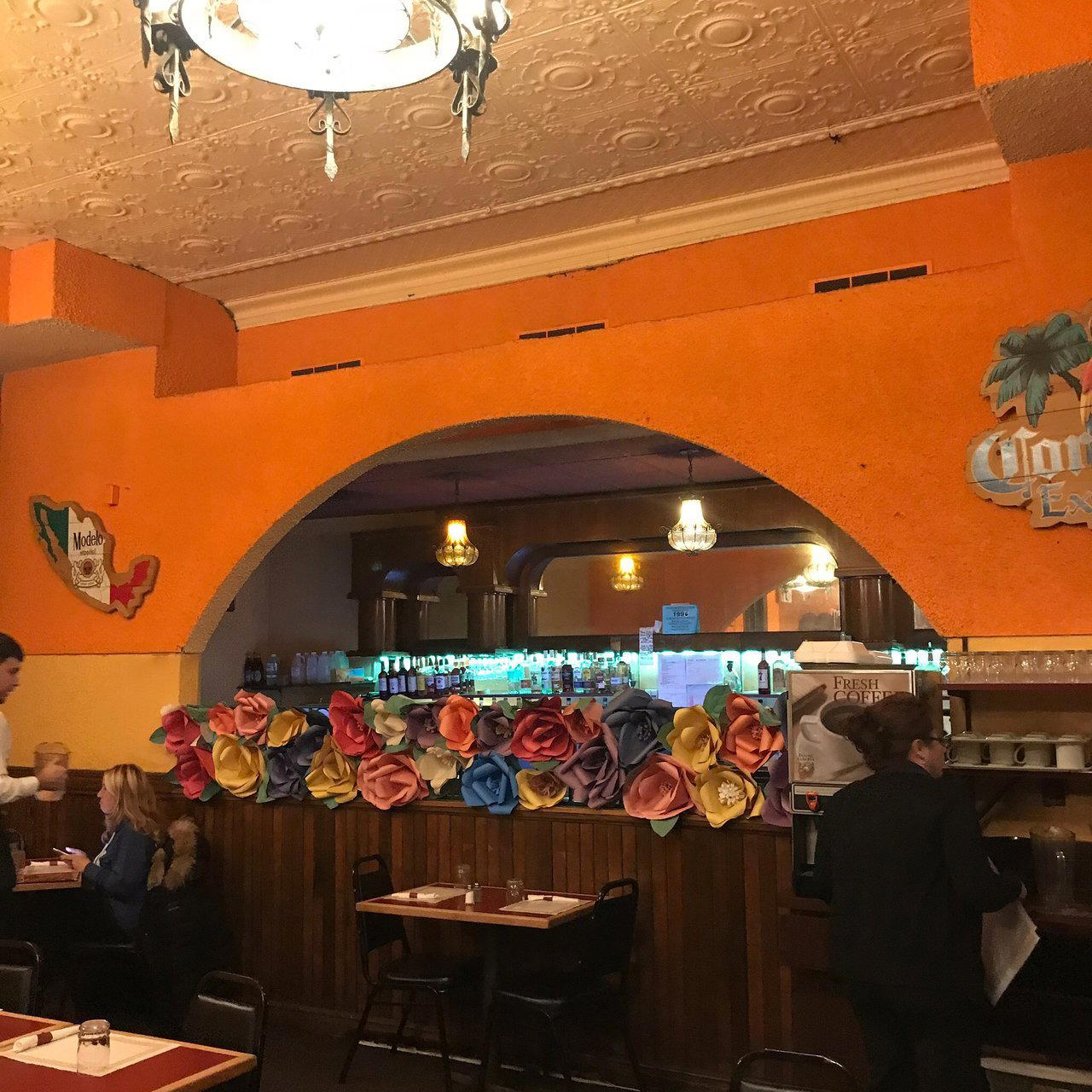
Mexicantown's Anchor on Bagley Street
Bagley Street in Detroit's Mexicantown does not announce itself the way newer dining corridors do. There are no curated neon signs or queues stretching around corners. What you find instead is a block-by-block density of Mexican-owned businesses, tortillerias, and restaurants that have operated through decades of municipal turbulence that reshaped most of the city around them. Mexican Village Restaurant sits on that street as a full-service Classic Mexican restaurant in Detroit, priced around $20 per person. In a city that has seen entire dining scenes evaporate within a generation, longevity carries editorial weight.
The neighborhood context matters because Mexicantown is not a food tourism construct. It developed as a residential and commercial community, and the restaurants along Bagley and nearby streets reflect that origin. The dining here skews toward full-service, family-format meals rather than taco-counter formats, and portions tend toward generosity over refinement. That positions Mexican Village within a category of Detroit dining that operates on different assumptions than the New American kitchens of Midtown or the tasting-menu formats found elsewhere in the city. For comparison, Detroit's broader restaurant conversation in the current period runs through places like ADELINA, Alpino, and Amore da Roma, all operating in a different register entirely. Mexican Village occupies an older, more settled layer of the city's dining geography.
Planning Around the Mexicantown Dining Calendar
Mexicantown as a whole draws its largest crowds around Cinco de Mayo and during summer weekends, when the neighborhood becomes one of the more active dining destinations in the metro area. If your window for visiting aligns with late spring or summer, building in more lead time for popular evenings makes sense. The neighborhood also sees increased traffic during the Detroit Free Press Marathon weekend in October, when visitors from outside the city look for reliable, established dining options rather than newer, harder-to-book addresses.
Logistical reality of eating in Mexicantown is that parking is more available than in Midtown or Downtown, and the atmosphere on Bagley Street during peak weekend hours carries the kind of ambient noise and street-level activity that makes the area feel lived-in rather than staged for visitors. That distinction matters when choosing between, say, a tasting-menu counter like those featured in major national rankings and a neighborhood room that has been serving the same extended families for multiple generations. The framing is different, the expectation is different, and the value proposition is different. Mexican Village sits clearly in the second category.
The Mexicantown comparable set
Within Detroit, Mexican Village is one of several full-service Mexican restaurants that have maintained physical presence through the city's contraction and partial recovery. Modern Mexican formats like ADELINA or Vecino operate with different kitchen philosophies, tighter menus, and price points that reflect a different cost structure. Mexican Village represents an older model: a larger room, a broader menu, and a price tier that serves the neighborhood's own residents as the primary audience rather than weekend visitors from the suburbs or out-of-state travelers.
That peer positioning also means Mexican Village is not competing with the nationally recognized rooms that define Detroit's culinary reputation in food media. It occupies a different tier from the kind of destination that draws comparisons to, say, Le Bernardin in New York City, Alinea in Chicago, or The French Laundry in Napa. The relevant comparison set is narrower and more local: the other Mexicantown institutions that have sustained community trust over decades rather than garnered award-season attention. Other Detroit addresses worth understanding in relation to each other include American Coney Island and Baobab Fare, each of which anchors a specific community dining tradition in a way that functions differently from newer concept restaurants.
What the Visit Requires
Mexican Village is walk-in friendly, with daily hours from 11 AM to 9 PM. Mexicantown full-service restaurants in this category have historically operated on a walk-in basis for lunch and early dinner, with wait times on Friday and Saturday evenings that can extend beyond thirty minutes during warm-weather months. If you are planning around a specific occasion or a group larger than four, calling ahead is the functionally safe approach regardless of formal reservation policy.
The address at 2600 Bagley Street places Mexican Village within walking distance of the Mexicantown International Welcome Center and within a short drive of Downtown Detroit. Mexicantown as a whole merits at least one dedicated meal on any serious Detroit visit, and Mexican Village is the address on Bagley Street with the deepest roots in that argument.
Same-City Peers
Comparable venues nearby, for context on price, style, and recognition.
| Venue | Cuisine | Price | Notes |
|---|---|---|---|
| Mexican Village RestaurantThis venue — the venue you are viewing | Classic Mexican | $$ | Not listed |
| Carajillo | Authentic Mexican with Farm-to-Table Focus | $$ | Ferndale |
| Tacos Wuey | Modern Mexican Taqueria | $$ | Mexicantown |
| El Barzon | Traditional Mexican & Italian (Poblano-Italian Fusion) | $$ | Core City |
| Nepantla | Vegan Mexican Taqueria | $$ | Mexicantown |
| Supergeil | Turkish Döner-Inspired | $$ | North Corktown |
At a Glance
- Classic
- Lively
- Well Known
- Family
- Celebration
- Casual Hangout
- Historic Building
- Craft Cocktails
Current opening hours
- Monday
- 11 AM–9 PM
- Tuesday
- 11 AM–9 PM
- Wednesday
- 11 AM–9 PM
- Thursday
- 11 AM–9 PM
- Friday
- 11 AM–9 PM
- Saturday
- 11 AM–9 PM
- Sunday
- 11 AM–9 PM
Hours can change for holidays and private events. Last verified .
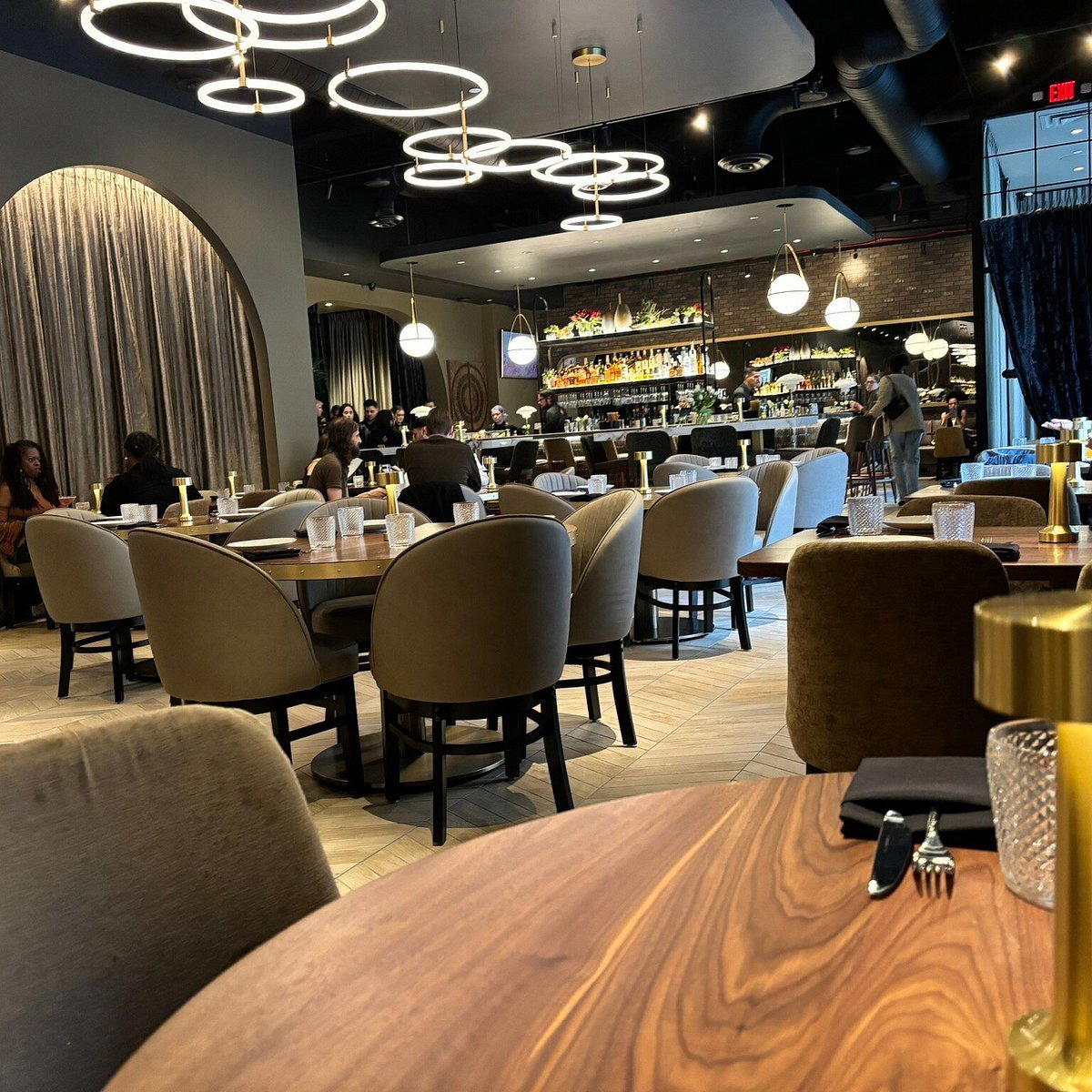
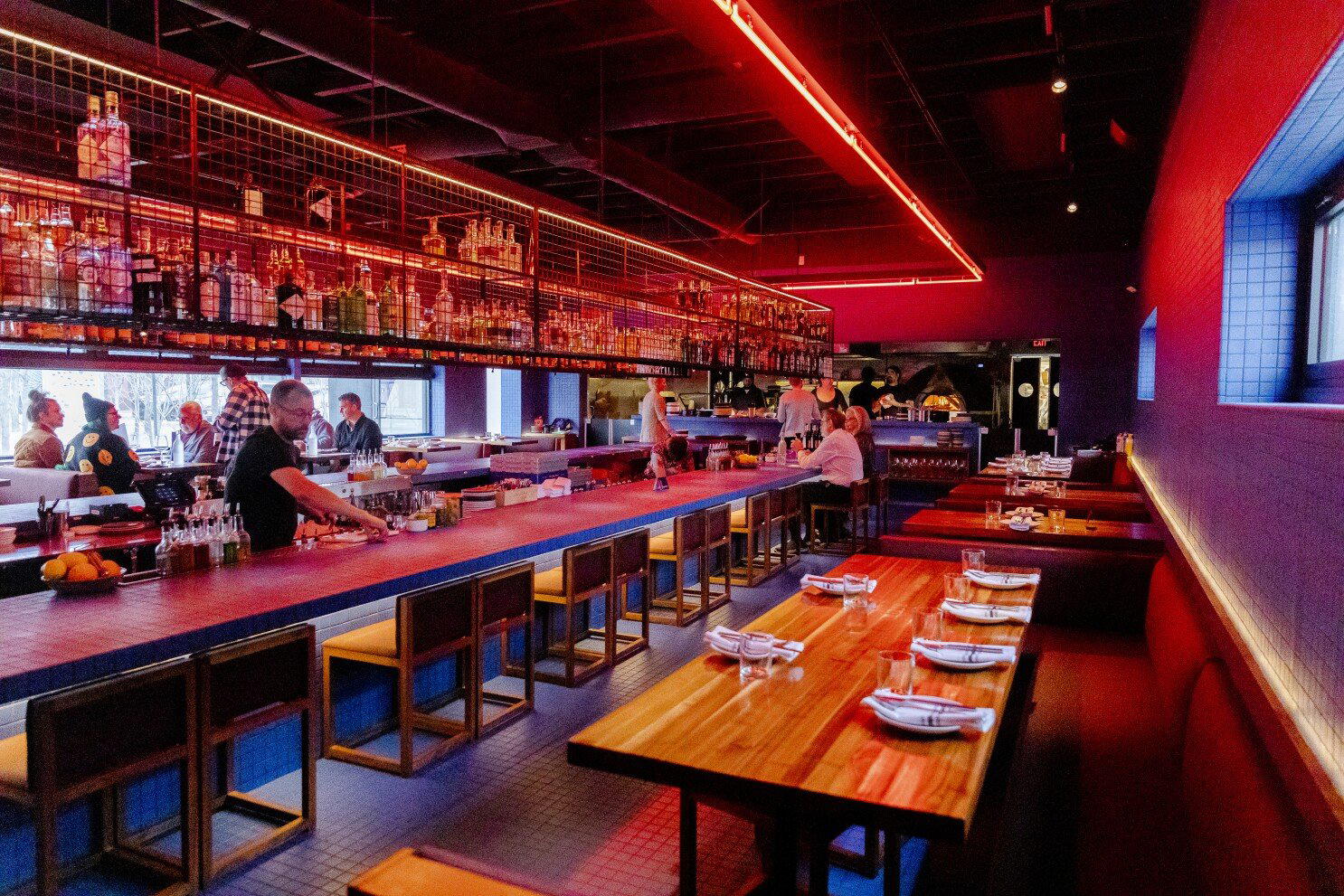
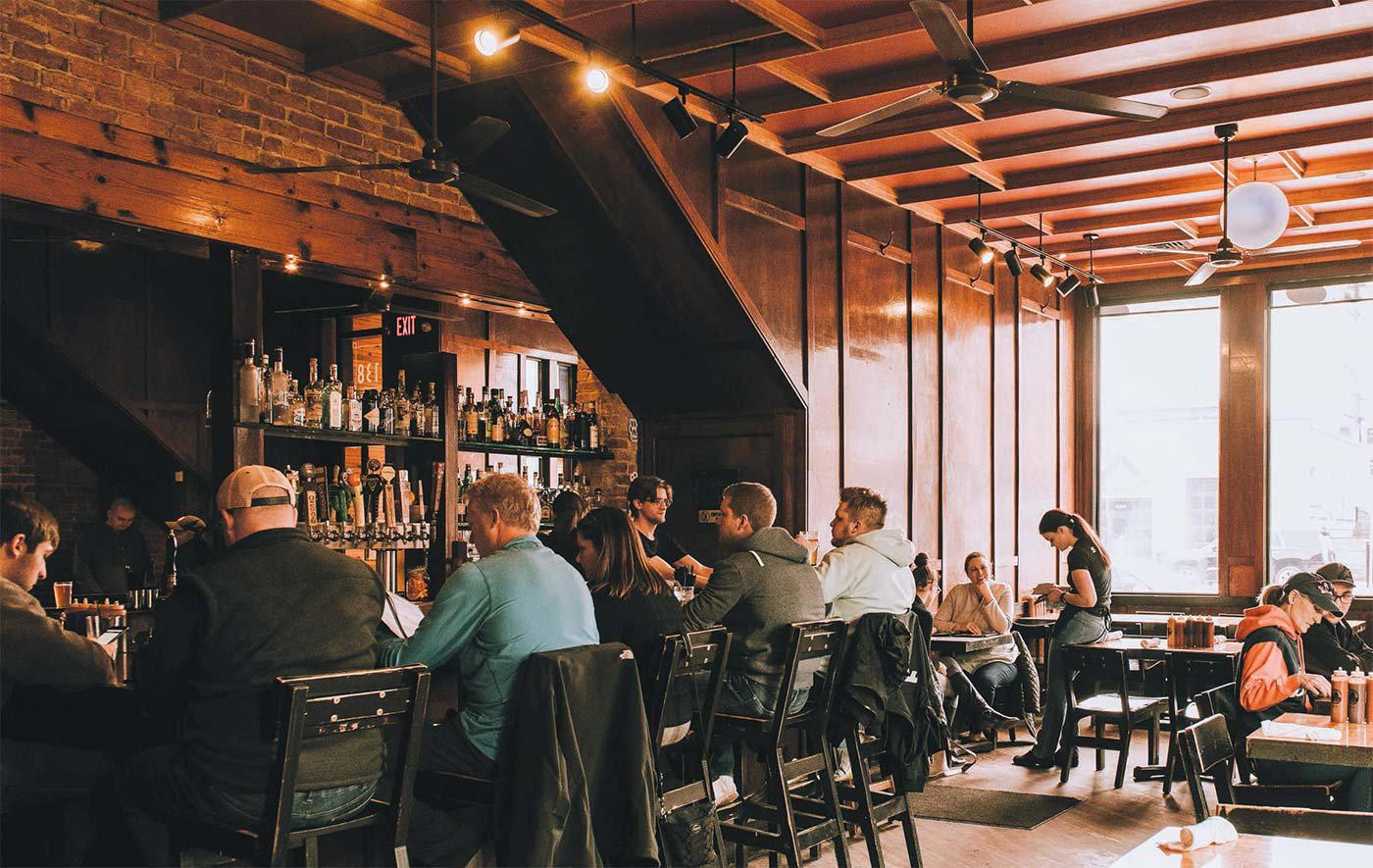
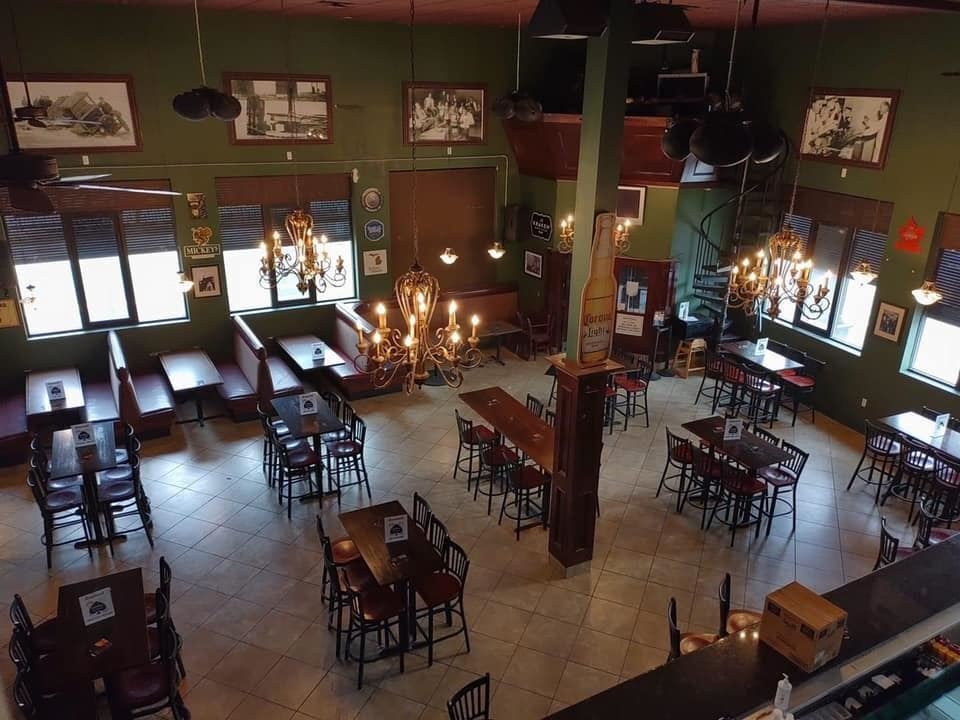
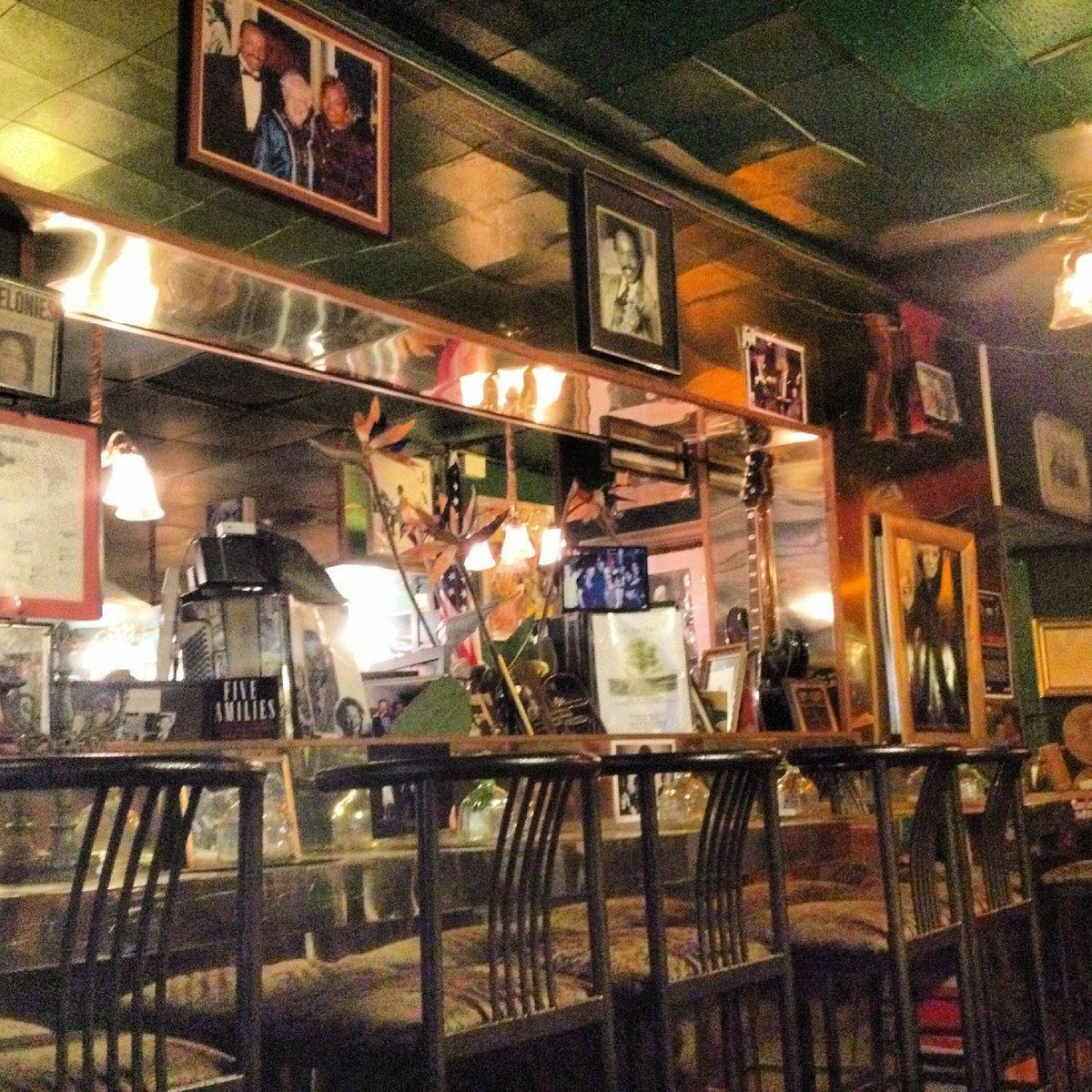
Festive atmosphere with authentic Mexican decor, warm and lively setting ideal for celebrations.