Babo
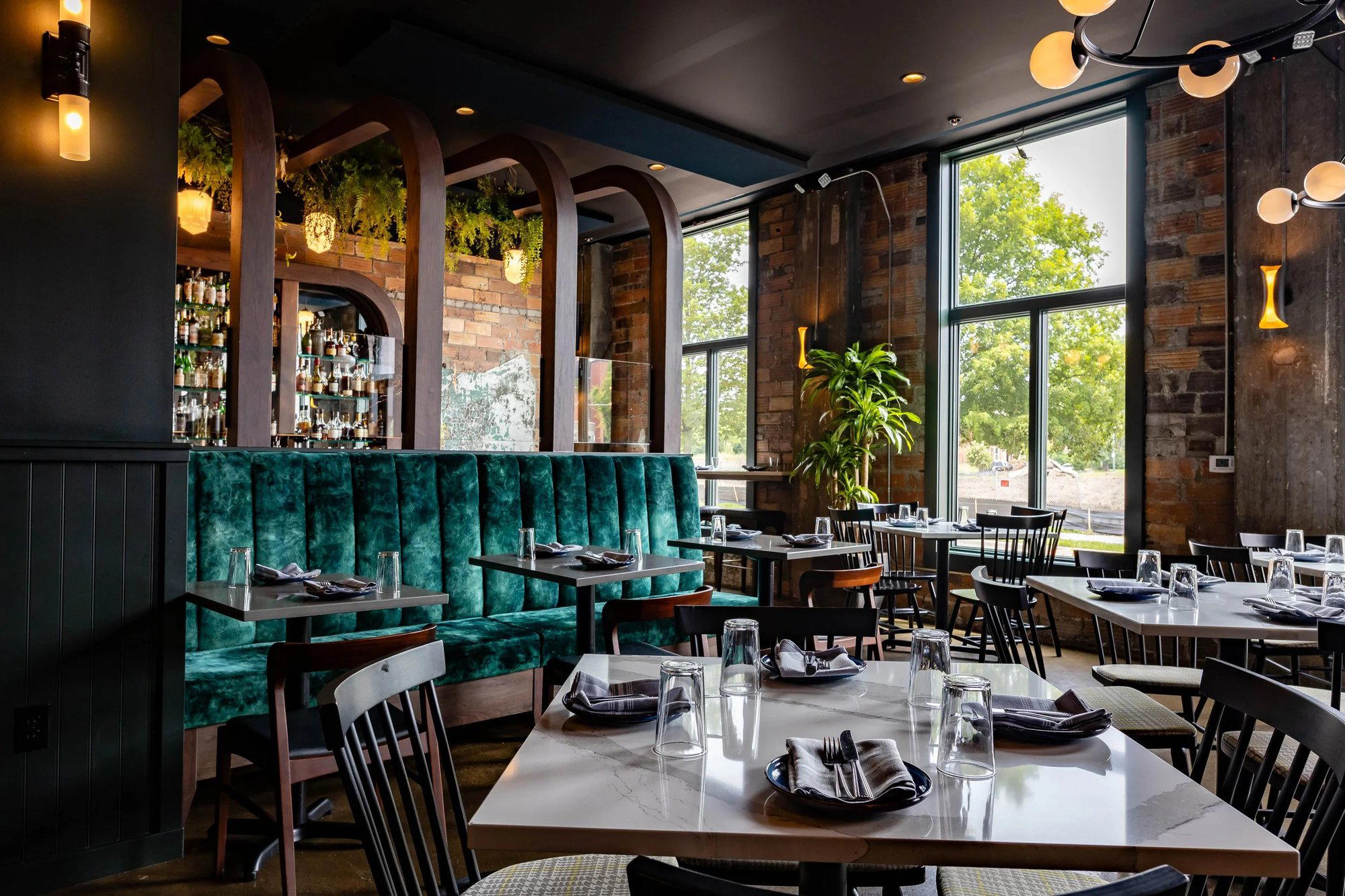
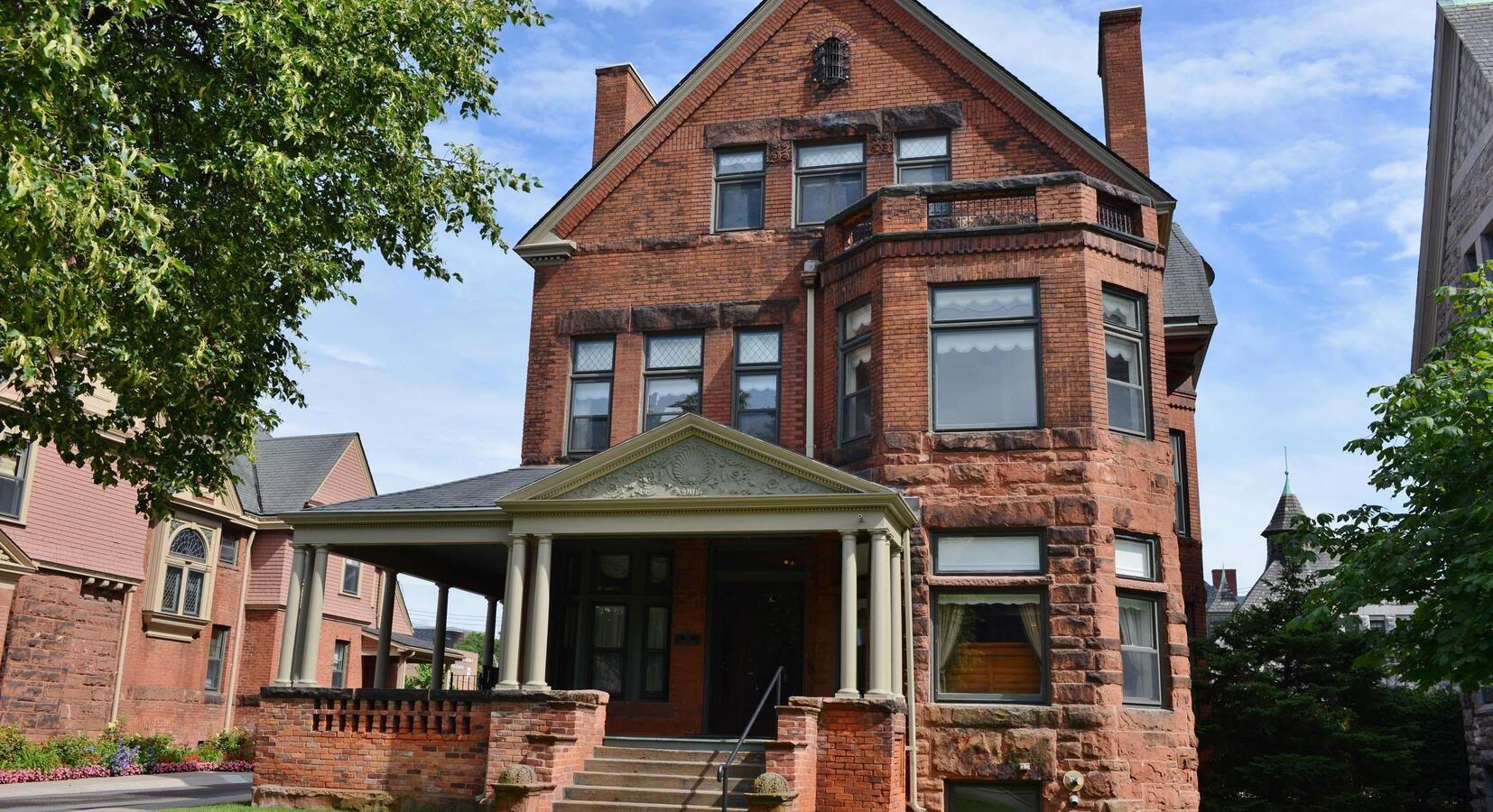
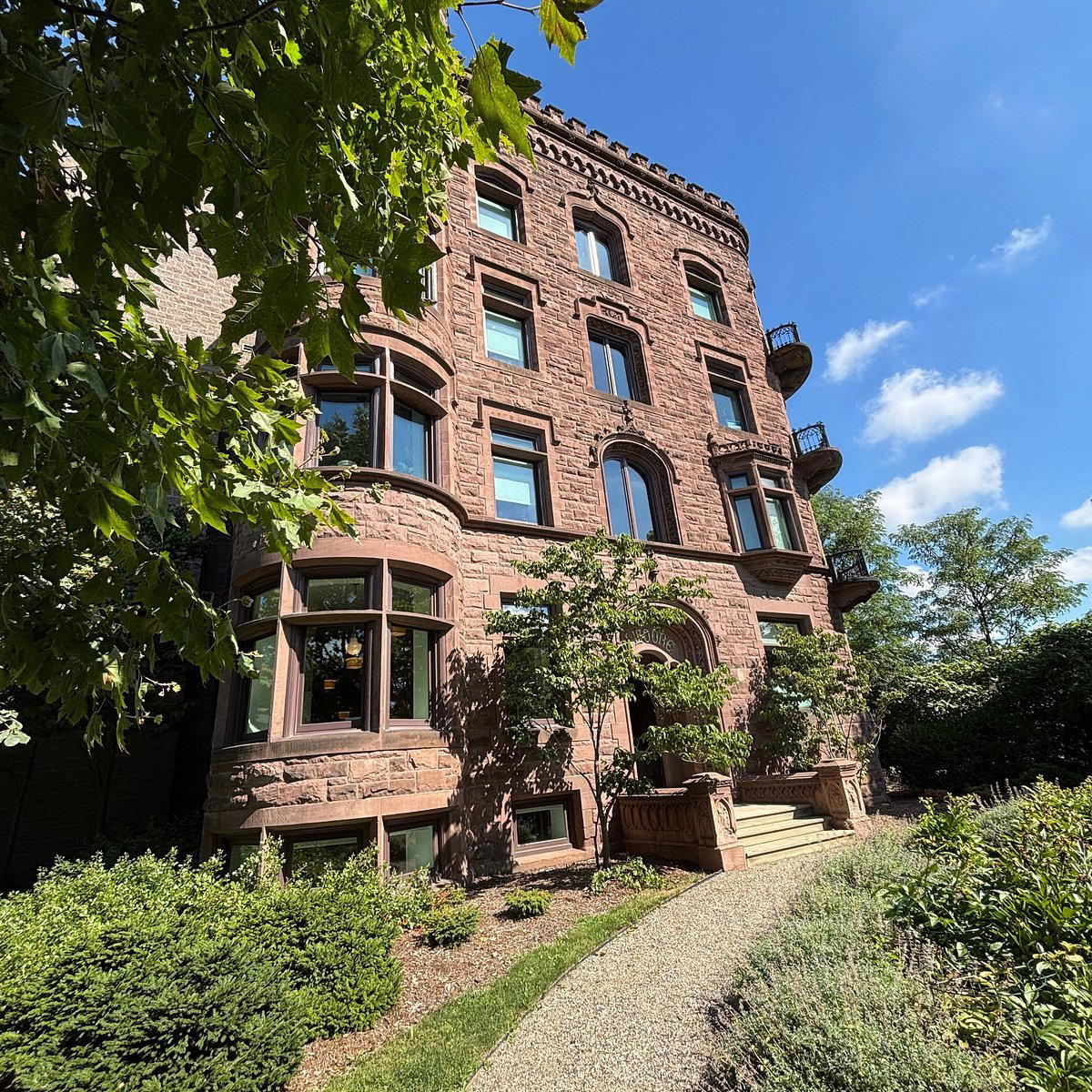
Babo occupies a street-level address at 15 E Kirby St in Detroit's Midtown corridor, placing it within a cluster of independent restaurants that have reshaped the neighbourhood's dining identity over the past decade. The venue draws visitors navigating Detroit's growing independent food scene, sitting a short distance from the Detroit Institute of Arts and the broader cultural strip along Woodward Avenue.
Pearl is the En Primeur Club membership app — saves, bookings, and concierge access live there. Same editors, same standards.
- Address
- 15 E Kirby St #115, Detroit, MI 48202
- Phone
- +13139746159
- Website
- babodetroit.com
- Directions
- Get directions
 Saves & bookings on Pearl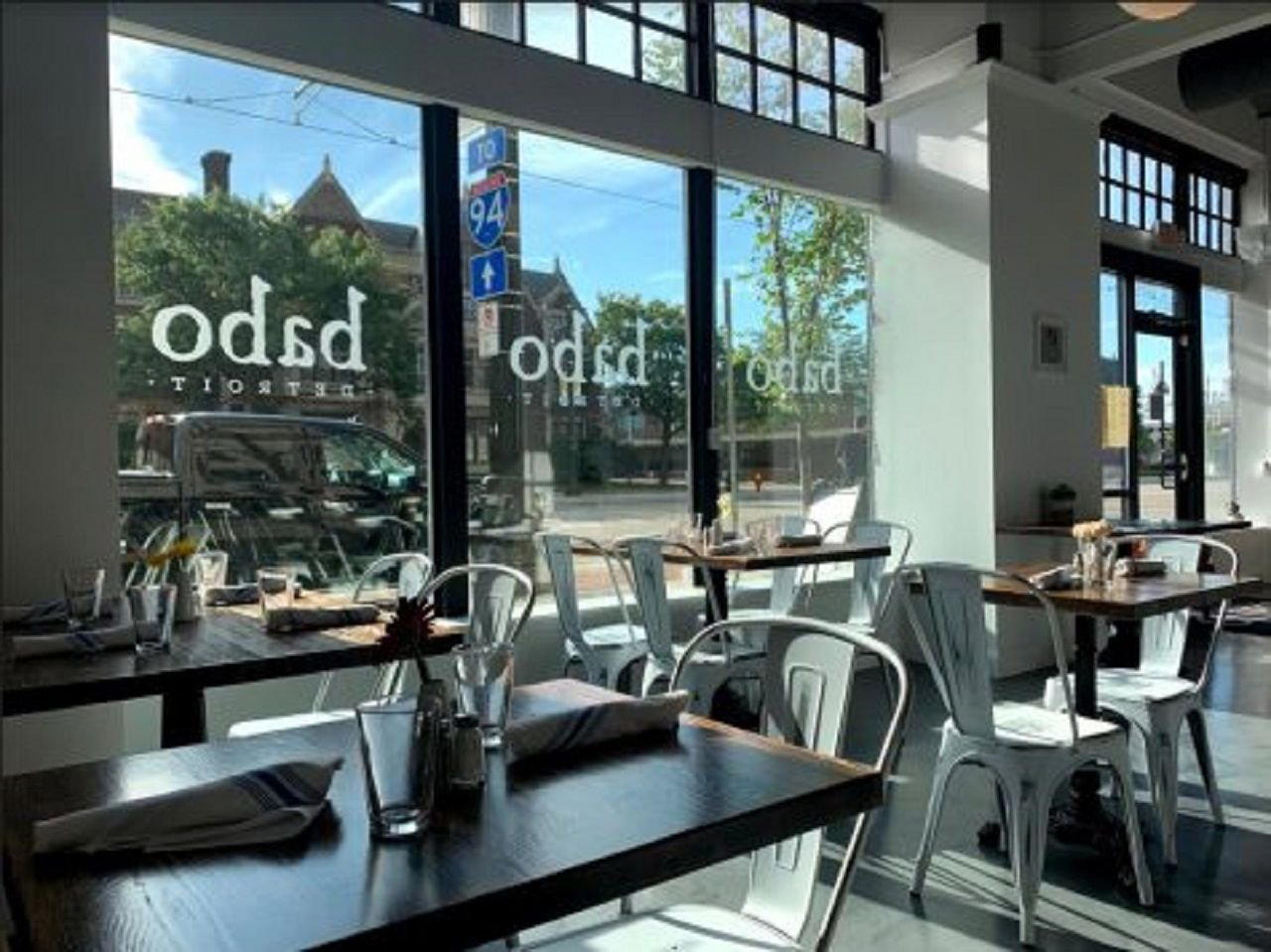
Detroit's Midtown Dining Corridor and Where Babo Sits Within It
Midtown Detroit has undergone a documented shift since the early 2010s. What was a neighbourhood defined largely by institutions, Wayne State University, the Detroit Institute of Arts, and the Detroit Symphony Orchestra, has accumulated a critical mass of independent restaurants that now draw visitors specifically for the food rather than the adjacent programming. The stretch along and around Woodward Avenue, including the side streets feeding into Cass Corridor, represents Detroit's most coherent independent dining district. That density matters. It means a visit to Babo can sit inside a broader evening that includes a performance at Orchestra Hall or a pre-dinner stop at another Midtown address without requiring a cross-city drive.
For dining scenes in mid-sized American cities, the Midtown Detroit model is instructive. Unlike Chicago's restaurant geography, where fine dining concentrates in the River North and West Loop corridors and separates cleanly from neighbourhood spots, Detroit's leading independent restaurants are distributed across a smaller footprint. That compression makes the city easier to work through for a visitor on a short stay, and it gives venues like Babo the benefit of foot traffic from adjacent cultural institutions rather than depending solely on destination dining intent.
Planning Around Babo: What to Know Before You Go
The Kirby Street address sits in a block where parking is available but competes with DIA visitors and Symphony crowds on performance nights. If you are arriving on a weekend evening when Orchestra Hall has a programme, factor in additional time. Detroit's public transit connections to Midtown are improving with the QLINE streetcar running along Woodward, though the city remains predominantly car-oriented for practical navigation. Rideshare drop-off on E Kirby St is direct from both downtown and from the New Center area to the north.
Because the venue data available at time of publication does not include confirmed hours, phone contact, or online booking details for Babo, the most reliable approach is to verify current operating status and reservation availability directly through current search or mapping platforms before making a trip. Detroit's independent restaurant sector has seen notable volatility in post-pandemic operations, with hours and booking formats shifting more frequently than at larger or group-backed venues. This is not unique to Babo; it applies broadly to the independent dining tier across Detroit and peer cities. What it means practically is that planning a visit with confirmed contact in advance is a stronger approach than arriving speculatively, particularly if the visit anchors a broader evening itinerary.
For visitors building a Detroit dining itinerary that extends beyond a single meal, the Midtown corridor offers a logical structure. Venues including ADELINA, Alpino, and Amore da Roma operate in the same general radius, covering different format and cuisine positions. Baobab Fare represents the East African presence that has become one of Detroit's more distinctive dining signals nationally. For a longer read on how these venues relate to each other and to the city's broader food character, the full Detroit restaurants guide covers neighbourhood-level context that a single venue page cannot.
Detroit's Independent Restaurant Scene in National Context
Detroit occupies an interesting position in American dining. It does not carry the Michelin footprint of Chicago or New York, and it does not have the coastal fine dining density of San Francisco or Los Angeles, where venues like Lazy Bear or Providence anchor broader destination dining ecosystems. What Detroit has, particularly in Midtown and Corktown, is a concentration of independent venues operating without the infrastructure of major hospitality groups, which tends to produce a more locally specific dining character. The comparison set is closer to cities like Portland or Nashville in the late 2010s than to Chicago's West Loop, though Detroit's manufacturing and immigrant history gives its food culture a different texture.
That independence also means fewer of the standardised booking systems and loyalty programmes that characterise venues affiliated with national groups. Venues in this tier, whether in Detroit or in peer markets, require more advance research from the visitor. The reward is a dining experience less mediated by brand-level consistency. For reference points on what the highly orchestrated end of American dining looks like, venues like The French Laundry in Napa, Smyth in Chicago, Atomix in New York City, or Blue Hill at Stone Barns in Tarrytown define what high-infrastructure tasting menu formats deliver. Detroit's independent tier delivers something different: less scripted, more contingent on the specific evening, and embedded in a city rather than floating above it. Addison in San Diego, Le Bernardin in New York City, Single Thread Farm in Healdsburg, The Inn at Little Washington, Emeril's in New Orleans, and Atelier Moessmer Norbert Niederkofler in Brunico each represent the high-credential end of their respective markets. Detroit's independent venues, by contrast, operate closer to the grain of the city itself.
Other Detroit addresses worth knowing: American Coney Island remains the most historically documented expression of Detroit's working-class diner tradition, while 313 Cinnamon Rolls represents the vegan-accessible bakery format that has grown a following in the city's younger dining demographic.
How Babo Detroit compares with similar nearby venues.
| Venue | Cuisine |
|---|---|
| 313 Cinnamon Rolls | bakery / vegan cinnamon rolls |
| Baobab Fare | East African |
At a Glance
- Lively
- Modern
- Cozy
- Brunch
- Casual Hangout
- Open Kitchen
- Craft Cocktails
- Local Sourcing
Current opening hours
- Monday
- 9 AM–5 PM
- Tuesday
- 9 AM–5 PM
- Wednesday
- 9 AM–5 PM
- Thursday
- 9 AM–5 PM
- Friday
- 9 AM–5 PM
- Saturday
- 9 AM–5 PM
- Sunday
- 9 AM–3 PM
Hours can change for holidays and private events. Last verified .
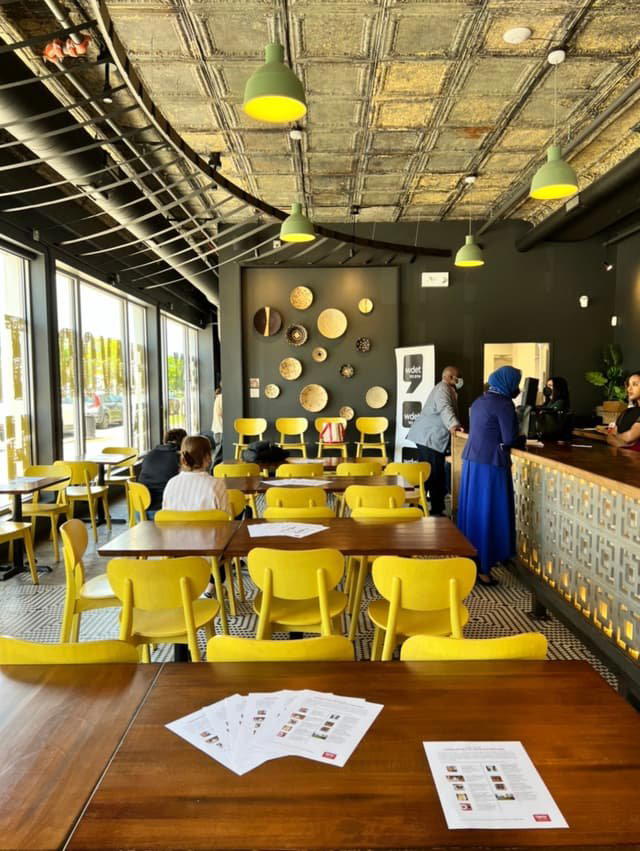
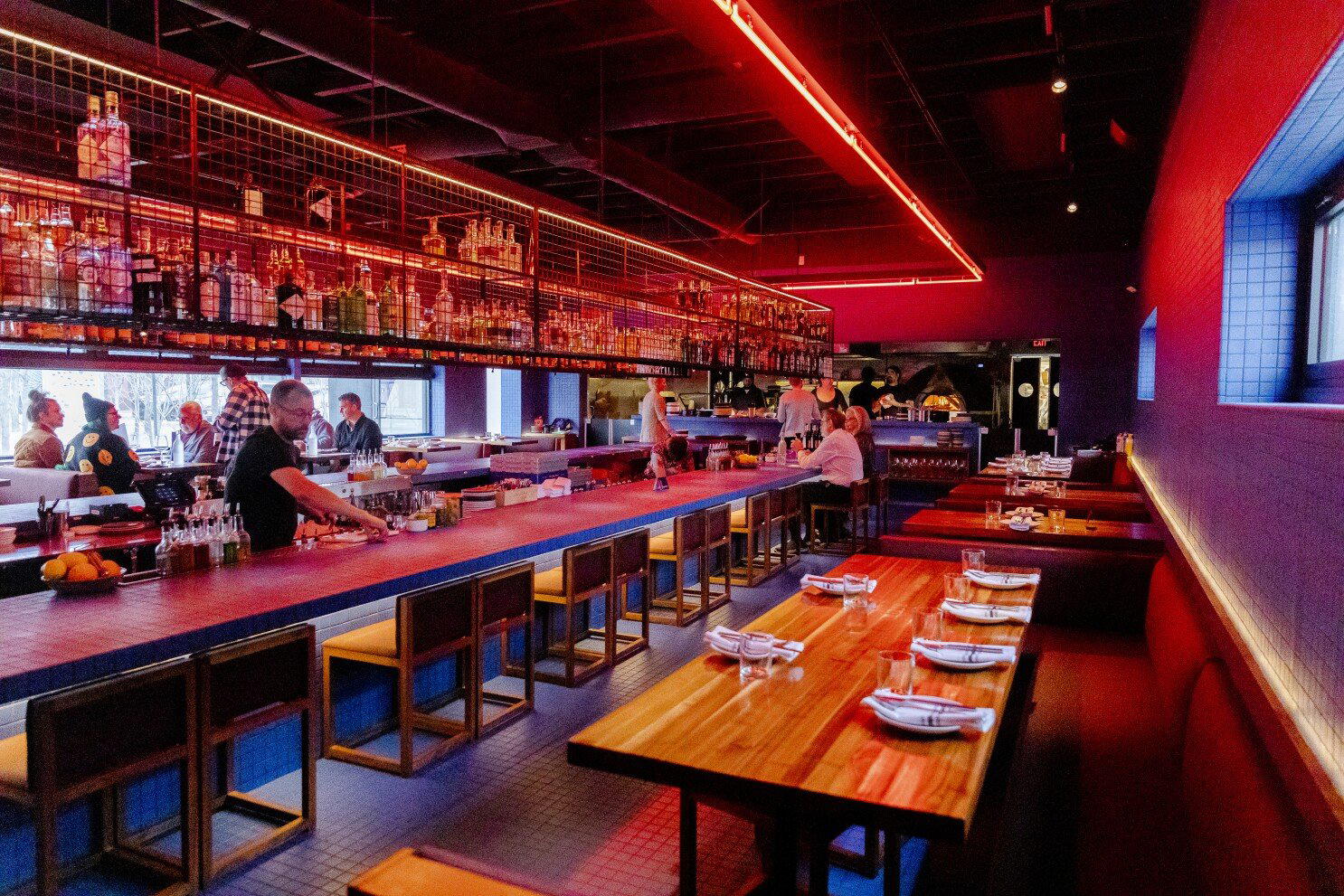
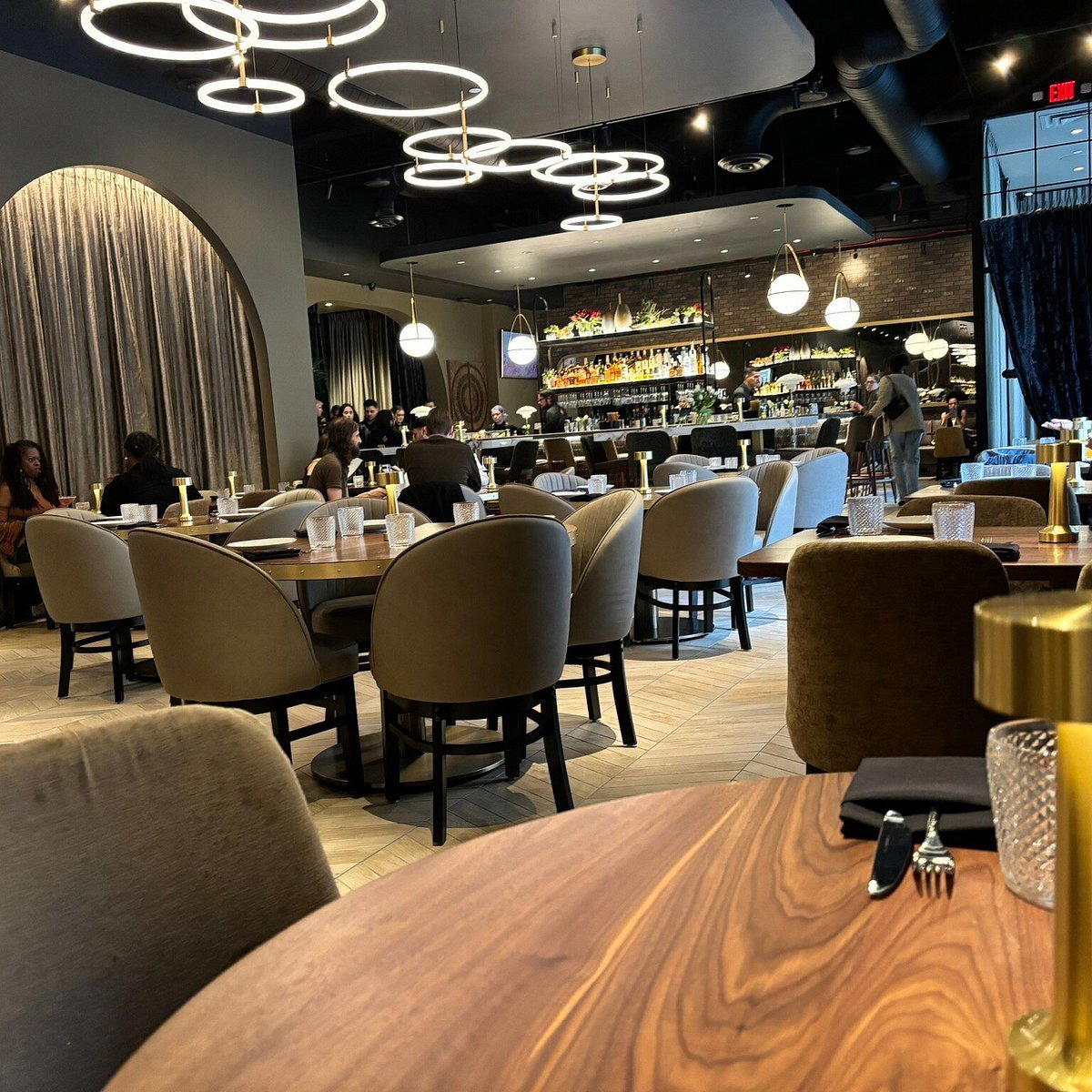
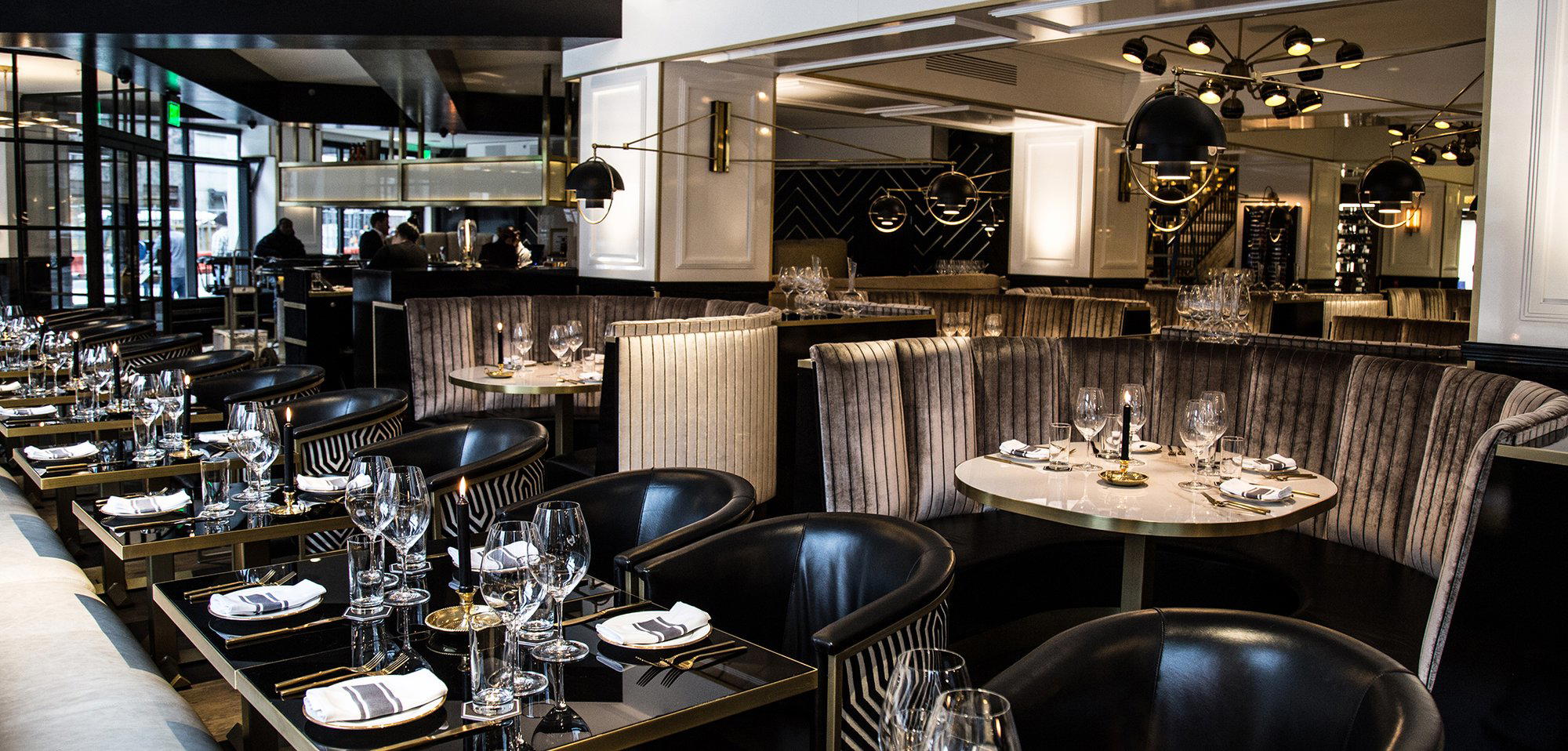
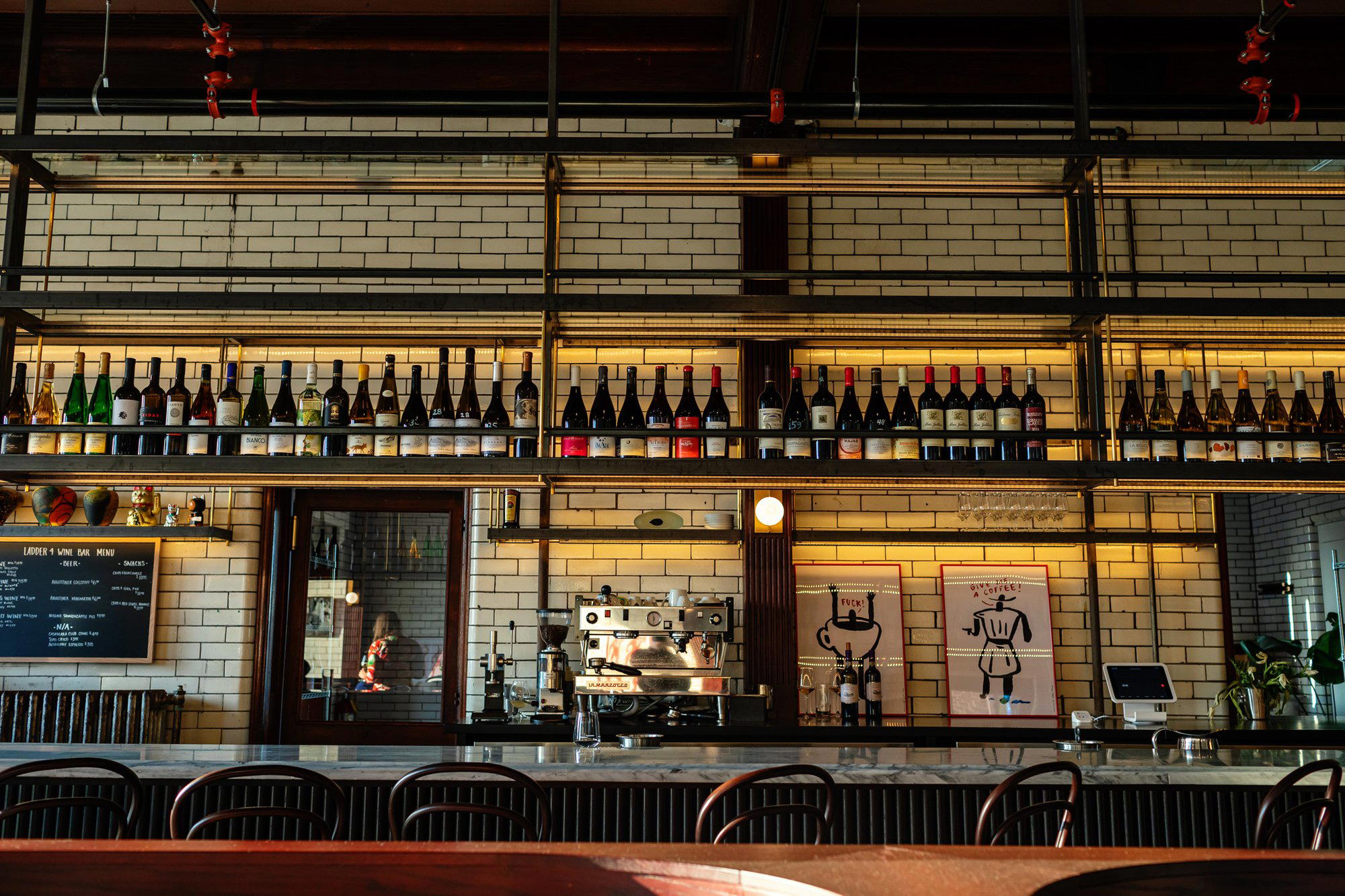
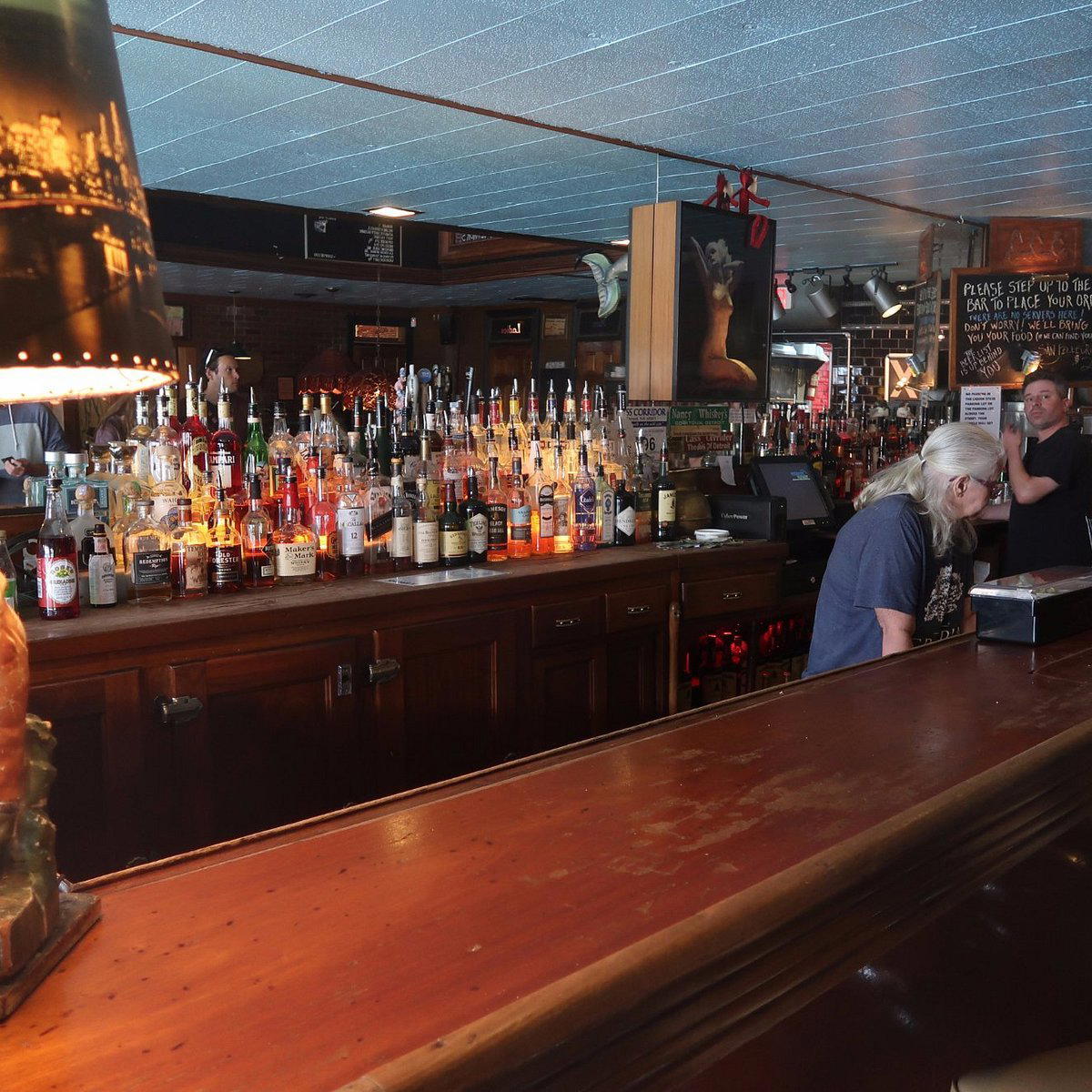
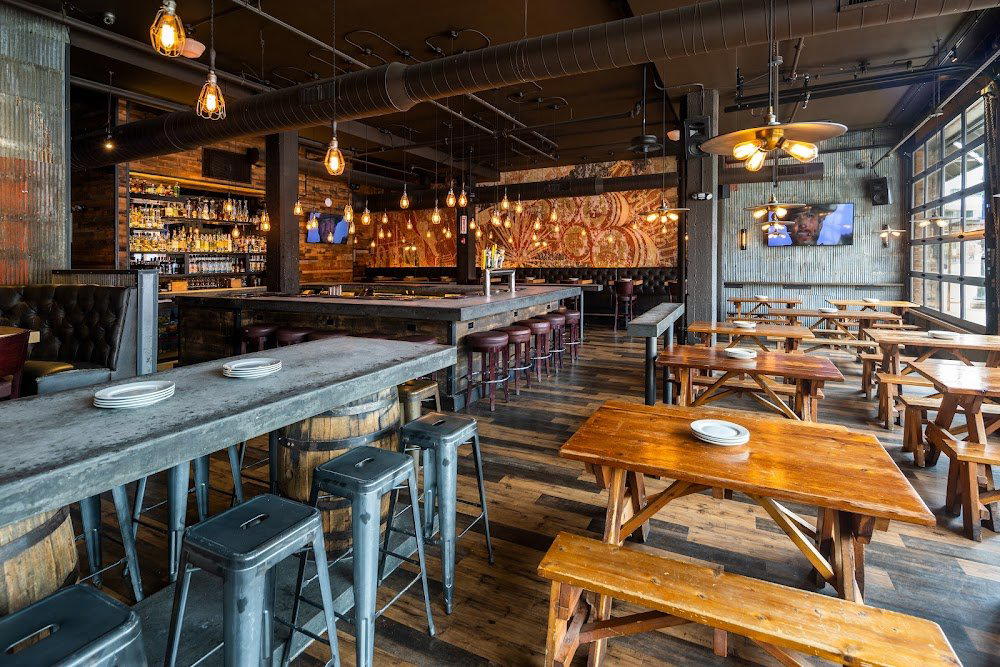
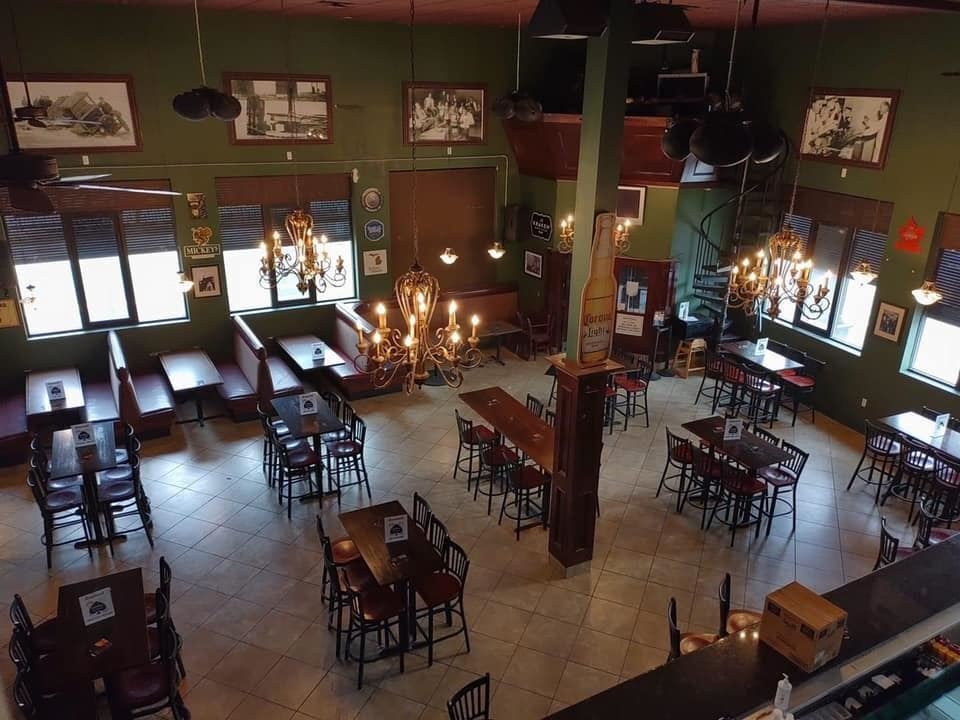
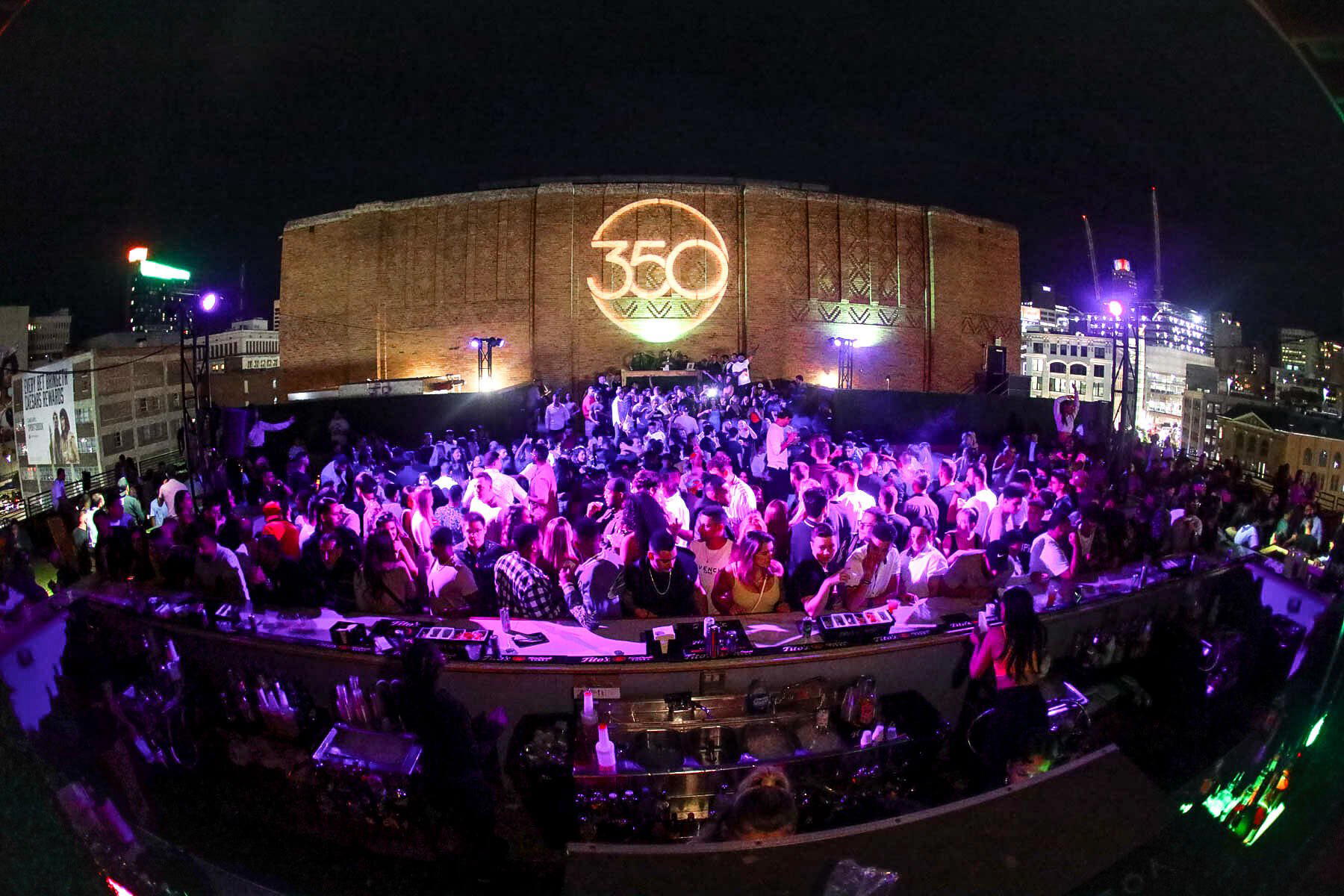
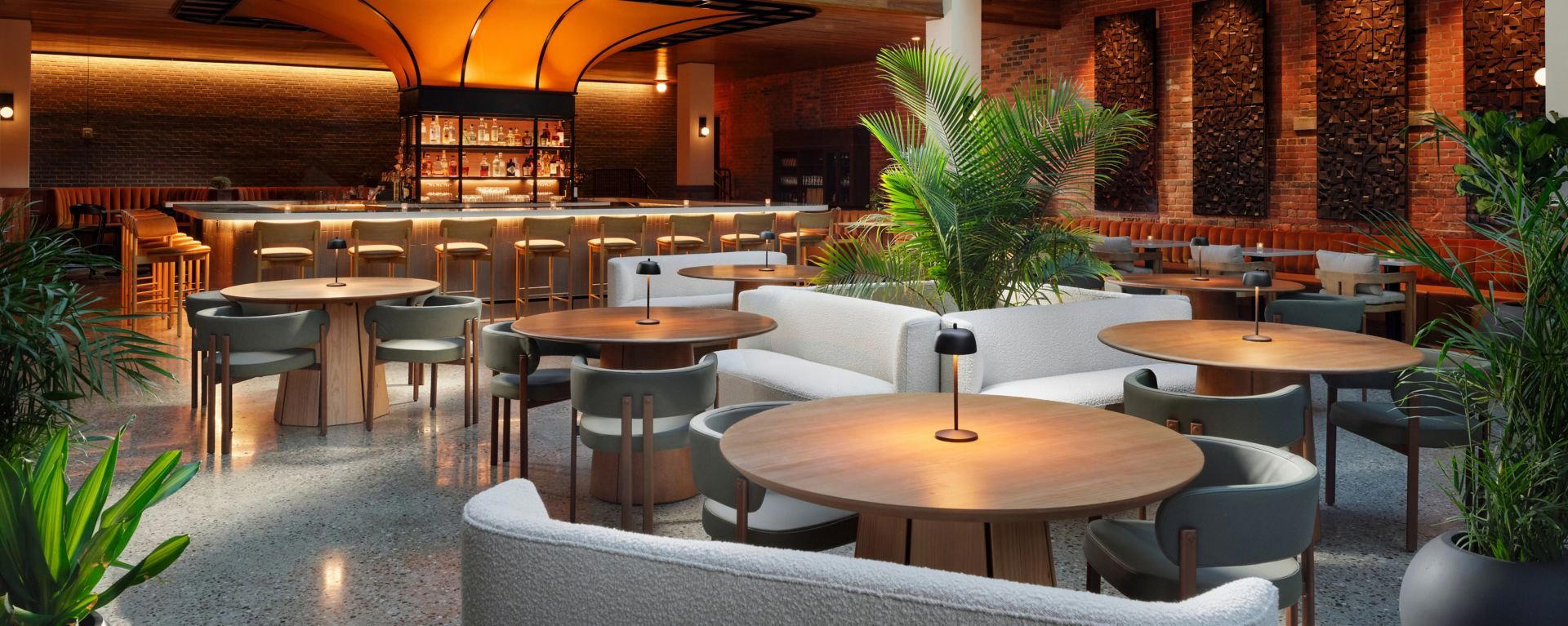
Bright and lively atmosphere with a cozy, inviting feel.
Know Before You Go
- Getting there
- 15 E Kirby St #115, Detroit, MI 48202