Oak & Reel
Oak & Reel occupies a distinctive position in Detroit's dining scene, where the city's industrial-revival energy meets a seafood-forward kitchen with a clear sustainability orientation. Located on East Grand Boulevard, the restaurant draws from ethical sourcing traditions that place it closer to farm-to-table peers than to Detroit's classic steakhouse tier. It is one of the city's more thoughtful addresses for diners tracking provenance.
Pearl is the En Primeur Club membership app — saves, bookings, and concierge access live there. Same editors, same standards.
- Address
- 2921 E Grand Blvd, Detroit, MI 48202
- Phone
- +13132709600
- Website
- oakandreel.com
- Directions
- Get directions
 Saves & bookings on Pearl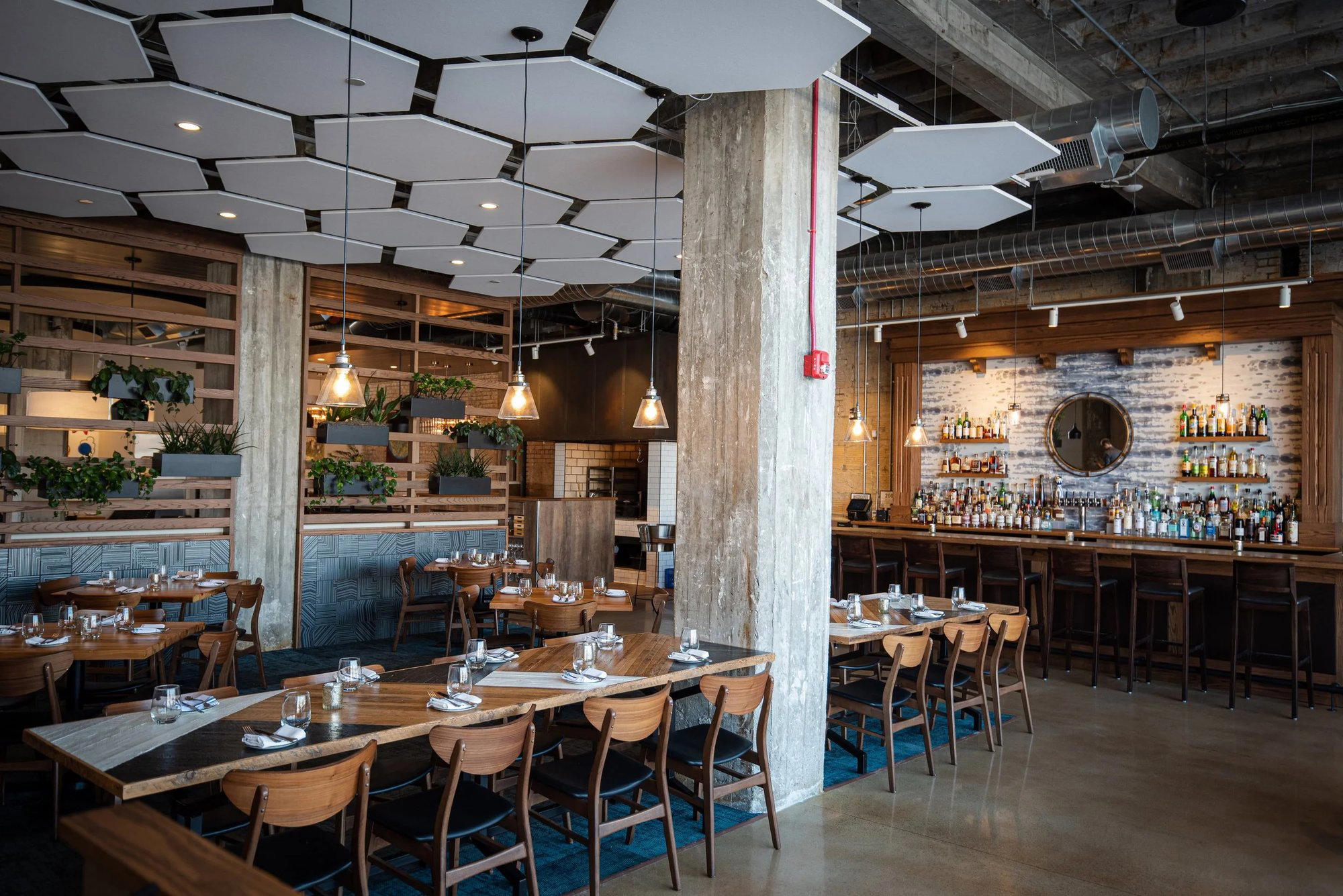
East Grand Boulevard and the Ethics of the Catch
East Grand Boulevard carries a particular weight in Detroit's geography. The boulevard runs through neighbourhoods that have cycled through decline and reinvention, and the buildings along its length tend to be either long-established or deliberately placed by operators who see something others have not yet caught up to. Oak and Reel at 2921 E Grand Blvd reads as the latter: a seafood restaurant in a landlocked midwestern city making a deliberate argument about how fish should be sourced, prepared, and served. That argument is not uncommon on either coast, but in Detroit's dining scene, where the dominant registers run toward barbecue, New American bistros, and East African kitchens, a sustainability-led seafood address is a genuinely different proposition.
Detroit's restaurant community has been quietly diversifying its ethical sourcing commitments over the past decade. Selden Standard helped establish the New American small-plates model with local-supply credentials. Baobab Fare built its reputation around East African home cooking with an emphasis on ingredient integrity. Vecino has worked the Modern Mexican register with attention to sourcing depth. Oak and Reel approaches the same underlying question from a seafood angle, asking what responsible fish cookery looks like in a city that sits at the centre of the Great Lakes watershed but has historically imported most of its seafood identity from coastal markets.
The Sustainability Frame in Seafood Kitchens
Across North America, the seafood sustainability conversation has evolved from certification stickers on menus to something more embedded in how kitchens actually operate. The restaurants that have moved furthest in this direction tend to share a few structural features: they work with a smaller, rotating roster of suppliers rather than a fixed commodity chain; they menu around what is available rather than what is expected; and they treat less commercially familiar species as an opportunity rather than a liability. Blue Hill at Stone Barns in Tarrytown made this approach central to its identity in the agricultural context; Single Thread Farm in Healdsburg applies similar discipline to multi-course tasting menus built around seasonal and regional availability. The logic translates directly to seafood: a kitchen committed to responsible sourcing is necessarily a kitchen that changes what it serves as supply conditions shift.
That operational posture places real demands on the kitchen and on the diner. It requires a willingness to work with unfamiliar cuts, to treat byproduct as ingredient, and to resist the pull of the same five fish that dominate conventional seafood menus. Restaurants that have made this commitment credibly tend to earn loyalty from a specific diner who is paying attention to those choices, and that loyalty tends to be durable even when the menu is less predictable than at a more conventional address.
Within the broader national tier of seafood-focused restaurants with explicit sustainability commitments, Le Bernardin in New York City and Providence in Los Angeles represent the highest-recognition bracket, both holding Michelin stars and long editorial track records. Addison in San Diego operates in the same refined tier. Oak and Reel operates in a different register, as a neighbourhood-anchored Detroit address rather than a destination tasting-menu institution, but it sits within the same broader current: the conviction that sourcing decisions are culinary decisions.
Detroit's Position in the Great Lakes Food System
There is a geographic argument to be made for a sustainability-led seafood kitchen in Detroit specifically. The Great Lakes hold roughly 21 percent of the world's surface freshwater, and the regional food system that surrounds them includes fishing traditions, aquaculture operations, and agricultural supply chains that most cities further from the water do not have immediate access to. Detroit sits at the intersection of those systems in ways that are not always visible in its restaurant culture, which has historically leaned harder on its meatpacking and agricultural Midwest identity than on its lake-and-river proximity.
A kitchen that takes Great Lakes provenance seriously is working with an ingredient story that is genuinely local in a way that imported coasts seafood is not. That distinction matters both ecologically and editorially: it gives a Detroit seafood kitchen a regional specificity that coastal seafood restaurants cannot replicate. The farm-to-table movement spent twenty years making that argument for produce and meat; the analogous argument for freshwater and regionally sourced seafood is less thoroughly made in the midwest, which gives kitchens willing to make it a degree of category clarity.
For context on how Detroit's dining scene fits into a broader national picture, our full Detroit restaurants guide maps the city's current range across price tiers and cuisine categories. Other addresses worth knowing in the city include ADELINA, Alpino, and American Coney Island for a sense of the full register. For something lighter or earlier in the day, 313 Cinnamon Rolls and Amore da Roma occupy different corners of the city's food fabric.
How Oak and Reel Fits the National Conversation
The restaurants most consistently cited as benchmarks for ethical sourcing and farm-to-sea discipline in the United States cluster on the coasts: The French Laundry in Napa, Lazy Bear in San Francisco, Alinea in Chicago, and Atomix in New York City all operate in markets where sustainability credentials have become a baseline expectation at the top tier. The more interesting development is when that conversation moves into cities where it has been less consistently present. Emeril's in New Orleans and The Inn at Little Washington represent earlier generations of destination dining in non-coastal or mid-tier markets making ambitious arguments about ingredient sourcing. 8 1/2 Otto e Mezzo Bombana in Hong Kong shows how the same sourcing discipline translates across entirely different culinary traditions. Oak and Reel belongs to a more recent wave of restaurants making that argument in cities like Detroit, where the ambient expectation is lower and the contrast with peers therefore sharper.
Planning a Visit
Oak and Reel is at 2921 E Grand Blvd in Detroit's East Grand Boulevard corridor, reachable by car from the city centre in under fifteen minutes and accessible via the QLine and city bus routes for those arriving without a vehicle. Given that the restaurant does not publish booking information through a widely circulated third-party channel, contacting the venue directly is the most reliable approach for reservations, particularly if you are planning around a specific evening or group size. Seafood-forward kitchens with supply-responsive menus tend to have shorter booking windows than tasting-menu institutions, but availability on weekend evenings should be confirmed ahead of time regardless.
How Oak & Reel Detroit compares with similar nearby venues.
| Venue | Cuisine |
|---|---|
| Baobab Fare | East African |
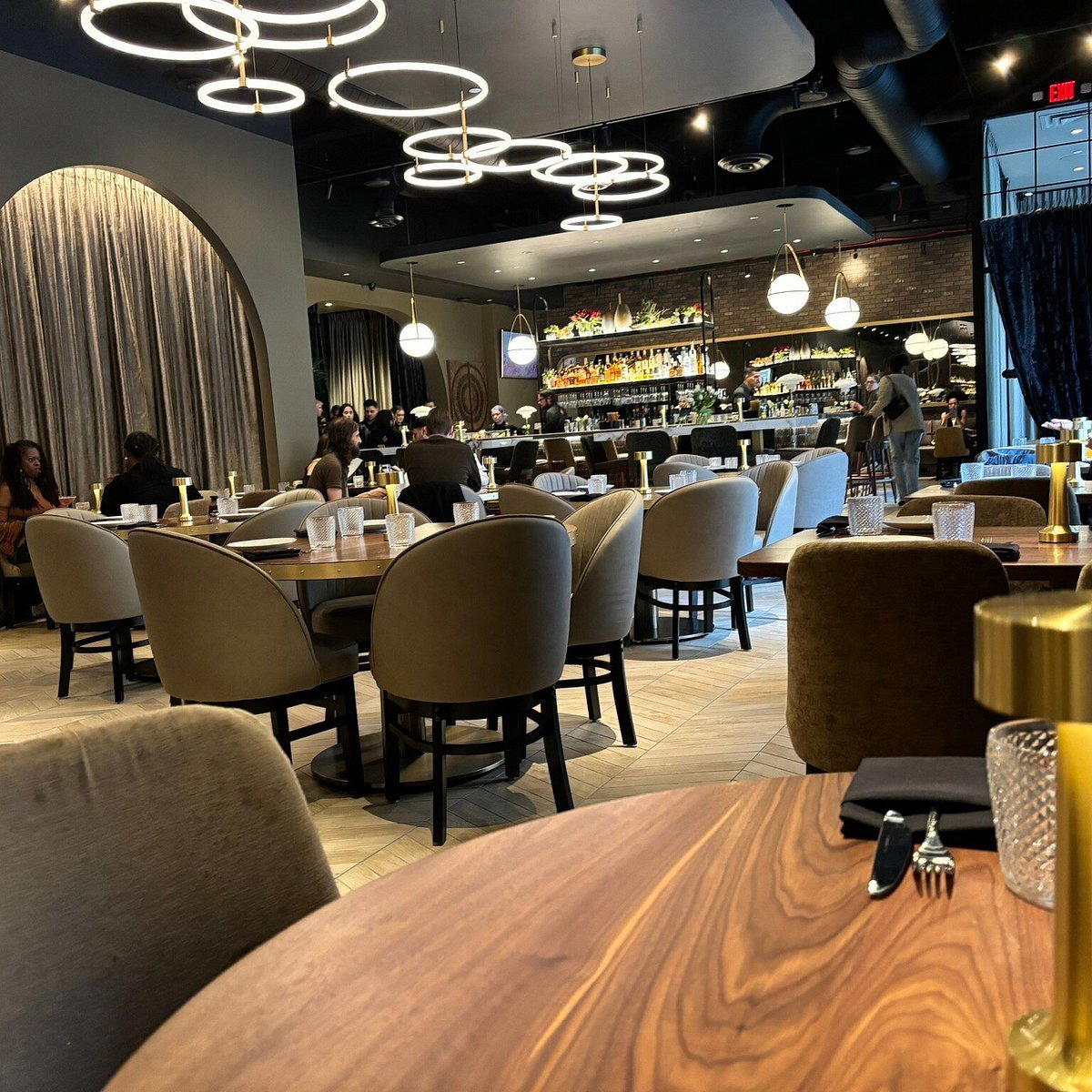
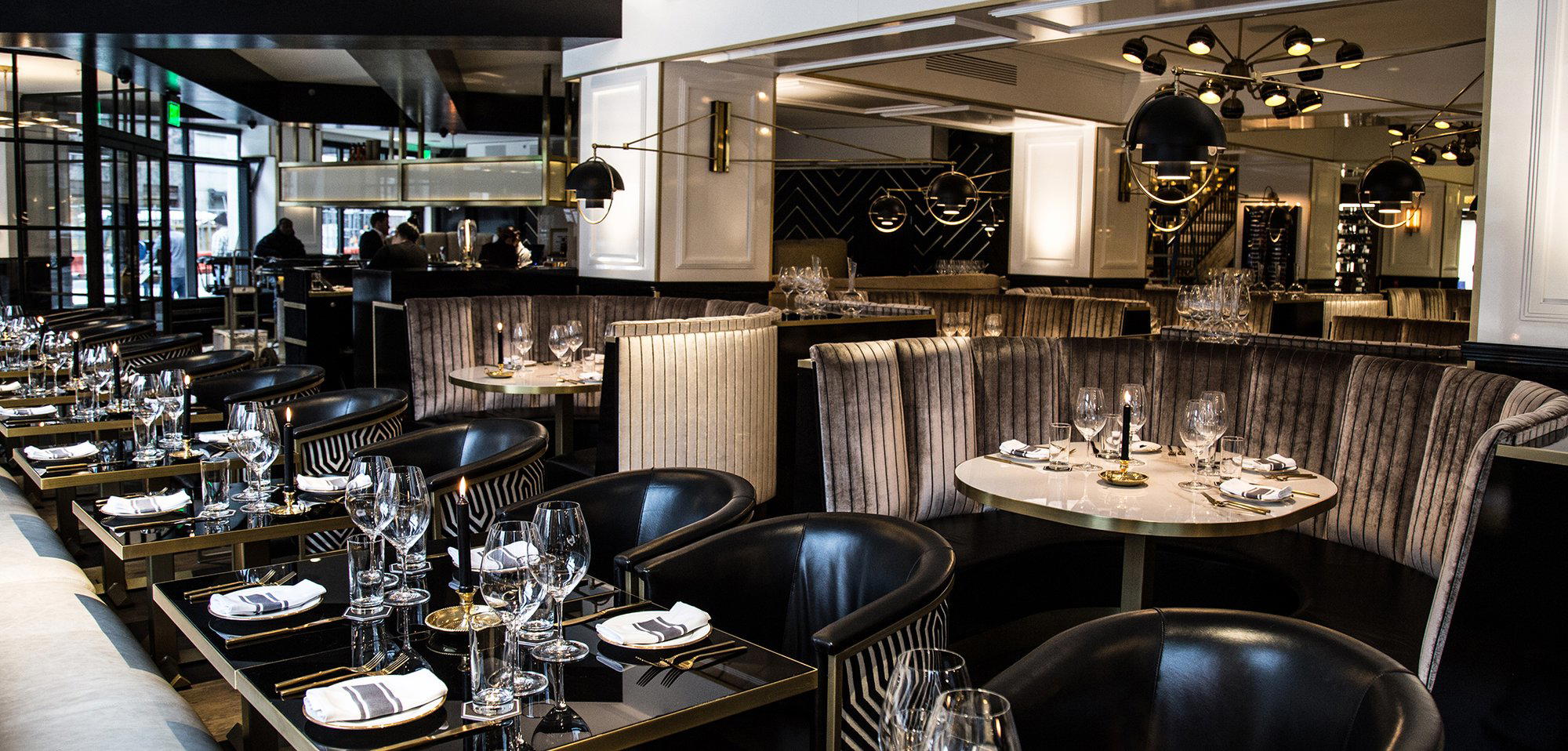
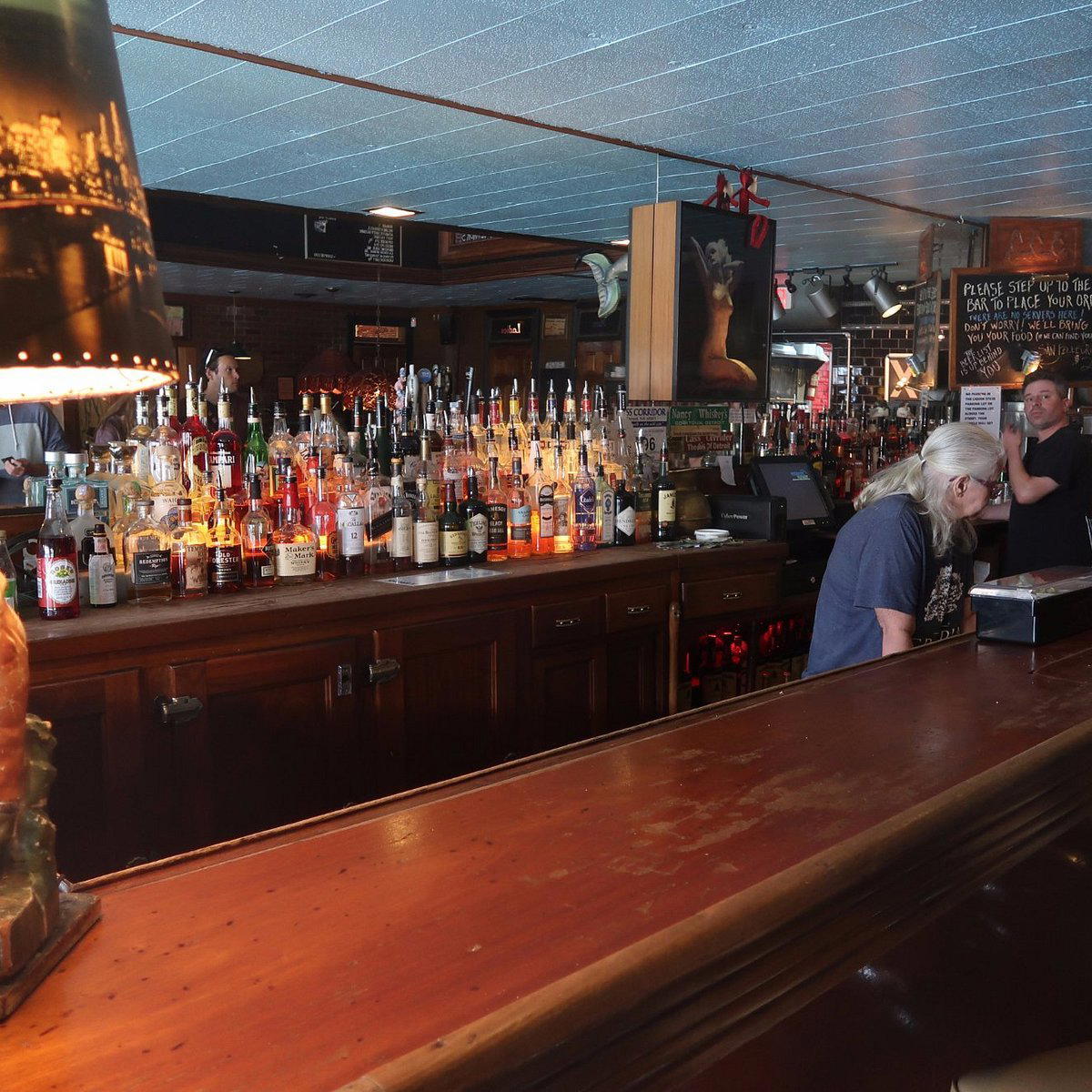
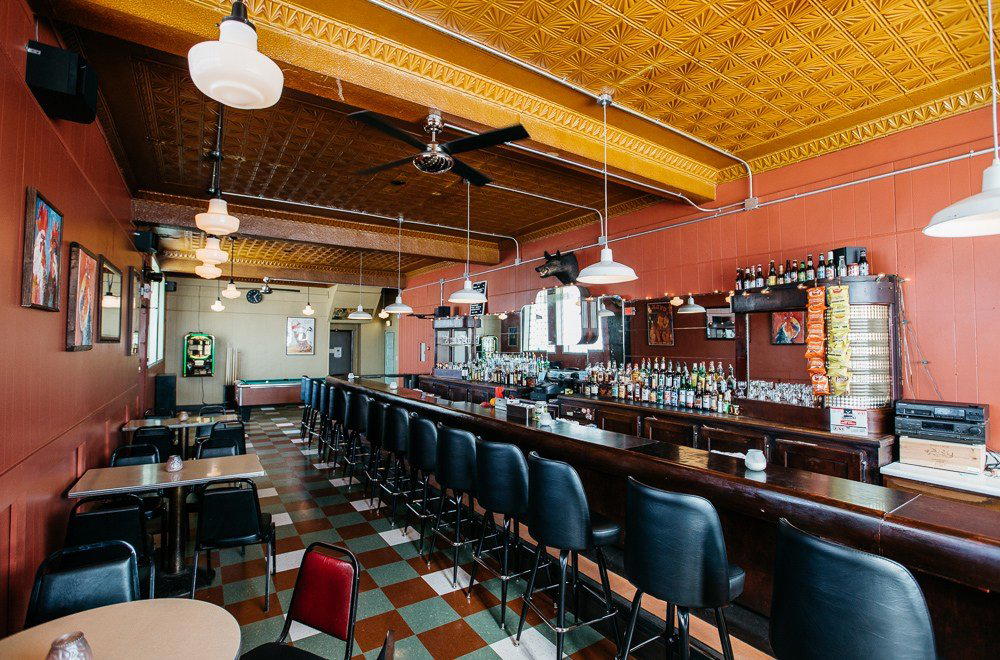




At a Glance
- Rustic
- Modern
- Cozy
- Elegant
- Date Night
- Special Occasion
- Celebration
- Open Kitchen
- Extensive Wine List
- Craft Cocktails
- Local Sourcing
Current opening hours
- Monday
- Closed
- Tuesday
- Closed
- Wednesday
- 5–9 PM
- Thursday
- 5–9 PM
- Friday
- 5–10 PM
- Saturday
- 5–10 PM
- Sunday
- 4:30–8 PM
Hours can change for holidays and private events. Last verified .
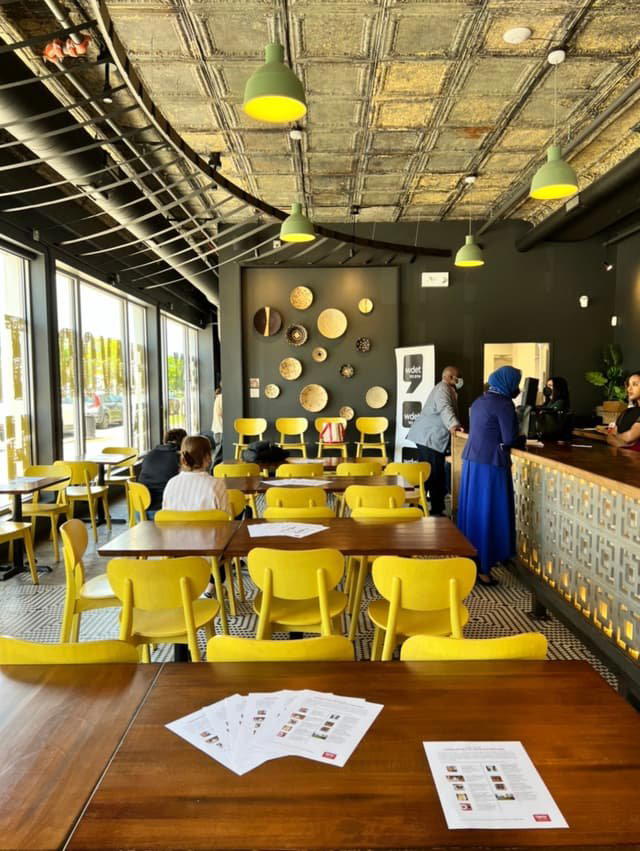
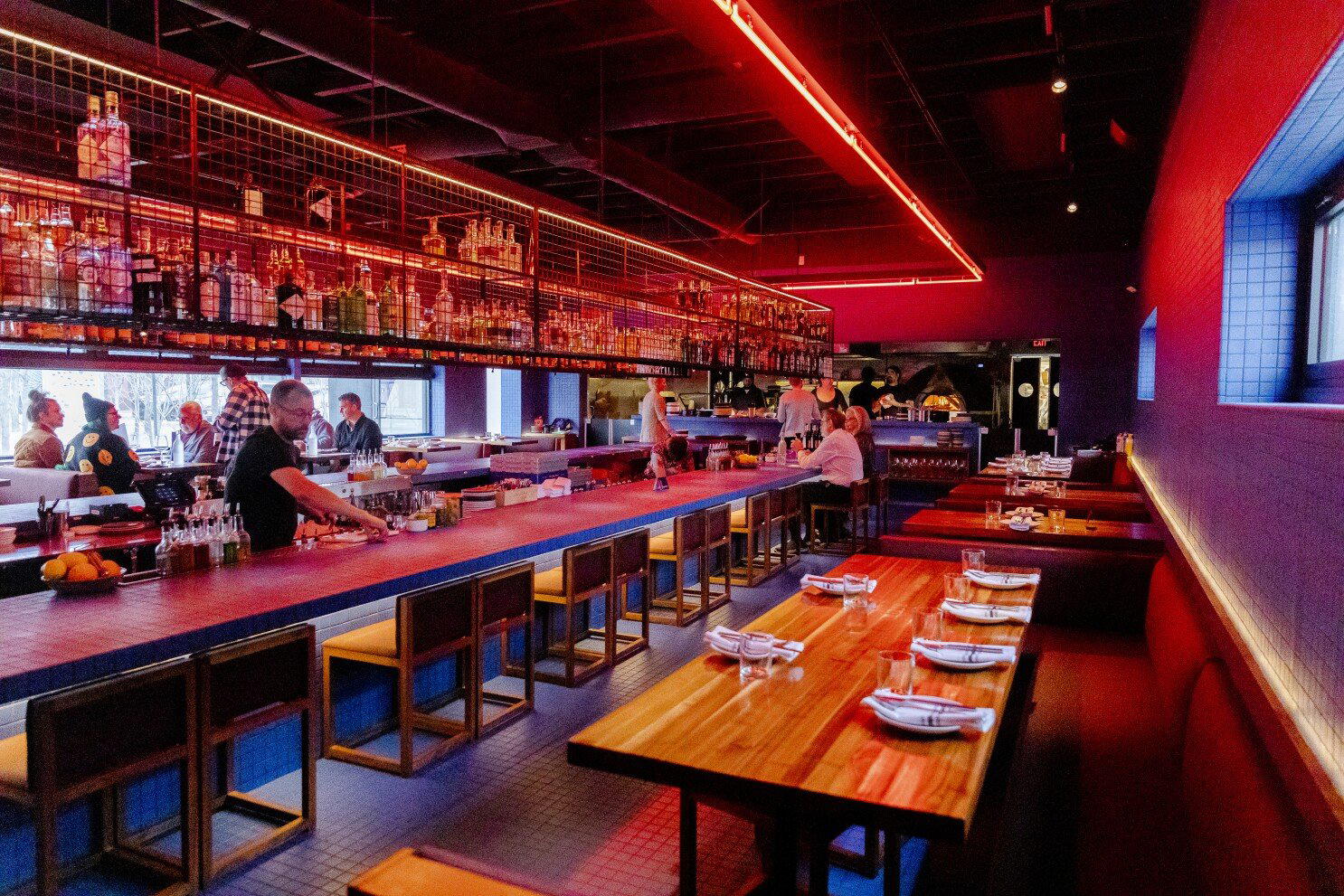
Dramatic yet casual environment with bright, clean, bold flavors from wood-fired cooking.
Know Before You Go
- Getting there
- 2921 E Grand Blvd, Detroit, MI 48202