Tabelog 100 #38
Our verdict
Otsuka Miyaho sits in Tokyo’s izakaya tradition at the point where seafood, sake, and neighborhood dining meet a more disciplined format. Its repeated Tabelog 100 Izakaya selections in 2021, 2022, 2024, and 2025 place it in a narrower tier than the casual tavern label suggests, with counter seating, table seating, and a fish-led kitchen shaping the experience.

Pearl is the En Primeur Club membership app, where members save venues, book tables and use the concierge.
The menu
What to order
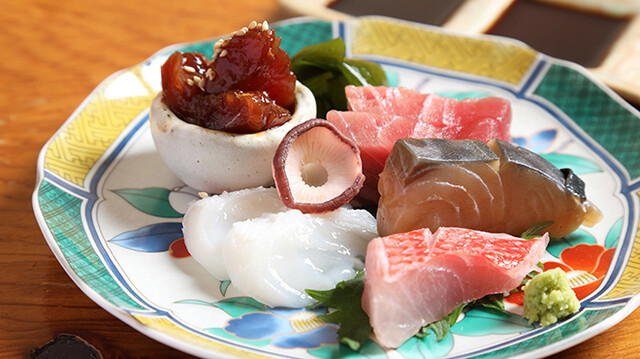
- Fresh market sashimi
- Seasonal seafood dishes
- Ramen made with carefully selected ingredients
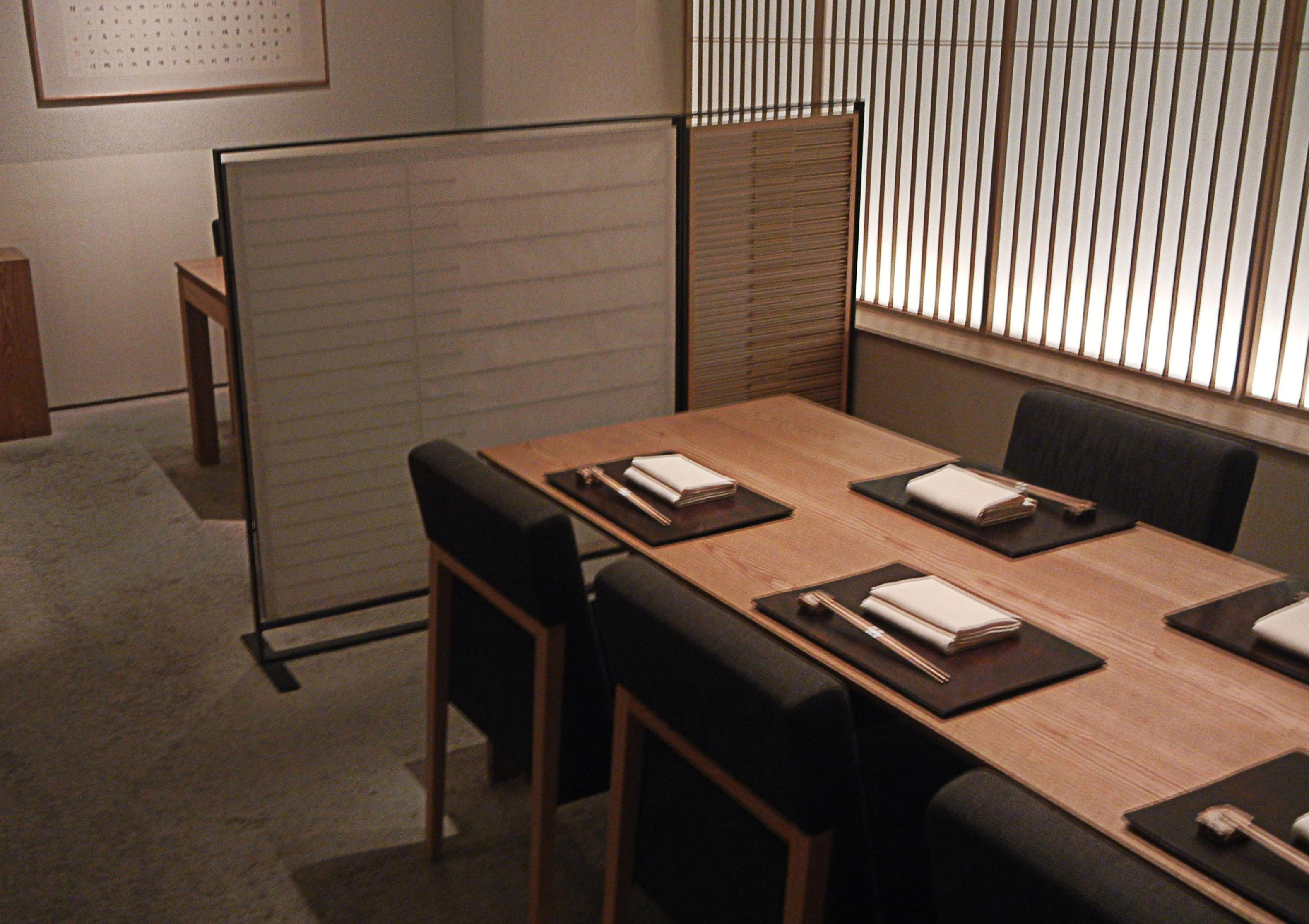
Approaching a serious Tokyo izakaya is rarely theatrical. The signal is smaller: compact frontage, a modest threshold, the move from city noise to a room built around food and conversation. In Tokyo, that restraint matters. Tokyo’s izakaya culture has always been democratic, but its higher end now splits between taverns in spirit and places behaving more like small Japanese restaurants. Otsuka Miyaho belongs to that more meal-driven camp: an izakaya also listed for seafood and ramen, disciplined enough to make the category feel broader than its cheapest shorthand.
The useful context is not a late-night drinking-den fantasy. The modern Tokyo izakaya can be a serious culinary format, especially when the kitchen is treated as the center of the evening rather than background to drinks. Tabelog’s Hyakumeiten recognition in 2025 gives Otsuka Miyaho an external signal within that landscape, alongside a listed score of 3.65. The recognition does not make the room haute cuisine, but it sets expectations for structure, attention to the format, and a clientele that knows the difference between casual dining and casual-looking dining.
Seafood and izakaya cooking push the format into restaurant territory
Tokyo has many izakaya categories: yakitori counters, oden rooms, seafood pubs, sake bars with snacks, and hybrid kitchens borrowing from more formal Japanese formats without saying so. The seafood branch is especially revealing because it depends less on atmosphere than procurement, knife work, temperature control, and pacing. Otsuka Miyaho’s public categories, izakaya, seafood, and ramen, describe a mixed format, but they also place it closer to a meal-driven tavern than a simple drink-first stop.
That distinction helps travelers trained by Tokyo’s luxury dining culture to chase sushi counters and kaiseki rooms while underestimating the izakaya. In the right hands, the format is less formal but not necessarily less exacting: dishes can move across shared plates, seafood preparations, grilled or simmered items, and noodle endings without tasting-menu ceremony. The experience is social, yet the kitchen still needs rhythm. Otsuka Miyaho’s appeal sits in that middle scale: focused enough for a planned meal, relaxed enough to remain recognizably izakaya.
Within Tokyo, this puts the restaurant in conversation with a range of other named dining rooms, from DAIJU and Sichuan Ryori Kae to Soten Minamiguchi ten, Yappari India, and Yoshoku GOTOO. The point is not to force a direct like-for-like comparison, but to understand Otsuka Miyaho as a recognized Tokyo izakaya with seafood in the mix, rather than the hushed choreography of a luxury counter.
Tokyo gives the room its local scale
Tokyo explains why this restaurant works. Away from the most internationally legible luxury-dining circuits, the city still has the density, rail culture, and evening economy to sustain serious small restaurants. Otsuka Miyaho is not performing Tokyo for visitors. Its dining room can serve regulars, office diners, and destination guests who understand why a focused restaurant can matter without leaning on a famous district as its main credential.
Here the izakaya’s cultural roots still carry weight. Historically, the format is built around drinking, sharing, and flexible ordering rather than a fixed Western sequence. In contemporary Tokyo, stronger examples have tightened that looseness without losing it. Counter-style dining, where available, gives solo diners and pairs a direct view of the room’s tempo; table dining keeps the meal among friends rather than ceremony. The point is not luxury polish, but a familiar format handled with unusual care.
The seafood focus matters because it is one of the clearest ways to read Japanese cooking in a city importing ingredients and technique from across the country. Fish-led izakaya cooking needs little explanation when the meal is paced with attention. The logic is cultural rather than decorative: rice, fermentation, salinity, and seasonal cooking spoke to one another in Japan long before pairing-menu language arrived.
How to read the meal without treating it like omakase
The right expectation is a structured izakaya meal, not a chef-worship counter. Public category information makes the format clear enough: this is an izakaya, with seafood and ramen also part of its identity. That combination suggests a kitchen with range, not a luxury performance built around one rigid sequence. It also means this is not the place to arrive expecting the genre to behave like a Western fine-dining room.
For solo diners and pairs, the attraction is the intimacy that Tokyo izakaya dining can still offer, especially in a city where close-range restaurant culture remains a great civic form. For groups, the meal is better approached with flexibility and patience. Payment, ordering, and administrative customs may feel more local than hotel-restaurant polished, so visitors should treat practical details as seriously as the food and confirm current arrangements directly.
The critical read is simple. Otsuka Miyaho is not valuable because it escapes the izakaya category; it is valuable because it shows how far the category can stretch while keeping its roots. Tabelog Hyakumeiten recognition for 2025 gives an external trust signal, but the deeper appeal is cultural: seafood, ramen, izakaya ease, proximity, and Tokyo scale working inside a format the city still understands better than anywhere.
For broader Tokyo planning, compare this with other category-specific rooms in Our full Tokyo restaurants guide, including DAIJU, Sichuan Ryori Kae, Soten Minamiguchi ten, Yappari India, and Yoshoku GOTOO. For the wider trip frame, use the broader Tokyo hotel, bar, wine, and experience guides, and keep nearby Japan or international casual-dining ideas as general extensions rather than direct comparisons to this particular izakaya.
Frequently asked questions
What part of town is Otsuka Miyaho in?
Tokyo.
What does dinner at Otsuka Miyaho typically cost?
Pricing at Otsuka Miyaho is listed as Dinner: JPY 8,000 - JPY 9,999; Lunch: JPY 1,000 - JPY 1,999.
What time does Otsuka Miyaho open and close?
Current opening hours should be confirmed directly with Otsuka Miyaho before visiting.
What is Otsuka Miyaho known for?
Otsuka Miyaho is known as a Tokyo izakaya also listed for seafood and ramen, with Tabelog Hyakumeiten recognition in 2025.
Cuisine Context
Comparable venues at the same tier.
| Venue | Cuisine | Price | Awards | Notes |
|---|---|---|---|---|
| Otsuka MiyahoThis venue (the venue you are viewing) | Japanese Izakaya & Ramen | $20–30 | Tabelog 100 #38 | Not listed |
| Masudaya | Traditional Sukiyaki & Shabu-Shabu | $50–100 | Tabelog 100 #64 | Shinjuku |
| Yakiniku Akira Hongou honten | Japanese Yakiniku (BBQ Beef) | $50–100 | Tabelog 100 #10 | Bunkyō |
| 食堂 わた | Modern Japanese Izakaya | $50–100 | Michelin Bib Gourmand · Tabelog 100 #69 | Shinjuku |
| Shiono | Traditional Japanese wagashi (sweets) | $10–20 | Tabelog 100 #68 | Minato |
| Naniwa | Okonomiyaki & Takoyaki | $30–50 | Tabelog 100 #70 | Nerima |
Recognition history
Dated appearances from independent guides and award organizations, with the underlying list record or original source where available.
Tabelog 100 #38 · No. 38
Tabelog · Tabelog 100 - Izakaya - EAST - 2025